Explore herbs compounds

  • 12404 Plants
  • |
  • 11288 Compounds
  • |
  • 16281 Activities
  • |
  • 132161 Studies

Explore Herbs


Alphabet


Biological Activities

View all →

Bioactive Compounds

View all →

Plant Parts

View all →

List of herbs compounds

Showing 145-192 out of 11883 results

Isoorientin

Isoorientin is a bioactive C-glycosyl flavone known for its significant antioxidant, anti-inflammatory, and neuroprotective properties. This compound is found in various medicinal herbs, including Eremurus persicus, Lippia origanoides, and Asphodelus bento-rainhae subsp. bento-rainhae.

Associated herbs: 37

Occurs naturally in
Eremurus persicus
Lippia origanoides

Asphodelus bento-rainhae subsp. bento-rainhae
View all Isoorientin herbs →

Polyphenol

Polyphenols are a diverse group of bioactive compounds found in medicinal plants that function as powerful antioxidants to protect cells from oxidative stress and reduce inflammation. Many medicinal herbs are rich in these compounds, including species such as Azadirachta indica, Aloe djiboutiensis, and Nekemias grossedentata.

Associated herbs: 33

Occurs naturally in

Azadirachta indica

Aloe djiboutiensis

Nekemias grossedentata

View all Polyphenol herbs →

Sitosterol

Sitosterol is a plant sterol that plays a vital role in modulating cholesterol levels and providing anti-inflammatory and antioxidant benefits to the human body. This bioactive compound can be found in various medicinal herbs, including Rheum sublanceolatum, Nardostachys jatamansi, and Gomphrena portulacoides.

Associated herbs: 36

Occurs naturally in

Rheum sublanceolatum

Nardostachys jatamansi

Gomphrena portulacoides

View all Sitosterol herbs →

Syringin

Syringin is a bioactive phenylpropanoid glycoside known for its significant pharmacological properties, including anti-inflammatory, antioxidant, and neuroprotective effects. This compound is found in various medicinal herbs, such as Codonopsis pilosula, Dolomiaea costus, and Glehnia littoralis.

Associated herbs: 23

Occurs naturally in

Codonopsis pilosula

Dolomiaea costus

Glehnia littoralis

View all Syringin herbs →

formononetin

Formononetin is a natural isoflavone known for its potent antioxidant, anti-inflammatory, and phytoestrogenic properties. This bioactive compound can be found in various medicinal herbs, including Astragalus mongholicus, Dalbergia odorifera, and Caragana stenophylla.

Associated herbs: 23

Occurs naturally in

Astragalus mongholicus

Dalbergia odorifera

Caragana stenophylla

View all formononetin herbs →

n-Hexadecanoic acid

n-Hexadecanoic acid, commonly known as palmitic acid, is a saturated fatty acid that serves as a vital bioactive component in many medicinal plants, often contributing to anti-inflammatory and antioxidant properties. This compound can be found in various therapeutic herbs, including Tinospora cordifolia, Limonia acidissima, and Eleutherococcus brachypus.

Associated herbs: 33

Occurs naturally in

Tinospora cordifolia

Limonia acidissima

Eleutherococcus brachypus

View all n-Hexadecanoic acid herbs →

paclitaxel

Paclitaxel is a potent bioactive compound derived from medicinal plants that functions as a chemotherapy agent by inhibiting cell division in cancer cells. This compound is primarily sourced from various species of yew trees, such as Taxus chinensis, Taxus wallichiana, and Taxus canadensis.

Associated herbs: 11

Occurs naturally in

Taxus chinensis

Taxus wallichiana

Taxus canadensis

View all paclitaxel herbs →

Aloe emodin

Aloe emodin is a bioactive anthraquinone compound known for its potent laxative, anti-inflammatory, and antimicrobial properties. This compound can be found in various medicinal herbs, including Rheum palmatum, Asphodelus bento-rainhae subsp. bento-rainhae, and Asphodelus macrocarpus subsp. macrocarpus.

Associated herbs: 23

Occurs naturally in

Rheum palmatum

Asphodelus bento-rainhae subsp. bento-rainhae
Asphodelus macrocarpus subsp. macrocarpus

View all Aloe emodin herbs →

Betulin

Betulin is a natural triterpene found in various medicinal plants that possesses significant anti-inflammatory, antioxidant, and potential anti-tumor properties. This bioactive compound is commonly extracted from herbs such as Chaenomeles, Tetracera potatoria, and Operculina turpethum.

Associated herbs: 45

Occurs naturally in

Chaenomeles

Tetracera potatoria

Operculina turpethum

View all Betulin herbs →

Caryophyllene oxide

Caryophyllene oxide is a bioactive sesquiterpenoid oxide known for its significant pharmacological properties, including anti-inflammatory, antimicrobial, and antioxidant activities. This compound is found in various medicinal plants, such as Vachellia nilotica, Artemisia nilagirica, and Myrsine linearis.

Associated herbs: 44

Occurs naturally in

Vachellia nilotica

Artemisia nilagirica

Myrsine linearis

View all Caryophyllene oxide herbs →

Cryptotanshinone

Cryptotanshinone is a bioactive diterpene quinone known for its significant anti-inflammatory, anti-tumor, and neuroprotective properties. This compound is primarily found in medicinal herbs such as Salvia miltiorrhiza, Salvia abrotanoides, and Aquilaria sinensis.

Associated herbs: 4

Occurs naturally in

Salvia miltiorrhiza

Salvia abrotanoides

Aquilaria sinensis

View all Cryptotanshinone herbs →

Ginsenoside RG1

Ginsenoside RG1 is a prominent bioactive saponin known for its neuroprotective, antioxidant, and cognitive-enhancing properties. This compound is primarily found in medicinal herbs of the Panax genus, such as Panax ginseng, Panax notoginseng, and Panax quinquefolius.

Associated herbs: 3

Occurs naturally in

Panax ginseng

Panax notoginseng

Panax

View all Ginsenoside RG1 herbs →

Hexadecanoic acid

Hexadecanoic acid, commonly known as palmitic acid, is a saturated fatty acid found in various medicinal plants that plays a significant role in supporting metabolic health and inflammatory regulation. This bioactive compound can be found in several medicinal herbs, including Erycibe schmidtii, Oroxylum indicum, and Phyllolobium chinense.

Associated herbs: 38

Occurs naturally in

Erycibe schmidtii

Oroxylum indicum

Phyllolobium chinense

View all Hexadecanoic acid herbs →

Magnoflorine

Magnoflorine is an isoquinoline alkaloid known for its diverse pharmacological properties, including potential anti-inflammatory, antimicrobial, and neuroprotective activities. This bioactive compound can be found in various medicinal plants, such as Botryodiscia tetrandra, Tinospora cordifolia, and Aquilegia fragrans.

Associated herbs: 24

Occurs naturally in

Botryodiscia tetrandra

Tinospora cordifolia

Aquilegia fragrans

View all Magnoflorine herbs →

Magnolol

Magnolol is a bioactive neolignan known for its potent antioxidant, anti-inflammatory, and anxiolytic properties that help reduce stress and anxiety. This compound is primarily found in various species of the Magnolia genus, most notably in Magnolia officinalis, Magnolia grandiflora, and other Magnolia species.

Associated herbs: 5

Occurs naturally in

Magnolia officinalis

Magnolia grandiflora

Magnolia

View all Magnolol herbs →

SANGUINARINE

Sanguinarine is a potent benzophenanthridine alkaloid known for its significant biological activities, including antimicrobial, anti-inflammatory, and pro-apoptotic properties. This bioactive compound is found in various medicinal plants, such as Argemone mexicana, Fumaria schleicheri, and other species within the Argemone genus.

Associated herbs: 13

Occurs naturally in

Argemone mexicana

Fumaria schleicheri

Argemone

View all SANGUINARINE herbs →

Sugars

Sugars are essential bioactive carbohydrates that serve as fundamental energy sources and play critical roles in the metabolic processes of various organisms. These compounds are naturally present in a wide range of medicinal plants, including Muntingia calabura, Teucrium parviflorum, and Rhamnus lycioides.

Associated herbs: 34

Occurs naturally in

Muntingia calabura

Teucrium parviflorum

Rhamnus lycioides

View all Sugars herbs →

Terpinen-4-ol

Terpinen-4-ol is a potent monoterpene alcohol recognized for its significant antimicrobial, anti-inflammatory, and insecticidal properties. This bioactive compound is found in various medicinal plants, including Melaleuca alternifolia (tea tree), Ferula akitschkensis, and Etlingera elatior.

Associated herbs: 22

Occurs naturally in

Melaleuca alternifolia

Ferula akitschkensis

Etlingera elatior

View all Terpinen-4-ol herbs →

phenol

Phenols are a diverse group of bioactive compounds characterized by the presence of one or more hydroxyl groups attached to an aromatic hydrocarbon ring, often providing potent antioxidant and anti-inflammatory properties. These compounds are widely distributed in nature and can be found in medicinal herbs such as Alpinia galanga, Eucalyptus camaldulensis, and Nicandra physalodes.

Associated herbs: 31

Occurs naturally in

Alpinia galanga

Eucalyptus camaldulensis

Nicandra physalodes

View all phenol herbs →

proline

Proline is a non-essential amino acid that plays a crucial role in plant stress responses and serves as a key precursor for the synthesis of collagen and other essential proteins in the human body. This bioactive compound can be found in various medicinal herbs, including Ephedra sinica, Glycyrrhiza uralensis, and Panax.

Associated herbs: 26

Occurs naturally in

Ephedra sinica

Glycyrrhiza uralensis

Panax

View all proline herbs →

quinic acid

Quinic acid is a naturally occurring organic acid that functions as a key metabolic intermediate, often contributing to the antioxidant and antimicrobial properties of various medicinal plants. This bioactive compound can be found in a diverse range of botanical species, including Marrubium astracanicum subsp. macrodon, Prosthechea karwinskii, and Citrullus lanatus.

Associated herbs: 43

Occurs naturally in

Marrubium astracanicum subsp. macrodon

Prosthechea karwinskii

Citrullus lanatus

View all quinic acid herbs →

Crocin

Crocin is a powerful water-soluble carotenoid pigment known for its potent antioxidant, anti-inflammatory, and neuroprotective properties. This bioactive compound is primarily found in medicinal herbs such as Crocus sativus (saffron), Gardenia jasminoides, and certain species of Carica.

Associated herbs: 4

Occurs naturally in

Crocus sativus

Gardenia jasminoides

Carica

View all Crocin herbs →

Epigallocatechin

Epigallocatechin is a potent polyphenolic antioxidant found in various medicinal plants that helps combat oxidative stress and reduce inflammation within the body. This bioactive compound is present in several herbal species, including Senna velutina, Akschindlium godefroyanum, and Combretum quadrangulare.

Associated herbs: 26

Occurs naturally in

Senna velutina

Akschindlium godefroyanum

Combretum quadrangulare

View all Epigallocatechin herbs →

Honokiol

Honokiol is a bioactive neolignan known for its potent antioxidant, anti-inflammatory, and sedative properties. This compound is primarily found in the bark and flowers of plants within the Magnolia genus, such as Magnolia officinalis, Magnolia grandiflora, and other various Magnolia species.

Associated herbs: 4

Occurs naturally in

Magnolia officinalis

Magnolia

Magnolia grandiflora

View all Honokiol herbs →

Madecassoside

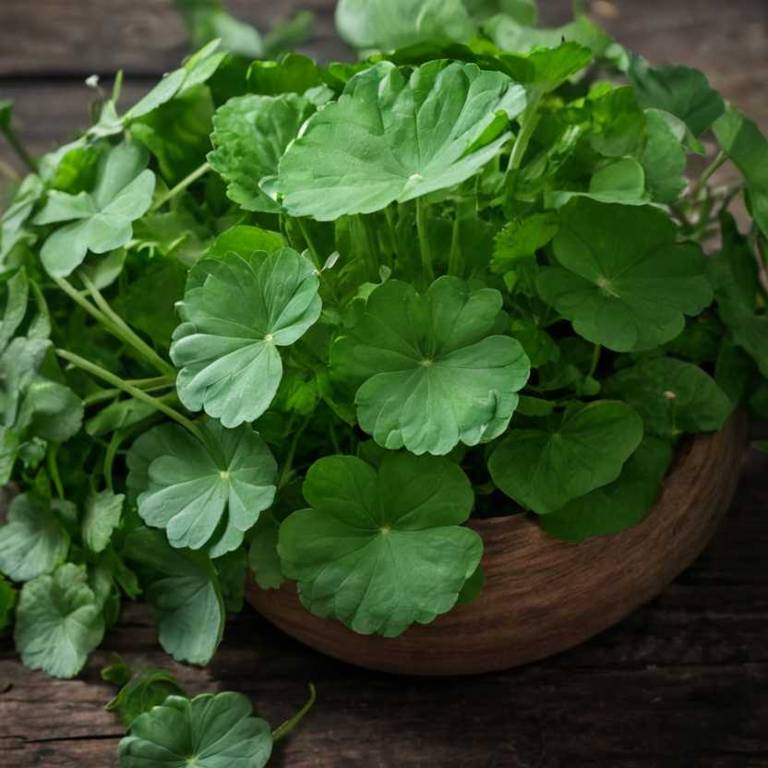
Madecassoside is a potent bioactive triterpenoid known for its significant anti-inflammatory, antioxidant, and wound-healing properties. This compound is primarily extracted from medicinal herbs such as Centella asiatica, commonly known as Gotu Kola.

Associated herbs: 1

Occurs naturally in

Centella asiatica

View all Madecassoside herbs →

RB1

RB1 is a major type of ginsenoside, a bioactive saponin known for its potent neuroprotective, anti-inflammatory, and immunomodulatory properties. This compound is primarily found in various species of the Panax genus, including Panax ginseng and Panax notoginseng.

Associated herbs: 4

Occurs naturally in

Panax

Panax ginseng

Panax notoginseng

View all RB1 herbs →

THC

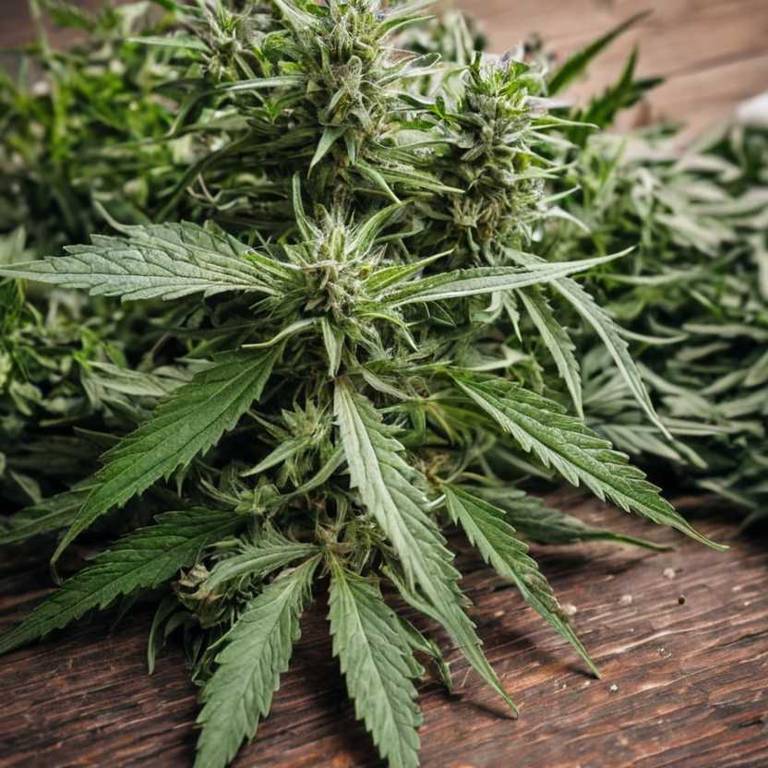
THC (tetrahydrocannabinol) is a primary psychoactive compound found in various medicinal herbs that interacts with the body's endocannabinoid system to produce therapeutic and intoxicating effects. This bioactive compound is most notably present in plants such as Cannabis, Cannabis sativa, and Trema micranthum.

Associated herbs: 3

Occurs naturally in

Cannabis

Cannabis sativa

Trema micranthum

View all THC herbs →

Umbelliferone

Umbelliferone is a natural coumarin derivative found in various medicinal plants that exhibits diverse pharmacological activities, including anti-inflammatory, antioxidant, and antimicrobial properties. This bioactive compound is present in several botanical species, such as Sinacia tangutica, Strychnos innocua, and Matricaria chamomilla.

Associated herbs: 31

Occurs naturally in

Sinacalia tangutica

Strychnos innocua

Matricaria chamomilla

View all Umbelliferone herbs →

acacetin

Acacetin is a natural flavone known for its significant antioxidant, anti-inflammatory, and neuroprotective properties. This bioactive compound can be found in various medicinal herbs, including Chrysanthemum indicum var. aromaticum, Pseudostellaria heterophylla, and Artemisia afra.

Associated herbs: 29

Occurs naturally in

Chrysanthemum indicum var. aromaticum

Pseudostellaria heterophylla

Artemisia afra

View all acacetin herbs →

galactose

Galactose is a simple monosaccharide sugar that serves as a fundamental building block for complex carbohydrates and glycoconjugates essential to cellular signaling and energy metabolism. This bioactive compound can be found in various medicinal herbs, such as Panax notoginseng, Phaseolus coccineus, and Angelica acutiloba.

Associated herbs: 27

Occurs naturally in

Panax notoginseng

Phaseolus coccineus

Angelica acutiloba

View all galactose herbs →

CAMPESTEROL

Campesterol is a plant sterol that plays a vital role in regulating cholesterol levels and maintaining cell membrane stability within various biological systems. This bioactive compound can be found in medicinal herbs such as Strychnos innocua, Gomphrena portulacoides, and Clinacanthus nutans.

Associated herbs: 25

Occurs naturally in

Strychnos innocua

Gomphrena portulacoides

Clinacanthus nutans

View all CAMPESTEROL herbs →

Caryophyllene

Caryophyllene is a prominent sesquiterpene known for its diverse biological activities, including potent anti-inflammatory, antimicrobial, and analgesic properties. This bioactive compound can be found in various medicinal herbs, such as Baccharoides anthelmintica, Dolomiaea costus, and Cuminum.

Associated herbs: 25

Occurs naturally in

Baccharoides anthelmintica

Dolomiaea costus

Cuminum

View all Caryophyllene herbs →

Catalpol

Catalpol is a bioactive iridoid glycoside known for its significant anti-inflammatory, antioxidant, and potential anti-tumor properties in various biological systems. This compound can be found in several medicinal plants, including Stachys grandidentata, Buddleja albiflora, and Rehmannia glutinosa.

Associated herbs: 10

Occurs naturally in

Stachys grandidentata

Buddleja albiflora

Rehmannia glutinosa

View all Catalpol herbs →

Citral

Citral is a key monoterpene aldehyde responsible for the distinct lemon-like aroma and potent antimicrobial properties found in various medicinal plants. This bioactive compound is prominently present in herbs such as Cymbopogon citratus (lemongrass), Leptospermum scoparium (manuka), and Lavandula latifolia (spike lavender).

Associated herbs: 18

Occurs naturally in

Leptospermum

Cymbopogon citratus

Lavandula latifolia

View all Citral herbs →

Gentiopicroside

Gentiopicroside is a potent secoiridoid glycoside known for its significant bitter properties and diverse pharmacological activities, including anti-inflammatory and gastroprotective effects. This bioactive compound is primarily found in medicinal herbs such as Swertia chirayita, Gentiana siphonantha, and Gentiana straminea.

Associated herbs: 21

Occurs naturally in

Swertia chirayita

Gentiana siphonantha

Gentiana straminea

View all Gentiopicroside herbs →

Jatrorrhizine

Jatrorrhizine is a bioactive isoquinoline alkaloid found in various medicinal plants, known for its potential anti-inflammatory, antimicrobial, and antioxidant properties. It is a key constituent in several traditional herbs, including Coptis chinensis, Corydalis humosa, and Berberis vulgaris.

Associated herbs: 20

Occurs naturally in

Coptis chinensis

Corydalis humosa

Berberis vulgaris

View all Jatrorrhizine herbs →

LIGNIN

Lignin is a complex organic polymer found in the cell walls of many plants that provides structural rigidity and protection against microbial degradation. While it is primarily a structural component, it plays a significant role in the medicinal properties of herbs such as Rhododendron, Angelica sinensis, and Salvia miltiorrhiza.

Associated herbs: 22

Occurs naturally in

Rhododendron

Angelica sinensis

Salvia miltiorrhiza

View all LIGNIN herbs →

hesperidin

Hesperidin is a powerful flavanone glycoside recognized for its significant antioxidant, anti-inflammatory, and cardioprotective properties. This bioactive compound can be found in various medicinal plants, including Cordia, Cistus creticus, and Ammi majus.

Associated herbs: 30

Occurs naturally in

Cordia

Cistus creticus

Ammi majus

View all hesperidin herbs →

salicylic acid

Salicylic acid is a potent bioactive compound known for its significant anti-inflammatory, analgesic, and antipyretic properties. It can be naturally found in various medicinal herbs, including Chaerophyllum macropodum, Lobularia maritima, and Salsola collina.

Associated herbs: 30

Occurs naturally in

Chaerophyllum macropodum

Lobularia maritima

Salsola collina

View all salicylic acid herbs →

withanolide A

Withanolide A is a bioactive steroidal lactone belonging to the withanolide family, recognized for its potent anti-inflammatory, antioxidant, and neuroprotective properties. This compound is primarily found in medicinal herbs of the Solanaceae family, most notably in Withania somnifera (Ashwagandha) and Withania coagulans.
Associated herbs: 2

Occurs naturally in

Withania somnifera

Withania coagulans

View all withanolide A herbs →
ANTHRAQUINONE

Anthraquinones are a class of bioactive compounds known for their potent pharmacological properties, most notably acting as natural laxatives and exhibiting antimicrobial and anti-inflammatory activities. These compounds are found in various medicinal plants, including species such as Borassus aethiopum, Juniperus sabina var. sabina, and Hymenodictyon orixense.
Associated herbs: 20

Occurs naturally in

Borassus aethiopum

Juniperus sabina var. sabina

Hymenodictyon orixense

View all ANTHRAQUINONE herbs →

CAMPHENE

Camphene is a bicyclic monoterpene known for its distinct camphor-like aroma and significant therapeutic properties, including antimicrobial, anti-inflammatory, and sedative effects. This bioactive compound can be found in various medicinal herbs such as Achillea millefolium, Kaempferia parviflora, and Eleutherococcus brachypus.

Associated herbs: 28

Occurs naturally in

Achillea millefolium

Kaempferia parviflora

Eleutherococcus brachypus

View all CAMPHENE herbs →

Glycyrrhizic acid

Glycyrrhizic acid is a potent bioactive triterpene saponin known for its significant anti-inflammatory, antiviral, and sweetening properties. This compound is primarily extracted from licorice species, such as Glycyrrhiza glabra, Glycyrrhiza uralensis, and Glycyrrhiza inflata.

Associated herbs: 4

Occurs naturally in

Glycyrrhiza glabra

Glycyrrhiza uralensis

Glycyrrhiza inflata

View all Glycyrrhizic acid herbs →

Notoginsenoside R1

Notoginsenoside R1 is a bioactive saponin primarily known for its neuroprotective, anti-inflammatory, and cardiovascular benefits. This compound is predominantly found in medicinal herbs such as Panax notoginseng, as well as other species within the Panax genus, including Panax ginseng.

Associated herbs: 4

Occurs naturally in

Panax notoginseng

Panax

Panax ginseng

View all Notoginsenoside R1 herbs →

Psoralen

Psoralen is a potent furanocoumarin compound known for its ability to sensitize the skin to ultraviolet light, making it a key therapeutic agent in treating skin conditions like vitiligo and psoriasis. This bioactive compound is found in various medicinal herbs, including Cullen corylifolium, Aegle marmelos, and Trachyspermum ammi.

Associated herbs: 16

Occurs naturally in

Cullen corylifolium

Aegle marmelos

Trachyspermum ammi

View all Psoralen herbs →

RE

RE (ginsenosides) are bioactive steroid saponins that serve as the primary medicinal components in various adaptogenic plants. These compounds are found in prominent herbal species such as Panax ginseng, Panax quinquefolius, and Aralia elata.

Associated herbs: 6

Occurs naturally in

Panax

Panax ginseng

Aralia elata

View all RE herbs →

SABINENE

Sabinene is a naturally occurring monoterpene that contributes to the distinct aroma and therapeutic properties of various medicinal plants, often exhibiting anti-inflammatory and antimicrobial activities. This bioactive compound can be found in several herbal species, such as Artemisia absinthium, Baccharoides anthelmintica, and Ferula akitschkensis.

Associated herbs: 33

Occurs naturally in

Artemisia absinthium

Baccharoides anthelmintica

Ferula akitschkensis

View all SABINENE herbs →

Scutellarin

Scutellarin is a potent flavonoid bioactive compound known for its significant antioxidant, anti-inflammatory, and neuroprotective properties. It is commonly found in medicinal herbs such as Scutellaria barbata, Erigeron breviscapus, and Scutellaria brevibracteata subsp. subvelutina.

Associated herbs: 9

Occurs naturally in

Scutellaria barbata

Erigeron breviscapus

Scutellaria brevibracteata subsp. subvelutina

View all Scutellarin herbs →