Explore herbs compounds

  • 12404 Plants
  • |
  • 11288 Compounds
  • |
  • 16281 Activities
  • |
  • 132161 Studies

Explore Herbs


Alphabet


Biological Activities

View all →

Bioactive Compounds

View all →

Plant Parts

View all →

List of herbs compounds

Showing 193-240 out of 11883 results

alpha-Amyrin

Alpha-amyrin is a bioactive triterpene found in various medicinal plants that is widely recognized for its potent anti-inflammatory, antioxidant, and wound-healing properties. This compound is a key constituent in several botanical species, including Kalanchoe pinnata, Nelumbo nucifera, and Cichorium intybus.

Associated herbs: 32

Occurs naturally in
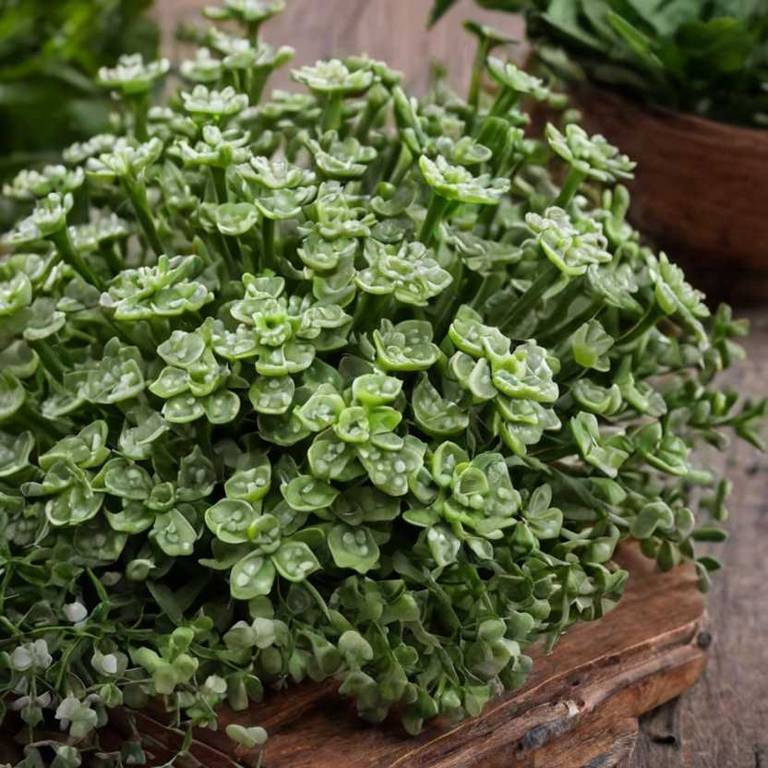
Kalanchoe pinnata
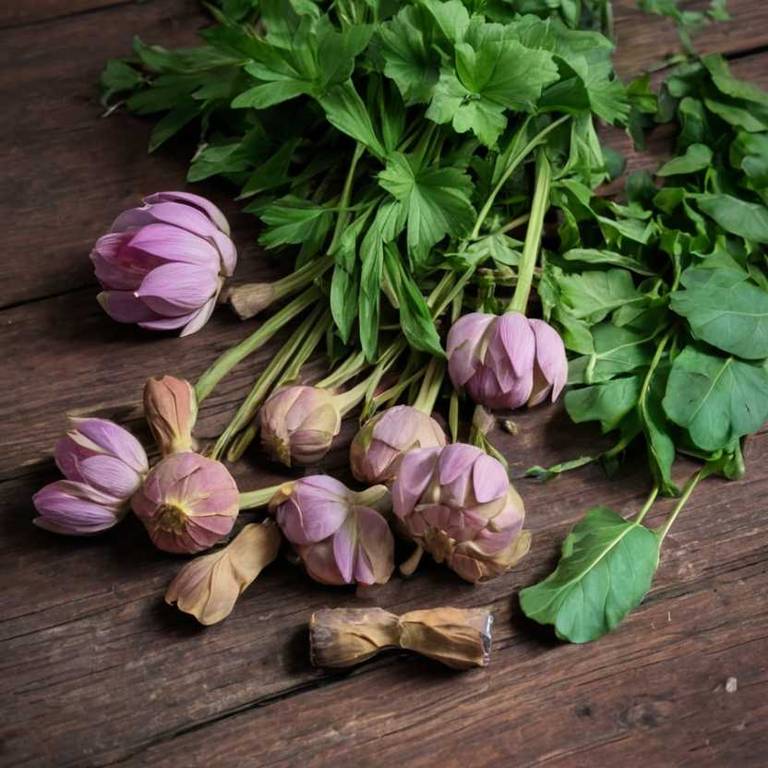
Nelumbo nucifera
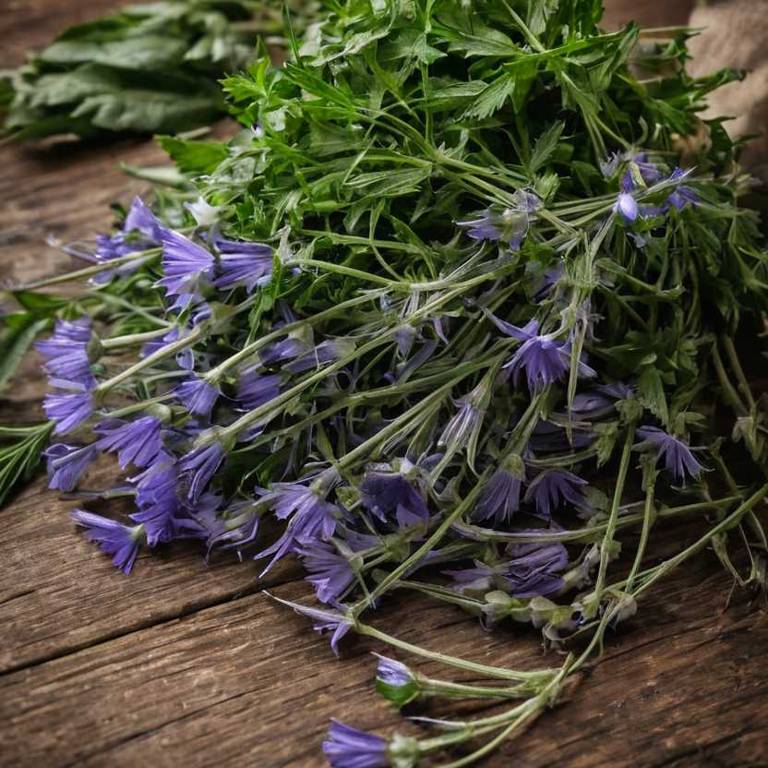
Cichorium intybus
View all alpha-Amyrin herbs →

forskolin

Forskolin is a potent bioactive diterpene found in medicinal herbs that works by stimulating the enzyme adenylate cyclase, thereby increasing intracellular levels of cyclic AMP. This compound is primarily derived from plants in the Coleus genus, most notably Coleus barbatus and Coleus barbatus var. barbatus.
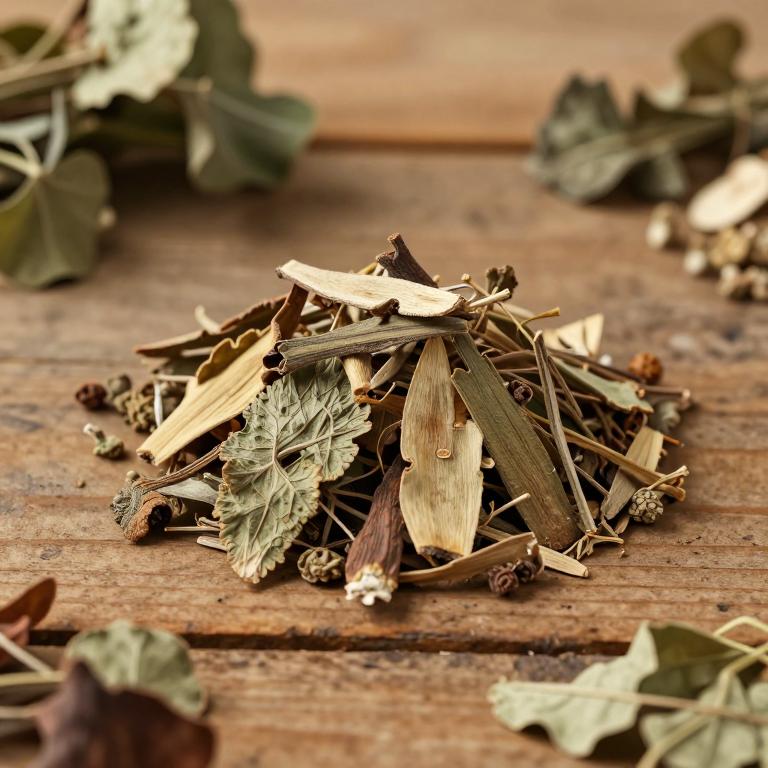
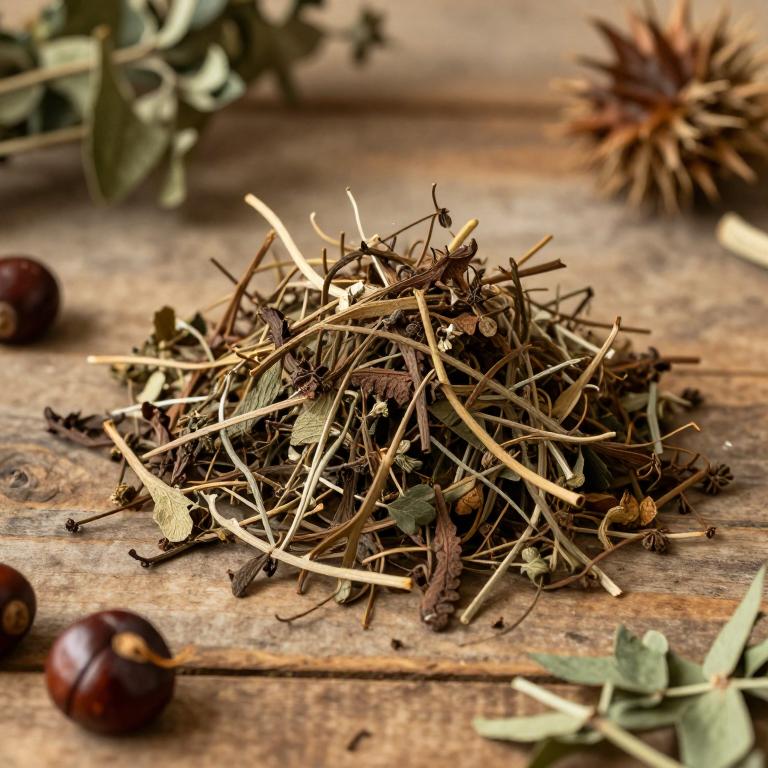
Associated herbs: 3

Occurs naturally in

Coleus barbatus var. barbatus

Coleus barbatus

Coleus

View all forskolin herbs →

hyoscyamine

Hyoscyamine is a tropane alkaloid that acts as a competitive antagonist for muscarinic acetylcholine receptors, primarily used medically to treat gastrointestinal spasms and motion sickness. This bioactive compound is found in various medicinal and toxic plants, including species such as Datura, Datura ferox, and Przewalskia tangutica.

Associated herbs: 15

Occurs naturally in

Przewalskia tangutica

Datura

Datura ferox

View all hyoscyamine herbs →

naringin

Naringin is a bioactive flavanone glycoside known for its potent antioxidant, anti-inflammatory, and cardioprotective properties. This compound can be found in various medicinal plants, such as Lavandula stoechas, Pyrrosia longifolia, and Panax ginseng.

Associated herbs: 16

Occurs naturally in

Lavandula stoechas

Pyrrosia longifolia

Panax ginseng

View all naringin herbs →

piperine

Piperine is a bioactive alkaloid responsible for the pungent, spicy flavor and various pharmacological properties, such as enhancing nutrient absorption and providing anti-inflammatory effects. This compound is primarily found in herbs like Piper nigrum (black pepper), Piper retrofractum (long pepper), and Evolvulus alsinoides.

Associated herbs: 7

Occurs naturally in

Piper nigrum

Piper retrofractum

Evolvulus alsinoides

View all piperine herbs →

CBD

CBD, or cannabidiol, is a non-psychoactive bioactive compound found in various medicinal plants known for its potential anti-inflammatory and therapeutic properties. It is most notably extracted from species such as Cannabis sativa, Cannabis, and Trema micranthum.

Associated herbs: 3

Occurs naturally in

Cannabis sativa

Cannabis

Trema micranthum

View all CBD herbs →

Cardenolides

Cardenolides are a class of cardiac glycosides characterized by a five-membered lactone ring, which exerts potent effects on the heart muscle by inhibiting the sodium-potassium pump. These bioactive compounds are found in various medicinal herbs, such as Digitalis lanata, Pergularia tomentosa, and Calotropis gigantea.

Associated herbs: 15

Occurs naturally in

Pergularia tomentosa

Digitalis lanata

Calotropis gigantea

View all Cardenolides herbs →

Chrysophanol

Chrysophanol is a bioactive anthraquinone compound found in various medicinal herbs, known for its significant pharmacological properties including anti-inflammatory, laxative, and potential anticancer activities. It is a key constituent in several plant species, such as Asphodelus bento-rainhae subsp. bento-rainhae, Picramnia latifolia, and Rumex abyssinicus.

Associated herbs: 32

Occurs naturally in

Asphodelus bento-rainhae subsp. bento-rainhae

Picramnia latifolia

Rumex abyssinicus

View all Chrysophanol herbs →

Gastrodin

Gastrodin is a bioactive phenolic glucoside known for its neuroprotective and sedative properties, often used in traditional medicine to treat dizziness, epilepsy, and insomnia. This compound is primarily found in medicinal herbs such as Gastrodia elata and Cremastra appendiculata, though it is also present in species like Datura stramonium.

Associated herbs: 5

Occurs naturally in

Gastrodia elata

Cremastra appendiculata

Datura stramonium

View all Gastrodin herbs →

Liquiritigenin

Liquiritigenin is a natural flavanone known for its diverse pharmacological activities, including anti-inflammatory, antioxidant, and anti-tumor properties. It is a key bioactive constituent found in various medicinal herbs, such as Glycyrrhiza glabra (licorice), Polygonatum kingianum, and Caragana stenophylla.

Associated herbs: 13

Occurs naturally in

Glycyrrhiza glabra

Polygonatum kingianum

Caragana stenophylla

View all Liquiritigenin herbs →

Luteolin 7-O-glucoside

Luteolin 7-O-glucoside is a bioactive flavonoid derivative known for its potent antioxidant, anti-inflammatory, and neuroprotective properties. This specific compound can be found in various medicinal plants, including Cistus creticus, Salix babylonica f. babylonica, and Origanum vulgare.

Associated herbs: 29

Occurs naturally in

Cistus creticus

Salix babylonica f. babylonica

Origanum vulgare

View all Luteolin 7-O-glucoside herbs →

Pulegone

Pulegone is a naturally occurring monoterpene ketone found in various essential oils, known for its potent aromatic properties and potential biological activities. This bioactive compound is characteristic of several medicinal herbs, including Mentha pulegium, Clinopodium menthifolium subsp. ascendens, and Nepeta tenuifolia.

Associated herbs: 20

Occurs naturally in

Clinopodium menthifolium subsp. ascendens

Mentha pulegium

Nepeta tenuifolia

View all Pulegone herbs →

STARCH

Starch is a complex carbohydrate that serves as a primary energy storage molecule within the plant cells. It is commonly found in various medicinal herbs, such as Cyperus rotundus, Gleditsia sinensis, and Ginkgo biloba, where it contributes to the plant's structural and nutritional profile.

Associated herbs: 21

Occurs naturally in

Cyperus

Gleditsia sinensis

Ginkgo

View all STARCH herbs →

Swertiamarin

Swertiamarin is a bioactive secoiridoid glycoside known for its significant pharmacological properties, including anti-inflammatory, antioxidant, and hepatoprotective effects. This compound is primarily found in medicinal herbs of the Gentianaceae family, such as Swertia japonica, Swertia chirayita, and Swertia mileensis.

Associated herbs: 14

Occurs naturally in

Swertia japonica

Swertia chirayita

Swertia mileensis

View all Swertiamarin herbs →

daidzein

Daidzein is a potent isoflavone that functions as a phytoestrogen, often used in traditional medicine for its antioxidant, anti-inflammatory, and bone-protective properties. This bioactive compound can be found in various medicinal plants, including Scorzoneroides hispidula, Neustanthus phaseoloides, and Dalbergia odorifera.

Associated herbs: 24

Occurs naturally in

Scorzoneroides hispidula

Neustanthus phaseoloides

Dalbergia odorifera

View all daidzein herbs →

genistein

Genistein is a potent bioactive isoflavone known for its antioxidant, anti-inflammatory, and phytoestrogenic properties, which contribute to its role in cancer prevention and hormone regulation. This compound can be found in various medicinal plants, such as Ougeinia oojeinensis, Maclura tricuspidata, and Dalbergia odorifera.

Associated herbs: 25

Occurs naturally in

Ougeinia oojeinensis

Maclura tricuspidata

Dalbergia odorifera

View all genistein herbs →

isoliquiritigenin

Isoliquiritigenin is a potent chalcone known for its diverse pharmacological activities, including anti-inflammatory, antioxidant, and anticancer properties. This bioactive compound can be found in various medicinal plants, such as Polygonatum kingianum, Caragana stenophylla, and Tephrosia sinapou.

Associated herbs: 18

Occurs naturally in

Polygonatum kingianum

Caragana stenophylla

Tephrosia sinapou

View all isoliquiritigenin herbs →

Alcohols

Alcohols are a diverse group of bioactive compounds found in medicinal herbs that often serve as essential components of essential oils and contribute to the plant's therapeutic properties. Examples of herbs containing these compounds include Vachellia tortilis, Bombax ceiba, and Melissa officinalis.

Associated herbs: 19

Occurs naturally in

Vachellia tortilis

Bombax ceiba

Melissa officinalis

View all Alcohols herbs →

Bergapten

Bergapten is a naturally occurring furanocoumarin found in various medicinal plants that is known for its pharmacological activities, including antimicrobial and anti-inflammatory properties. This bioactive compound is commonly present in herbs such as Ficus religiosa, Sambucus nigra, and Cnidium monnieri.

Associated herbs: 23

Occurs naturally in

Ficus religiosa

Sambucus nigra

Cnidium monnieri

View all Bergapten herbs →

Citronellol

Citronellol is a natural monoterpene alcohol valued in pharmacology for its potent antimicrobial, anti-inflammatory, and insect-repellent properties. This bioactive compound is commonly found in medicinal herbs such as Zanthoxylum leprieurii, Pelargonium graveolens, and Cymbopogon citratus.

Associated herbs: 15

Occurs naturally in

Zanthoxylum leprieurii

Pelargonium graveolens

Cymbopogon citratus

View all Citronellol herbs →

Friedelin

Friedelin is a naturally occurring triterpenoid known for its diverse pharmacological activities, including potent anti-inflammatory, antioxidant, and anticancer properties. This bioactive compound can be found in various medicinal plants, such as Raulinia echinata, Senna siamea, and Acer mandshuricum.

Associated herbs: 35

Occurs naturally in

Raulinoa echinata

Senna siamea

Acer mandshuricum

View all Friedelin herbs →

IMPERATORIN

Imperatorin is a natural coumarin derivative found in various medicinal herbs that exhibits significant pharmacological activities, including anti-inflammatory, antimicrobial, and neuroprotective effects. This bioactive compound is commonly extracted from plants such as Eremurus persicus, Angelica decursiva, and Angelica dahurica.

Associated herbs: 14

Occurs naturally in

Eremurus persicus

Angelica decursiva

Angelica dahurica

View all IMPERATORIN herbs →

Orientin

Orientin is a bioactive C-glycosyl flavone known for its potent antioxidant, anti-inflammatory, and neuroprotective properties. This compound can be found in various medicinal herbs, including Berula erecta, Lippia origanoides, and Luffa acutangula.

Associated herbs: 25

Occurs naturally in

Berula erecta

Lippia origanoides

Luffa acutangula

View all Orientin herbs →

Phenolic acid

Phenolic acids are a diverse group of bioactive compounds found in plants that act as potent antioxidants by neutralizing free radicals and reducing oxidative stress in the body. These compounds are abundant in various medicinal herbs, including Moringa oleifera, Salvia miltiorrhiza, and Opuntia stricta.

Associated herbs: 12

Occurs naturally in

Moringa

Salvia miltiorrhiza

Opuntia stricta

View all Phenolic acid herbs →

Salvinorin A

Salvinorin A is a potent non-alkaloid diterpenoid that acts as a selective kappa-opioid receptor agonist, producing intense hallucinogenic effects. This bioactive compound is found naturally in the leaves of the medicinal herb Salvia divinorum.

Associated herbs: 1

Occurs naturally in

Salvia divinorum

View all Salvinorin A herbs →

Schaftoside

Schaftoside is a bioactive C-glycosyl flavone known for its potent antioxidant, anti-inflammatory, and neuroprotective properties in medicinal plants. This compound is found in various therapeutic herbs, including Prosopis, Eremostachys rotata, and Arisaema erubescens.

Associated herbs: 17

Occurs naturally in

Prosopis

Eremostachys rotata

Arisaema erubescens

View all Schaftoside herbs →

sesamin

Sesamin is a bioactive lignan known for its potent antioxidant, anti-inflammatory, and neuroprotective properties. It is primarily found in high concentrations in Sesamum indicum (sesame), but it is also present in medicinal herbs such as Peperomia pellucida and Phryma leptostachya.

Associated herbs: 20

Occurs naturally in

Sesamum indicum

Peperomia pellucida

Phryma leptostachya

View all sesamin herbs →

ATROPINE

Atropine is a tropane alkaloid that acts as a potent anticholinergic agent, primarily used in medicine to treat bradycardia and to reverse the effects of certain nerve agents or pesticides. This bioactive compound is naturally found in several medicinal herbs, including Anisodus tanguticus, Amaryllis, and Hyoscyamus muticus.

Associated herbs: 9

Occurs naturally in

Anisodus tanguticus

Amaryllis

Hyoscyamus muticus

View all ATROPINE herbs →

BORNYL ACETATE

Bornyl acetate is a naturally occurring terpene ester known for its characteristic woody and camphoraceous aroma, frequently utilized in aromatherapy for its calming and anti-inflammatory properties. This bioactive compound is found in various medicinal herbs, including species such as Wurfbainia villosa, Wurfbainia longiligularis, and Lavandula stoechas.

Associated herbs: 19

Occurs naturally in

Wurfbainia villosa

Wurfbainia longiligularis

Lavandula stoechas

View all BORNYL ACETATE herbs →

Carnosic acid

Carnosic acid is a potent lipophilic diterpene found in various medicinal herbs, renowned for its strong antioxidant and anti-inflammatory properties. This bioactive compound is prominently present in plants such as Callicarpa dolichophylla, Ocimum tenuiflorum (Holy Basil), and species of the Salvia genus.

Associated herbs: 10

Occurs naturally in

Callicarpa dolichophylla

Ocimum tenuiflorum

Salvia

View all Carnosic acid herbs →

Coptisine

Coptisine is a quaternary isoquinoline alkaloid known for its potent anti-inflammatory, antimicrobial, and antioxidant properties. It can be found in various medicinal herbs, including Coptis chinensis, Phellodendron chinense, and Berberis vulgaris.

Associated herbs: 10

Occurs naturally in

Phellodendron chinense

Coptis chinensis

Berberis vulgaris

View all Coptisine herbs →

Corilagin

Corilagin is a bioactive hydrolyzable tannin known for its potent antioxidant, anti-inflammatory, and hepatoprotective properties. This compound can be found in various medicinal herbs, such as Geranium thunbergii, Jatropha podagrica, and Ailanthus altissima.

Associated herbs: 20

Occurs naturally in

Geranium thunbergii

Jatropha podagrica

Ailanthus altissima

View all Corilagin herbs →

FLAVONE

Flavones are a diverse class of polyphenolic bioactive compounds known for their potent antioxidant, anti-inflammatory, and neuroprotective properties. These compounds are found in various medicinal plants, including Cirsium arvense var. arvense and species within the Feijoa genus, such as Feijoa sellowiana.

Associated herbs: 22

Occurs naturally in

Cirsium arvense var. arvense

Feijoa sellowiana

Feijoa

View all FLAVONE herbs →

HARMINE

Harmine is a potent beta-carboline alkaloid known for its psychoactive properties and its ability to act as a reversible monoamine oxidase inhibitor (RIMA). This bioactive compound is naturally found in various medicinal plants, such as Peganum harmala, Peganum multisectum, and Banisteriopsis caapi.

Associated herbs: 12

Occurs naturally in

Peganum multisectum

Peganum harmala

Banisteriopsis caapi

View all HARMINE herbs →

Pinocembrin

Pinocembrin is a natural flavone known for its potent anti-inflammatory, antioxidant, and neuroprotective properties. This bioactive compound can be found in various medicinal plants, including Dysphania incisa, Tripterygium wilfordii, and Populus nigra.

Associated herbs: 16

Occurs naturally in

Dysphania incisa

Tripterygium wilfordii

Populus nigra

View all Pinocembrin herbs →

SINAPIC ACID

Sinapic acid is a potent phenolic compound found in various medicinal herbs that exhibits significant antioxidant, anti-inflammatory, and antimicrobial properties. It is a key bioactive constituent in plants such as Eruca vesicaria (arugula), Phyllanthus androgynus, and Castanea crenata (Japanese chestnut).

Associated herbs: 23

Occurs naturally in

Eruca vesicaria

Phyllanthus androgynus

Castanea crenata

View all SINAPIC ACID herbs →

Sweroside

Sweroside is a bioactive iridoid glycoside known for its diverse pharmacological activities, including anti-inflammatory, antimicrobial, and neuroprotective effects. This compound is commonly found in medicinal herbs such as Lonicera quinquelocularis, Lonicera acuminata, and Gentiana siphonantha.

Associated herbs: 18

Occurs naturally in

Lonicera quinquelocularis

Lonicera acuminata

Gentiana siphonantha

View all Sweroside herbs →

TAXIFOLIN

Taxifolin is a potent bioactive flavonoid known for its strong antioxidant, anti-inflammatory, and cardioprotective properties. This compound can be found in various medicinal plants, such as Corymbia terminalis, Stizolophus balsamita, and Ficus religiosa.

Associated herbs: 21

Occurs naturally in

Corymbia terminalis

Stizolophus balsamita

Ficus religiosa

View all TAXIFOLIN herbs →

Tanshinone I

Tanshinone I is a bioactive diterpene quinone known for its potent antioxidant, anti-inflammatory, and anti-tumor properties. This compound is primarily found in medicinal herbs such as Salvia miltiorrhiza (Danshen) and is also associated with species like Aquilaria sinensis.

Associated herbs: 2

Occurs naturally in

Salvia miltiorrhiza

Aquilaria sinensis

View all Tanshinone I herbs →

Terpenoid

Terpenoids are a diverse class of organic compounds derived from five-carbon isoprene units that play crucial roles in the biological activities and aromatic profiles of many medicinal plants. These bioactive molecules are found in various herbs, such as Borassus aethiopum, Alisma plantago-aquatica subsp. orientale, and Cymbopogon citratus.

Associated herbs: 29

Occurs naturally in

Borassus aethiopum

Alisma plantago-aquatica subsp. orientale

Cymbopogon citratus

View all Terpenoid herbs →

Tocopherols

Tocopherols are potent fat-soluble antioxidant compounds that protect cells from oxidative stress by neutralizing free radicals and preventing lipid peroxidation. These bioactive molecules are found in various medicinal plants, including Prunus mume, Acacia auriculiformis, and Senegalia rugata.

Associated herbs: 28

Occurs naturally in

Prunus mume

Acacia auriculiformis

Senegalia rugata

View all Tocopherols herbs →

arabinose

Arabinose is a natural five-carbon monosaccharide sugar that serves as a key structural component in many plant polysaccharides and bioactive glycosides. This compound can be found in various medicinal herbs, such as Panax notoginseng, Phaseolus coccineus, and Kadsura coccinea.

Associated herbs: 23

Occurs naturally in

Panax notoginseng

Phaseolus coccineus

Kadsura coccinea

View all arabinose herbs →

benzoic acid

Benzoic acid is a naturally occurring organic compound found in various medicinal herbs that often exhibits significant antimicrobial and anti-inflammatory properties. It can be found in bioactive concentrations within plants such as Pinellia ternata, Euphorbia nivulia, and Smilax riparia.

Associated herbs: 23

Occurs naturally in

Pinellia ternata

Euphorbia nivulia

Smilax riparia

View all benzoic acid herbs →

chrysin

Chrysin is a natural bioactive flavonoid known for its potent antioxidant, anti-inflammatory, and neuroprotective properties. It can be found in various medicinal herbs, such as Dysphania incisa, Oroxylum indicum, and Scutellaria brevibracteata subsp. subvelutina.

Associated herbs: 16

Occurs naturally in

Dysphania incisa

Oroxylum indicum

Scutellaria brevibracteata subsp. subvelutina

View all chrysin herbs →

citric acid

Citric acid is a naturally occurring organic acid that serves as a key intermediate in metabolic processes and acts as a potent antioxidant within various medicinal plants. This bioactive compound can be found in several botanical species, including Cycas revoluta, Trapa natans var. bispinosa, and Corispermum squarrosum.

Associated herbs: 19

Occurs naturally in

Cycas revoluta

Trapa natans var. bispinosa

Corispermum squarrosum

View all citric acid herbs →

colchicine

Colchicine is a potent alkaloid used primarily to treat acute gout attacks and familial Mediterranean fever by inhibiting microtubule polymerization and reducing inflammation. This bioactive compound is found in several medicinal plants, most notably in species such as Colchicum autumnale, Gloriosa superba, and Colchicum szovitsii subsp. brachyphyllum.

Associated herbs: 8

Occurs naturally in

Colchicum

Gloriosa

Colchicum szovitsii subsp. brachyphyllum

View all colchicine herbs →

20-HYDROXYECDYSONE

20-Hydroxyecdysone is a potent phytoecdysteroid that mimics the natural molting hormone in insects, often used in medicinal contexts for its potential to enhance muscle growth and metabolic activity. This bioactive compound can be found in various medicinal plants, including Vitex cymosa, Helleborus cyclophyllus, and Achyranthes aspera.

Associated herbs: 16

Occurs naturally in

Vitex cymosa

Helleborus cyclophyllus

Achyranthes aspera

View all 20-HYDROXYECDYSONE herbs →

Astragaloside IV

Astragaloside IV is a potent bioactive saponin known for its significant pharmacological properties, including anti-inflammatory, antioxidant, and cardioprotective effects. This compound is primarily found in medicinal herbs such as Astragalus mongholicus and other Astragalus species, and it is also expressed in model plants like Nicotiana benthamiana for biotechnological production.

Associated herbs: 3

Occurs naturally in

Astragalus mongholicus

Astragalus

Nicotiana benthamiana

View all Astragaloside IV herbs →