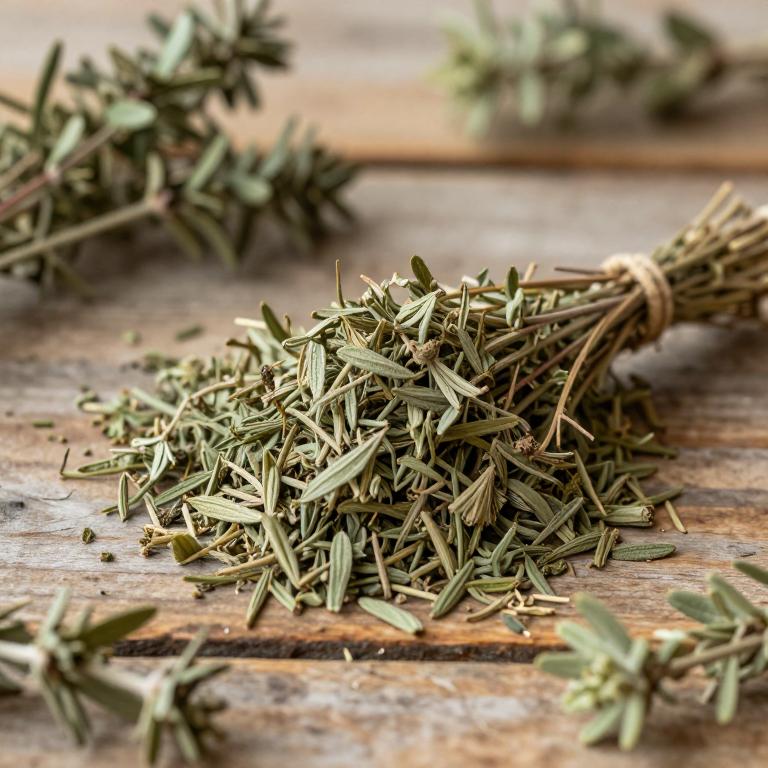
Micromeria ericifolia
Micromeria ericifolia
Micromeria ericifolia, commonly known as the False Sandpaper Plant, is a versatile shrub native to tropical...
Micromeria ericifolia
Micromeria ericifolia, commonly known as the False Sandpaper Plant, is a versatile shrub native to tropical...

Elsholtzia ciliata
Elsholtzia ciliata, commonly known as the Chinese Hackberry, is a deciduous tree valued for its medicinal...

Premna serratifolia
Premna serratifolia, commonly known as the serrate-leaved premna, is a versatile medicinal shrub native to tropical...
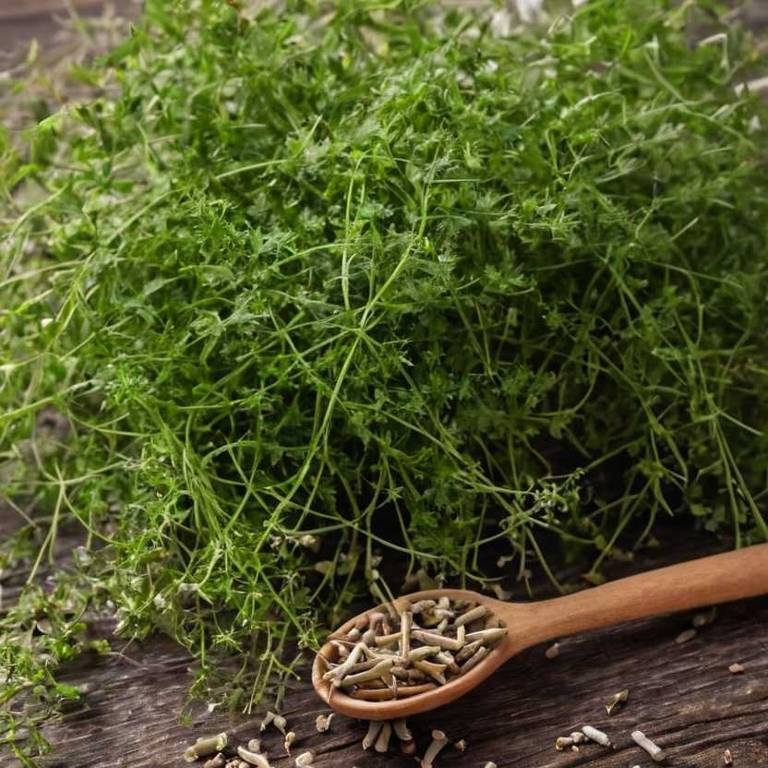
Cuscuta europaea
Cuscuta europaea, commonly known as European dodder, is a parasitic plant characterized by its leafless, thread-like...
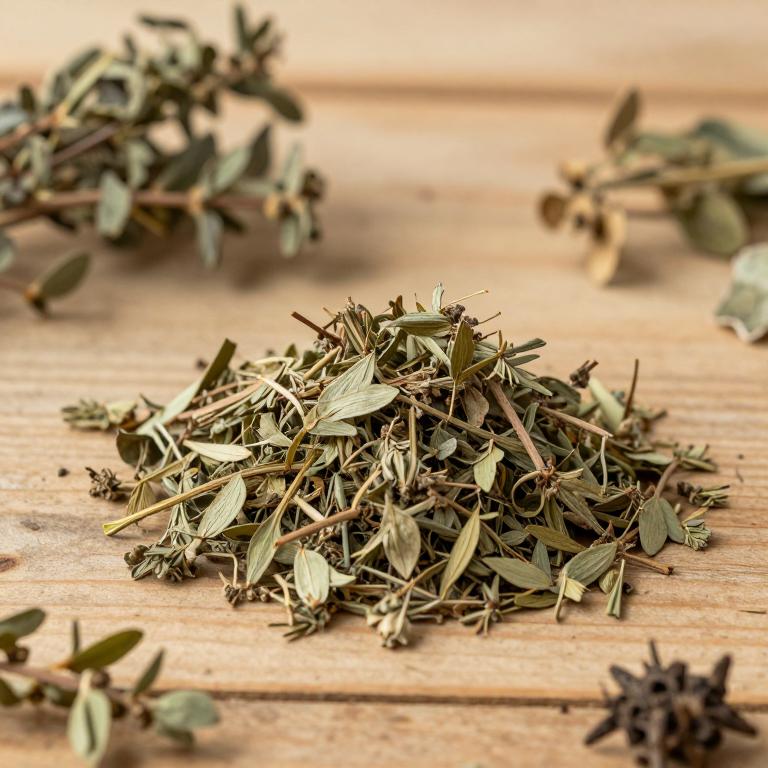
Cassinia longifolia
Cassinia longifolia, commonly known as the narrow-leaved cassinia, is a distinctive woody shrub native to Australia...
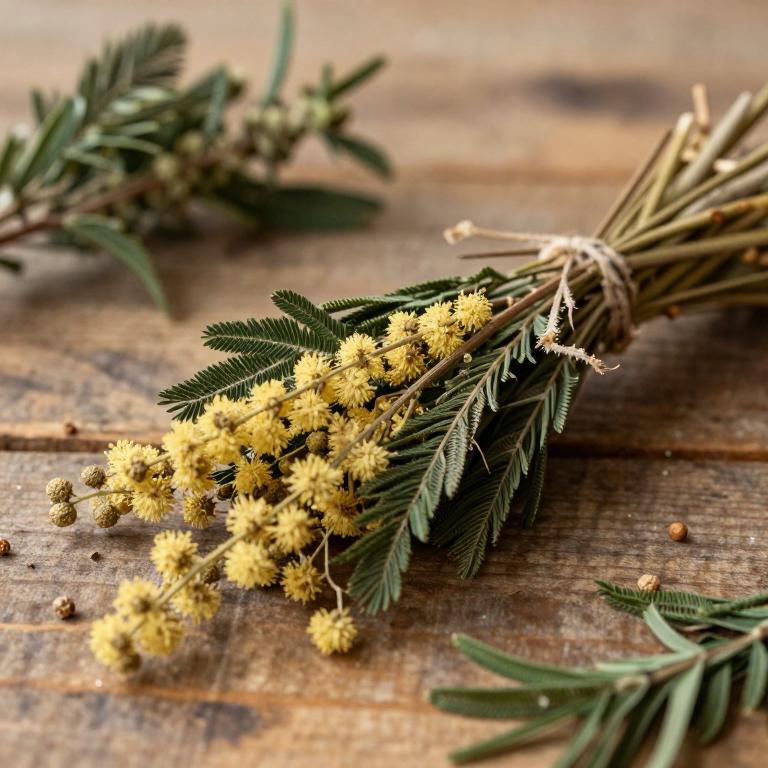
Mimosa tenuiflora
Mimosa tenuiflora, commonly known as Jurema Preta, is a versatile medicinal shrub native to the Brazilian...
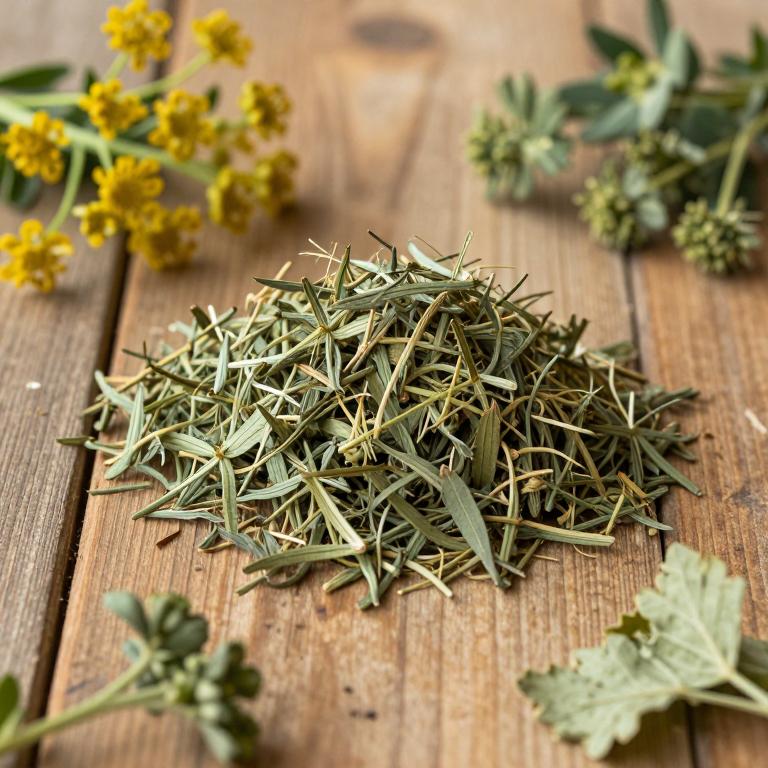
Pimpinella aromatica
Pimpinella aromatica, commonly known as aromatic burnet, is a fragrant perennial herb native to Europe. Renowned...
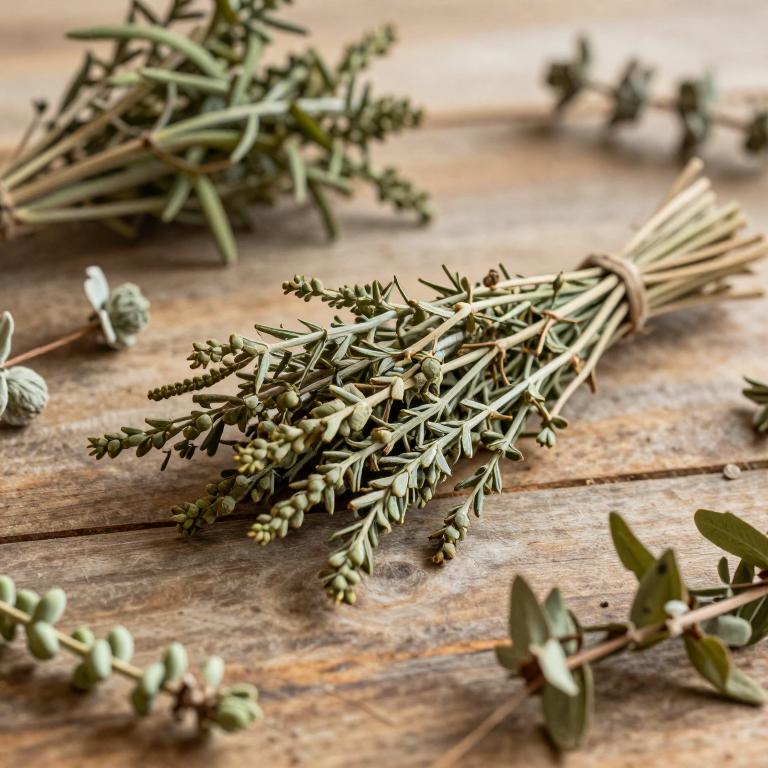
Amanoa oblongifolia
Amanoa oblongifolia, commonly known as a rare medicinal shrub, holds significant value in traditional herbal practices...
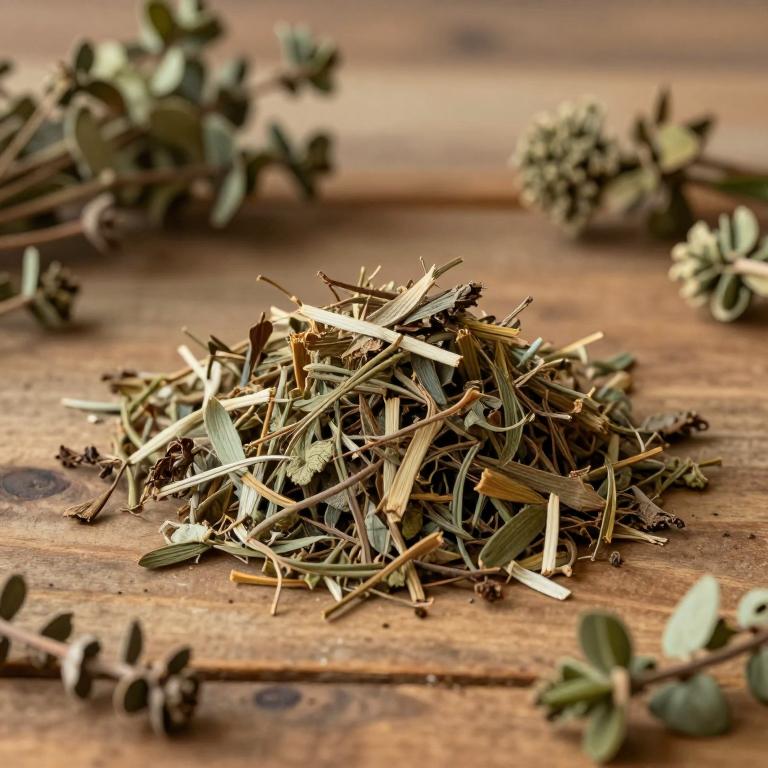
Diospyros rotundifolia
Diospyros rotundifolia, commonly known as the round-leaved ebony, is a significant medicinal plant native to tropical...
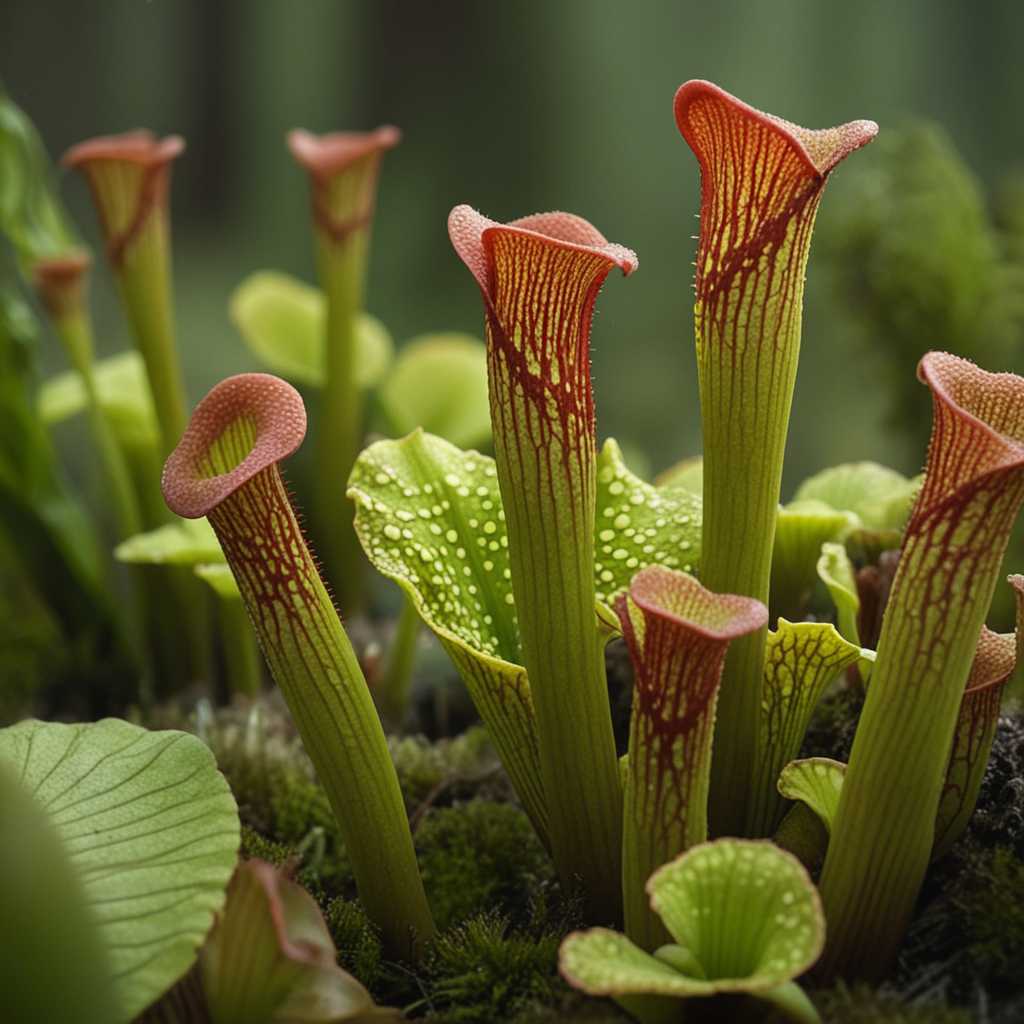
Sarracenia flava
Sarracenia flava, commonly known as the yellow pitcher plant, is a striking carnivorous perennial native to...
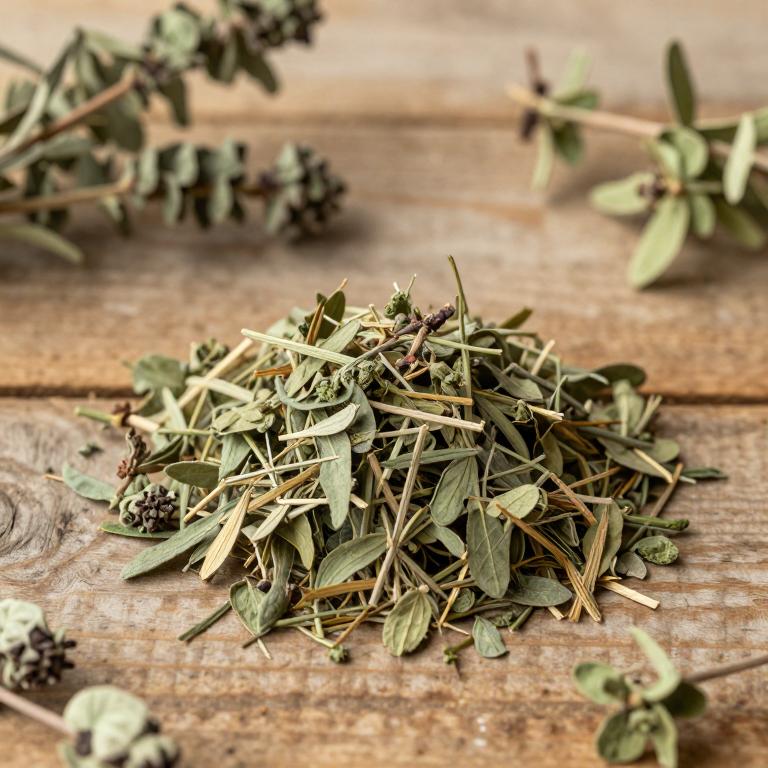
Elsholtzia pilosa
Elsholtzia pilosa, commonly known as the Manali or Manali tree, is a deciduous species native to...
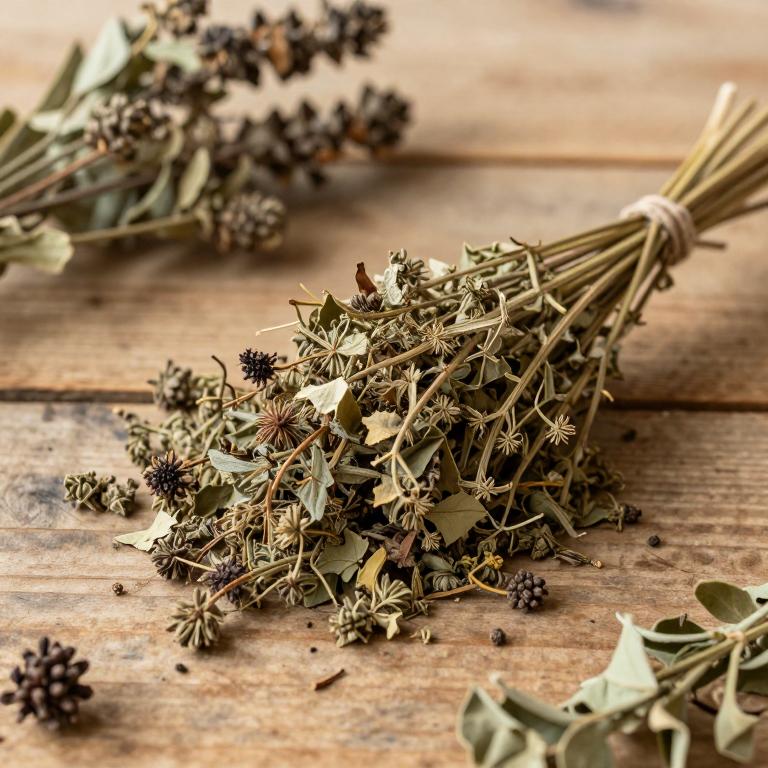
Erythrina fusca
Erythrina fusca, commonly known as the coral tree, is a distinctive medicinal plant native to various...
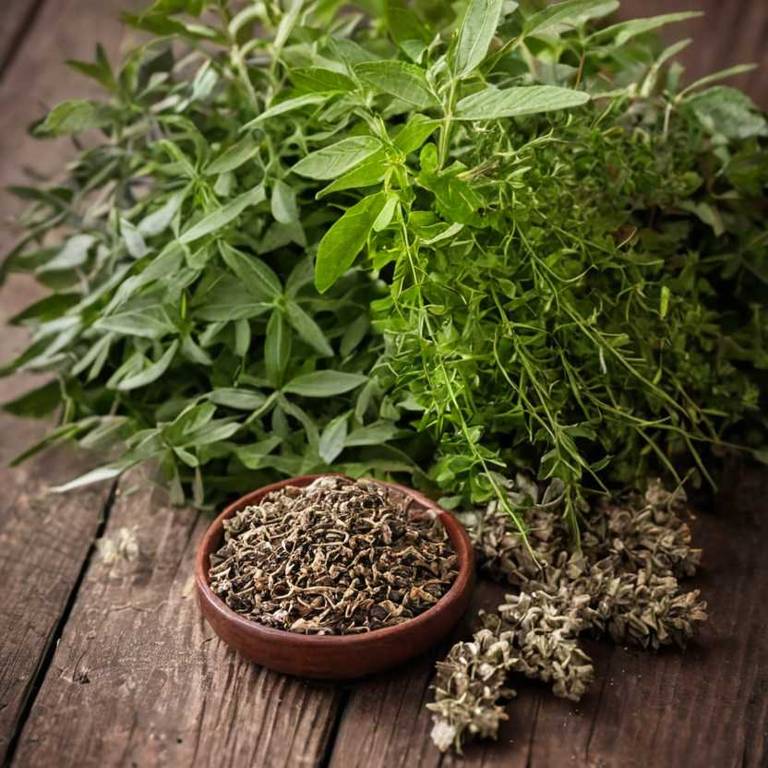
Rhus glabra
Rhus glabra, commonly known as smooth sumac, is a versatile deciduous shrub native to North America...
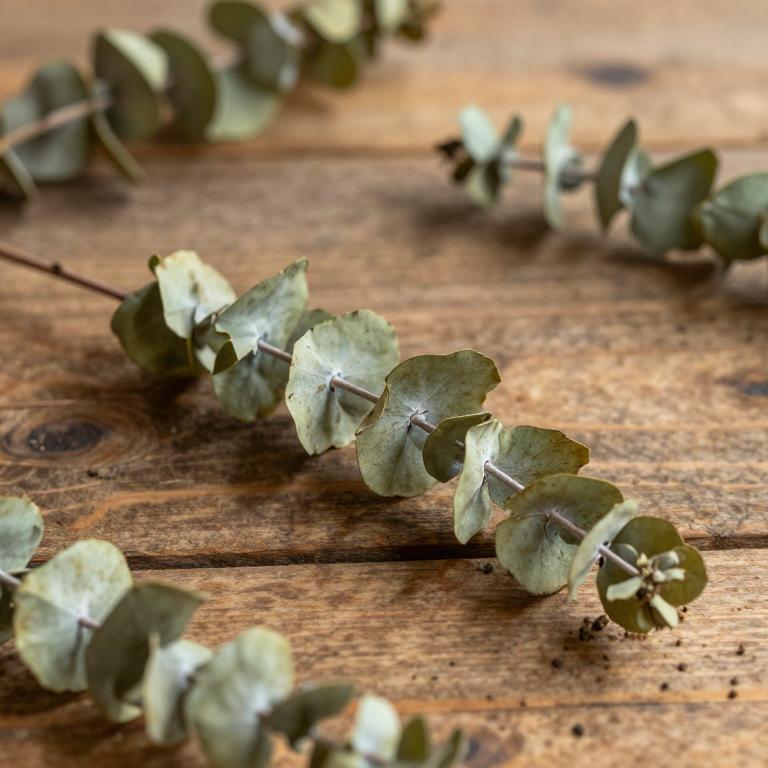
Eucalyptus siderophloia
Eucalyptus siderophloia, commonly known as the Ironbark Eucalyptus, is a resilient Australian native valued for its...
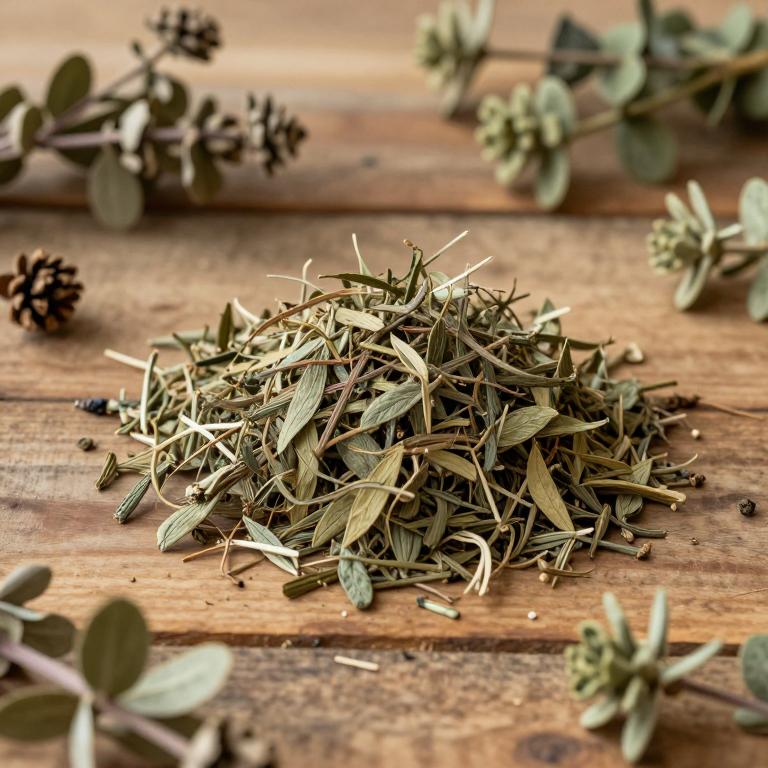
Tacca integrifolia
Tacca integrifolia, commonly known as the white bat lily, is a captivating tropical plant celebrated for...
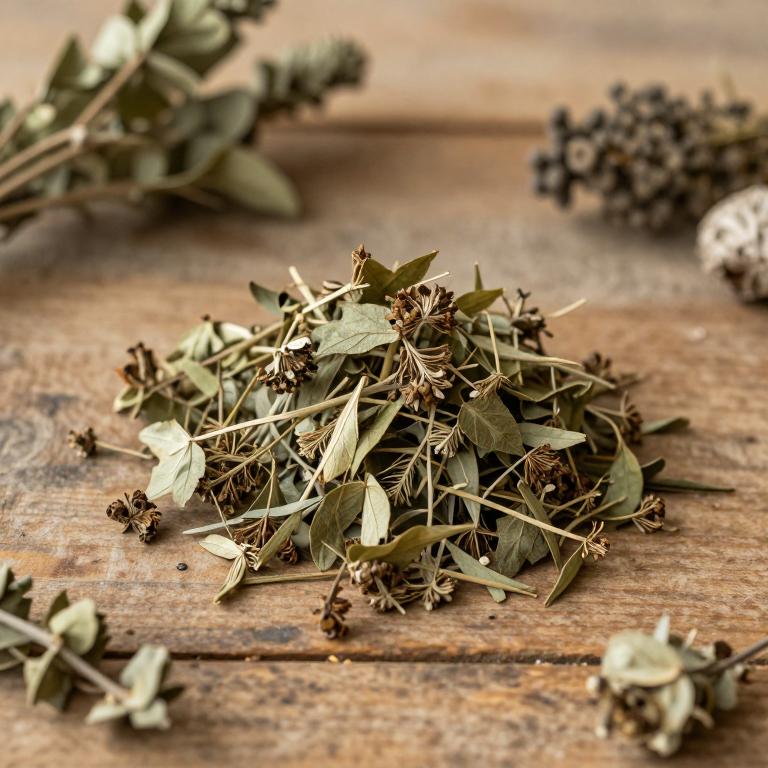
Croton eluteria
Croton eluteria, commonly known as Croton oil plant, is a versatile medicinal shrub native to tropical...
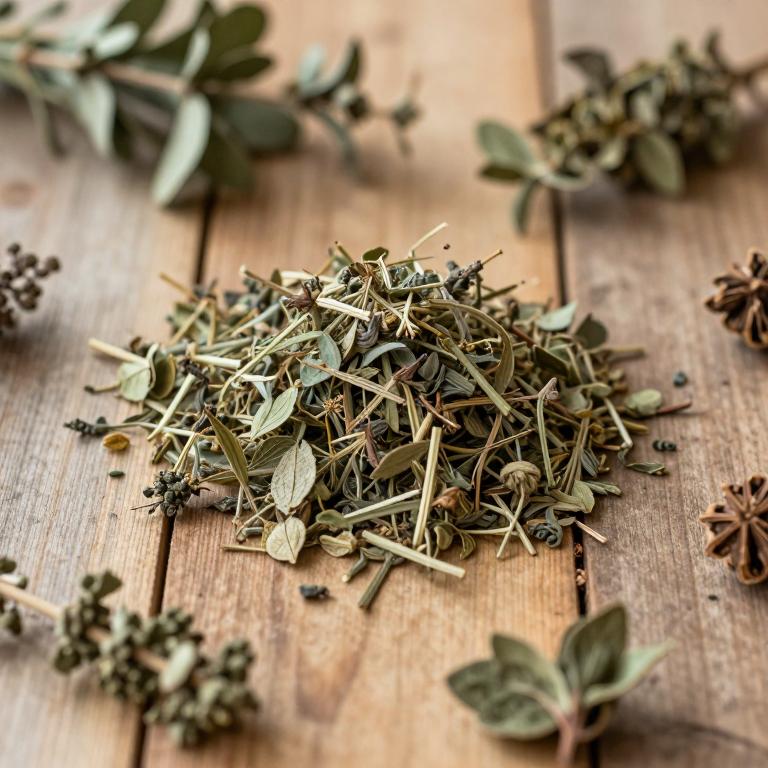
Senegalia lenticularis
Senegalia lenticularis, commonly known as the acacia or thorn tree, is a resilient medicinal plant native...
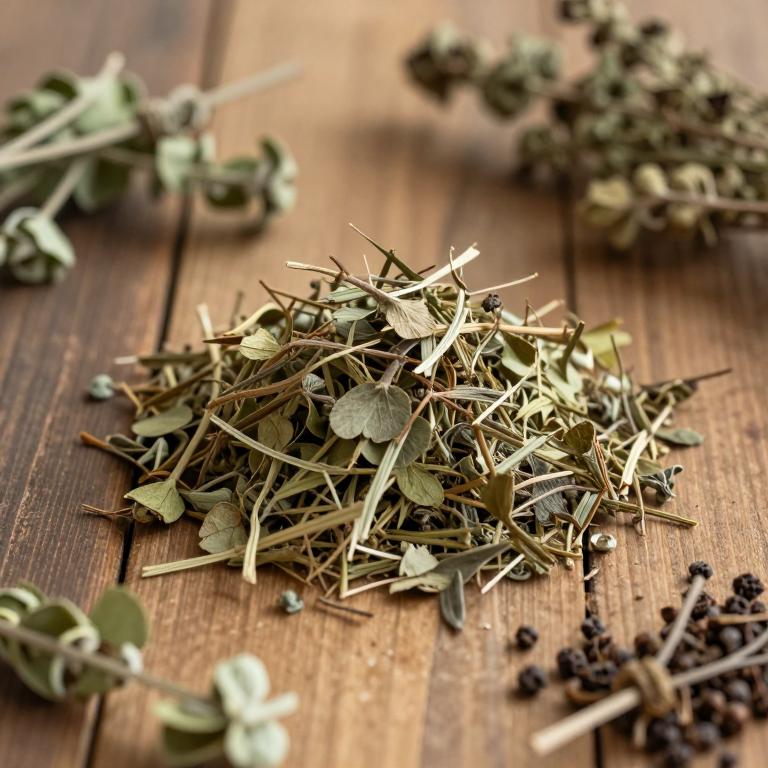
Diospyros undulata
Diospyros undulata, commonly known as the wavy-leaved ebony, is a significant medicinal plant native to tropical...
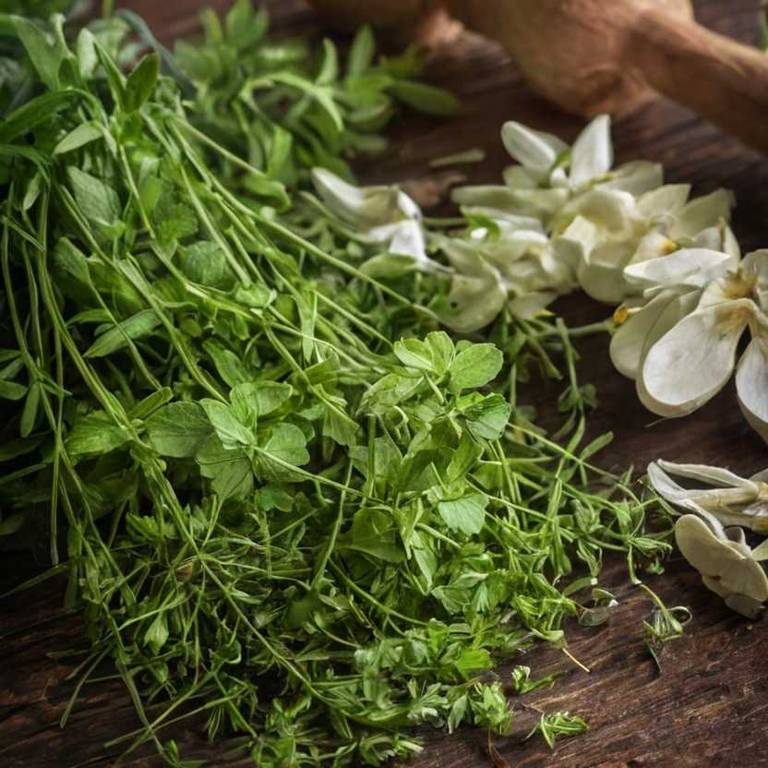
Ferula gummosa
Ferula gummosa, commonly known as Asafoetida or Hing, is a perennial herb prized for its pungent,...
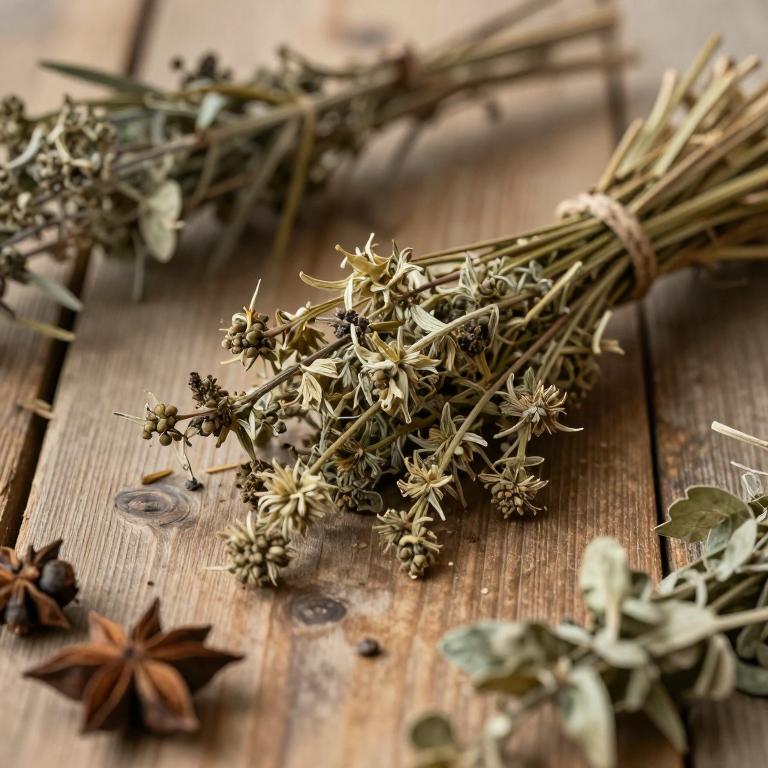
Strongylodon macrobotrys
Strongylodon macrobotrys, commonly known as the Jade Vine, is a stunning tropical climber native to the...
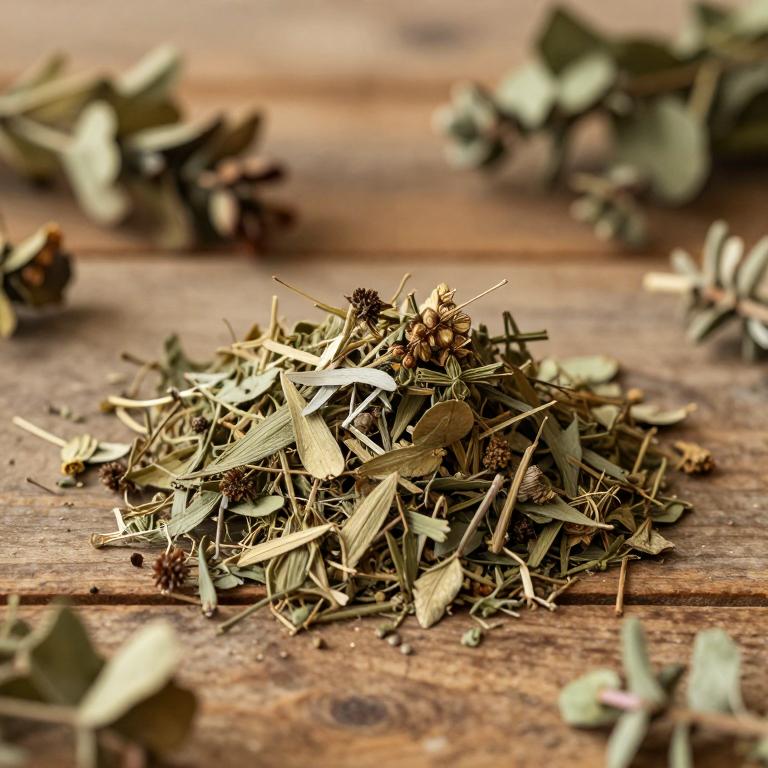
Hopea cordifolia
Hopea cordifolia, commonly known as the Cordate Hopea, is a significant medicinal plant native to tropical...
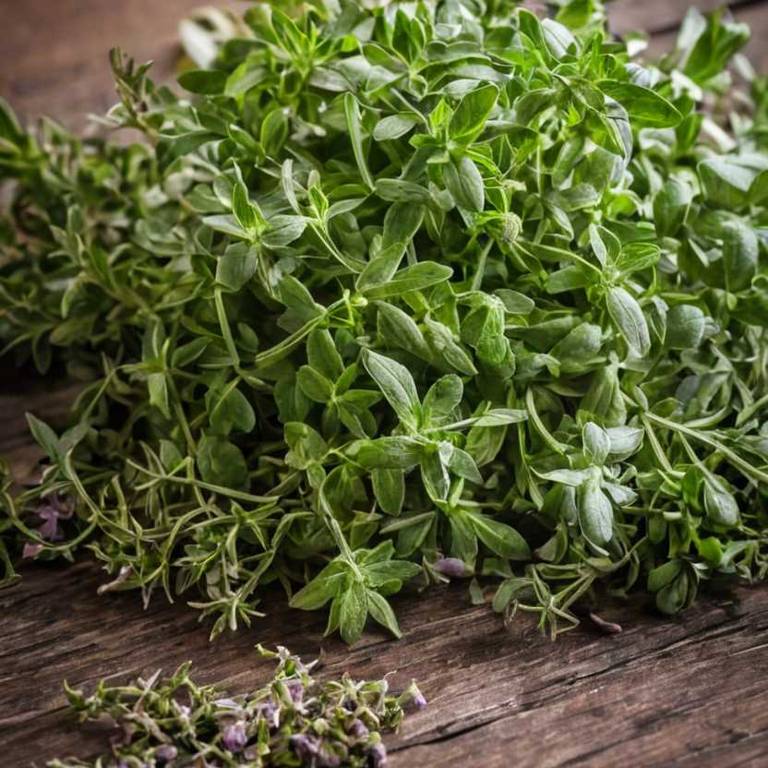
Thymus vulgaris
Thymus vulgaris, commonly known as thyme, is a perennial herb belonging to the Lamiaceae family. Renowned...
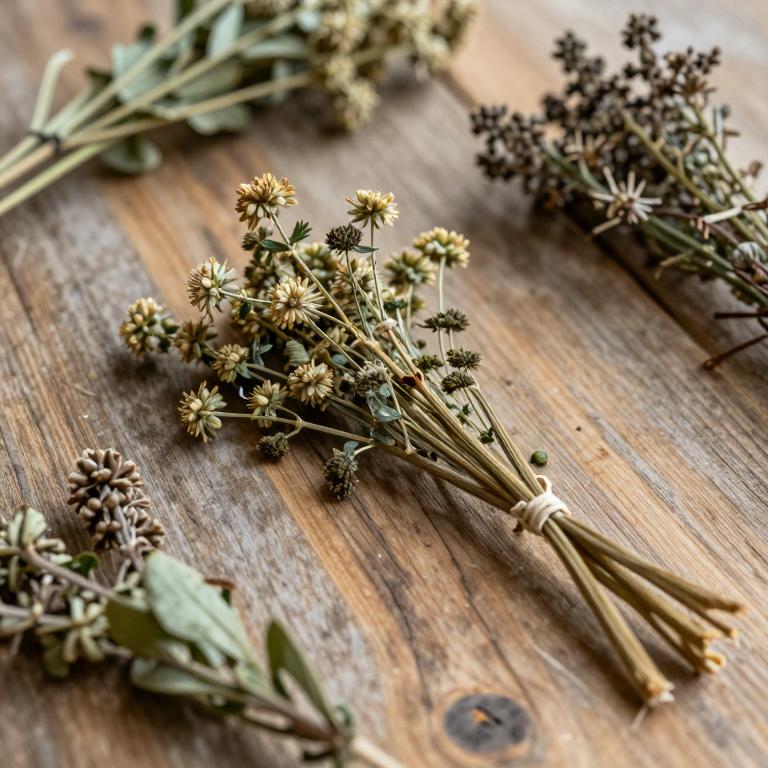
Allium ampeloprasum
Allium ampeloprasum, commonly known as wild leek or elephant garlic, is a versatile medicinal plant belonging...
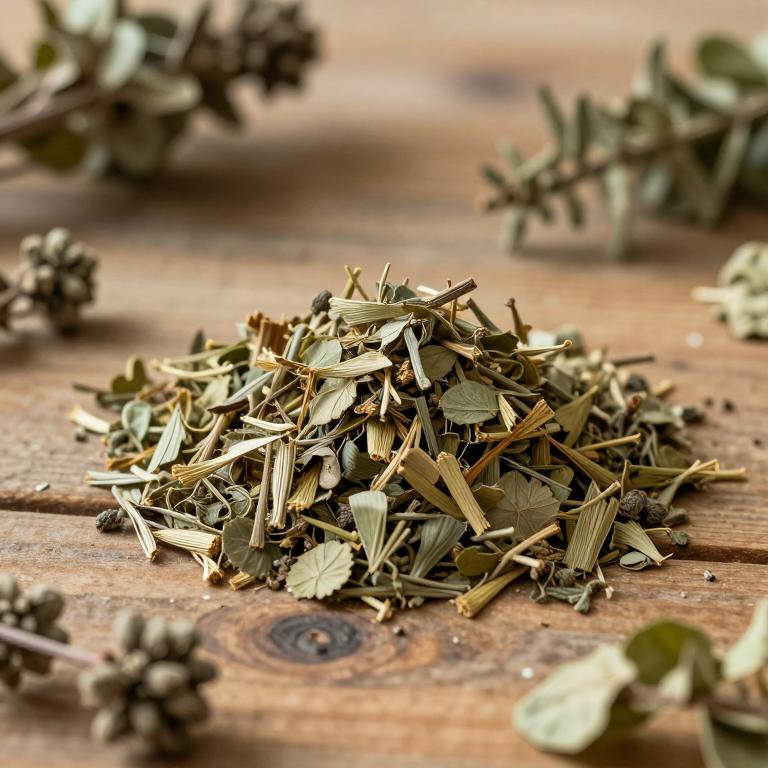
Pavonia zeylonica
Pavonia zeylonica, commonly known as the Velvetleaf or Pavonia, is a versatile medicinal shrub valued in...

Annona muricata
Annona muricata, commonly known as soursop, is a tropical fruit-bearing tree prized for its nutritional and...
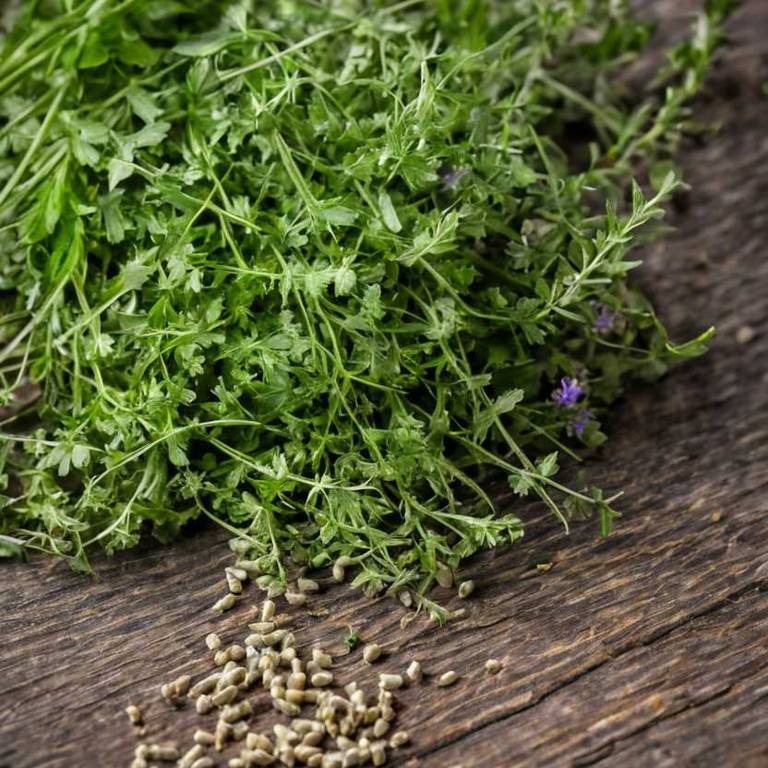
Lepidium meyenii
Lepidium meyenii, commonly known as Maca, is a resilient cruciferous plant native to the high altitudes...
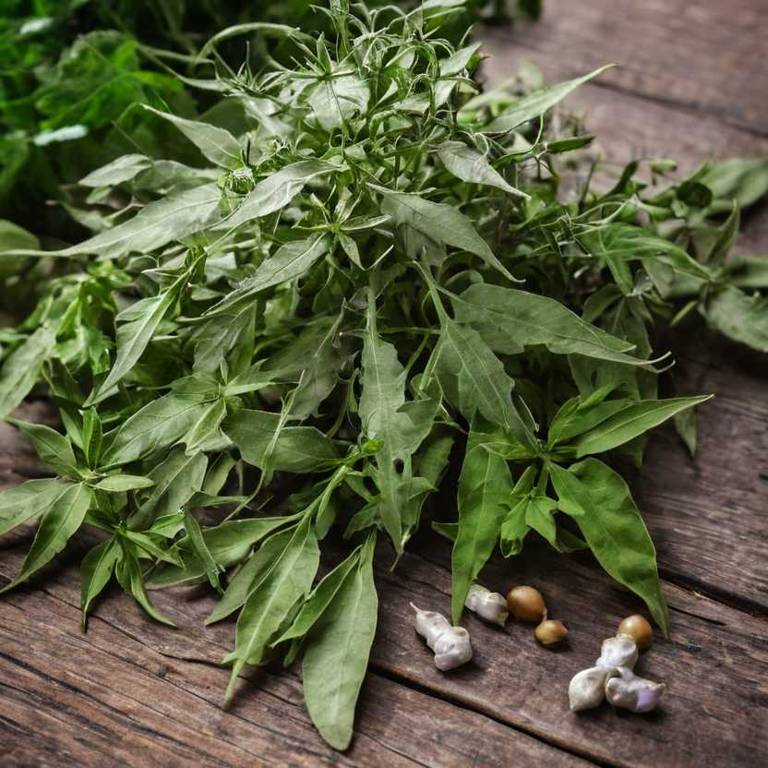
Solanum nigrum
Solanum nigrum, commonly known as black nightshade, is a versatile medicinal herb found worldwide. Renowned in...
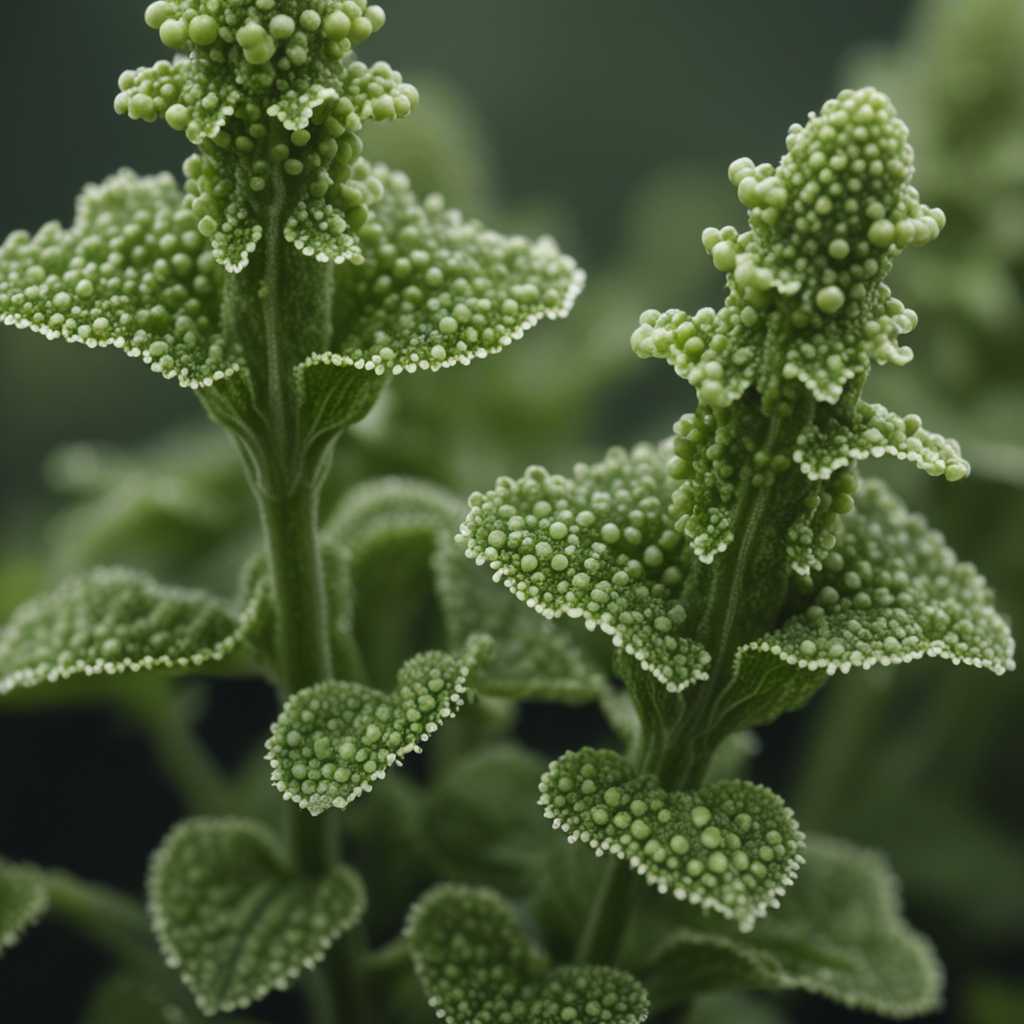
Scrophularia buergeriana
Scrophularia buergeriana, commonly known as Buerger's figwort, is a perennial herb distinguished by its unique flowering...
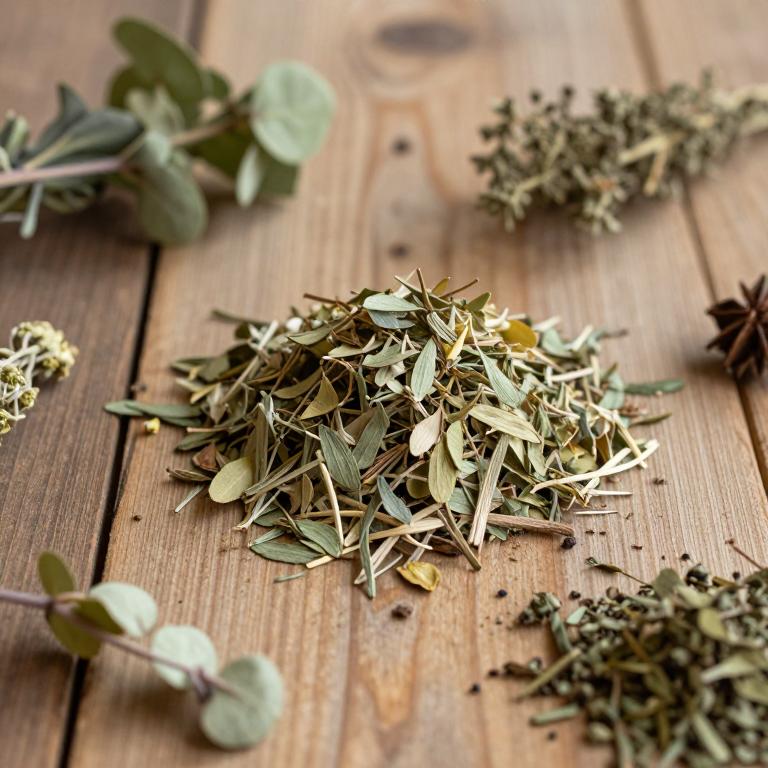
Tovomita mangle
Tovomita mangle, commonly known as the mangrove shrub, is a resilient medicinal plant found in coastal...
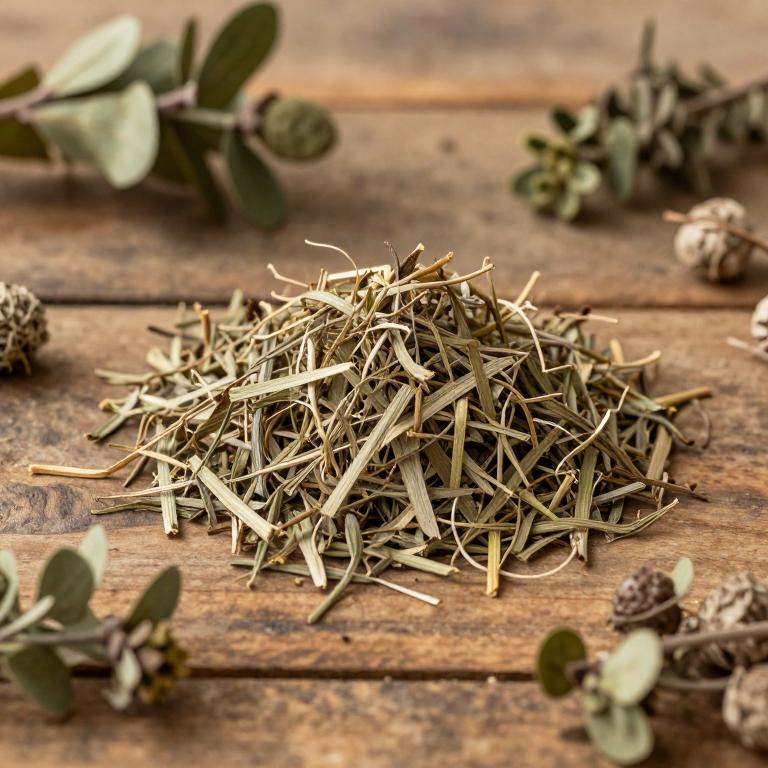
Simaba orinocensis
Simaba orinocensis, commonly known as the Orinoco Simaba, is a remarkable medicinal plant native to the...
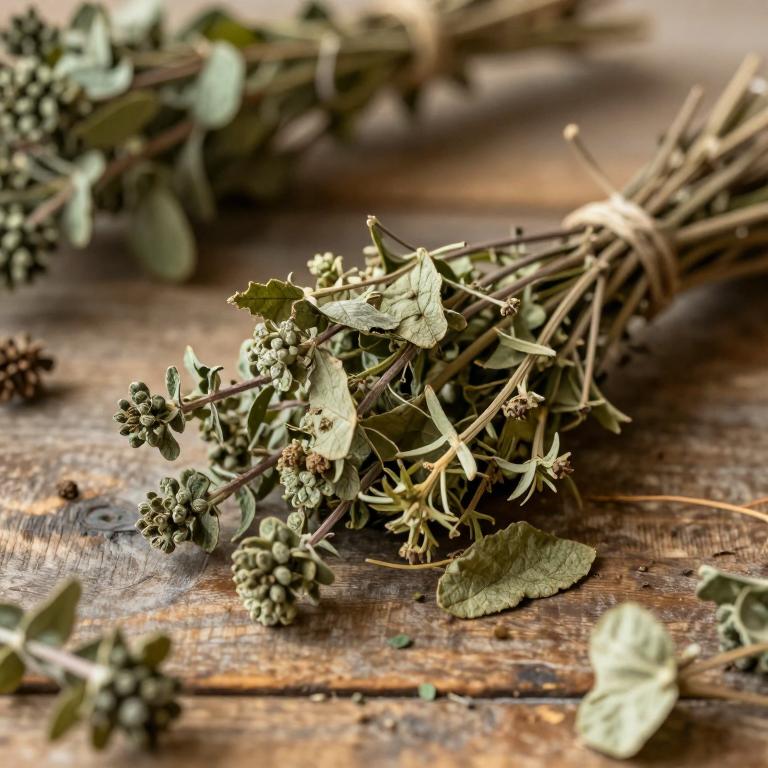
Pycnanthemum pycnanthemoides
Pycnanthemum pycnanthemoides, commonly known as bitter pycnanthemum, is a perennial herb native to North America. Renowned...
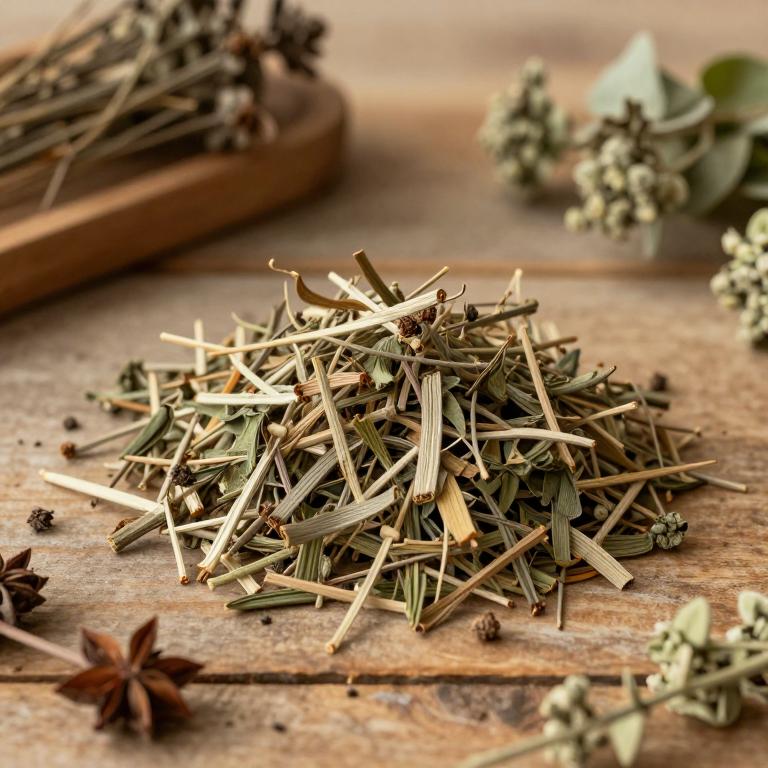
Vatica affinis
Vatica affinis, commonly known as a medicinal plant in Southeast Asian traditional practices, belongs to the...

Erythroxylum novogranatense
Erythroxylum novogranatense, commonly known as a relative of the coca plant, is a significant medicinal species...

Mesua ferrea
Mesua ferrea, commonly known as Ceylon ironwood, is a majestic evergreen tree native to South Asia...
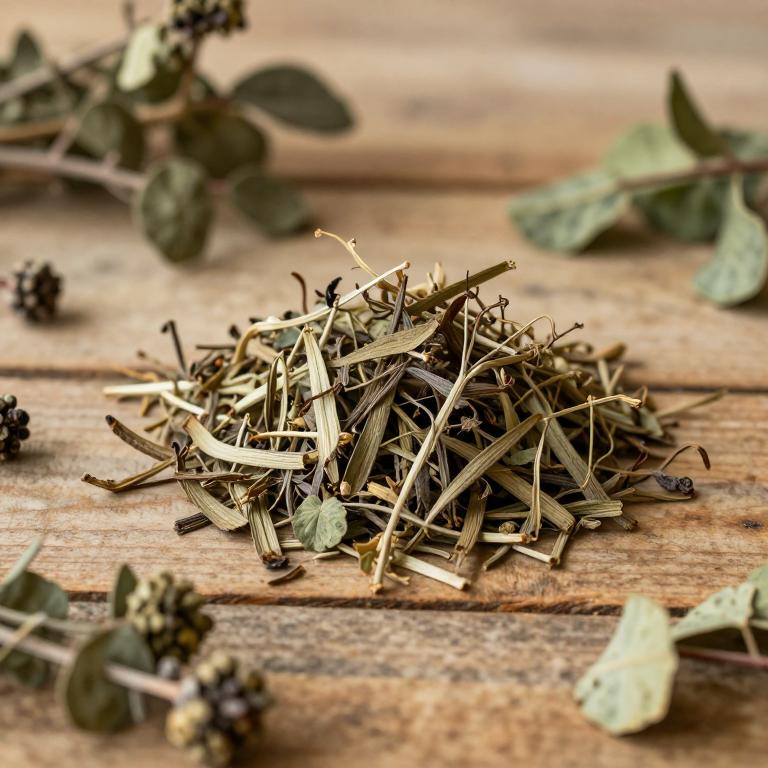
Diospyros natalensis
Diospyros natalensis, commonly known as the Natal ebony, is a significant medicinal plant indigenous to tropical...

Pachira aquatica
Pachira aquatica, commonly known as the Money Tree, is a tropical plant prized for its ornamental...
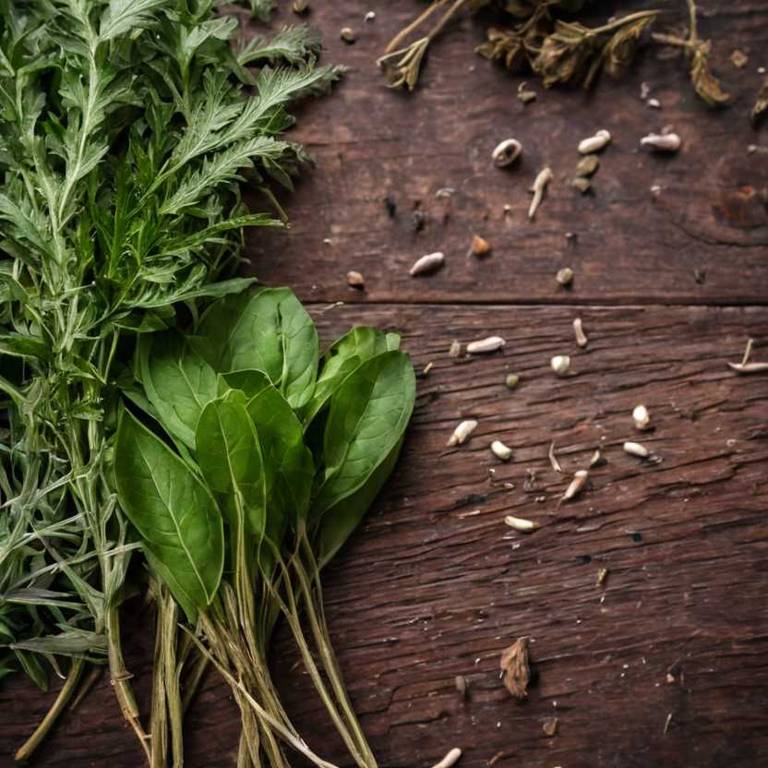
Rheum officinale
Rheum officinale, commonly known as Chinese rhubarb, is a perennial herb prized in traditional medicine for...
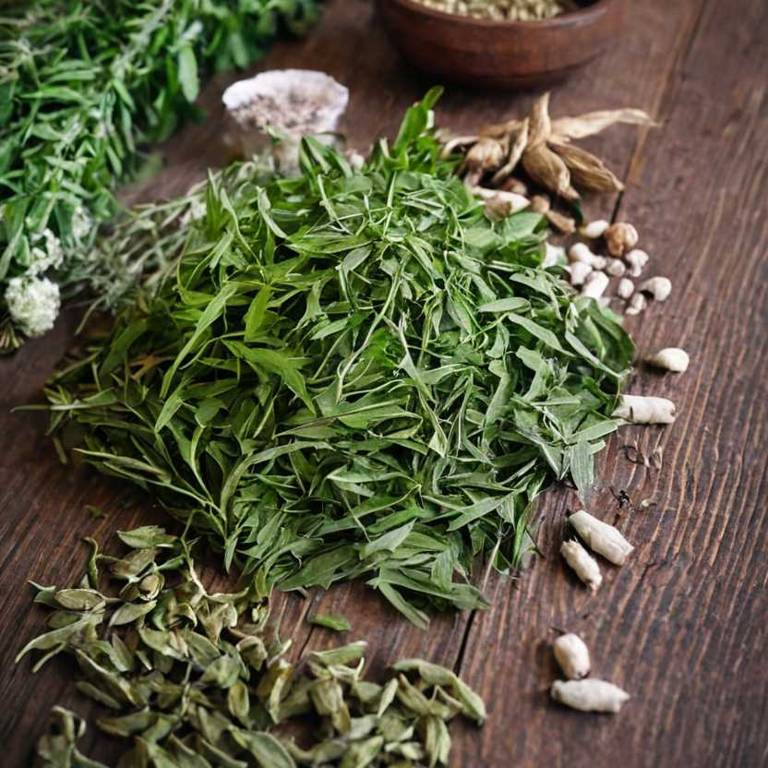
Peganum harmala
Peganum harmala, commonly known as Syrian Rue, is a perennial herb native to the Mediterranean and...
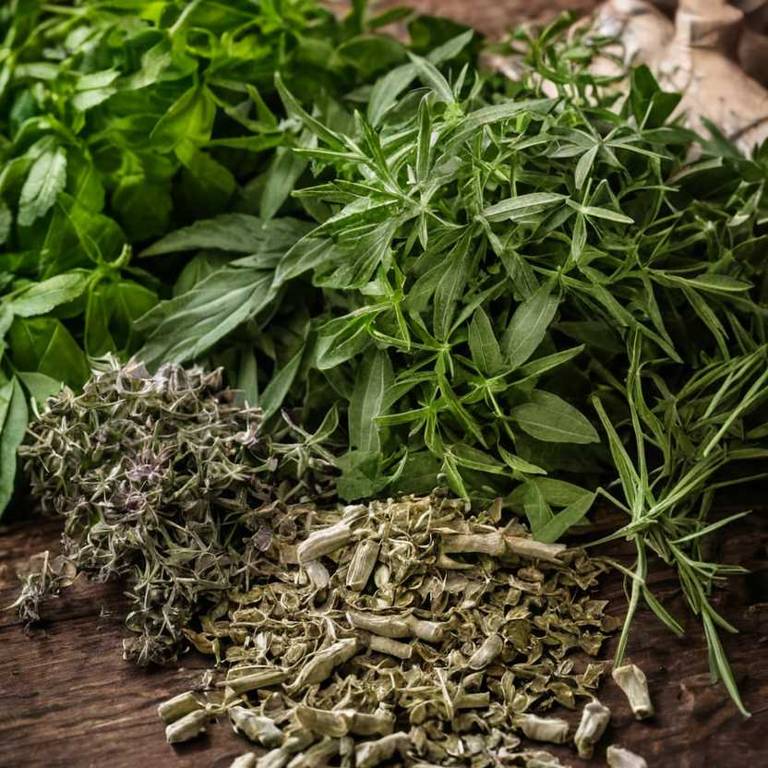
Santalum album
Santalum album, commonly known as Indian sandalwood, is a highly revered evergreen tree prized for its...
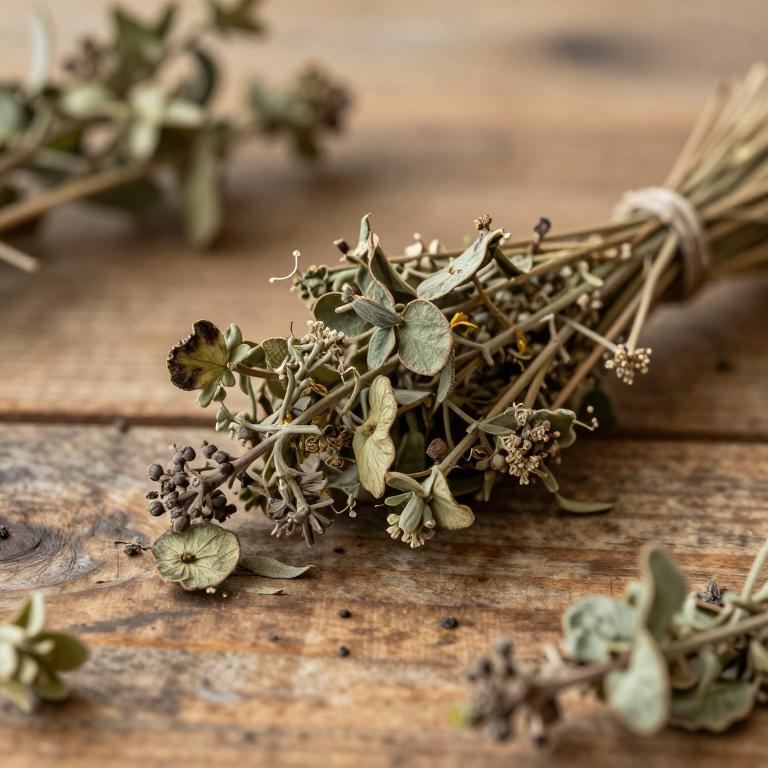
Hippobromus pauciflorus
Hippobromus pauciflorus, commonly known as a rare medicinal herb, holds significant potential in traditional healing practices...
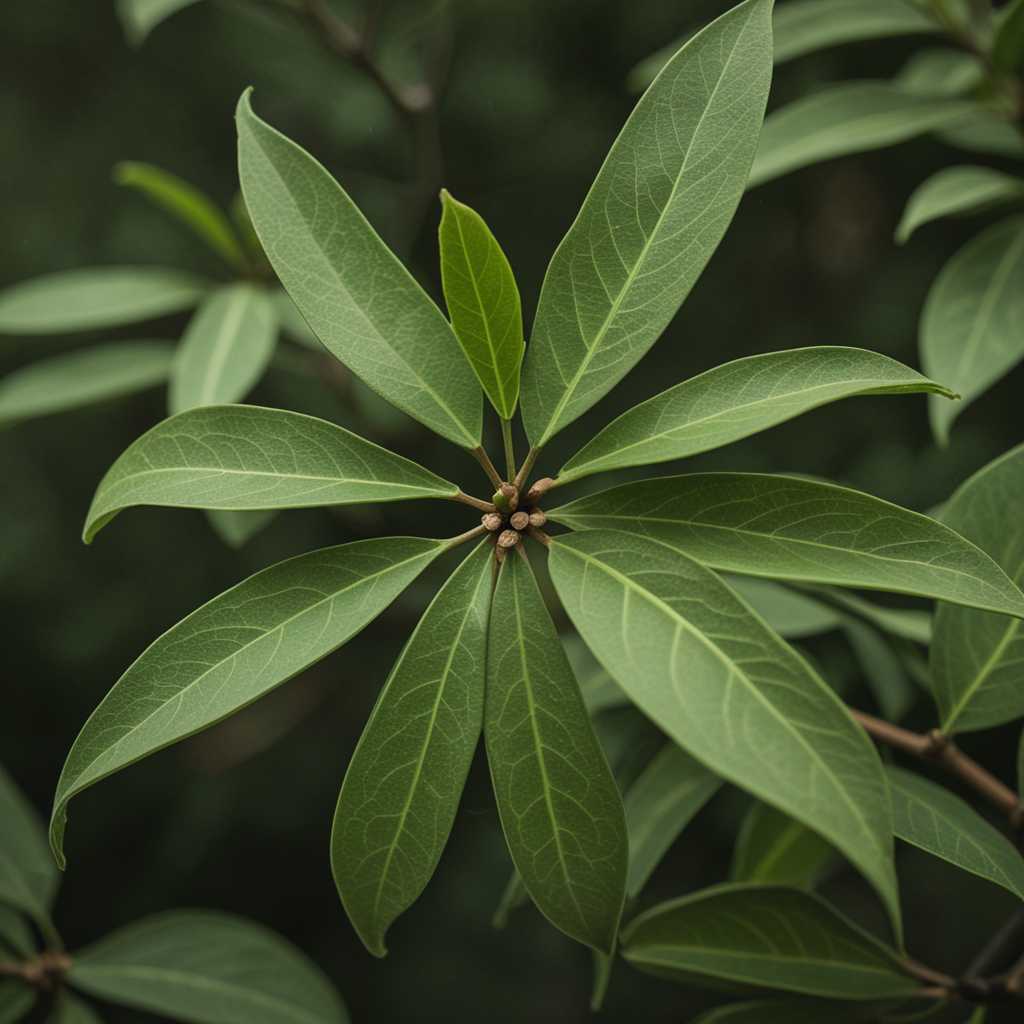
Cinnamomum aromaticum
Cinnamomum aromaticum, commonly known as true cinnamon, is a highly valued medicinal plant native to Sri...
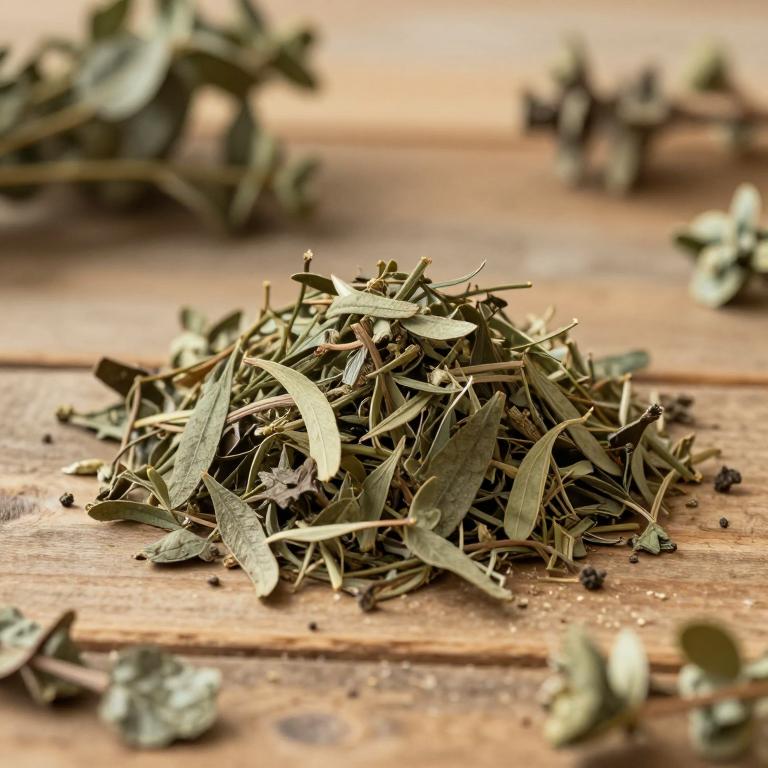
Kayea myrtifolia
Kayea myrtifolia, commonly known as the Myrtifolius Kayea, is a significant medicinal plant prized for its...

Hibiscus syriacus
Hibiscus syriacus, commonly known as Rose of Sharon, is a versatile deciduous shrub celebrated for its...
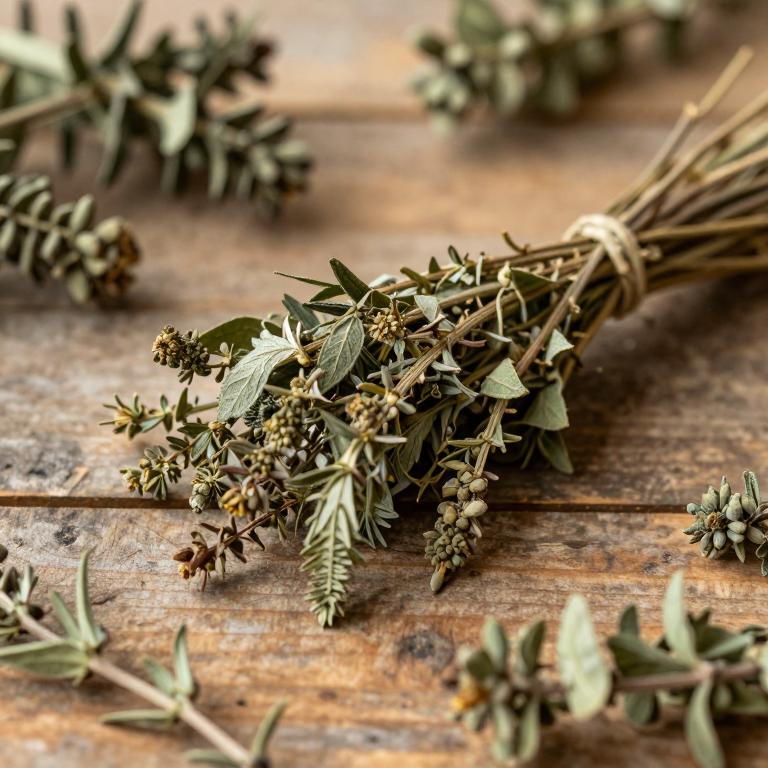
Ajuga iva
Ajuga iva, commonly known as Iva bugle, is a perennial medicinal herb native to the Himalayan...
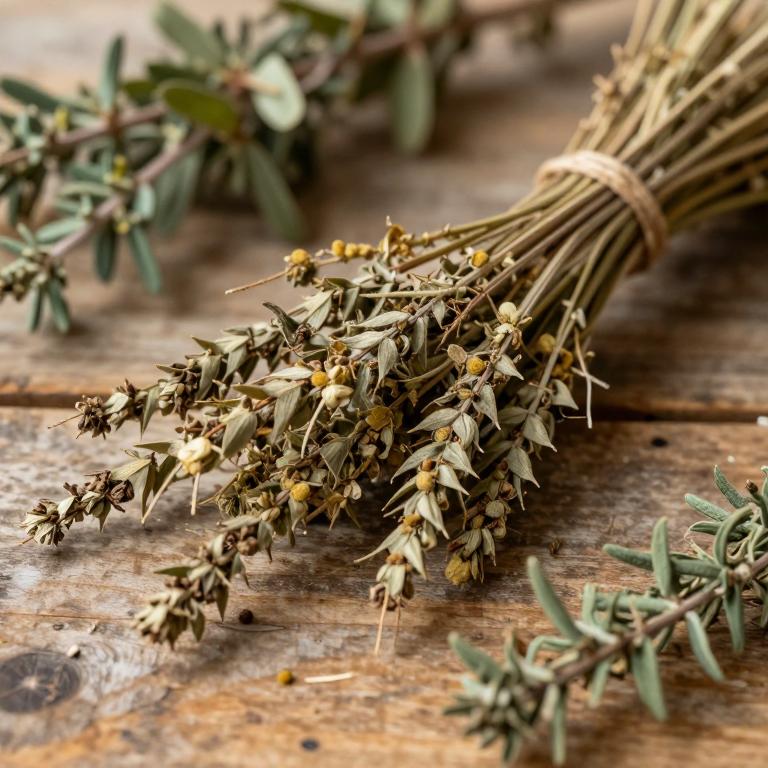
Lolium multiflorum
Lolium multiflorum, commonly known as Italian ryegrass, is a versatile annual grass widely utilized in forage...
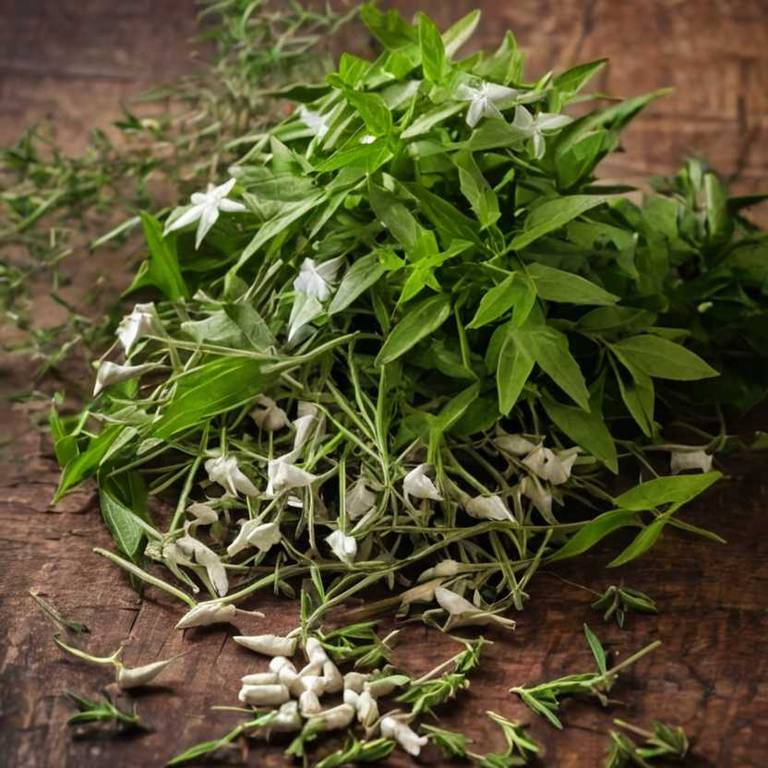
Jasminum sambac
Jasminum sambac, commonly known as Arabian jasmine, is a fragrant, evergreen shrub celebrated globally for its...

Dianthus caryophyllus
Dianthus caryophyllus, commonly known as the carnation, is a cherished ornamental plant celebrated for its fragrant,...

Eremurus chinensis
Eremurus chinensis, commonly known as Chinese Eremeron, is a resilient perennial herb native to the arid...