Explore herbs compounds

  • 12404 Plants
  • |
  • 11288 Compounds
  • |
  • 16281 Activities
  • |
  • 132161 Studies

Explore Herbs


Alphabet


Biological Activities

View all →

Bioactive Compounds

View all →

Plant Parts

View all →

List of herbs compounds

Showing 961-1008 out of 11883 results

Pedunculagin

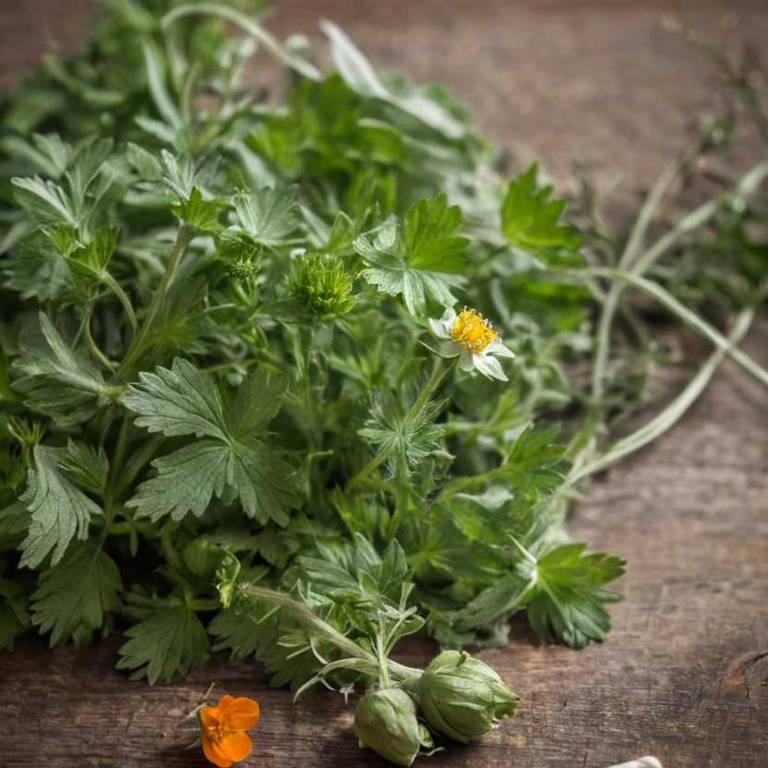
Pedunculagin is a bioactive hydrolyzable tannin known for its significant antioxidant, anti-inflammatory, and potential anti-tumor properties. This compound is found in various medicinal plants, including Geum urbanum, Geum japonicum, and Plinia cauliflora.

Associated herbs: 5
Occurs naturally in

Geum urbanum

Plinia cauliflora

Geum japonicum

View all Pedunculagin herbs →

Penduletin

Pendeletin is a bioactive flavone known for its diverse pharmacological properties, including significant anti-inflammatory, antioxidant, and neuroprotective activities. This compound can be found in various medicinal plants, such as Caragana opulens, Vitex negundo, and Artemisia annua.

Associated herbs: 5
Occurs naturally in

Caragana opulens

Vitex negundo

Artemisia annua

View all Penduletin herbs →

Phorbol Esters

Phorbol esters are a class of highly bioactive diterpenoids found in certain medicinal plants that are known for their potent ability to activate protein kinase C, often triggering intense inflammatory responses. These compounds are characteristic of several plant species, including Croton tiglium, Triadica sebifera, and Euphorbia tirucalli.

Associated herbs: 6

Occurs naturally in

Croton tiglium

Triadica sebifera

Euphorbia tirucalli

View all Phorbol Esters herbs →

Phytate

Phytate is a bioactive storage form of phosphorus found in many plant tissues that can influence mineral absorption and act as an antioxidant in the body. This compound is commonly present in various medicinal and dietary herbs and plants, such as Anacardium occidentale (cashew), Phaseolus vulgaris (common bean), and Sorghum.

Associated herbs: 5
Occurs naturally in

Anacardium occidentale

Phaseolus vulgaris

Sorghum

View all Phytate herbs →

Pinoresinol diglucoside

Pinoresinol diglucoside is a bioactive lignan glycoside recognized for its potential antioxidant and anti-inflammatory properties in various therapeutic applications. This compound can be found in medicinal herbs such as Eucommia ulmoides and Leucophyllum frutescens.

Associated herbs: 2

Occurs naturally in

Eucommia ulmoides

Leucophyllum frutescens

View all Pinoresinol diglucoside herbs →

Piperlongumine

Piperlongumine is a bioactive alkaloid derived from various medicinal plants that has demonstrated significant potential for its anti-cancer, anti-inflammatory, and antioxidant properties. It is primarily found in species of the Piper genus, including Piper retrofractum, Piper tuberculatum, and Piper sarmentosum.

Associated herbs: 3

Occurs naturally in

Piper retrofractum

Piper tuberculatum

Piper sarmentosum

View all Piperlongumine herbs →

Plantamajoside

Plantamajoside is a bioactive phenylethanoid glycoside known for its potent anti-inflammatory, antioxidant, and antimicrobial properties. It is a key phytochemical found in several species of the Plantago genus, including Plantago major, Plantago lanceolata, and other medicinal plantago varieties.

Associated herbs: 4

Occurs naturally in

Plantago

Plantago lanceolata

Plantago major

View all Plantamajoside herbs →

Platycodin D

Platycodin D is a potent bioactive saponin known for its significant anti-inflammatory, immunomodulatory, and expectorant properties. This compound is primarily found in medicinal herbs such as Platycodon grandiflorus, commonly known as balloon flower root.

Associated herbs: 1

Occurs naturally in

Platycodon grandiflorus

View all Platycodin D herbs →

Plumericin

Plumericin is a bioactive iridoid glycoside known for its potent anti-inflammatory, antimalarial, and cytotoxic properties. This compound is primarily found in medicinal plants such as Plumeria rubra, Himatanthus articulatus, and Allamanda schottii.

Associated herbs: 5
Occurs naturally in

Plumeria rubra

Himatanthus articulatus

Allamanda schottii

View all Plumericin herbs →

Polyphyllin

Polyphyllin is a bioactive steroidal saponin known for its significant anti-tumor and anti-inflammatory properties in medicinal applications. This compound is primarily found in plants of the genus Paris, such as Paris polyphylla, Paris yunnanensis, and other related species.

Associated herbs: 3

Occurs naturally in

Paris polyphylla

Paris yunnanensis

Paris

View all Polyphyllin herbs →

Polyunsaturated Fatty Acids

Polyunsaturated fatty acids (PUFAs) are essential bioactive lipids characterized by multiple double bonds in their carbon chains, which play a critical role in maintaining cell membrane fluidity and reducing systemic inflammation. Various medicinal herbs are rich in these beneficial fats, including Perilla frutescens, Syzygium aromaticum, and Warburgia ugandensis.

Associated herbs: 6

Occurs naturally in

Perilla frutescens

Syzygium aromaticum

Warburgia ugandensis

View all Polyunsaturated Fatty Acids herbs →

Prim-O-glucosylcimifugin

Prim-O-glucosylcimifugin is a bioactive glycoside known for its potential pharmacological properties, including anti-inflammatory and antioxidant activities. This specific compound can be found in medicinal herbs such as Saposhnikovia divaricata and Peucedanum dissolutum.

Associated herbs: 2

Occurs naturally in

Saposhnikovia divaricata

Peucedanum dissolutum

View all Prim-O-glucosylcimifugin herbs →

Prostratin

Prostratin is a bioactive diterpene compound derived from medicinal plants that is known for its potent anti-inflammatory and anti-tumor properties, particularly through its ability to activate protein kinase C. This compound can be found in various medicinal herbs, such as Homalanthus nutans and Euphorbia fischeriana.

Associated herbs: 2

Occurs naturally in

Homalanthus nutans

Euphorbia fischeriana

View all Prostratin herbs →

Pteryxin

Pteryxin is a bioactive coumarin derivative found in various medicinal herbs that is often studied for its potential pharmacological properties. This specific compound can be identified in botanical sources such as Smilax riparia, Mutellina adonidifolia, and Peucedanum japonicum.

Associated herbs: 4

Occurs naturally in

Smilax riparia

Mutellina adonidifolia

Peucedanum japonicum

View all Pteryxin herbs →

Quercetin 3-O-alpha-L-rhamnopyranoside

Quercetin 3-O-alpha-L-rhamnopyranoside is a bioactive flavonoid glycoside known for its potential antioxidant and anti-inflammatory properties in medicinal plants. This specific compound can be found in various botanical species, including Nymphaea odorata, Erica strigosa, and Phenax angustifolius.

Associated herbs: 6

Occurs naturally in

Nymphaea odorata

Erica strigosa

Phenax angustifolius

View all Quercetin 3-O-alpha-L-rhamnopyranoside herbs →

RB3

RB3 is a major ginsenoside belonging to the protopanaxadiol group, known for its significant pharmacological activities such as anti-tumor, anti-inflammatory, and neuroprotective effects. This bioactive compound is primarily found in various species of the Panax genus, including Panax ginseng, Panax notoginseng, and Panax japonicus.

Associated herbs: 3

Occurs naturally in

Panax

Panax notoginseng

Panax japonicus

View all RB3 herbs →

RH1

RH1 is a specific type of ginsenoside, which is a bioactive saponin known for its neuroprotective and anti-inflammatory properties. This compound is primarily found in medicinal herbs belonging to the Panax genus, such as Panax ginseng and Panax notoginseng.

Associated herbs: 2

Occurs naturally in

Panax

Panax notoginseng

View all RH1 herbs →

Rf

It appears there may be a slight misunderstanding, as Rf (Retardation Factor) is not a bioactive compound, but rather a technical term used in chromatography to measure the movement of a substance. In herbal analysis, the Rf value is used to identify specific bioactive compounds by comparing how far they travel on a thin-layer chromatography (TLC) plate relative to the solvent front. If you intended to ask about a specific compound found in herbs like Panax ginseng or Panax notoginseng, please let me know so I can provide the correct information.

Associated herbs: 2

Occurs naturally in

Panax

Panax notoginseng

View all Rf herbs →

Rhodomyrtone

Rhodomyrtone is a bioactive quinone derivative known for its potent anti-tumor, anti-inflammatory, and antioxidant properties. This compound is primarily found in medicinal plants such as Rhodomyrtus tomentosa, commonly known as the rose myrtle.

Associated herbs: 1

Occurs naturally in

Rhodomyrtus tomentosa

View all Rhodomyrtone herbs →

Robustaflavone

Robustaflavone is a bioactive flavone known for its diverse pharmacological properties, including antioxidant, anti-inflammatory, and neuroprotective activities. This specific compound is primarily found in certain species of clubmoss, such as Selaginella delicatula, Selaginella nothohybrida, and Selaginella lepidophylla.

Associated herbs: 6

Occurs naturally in

Selaginella delicatula

Selaginella nothohybrida

Selaginella lepidophylla

View all Robustaflavone herbs →

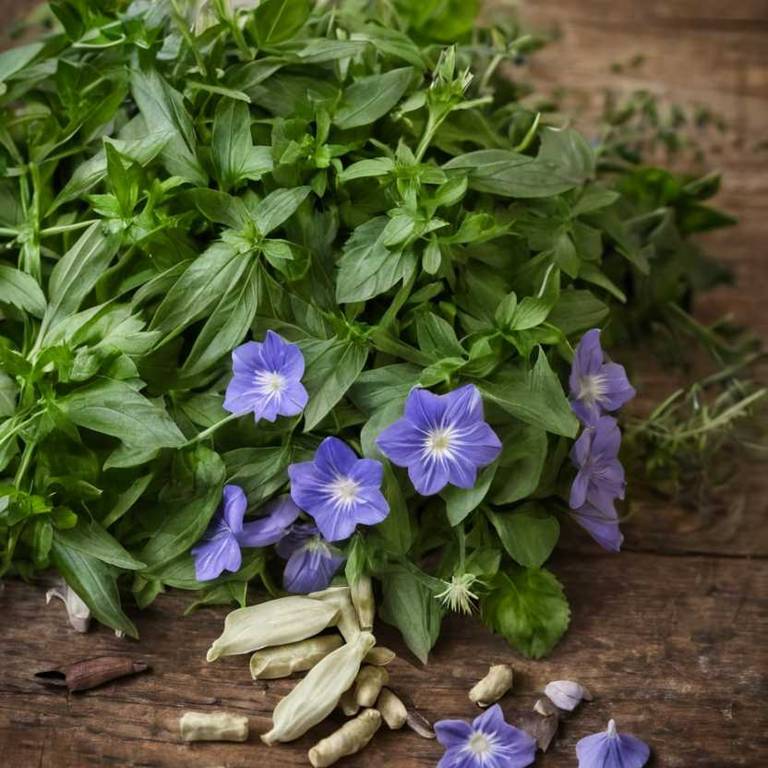
Rocaglaol

Rocaglaol is a potent bioactive compound belonging to the flavagline class, known for its ability to inhibit protein synthesis by targeting eukaryotic initiation factor 4A (eIF4A). This compound is primarily found in various species of the Aglaia genus, including Aglaia odorata and Aglaia crassinervia.

Associated herbs: 5
Occurs naturally in

Aglaia odorata

Aglaia crassinervia

Aglaia

View all Rocaglaol herbs →

Rubiadin

Rubiadin is a bioactive anthraquinone derivative known for its diverse pharmacological properties, including anti-inflammatory and antioxidant activities. This compound can be found in various medicinal herbs such as Rubia cordifolia, Hymenodictyon orixense, and Oldenlandia herbacea var. herbacea.

Associated herbs: 5

Occurs naturally in

Rubia cordifolia

Hymenodictyon orixense

Oldenlandia herbacea var. herbacea

View all Rubiadin herbs →

SE

SE (likely referring to S-Ethyl-L-cysteine or specific Sulfur-containing compounds) represents a group of bioactive sulfur compounds known for their potent antioxidant and antimicrobial properties. These compounds are found in various medicinal herbs and plants, such as Allium sativum (garlic), Archidendron pauciflorum, and Parkia speciosa.

Associated herbs: 7

Occurs naturally in

Allium sativum

Archidendron pauciflorum

Parkia speciosa

View all SE herbs →

SYRINGALDEHYDE

Syringaldehyde is a naturally occurring phenolic aldehyde recognized for its potent antioxidant, anti-inflammatory, and antimicrobial properties. This bioactive compound can be found in various medicinal plants, including Cocos nucifera (coconut), Senna incana, and Magnolia officinalis.

Associated herbs: 6

Occurs naturally in

Cocos nucifera

Senra incana

Magnolia officinalis

View all SYRINGALDEHYDE herbs →

Sativanone

Sativanone is a bioactive compound found in certain medicinal herbs that is primarily studied for its potential pharmacological properties. It is specifically identified in plant species such as Dalbergia odorifera and Dalbergia tonkinensis.

Associated herbs: 2

Occurs naturally in

Dalbergia odorifera

Dalbergia tonkinensis

View all Sativanone herbs →

Sciadopitysin

Sciadopitysin is a natural bioactive diterpene known for its potential anti-inflammatory, antioxidant, and neuroprotective properties. This compound is primarily found in medicinal plants such as Ginkgo biloba and Taxus mairei.

Associated herbs: 4

Occurs naturally in

Ginkgo biloba

Ginkgo

Taxus mairei

View all Sciadopitysin herbs →

Sennoside B

Sennoside B is a potent anthraquinone glycoside found in various medicinal herbs that acts as a stimulant laxative by promoting intestinal peristalsis. This bioactive compound is primarily sourced from plants such as Senna alexandrina (including var. alexandrina), Senna alexandrina, and Rheum tanguticum.

Associated herbs: 4

Occurs naturally in

Rheum tanguticum

Senna alexandrina var. alexandrina

Senna alexandrina

View all Sennoside B herbs →

Sesquiterpenoid

Sesquiterpenoids are a diverse class of organic compounds composed of three isoprene units, often serving as key bioactive constituents that provide herbs with anti-inflammatory, antimicrobial, or anticancer properties. These compounds are found in various medicinal plants, such as Atractylodes lancea, Warburgia salutaris, and Juglans mandshurica.

Associated herbs: 6

Occurs naturally in

Atractylodes lancea

Warburgia salutaris

Juglans mandshurica

View all Sesquiterpenoid herbs →

Silychristin

Silychristin is a bioactive flavonolignan that contributes to the diverse therapeutic profile of silymarin, often exhibiting antioxidant and anti-inflammatory properties. It is primarily found in medicinal herbs such as Silybum marianum, commonly known as milk thistle.

Associated herbs: 1

Occurs naturally in

Silybum marianum

View all Silychristin herbs →

Sophocarpine

Sophocarpine is a quinolizidine alkaloid known for its significant pharmacological activities, including anti-inflammatory, anti-tumor, and anti-malarial properties. This bioactive compound is primarily found in medicinal herbs of the Sophora genus, such as Sophora flavescens, Sophora alopecuroides, and other species within the Sophora group.

Associated herbs: 4

Occurs naturally in

Sophora flavescens

Sophora alopecuroides

Sophora

View all Sophocarpine herbs →

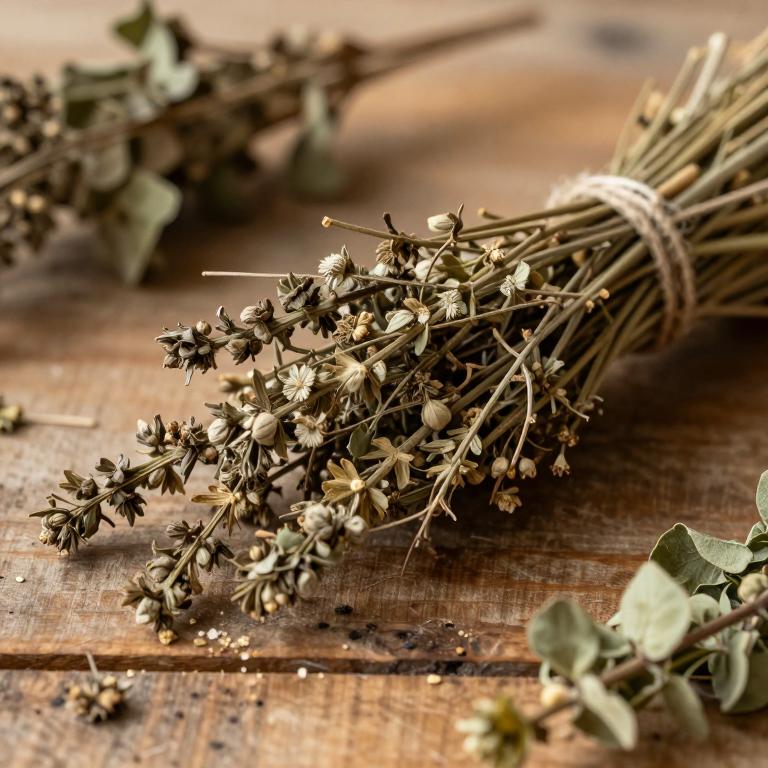
Soyasaponin I

Soyasaponin I is a bioactive triterpenoid saponin known for its diverse pharmacological potential, including anti-inflammatory and antioxidant activities. This compound can be found in various medicinal herbs, such as Corethrodendron multijugum, Grona adscendens, and Pueraria montana var. thomsonii.

Associated herbs: 5
Occurs naturally in

Corethrodendron multijugum

Grona adscendens

Pueraria montana var. thomsonii

View all Soyasaponin I herbs →

Stigmast-4-en-3-one

Stigmast-4-en-3-one is a bioactive steroidal compound known for its diverse pharmacological activities, including potential anti-inflammatory and anticancer properties. This specific phytosterol can be found in various medicinal plants, such as Aconitum taipeicum, Etlingera elatior, and Diospyros maritima.

Associated herbs: 5

Occurs naturally in

Aconitum taipeicum

Etlingera elatior

Diospyros maritima

View all Stigmast-4-en-3-one herbs →

Strictosamide

Strictosamide is a bioactive indole alkaloid that serves as a critical biosynthetic precursor to various complex monoterpene indole alkaloids used in pharmacology. This compound is found in several medicinal plants, including Ophiorrhiza pumila, Nauclea pobeguinii, and Nauclea latifolia.

Associated herbs: 6

Occurs naturally in

Ophiorrhiza pumila

Nauclea pobeguinii

Nauclea latifolia

View all Strictosamide herbs →

TPC

Total Phenolic Content (TPC) refers to the sum of all phenolic compounds present in a plant, which serve as powerful antioxidants capable of neutralizing free radicals in the body. This bioactive component is widely distributed in medicinal herbs, including Peltophorum pterocarpum, Allium sativum (garlic), and Zingiber officinale (ginger).

Associated herbs: 10

Occurs naturally in

Peltophorum pterocarpum

Allium sativum

Zingiber officinale

View all TPC herbs →

TRANS-CINNAMIC ACID

Trans-cinnamic acid is a natural bioactive compound known for its potent antioxidant, anti-inflammatory, and antimicrobial properties. It can be found in various medicinal herbs, including Aegle marmelos, Lycium intricatum, and Artemisia annua.

Associated herbs: 7

Occurs naturally in

Aegle marmelos

Lycium intricatum

Artemisia annua

View all TRANS-CINNAMIC ACID herbs →

Taraxasterol

Taraxasterol is a bioactive pentacyclic triterpenoid known for its diverse pharmacological properties, including significant anti-inflammatory, anti-tumor, and hepatoprotective activities. This compound is primarily found in medicinal plants such as Taraxacum sect. Taraxacum, Anthemis mirheydari, and Taraxacum mongolicum.

Associated herbs: 4

Occurs naturally in

Taraxacum sect. Taraxacum

Anthemis mirheydari

Taraxacum mongolicum

View all Taraxasterol herbs →

Taxanes

Taxanes are a class of bioactive diterpenoid alkaloids primarily known for their potent antineoplastic properties, which function by stabilizing microtubules to inhibit cancer cell division. These compounds are naturally derived from various species within the yew genus, such as Taxus cuspidata, Taxus brevifolia, and other members of the Taxus genus.

Associated herbs: 4

Occurs naturally in

Taxus cuspidata

Taxus brevifolia

Taxus

View all Taxanes herbs →

Uvaol

Uvaol is a bioactive triterpene compound found in various medicinal herbs that is recognized for its diverse pharmacological properties, including anti-inflammatory and antioxidant activities. This specific compound can be isolated from several plant species, such as Vauquelinia corymbosa, Gardenia aqualla, and Ilex pernyi.

Associated herbs: 7

Occurs naturally in

Vauquelinia corymbosa

Gardenia aqualla

Ilex pernyi

View all Uvaol herbs →

VASICINONE

Vasicinone is a quinolone alkaloid known for its significant pharmacological properties, particularly its bronchodilatory and anti-inflammatory effects on the respiratory system. This bioactive compound is found in several medicinal plants, most notably in Justicia adhatoda (Malabar Nut).

Associated herbs: 1

Occurs naturally in

Justicia adhatoda

View all VASICINONE herbs →

Valtrate

Valtrate is a potent iridoid glycoside known for its sedative and anxiolytic properties, often used to promote relaxation and improve sleep quality. This bioactive compound is primarily found in various species of the valerian genus, including Valeriana officinalis, Valeriana sorbifolia, and Valeriana valespirina.

Associated herbs: 5

Occurs naturally in

Valeriana

Valeriana sorbifolia

Valeriana officinalis

View all Valtrate herbs →