Explore herbs compounds

  • 12404 Plants
  • |
  • 11288 Compounds
  • |
  • 16281 Activities
  • |
  • 132161 Studies

Explore Herbs


Alphabet


Biological Activities

View all →

Bioactive Compounds

View all →

Plant Parts

View all →

List of herbs compounds

Showing 913-960 out of 11883 results

Glucomannan

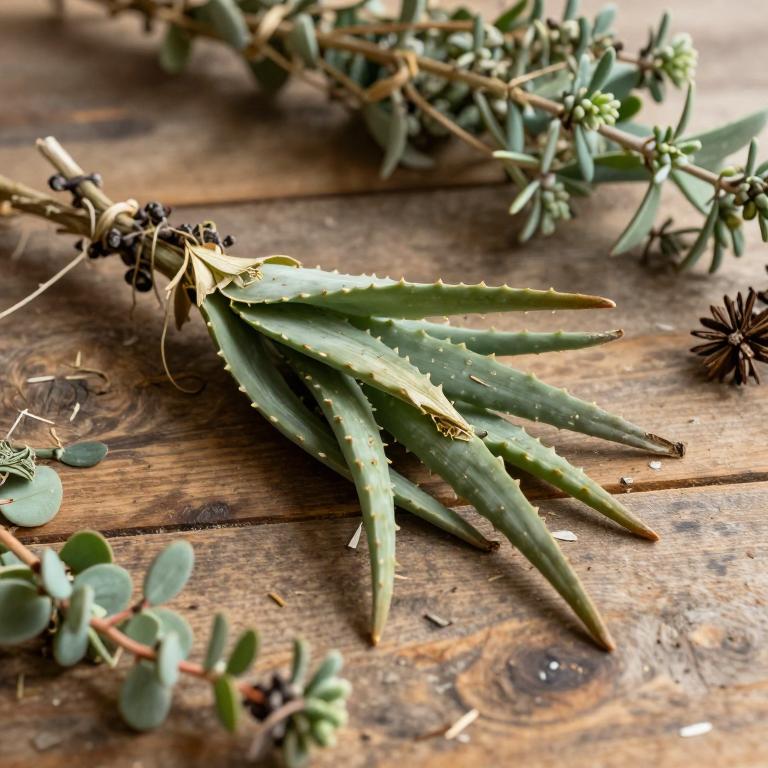
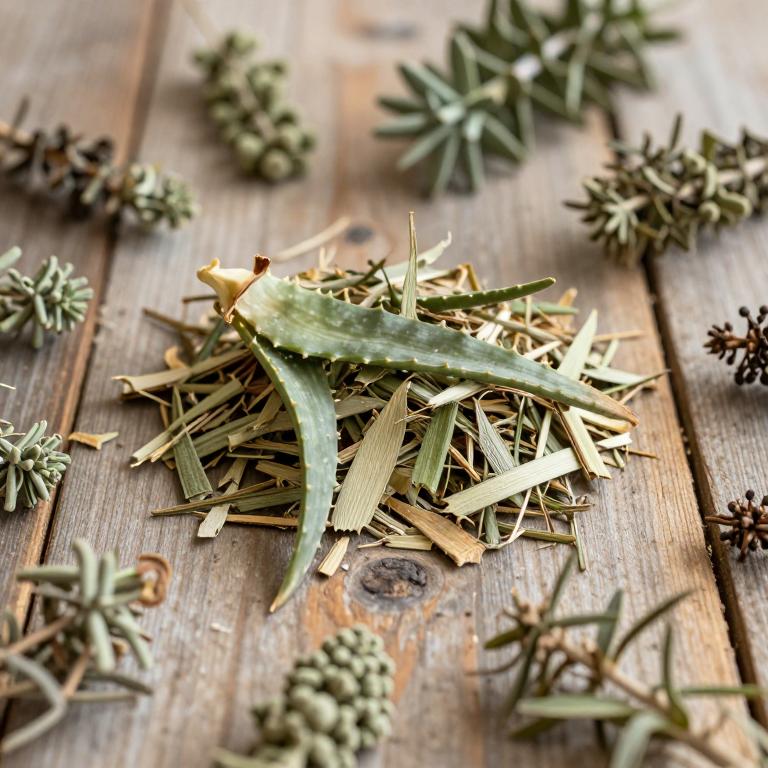
Glucomannan is a highly soluble dietary fiber characterized by its ability to absorb large amounts of water, which helps promote satiety and supports digestive health. This bioactive polysaccharide can be sourced from various medicinal herbs, such as Amorphophallus paeoniifolius, Bletilla striata, and Aloe succotrina.

Associated herbs: 4

Occurs naturally in

Amorphophallus paeoniifolius

Bletilla striata
Aloe succotrina
View all Glucomannan herbs →

Glycoproteins

Glycoproteins are complex bioactive molecules consisting of carbohydrate chains covalently bonded to proteins, which play critical roles in cell signaling, immune modulation, and wound healing. These compounds are found in various medicinal plants, such as Aloe vera, Smilax glabra, and Echinacea purpurea, where they contribute to the herbs' therapeutic properties.

Associated herbs: 4

Occurs naturally in

Aloe

Smilax glabra

Echinacea purpurea

View all Glycoproteins herbs →

Guggulsterone

Guggulsterone is a bioactive steroid derived from the resin of medicinal plants, primarily known for its potential to support cholesterol management and metabolic health. This compound is most notably found in the herb Commiphora wightii, commonly referred to as Guggul.

Associated herbs: 1

Occurs naturally in

Commiphora wightii

View all Guggulsterone herbs →

Hydroxychavicol

Hydroxychavicol is a bioactive phenolic compound known for its potent antioxidant, anti-inflammatory, and antimicrobial properties. It is most commonly found in medicinal herbs such as Piper betle (betel leaf), where it contributes to the plant's therapeutic effects.

Associated herbs: 1

Occurs naturally in

Piper betle

View all Hydroxychavicol herbs →

Hypophyllanthin

Hypophyllanthin is a bioactive lignan found in certain medicinal plants that has demonstrated significant antioxidant and anti-inflammatory properties. This compound is primarily identified in herbs of the Phyllanthus genus, such as Phyllanthus niruri and Phyllanthus amarus.

Associated herbs: 2

Occurs naturally in

Phyllanthus niruri

Phyllanthus amarus

View all Hypophyllanthin herbs →

IAA

Indole-3-acetic acid (IAA) is a naturally occurring auxin that plays a critical role in regulating plant growth, cell elongation, and developmental processes. This bioactive compound can be found in various medicinal herbs, including Bletilla striata, Tulbaghia simmii, and Gynostemma pentaphyllum.

Associated herbs: 8

Occurs naturally in

Bletilla striata

Tulbaghia simmleri

Gynostemma pentaphyllum

View all IAA herbs →

INULIN

Inulin is a naturally occurring prebiotic fiber composed of fructose chains that promotes digestive health by nourishing beneficial gut bacteria. This bioactive compound is abundantly found in medicinal herbs such as Taraxacum sect. Taraxacum (dandelion), Arctium lappa (burdock), and Cichorium intybus (chicory).

Associated herbs: 5

Occurs naturally in

Taraxacum sect. Taraxacum

Arctium lappa

Cichorium intybus

View all INULIN herbs →

Inuviscolide

Inuviscolide is a bioactive sesquiterpene lactone found in several medicinal plants, known for its potential pharmacological properties. This specific compound is characteristic of herbs such as Dittrichia viscosa, Pentanema confertiflorum, and Dittrichia graveolens.

Associated herbs: 3

Occurs naturally in

Dittrichia viscosa

Pentanema confertiflorum

Dittrichia graveolens

View all Inuviscolide herbs →

Iridoid

Iridoids are a diverse class of bitter-tasting monoterpenoid compounds known for their significant pharmacological activities, including anti-inflammatory, antimicrobial, and anticancer properties. These bioactive molecules are found in various medicinal plants, such as Keetia multiflora, Penstemon hartwegii, and Nauclea officinalis.

Associated herbs: 8

Occurs naturally in

Keetia multiflora

Penstemon hartwegii

Nauclea officinalis

View all Iridoid herbs →

Irigenin

Irigenin is a bioactive phenolic compound, specifically a neolignan, known for its potential pharmacological properties such as antioxidant and anti-inflammatory activities. It is commonly found in various medicinal herbs, including Bistorta vivipara, Iris adriatica, and Iris domestica.

Associated herbs: 5

Occurs naturally in

Bistorta vivipara

Iris adriatica

Iris domestica

View all Irigenin herbs →

Isomenthone

Isomenthone is a naturally occurring monoterpene ketone found in various essential oils that contributes to the characteristic minty aroma and biological activity of many medicinal plants. This bioactive compound is a key constituent in herbs such as Clinopodium nepeta subsp. spruneri, Ziziphora, and Pycnanthemum virginianum.

Associated herbs: 6

Occurs naturally in

Clinopodium nepeta subsp. spruneri

Ziziphora

Pycnanthemum virginianum

View all Isomenthone herbs →

Isosilybin

Isosilybin is a potent bioactive flavonolignan known for its significant antioxidant, anti-inflammatory, and hepatoprotective properties. It is primarily found in plants of the milk thistle family, most notably in Silybum marianum.

Associated herbs: 1

Occurs naturally in

Silybum marianum

View all Isosilybin herbs →

Isoxanthochymol

Isoxanthochymol is a bioactive xanthone derivative known for its significant pharmacological properties, including antioxidant, anti-inflammatory, and antimicrobial activities. This compound can be found in various medicinal plant species, such as Garcinia intermedia, Garcinia subelliptica, and Garcinia indica.

Associated herbs: 5

Occurs naturally in

Garcinia intermedia

Garcinia subelliptica

Garcinia indica

View all Isoxanthochymol herbs →

Jasmonic acid

Jasmonic acid is a key bioactive signaling molecule that plays a vital role in regulating plant defense mechanisms and stress responses against pathogens and environmental stimuli. This compound can be found in various medicinal plants, including Oryza sativa (rice), Panax ginseng, and Salvia miltiorrhiza.

Associated herbs: 5

Occurs naturally in

Oryza sativa

Panax ginseng

Salvia miltiorrhiza

View all Jasmonic acid herbs →

Justicidin B

Justicidin B is a bioactive quinone derivative known for its potential pharmacological properties, including anti-inflammatory and antioxidant activities. This compound is found in various medicinal plants, such as Commiphora gileadensis, Rostellularia obtusa, and Linum striatum.

Associated herbs: 4

Occurs naturally in

Commiphora gileadensis

Rostellularia obtusa

Linum striatum

View all Justicidin B herbs →

Karanjin

Karanjin is a bioactive flavonoid found in various medicinal plants that is widely recognized for its potent anti-inflammatory, antimicrobial, and insecticidal properties. This compound is characteristically present in herbs such as Pongamia pinnata (also known as Pongamia cauliflora) and Vitex negundo.

Associated herbs: 3

Occurs naturally in

Pongamia pinnata

Pongamia cauliflora

Vitex negundo

View all Karanjin herbs →

Kokusaginine

Kokusaginine is a bioactive alkaloid derived from medicinal plants that has been studied for its potential pharmacological properties, including antimicrobial and biological activities. This compound is primarily found in various species of the Rutaceae family, such as Melicope frutescens, Glycosmis pentaphylla, and Vepris unifoliolata.

Associated herbs: 5

Occurs naturally in

Melicope frutescens

Glycosmis pentaphylla

Vepris unifoliolata

View all Kokusaginine herbs →

L-canavanine

L-canavanine is a non-protein amino acid found in various medicinal plants that can act as a toxin by interfering with protein synthesis in certain organisms. This bioactive compound is notably present in herbs such as Lessertia frutescens and Canavalia ensiformis.

Associated herbs: 2

Occurs naturally in

Lessertia frutescens

Canavalia ensiformis

View all L-canavanine herbs →

LICARIN A

Licarin A is a bioactive compound found in various medicinal herbs that exhibits significant pharmacological potential. It is specifically identified in plant species such as Machilus thunbergii, Aristolochia taliscana, and Magnolia dodecapetala.

Associated herbs: 5

Occurs naturally in

Machilus thunbergii

Aristolochia taliscana

Magnolia dodecapetala

View all LICARIN A herbs →

Ledol

Ledol is a bioactive sesquiterpene alcohol known for its significant antimicrobial and anti-inflammatory properties in various medicinal plants. It is a key constituent found in several therapeutic herbs, including Lepechinia heteromorpha, Cistus tauricus, and Hagenia abyssinica.

Associated herbs: 5

Occurs naturally in

Lepechinia heteromorpha

Cistus tauricus

Hagenia abyssinica

View all Ledol herbs →

Lithospermic acid B

Lithospermic acid B is a bioactive polyphenolic compound known for its potent antioxidant, anti-inflammatory, and anti-tumor properties. It is a primary active constituent found in medicinal herbs such as Lithospermum erythrorhizon (Gromwell root) and Salvia miltiorrhiza (Danshen).

Associated herbs: 2

Occurs naturally in

Lithospermum erythrorhizon

Salvia miltiorrhiza

View all Lithospermic acid B herbs →

METHYL PALMITATE

Methyl palmitate is a fatty acid ester known for its diverse pharmacological potential, including anti-inflammatory, antioxidant, and antimicrobial activities. This bioactive compound can be found in various medicinal plants, such as Nicotiana glauca, Cissus verticillata subsp. verticillata, and Anthocleista djalonensis.

Associated herbs: 5

Occurs naturally in

Nicotiana glauca

Cissus verticillata subsp. verticillata

Anthocleista djalonensis

View all METHYL PALMITATE herbs →

Marmelosin

Marmelosin is a bioactive coumarin derivative known for its significant pharmacological properties, including anti-inflammatory, antioxidant, and antimicrobial activities. This compound is primarily found in medicinal plants such as Aegle marmelos, commonly known as the Bael tree.

Associated herbs: 1

Occurs naturally in

Aegle marmelos

View all Marmelosin herbs →

Methyl caffeate

Methyl caffeate is a bioactive phenolic compound known for its antioxidant and anti-inflammatory properties, which contribute to the therapeutic effects of various medicinal plants. It can be found in several herbal species, including Buphthalmum speciosissimum, Chaerophyllum hirsutum, and Actaea racemosa.

Associated herbs: 6

Occurs naturally in

Buphthalmum speciosissimum

Chaerophyllum hirsutum

Actaea racemosa

View all Methyl caffeate herbs →

Methyl chavicol

Methyl chavicol, also known as estragole, is a bioactive phenylpropene compound found in various medicinal herbs that often contributes to their aromatic and therapeutic properties. It is a key constituent in plants such as Hedyosmum racemosum, Ochrosperma, and Ocimum carnosum.

Associated herbs: 6

Occurs naturally in

Hedyosmum racemosum

Ochrosperma

Ocimum carnosum

View all Methyl chavicol herbs →

Methyl cinnamate

Methyl cinnamate is a bioactive ester known for its significant antioxidant, anti-inflammatory, and antimicrobial properties in medicinal applications. This compound can be found in various botanical sources, including Eucalyptus, Zanthoxylum capense, and Lonicera confusa.

Associated herbs: 7

Occurs naturally in

Eucalyptus

Zanthoxylum capense

Lonicera confusa

View all Methyl cinnamate herbs →

Methyl rosmarinate

Methyl rosmarinate is a bioactive ester derivative of rosmarinic acid that contributes to the potent antioxidant and anti-inflammatory properties of various medicinal plants. This compound is found in several aromatic herbs, including Lindelofia stylosa, Salvia judaica, and Dracocephalum cuspidatum.

Associated herbs: 5

Occurs naturally in

Lindelofia stylosa

Salvia judaica

Dracocephalum cuspidatum

View all Methyl rosmarinate herbs →

Miltirone

Miltirone is a bioactive diterpenoid found in medicinal plants that is recognized for its potential anti-inflammatory and antioxidant properties. It is a key constituent of herbs such as Salvia miltiorrhiza (Danshen), where it contributes to the plant's cardiovascular therapeutic effects.

Associated herbs: 1

Occurs naturally in

Salvia miltiorrhiza

View all Miltirone herbs →

Miroestrol

みょうがんは、植物に含まれる天然の植物性エストロゲンの一種であり、体内で女性ホルモンと似た働きをすることが知られています。この化合物は、主にプエラリア・ミリフィカ(Pueraria mirifica)やプエラリア・カンドレイ(Pueraria candollei)などの植物に豊富に含まれています。

Associated herbs: 2

Occurs naturally in

Pueraria mirifica

Pueraria candollei

View all Miroestrol herbs →

N-Methylcytisine

N-Methylcytisine is a potent alkaloid found in various medicinal herbs that acts as a selective antagonist for nicotinic acetylcholine receptors in the central nervous system. It is a key bioactive constituent in plants such as Maackia amurensis, Laburnum anagyroides, and Laburnum alpinum.

Associated herbs: 8

Occurs naturally in

Maackia amurensis

Laburnum anagyroides

Laburnum alpinum

View all N-Methylcytisine herbs →

N-Methyllaurotetanine

N-Methyllaurotetanine is a bioactive alkaloid found in various medicinal plants that is often studied for its potential pharmacological properties. This specific compound can be identified in herbs such as Illigera aromatica, Stephania epigaea, and Xylopia aethiopica.

Associated herbs: 5

Occurs naturally in

Illigera aromatica

Stephania epigaea

Xylopia aethiopica

View all N-Methyllaurotetanine herbs →

NERAL

Neral is a key monoterpene aldehyde found in various essential oils that exhibits significant antimicrobial, anti-inflammatory, and neuroprotective properties. This bioactive compound is a prominent constituent in medicinal herbs such as Cymbopogon nardus (citronella grass), Melissa officinalis (lemon balm), and Cryptolepis nigrescens.

Associated herbs: 4

Occurs naturally in

Cymbopogon nardus

Melissa officinalis

Cryptolepis nigrescens

View all NERAL herbs →

Nardosinone

Nardosinone is a bioactive sesquiterpene compound known for its potential pharmacological properties, particularly in modulating neurological functions and providing sedative effects. It is a key constituent found in medicinal herbs such as Nardostachys jatamansi, commonly known as Spikenard.

Associated herbs: 1

Occurs naturally in

Nardostachys jatamansi

View all Nardosinone herbs →

Neobavaisoflavone

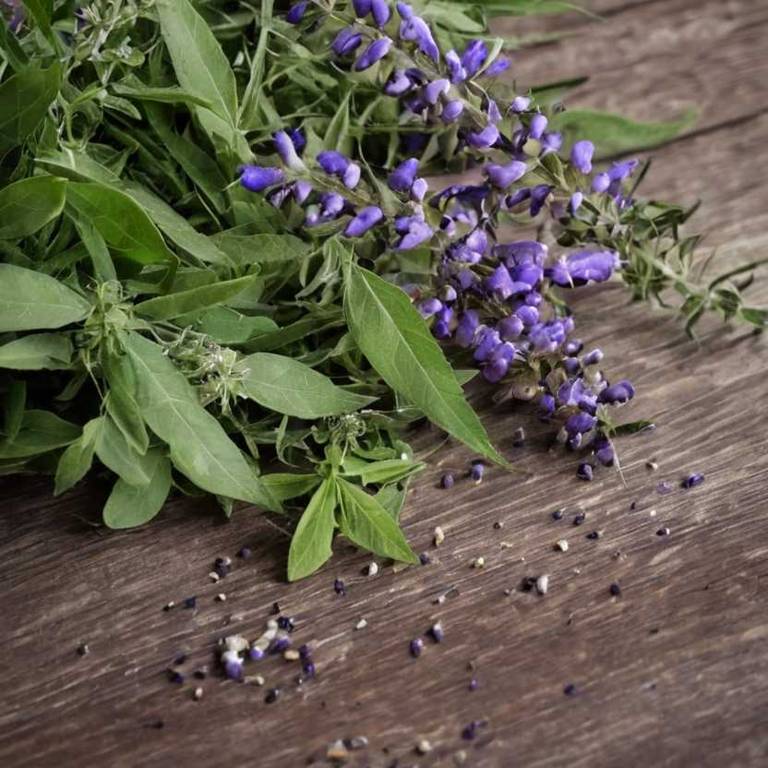
Neobavaisoflavone is a bioactive isoflavone known for its significant pharmacological properties, including antioxidant, anti-inflammatory, and potential anti-cancer activities. This specific compound can be found in various medicinal herbs, such as Cullen corylifolium and Erythrina sigmoidea.
Associated herbs: 2

Occurs naturally in

Cullen corylifolium

Erythrina sigmoidea
View all Neobavaisoflavone herbs →

Neocnidilide

Neocnidilide is a bioactive phthalide derivative known for its potential pharmacological properties, including anti-inflammatory and neuroprotective effects. This compound is primarily found in medicinal herbs such as Levisticum officinale, Dolomiaea costus, and Apium graveolens.

Associated herbs: 5

Occurs naturally in

Levisticum officinale

Dolomiaea costus

Apium graveolens

View all Neocnidilide herbs →

Nigranoic acid

Nigranoic acid is a bioactive lignan found in various medicinal herbs that contributes to their diverse pharmacological properties. This specific compound is characteristic of species within the Schisandra genus, such as Kadsura heteroclita, Schisandra propinqua, and Schisandra sphaerandra.

Associated herbs: 5

Occurs naturally in

Kadsura heteroclita

Schisandra propinqua

Schisandra sphaerandra

View all Nigranoic acid herbs →

Noreugenin

Noreugenin is a bioactive flavonoid derivative known for its potential antioxidant and anti-inflammatory properties in medicinal research. This compound can be found in various botanical sources, including herbs such as Pleuropterus multiflorus, Sorbaria sorbifolia, and Vachellia etbaica.

Associated herbs: 5

Occurs naturally in

Pleuropterus multiflorus

Sorbaria sorbifolia

Vachellia etbaica

View all Noreugenin herbs →

Nuciferine

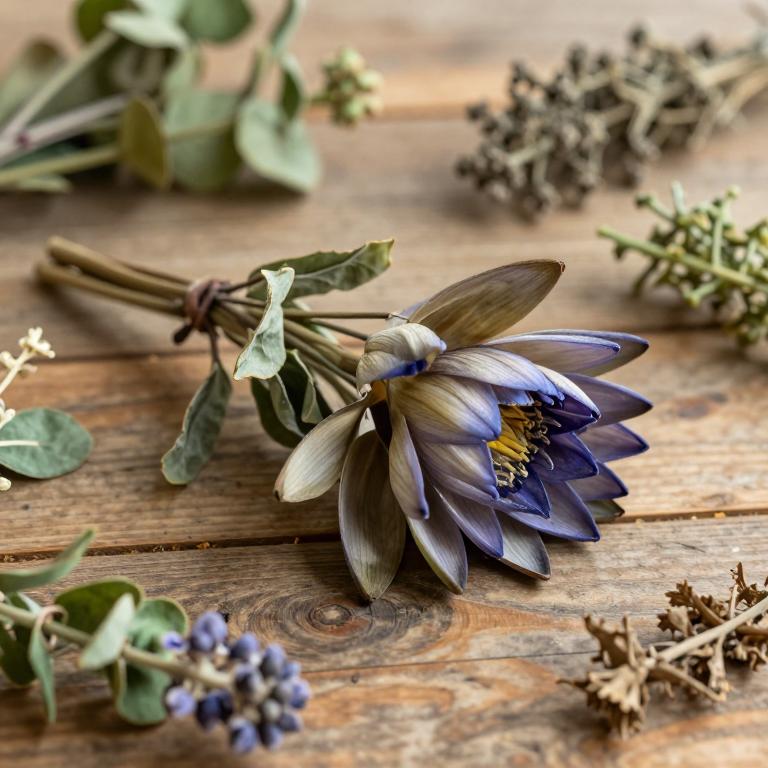
Nuciferine is a bioactive alkaloid found in various medicinal plants that is primarily studied for its psychoactive, anti-inflammatory, and neuroprotective properties. This compound is most notably present in aquatic herbs such as Nelumbo nucifera (sacred lotus), Nymphaea nouchali var. caerulea (blue lotus), and other species within the lotus family.

Associated herbs: 4

Occurs naturally in

Nelumbo nucifera

Lotus

Nymphaea nouchali var. caerulea

View all Nuciferine herbs →

Nyasol

Nyasol is a bioactive steroid glycoside known for its potential pharmacological properties, including anti-inflammatory and antioxidant activities. This compound can be found in various medicinal herbs, such as Anemarrhena asphodeloides and Asparagus cochinchinensis.
Associated herbs: 2

Occurs naturally in

Anemarrhena asphodeloides

Asparagus cochinchinensis

View all Nyasol herbs →

O-CYMENE

O-cymene is a naturally occurring monoterpene hydrocarbon found in various essential oils that exhibits significant antimicrobial, antioxidant, and anti-inflammatory properties. It is a key bioactive component in several medicinal plants, including Eucalyptus globulus, Marrubium deserti, and Alpinia oxyphylla.

Associated herbs: 8

Occurs naturally in

Eucalyptus globulus

Marrubium deserti

Alpinia oxyphylla

View all O-CYMENE herbs →

OCHRATOXIN A

Ochratoxin A is a potent mycotoxin produced by certain fungi that can contaminate various medicinal plants, posing potential toxicity risks to consumers. This bioactive compound has been identified in specific medicinal herbs, including Holarrhena pubescens, Tacca integrifolia, and Pleuropterus multiflorus.
Associated herbs: 7

Occurs naturally in

Holarrhena pubescens

Tacca integrifolia

Pleuropterus multiflorus

View all OCHRATOXIN A herbs →

Oxyacanthine

Oxyacanthine is a bioactive isoquinoline alkaloid known for its diverse pharmacological properties, including anti-inflammatory, antimicrobial, and antioxidant activities. This compound is primarily found in various species of the Berberis genus, such as Berberis aquifolium, Berberis vulgaris, and Berberis lycium.

Associated herbs: 4

Occurs naturally in

Berberis aquifolium

Berberis vulgaris

Berberis lycium

View all Oxyacanthine herbs →

Oxyresveratrol

Oxyresveratrol is a potent bioactive stilbene derivative known for its significant antioxidant, anti-inflammatory, and skin-whitening properties. It can be found in various medicinal herbs, such as Artocarpus lacucha, Morus macroura, and Artocarpus parvus.

Associated herbs: 4

Occurs naturally in

Artocarpus lacucha

Morus macroura

Artocarpus parvus

View all Oxyresveratrol herbs →

PA

PA (often referring to Protocatechuic acid) is a bioactive phenolic compound known for its potent antioxidant, anti-inflammatory, and neuroprotective properties. This compound can be found in various medicinal and botanical sources, including Arabidopsis thaliana, Pogostemon cablin (patchouli), and Astilbe chinensis.

Associated herbs: 7

Occurs naturally in

Arabidopsis thaliana

Pogostemon cablin

Astilbe chinensis

View all PA herbs →

PROTOCATECHUIC ALDEHYDE

Protocatechuic aldehyde is a potent bioactive phenolic compound known for its significant antioxidant, anti-inflammatory, and neuroprotective properties. It is a key constituent found in various medicinal herbs, including Salvia miltiorrhiza, Prunella vulgaris, and Salvia yunnanensis.

Associated herbs: 6

Occurs naturally in

Salvia yunnanensis

Prunella vulgaris

Salvia miltiorrhiza

View all PROTOCATECHUIC ALDEHYDE herbs →

PSEUDOEPHEDRINE

Pseudoephedrine is a sympathomimetic alkaloid used medically as a nasal decongestant to relieve pressure in the sinuses and ears. This bioactive compound is naturally found in medicinal herbs of the genus Ephedra, most notably in Ephedra sinica (also known as Ma Huang).

Associated herbs: 2

Occurs naturally in

Ephedra sinica

Ephedra

View all PSEUDOEPHEDRINE herbs →

Panaxatriol

Panaxatriol is a bioactive triterpene saponin found in various medicinal herbs that is studied for its potential anti-inflammatory and anti-tumor properties. This specific compound is primarily concentrated in species of the Panax genus, including Panax ginseng, Panax quinquefolius, and other Panax varieties.

Associated herbs: 3

Occurs naturally in

Panax ginseng

Panax

Panax quinquefolius

View all Panaxatriol herbs →

Pectolinarin

Pectolinarin is a bioactive flavonoid glycoside known for its diverse pharmacological properties, including antioxidant, anti-inflammatory, and potential antitumor activities. This compound can be found in various medicinal herbs, such as Cirsium maackii, Nanorrhinum ramosissimum, and Cirsium subcoriaceum.

Associated herbs: 5

Occurs naturally in

Cirsium maackii

Nanorrhinum ramosissimum

Cirsium subcoriaceum

View all Pectolinarin herbs →