Explore herbs parts

  • 11249 Plants
  • |
  • 30137 Compounds
  • |
  • 1951 Activities
  • |
  • 132161 Studies

Explore Herbs


Alphabet


Biological Activity

View all →

Bioactive Compounds

View all →

Plant Parts

View all →

List of herbs parts

Showing 1-7 out of 7 results

leaf

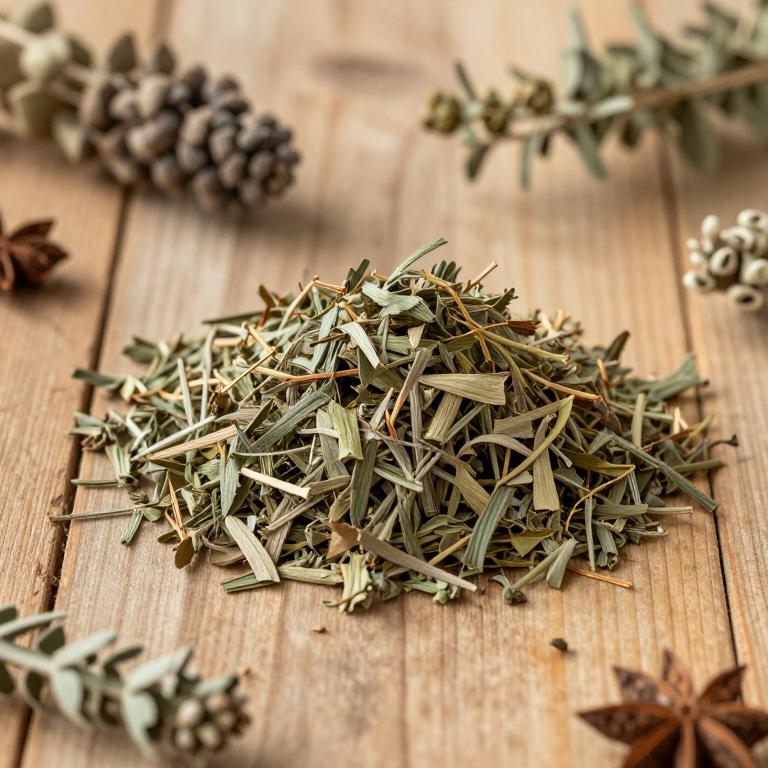
The leaf of a medicinal herb is the primary site for photosynthesis and often serves as the main reservoir for bioactive compounds and essential oils. Many therapeutic plants utilize their foliage for healing, such as Kunzea ambigua, Syzygium aqueum, and Tetrastigma hemsleyanum.

Associated herbs: 3597
Occurs naturally in

Kunzea ambigua

Syzygium aqueum

Tetrastigma hemsleyanum

View all leaf herbs →

root

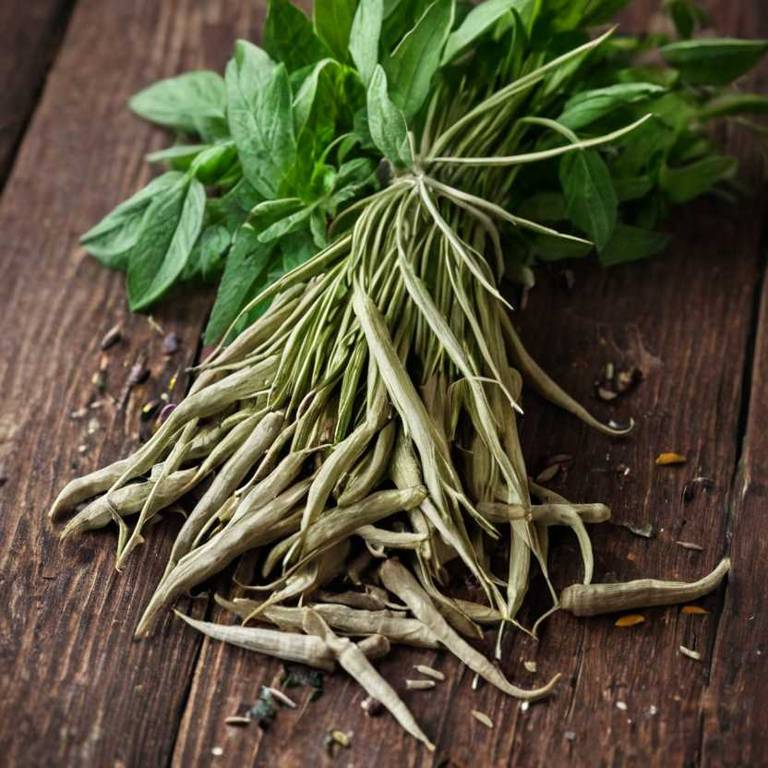
The root of a medicinal herb is the underground part of the plant that serves as a primary storage organ for concentrated nutrients and active bioactive compounds. Many potent therapeutic herbs utilize this part, such as Panax notoginseng, Astragalus mongholicus, and other species of Astragalus.

Associated herbs: 2137

Occurs naturally in

Panax notoginseng

Astragalus mongholicus

Astragalus

View all root herbs →

seed

The seed is the reproductive unit of a medicinal herb that contains the embryo and a stored food supply necessary for a new plant to germinate. Examples of herbs or plants where the seed is utilized for medicinal purposes include Trichosanthes kirilowii, Cycas circinalis, and Phaseolus vulgaris.

Associated herbs: 795

Occurs naturally in

Trichosanthes kirilowii

Cycas circinalis

Phaseolus vulgaris

View all seed herbs →

fruit

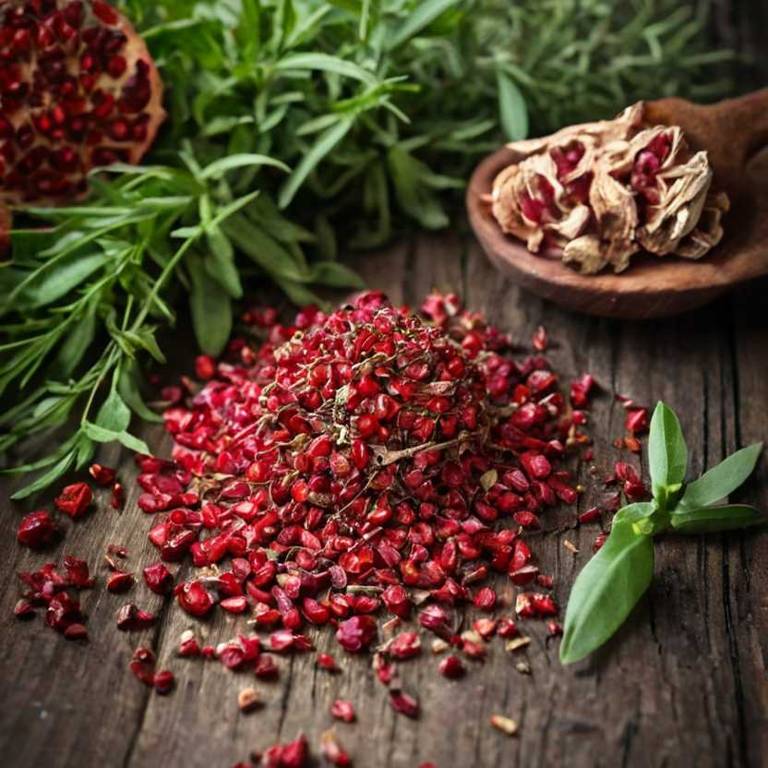
The fruit of a medicinal herb is the ripened ovary of a flowering plant that typically contains seeds and often serves as a source of concentrated vitamins, antioxidants, or therapeutic compounds. Examples of herbs where the fruit is utilized for its medicinal or nutritional properties include Eugenia bergii, Syzygium aqueum, and Punica granatum.

Associated herbs: 889

Occurs naturally in

Eugenia bergii

Syzygium aqueum

Punica granatum

View all fruit herbs →

stem

The stem serves as the primary structural support for medicinal herbs, transporting essential water and nutrients between the roots and the leaves. Many plants utilize various parts of their stems for healing properties, such as the woody branches of Syzygium aqueum, the canes of Dendrobium nobile, and the stalks of Hibiscus tiliaceus.

Associated herbs: 1562

Occurs naturally in

Syzygium aqueum

Dendrobium nobile

Hibiscus tiliaceus

View all stem herbs →

flower

The flower of a medicinal herb is the reproductive structure that often contains concentrated essential oils and bioactive compounds used for therapeutic purposes. Examples of herbs where the flower is the primary medicinal part include Prunus mume, Ipomoea carnea, and Lonicera nigra.

Associated herbs: 671

Occurs naturally in

Prunus mume

Ipomoea carnea

Lonicera nigra

View all flower herbs →

rhizome

A rhizome is a modified subterranean stem that grows horizontally beneath the soil surface, functioning as a storage organ for nutrients and water. Many medicinal herbs utilize this part for their therapeutic properties, such as Valeriana officinalis, Siphonochilus aethiopicus, and Cyperus articulatus.

Associated herbs: 426

Occurs naturally in

Valeriana officinalis

Siphonochilus aethiopicus

Cyperus articulatus

View all rhizome herbs →