Explore herbs compounds

  • 12404 Plants
  • |
  • 11288 Compounds
  • |
  • 16281 Activities
  • |
  • 132161 Studies

Explore Herbs


Alphabet


Biological Activities

View all →

Bioactive Compounds

View all →

Plant Parts

View all →

List of herbs compounds

Showing 1-48 out of 11883 results

Flavonoids

Flavonoids are a diverse group of bioactive polyphenolic compounds found in plants that provide significant antioxidant, anti-inflammatory, and anticancer properties. These compounds are abundantly present in various medicinal herbs, such as Annona senegalensis, Rhododendron, and Cyclocarya paliurus.

Associated herbs: 1387

Occurs naturally in

Annona senegalensis
Rhododendron

Cyclocarya paliurus

View all Flavonoids herbs →

Saponins

Saponins are a diverse group of bioactive glycosides characterized by their soap-like foaming properties and ability to interact with biological membranes. These compounds are found in various medicinal plants, including Annona senegalensis, Kigelia africana, and Strophanthus hispidus, where they contribute to significant pharmacological activities such as anti-inflammatory and antimicrobial effects.

Associated herbs: 487

Occurs naturally in

Annona senegalensis

Kigelia africana

Strophanthus hispidus

View all Saponins herbs →

Tannins

Tannins are a class of bioactive polyphenolic compounds known for their astringent properties, which allow them to precipitate proteins and provide significant antioxidant and antimicrobial effects. These compounds are found in various medicinal plants, such as Kigelia africana, Strophanthus hispidus, and Myrcia bella.

Associated herbs: 510

Occurs naturally in

Kigelia africana

Strophanthus hispidus

Myrcia bella

View all Tannins herbs →

quercetin

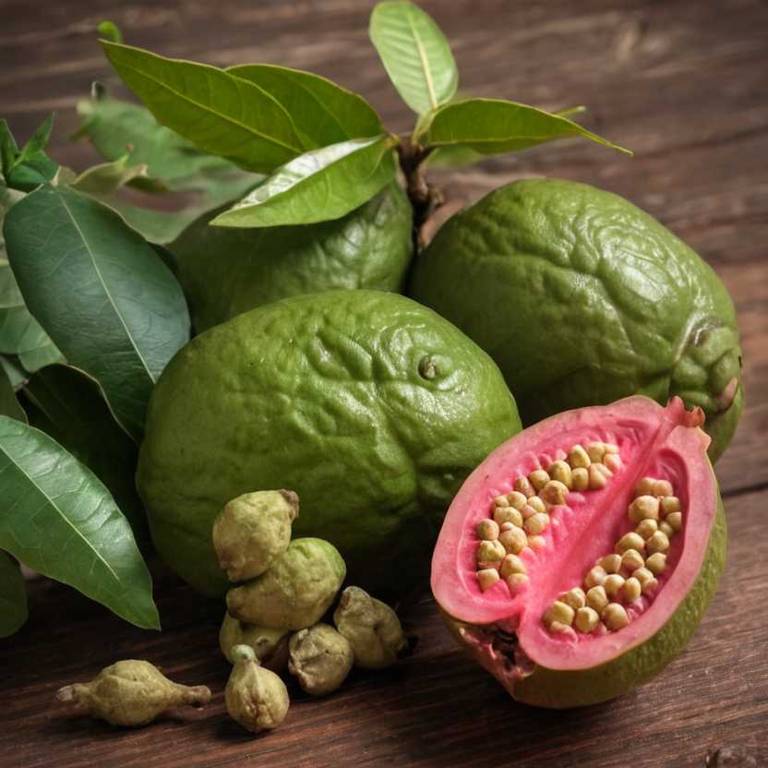
Quercetin is a potent bioactive flavonoid known for its significant antioxidant, anti-inflammatory, and anticancer properties. This compound is abundantly found in various medicinal plants, including Apteranthes tuberculata, Psidium guajava (guava), and Corchorus olitorius (jute mallow).

Associated herbs: 454

Occurs naturally in

Apteranthes tuberculata

Psidium guajava

Corchorus olitorius

View all quercetin herbs →

Terpenoids

Terpenoids are a diverse class of organic compounds derived from five-carbon isoprene units that serve as essential secondary metabolites in plants, often providing defense against herbivores and pathogens. These bioactive molecules are found in various medicinal herbs, including Annona senegalensis, Commelina africana subsp. africana, and Tradescantia fluminensis.

Associated herbs: 400

Occurs naturally in

Annona senegalensis

Commelina africana subsp. africana

Tradescantia fluminensis

View all Terpenoids herbs →

polyphenols

Polyphenols are a diverse group of bioactive compounds found in plants that function as potent antioxidants to protect cells from oxidative stress and inflammation. These beneficial compounds are abundant in various medicinal herbs, including Annona senegalensis, Apteranthes tuberculata, and Corchorus olitorius.

Associated herbs: 276

Occurs naturally in

Annona senegalensis

Apteranthes tuberculata

Corchorus olitorius

View all polyphenols herbs →

RUTIN

Rutin is a powerful bioactive flavonoid known for its significant antioxidant, anti-inflammatory, and vasoprotective properties. This compound can be found in various medicinal herbs, including Cakile maritima, Chrozophora tinctoria, and Corchorus olitorius.

Associated herbs: 300

Occurs naturally in

Cakile maritima

Chrozophora tinctoria

Corchorus olitorius

View all RUTIN herbs →

Ginsenosides

Ginsenosides are a diverse group of steroid-like saponins that serve as the primary bioactive compounds responsible for the adaptogenic and therapeutic effects of various medicinal plants. These compounds are most notably found in herbs such as Panax ginseng, Panax quinquefolius, and certain species within the Opopanax genus.

Associated herbs: 9

Occurs naturally in

Panax ginseng

Panax

Opopanax

View all Ginsenosides herbs →

CHLOROGENIC ACID

Chlorogenic acid is a potent bioactive polyphenol found in various medicinal herbs that serves as a powerful antioxidant and anti-inflammatory agent. This compound is notably present in botanical species such as Erycibe schmidtii, Eleutherococcus senticosus, and Lonicera macranthoides.

Associated herbs: 263

Occurs naturally in

Erycibe schmidtii

Eleutherococcus senticosus

Lonicera macranthoides

View all CHLOROGENIC ACID herbs →

kaempferol

Kaempferol is a potent flavonoid antioxidant found in many medicinal plants that helps reduce inflammation and protect cells from oxidative damage. This bioactive compound is abundantly present in various herbs, including Senna alata, Kalanchoe pinnata, and Corchorus olitorius.

Associated herbs: 245

Occurs naturally in

Senna alata

Kalanchoe pinnata

Corchorus olitorius

View all kaempferol herbs →

Flavonoid

Flavonoids are a diverse group of bioactive polyphenolic compounds found in plants that provide significant antioxidant, anti-inflammatory, and anticancer properties. These beneficial compounds are abundantly present in various medicinal herbs, such as Salvia rosmarinus (rosemary), Delonix regia (flamboyant), and Broussonetia papyrifera (paper mulberry).

Associated herbs: 250

Occurs naturally in

Salvia rosmarinus

Delonix regia

Broussonetia papyrifera

View all Flavonoid herbs →

Phenols

Phenols are a diverse group of bioactive compounds characterized by the presence of one or more hydroxyl groups attached to an aromatic hydrocarbon ring. They are widely recognized for their potent antioxidant and anti-inflammatory properties, and are found in various medicinal herbs such as Bergenia pacumbis, Polygonatum kingianum, and Uncaria.

Associated herbs: 221

Occurs naturally in

Bergenia pacumbis

Polygonatum kingianum

Uncaria

View all Phenols herbs →

rosmarinic acid

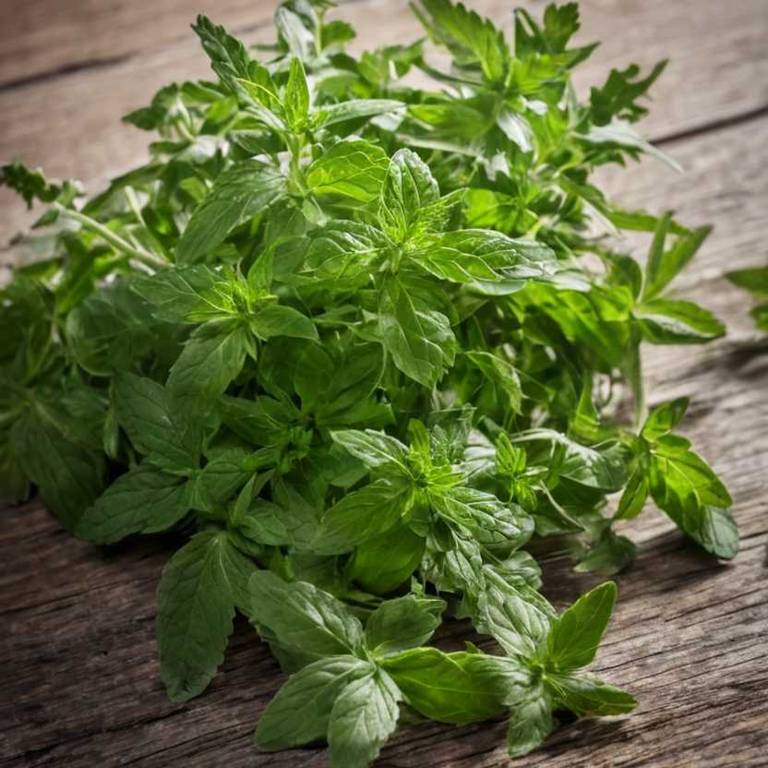
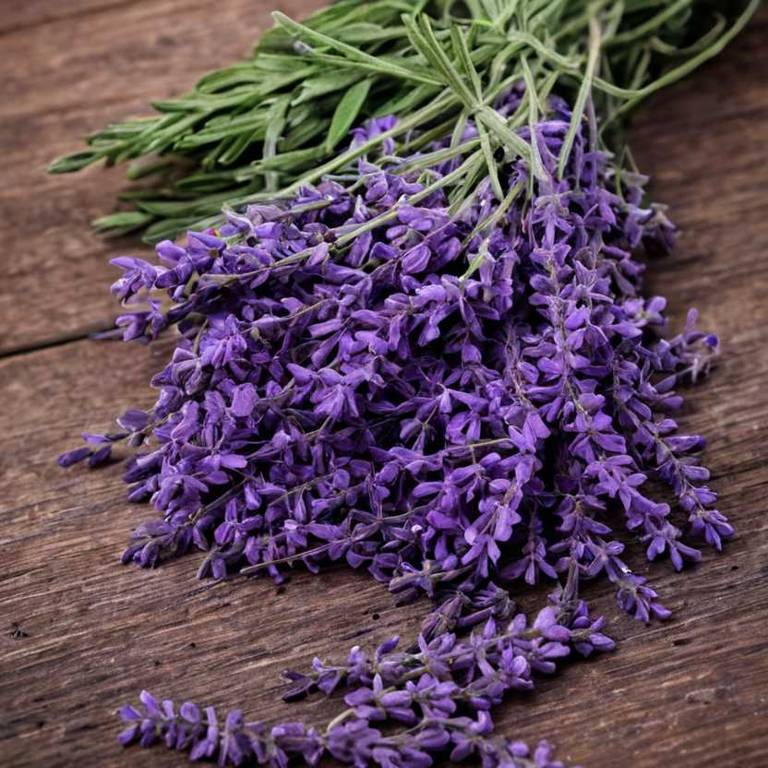
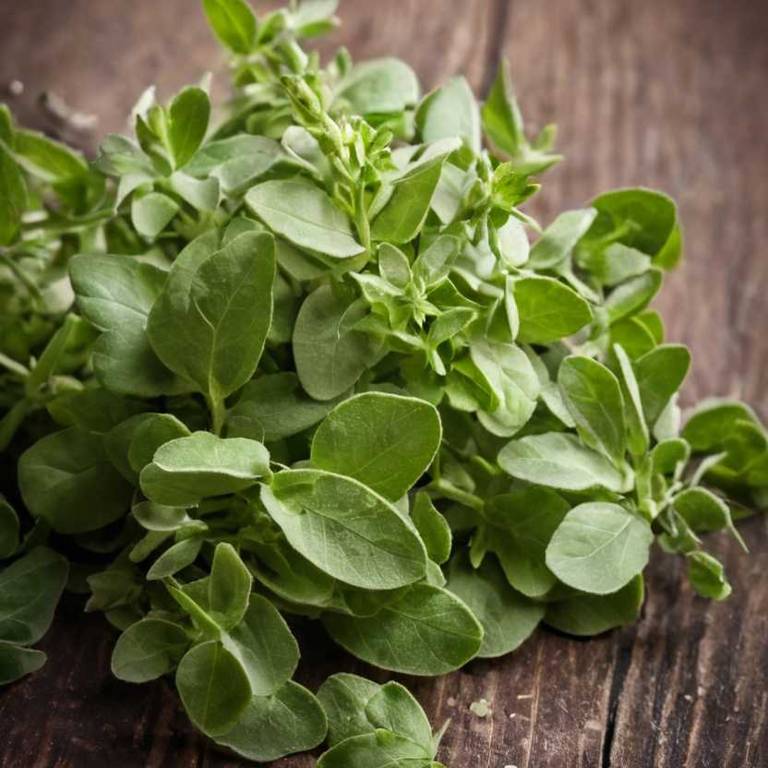
Rosmarinic acid is a potent bioactive polyphenol found in many medicinal herbs, known for its significant antioxidant, anti-inflammatory, and antimicrobial properties. This compound is abundantly present in plants such as Melissa officinalis (lemon balm), Lavandula latifolia (fine-leaved lavender), and Origanum vulgare (oregano).

Associated herbs: 121

Occurs naturally in

Melissa officinalis

Lavandula latifolia

Origanum vulgare

View all rosmarinic acid herbs →

Steroids

Steroids are a class of bioactive lipids characterized by a specific four-ring carbon structure that plays a critical role in regulating physiological processes such as metabolism, inflammation, and hormone production. Many medicinal plants contain these compounds, with examples including Commelina africana subsp. africana, Tradescantia fluminensis, and Tradescantia zebrina.

Associated herbs: 227

Occurs naturally in

Commelina africana subsp. africana

Tradescantia fluminensis

Tradescantia zebrina

View all Steroids herbs →

Gallic acid

Gallic acid is a potent bioactive polyphenolic compound known for its strong antioxidant, anti-inflammatory, and antimicrobial properties. This compound can be found naturally in various medicinal herbs, such as Cynomorium coccineum, Cakile maritima, and Phyllagathis rotundifolia.

Associated herbs: 255

Occurs naturally in

Cynomorium coccineum

Cakile maritima

Phyllagathis rotundifolia

View all Gallic acid herbs →

berberine

Berberine is a potent bioactive alkaloid known for its diverse therapeutic properties, including anti-inflammatory, antimicrobial, and metabolic-regulating effects. This compound is naturally found in several medicinal plants, such as Phellodendron chinense, Berberis vulgaris, and Coscinium fenestratum.

Associated herbs: 58

Occurs naturally in

Phellodendron chinense

Berberis vulgaris

Coscinium fenestratum

View all berberine herbs →

Glycosides

Glycosides are bioactive compounds consisting of a sugar molecule bound to a non-sugar functional group, which often enhances the compound's solubility and biological activity within the body. These molecules play a crucial role in the therapeutic effects of various medicinal herbs, such as Iodes cirrhosa, Tinospora cordifolia, and Allium wallichii.

Associated herbs: 173

Occurs naturally in

Iodes cirrhosa

Tinospora cordifolia

Allium wallichii

View all Glycosides herbs →

triterpenoids

Triterpenoids are a diverse class of bioactive compounds derived from isoprene units that exhibit significant pharmacological properties, including anti-inflammatory, anticancer, and antioxidant activities. These potent molecules are found in various medicinal plants, such as Cyclocarya paliurus, Boswellia serrata, and Adiantum capillus-veneris.

Associated herbs: 167

Occurs naturally in

Cyclocarya paliurus
Boswellia serrata

Adiantum capillus-veneris

View all triterpenoids herbs →

caffeic acid

Caffeic acid is a potent bioactive phenolic compound known for its significant antioxidant, anti-inflammatory, and antimicrobial properties. It can be found in various medicinal herbs, including Eleutherococcus senticosus, Corchorus olitorius, and species of the Cordia genus.
Associated herbs: 181

Occurs naturally in

Eleutherococcus senticosus
Corchorus olitorius
Cordia

View all caffeic acid herbs →

artemisinin

Artemisinin is a potent bioactive sesquiterpene lactone primarily used as a highly effective antimalarial agent due to its ability to combat Plasmodium falciparum. This compound is naturally derived from various species within the wormwood family, most notably Artemisia annua, as well as Artemisia argyi and Artemisia dubia.

Associated herbs: 11

Occurs naturally in

Artemisia annua

Artemisia argyi

Artemisia dubia

View all artemisinin herbs →

luteolin

Luteolin is a potent bioactive flavone known for its significant antioxidant, anti-inflammatory, and neuroprotective properties. This compound can be found in various medicinal plants, including Kalanchoe pinnata, Lavandula latifolia, and Asphodelus bento-rainhae subsp. bento-rainhae.

Associated herbs: 191

Occurs naturally in

Kalanchoe pinnata

Lavandula latifolia

Asphodelus bento-rainhae subsp. bento-rainhae

View all luteolin herbs →

Coumarins

Coumarins are a diverse class of natural bioactive compounds known for their significant pharmacological properties, including anti-inflammatory, antioxidant, and anticoagulant activities. They are found in various medicinal plants, such as Ruta chalepensis, Bergenia pacumbis, and Ocimum basilicum.

Associated herbs: 184

Occurs naturally in

Ruta chalepensis

Bergenia pacumbis

Ocimum basilicum

View all Coumarins herbs →

Terpenes

Terpenes are a diverse class of organic compounds found in many plants that contribute to their distinct aromas and possess significant therapeutic properties, such as anti-inflammatory and antimicrobial effects. These bioactive molecules are present in various medicinal herbs, including Rhododendron, Corchorus olitorius, and Melissa officinalis.

Associated herbs: 134

Occurs naturally in

Rhododendron

Corchorus olitorius

Melissa officinalis

View all Terpenes herbs →

curcumin

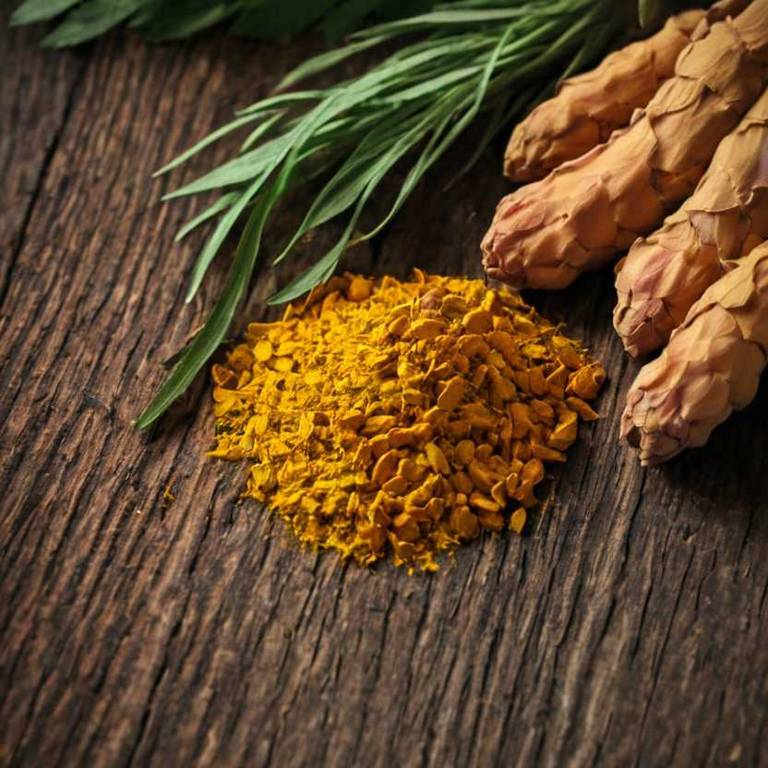
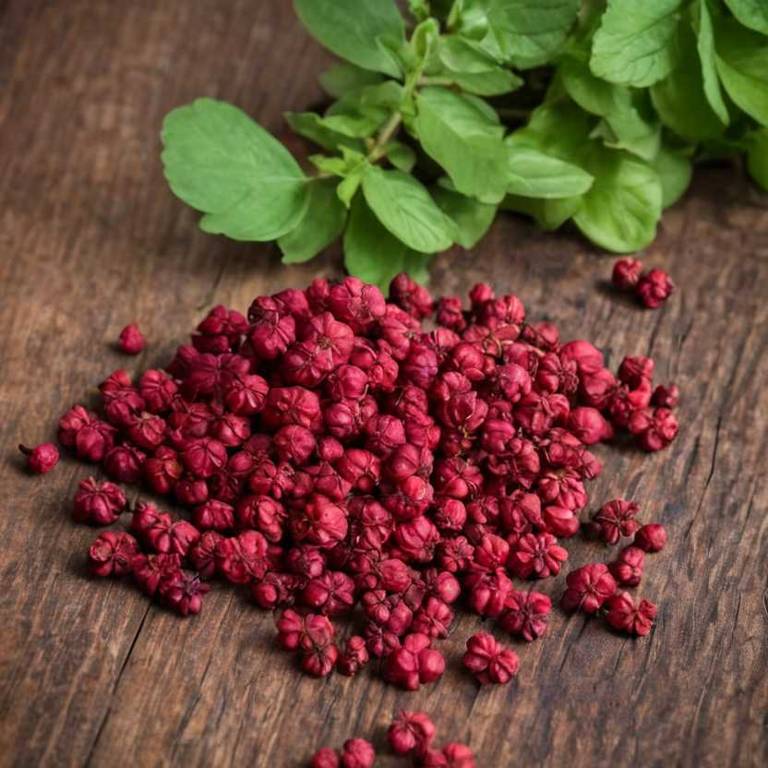
Curcumin is a potent bioactive polyphenol known for its strong anti-inflammatory, antioxidant, and neuroprotective properties. This compound can be found in various medicinal herbs, including Curcuma longa, Choerospondias axillaris, and Zanthoxylum bungeanum.

Associated herbs: 12

Occurs naturally in

Curcuma longa

Choerospondias axillaris

Zanthoxylum bungeanum

View all curcumin herbs →

apigenin

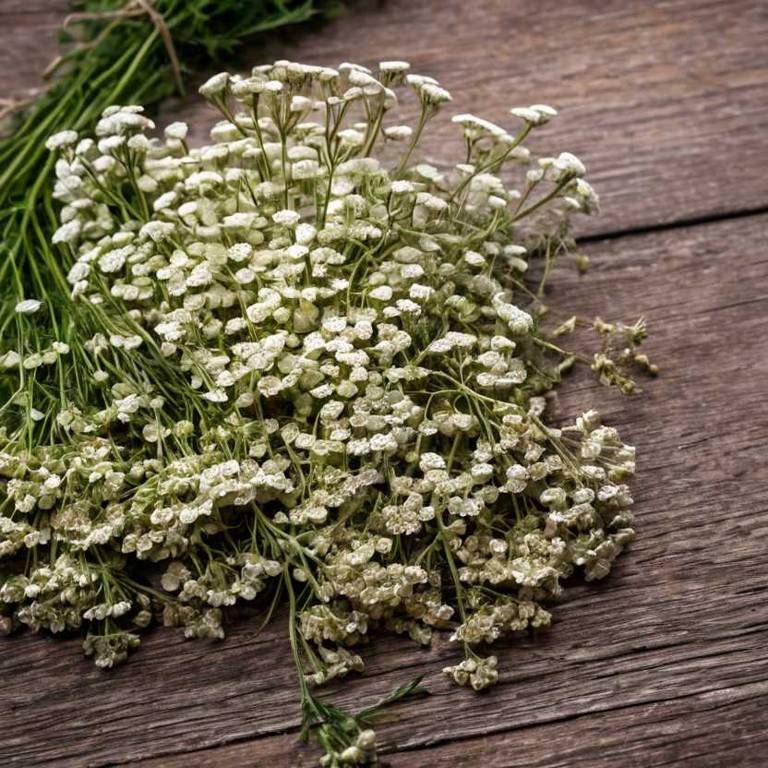
Apigenin is a potent bioactive flavonoid known for its significant antioxidant, anti-inflammatory, and anti-anxiety properties. This compound can be found in various medicinal plants, including Achillea millefolium, Cinnamomum tamala, and Cistus creticus.

Associated herbs: 170

Occurs naturally in

Achillea millefolium

Cinnamomum tamala

Cistus creticus

View all apigenin herbs →

CATECHIN

Catechin is a potent bioactive flavonoid known for its significant antioxidant, anti-inflammatory, and cardioprotective properties in human health. This compound can be found in various medicinal plants, including Corymbia terminalis, Cinnamomum tamala, and Berula erecta.

Associated herbs: 154

Occurs naturally in

Corymbia terminalis

Cinnamomum tamala

Berula erecta

View all CATECHIN herbs →

Andrographolide

Andrographolide is a potent diterpenoid lactone known for its significant anti-inflammatory, antiviral, and antioxidant properties. This bioactive compound is most prominently found in the herb Andrographis paniculata, often referred to as the "King of Bitters."

Associated herbs: 4

Occurs naturally in

Andrographis paniculata

Nigella

Andrographis

View all Andrographolide herbs →

THYMOL

Thymol is a potent monoterpene phenol known for its strong antimicrobial, antioxidant, and antifungal properties. It is a key bioactive component found in various medicinal herbs, including Lippia origanoides, Trachyspermum ammi, and Baccharoides anthelmintica.

Associated herbs: 75

Occurs naturally in

Lippia origanoides

Trachyspermum ammi

Baccharoides anthelmintica

View all THYMOL herbs →

CARVACROL

Carvacrol is a potent phenolic monoterpenoid found in various medicinal herbs, recognized primarily for its strong antimicrobial, antioxidant, and anti-inflammatory properties. It is a major bioactive constituent in plants such as Origanum vulgare (oregano), Lippia origanoides, and Zataria multiflora.

Associated herbs: 67

Occurs naturally in

Origanum

Lippia origanoides

Zataria multiflora

View all CARVACROL herbs →

Withaferin A

Withaferin A is a potent steroidal lactone known for its significant anti-inflammatory, anti-cancer, and antioxidant properties. This bioactive compound is primarily found in medicinal herbs such as Withania somnifera, Withania coagulans, and Cycas circinalis.

Associated herbs: 5

Occurs naturally in

Withania somnifera

Withania coagulans

Cycas circinalis

View all Withaferin A herbs →

Fatty acids

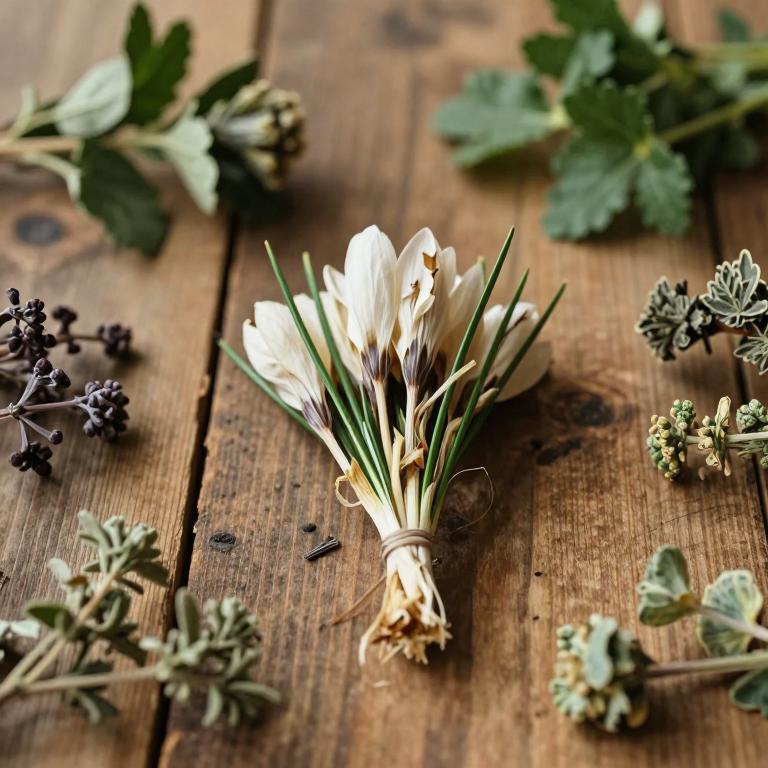
Fatty acids are essential bioactive lipids that serve as fundamental building blocks for cell membranes and act as key signaling molecules in various physiological processes. These compounds are found in various medicinal plants, including Crocus sativus, Crocus species, and Corchorus olitorius.

Associated herbs: 129

Occurs naturally in

Crocus sativus

Crocus

Corchorus olitorius

View all Fatty acids herbs →

Triterpenes

Triterpenes are a diverse class of bioactive compounds found in plants that exhibit significant pharmacological properties, including anti-inflammatory, anticancer, and antiviral activities. These compounds are present in various medicinal herbs, such as Rhododendron, Schisandra chinensis, and Ruta chalepensis.

Associated herbs: 148

Occurs naturally in

Rhododendron

Schisandra chinensis

Ruta chalepensis

View all Triterpenes herbs →

Ursolic acid

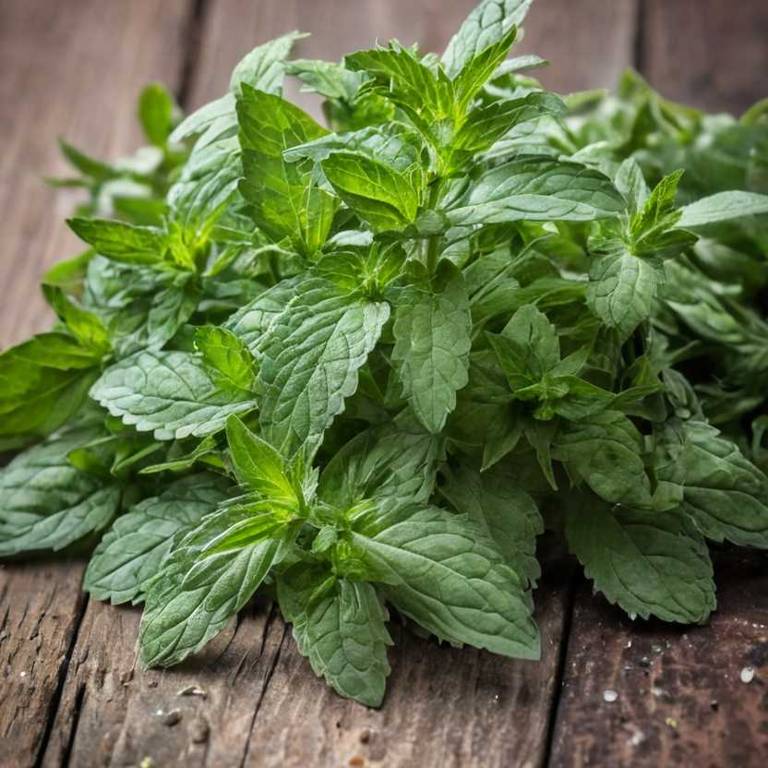
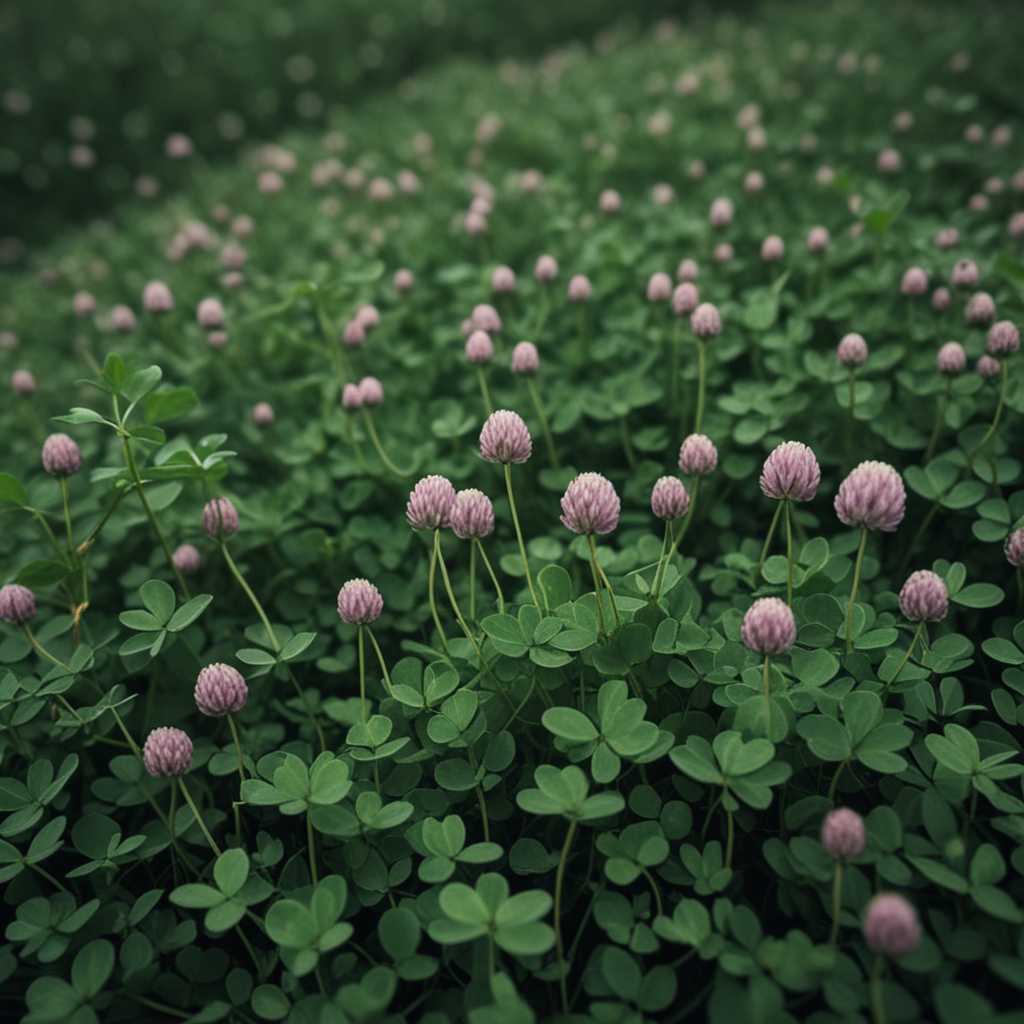
Ursolic acid is a natural pentacyclic triterpenoid renowned for its potent anti-inflammatory, antioxidant, and anti-tumor properties. This bioactive compound can be found in various medicinal plants, including Achyranthes aspera (often associated with Achyranthes coynei), Mentha aquatica, and Trifolium repens.

Associated herbs: 164

Occurs naturally in

Achyranthes coynei

Mentha aquatica

Trifolium repens

View all Ursolic acid herbs →

Lupeol

Lupeol is a pentacyclic triterpenoid known for its significant pharmacological properties, including anti-inflammatory, anticancer, and antioxidant activities. This bioactive compound can be found in various medicinal plants, such as Parkia biglobosa, Carissa spinarum, and Benincasa hispida.

Associated herbs: 150

Occurs naturally in

Parkia biglobosa

Carissa spinarum

Benincasa hispida

View all Lupeol herbs →

ferulic acid

Ferulic acid is a potent antioxidant and bioactive phenolic compound found in various medicinal herbs that helps protect cells from oxidative damage and inflammation. This compound is present in a diverse range of plants, including Apteranthes tuberculata, Phellodendron chinense, and Moringa oleifera.

Associated herbs: 139

Occurs naturally in

Apteranthes tuberculata

Phellodendron chinense

Moringa oleifera

View all ferulic acid herbs →

Anthraquinones

Anthraquinones are a class of bioactive compounds found in various medicinal plants, primarily known for their potent laxative, anti-inflammatory, and antimicrobial properties. Common herbal sources of these compounds include Rheum officinale (rhubarb), Aloe vera, and Lepidium spinosum.

Associated herbs: 98

Occurs naturally in

Lepidium spinosum

Rheum officinale

Aloe vera

View all Anthraquinones herbs →

OLEANOLIC ACID

Oleanolic acid is a naturally occurring pentacyclic triterpenoid renowned for its diverse pharmacological properties, including potent anti-inflammatory, antioxidant, and anticancer activities. This bioactive compound can be found in various medicinal herbs, such as Achyranthes aspera (often referred to in related studies as Achyranthes coynei), Sinningia allagophylla, and Mentha aquatica.

Associated herbs: 147

Occurs naturally in

Achyranthes coynei

Sinningia allagophylla

Mentha aquatica

View all OLEANOLIC ACID herbs →

Sterols

Sterols are a class of lipid compounds found in plant cell membranes that play a crucial role in regulating biological processes and demonstrating anti-inflammatory and cholesterol-lowering properties. This bioactive group is abundantly present in various medicinal plants, including Annona senegalensis, Corchorus olitorius, and Prunus mume.

Associated herbs: 123

Occurs naturally in

Annona senegalensis

Corchorus olitorius

Prunus mume

View all Sterols herbs →

Epicatechin

Epicatechin is a potent bioactive flavonoid known for its significant antioxidant, anti-inflammatory, and cardioprotective properties. This compound can be found in various medicinal plants, including Dorstenia contrajerva, Urceola micrantha, and Senna velutina.

Associated herbs: 110

Occurs naturally in

Dorstenia contrajerva

Urceola micrantha

Senna velutina

View all Epicatechin herbs →

Lignans

Lignans are a diverse group of polyphenolic bioactive compounds found in plants that exhibit significant antioxidant, anti-inflammatory, and potential anti-cancer properties. These compounds are abundantly present in various medicinal herbs, such as Schisandra chinensis, Phyllanthus amarus, and Siraitia grosvenorii.

Associated herbs: 115

Occurs naturally in

Schisandra chinensis

Phyllanthus amarus

Siraitia grosvenorii

View all Lignans herbs →

STIGMASTEROL

Stigmasterol is a naturally occurring phytosterol found in various medicinal plants that plays a crucial role in modulating inflammation and supporting cholesterol regulation. This bioactive compound is present in several herbal species, including Kalanchoe pinnata, Annona mucosa, and Dioscorea saxatilis.

Associated herbs: 153

Occurs naturally in

Kalanchoe pinnata

Annona mucosa

Dioscorea saxatilis

View all STIGMASTEROL herbs →

SAPONIN

Saponins are a diverse group of bioactive glycosides characterized by their soap-like foaming properties and ability to interact with cell membranes. These compounds are found in various medicinal herbs, including Panax ginseng, Ophiopogon japonicus, and Borassus aethiopum, where they contribute to diverse pharmacological effects such as anti-inflammatory and immune-modulating activities.

Associated herbs: 64

Occurs naturally in

Panax ginseng

Ophiopogon japonicus

Borassus aethiopum

View all SAPONIN herbs →

Sesquiterpenes

Sesquiterpenes are a diverse class of bioactive compounds composed of fifteen carbon atoms that play crucial roles in the defense mechanisms and aromatic profiles of many medicinal plants. These compounds are found in various therapeutic herbs, including Rhododendron, Melaleuca alternifolia (tea tree), and Curcuma kwangsiensis.

Associated herbs: 96

Occurs naturally in

Rhododendron

Melaleuca alternifolia

Curcuma kwangsiensis

View all Sesquiterpenes herbs →

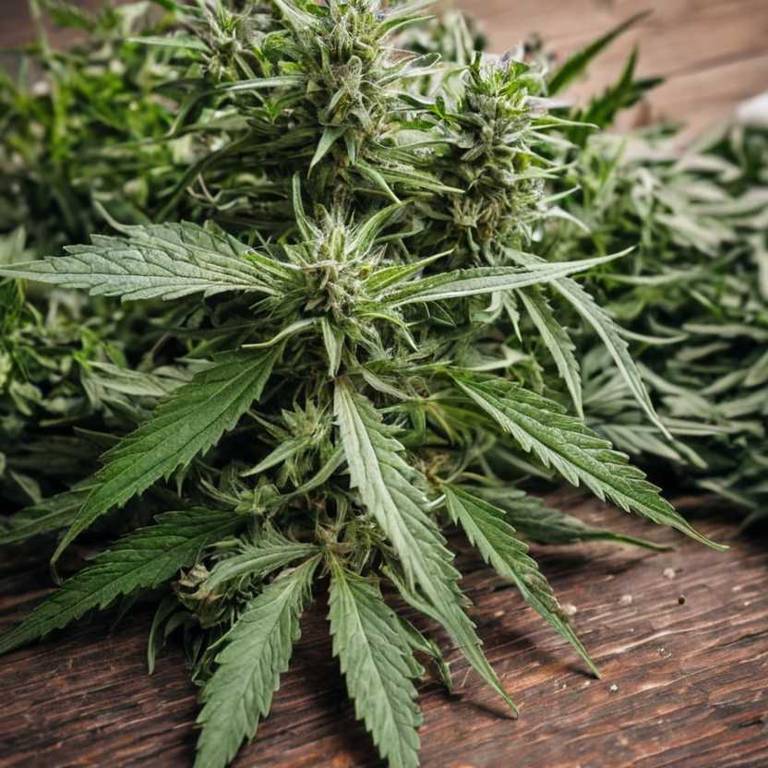
Cannabinoids

Cannabinoids are a diverse group of bioactive compounds that interact with the body's endocannabinoid system to influence various physiological processes such as pain, mood, and appetite. These compounds are primarily found in plants from the Cannabis genus, most notably in Cannabis sativa.

Associated herbs: 2

Occurs naturally in

Cannabis sativa

Cannabis

View all Cannabinoids herbs →

Anthocyanins

Anthocyanins are a class of water-soluble flavonoid pigments responsible for the vibrant red, purple, and blue colors found in many medicinal plants. These potent antioxidants provide significant health benefits, such as anti-inflammatory and neuroprotective effects, and are found in herbs like Crocus sativus, Crocus species, and Rosa chinensis.

Associated herbs: 83

Occurs naturally in

Crocus sativus

Crocus

Rosa chinensis

View all Anthocyanins herbs →

Cardiac Glycosides

Cardiac glycosides are a class of bioactive compounds that exert a potent effect on the heart muscle by inhibiting the sodium-potassium pump, thereby increasing the force of myocardial contractions. These compounds can be found in various medicinal and ornamental plants, such as Commelina africana subsp. africana, Tradescantia fluminensis, and Tradescantia zebrina.

Associated herbs: 75

Occurs naturally in

Commelina africana subsp. africana

Tradescantia fluminensis

Tradescantia zebrina

View all Cardiac Glycosides herbs →

Linalool

Linalool is a versatile terpene alcohol known for its calming, anti-inflammatory, and antimicrobial properties in medicinal applications. It is a prominent bioactive component found in various aromatic herbs, such as Ocimum basilicum (basil), Coriandrum sativum (coriander), and Strychnos innocua.

Associated herbs: 82

Occurs naturally in

Ocimum basilicum

Coriandrum sativum

Strychnos innocua

View all Linalool herbs →

Thymoquinone

Thymoquinone is a potent bioactive compound recognized for its diverse pharmacological properties, including strong antioxidant, anti-inflammatory, and anticancer activities. It is primarily found in medicinal herbs such as Nigella sativa (black cumin), Dolomiaea costus (costus), and Zingiber officinale (ginger).

Associated herbs: 7

Occurs naturally in

Nigella sativa

Dolomiaea costus

Zingiber officinale

View all Thymoquinone herbs →