Explore herbs compounds

  • 12404 Plants
  • |
  • 11288 Compounds
  • |
  • 16281 Activities
  • |
  • 132161 Studies

Explore Herbs


Alphabet


Biological Activities

View all →

Bioactive Compounds

View all →

Plant Parts

View all →

List of herbs compounds

Showing 49-96 out of 11883 results

betulinic acid

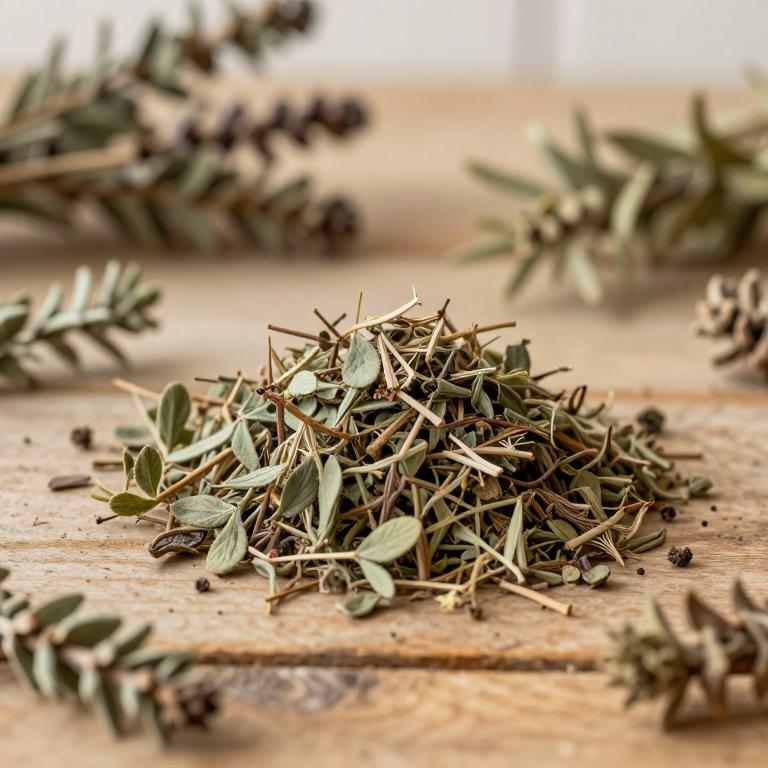
Betulinic acid is a naturally occurring triterpenoid renowned for its potent biological activities, including anti-inflammatory, anti-tumor, and antiviral properties. This bioactive compound can be found in various medicinal herbs such as Achyranthes aspera (often associated with Achyranthes coynei), Trifolium repens, and Houttuynia cordata.

Associated herbs: 110

Occurs naturally in

Achyranthes coynei
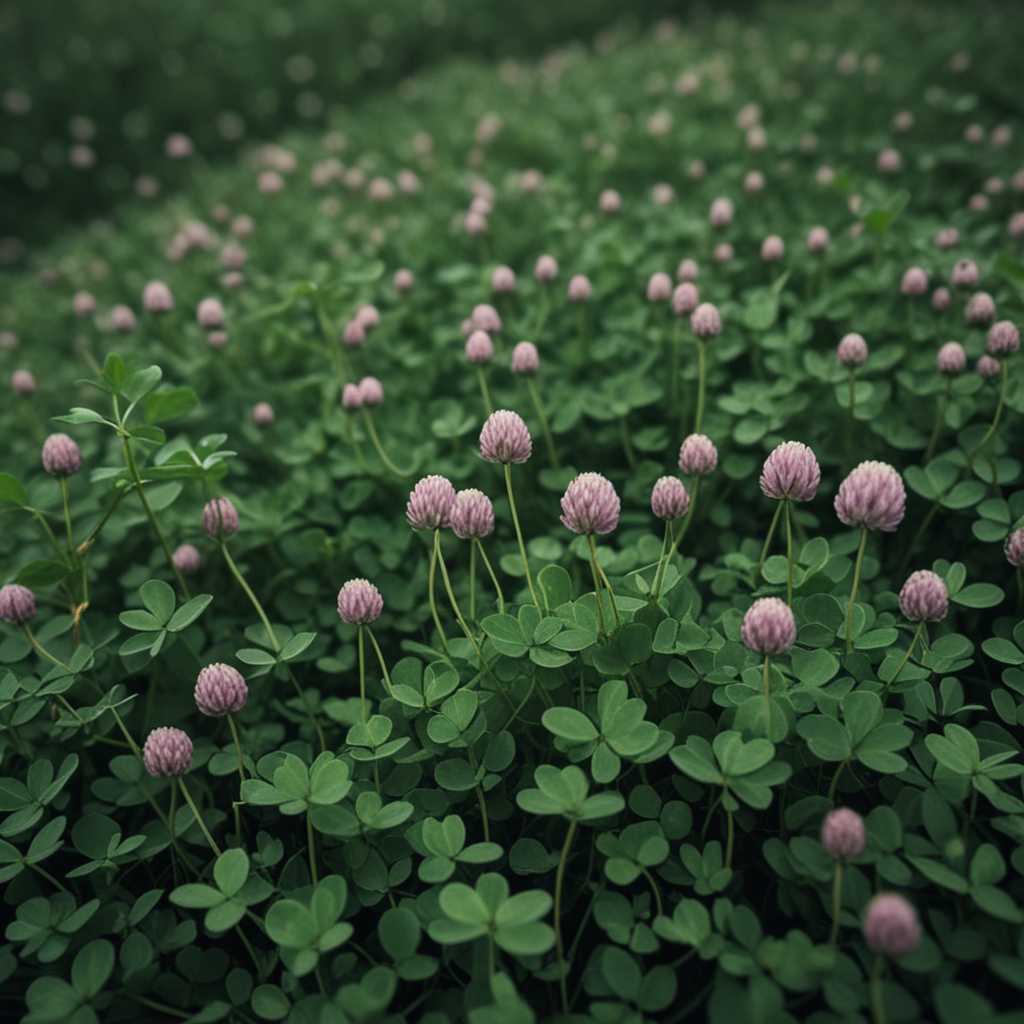
Trifolium repens
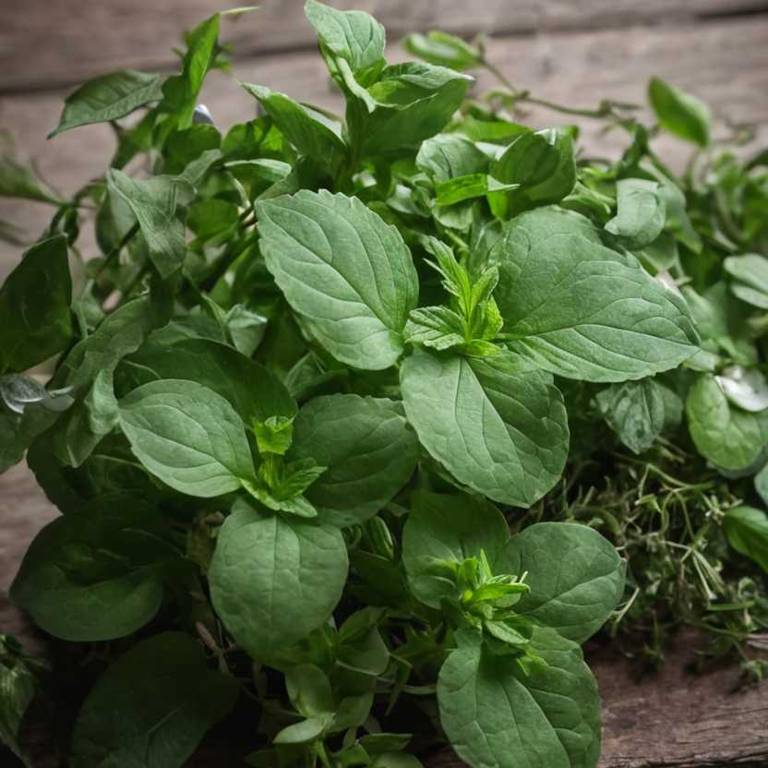
Houttuynia cordata
View all betulinic acid herbs →

ellagic acid

Ellagic acid is a potent polyphenolic compound known for its strong antioxidant, anti-inflammatory, and anti-carcinogenic properties. It can be found in various medicinal herbs, such as Cistus laurifolius, Potentilla erecta, and Libidibia coriaria.

Associated herbs: 78

Occurs naturally in

Cistus laurifolius

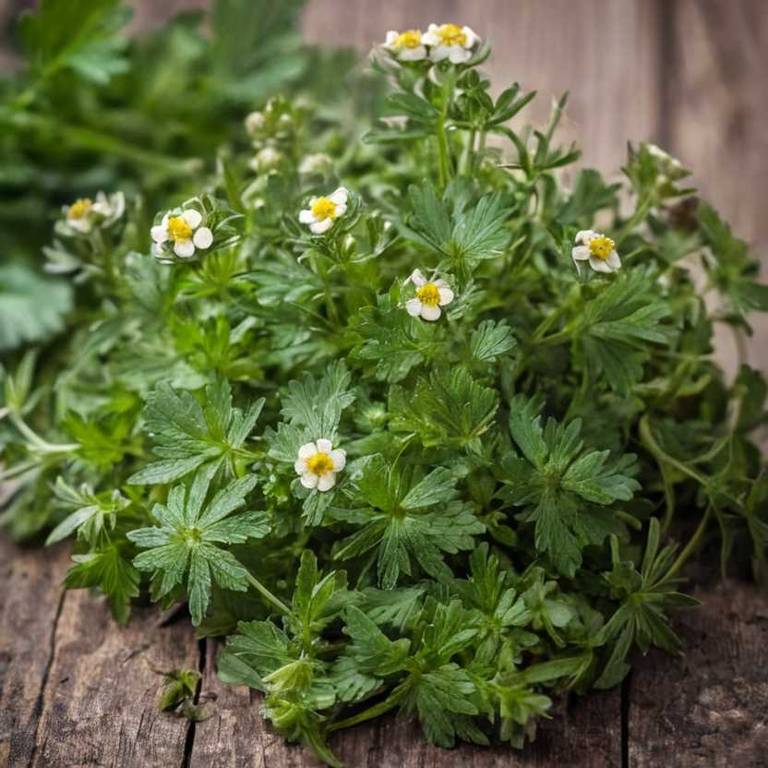
Potentilla erecta

Libidibia coriaria

View all ellagic acid herbs →

vinblastine

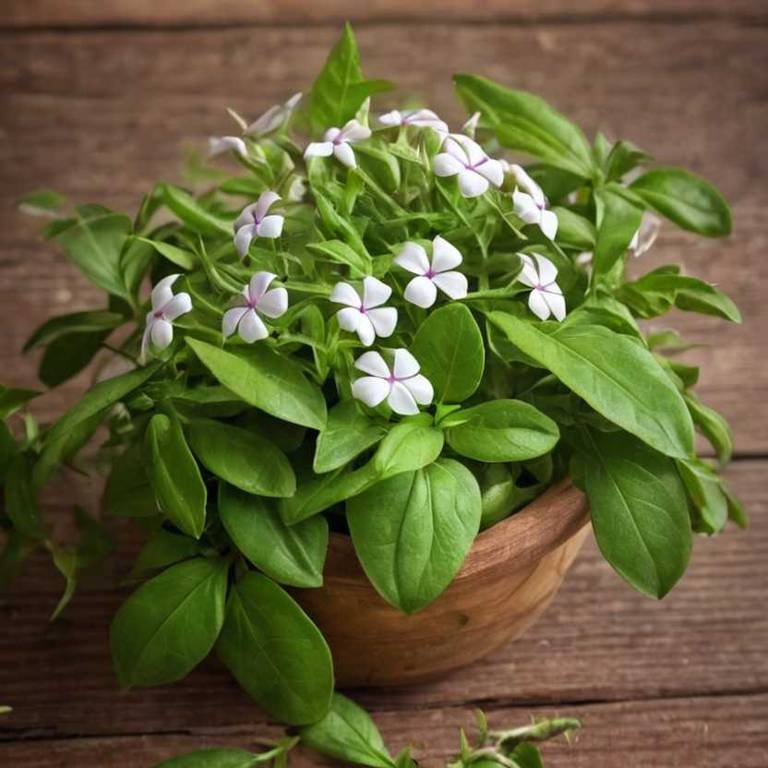
Vinblastine is a potent chemotherapy medication derived from medicinal plants that works by inhibiting cell division to treat various types of cancer. This bioactive compound is primarily extracted from the Madagascar periwinkle, also known by its scientific names Catharanthus roseus, Vinca, or Catharanthus.

Associated herbs: 3

Occurs naturally in

Catharanthus roseus

Vinca

Catharanthus

View all vinblastine herbs →

Polysaccharide

Polysaccharides are complex carbohydrate chains found in medicinal plants that play a crucial role in modulating the immune system and providing antioxidant effects. These bioactive compounds are abundant in various medicinal herbs, such as Angelica sinensis, Tinospora cordifolia, and Changium smyrnioides.

Associated herbs: 65

Occurs naturally in

Angelica sinensis

Tinospora cordifolia

Changium smyrnioides

View all Polysaccharide herbs →

Phytosterols

Phytosterols are a class of bioactive plant compounds structurally similar to cholesterol that play a vital role in maintaining cell membrane integrity and regulating physiological processes. These compounds are found in various medicinal herbs, such as Erigeron breviscapus, Phyllanthus caroliniensis, and Muntingia calabura, where they often contribute to anti-inflammatory and cholesterol-lowering effects.

Associated herbs: 73

Occurs naturally in

Erigeron breviscapus

Phyllanthus caroliniensis

Muntingia calabura

View all Phytosterols herbs →

Withanolides

Withanolides are a group of naturally occurring steroidal lactones found in various medicinal plants that exhibit significant neuroprotective, anti-inflammatory, and anticancer properties. These bioactive compounds are prominently present in herbs such as Withania somnifera (Ashwagandha), Nicandra physalodes, and Physalis angulata.

Associated herbs: 16

Occurs naturally in

Withania somnifera

Nicandra physalodes

Physalis angulata

View all Withanolides herbs →

Wogonin

Wogonin is a potent bioactive flavonoid known for its significant anti-inflammatory, antioxidant, and anti-cancer properties. It is primarily found in medicinal herbs such as Scutellaria baicalensis, Scutellaria brevibracteata subsp. subvelutina, and Moringa oleifera.

Associated herbs: 16

Occurs naturally in

Scutellaria baicalensis

Moringa oleifera

Scutellaria brevibracteata subsp. subvelutina

View all Wogonin herbs →

eugenol

Eugenol is a prominent bioactive compound known for its significant analgesic, anti-inflammatory, and antimicrobial properties. It is a key constituent found in various medicinal herbs, such as Cinnamomum tamala, Ocimum tenuiflorum, and Phyllanthus androgynus.

Associated herbs: 40

Occurs naturally in

Cinnamomum tamala

Ocimum tenuiflorum

Phyllanthus androgynus

View all eugenol herbs →

vincristine

Vincristine is a potent chemotherapy medication derived from medicinal plants that works by inhibiting cell division during mitosis. It is primarily extracted from the Madagascar periwinkle, also known by its scientific names Catharanthus roseus, Vinca, or Catharanthus.

Associated herbs: 3

Occurs naturally in

Catharanthus roseus

Vinca

Catharanthus

View all vincristine herbs →

LIMONENE

Limonene is a natural monoterpene widely recognized for its potent antioxidant, anti-inflammatory, and antimicrobial properties. This bioactive compound is found in various medicinal plants, including Ligusticum wallichianum, Achillea millefolium, and Myrtus nivellei.

Associated herbs: 86

Occurs naturally in

Ligusticopsis wallichiana

Achillea millefolium

Myrtus nivellei

View all LIMONENE herbs →

baicalein

Baicalein is a potent bioactive flavonoid known for its significant anti-inflammatory, antioxidant, and neuroprotective properties. This compound is primarily found in medicinal herbs such as Scutellaria baicalensis, Polygonatum sibiricum, and Scutellaria brevibracteata subsp. subvelutina.

Associated herbs: 14

Occurs naturally in

Scutellaria baicalensis

Polygonatum sibiricum

Scutellaria brevibracteata subsp. subvelutina

View all baicalein herbs →

Baicalin

Baicalin is a bioactive flavonoid renowned for its potent anti-inflammatory, antioxidant, and antiviral properties used in various therapeutic applications. This compound is primarily found in medicinal herbs such as Scutellaria baicalensis, Scutellaria barbata, and Oroxylum indicum.

Associated herbs: 13

Occurs naturally in

Scutellaria baicalensis

Scutellaria barbata

Oroxylum indicum

View all Baicalin herbs →

camphor

Camphor is a volatile, aromatic terpeneoid known for its potent antiseptic, anti-inflammatory, and analgesic properties in traditional medicine. This bioactive compound can be found in various medicinal plants, including Rhazya stricta, Wurfbainia villosa, and Chamaemelum nobile.

Associated herbs: 48

Occurs naturally in

Rhazya stricta

Wurfbainia villosa

Chamaemelum nobile

View all camphor herbs →

ascorbic acid

Ascorbic acid, commonly known as Vitamin C, is a potent antioxidant that supports immune function and aids in the synthesis of collagen and neurotransmitters. This bioactive compound is found in various medicinal plants, including Newbouldia laevis, Terminalia ferdinandiana, and Picrorhiza kurrooa.

Associated herbs: 59

Occurs naturally in

Newbouldia laevis

Terminalia ferdinandiana

Picrorhiza kurrooa

View all ascorbic acid herbs →

linoleic acid

Linoleic acid is an essential polyunsaturated fatty acid that plays a vital role in maintaining skin barrier function and acting as a precursor to various anti-inflammatory signaling molecules. This bioactive compound can be found in the medicinal properties of various plants, including Cynodon dactylon, Cyperus, and Acacia auriculiformis.

Associated herbs: 75

Occurs naturally in

Cynodon dactylon

Cyperus

Acacia auriculiformis

View all linoleic acid herbs →

myricetin

Myricetin is a potent plant-derived flavonoid known for its significant antioxidant, anti-inflammatory, and anticancer properties. This bioactive compound can be found in various medicinal herbs, including Berula erecta, Marcetia taxifolia, and Moringa oleifera.

Associated herbs: 66

Occurs naturally in

Berula erecta

Marcetia taxifolia

Moringa oleifera

View all myricetin herbs →

naringenin

Naringenin is a natural flavanone known for its potent antioxidant, anti-inflammatory, and neuroprotective properties. This bioactive compound can be found in various medicinal plants, such as Cirsium arvense var. arvense, Viscum articulatum, and Maclura tricuspidata.

Associated herbs: 69

Occurs naturally in

Cirsium arvense var. arvense

Viscum articulatum

Maclura tricuspidata

View all naringenin herbs →

Salidroside

Salidroside is a potent bioactive compound known for its adaptogenic properties, which help the body resist physical and mental fatigue while supporting cellular protection. It is most notably found in medicinal herbs such as Rhodiola rosea, Rhodiola, and Rhodiola chrysanthemifolia subsp. sacra.

Associated herbs: 16

Occurs naturally in

Rhodiola rosea

Rhodiola

Rhodiola chrysanthemifolia subsp. sacra

View all Salidroside herbs →

Tannin

Tannins are a group of polyphenolic bioactive compounds known for their ability to bind and precipitate proteins, which provides them with potent antioxidant, antimicrobial, and astringent properties. These compounds are found in various medicinal plants, including species such as Rhoicissus tridentata, Berula erecta, and Borassus aethiopum.

Associated herbs: 80

Occurs naturally in

Rhoicissus tridentata

Berula erecta

Borassus aethiopum

View all Tannin herbs →

p-coumaric acid

p-Coumaric acid is a potent phenolic compound found in various medicinal plants that exhibits significant antioxidant, anti-inflammatory, and antimicrobial properties. It is a key bioactive constituent in several herbal species, including Asphodelus bento-rainhae subsp. bento-rainhae, Asphodelus macrocarpus subsp. macrocarpus, and Lavandula stoechas.

Associated herbs: 76

Occurs naturally in

Asphodelus bento-rainhae subsp. bento-rainhae

Asphodelus macrocarpus subsp. macrocarpus

Lavandula stoechas

View all p-coumaric acid herbs →

hypericin

Hypericin is a bioactive naphthodianthrone compound primarily known for its potent antimicrobial, antiviral, and antidepressant properties. It is found in various medicinal herbs, such as Hypericum perforatum, Hypericum aviculariifolium, and Muehlenbeckia hastulata.

Associated herbs: 11

Occurs naturally in

Hypericum perforatum

Hypericum aviculariifolium

Muehlenbeckia hastulata

View all hypericin herbs →

scopoletin

Scopoletin is a naturally occurring coumarin derivative known for its potent antioxidant, anti-inflammatory, and antimicrobial properties. This bioactive compound can be found in various medicinal herbs, such as Erycibe schmidtii, Micromelum integerrimum, and Senecio nutans.

Associated herbs: 79

Occurs naturally in

Erycibe schmidtii

Micromelum integerrimum

Senecio nutans

View all scopoletin herbs →

Iridoids

Iridoids are a diverse class of bitter-tasting chemical compounds found in many medicinal plants that often exhibit significant anti-inflammatory, antioxidant, and neuroprotective activities. Common herbal sources of these bioactive molecules include Viburnum opulus, Eucommia ulmoides, and Gynochthodes officinalis.

Associated herbs: 63

Occurs naturally in

Viburnum opulus

Eucommia ulmoides

Gynochthodes officinalis

View all Iridoids herbs →

emodin

Emodin is a natural anthraquinone compound found in various medicinal herbs that is widely recognized for its potent anti-inflammatory, antibacterial, and laxative properties. This bioactive molecule is commonly extracted from plants such as Oxypogonum sinuatum, Coleus barbatus, and Pleuroptya multiflora.

Associated herbs: 41

Occurs naturally in

Oxygonum sinuatum

Coleus barbatus

Pleuropterus multiflorus

View all emodin herbs →

oleic acid

Oleic acid is a monounsaturated fatty acid found in medicinal herbs that provides significant anti-inflammatory, antioxidant, and skin-moisturizing properties. This bioactive compound can be found in various plant species, including Cyperus, Acacia auriculiformis, and Senegalia rugata.

Associated herbs: 63

Occurs naturally in

Cyperus

Acacia auriculiformis

Senegalia rugata

View all oleic acid herbs →

palmitic acid

Palmitic acid is a common saturated fatty acid found in various medicinal herbs that contributes to their biological activities, including anti-inflammatory and antioxidant properties. This bioactive compound is present in several plant species, such as Cynodon dactylon, Acacia auriculiformis, and Senegalia rugata.

Associated herbs: 90

Occurs naturally in

Cynodon dactylon

Acacia auriculiformis

Senegalia rugata

View all palmitic acid herbs →

quercitrin

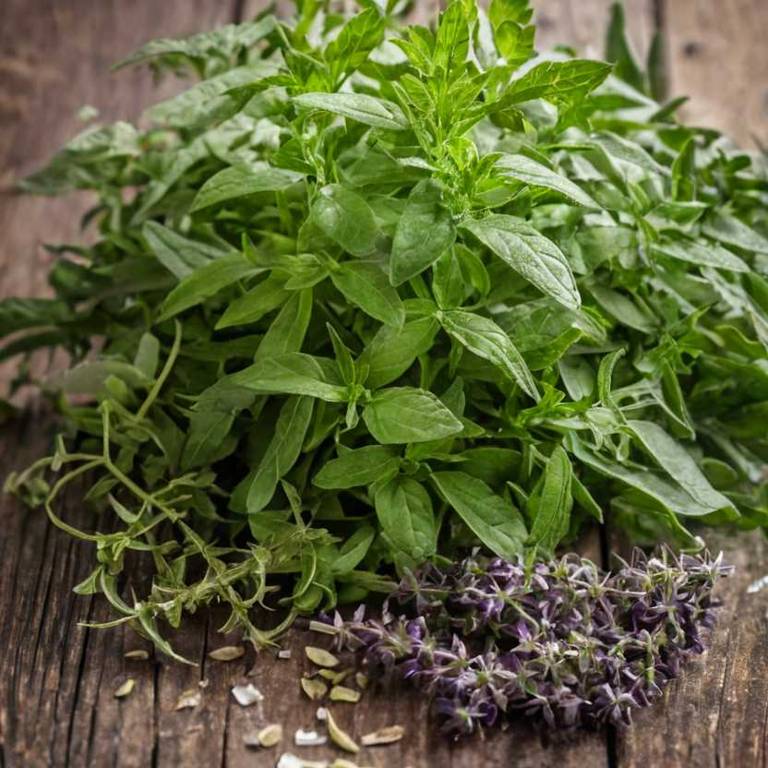
Quercitrin is a bioactive flavonoid glycoside known for its potent antioxidant, anti-inflammatory, and anti-diabetic properties. It is found in various medicinal plants, including Houttuynia cordata, Morus alba, and Sebastiania brasiliensis.

Associated herbs: 68

Occurs naturally in

Houttuynia cordata
Morus alba

Sebastiania brasiliensis

View all quercitrin herbs →

Asiatic acid

Asiatic acid is a potent pentacyclic triterpenoid known for its significant anti-inflammatory, antioxidant, and wound-healing properties. This bioactive compound is found in various medicinal plants, including Centella asiatica, Psidium guajava, and Camissoniopsis cheiranthifolia.

Associated herbs: 12

Occurs naturally in

Psidium guajava

Centella asiatica

Camissoniopsis cheiranthifolia

View all Asiatic acid herbs →

Isoquercitrin

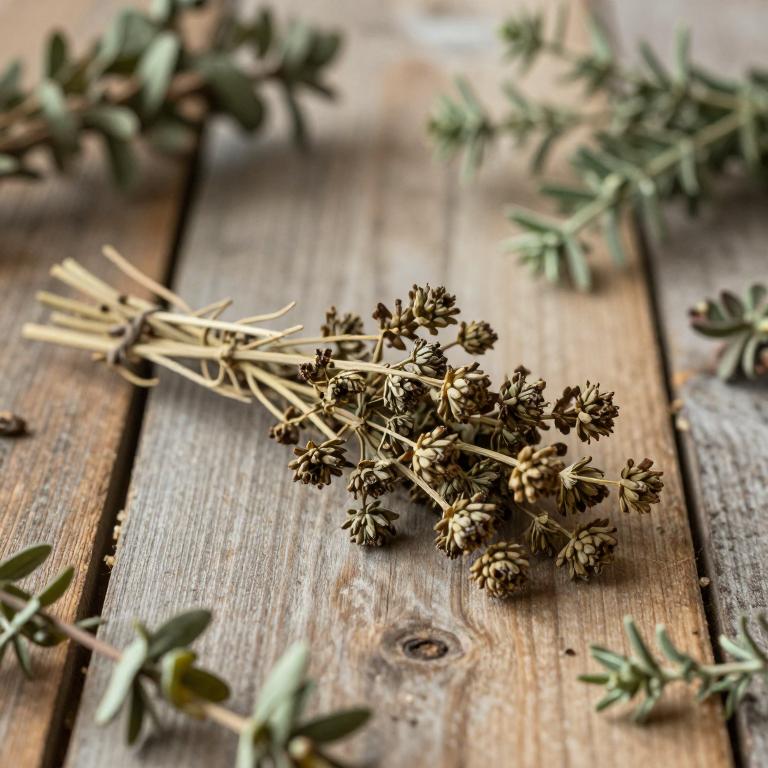
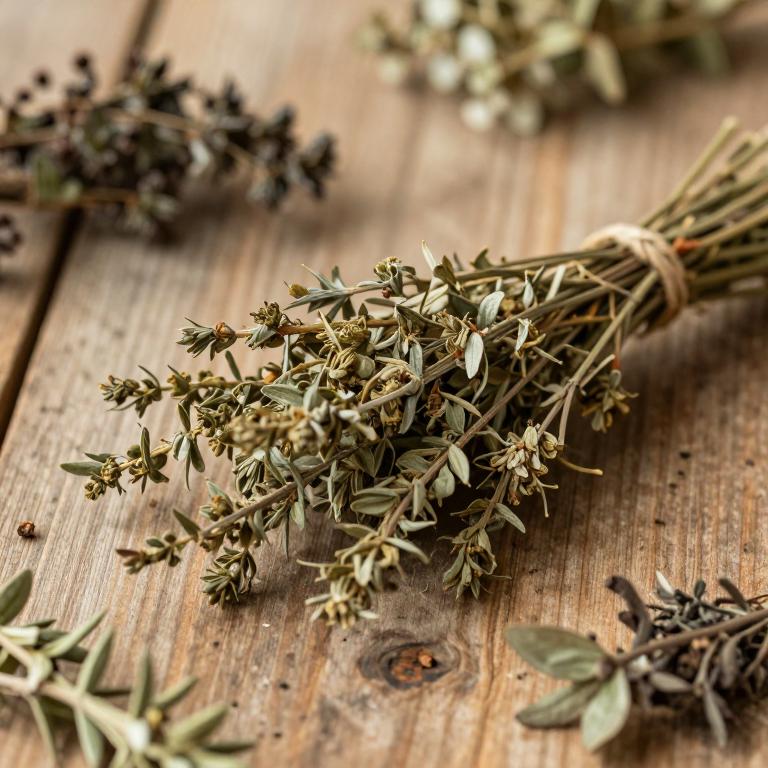
Isoquercitrin is a natural flavonoid glycoside recognized for its potent antioxidant, anti-inflammatory, and cardioprotective properties. This bioactive compound can be found in various medicinal plants, including Morus alba (white mulberry), Castanea crenata (Japanese chestnut), and Salix babylonica f. babylonica (weeping willow).
Associated herbs: 61

Occurs naturally in

Morus alba

Castanea crenata
Salix babylonica f. babylonica
View all Isoquercitrin herbs →

coumarin

Coumarin is a naturally occurring bioactive compound found in various medicinal plants, known for its diverse pharmacological properties including anti-inflammatory, anticoagulant, and antioxidant activities. It is present in several botanical species, such as Cryptolepis nigrescens, Nervilia fordii, and Lavandula latifolia.

Associated herbs: 58

Occurs naturally in

Cryptolepis nigrescens

Nervilia fordii

Lavandula latifolia

View all coumarin herbs →

resveratrol

Resveratrol is a potent bioactive polyphenol found in various medicinal plants that acts as a powerful antioxidant to support cardiovascular health and cellular longevity. This compound can be sourced from herbs such as Reynoutria japonica, Yucca schidigera, and Visnaga daucoides.

Associated herbs: 36

Occurs naturally in

Yucca schidigera

Visnaga daucoides

Reynoutria japonica

View all resveratrol herbs →

Carotenoids

Carotenoids are a group of organic pigments that function as powerful antioxidants, protecting cells from oxidative damage and supporting eye and immune health. These bioactive compounds are found in various medicinal herbs, such as Crocus sativus, Crocus species, and Corchorus olitorius.

Associated herbs: 61

Occurs naturally in

Crocus sativus

Crocus

Corchorus olitorius

View all Carotenoids herbs →

Phytol

Phytol is a natural diterpene alcohol that serves as a critical precursor in the biosynthesis of chlorophyll and vitamin E. This bioactive compound can be found in various medicinal herbs, including Cynodon dactylon, Solena amplexicaulis, and Ilex guayusa.

Associated herbs: 53

Occurs naturally in

Cynodon dactylon

Solena amplexicaulis

Ilex guayusa

View all Phytol herbs →

Vanillic acid

Vanillic acid is a phenolic acid known for its potent antioxidant, anti-inflammatory, and antimicrobial properties that help protect cells from oxidative stress. This bioactive compound can be found in various medicinal plants, including Moringa oleifera, Himatanthus drasticus, and Dendrobium chrysotoxum.

Associated herbs: 78

Occurs naturally in

Moringa oleifera

Himatanthus drasticus

Dendrobium chrysotoxum

View all Vanillic acid herbs →

ANTHOCYANIN

Anthocyanins are a class of water-soluble flavonoid pigments responsible for the vibrant red, purple, and blue colors found in many medicinal plants. These bioactive compounds are known for their potent antioxidant and anti-inflammatory properties, which are present in herbs such as Melastoma malabathricum, Staphylea japonica, and Arabidopsis thaliana.

Associated herbs: 42

Occurs naturally in

Melastoma malabathricum

Staphylea japonica

Arabidopsis thaliana

View all ANTHOCYANIN herbs →

Isorhamnetin

Isorhamnetin is a natural flavonoid known for its potent antioxidant, anti-inflammatory, and anticancer properties. It can be found in various medicinal plants, including Balanites aegyptiaca, Achillea millefolium, and Equisetum arvense.

Associated herbs: 50

Occurs naturally in

Balanites aegyptiaca

Achillea millefolium

Equisetum arvense

View all Isorhamnetin herbs →

Plumbagin

Plumbagin is a bioactive naphthoquinone derivative known for its diverse pharmacological properties, including potent anti-inflammatory, antimicrobial, and anticancer activities. This compound is primarily found in medicinal herbs such as Plumbago europaea, Anoectochilus formosanus, and Pera benensis.

Associated herbs: 13

Occurs naturally in

Pera benensis

Anoectochilus formosanus

Plumbago europaea

View all Plumbagin herbs →

Monoterpenes

Monoterpenes are a class of volatile organic compounds consisting of ten carbon atoms that contribute significantly to the distinct aromas and therapeutic properties of many medicinal plants. They are widely distributed in nature, serving as key bioactive constituents in herbs such as Alpinia galanga, Thymus vulgaris, and Thymus syriacus.

Associated herbs: 50

Occurs naturally in

Alpinia galanga

Thymus vulgaris

Thymus syriacus

View all Monoterpenes herbs →

P-CYMENE

p-Cymene is a naturally occurring monoterpene hydrocarbon found in many essential oils that exhibits significant antimicrobial, antioxidant, and anti-inflammatory properties. This bioactive compound is a key constituent in various medicinal herbs, including Cephalaria scoparia, Cephalaria gazipashensis, and Lippia origanoides.

Associated herbs: 58

Occurs naturally in

Cephalaria scoparia

Cephalaria gazipashensis

Lippia origanoides

View all P-CYMENE herbs →

scopolamine

Scopolamine is a tropane alkaloid primarily used in medicine for its anticholinergic properties, which help treat motion sickness and certain gastrointestinal spasms. This bioactive compound is found in several medicinal plants, including species such as Anisodus tanguticus, Datura, and Datura ferox.

Associated herbs: 22

Occurs naturally in

Anisodus tanguticus

Datura

Datura ferox

View all scopolamine herbs →

triptolide

Triptolide is a potent bioactive diterpene diterpenoid lactone known for its significant immunosuppressive, anti-inflammatory, and anti-tumor properties. This compound is primarily derived from medicinal herbs such as Tripterygium wilfordii, commonly known as Thunder God Vine.

Associated herbs: 2

Occurs naturally in

Tripterygium wilfordii

Tripterygium

View all triptolide herbs →

Palmatine

Palmatine is a quaternary ammonium alkaloid known for its potent anti-inflammatory, antimicrobial, and metabolic regulatory properties. It is a major bioactive constituent found in various medicinal herbs, including Coptis chinensis, Berberis glaucocarpa, and Berberis vulgaris.

Associated herbs: 35

Occurs naturally in

Coptis chinensis

Berberis glaucocarpa

Berberis vulgaris

View all Palmatine herbs →

Tanshinone

Tanshinone is a class of bioactive diterpene quinones known for its potent antioxidant, anti-inflammatory, and cardiovascular protective properties. These compounds are primarily found in various species of the Salvia genus, including Salvia miltiorrhiza, Salvia castanea, and Salvia bowleyana.

Associated herbs: 3

Occurs naturally in

Salvia miltiorrhiza

Salvia castanea

Salvia bowleyana

View all Tanshinone herbs →

Verbascoside

Verbascoside is a potent bioactive phenylethanoid glycoside renowned for its significant antioxidant, anti-inflammatory, and neuroprotective properties. This compound is found in various medicinal plants, including Lippia multiflora, Sideritis raeseri, and Sideritis scardica.

Associated herbs: 67

Occurs naturally in

Lippia multiflora

Sideritis raeseri

Sideritis scardica

View all Verbascoside herbs →

shikonin

Shikonin is a bioactive naphthoquinone compound known for its potent anti-inflammatory, antimicrobial, and wound-healing properties. It is primarily derived from medicinal herbs such as Arnebia euchroma, Lithospermum erythrorhizon, and Alkanna tinctoria.

Associated herbs: 14

Occurs naturally in

Arnebia euchroma

Lithospermum erythrorhizon

Alkanna tinctoria

View all shikonin herbs →

BETA-SITOSTEROL

Beta-sitosterol is a naturally occurring plant sterol known for its potent anti-inflammatory, cholesterol-lowering, and antioxidant properties. This bioactive compound can be found in various medicinal herbs, including Phellodendron chinense, Erycibe schmidtii, and Bhesa paniculata.

Associated herbs: 249

Occurs naturally in

Phellodendron chinense

Erycibe schmidtii

Bhesa paniculata

View all BETA-SITOSTEROL herbs →

Asiaticoside

Asiaticoside is a potent triterpene saponin known for its significant wound-healing, anti-inflammatory, and collagen-boosting properties in skin care. This bioactive compound is primarily found in medicinal herbs such as Centella asiatica and Heptapleurum heptaphyllum.
Associated herbs: 2

Occurs naturally in

Centella asiatica

Heptapleurum heptaphyllum

View all Asiaticoside herbs →

Ginsenoside rb1

Ginsenoside Rb1 is a major bioactive saponin found in various species of the Panax genus that is widely studied for its neuroprotective, anti-inflammatory, and antioxidant properties. This specific compound is primarily extracted from medicinal herbs such as Panax ginseng, Panax notoginseng, and other members of the Panax group.

Associated herbs: 4

Occurs naturally in

Panax ginseng

Panax notoginseng

Panax

View all Ginsenoside rb1 herbs →