Explore herbs compounds

  • 12404 Plants
  • |
  • 11288 Compounds
  • |
  • 16281 Activities
  • |
  • 132161 Studies

Explore Herbs


Alphabet


Biological Activities

View all →

Bioactive Compounds

View all →

Plant Parts

View all →

List of herbs compounds

Showing 97-144 out of 11883 results

Mangiferin

Mangiferin is a potent polyphenolic compound known for its significant antioxidant, anti-inflammatory, and anti-diabetic properties. It can be found in various medicinal plants, such as Mangifera indica (mango), Pyrrosia longifolia, and Cyclopia genistoides.

Associated herbs: 28

Occurs naturally in
Mangifera indica
Pyrrosia longifolia
Cyclopia genistoides

View all Mangiferin herbs →

Sinomenine

Sinomenine is a bioactive alkaloid primarily known for its potent anti-inflammatory, analgesic, and immunosuppressive properties. It is most notably found in medicinal herbs such as Sinomenium acutum, where it is used in traditional treatments for rheumatoid arthritis and various inflammatory conditions.

Associated herbs: 1

Occurs naturally in

Sinomenium acutum

View all Sinomenine herbs →

TAXOL

Taxol, scientifically known as paclitaxel, is a potent bioactive compound derived from medicinal plants that functions as a chemotherapy agent by inhibiting cell division in cancer cells. This powerful alkaloid is primarily extracted from various species of yew trees, such as Taxus brevifolia and Taxus cuspidata, and has also been studied in plants like Calotropis gigantea.

Associated herbs: 11

Occurs naturally in

Taxus cuspidata

Calotropis gigantea

Taxus brevifolia

View all TAXOL herbs →

celastrol

Celastrol is a potent pentacyclic triterpene known for its significant anti-inflammatory, antioxidant, and anticancer properties. This bioactive compound is primarily derived from medicinal herbs such as Tripterygium wilfordii, Celastrus orbiculatus, and Salacia kraussii.

Associated herbs: 6

Occurs naturally in

Tripterygium wilfordii

Celastrus orbiculatus

Salacia kraussii

View all celastrol herbs →

flavonols

Flavonols are a class of bioactive polyphenolic compounds found in many medicinal plants that function as potent antioxidants and anti-inflammatory agents. This group of compounds is present in various herbal species, including Triplaris, Commiphora gileadensis, and Euphorbia umbellata.

Associated herbs: 54

Occurs naturally in

Triplaris

Commiphora gileadensis

Euphorbia umbellata

View all flavonols herbs →

hyperforin

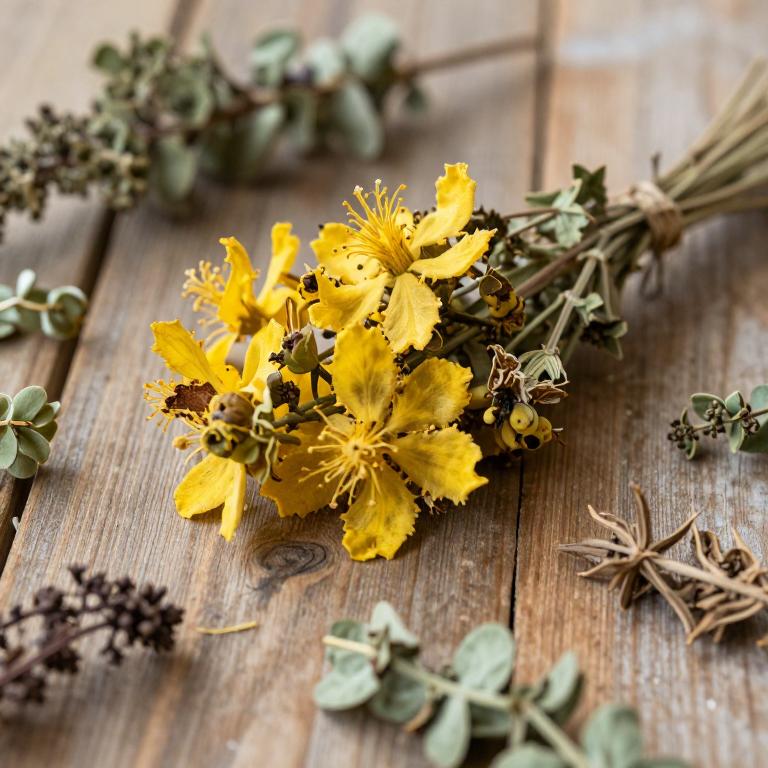
Hyperforin is a key bioactive compound primarily known for its antidepressant properties, functioning by inhibiting the reuptake of neurotransmitters like serotonin, dopamine, and norepinephrine. This compound is most notably found in medicinal herbs such as Hypericum perforatum (St. John's Wort), as well as other species within the Hypericum and Apocynum cannabinum genera.

Associated herbs: 4

Occurs naturally in

Hypericum perforatum

Hypericum

Apocynum cannabinum

View all hyperforin herbs →

Acteoside

Acteoside is a potent phenylethanoid glycoside known for its significant antioxidant, anti-inflammatory, and neuroprotective properties. This bioactive compound is found in various medicinal herbs, including Lancea tibetica, Brandisia hancei, and Cistanche tubulosa.

Associated herbs: 38

Occurs naturally in

Lancea tibetica

Brandisia hancei

Cistanche tubulosa

View all Acteoside herbs →

RG1

RG1 is a prominent type of ginsenoside found in various medicinal herbs that is widely studied for its neuroprotective, immunomodulatory, and fatigue-reducing properties. This bioactive compound is most notably concentrated in species of the Panax genus, including Panax ginseng and Panax notoginseng.

Associated herbs: 4

Occurs naturally in

Panax

Panax ginseng

Panax notoginseng

View all RG1 herbs →

Salvianolic acid B

Salvianolic acid B is a potent bioactive polyphenol known for its significant antioxidant, anti-inflammatory, and neuroprotective properties. It is primarily found in medicinal herbs such as Salvia miltiorrhiza, Brachychiton populneus, and Salvia bowleyana.

Associated herbs: 4

Occurs naturally in

Salvia miltiorrhiza

Brachychiton populneus

Salvia bowleyana

View all Salvianolic acid B herbs →

Vitexin

Vitexin is a bioactive C-glycosyl flavone known for its significant antioxidant, anti-inflammatory, and neuroprotective properties. This compound can be found in various medicinal herbs, such as Cirsium arvense var. arvense, Berula erecta, and Lippia origanoides.

Associated herbs: 40

Occurs naturally in

Cirsium arvense var. arvense

Berula erecta

Lippia origanoides
View all Vitexin herbs →

cannabidiol

Cannabidiol (CBD) is a non-psychoactive bioactive compound found in various medicinal plants that is widely studied for its potential anti-inflammatory and therapeutic properties. This compound is most notably derived from the Cannabis sativa plant and certain species within the Cannabis and Scutellaria orientalis genera.

Associated herbs: 3

Occurs naturally in

Cannabis sativa

Cannabis

Scutellaria orientalis

View all cannabidiol herbs →

squalene

Squalene is a natural triterpene that serves as a vital antioxidant and precursor to essential sterols, helping to protect cells from oxidative damage and support skin health. This bioactive compound can be found in various medicinal plants, such as Raulinoa echinata, Bruguiera × rhynchopetala, and Physalis angulata.

Associated herbs: 42

Occurs naturally in

Raulinoa echinata

Bruguiera × rhynchopetala

Physalis angulata

View all squalene herbs →

CINNAMIC ACID

Cinnamic acid is a naturally occurring phenolic compound known for its potent antioxidant, anti-inflammatory, and antimicrobial properties. This bioactive substance can be found in various medicinal herbs, such as Lavandula stoechas, Helwingia chinensis, and Pulicaria undulata.

Associated herbs: 35

Occurs naturally in

Lavandula stoechas

Helwingia chinensis

Pulicaria undulata

View all CINNAMIC ACID herbs →

GINSENOSIDE

Ginsenosides are a diverse group of steroid-like saponins that serve as the primary bioactive components responsible for the adaptogenic and therapeutic effects of certain medicinal plants. These compounds are most notably found in species of the Panax genus, including Panax ginseng and Panax quinquefolius.
Associated herbs: 9

Occurs naturally in

Panax

Panax ginseng

Panax quinquefolius

View all GINSENOSIDE herbs →

Germacrene D

Germacrene D is a naturally occurring sesquiterpene widely recognized for its diverse pharmacological properties, including anti-inflammatory, antimicrobial, and potential anticancer activities. This bioactive compound can be found in various medicinal plants, such as Ligusticopsis wallichiana, Nepeta, and Hedyosmum racemosum.

Associated herbs: 59

Occurs naturally in

Ligusticopsis wallichiana

Nepeta

Hedyosmum racemosum

View all Germacrene D herbs →

Puerarin

Puerarin is a bioactive isoflavone primarily known for its potent antioxidant, anti-inflammatory, and neuroprotective properties. It is most abundantly found in medicinal herbs such as Pueraria montana var. lobata (kudzu), Neustanthus phaseoloides, and various species within the Pueraria genus.

Associated herbs: 6

Occurs naturally in

Pueraria montana var. lobata

Neustanthus phaseoloides
Pueraria

View all Puerarin herbs →

Vindoline

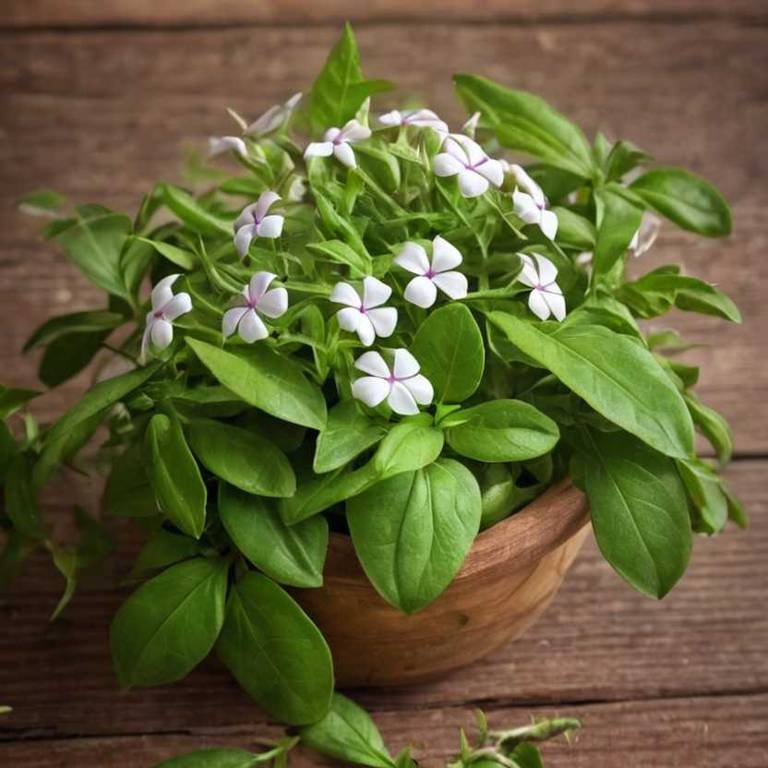
Vindoline is a critical indole alkaloid primarily utilized as a key structural precursor in the semi-synthesis of anti-cancer drugs like vinorelbine. This bioactive compound is most notably found in medicinal herbs such as Catharanthus roseus (Madagascar periwinkle).

Associated herbs: 2

Occurs naturally in

Catharanthus roseus

Catharanthus

View all Vindoline herbs →

sucrose

Sucrose is a common disaccharide that serves as a primary source of energy and a fundamental carbohydrate within various medicinal plants. This bioactive compound is found in several therapeutic herbs, including Balanites aegyptiaca, Angelica acutiloba, and Rehmannia glutinosa.
Associated herbs: 57

Occurs naturally in

Balanites aegyptiaca

Angelica acutiloba

Rehmannia glutinosa

View all sucrose herbs →

vitamin C

Vitamin C is a potent antioxidant that supports immune function, collagen synthesis, and cellular protection against oxidative stress. Many medicinal herbs are rich in this bioactive compound, including Phyllanthus emblica (Amla), Viburnum opulus, and Rosa roxburghii.

Associated herbs: 45

Occurs naturally in

Phyllanthus emblica

Viburnum opulus

Rosa roxburghii

View all vitamin C herbs →

Borneol

Borneol is a natural monoterpene alcohol found in various medicinal herbs that is widely recognized for its anti-inflammatory, analgesic, and antimicrobial properties. This bioactive compound can be extracted from several plant species, including Wurfbainia villosa, Rhynchanthus beesianus, and Wurfbainia longiligularis.

Associated herbs: 34

Occurs naturally in

Wurfbainia villosa

Rhynchanthus beesianus

Wurfbainia longiligularis

View all Borneol herbs →

DIOSGENIN

Diosgenin is a steroidal sapogenin found in various medicinal plants that serves as a crucial precursor for the chemical synthesis of steroid hormones like progesterone and cortisone. This bioactive compound is primarily extracted from herbs such as Dioscorea (wild yam), Achyranthes bidentata, and Paris polyphylla.

Associated herbs: 20

Occurs naturally in

Achyranthes bidentata

Dioscorea

Paris polyphylla

View all DIOSGENIN herbs →

bergenin

Bergenin is a bioactive phenolic glycoside known for its significant pharmacological properties, including anti-inflammatory, antioxidant, and gastroprotective effects. This compound is primarily found in medicinal herbs such as Bergenia ciliata, Mallotus japonicus, and Peltophorum africanum.

Associated herbs: 26

Occurs naturally in

Peltophorum africanum

Mallotus japonicus

Bergenia ciliata

View all bergenin herbs →

Isoflavones

Isoflavones are a class of phytoestrogens found in various medicinal plants that can mimic or modulate the effects of estrogen in the human body. Common herbal sources containing these bioactive compounds include Pueraria montana var. lobata (Kudzu), Astragalus, and Mucuna pruriens.

Associated herbs: 31

Occurs naturally in

Pueraria montana var. lobata

Astragalus

Mucuna pruriens

View all Isoflavones herbs →

METHYL GALLATE

Methyl gallate is a natural phenolic compound known for its potent antioxidant, anti-inflammatory, and antimicrobial properties. It can be found in various medicinal herbs, including Psidium guajava (guava), Brasenia schreberi, and Triadica sebifera.

Associated herbs: 33

Occurs naturally in

Psidium

Brasenia schreberi

Triadica sebifera

View all METHYL GALLATE herbs →

Tanshinone IIA

Tanshinone IIA is a potent diterpenoid quinone known for its significant pharmacological activities, including anti-inflammatory, antioxidant, and cardioprotective effects. This bioactive compound is primarily found in medicinal herbs such as Salvia miltiorrhiza, Salvia castanea, and Aquilaria sinensis.

Associated herbs: 4

Occurs naturally in

Salvia castanea

Salvia miltiorrhiza

Aquilaria sinensis

View all Tanshinone IIA herbs →

protocatechuic acid

Protocatechuic acid is a potent phenolic acid known for its significant antioxidant, anti-inflammatory, and neuroprotective properties. This bioactive compound can be found in various medicinal plants, including Eleutherococcus senticosus, Origanum vulgare, and Himatanthus dracunculifolius.

Associated herbs: 64

Occurs naturally in

Eleutherococcus senticosus

Origanum vulgare

Himatanthus drasticus

View all protocatechuic acid herbs →

Amentoflavone

Amentoflavone is a potent biflavonoid known for its significant antioxidant, anti-inflammatory, and neuroprotective properties. This bioactive compound can be found in various medicinal plants, including Chrozophora tinctoria, Nigella sativa, and Selaginella delicatula.

Associated herbs: 32

Occurs naturally in

Chrozophora tinctoria

Nigella sativa

Selaginella delicatula

View all Amentoflavone herbs →

Proanthocyanidins

Proanthocyanidins are a class of polyphenolic compounds found in medicinal herbs that act as potent antioxidants, helping to protect cells from oxidative damage and inflammation. These bioactive molecules are abundantly present in various plant species, including Byrsonima verbascifolia, Eugenia bergii, and Searsia tripartita.

Associated herbs: 42

Occurs naturally in

Byrsonima verbascifolia

Eugenia bergii

Searsia tripartita

View all Proanthocyanidins herbs →

podophyllotoxin

Podophyllotoxin is a potent cytotoxic lignan derived from certain medicinal plants that functions by inhibiting cell division, making it a key precursor in the synthesis of cancer drugs. This bioactive compound is primarily found in species of the genus Podophyllum, including Podophyllum peltatum, Podophyllum hexandrum, and Podophyllum versipelle.

Associated herbs: 6

Occurs naturally in

Podophyllum peltatum

Podophyllum hexandrum

Podophyllum versipelle

View all podophyllotoxin herbs →

Condensed Tannins

Condensed tannins are a class of polyphenolic compounds known for their potent antioxidant, antimicrobial, and astringent properties, which help protect plants from herbivores and pathogens. These bioactive molecules are found in various medicinal herbs, including Combretum nigricans, Lotus pedunculatus, and Allium porrum.

Associated herbs: 37

Occurs naturally in

Combretum nigricans

Lotus pedunculatus

Allium porrum

View all Condensed Tannins herbs →

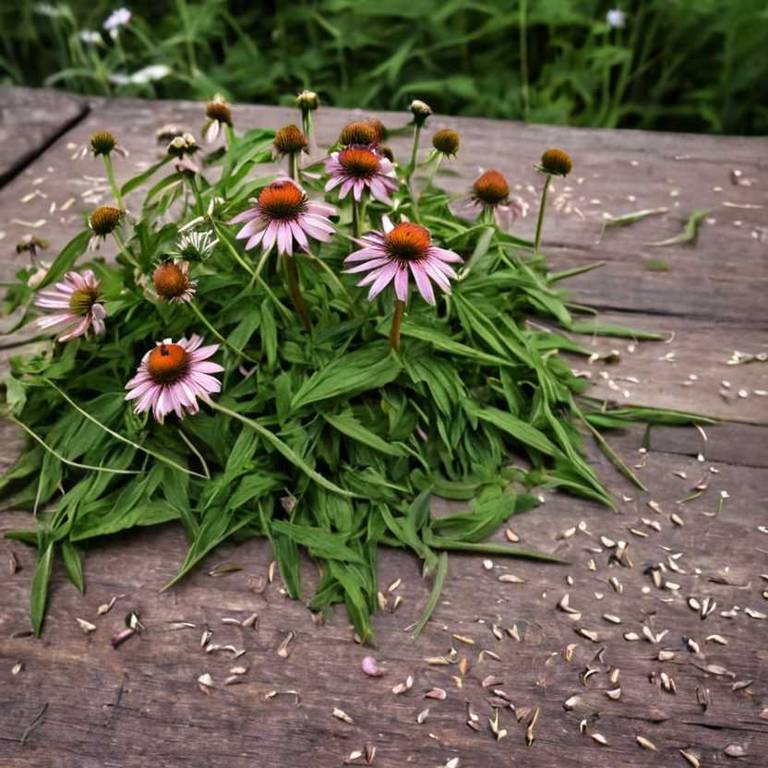
Echinacoside

Echinacoside is a potent bioactive caffeic acid derivative known for its significant antioxidant, anti-inflammatory, and neuroprotective properties. This compound is primarily found in various species of the Echinacea genus, including Echinacea purpurea, Echinacea angustifolia, and Echinacea pallida.

Associated herbs: 14

Occurs naturally in

Echinacea purpurea

Echinacea angustifolia

Echinacea pallida

View all Echinacoside herbs →

MITRAGYNINE

Mitragynine is the primary alkaloid found in certain tropical plants, known for its complex pharmacological effects on the central nervous system. This bioactive compound is most notably concentrated in the leaves of Mitragyna speciosa, commonly known as kratom.

Associated herbs: 1

Occurs naturally in

Mitragyna speciosa

View all MITRAGYNINE herbs →

camptothecin

Camptothecin is a potent cytotoxic alkaloid known for its ability to inhibit the enzyme topoisomerase I, making it a significant compound in cancer research and chemotherapy development. This bioactive substance is primarily found in medicinal plants such as Camptotheca acuminata, Mappia nimmoniana, and Rinorea anguifera.

Associated herbs: 7

Occurs naturally in

Camptotheca acuminata

Mappia nimmoniana

Rinorea anguifera

View all camptothecin herbs →

glucose

Glucose is a fundamental monosaccharide that serves as a primary energy source for cellular metabolism and plays a crucial role in the structural composition of various bioactive molecules within medicinal plants. This simple sugar can be found in various forms across diverse botanical species, including Allium sativum, Panax notoginseng, and Angelica acutiloba.

Associated herbs: 37

Occurs naturally in

Allium sativum

Panax notoginseng

Angelica acutiloba

View all glucose herbs →

vanillin

Vanillin is a bioactive phenolic compound known for its distinct aromatic properties and its potential antioxidant and anti-inflammatory effects in medicinal applications. This compound can be found naturally in various botanical sources, including Ilex guayusa, Eleutherococcus senticosus (often associated with E. brachypus), and Cocos nucifera.

Associated herbs: 43

Occurs naturally in

Ilex guayusa

Eleutherococcus brachypus

Cocos nucifera

View all vanillin herbs →

Eucalyptol

Eucalyptol, also known as 1,8-cineole, is a natural monoterpene compound widely recognized for its potent anti-inflammatory, antimicrobial, and mucolytic properties. This bioactive compound is abundantly found in various medicinal herbs, including Eucalyptus tereticornis, Eucalyptus species, and Chrysanthemum indicum.

Associated herbs: 34

Occurs naturally in

Chrysanthemum indicum

Eucalyptus tereticornis

Eucalyptus

View all Eucalyptol herbs →

Hyperoside

Hyperoside is a bioactive flavonoid glycoside known for its potent antioxidant, anti-inflammatory, and cardioprotective properties. This compound can be found in various medicinal herbs, including Camptotheca acuminata, Prunella vulgaris, and Hypericum aviculariifolium.

Associated herbs: 45

Occurs naturally in

Camptotheca acuminata

Prunella vulgaris

Hypericum aviculariifolium

View all Hyperoside herbs →

Isovitexin

Isovitexin is a bioactive flavonoid known for its significant antioxidant, anti-inflammatory, and neuroprotective properties in medicinal plants. This compound can be found in various herbal species, including Asphodelus bento-rainhae subsp. bento-rainhae, Asphodelus macrocarpus subsp. macrocarpus, and Swertia chirayita.

Associated herbs: 40

Occurs naturally in

Asphodelus bento-rainhae subsp. bento-rainhae

Asphodelus macrocarpus subsp. macrocarpus

Swertia chirayita

View all Isovitexin herbs →

Lectin

Lectins are a type of carbohydrate-binding protein found in many plants that can influence biological processes by interacting with cell surface receptors. While some lectins possess medicinal properties, they are often studied for their potential toxicity or their ability to modulate immune responses in various organisms. Examples of herbs containing lectins include Euphorbia, Erythrina variegata, and Vicia cretica.

Associated herbs: 28

Occurs naturally in

Euphorbia

Erythrina variegata

Vicia cretica

View all Lectin herbs →

SILYMARIN

Silymarin is a complex of flavonolignans known for its potent antioxidant and anti-inflammatory properties, which primarily serve to protect and regenerate liver cells. This bioactive compound is most famously extracted from the seeds of the milk thistle plant, Silybum marianum.

Associated herbs: 1

Occurs naturally in

Silybum marianum

View all SILYMARIN herbs →

SYRINGIC ACID

Syringic acid is a natural phenolic acid known for its potent antioxidant, anti-inflammatory, and antimicrobial properties that help protect cells from oxidative damage. This bioactive compound can be found in various medicinal plants, including Tamarix gallica, Sageretia thea, and Lavandula stoechas.

Associated herbs: 46

Occurs naturally in

Tamarix gallica

Sageretia thea

Lavandula stoechas

View all SYRINGIC ACID herbs →

Spathulenol

Spathulenol is a bioactive sesquiterpene alcohol known for its significant anti-inflammatory, antimicrobial, and antioxidant properties in various biological systems. This compound can be found in several medicinal plants, including Vachellia nilotica, Myrsine linearis, and Esenbeckia berlandieri subsp. berlandieri.

Associated herbs: 39

Occurs naturally in

Vachellia nilotica

Myrsine linearis

Esenbeckia berlandieri subsp. berlandieri

View all Spathulenol herbs →

glycyrrhizin

Glycyrrhizin is a potent bioactive triterpenoid saponin known for its intense sweetness and significant anti-inflammatory and antiviral properties. This compound is primarily found in various species of the licorice genus, including Glycyrrhiza glabra, Glycyrrhiza uralensis, and other members of the Glycyrrhiza genus.

Associated herbs: 5

Occurs naturally in

Glycyrrhiza uralensis

Glycyrrhiza glabra

Glycyrrhiza

View all glycyrrhizin herbs →

Ajmalicine

Ajmalicine is a potent indole alkaloid primarily utilized for its vasodilatory properties and its ability to help manage hypertension and improve cerebral blood flow. This bioactive compound is found in various medicinal plants, most notably in Rauvolfia serpentina, Catharanthus roseus, and Rhazya stricta.

Associated herbs: 9

Occurs naturally in

Rauvolfia serpentina

Catharanthus roseus

Rhazya stricta

View all Ajmalicine herbs →

Catharanthine

Catharanthine is an indole alkaloid primarily recognized for its significant pharmacological potential, including anti-tumor, anti-malarial, and anti-inflammatory properties. This bioactive compound is found in various medicinal plants, most notably in Catharanthus roseus and Stephania japonica.

Associated herbs: 2

Occurs naturally in

Catharanthus roseus

Stephania japonica

View all Catharanthine herbs →

Icariin

Icariin is a potent bioactive flavonoid primarily known for its ability to support sexual health, bone density, and cardiovascular function through its estrogen-like effects. This compound is most abundantly found in various species of the Horny Goat Weed plant, such as Epimedium pseudowushanense, Epimedium, and Epimedium koreanum.

Associated herbs: 13

Occurs naturally in

Epimedium pseudowushanense

Epimedium

Epimedium koreanum

View all Icariin herbs →

Astragalin

Astragalin is a natural flavonoid glycoside known for its potent antioxidant, anti-inflammatory, and cytoprotective properties in various biological systems. This bioactive compound can be found in several medicinal herbs, including Rosa agrestis, Rubus apetalus, and Buphthalmum speciosissimum.

Associated herbs: 39

Occurs naturally in

Rosa agrestis

Rubus apetalus

Buphthalmum speciosissimum

View all Astragalin herbs →

GERANIOL

Geraniol is a naturally occurring terpene alcohol renowned for its pleasant floral aroma and significant bioactive properties, including antimicrobial, anti-inflammatory, and antioxidant activities. This compound is a key constituent in various medicinal herbs, such as Pelargonium graveolens (Geranium), Cymbopogon nardus (Citronella grass), and Cymbopogon martini (Palmarosa).

Associated herbs: 22

Occurs naturally in

Pelargonium graveolens

Cymbopogon nardus

Cymbopogon martini

View all GERANIOL herbs →