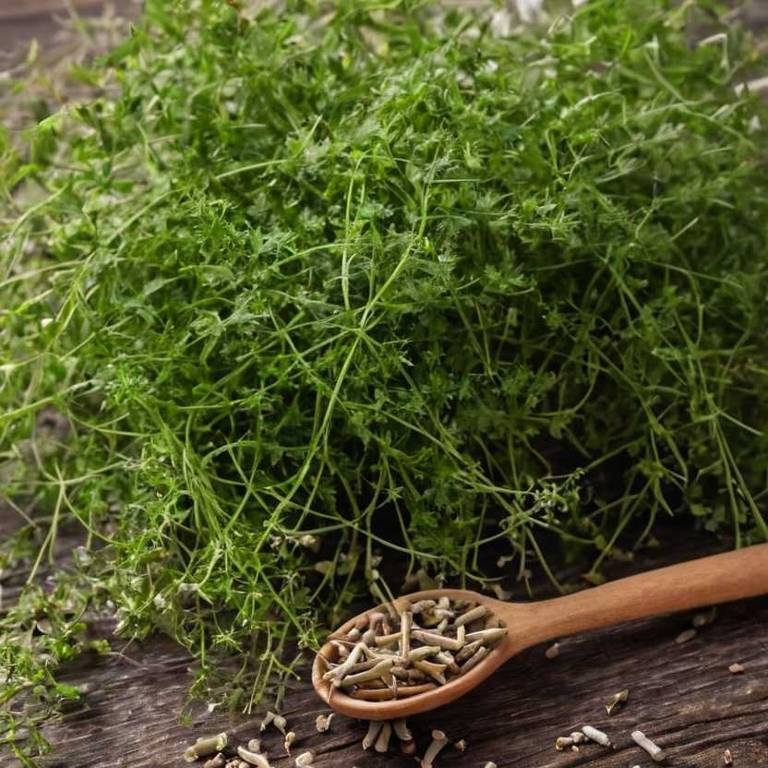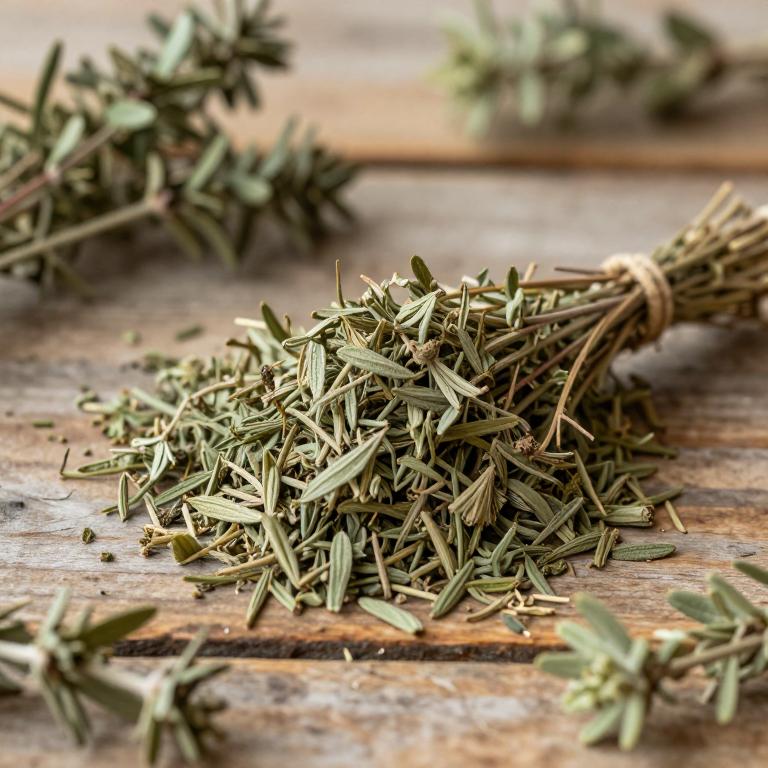
Learning herbal medicine means acquiring structured knowledge and practical skills to identify medicinal plants, prepare remedies, understand safety, and apply plant-based treatments for self-care or professional use, whether as a beginner, self-learner, or practitioner moving from informal exploration to systematic, real-world application.
Herbalism is the traditional and modern practice of working with medicinal plants to create remedies, teas, tinctures, and salves that support everyday health. It combines plant knowledge, hands-on preparation skills, and an understanding of how herbs have been used historically for digestion, sleep, stress, skin, and immunity.
Learn about the most common medicinal herbs and their traditional uses for everyday health.
Step-by-step guidance on creating teas, tinctures, salves, and other remedies at home.
Understand how herbal remedies support digestion, sleep, stress management, skin health, and immunity.
Medicinal herbs are plants that contain natural compounds traditionally used to support health and well-being. Their properties depend on the plant species, the part used, and the way the herb is prepared.
A plant is considered medicinal when it contains bioactive compounds that have been traditionally used to support the body. These compounds may include essential oils, flavonoids, bitters, or alkaloids.
Different parts of a medicinal plant are used in herbalism depending on where the active compounds are concentrated.
Medicinal herbs are commonly grouped by the type of support they have traditionally been used to provide.
Herbal remedies are made by preparing medicinal herbs in specific ways to make their beneficial compounds available for use. Common preparation methods include teas, tinctures, salves, oils, and syrups, each suited to different herbs and purposes.
Herbal remedies are prepared using different methods depending on the plant material, the desired strength, and how the remedy will be used.
A home apothecary is a personal collection of herbs, remedies, and tools used to prepare and store herbal preparations at home. It typically includes dried herbs, jars, measuring tools, and basic supplies for making simple remedies.
Beginners often start with simple herbal preparations such as teas, infused oils, and basic salves. These methods require minimal equipment and allow new herbalists to learn safely while building confidence.