Explore herbs compounds

  • 12404 Plants
  • |
  • 11288 Compounds
  • |
  • 16281 Activities
  • |
  • 132161 Studies

Explore Herbs


Alphabet


Biological Activities

View all →

Bioactive Compounds

View all →

Plant Parts

View all →

List of herbs compounds

Showing 865-912 out of 11883 results

Canadine

Canadine is a bioactive isoquinoline alkaloid primarily known for its potential sedative and analgesic properties within the central nervous system. This compound is characteristically found in various medicinal herbs, including species of the Corydalis genus such as Corydalis turtschaninovii, as well as in Hydrastis canadensis.

Associated herbs: 3

Occurs naturally in
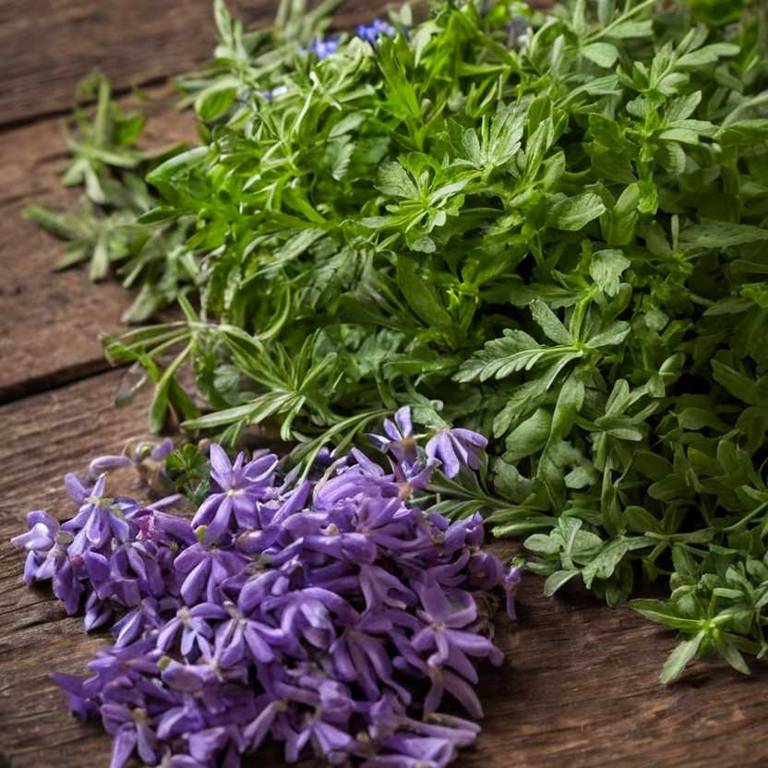
Corydalis turtschaninovii
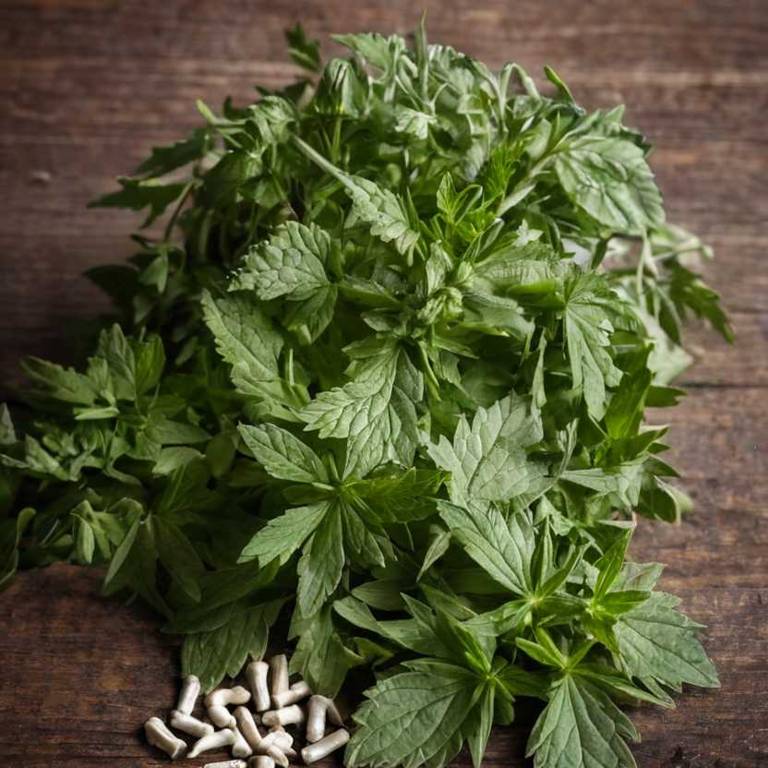
Hydrastis canadensis
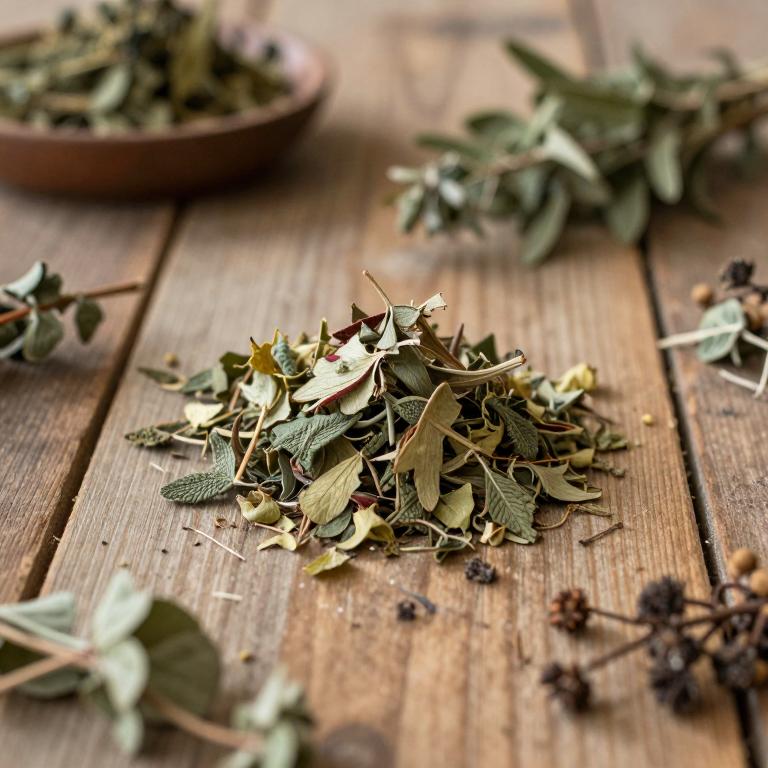
Hydrastis
View all Canadine herbs →

Capsanthin

Capsanthin is a potent red carotenoid pigment responsible for the intense color found in various plant species. It is a key bioactive compound found in medicinal and botanical sources such as Capsicum annuum, Lilium, and Aesculus.

Associated herbs: 6

Occurs naturally in

Capsicum annuum

Lilium

Aesculus

View all Capsanthin herbs →

Carotenoid

Carotenoids are a class of pigmented bioactive compounds that function as powerful antioxidants, protecting cells from oxidative damage and supporting overall metabolic health. These compounds are found in various medicinal herbs, including species such as Dracocephalum kotschyi, Datura innoxia, and Solanum virginianum.

Associated herbs: 5

Occurs naturally in

Dracocephalum kotschyi

Datura innoxia

Solanum virginianum

View all Carotenoid herbs →

Casticin

Casticin is a bioactive flavonoid known for its potent anti-inflammatory, antioxidant, and anti-tumor properties. This compound can be found in various medicinal herbs, such as Vitex agnus-castus, Achillea ketenoglui, and Vitex rotundifolia.

Associated herbs: 3

Occurs naturally in

Vitex agnus-castus

Achillea ketenoglui

Vitex rotundifolia

View all Casticin herbs →

Cephalomannine

Cephalomannine is a potent taxane diterpenoid found in certain medicinal plants that is studied for its significant cytotoxic and anti-tumor properties. This bioactive compound is primarily extracted from various species of yew trees, such as Taxus chinensis, Taxus wallichiana, and Taxus cuspidata.

Associated herbs: 5

Occurs naturally in

Taxus chinensis

Taxus wallichiana

Taxus cuspidata

View all Cephalomannine herbs →

Cerebrosides

Cerebrosides are a class of glycosphingolipids that play a crucial role in the structural integrity and signaling functions of cell membranes, particularly within the nervous system. These bioactive compounds can be found in various medicinal plants, including Pinellia ternata, Clinacanthus nutans, and Helicia nilagirica.

Associated herbs: 5

Occurs naturally in

Pinellia ternata

Clinacanthus nutans

Helicia nilagirica

View all Cerebrosides herbs →

Chalepin

Chalepin is a naturally occurring flavone known for its diverse pharmacological activities, including antioxidant, anti-inflammatory, and antimicrobial properties. It is a key bioactive constituent found in various medicinal plants, such as Chloroxylon swietenia, Clausena anisata, and Ruta chalepensis.

Associated herbs: 4

Occurs naturally in

Chloroxylon swietenia

Clausena anisata

Ruta chalepensis

View all Chalepin herbs →

Chebulinic acid

Chebulinic acid is a bioactive phenolic compound known for its significant antioxidant, anti-inflammatory, and antimicrobial properties in medicinal plants. It is primarily found in various species of the Terminalia genus, including Terminalia chebula, Terminalia bellirica, and Terminalia arjuna.

Associated herbs: 5

Occurs naturally in

Terminalia chebula

Terminalia bellirica

Terminalia arjuna

View all Chebulinic acid herbs →

Chikusetsusaponin iva

Chikusetsusaponin IVA is a specialized bioactive saponin known for its potential pharmacological properties, including anti-inflammatory and immunomodulatory effects. This compound can be found in various medicinal herbs such as Chenopodium album var. album, Panax bipinnatifidus var. bipinnatifidus, and Polyscias fruticosa.

Associated herbs: 8

Occurs naturally in

Chenopodium album var. album

Panax bipinnatifidus var. bipinnatifidus

Polyscias fruticosa

View all Chikusetsusaponin iva herbs →

Cinnamodial

Cinnamodial is a bioactive sesquiterpene compound known for its significant antimicrobial and anti-inflammatory properties. It is primarily found in medicinal herbs such as Cinnamosma fragrans and Cinnamosma macrocarpa.

Associated herbs: 2

Occurs naturally in

Cinnamosma fragrans

Cinnamosma macrocarpa

View all Cinnamodial herbs →

Clivorine

Clivorine is a bioactive alkaloid derived from certain medicinal plants that is studied for its potential pharmacological properties. This compound can be found in specific herbal species, such as Ligularia hodgsonii.

Associated herbs: 1

Occurs naturally in

Ligularia hodgsonii

View all Clivorine herbs →

Compound-4

Compound-4 is a bioactive constituent found in various medicinal herbs that plays a significant role in their therapeutic properties. Examples of plants containing this compound include Iodes cirrhosa, Caragana sukiensis, and Callicarpa integerrima.

Associated herbs: 6

Occurs naturally in

Iodes cirrhosa

Caragana sukiensis

Callicarpa integerrima

View all Compound-4 herbs →

Cordifolioside A

Cordifolioside A is a bioactive glycoside known for its significant pharmacological properties, including anti-inflammatory, antioxidant, and potential anti-tumor activities. This specific compound is primarily found in medicinal herbs such as Tinospora cordifolia, commonly known as Guduchi.

Associated herbs: 1

Occurs naturally in

Tinospora cordifolia

View all Cordifolioside A herbs →

Corylin

Corylin is a bioactive coumarin derivative found in various medicinal plants that is often studied for its potential pharmacological activities, including anti-inflammatory and antioxidant properties. This specific compound can be identified in certain herbal species, such as Cullen corylifolium and Erythrina sigmoidea.

Associated herbs: 2

Occurs naturally in

Cullen corylifolium

Erythrina sigmoidea

View all Corylin herbs →

Corynantheidine

Corynantheidine is a bioactive indole alkaloid known for its potential pharmacological effects on the central nervous system, particularly regarding its analgesic and sedative properties. This compound is primarily found in medicinal plants such as Mitragyna speciosa (Kratom) and Corynanthe pachyceras.

Associated herbs: 2

Occurs naturally in

Mitragyna speciosa

Corynanthe pachyceras

View all Corynantheidine herbs →

Coumarin Derivatives

Coumarin derivatives are a diverse class of bioactive secondary metabolites known for their distinct aromatic properties and significant pharmacological activities, including anti-inflammatory, anticoagulant, and antioxidant effects. These compounds are found in various medicinal plants, such as Boenninghausenia albiflora var. albiflora, Cyperus hermaphroditus, and Ainsliaea fragrans.

Associated herbs: 5

Occurs naturally in

Boenninghausenia albiflora var. albiflora

Cyperus hermaphroditus

Ainsliaea fragrans

View all Coumarin Derivatives herbs →

Cucurbitacin B

Cucurbitacin B is a highly bitter, tetracyclic triterpene known for its potent biological activities, including anti-inflammatory, anti-tumor, and cytotoxic properties. This bioactive compound can be found in various medicinal plants, such as Herpetospermum pedunculosum, Begonia nantoensis, and Hemsleya endecaphylla.

Associated herbs: 8

Occurs naturally in

Herpetospermum pedunculosum

Begonia nantoensis

Hemsleya endecaphylla

View all Cucurbitacin B herbs →

Curzerene

Curzerene is a bioactive sesquiterpene compound found in various medicinal plants, known for its diverse pharmacological properties. It is a characteristic constituent of herbs such as Commiphora, Smyrnium cordifolium, and Curcuma kwangsiensis.

Associated herbs: 4

Occurs naturally in

Commiphora

Smyrnium cordifolium

Curcuma kwangsiensis

View all Curzerene herbs →

Cynarin

Cynarin is a potent bioactive compound known for its hepatoprotective and antioxidant properties, which help support liver function and protect cells from oxidative damage. It is primarily found in medicinal plants such as Cynara cardunculus subsp. cardunculus (artichoke), as well as in species like Echinacea purpurea and Echinacea angustifolia.

Associated herbs: 5

Occurs naturally in

Cynara cardunculus subsp. cardunculus

Echinacea purpurea

Echinacea angustifolia

View all Cynarin herbs →

DELTA-CADINENE

Delta-cadinene is a naturally occurring sesquiterpene hydrocarbon known for its significant biological activities, including anti-inflammatory, antimicrobial, and antioxidant properties. This bioactive compound can be found in various medicinal plants, such as Cistus tauricus, Murraya paniculata, and Kadsura longipedunculata.

Associated herbs: 6

Occurs naturally in

Cistus tauricus

Murraya paniculata

Kadsura longipedunculata

View all DELTA-CADINENE herbs →

DIHYDROTANSHINONE

Dihydrotanshinone is a bioactive diterpene quinone known for its significant antioxidant, anti-inflammatory, and potential anti-tumor properties. This compound is primarily found in medicinal herbs such as Salvia miltiorrhiza, commonly known as Danshen.

Associated herbs: 1

Occurs naturally in

Salvia miltiorrhiza

View all DIHYDROTANSHINONE herbs →

DODECANOIC ACID

Dodecanoic acid, commonly known as lauric acid, is a saturated fatty acid found in various medicinal herbs that possesses significant antimicrobial and anti-inflammatory properties. This bioactive compound can be identified in plants such as Drynaria quercifolia, Syagrus coronata, and Echinops echinatus.

Associated herbs: 5

Occurs naturally in

Drynaria quercifolia

Syagrus coronata

Echinops echinatus

View all DODECANOIC ACID herbs →

Dehydrocorydaline

Dehydrocorydaline is a bioactive isoquinoline alkaloid known for its potential pharmacological properties, including analgesic and anti-inflammatory effects. This compound is primarily found in medicinal herbs of the Corydalis genus, such as Corydalis yanhusuo and Corydalis ternata.

Associated herbs: 2

Occurs naturally in

Corydalis yanhusuo

Corydalis ternata

View all Dehydrocorydaline herbs →

Dencichine

Dencichine is a bioactive saponin known for its significant potential in promoting cell proliferation, tissue regeneration, and enhancing immune responses. This compound is primarily found in medicinal herbs of the Panax genus, such as Panax notoginseng and Panax ginseng.

Associated herbs: 2

Occurs naturally in

Panax notoginseng

Panax ginseng

View all Dencichine herbs →

Deoxyelephantopin

Deoxyelephantopin is a bioactive sesquiterpene lactone recognized for its potent anti-inflammatory, anti-tumor, and anti-malarial properties. This compound is primarily found in medicinal herbs belonging to the genus Elephantopus, such as Elephantopus scaber and Elephantopus carolinianus.

Associated herbs: 2

Occurs naturally in

Elephantopus scaber

Elephantopus carolinianus

View all Deoxyelephantopin herbs →

Diferuloylmethane

Diferuloylmethane is a potent bioactive polyphenol known for its strong antioxidant, anti-inflammatory, and neuroprotective properties. It is the primary active constituent found in medicinal herbs such as Curcuma longa (turmeric).

Associated herbs: 1

Occurs naturally in

Curcuma longa

View all Diferuloylmethane herbs →

EICOSANOIC ACID

Eicosanoic acid, also known as arachidic acid, is a long-chain saturated fatty acid that plays a significant role in various biological processes, including cell membrane structure and inflammatory signaling. This bioactive compound can be found in various medicinal plants, such as Drimia sanguinea, Entada elephantina, and Helichrysum paronychioides.

Associated herbs: 9

Occurs naturally in

Drimia sanguinea

Entada elephantina

Helichrysum paronychioides

View all EICOSANOIC ACID herbs →

EMETINE

Emetine is a potent alkaloid primarily known for its emetic properties, which can induce vomiting, and its significant amoebicidal activity against intestinal parasites. This bioactive compound is found in various medicinal plants, including Carapichea ipecacuanha and Viola canescens.

Associated herbs: 2

Occurs naturally in

Carapichea ipecacuanha

Viola canescens

View all EMETINE herbs →

ERGOSTEROL

Ergosterol is a bioactive sterol found in various medicinal herbs that plays a crucial role in regulating cell membrane permeability and exhibiting potent antifungal and anti-inflammatory properties. This compound can be identified in several medicinal plants, including Anchomanes difformis, Zingiber officinale (ginger), and Glycyrrhiza glabra (licorice).

Associated herbs: 6

Occurs naturally in

Anchomanes difformis

Zingiber officinale

Glycyrrhiza glabra

View all ERGOSTEROL herbs →

ERUCIC ACID

Erucic acid is a long-chain monounsaturated fatty acid known for its unique biochemical properties and potential role in various biological activities. This bioactive compound can be found in several medicinal and botanical sources, including Haplophyllum tuberculatum, Brassica napus, and Quercus brantii.

Associated herbs: 6

Occurs naturally in

Haplophyllum tuberculatum

Brassica napus

Quercus brantii

View all ERUCIC ACID herbs →

EUDESMOL

Eudesmol is a bioactive sesquiterpene alcohol known for its diverse pharmacological properties, including significant anti-inflammatory, antimicrobial, and antioxidant activities. This compound is commonly found in various medicinal herbs, such as Hedychium coronarium, Dolomiaea costus, and Vitex negundo.

Associated herbs: 5

Occurs naturally in

Hedychium coronarium

Dolomiaea costus

Vitex negundo

View all EUDESMOL herbs →

Elemicin

Elemicin is a bioactive phenylpropene compound found in various medicinal herbs, known for its diverse pharmacological properties including sedative, antioxidant, and potential psychoactive effects. It is a key constituent in plants such as Piper carpunya, Saururus chinensis, and Mosla dianthera.

Associated herbs: 6

Occurs naturally in

Piper carpunya

Saururus chinensis

Mosla dianthera

View all Elemicin herbs →

Eleutheroside E

Eleutheroside E is a bioactive lignan found in various medicinal herbs that is primarily studied for its adaptogenic properties and ability to enhance physical endurance. This compound is a key constituent of species such as Eleutherococcus senticosus, Eleutherococcus sessiliflorus, and Lonicera confusa.

Associated herbs: 3

Occurs naturally in

Eleutherococcus senticosus

Lonicera confusa

Eleutherococcus sessiliflorus

View all Eleutheroside E herbs →

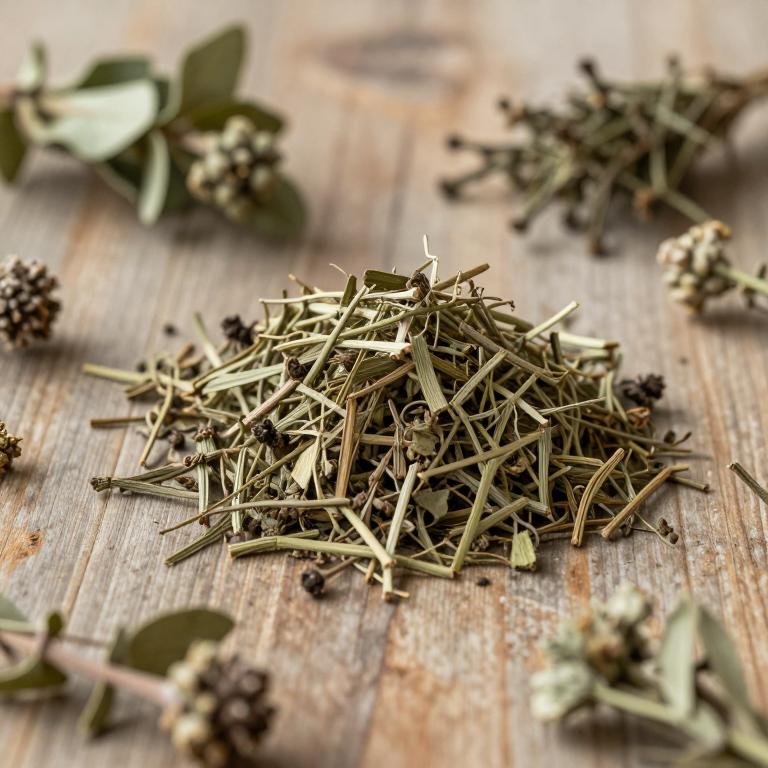
Epiberberine

Epiberberine is a bioactive isoquinoline alkaloid known for its significant pharmacological properties, including anti-inflammatory, antibacterial, and potential anticancer activities. This compound is primarily found in medicinal plants such as Coptis chinensis (Goldthread) and certain species of Berberis.
Associated herbs: 1

Occurs naturally in

Coptis chinensis
View all Epiberberine herbs →
Epimedin A

Epimedin A is a bioactive flavonoid found in plants of the Epimedium genus that is primarily studied for its potential roles in improving sexual function and promoting bone health. This specific compound can be sourced from various medicinal herbs, including Epimedium pseudowushanense, Epimedium pubescens, and other species within the Epimedium family.

Associated herbs: 4

Occurs naturally in

Epimedium pseudowushanense

Epimedium

Epimedium pubescens

View all Epimedin A herbs →

Essential amino acids

Essential amino acids are critical bioactive compounds that the human body cannot synthesize on its own and must be obtained through dietary sources to support protein synthesis and metabolic functions. Many medicinal herbs are rich in these nutrients, such as Moringa oleifera, Maianthemum atropurpureum, and Changium smyrnioides.

Associated herbs: 3

Occurs naturally in

Maianthemum atropurpureum

Changium smyrnioides

Moringa oleifera

View all Essential amino acids herbs →

Eurycomanone

Eurycomanone is a potent quassinoid bioactive compound known for its significant pharmacological properties, including its ability to boost testosterone levels and enhance physical performance. It is most notably found in the medicinal herb Eurycoma longifolia, commonly referred to as Tongkat Ali.

Associated herbs: 1

Occurs naturally in

Eurycoma longifolia

View all Eurycomanone herbs →

FURFURAL

Furfural is a bioactive organic compound derived from the dehydration of pentose sugars, often utilized in medicinal contexts for its potential antimicrobial and antioxidant properties. It can be found naturally in various medicinal plants, including Rosa abyssinica, Sambucus nigra, and Terminalia arjuna.

Associated herbs: 5

Occurs naturally in

Rosa abyssinica

Sambucus nigra

Terminalia arjuna

View all FURFURAL herbs →

Falcarinol

Falcarinol is a naturally occurring polyacetylene compound found in various medicinal herbs that exhibits significant antimicrobial, antifungal, and anticancer activities. This bioactive molecule is present in several plant species, including Crithmum maritimum, Pittosporum eriocarpum, and Panax notoginseng.

Associated herbs: 6

Occurs naturally in

Crithmum maritimum

Pittosporum eriocarpum

Panax notoginseng

View all Falcarinol herbs →

Furocoumarins

Furocoumarins are a class of bioactive compounds found in various medicinal herbs that are known for their potent pharmacological activities, including antimicrobial, anti-inflammatory, and phototoxic properties. Common examples of plants containing these compounds include Ducrosia anethifolia, Angelica dahurica, and Salvia miltiorrhiza.

Associated herbs: 6

Occurs naturally in

Ducrosia anethifolia

Angelica dahurica

Salvia miltiorrhiza

View all Furocoumarins herbs →

GA3

Gibberellic acid (GA3) is a potent phytohormone that plays a critical role in regulating plant growth, seed germination, and various physiological development processes. This bioactive compound can be found in several medicinal herbs, such as Bletilla striata, Paeonia lactiflora, and Dendrobium officinale.

Associated herbs: 7

Occurs naturally in

Bletilla striata

Paeonia lactiflora

Dendrobium officinale

View all GA3 herbs →

GLUTAMIC ACID

Glutamic acid is a vital non-essential amino acid that serves as a key excitatory neurotransmitter in the central nervous system and plays a crucial role in protein synthesis and metabolic processes. This bioactive compound can be found in various medicinal plants, including Tamarix dioica, Moringa oleifera, and Moringa stenopetala.

Associated herbs: 6

Occurs naturally in

Tamarix dioica

Moringa oleifera

Moringa stenopetala

View all GLUTAMIC ACID herbs →

Garcinol

Garcinol is a potent bioactive polyphenol known for its diverse pharmacological properties, including antioxidant, anti-inflammatory, and anticancer activities. This compound is primarily found in various species of the Garcinia genus, such as Garcinia dulcis and Garcinia huillensis.

Associated herbs: 4

Occurs naturally in

Garcinia

Garcinia dulcis

Garcinia huillensis

View all Garcinol herbs →

Germacranolide

Germacranolides are a class of bioactive sesquiterpene lactones known for their diverse pharmacological properties, including anti-inflammatory, antimicrobial, and cytotoxic activities. This specific compound is commonly found in various medicinal herbs, such as Artemisia caruifolia, Arctotis arctotoides, and Artemisia pallens.

Associated herbs: 5

Occurs naturally in

Artemisia caruifolia

Arctotis arctotoides

Artemisia pallens

View all Germacranolide herbs →

Ginkgetin

Ginkgetin is a bioactive flavonoid compound known for its potential antioxidant, anti-inflammatory, and neuroprotective properties. It can be found in various medicinal plants, including Ginkgo biloba, Elateriospermum tapos, and Selaginella moellendorffii.

Associated herbs: 4

Occurs naturally in

Ginkgo biloba

Elateriospermum tapos

Selaginella moellendorffii

View all Ginkgetin herbs →

Ginkgolide A

Ginkgolide A is a potent bioactive terpene lactone primarily known for its ability to inhibit platelet-activating factor (PAF), which helps regulate blood flow and inflammation. This specific compound is most famously found in the leaves of the Ginkgo biloba tree.

Associated herbs: 2

Occurs naturally in

Ginkgo

Ginkgo biloba

View all Ginkgolide A herbs →

Ginkgolide C

Ginkgolide C is a potent terpene trilactone found in certain medicinal plants, primarily recognized for its ability to inhibit platelet-activating factor (PAF) to improve blood circulation. This bioactive compound is most notably concentrated in the leaves of Ginkgo biloba and can also be found in species such as Hedychium coronarium.

Associated herbs: 3

Occurs naturally in

Ginkgo biloba

Ginkgo

Hedychium coronarium

View all Ginkgolide C herbs →

Ginsenoside Rc

Ginsenoside Rc is a specific bioactive saponin belonging to the protopanaxatriol group, known for its potential neuroprotective and anti-inflammatory properties. This compound is primarily found in various species of the Panax genus, including Panax ginseng and Panax quinquefolius.

Associated herbs: 3

Occurs naturally in

Panax

Panax ginseng

Panax quinquefolius

View all Ginsenoside Rc herbs →