Explore herbs compounds

  • 12404 Plants
  • |
  • 11288 Compounds
  • |
  • 16281 Activities
  • |
  • 132161 Studies

Explore Herbs


Alphabet


Biological Activities

View all →

Bioactive Compounds

View all →

Plant Parts

View all →

List of herbs compounds

Showing 817-864 out of 11883 results

epiafzelechin

Epiafzelechin is a bioactive flavan-3-ol found in various medicinal herbs that is recognized for its potential antioxidant and anti-inflammatory properties. This compound can be isolated from plant species such as Taxus mairei, Psychotria sylvatica, and Drynaria roosii.

Associated herbs: 5

Occurs naturally in

Taxus mairei

Psychotria sylvatica

Drynaria roosii

View all epiafzelechin herbs →

epigallocatechin-3-O-gallate

Epigallocatechin-3-O-gallate (EGCG) is a potent polyphenolic compound renowned for its significant antioxidant, anti-inflammatory, and anticancer properties. This bioactive molecule can be found in various medicinal herbs, including Myrica gale, Senegalia catechu, and Limonium sinense.

Associated herbs: 6

Occurs naturally in

Myrica gale

Senegalia catechu

Limonium sinense

View all epigallocatechin-3-O-gallate herbs →

fatty acid esters

Fatty acid esters are bioactive compounds formed through the esterification of fatty acids with alcohols, often contributing to the lipid-soluble properties and biological activities of medicinal plants. These compounds can be found in various therapeutic herbs, such as Bidens pilosa, Puya chilensis, and Aesculus indica.

Associated herbs: 6

Occurs naturally in

Bidens pilosa

Puya chilensis

Aesculus indica

View all fatty acid esters herbs →

gedunin

Gedunin is a potent bioactive limonoid known for its significant antimalarial, anti-inflammatory, and anti-cancer properties. This compound is primarily found in medicinal plants such as Azadirachta indica (Neem) and Xylocarpus granatum.

Associated herbs: 2

Occurs naturally in

Azadirachta indica

Xylocarpus granatum

View all gedunin herbs →

glucuronic acid

Glucuronic acid is a naturally occurring organic acid that plays a vital role in detoxification processes by enhancing the solubility of metabolic waste for excretion. This bioactive compound can be found in various medicinal plants, such as Kadsura coccinea, Entada elephantina, and Pentanisia prunelloides.

Associated herbs: 7

Occurs naturally in

Kadsura coccinea

Entada elephantina

Pentanisia prunelloides

View all glucuronic acid herbs →

indole

Indole is a versatile nitrogen-containing heterocyclic compound found in many medicinal plants, often serving as a core structural component for various alkaloids with diverse pharmacological activities. This bioactive compound is present in a wide range of botanical species, including Datura, Drynaria quercifolia, and Syzygium aromaticum.

Associated herbs: 6

Occurs naturally in

Datura

Drynaria quercifolia

Syzygium aromaticum

View all indole herbs →

indole-3-acetic acid

Indole-3-acetic acid is a naturally occurring phytohormone belonging to the auxin family that plays a critical role in regulating plant growth, cell elongation, and development. This bioactive compound can be found in various medicinal herbs, including Eucommia ulmoides, Tulbaghia simmleri, and Glycyrrhiza uralensis.

Associated herbs: 8

Occurs naturally in

Eucommia ulmoides

Tulbaghia simmleri

Glycyrrhiza uralensis

View all indole-3-acetic acid herbs →

khellin

Khellin is a bioactive furanocoumarin derivative primarily recognized for its potent smooth muscle relaxant and bronchodilatory properties. It is found in several medicinal herbs, most notably in Ammi majus, Cullen corylifolium, and Visnaga daucoides.

Associated herbs: 3

Occurs naturally in

Visnaga daucoides

Cullen corylifolium

Ammi majus

View all khellin herbs →

lanosterol

Lanosterol is a key triterpenoid precursor essential for the biosynthesis of cholesterol and various steroid hormones in living organisms. This bioactive compound can be found in several medicinal plants, including Borassus aethiopum, Ficus religiosa, and Ziziphus mauritiana.

Associated herbs: 7

Occurs naturally in

Borassus aethiopum

Ficus religiosa

Ziziphus mauritiana

View all lanosterol herbs →

oleanonic acid

Oleanonic acid is a natural pentacyclic triterpenoid known for its diverse pharmacological properties, including potent anti-inflammatory, anti-tumor, and hepatoprotective activities. This bioactive compound can be found in various medicinal plants, such as Ekebergia capensis, Lantana camara, and Heptapleurum heptaphyllum.

Associated herbs: 5

Occurs naturally in

Ekebergia capensis

Lantana camara

Heptapleurum heptaphyllum

View all oleanonic acid herbs →

piceatannol

Piceatannol is a potent polyphenolic stilbenoid known for its strong antioxidant, anti-inflammatory, and anti-cancer properties. This bioactive compound can be found in various medicinal plants, including Rheum sublanceolatum, Rheum rhaponticum, and Euphorbia lagascae.

Associated herbs: 6

Occurs naturally in

Rheum sublanceolatum

Rheum rhaponticum

Euphorbia lagascae

View all piceatannol herbs →

quercetin 3-O-beta-D-glucopyranoside

Quercetin 3-O-beta-D-glucopyranoside, also known as isoquercitrin, is a natural flavonoid glycoside recognized for its potent antioxidant, anti-inflammatory, and cardioprotective properties. This bioactive compound is found in various medicinal plants, including Alhagi maurorum, Phlomis aurea, and Erica strigosa.

Associated herbs: 8

Occurs naturally in

Alhagi maurorum

Phlomis aurea

Erica strigosa

View all quercetin 3-O-beta-D-glucopyranoside herbs →

sterol

Sterols are a class of bioactive lipid compounds found in plant cell membranes that play a crucial role in modulating biological processes such as anti-inflammatory and cholesterol-lowering activities. These essential phytosterols are found in various medicinal herbs, including Alpinia officinarum, Acacia auriculiformis, and Senegalia rugata.

Associated herbs: 8

Occurs naturally in

Alpinia officinarum

Acacia auriculiformis

Senegalia rugata

View all sterol herbs →

trans-Anethole

Trans-anethole is a phenylpropene derivative responsible for the characteristic sweet, licorice-like aroma and various pharmacological activities, including anti-inflammatory and antimicrobial effects. This bioactive compound is found in several medicinal herbs, such as Illicium verum (star anise), Piper regnellii (African black pepper), and Foeniculum vulgare (fennel).

Associated herbs: 3

Occurs naturally in

Illicium verum

Piper regnellii

Foeniculum vulgare

View all trans-Anethole herbs →

tryptophan

Tryptophan is an essential amino acid that serves as a critical precursor for the synthesis of serotonin and melatonin, playing a vital role in regulating mood, sleep, and cognitive function. This bioactive compound can be found in various medicinal and nutritional plants, such as Phaseolus vulgaris (common bean), Cyclocarya paliurus (sweet tea tree), and Sorghum.

Associated herbs: 5

Occurs naturally in

Phaseolus vulgaris

Cyclocarya paliurus

Sorghum

View all tryptophan herbs →

tyrosine

Tyrosine is a non-essential amino acid that serves as a critical precursor for the synthesis of essential neurotransmitters, including dopamine, epinephrine, and norepinephrine. This bioactive compound can be found in various medicinal plants, such as Tamarix dioica, Piper sarmentosum, and Phaseolus vulgaris.

Associated herbs: 7

Occurs naturally in

Tamarix dioica

Piper sarmentosum

Phaseolus vulgaris

View all tyrosine herbs →

uridine

Uridine is a naturally occurring nucleoside that plays a vital role in cellular metabolism, particularly in the synthesis of RNA and the regulation of energy production. This bioactive compound can be found in various medicinal herbs, such as Lindackeria dentata, Gynura divaricata, and Maianthemum.

Associated herbs: 10

Occurs naturally in

Lindackeria dentata

Gynura divaricata

Maianthemum

View all uridine herbs →

14-deoxyandrographolide

14-deoxyandrographolide is a bioactive diterpenoid lactone known for its potent anti-inflammatory, antioxidant, and potential anticancer properties. This compound is primarily found in medicinal herbs such as Andrographis paniculata, commonly known as king of bitters.

Associated herbs: 1

Occurs naturally in

Andrographis paniculata

View all 14-deoxyandrographolide herbs →

24-Methylenecycloartanol

24-Methylenecycloartanol is a bioactive triterpene commonly found in various medicinal plants, where it is often studied for its potential pharmacological properties. This specific compound is a notable constituent in several species of the Euphorbia genus, including Euphorbia palustris, Euphorbia ebracteolata, and Euphorbia hirsuta.

Associated herbs: 6

Occurs naturally in

Euphorbia palustris

Euphorbia ebracteolata

Euphorbia hirsuta

View all 24-Methylenecycloartanol herbs →

5-O-Caffeoylquinic acid

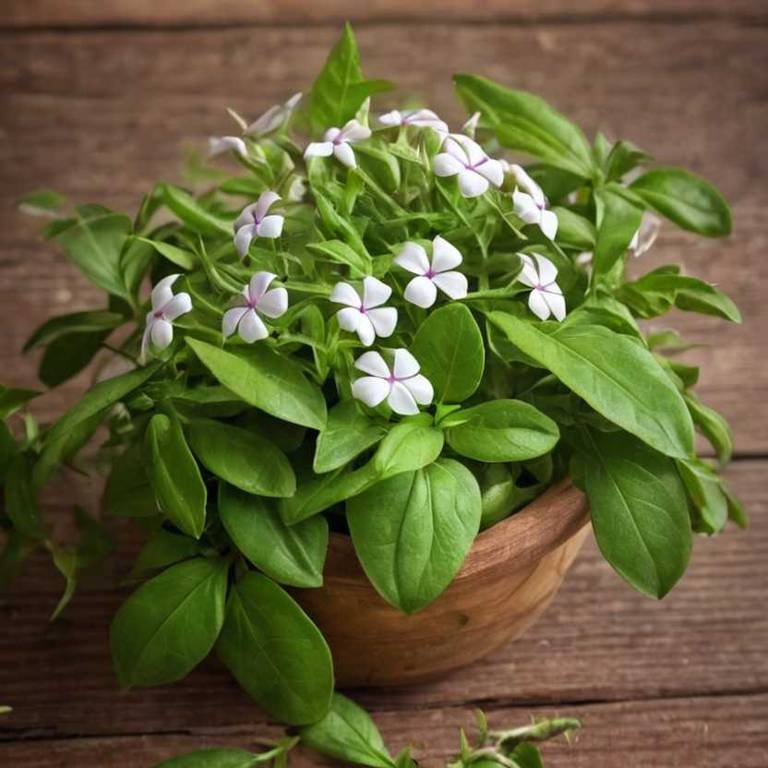
5-O-Caffeoylquinic acid is a potent bioactive polyphenol known for its significant antioxidant, anti-inflammatory, and neuroprotective properties. This compound is found in various medicinal plants, including Himatanthus draconicus, Catharanthus roseus, and Baccharoides anthelmintica.

Associated herbs: 5

Occurs naturally in

Himatanthus drasticus

Catharanthus roseus

Baccharoides anthelmintica

View all 5-O-Caffeoylquinic acid herbs →

8-Acetylharpagide

8-Acetylharpagide is a bioactive iridoid glycoside known for its potential pharmacological properties, including anti-inflammatory and antioxidant activities. This compound can be found in various medicinal herbs such as Caryopteris mongholica, Leonurus panzerioides, and Ajuga decumbens.

Associated herbs: 4

Occurs naturally in

Caryopteris mongholica

Leonurus panzerioides

Ajuga decumbens

View all 8-Acetylharpagide herbs →

AFLATOXIN B1

Aflatoxin B1 is a potent mycotoxin produced by certain molds that can contaminate various medicinal plants, posing significant risks of hepatotoxicity and carcinogenicity if ingested. While not a naturally produced bioactive constituent of the herbs themselves, it can be found as a contaminant in samples of species such as Hibiscus sabdariffa, Gossypium (cotton/kapok), Senna, and Mucuna pruriens due to improper drying or storage conditions.

Associated herbs: 5

Occurs naturally in

Sabdariffa gossypiifolia

Senna

Mucuna pruriens

View all AFLATOXIN B1 herbs →

ALPHA-PHELLANDRENE

Alpha-phellandrene is a naturally occurring monoterpene hydrocarbon known for its potential antimicrobial, antioxidant, and anti-inflammatory properties. This bioactive compound can be found in various medicinal herbs, including Eleutherococcus senticosus (often associated with Eleutherococcus brachypus), Artemisia absinthium, and Teucrium polium.

Associated herbs: 5

Occurs naturally in

Eleutherococcus brachypus

Artemisia absinthium

Teucrium polium

View all ALPHA-PHELLANDRENE herbs →

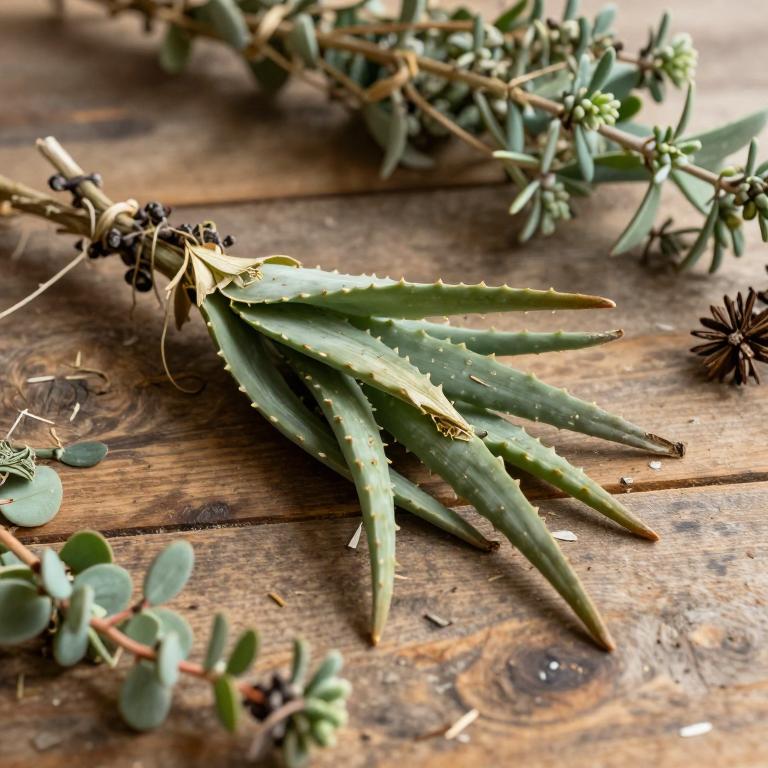
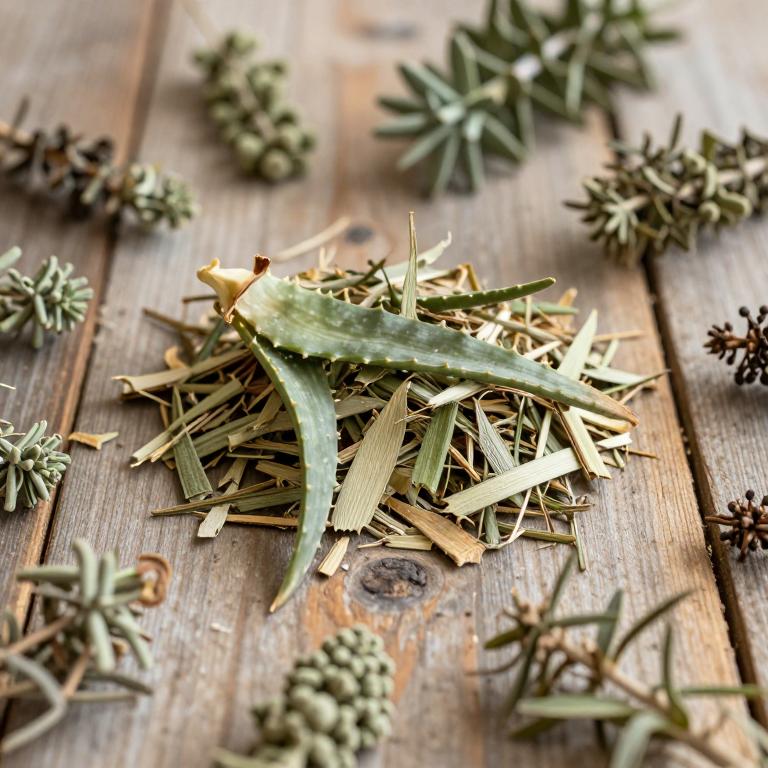
Acemannan

Acemannan is a complex polysaccharide found in certain medicinal plants that is highly valued for its ability to support immune function and promote wound healing. This bioactive compound is primarily concentrated in various species of the Aloe genus, such as Aloe vera and Aloe succotrina.

Associated herbs: 2

Occurs naturally in

Aloe succotrina

Aloe

View all Acemannan herbs →

Actinodaphnine

Actinodaphnine is a bioactive alkaloid derived from various medicinal plants that has been studied for its potential pharmacological properties. This specific compound can be found in several species of the Illigera genus, including Illigera aromatica, Illigera henryi, and Illigera parviflora.

Associated herbs: 5

Occurs naturally in

Illigera aromatica

Illigera henryi

Illigera parviflora

View all Actinodaphnine herbs →

Adonifoline

Adonifoline is a bioactive alkaloid found in certain medicinal plants, often studied for its potential pharmacological activities in biological systems. A notable example of a plant containing this compound is Pseudogynoxys chenopodioides.

Associated herbs: 1

Occurs naturally in

Pseudogynoxys chenopodioides

View all Adonifoline herbs →

Aescin

Aescin is a potent bioactive saponin derived from horse chestnut, primarily recognized for its ability to reduce inflammation and strengthen capillary walls. This compound is most commonly extracted from medicinal herbs within the Aesculus genus, such as Aesculus hippocastanum and Aesculus chinensis.

Associated herbs: 5

Occurs naturally in

Aesculus chinensis

Aesculus

Aesculus hippocastanum

View all Aescin herbs →

Aesculetin

Aesculetin is a bioactive coumarin derivative known for its diverse pharmacological properties, including anti-inflammatory, antioxidant, and potential anti-tumor activities. This compound can be found in various medicinal herbs, such as Euphorbia lagascae, Santolina oblongifolia, and Bupleurum fruticosum.

Associated herbs: 5

Occurs naturally in

Euphorbia lagascae

Santolina oblongifolia

Bupleurum fruticosum

View all Aesculetin herbs →

Agnuside

Agnuside is a bioactive iridoid glycoside known for its potential pharmacological properties, particularly in demonstrating anti-inflammatory and neuroprotective effects. This compound is primarily found in various species of the Vitex genus, such as Vitex altissima, Vitex negundo, and Vitex agnus-castus.

Associated herbs: 5

Occurs naturally in

Vitex altissima

Vitex negundo

Vitex agnus-castus

View all Agnuside herbs →

Albiflorin

Albiflorin is a monoterpene glycoside known for its significant anti-inflammatory, antispasmodic, and analgesic properties in medicinal applications. It is most notably found in the roots of herbs such as Paeonia lactiflora (peony) and Albizia julibrissin.

Associated herbs: 1

Occurs naturally in

Paeonia lactiflora

View all Albiflorin herbs →

Alpinetin

Alpinetin is a natural methoxyflavone renowned for its potent antioxidant, anti-inflammatory, and anti-tumor properties. This bioactive compound can be found in various medicinal plants, such as Boesenbergia rotunda and Campomanesia phaea.

Associated herbs: 2

Occurs naturally in

Boesenbergia rotunda

Campomanesia phaea

View all Alpinetin herbs →

Amines

Amines are organic compounds derived from ammonia that serve as essential bioactive constituents in medicinal plants, often exerting significant physiological effects on the human body. These compounds are found in various therapeutic herbs, including Stachytarpheta cayennensis, Evolvulus alsinoides, and Acacia.

Associated herbs: 5

Occurs naturally in

Stachytarpheta cayennensis

Evolvulus alsinoides

Acacia

View all Amines herbs →

Anthocyanidins

Anthocyanidins are a group of natural pigments belonging to the flavonoid family, known for their potent antioxidant and anti-inflammatory properties. These bioactive compounds can be found in various medicinal herbs, including Oldenlandia, Entada elephantina, and Pentanisia prunelloides.

Associated herbs: 5

Occurs naturally in

Oldenlandia

Entada elephantina

Pentanisia prunelloides

View all Anthocyanidins herbs →

Apigenin 7-glucoside

Apigenin 7-glucoside is a bioactive flavonoid glycoside known for its potent antioxidant, anti-inflammatory, and neuroprotective properties. This compound can be found in various medicinal plants, including Luffa acutangula, Matricaria chamomilla, and Chrozophora tinctoria.

Associated herbs: 5

Occurs naturally in

Luffa acutangula

Matricaria chamomilla

Chrozophora tinctoria

View all Apigenin 7-glucoside herbs →

Ar-Curcumene

Ar-curcumene is a bioactive sesquiterpene compound found in various medicinal herbs that is studied for its potential anti-inflammatory and antioxidant properties. This specific compound is a constituent of plants such as Curcuma longa (turmeric), Murraya paniculata, and Pimpinella candolleana.

Associated herbs: 4

Occurs naturally in

Pimpinella candolleana

Murraya paniculata

Curcuma longa

View all Ar-Curcumene herbs →

Aristolochic acid

Aristolochic acid is a potent nephrotoxic and carcinogenic bioactive compound found in several medicinal herbs, known for causing severe kidney damage and urothelial cancers. It is primarily present in species such as Aristolochia clematitis, Aristolochia tuberosa, and Asarum sieboldii.

Associated herbs: 4

Occurs naturally in

Aristolochia clematitis

Aristolochia tuberosa

Asarum sieboldii

View all Aristolochic acid herbs →

Aristolochic acid II

Aristolochic acid II is a potent bioactive compound found in certain medicinal herbs that is known for its significant nephrotoxicity and carcinogenic potential. This specific acid is primarily derived from plants within the Aristolochiaceae family, including species such as Aristolochia, Aristolochia contorta, and Asarum.

Associated herbs: 6

Occurs naturally in

Asarum

Aristolochia

Aristolochia contorta

View all Aristolochic acid II herbs →

Asperuloside

Asperuloside is a bioactive iridoid glycoside known for its diverse pharmacological properties, including potential anti-inflammatory and antioxidant activities. This compound is found in various medicinal plants, such as Heterophyllaea pustulata, Morinda citrifolia, and Hexasepalum teres.

Associated herbs: 8

Occurs naturally in

Heterophyllaea pustulata

Morinda citrifolia

Hexasepalum teres

View all Asperuloside herbs →

Astragalosides

Astragalosides are a group of bioactive saponins known for their potent immunomodulatory, antioxidant, and cardioprotective properties. These compounds are most famously found in medicinal herbs such as Astragalus mongholicus, which is widely used in traditional medicine to enhance vitality and immune function.

Associated herbs: 1

Occurs naturally in

Astragalus mongholicus

View all Astragalosides herbs →

B2

Vitamin B2, also known as riboflavin, is an essential water-soluble micronutrient that plays a critical role in energy metabolism and cellular function. While it is typically associated with dietary sources, certain medicinal herbs such as Datura innoxia, Hyoscyamus albus, and Mandragora autumnalis contain various bioactive compounds that support overall metabolic health.

Associated herbs: 7

Occurs naturally in

Datura innoxia

Hyoscyamus albus

Mandragora autumnalis

View all B2 herbs →

Bellidifolin

Bellidifolin is a bioactive secoiridoid glycoside recognized for its diverse pharmacological potential, including antioxidant and anti-inflammatory properties. This compound is primarily found in medicinal herbs such as Gentianella amarella subsp. acuta, Swertia chirayita, and Swertia japonica.

Associated herbs: 5

Occurs naturally in

Gentianella amarella subsp. acuta

Swertia chirayita

Swertia japonica

View all Bellidifolin herbs →

Boldine

Boldine is a bioactive isoquinoline alkaloid known for its significant pharmacological properties, including antioxidant, anti-inflammatory, and hepatoprotective effects. It is primarily found in medicinal herbs such as Peumus boldus, Lindera angustifolia, and Dehaasia longipedicellata.

Associated herbs: 3

Occurs naturally in

Peumus boldus

Lindera angustifolia

Dehaasia longipedicellata

View all Boldine herbs →

COMPOUND 6

Since you did not specify the name of "Compound 6" (e.g., a specific flavonoid, alkaloid, or terpenoid), I have provided a template below. Please replace the bracketed text with the actual name of the compound to complete your explanation. Option 1: If the compound is known for its biological activity (e.g., anti-inflammatory or antioxidant) [Compound 6] is a potent bioactive constituent recognized for its significant [insert property, e.g., antioxidant/anti-inflammatory] activities in medicinal applications. This specific compound can be found naturally occurring in various medicinal herbs, such as Toxicodendron vernicifluum, Caragana sukiensis, and Callicarpa integerrima. Option 2: If the compound is known for its chemical structure (e.g., a specific class of molecule) [Compound 6] belongs to the [insert class, e.g., triterpenoid/flavonoid] family and plays a crucial role in the therapeutic efficacy of several plant species. It is a key phytochemical present in herbs including Toxicodendron vernicifluum, Caragana sukiensis, and Callicarpa integerrima. Note for accuracy: If "Compound 6" refers to a specific molecule from a research paper you are reading, please provide the name of that molecule so I can write a scientifically accurate description of its function.

Associated herbs: 5
Occurs naturally in

Toxicodendron vernicifluum

Caragana sukiensis

Callicarpa integerrima

View all COMPOUND 6 herbs →

CONIFERYL ALCOHOL

Coniferyl alcohol is a bioactive phenolic compound found in various medicinal plants that exhibits significant antioxidant, anti-inflammatory, and antimicrobial properties. It is a key constituent in herbs such as Cochlospermum vitifolium, Sambucus sieboldiana, and Elaeocarpus sylvestris.

Associated herbs: 5
Occurs naturally in

Cochlospermum vitifolium

Sambucus sieboldiana

Elaeocarpus sylvestris

View all CONIFERYL ALCOHOL herbs →

COSMOSIIN

Cosmosiin is a bioactive flavonoid compound known for its potential antioxidant and anti-inflammatory properties in various medicinal applications. It is commonly found in medicinal herbs such as Cordia myxa, Dracocephalum tanguticum, and Centaurea depressa.

Associated herbs: 6

Occurs naturally in

Cordia myxa

Dracocephalum tanguticum

Centaurea depressa

View all COSMOSIIN herbs →

CYTISINE

Cytisine is a bioactive alkaloid found in several medicinal plants that acts as a nicotinic acetylcholine receptor agonist, making it a key component in smoking cessation therapies. This compound is primarily sourced from herbs such as Maackia amurensis, Sophora tonkinensis, and Laburnum anagyroides.

Associated herbs: 9

Occurs naturally in

Maackia amurensis

Sophora tonkinensis

Laburnum anagyroides

View all CYTISINE herbs →

Cadambine

Cadambine is a bioactive indole alkaloid known for its diverse pharmacological properties, including anti-inflammatory, antimicrobial, and potential neuroprotective effects. This compound is found in various medicinal plants such as Neolamarckia cadamba, Guettarda, and Uncaria tomentosa.

Associated herbs: 3

Occurs naturally in

Neolamarckia cadamba

Guettarda

Uncaria tomentosa

View all Cadambine herbs →

Calenduloside E

Calenduloside E is a bioactive triterpene glycoside known for its potential pharmacological properties, including anti-inflammatory and antioxidant activities. This specific compound can be found in various medicinal herbs such as Chenopodium album var. album, Aralia elata, and Anredera cordifolia.

Associated herbs: 3

Occurs naturally in

Chenopodium album var. album

Aralia elata

Anredera cordifolia

View all Calenduloside E herbs →