Explore herbs compounds

  • 12404 Plants
  • |
  • 11288 Compounds
  • |
  • 16281 Activities
  • |
  • 132161 Studies

Explore Herbs


Alphabet


Biological Activities

View all →

Bioactive Compounds

View all →

Plant Parts

View all →

List of herbs compounds

Showing 769-816 out of 11883 results

PAS

PAS (Polyacetylenes) are a class of bioactive compounds characterized by a structure containing multiple carbon-carbon triple bonds, often exhibiting significant antimicrobial, antifungal, and anti-inflammatory properties. These compounds are found in various medicinal and model plants, including Arabidopsis thaliana, Panax species, and Echites umbellatus.

Associated herbs: 7
Occurs naturally in

Arabidopsis thaliana

Panax

Echites umbellatus

View all PAS herbs →

PENTADECANOIC ACID

Pentadecanoic acid is a long-chain saturated fatty acid known for its potent anti-inflammatory, antimicrobial, and potential anti-cancer properties in medicinal applications. This bioactive compound can be found in various therapeutic herbs, including Phyllolobium chinense, Tetrapilus dioicus, and Clinacanthus nutans.

Associated herbs: 5

Occurs naturally in

Phyllolobium chinense

Tetrapilus dioicus

Clinacanthus nutans

View all PENTADECANOIC ACID herbs →

Panduratin A

Panduratin A is a potent bioactive flavonoid known for its significant anti-inflammatory, antimicrobial, and anti-cancer properties. This compound is primarily found in medicinal herbs such as Boesenbergia rotunda (Fingerroot) and Renealmia nicolaioides.

Associated herbs: 2

Occurs naturally in

Boesenbergia rotunda

Renealmia nicolaioides

View all Panduratin A herbs →

Patuletin

Patuletin is a bioactive flavone known for its potent antioxidant, anti-inflammatory, and neuroprotective properties. This compound can be found in various medicinal herbs, including Tagetes erecta, Echinacea angustifolia, and Tagetes pauciloba.

Associated herbs: 6

Occurs naturally in

Tagetes erecta

Echinacea angustifolia

Tagetes pauciloba

View all Patuletin herbs →

Peimine

Peimine is a prominent alkaloid found in various species of the Fritillaria genus, known for its significant pharmacological effects on the respiratory and central nervous systems. This bioactive compound is primarily extracted from medicinal herbs such as Fritillaria cirrhosa, Fritillaria thunbergii, and Fritillaria monantha.

Associated herbs: 5

Occurs naturally in

Fritillaria cirrhosa

Fritillaria thunbergii

Fritillaria monantha

View all Peimine herbs →

Pellitorine

Pellitorine is a potent bioactive alkaloid known for its characteristic pungent taste and significant pharmacological properties, including analgesic, antimicrobial, and anti-inflammatory effects. This compound is primarily found in medicinal herbs such as Piper sarmentosum, Anacyclus pyrethrum, and Piper tuberculatum.

Associated herbs: 4

Occurs naturally in

Piper sarmentosum

Anacyclus pyrethrum

Piper tuberculatum

View all Pellitorine herbs →

Phellopterin

Phellopterin is a bioactive coumarin derivative found in various medicinal herbs that is often studied for its potential anti-inflammatory and antioxidant properties. This compound is primarily extracted from plants such as Glehnia littoralis, Angelica dahurica, and Angelica archangelica.

Associated herbs: 5

Occurs naturally in

Glehnia littoralis

Angelica dahurica

Angelica archangelica

View all Phellopterin herbs →

Phenanthrenes

Phenanthrenes are a class of tetracyclic aromatic compounds found in various medicinal plants that often exhibit significant pharmacological activities, such as anti-inflammatory and antimicrobial properties. These bioactive molecules can be isolated from several herbal species, including Calanthe, Juncus decipiens, and Bletilla ochracea.

Associated herbs: 11

Occurs naturally in

Calanthe

Juncus decipiens

Bletilla ochracea

View all Phenanthrenes herbs →

Piceid

Piceid is a bioactive phenolic glycoside known for its significant antioxidant, anti-inflammatory, and neuroprotective properties in various medicinal applications. This compound can be found in several plant species, including Gossypium hirsutum var. hirsutum, Vitis heyneana, and Reynoutria × bohemica.

Associated herbs: 5

Occurs naturally in

Gossypium hirsutum var. hirsutum

Vitis heyneana

Reynoutria × bohemica

View all Piceid herbs →

Piperlonguminine

Piperlonguminine is a bioactive alkaloid known for its diverse pharmacological properties, including anti-inflammatory, antioxidant, and potential anti-cancer activities. This specific compound can be found in several medicinal plants belonging to the pepper family, such as Piper retrofractum, Piper scutatum, and Piper guineense.

Associated herbs: 3

Occurs naturally in

Piper retrofractum

Piper scutatum

Piper guineense

View all Piperlonguminine herbs →

Pogostone

Pogostone is a natural terpenoid compound known for its significant antimicrobial, insecticidal, and anti-inflammatory properties. It is most notably found in medicinal herbs such as Pogostemon cablin, commonly known as Patchouli.

Associated herbs: 1

Occurs naturally in

Pogostemon cablin

View all Pogostone herbs →

Polyphenolic

Polyphenols are a diverse group of bioactive compounds found in plants that act as potent antioxidants to neutralize free radicals and reduce inflammation in the body. These compounds are abundantly present in various medicinal herbs, such as Broussonetia papyrifera, Tetradenia riparia, and Quercus robur.

Associated herbs: 7
Occurs naturally in

Broussonetia papyrifera

Tetradenia riparia

Quercus robur

View all Polyphenolic herbs →

Polypodine b

Polypodine B is a bioactive compound belonging to the class of stilbenoids, known for its potential pharmacological properties in various biological systems. This specific compound can be found in medicinal herbs such as Rhaponticum carthamoides, Paratinospora sagittata, and Serratula coronata.

Associated herbs: 6

Occurs naturally in

Rhaponticum carthamoides

Paratinospora sagittata

Serratula coronata

View all Polypodine b herbs →

Pomolic acid

Pomolic acid is a bioactive phenolic compound known for its potent antioxidant, anti-inflammatory, and antimicrobial properties. It can be found in various medicinal plants, including Mentha aquatica, Chaenomeles, and Polylepis racemosa.

Associated herbs: 9

Occurs naturally in

Mentha aquatica

Chaenomeles

Polylepis racemosa

View all Pomolic acid herbs →

Pyrrolizidine alkaloid

Pyrrolizidine alkaloids are a class of nitrogen-containing secondary metabolites produced by various plants as a chemical defense mechanism against herbivores. These bioactive compounds are found in several medicinal and toxic herbs, including Crotalaria sericea var. sericea, Ligularia hodgsonii, and Pseudogynoxys chenopodioides.

Associated herbs: 8

Occurs naturally in

Crotalaria sericea var. sericea

Ligularia hodgsonii

Pseudogynoxys chenopodioides

View all Pyrrolizidine alkaloid herbs →

Quercetin 3-glucoside

Quercetin 3-glucoside is a bioactive flavonoid glycoside known for its potent antioxidant, anti-inflammatory, and neuroprotective properties. This specific compound can be found in various medicinal herbs, including Warburgia ugandensis, Salicornia europaea, and Convolvulus pilosellifolius.

Associated herbs: 6

Occurs naturally in

Warburgia ugandensis

Salicornia europaea

Convolvulus pilosellifolius

View all Quercetin 3-glucoside herbs →

Rohitukine

Rohitukine is a bioactive quinolone alkaloid recognized for its potent pharmacological properties, including anti-inflammatory, antimicrobial, and potential anti-cancer activities. This compound is primarily found in medicinal plants such as Dysoxylum gotadhora and Schumanniophyton magnificum.

Associated herbs: 2

Occurs naturally in

Dysoxylum gotadhora

Schumanniophyton magnificum

View all Rohitukine herbs →

Roseoside

Roseoside is a bioactive flavonoid glycoside known for its potential antioxidant and anti-inflammatory properties in medicinal applications. This compound can be found in various botanical sources, including Citrus maxima, Cryptomeria japonica, and Psydrax subcordatus.

Associated herbs: 6

Occurs naturally in

Citrus maxima

Cryptomeria japonica

Psydrax subcordatus

View all Roseoside herbs →

Rosmanol

Rosmanol is a bioactive diterpene quinone known for its diverse pharmacological properties, including significant antioxidant and anti-inflammatory activities. This compound can be found in various medicinal herbs, such as Satureja kitaibelii, Salvia chamelaeagnea, and Cyanocephalus incanus.

Associated herbs: 6

Occurs naturally in

Satureja kitaibelii

Salvia chamelaeagnea

Cyanocephalus incanus

View all Rosmanol herbs →

Sakuranetin

Sakuranetin is a bioactive flavanone known for its potent antioxidant, anti-inflammatory, and anticancer properties. This compound can be found in various medicinal herbs, such as Eremostachys rotata, Eriodictyon californicum, and Corymbia maculata.

Associated herbs: 8

Occurs naturally in

Eremostachys rotata

Eriodictyon californicum

Corymbia maculata

View all Sakuranetin herbs →

Salutaridine

Salutaridine is a key morphinan alkaloid that serves as a critical biosynthetic precursor in the production of various opium alkaloids. This bioactive compound can be found in medicinal herbs such as Papaver somniferum, Fissistigma oldhamii, and Cissampelos capensis.

Associated herbs: 5

Occurs naturally in

Fissistigma oldhamii

Cissampelos capensis

Papaver somniferum

View all Salutaridine herbs →

Schisantherin A

Schisantherin A is a bioactive lignan known for its potent antioxidant, anti-inflammatory, and neuroprotective properties. This compound is primarily found in medicinal herbs belonging to the Schisandra genus, such as Schisandra chinensis and Schisandra pubescens.

Associated herbs: 4

Occurs naturally in

Schisandra chinensis

Schisandra pubescens

Schisandra

View all Schisantherin A herbs →

Secoisolariciresinol

Secoisolariciresinol is a potent lignan found in various medicinal herbs that exhibits significant biological activities, including antioxidant, anti-inflammatory, and potential anticancer properties. This bioactive compound is present in several botanical species, such as Glehnia littoralis, Taxus wallichiana, and Terminalia pendula var. pendula.

Associated herbs: 9

Occurs naturally in

Glehnia littoralis

Taxus wallichiana

Terminalia pendula var. pendula

View all Secoisolariciresinol herbs →

Securinine

Securinine is a bioactive indole alkaloid derived from medicinal plants that is primarily recognized for its potent neurotoxic and anticonvulsant properties. This compound can be found in various herbal species, including Margaritaria discoidea, Flueggea suffruticosa, and Phyllanthus adami.

Associated herbs: 5

Occurs naturally in

Margaritaria discoidea

Flueggea suffruticosa

Phyllanthus adami

View all Securinine herbs →

Sennoside A

Sennoside A is a potent anthraquinone glycoside primarily utilized in herbal medicine for its stimulant laxative effects on the colon. This bioactive compound is most notably found in medicinal plants such as Senna alexandrina var. alexandrina, Senna, and Rheum tanguticum.

Associated herbs: 4

Occurs naturally in

Rheum tanguticum

Senna

Senna alexandrina var. alexandrina

View all Sennoside A herbs →

Shanzhiside methyl ester

Shanzhiside methyl ester is a bioactive iridoid glycoside known for its diverse pharmacological properties, including anti-inflammatory and neuroprotective activities. This compound can be found in various medicinal herbs, such as Phlomoides umbrosa, Phlomoides rotata, and Barleria trispinosa.

Associated herbs: 6

Occurs naturally in

Phlomoides umbrosa

Phlomoides rotata

Barleria trispinosa

View all Shanzhiside methyl ester herbs →

Silydianin

Silydianin is a bioactive flavonoid derivative known for its potential antioxidant and anti-inflammatory properties within medicinal plants. It is most notably found in the seeds of Silybum marianum, commonly known as milk thistle.

Associated herbs: 1

Occurs naturally in

Silybum marianum

View all Silydianin herbs →

Sinensetin

Sinensetin is a bioactive polymethoxylated flavone recognized for its significant anti-inflammatory, antioxidant, and potential anti-cancer properties. This compound can be found in various medicinal plants, including species such as Orthosiphon aristatus (Java tea) and members of the Ocimum genus.

Associated herbs: 3

Occurs naturally in

Orthosiphon aristatus var. aristatus

Orthosiphon aristatus

Ocimum

View all Sinensetin herbs →

Sophoridine

Sophoridine is a bioactive quinolizidine alkaloid known for its significant pharmacological properties, including anti-inflammatory, anti-tumor, and antimicrobial activities. This compound is primarily found in medicinal herbs of the Sophora genus, such as Sophora flavescens, Sophora alopecuroides, and other species within the Sophora lineage.

Associated herbs: 4

Occurs naturally in

Sophora flavescens

Sophora alopecuroides

Sophora

View all Sophoridine herbs →

Strictosidine

Strictosidine is a key indole alkaloid that serves as the universal biosynthetic precursor for a vast array of complex monoterpene indole alkaloids. This bioactive compound is found in various medicinal plants, including Rauvolfia serpentina, Chimaarrhis turbinata, and Catharanthus roseus.

Associated herbs: 4

Occurs naturally in

Rauvolfia serpentina

Chimarrhis turbinata

Catharanthus roseus

View all Strictosidine herbs →

TAGITININ-C

Tagitinin-C is a bioactive sesquiterpene lactone known for its significant anti-inflammatory, antimicrobial, and cytotoxic properties. This compound is primarily found in medicinal plants such as Tithonia diversifolia, commonly known as Mexican sunflower.

Associated herbs: 1

Occurs naturally in

Tithonia diversifolia

View all TAGITININ-C herbs →

Tinocordiside

Tinosporiside is a bioactive iridoid glycoside known for its potent antioxidant, anti-inflammatory, and neuroprotective properties. This specific compound is primarily found in medicinal plants such as Tinospora cordifolia, commonly known as Guduchi.

Associated herbs: 1

Occurs naturally in

Tinospora cordifolia

View all Tinocordiside herbs →

Trifolirhizin

Trifolirhizin is a bioactive flavonoid glycoside known for its potential pharmacological properties, including anti-inflammatory and antioxidant activities. This compound is primarily found in medicinal herbs such as Sophora flavescens, Sophora tonkinensis, and Caragana microphylla.

Associated herbs: 6

Occurs naturally in

Sophora flavescens

Sophora tonkinensis

Caragana microphylla

View all Trifolirhizin herbs →

Tubuloside B

Tubuloside B is a bioactive phenylethanoid glycoside known for its potential antioxidant, anti-inflammatory, and neuroprotective properties. This compound is primarily found in medicinal herbs of the Cistanche genus, such as Cistanche tubulosa, Cistanche salsa, and other species within the Cistanche family.

Associated herbs: 4

Occurs naturally in

Cistanche tubulosa

Cistanche salsa

Cistanche

View all Tubuloside B herbs →

Valerenic acid

Valerenic acid is a sesquiterpenoid compound primarily recognized for its sedative and anxiolytic properties, which function by modulating GABA receptors in the central nervous system. It is most notably found in medicinal herbs such as Valeriana officinalis, Valeriana sisymbriifolia, and Nardostachys jatamansi.

Associated herbs: 3

Occurs naturally in

Nardostachys jatamansi

Valeriana officinalis

Valeriana sisymbriifolia

View all Valerenic acid herbs →

Vicenin II

Vicenin II is a bioactive flavonoid characterized by its antioxidant and anti-inflammatory properties, which contribute to the therapeutic efficacy of various medicinal plants. This specific compound can be found in several botanical sources, including Prosopis, Costus spiralis, and Glycyrrhiza glabra.

Associated herbs: 5

Occurs naturally in

Prosopis

Costus spiralis

Glycyrrhiza glabra

View all Vicenin II herbs →

Visnagin

Visnagin is a bioactive alkaloid primarily known for its potent smooth muscle relaxant properties, which are frequently utilized to treat spasms in the gastrointestinal and respiratory tracts. This compound is most notably found in medicinal herbs such as Viscum album (mistletoe) and Visnaga daucoides (toothache plant).

Associated herbs: 1

Occurs naturally in

Visnaga daucoides

View all Visnagin herbs →

XANTHONE

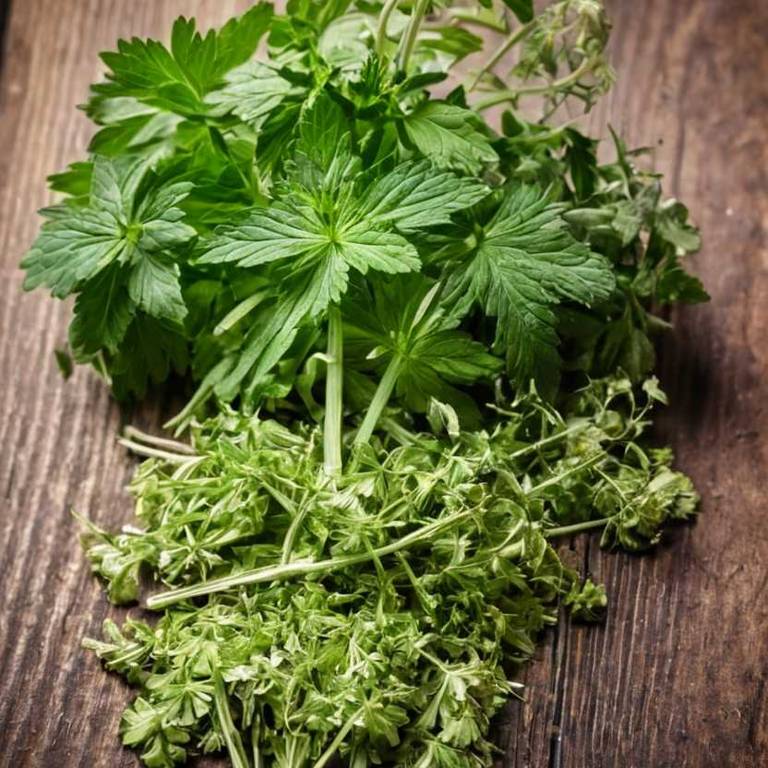
Xanthones are a class of bioactive polyphenolic compounds known for their potent antioxidant, anti-inflammatory, and antimicrobial properties. These compounds are found in various medicinal plants, such as Pinus, Securidaca inappendiculata, and Hypericum perforatum.

Associated herbs: 7
Occurs naturally in

Pinus

Securidaca inappendiculata

Hypericum perforatum

View all XANTHONE herbs →

Zeatin

Zeatin is a potent natural cytokinin that plays a crucial role in regulating plant growth, cell division, and development. This bioactive compound can be found in various medicinal and nutritional plants, including Isatis tinctoria subsp. tinctoria, Phaseolus vulgaris, and Phaseolus lunatus.

Associated herbs: 5

Occurs naturally in

Isatis tinctoria subsp. tinctoria

Phaseolus vulgaris

Phaseolus lunatus

View all Zeatin herbs →

Zerumbone

Zerumbone is a sesquiterpene compound found in various medicinal plants, renowned for its significant anti-inflammatory, anti-cancer, and anti-microbial properties. It is primarily extracted from herbs such as Zingiber zerumbet (shampoo ginger), as well as other members of the Zingiber and Curcuma genera.

Associated herbs: 6

Occurs naturally in

Zingiber zerumbet

Zingiber

Curcuma

View all Zerumbone herbs →

adenine

Adenine is a crucial purine nucleobase that serves as a fundamental building block for DNA, RNA, and energy-carrying molecules like ATP within biological systems. This bioactive compound can be found in various medicinal herbs, such as Zingiber officinale (ginger), Glycyrrhiza glabra (licorice), and certain organisms like Paratinospora sagittata.

Associated herbs: 9

Occurs naturally in

Paratinospora sagittata

Zingiber officinale

Glycyrrhiza glabra

View all adenine herbs →

alpha-Hederin

Alpha-hederin is a bioactive triterpenoid saponin known for its significant pharmacological properties, including anti-inflammatory, anti-tumor, and wound-healing activities. This compound can be found in various medicinal plants, such as Clematis parviloba, Nigella sativa, and Nigella sativa var. hispidula.

Associated herbs: 6

Occurs naturally in

Clematis parviloba

Nigella sativa

Nigella sativa var. hispidula

View all alpha-Hederin herbs →

arecoline

Arecoline is a psychoactive alkaloid found in certain medicinal plants that acts as a stimulant by interacting with muscarinic acetylcholine receptors in the nervous system. This bioactive compound is most notably found in the seeds of the areca palm, such as Areca catechu.

Associated herbs: 2

Occurs naturally in

Areca catechu

Areca

View all arecoline herbs →

benzyl isothiocyanate

Benzyl isothiocyanate is a potent bioactive compound known for its significant antimicrobial, antioxidant, and anti-inflammatory properties. It can be found in various medicinal plants, such as Ochradenus arabicus, Tropaeolum majus, and Drypetes gossweileri.

Associated herbs: 5

Occurs naturally in

Ochradenus arabicus

Tropaeolum majus

Drypetes gossweileri

View all benzyl isothiocyanate herbs →

cannabinol

Cannabinol (CBN) is a bioactive cannabinoid produced through the oxidation of THC when cannabis is exposed to heat, light, or air over time. This compound is primarily found in various species of the Cannabis genus, such as Cannabis sativa.

Associated herbs: 2

Occurs naturally in

Cannabis

Cannabis sativa

View all cannabinol herbs →

carboxylic acids

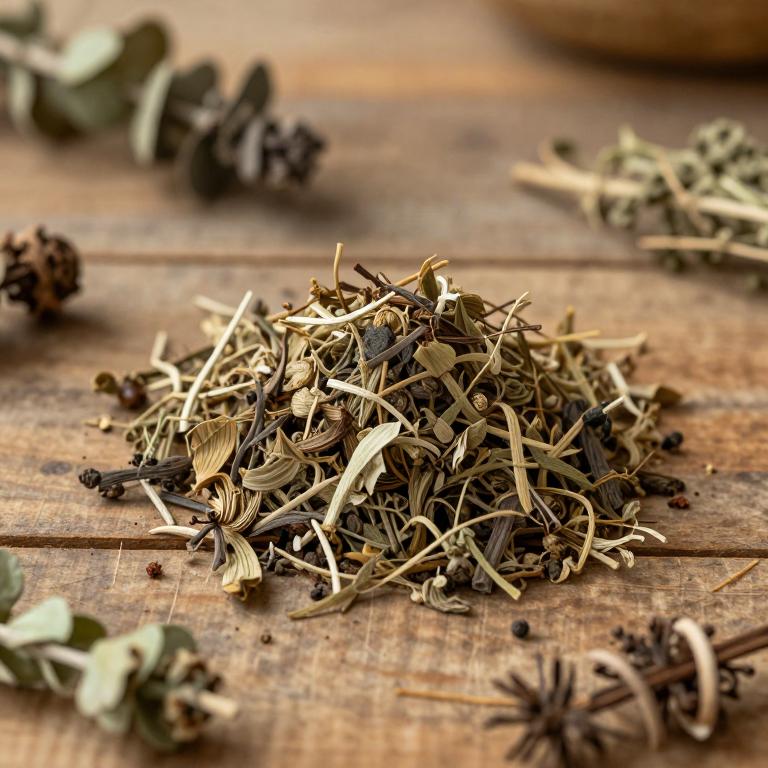
Carboxylic acids are essential bioactive compounds characterized by the presence of a carboxyl functional group, which plays a crucial role in the metabolic processes and therapeutic activities of medicinal plants. These organic acids are found in various therapeutic herbs, such as Opuntia ficus-indica, Asparagus racemosus, and Parkia timoriana.

Associated herbs: 7
Occurs naturally in

Opuntia ficus-indica

Asparagus racemosus

Parkia timoriana

View all carboxylic acids herbs →

cellulose

Cellulose is a complex structural polysaccharide that serves as a vital dietary fiber, aiding in digestive health and regulating glucose absorption within the body. It is commonly found in the plant cell walls of various medicinal herbs, including Sideroxylon spinosum, Deguelia scandens, and Dendrobium officinale.

Associated herbs: 6

Occurs naturally in

Sideroxylon spinosum

Deguelia scandens

Dendrobium officinale

View all cellulose herbs →

codeine

Codeine is an alkaloid derived from opium that acts as a central nervous system depressant to provide potent analgesic and antitussive effects. It is primarily extracted from medicinal plants within the Papaver genus, most notably from Papaver somniferum (the opium poppy).

Associated herbs: 2

Occurs naturally in

Papaver somniferum

Papaver

View all codeine herbs →