Explore herbs compounds

  • 12404 Plants
  • |
  • 11288 Compounds
  • |
  • 16281 Activities
  • |
  • 132161 Studies

Explore Herbs


Alphabet


Biological Activities

View all →

Bioactive Compounds

View all →

Plant Parts

View all →

List of herbs compounds

Showing 721-768 out of 11883 results

Coniferin

Coniferin is a natural phenolic glycoside found in various medicinal plants that is often studied for its potential biological activities, including antioxidant and anti-inflammatory properties. This bioactive compound is present in several traditional herbs, such as Typhonium flagelliforme, Pinellia ternata, and Rehmannia chingii.

Associated herbs: 6

Occurs naturally in

Typhonium flagelliforme
Pinellia ternata

Rehmannia chingii
View all Coniferin herbs →

Corynoxeine

Corynoxeine is a bioactive oxindole alkaloid found in various medicinal plants, known primarily for its potential neuroprotective and sedative properties. It is a key constituent in several species of the Uncaria genus, including Uncaria rhynchophylla, Uncaria tomentosa, and Uncaria sinensis.

Associated herbs: 3

Occurs naturally in

Uncaria rhynchophylla

Uncaria tomentosa

Uncaria sinensis

View all Corynoxeine herbs →

Cubebin

Cubebin is a naturally occurring lignan found in various medicinal plants that exhibits significant biological activities, including antioxidant and anti-inflammatory properties. This bioactive compound can be isolated from specific herbal sources such as Camphora parthenoxylon, Lychnophora ericoides, and Aristolochia triangularis.

Associated herbs: 6

Occurs naturally in

Camphora parthenoxylon

Lychnophora ericoides

Aristolochia triangularis

View all Cubebin herbs →

Danshensu

Danshensu is a potent phenolic compound known for its significant antioxidant, anti-inflammatory, and cardioprotective properties. It is primarily found in medicinal herbs such as Salvia miltiorrhiza (Danshen) and Prunella vulgaris.

Associated herbs: 2

Occurs naturally in

Salvia miltiorrhiza

Prunella vulgaris

View all Danshensu herbs →

Daphnoretin

Daphnoretin is a bioactive compound found in various medicinal herbs that is known for its potential pharmacological activities, such as anti-inflammatory or cytotoxic effects. It is specifically identified in botanical species including Wikstroemia indica, Daphne genkwa, and Artemisia keiskeana.

Associated herbs: 6

Occurs naturally in

Wikstroemia indica

Daphne genkwa

Artemisia keiskeana

View all Daphnoretin herbs →

Dehydroandrographolide

Dehydroandrographolide is a bioactive diterpenoid lactone known for its potent anti-inflammatory, antioxidant, and antimicrobial properties. It is primarily derived from medicinal plants such as Andrographis paniculata, commonly referred to as the "King of Bitters."

Associated herbs: 1

Occurs naturally in

Andrographis paniculata

View all Dehydroandrographolide herbs →

E-Nerolidol

E-Nerolidol is a sesquiterpene alcohol known for its diverse biological activities, including anti-inflammatory, antimicrobial, and antioxidant properties. This bioactive compound can be found in various medicinal plants, such as Hedychium flavum, Tripterygium wilfordii, and Tithonia diversifolia.

Associated herbs: 5

Occurs naturally in

Hedychium flavum

Tripterygium wilfordii

Tithonia diversifolia

View all E-Nerolidol herbs →

Echinatin

Echinatin is a bioactive flavonoid compound found in various medicinal herbs that is often studied for its potential biological activities. It is a key constituent in plants such as Glycyrrhiza inflata, Luffa echinata, and Glycyrrhiza uralensis.

Associated herbs: 4

Occurs naturally in

Glycyrrhiza inflata

Luffa echinata

Glycyrrhiza uralensis

View all Echinatin herbs →

Epicatechin gallate

Epicatechin gallate is a potent bioactive flavonoid known for its significant antioxidant, anti-inflammatory, and neuroprotective properties. This compound can be found in various medicinal herbs, including Camellia sinensis (tea), Carthamus tinctorius (safflower), and Rhodiola chrysanthemifolia subsp. sacra.

Associated herbs: 6

Occurs naturally in

Rhodiola chrysanthemifolia subsp. sacra

Carthamus tinctorius

Camellia sinensis

View all Epicatechin gallate herbs →

Epifriedelanol

Epifriedelanol is a bioactive triterpenoid known for its significant pharmacological properties, including anti-inflammatory, antioxidant, and anti-tumor activities. This compound can be found in various medicinal herbs, such as Causonis trifolia, Elephantopus mollis, and Elephantopus scaber.

Associated herbs: 6

Occurs naturally in

Causonis trifolia

Elephantopus mollis

Elephantopus scaber

View all Epifriedelanol herbs →

Epimedin B

Epimedin B is a bioactive flavonoid belonging to the icariin family, known for its potential pharmacological effects such as antioxidant, anti-inflammatory, and neuroprotective properties. This compound is primarily found in various species of the Epimedium genus, including Epimedium brevicornu, Epimedium pseudowushanense, and other medicinal horny goat weed herbs.

Associated herbs: 6

Occurs naturally in

Epimedium pseudowushanense

Epimedium

Epimedium brevicornu

View all Epimedin B herbs →

Ethyl caffeate

Ethyl caffeate is a bioactive phenolic compound known for its potent antioxidant, anti-inflammatory, and neuroprotective properties. This compound can be found in various medicinal herbs, including Artemisia minor, Rhaponticum repens, and Ehretia acuminata.

Associated herbs: 7

Occurs naturally in

Artemisia minor

Rhaponticum repens

Ehretia acuminata

View all Ethyl caffeate herbs →

Eupatilin

Eupatilin is a bioactive flavone known for its significant anti-inflammatory, antioxidant, and gastroprotective properties. It is a key phytochemical found in various medicinal herbs, including Artemisia argyi, Ohwia caudata, and Artemisia princeps.

Associated herbs: 5

Occurs naturally in

Artemisia argyi

Ohwia caudata

Artemisia princeps

View all Eupatilin herbs →

Euphol

Euphol is a bioactive triterpene found in various medicinal plants that exhibits significant anti-inflammatory, anti-tumor, and antimicrobial properties. This compound is primarily extracted from species within the Euphorbia genus, including Euphorbia tirucalli and Euphorbia neriifolia.

Associated herbs: 5

Occurs naturally in

Euphorbia

Euphorbia tirucalli

Euphorbia neriifolia

View all Euphol herbs →

Farnesiferol C

Farnesiferol C is a bioactive sesquiterpene derivative known for its diverse pharmacological properties, including potential anti-inflammatory and antioxidant activities. This compound is primarily found in medicinal herbs belonging to the Ferula genus, such as Ferula pseudalliacea, Ferula assa-foetida, and Ferula szowitsiana.

Associated herbs: 4

Occurs naturally in

Ferula pseudalliacea

Ferula assa-foetida

Ferula szowitsiana

View all Farnesiferol C herbs →

GAMMA-TERPINENE

Gamma-terpinene is a monoterpene hydrocarbon known for its potent antioxidant, antimicrobial, and anti-inflammatory properties. This bioactive compound is commonly found in essential oils derived from medicinal herbs such as Eucalyptus, Thymbra capitata, and Mesosphaerum suaveolens.

Associated herbs: 7

Occurs naturally in

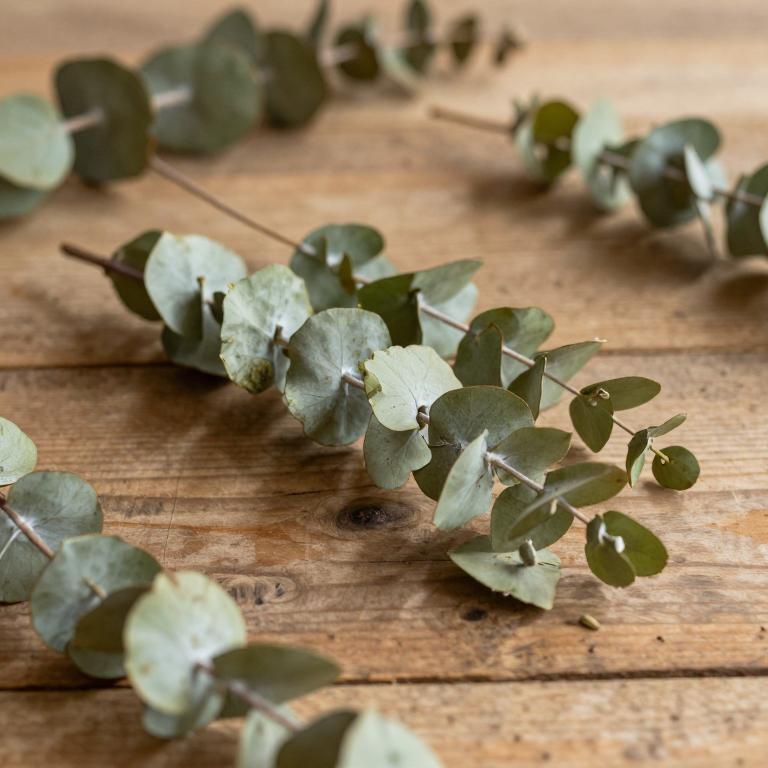
Eucalyptus

Thymbra capitata

Mesosphaerum suaveolens

View all GAMMA-TERPINENE herbs →

Germacrene

Germacrene is a naturally occurring sesquiterpene known for its diverse biological activities, including antimicrobial, anti-inflammatory, and antioxidant properties. This bioactive compound can be found in various medicinal plants, such as Ficus religiosa, Dryopteris ramosa, and Commiphora.

Associated herbs: 6

Occurs naturally in

Ficus religiosa

Dryopteris ramosa

Commiphora

View all Germacrene herbs →

Germacrene B

Germacrene B is a naturally occurring sesquiterpene known for its diverse biological activities, including potential antimicrobial, anti-inflammatory, and insecticidal properties. This bioactive compound can be found in various medicinal plants, such as Xylopia laevigata, Artemisia indica, and Juniperus polycarpos var. turcomanica.

Associated herbs: 5

Occurs naturally in

Xylopia laevigata

Artemisia indica

Juniperus polycarpos var. turcomanica

View all Germacrene B herbs →

Germacrone

Germacrone is a bioactive sesquiterpene compound found in various medicinal herbs that is recognized for its significant anti-inflammatory, antioxidant, and antimicrobial properties. It is a key phytochemical constituent in several species of the ginger family, most notably in Curcuma aromatica, Curcuma singularis, and Curcuma caesia.

Associated herbs: 6

Occurs naturally in

Curcuma aromatica

Curcuma singularis

Curcuma caesia

View all Germacrone herbs →

Ginsenoside RG2

Ginsenoside Rg2 is a bioactive saponin known for its potential neuroprotective and anti-inflammatory properties in various biological systems. This specific compound is primarily found in plants of the Panax genus, such as Panax ginseng and Panax quinquefolius.

Associated herbs: 2

Occurs naturally in

Panax

Panax ginseng

View all Ginsenoside RG2 herbs →

Ginsenoside Rb3

Ginsenoside Rb3 is a potent bioactive saponin known for its neuroprotective, anti-tumor, and anti-inflammatory properties. This compound is primarily found in various species of the Panax genus, including Panax ginseng, Panax notoginseng, and Panax quinquefolius.

Associated herbs: 3

Occurs naturally in

Panax ginseng

Panax notoginseng

Panax quinquefolius

View all Ginsenoside Rb3 herbs →

Ginsenoside Rf

Ginsenoside Rf is a specific type of triterpenoid saponin that serves as a key bioactive constituent in various medicinal herbs, contributing to their pharmacological properties. This compound is primarily found in species of the Panax genus, including Panax ginseng, Panax bipinnatifidus var. bipinnatifidus, and Panax zingiberensis.

Associated herbs: 4

Occurs naturally in

Panax ginseng

Panax bipinnatifidus var. bipinnatifidus

Panax zingiberensis

View all Ginsenoside Rf herbs →

Ginsenoside Ro

Ginsenoside Ro is a specific type of saponin belonging to the triterpenoid glycoside family, known for its potential biological activities such as anti-inflammatory and neuroprotective effects. This bioactive compound is primarily found in various species of the Panax genus, including Panax ginseng, Panax bipinnatifidus var. bipinnatifidus, and Panax zingiberensis.

Associated herbs: 4

Occurs naturally in

Panax ginseng

Panax bipinnatifidus var. bipinnatifidus

Panax zingiberensis

View all Ginsenoside Ro herbs →

Girinimbine

Girinimbine is a bioactive indole alkaloid known for its potential pharmacological properties, including anti-inflammatory and antimicrobial activities. This compound is primarily found in various species of the Bergera genus, such as Bergera koenigii, Bergera euchrestifolia, and Bergera microphylla.

Associated herbs: 3

Occurs naturally in

Bergera koenigii

Bergera euchrestifolia

Bergera microphylla

View all Girinimbine herbs →

Gracillin

Gracillin is a bioactive steroidal alkaloid known for its significant pharmacological properties, particularly its potential anti-tumor and anti-inflammatory activities. This compound can be found in various medicinal herbs, including Dioscorea villosa, Paris yunnanensis, and Dioscorea quinquelobata.

Associated herbs: 6

Occurs naturally in

Dioscorea villosa

Paris yunnanensis

Dioscorea quinquelobata

View all Gracillin herbs →

HEXANAL

Hexanal is a volatile organic compound often found in medicinal herbs that functions as a key component in the plant's defense mechanisms and aromatic profile. It is a bioactive constituent present in various botanical species, including Echinacea angustifolia, Arnica chamissonis, and Dendrobium officinale.

Associated herbs: 7

Occurs naturally in

Echinacea angustifolia

Arnica chamissonis

Dendrobium officinale

View all HEXANAL herbs →

Hexadecanoic acid methyl ester

Hexadecanoic acid methyl ester is a bioactive fatty acid ester known for its potential antioxidant, anti-inflammatory, and antimicrobial properties in medicinal applications. This compound can be found in various medicinal herbs, including Moricandia suffruticosa, Cajanus cajan, and Hibiscus species.

Associated herbs: 6

Occurs naturally in

Moricandia suffruticosa

Cajanus cajan

Hibiscus

View all Hexadecanoic acid methyl ester herbs →

Hypaconitine

Hypaconitine is a potent diterpene alkaloid found in certain medicinal herbs that exerts significant physiological effects on the cardiovascular and nervous systems. This bioactive compound is primarily concentrated in plants of the Aconitum genus, including species such as Aconitum kusnezoffii and Aconitum carmichaelii.
Associated herbs: 7

Occurs naturally in

Aconitum

Aconitum kusnezoffii
Aconitum carmichaelii

View all Hypaconitine herbs →

IBOGAINE

Ibogaine is a potent psychoactive alkaloid known for its profound effects on consciousness and its potential therapeutic applications in treating substance use disorders. This bioactive compound is primarily found in medicinal plants such as Tabernanthe iboga, Tabernaemontana crassa, and Silene undulata.

Associated herbs: 6

Occurs naturally in

Tabernaemontana crassa

Tabernanthe iboga

Silene undulata

View all IBOGAINE herbs →

ISOPSORALEN

Isopsoralen is a bioactive furanocoumarin known for its photosensitizing properties, which can increase skin sensitivity to ultraviolet light. This compound is naturally found in various medicinal herbs, including species such as Cullen corylifolium and Geijera parviflora.

Associated herbs: 2

Occurs naturally in

Cullen corylifolium

Geijera parviflora

View all ISOPSORALEN herbs →

Jaceosidin

Jaceosidin is a bioactive flavone known for its significant anti-inflammatory, antioxidant, and potential anti-tumor properties in various biological systems. This compound is commonly found in medicinal herbs such as Artemisia argyi, Eupatorium lindleyanum, and other species within the Artemisia genus.

Associated herbs: 7

Occurs naturally in

Artemisia argyi
Eupatorium lindleyanum

Artemisia

View all Jaceosidin herbs →

Kaempferitrin

Kaempferitrin is a natural flavonoid known for its significant antioxidant and anti-inflammatory properties in medicinal research. This bioactive compound can be found in various medicinal herbs, including Sedum dendroideum, Epimedium acuminatum, and Justicia spicigera.

Associated herbs: 5

Occurs naturally in

Sedum dendroideum

Epimedium acuminatum

Justicia spicigera

View all Kaempferitrin herbs →

Legumin

Legumin is a major storage protein found in the seeds of various legumes, playing a crucial role in the plant's nutritional structure and nitrogen storage. This bioactive compound is commonly identified in medicinal and edible herbs such as Vicia faba (broad bean), Lathyrus oleraceus, and other species within the Lathyrus genus.

Associated herbs: 3

Occurs naturally in

Vicia faba

Lathyrus oleraceus

Lathyrus

View all Legumin herbs →

Lignins

Lignins are complex phenolic polymers that serve as structural components in plant cell walls, providing mechanical strength and protection against microbial decay. These bioactive compounds can be found in various medicinal plants, such as Pinus elliottii var. elliottii, Archidendron clypearia, and species within the Inula genus.

Associated herbs: 6

Occurs naturally in

Pinus elliottii var. elliottii

Archidendron clypearia

Inula

View all Lignins herbs →

Limonin

Limonin is a bitter-tasting limonoid compound known for its diverse pharmacological properties, including anti-inflammatory, antioxidant, and potential anticancer activities. This bioactive compound is commonly found in various medicinal herbs and fruits, such as Citrus medica, Aporocactus flagelliformis, and Citrus reticulata.

Associated herbs: 5

Occurs naturally in

Citrus medica

Aporocactus flagelliformis

Citrus reticulata

View all Limonin herbs →

Linoleic

Linoleic acid is an essential polyunsaturated fatty acid that plays a crucial role in maintaining skin barrier function and exerting anti-inflammatory effects within the body. This bioactive compound can be found in various medicinal herbs, such as Alkanna tinctoria, Onosma heterophylla, and Arnebia densiflora.

Associated herbs: 8

Occurs naturally in

Alkanna tinctoria

Onosma heterophylla

Arnebia densiflora

View all Linoleic herbs →

Lithospermic acid

Lithospermic acid is a bioactive polyphenolic compound known for its potent antioxidant, anti-inflammatory, and cardiovascular protective properties. It is primarily found in medicinal herbs such as Salvia miltiorrhiza (Danshen), Salvia yunnanensis, and Lithospermum erythrorhizon.

Associated herbs: 5

Occurs naturally in

Salvia miltiorrhiza

Salvia yunnanensis

Lithospermum erythrorhizon

View all Lithospermic acid herbs →

Lycopsamine

Lycopsamine is a toxic pyrrolizidine alkaloid found in various medicinal plants that can cause severe liver damage if ingested in significant quantities. This bioactive compound is commonly present in herbs such as Symphytum (comfrey), Eupatorium japonicum, and Eupatorium perfoliatum.

Associated herbs: 6

Occurs naturally in

Symphytum

Eupatorium japonicum

Eupatorium perfoliatum

View all Lycopsamine herbs →

METHYL ANGOLENSATE

Methyl angolensate is a bioactive compound found in various medicinal plants, recognized for its potential therapeutic properties in traditional medicine. It is specifically identified in herbs such as Entandrophragma angolense, Anopyxis klaineana, and Cipadessa.

Associated herbs: 4

Occurs naturally in

Entandrophragma angolense

Anopyxis klaineana

Cipadessa

View all METHYL ANGOLENSATE herbs →

Marmesin

Marmesin is a bioactive benzofuran derivative known for its diverse pharmacological properties, including potential anti-inflammatory and antimicrobial activities. This compound can be found in various medicinal plants, such as Gerbera piloselloides, Tephrosia sinapou, and Angelica gigas.

Associated herbs: 6

Occurs naturally in

Gerbera piloselloides

Tephrosia sinapou

Angelica gigas

View all Marmesin herbs →

Martynoside

Martynoside is a bioactive iridoid glycoside known for its significant pharmacological properties, including anti-inflammatory, antioxidant, and antimicrobial activities. This compound can be found in various medicinal plants, such as Gmelina arborea, Buddleja albiflora, and Galeopsis bifida.

Associated herbs: 8

Occurs naturally in

Gmelina arborea

Buddleja albiflora

Galeopsis bifida

View all Martynoside herbs →

Mesaconitine

Mesaconitine is a highly potent diterpene alkaloid found in several species of the Aconitum genus that exerts strong pharmacological effects on the cardiovascular and nervous systems. It is a primary bioactive constituent found in medicinal herbs such as Aconitum, Aconitum kusnezoffii, and Aconitum carmichaelii.

Associated herbs: 6

Occurs naturally in

Aconitum

Aconitum kusnezoffii

Aconitum carmichaelii

View all Mesaconitine herbs →

Mimosine

Mimosine is a non-protein amino acid found in various plants that can act as a potent natural herbicide or a toxin that interferes with DNA synthesis and protein production. It is most notably identified in medicinal and forage herbs such as Leucaena leucocephala and other species within the Leucaena genus.

Associated herbs: 2

Occurs naturally in

Leucaena leucocephala

Leucaena

View all Mimosine herbs →

N-P-Coumaroyltyramine

N-P-Coumaroyltyramine is a bioactive alkaloid known for its diverse pharmacological properties, including antioxidant, anti-inflammatory, and antimicrobial activities. This compound can be found in various medicinal plants, such as Clausena excavata, Asimina triloba, and Glycosmis pentaphylla.

Associated herbs: 7

Occurs naturally in

Clausena excavata

Asimina triloba

Glycosmis pentaphylla

View all N-P-Coumaroyltyramine herbs →

Nitidine chloride

Nitidine chloride is a potent quaternary benzophenanthridine alkaloid known for its significant pharmacological activities, including anti-tumor, anti-inflammatory, and anti-malarial properties. This bioactive compound is primarily found in various species of the Zanthoxylum genus, such as Zanthoxylum gilletii, Zanthoxylum nitidum, and Zanthoxylum bungeanum.

Associated herbs: 3

Occurs naturally in

Zanthoxylum gilletii

Zanthoxylum nitidum

Zanthoxylum bungeanum

View all Nitidine chloride herbs →

Nucleosides

Nucleosides are bioactive compounds consisting of a nitrogenous base linked to a five-carbon sugar, playing a critical role in cellular energy metabolism and the synthesis of genetic material. They are found in various medicinal herbs, such as Angelica sinensis, Apocynum cannabinum, and Dendrobium huoshanense, where they contribute to the plants' therapeutic effects.

Associated herbs: 7

Occurs naturally in

Angelica sinensis

Apocynum cannabinum

Dendrobium huoshanense

View all Nucleosides herbs →

Ononin

Ononin is a bioactive isoflavone commonly found in medicinal herbs that serves as a key component in traditional treatments for inflammation and metabolic regulation. This compound is prominently present in various botanical species, including Maackia amurensis, Astragalus mongholicus, and Spatholobus suberectus.

Associated herbs: 9

Occurs naturally in

Maackia amurensis

Astragalus mongholicus

Spatholobus suberectus

View all Ononin herbs →

Oxypeucedanin

Oxypeucedanin is a bioactive furanocoumarin known for its significant pharmacological properties, including anti-inflammatory, anti-tumor, and antimicrobial activities. This compound is primarily found in medicinal herbs such as Angelica dahurica, Angelica dahurica var. dahurica, and Anisotaenia trifida.

Associated herbs: 6

Occurs naturally in

Angelica dahurica

Angelica dahurica var. dahurica

Anisotaenia trifida

View all Oxypeucedanin herbs →