Explore herbs compounds

  • 12404 Plants
  • |
  • 11288 Compounds
  • |
  • 16281 Activities
  • |
  • 132161 Studies

Explore Herbs


Alphabet


Biological Activities

View all →

Bioactive Compounds

View all →

Plant Parts

View all →

List of herbs compounds

Showing 673-720 out of 11883 results

Zeaxanthin

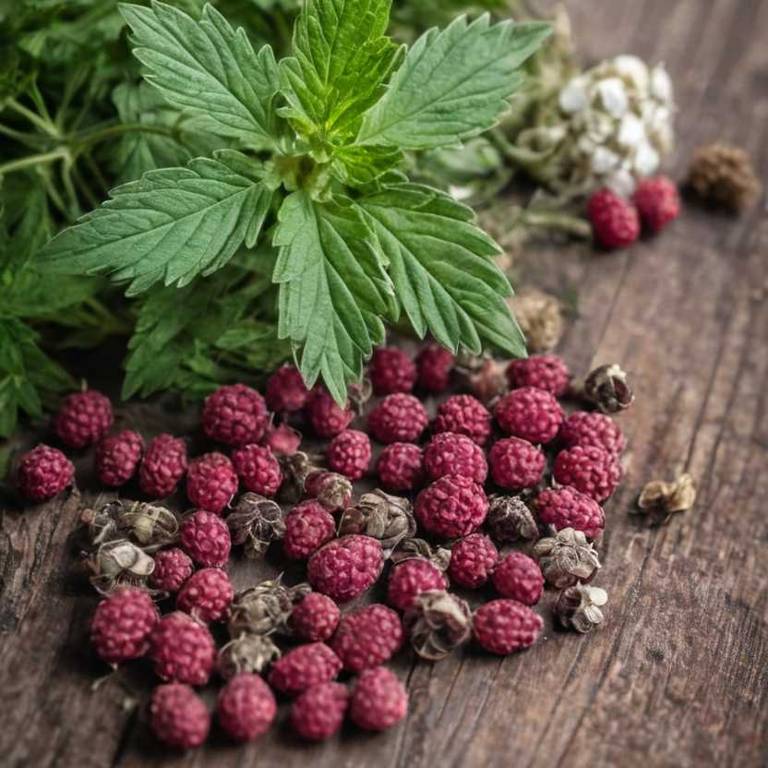
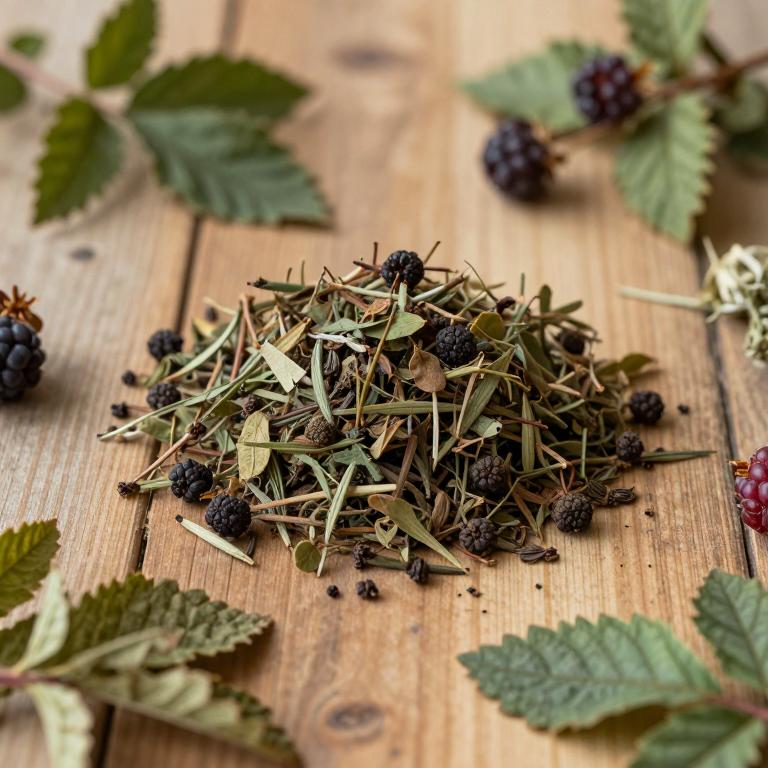
Zeaxanthin is a potent carotenoid pigment found in various medicinal herbs that functions as a powerful antioxidant, primarily supporting eye health and protecting cells from oxidative damage. This bioactive compound can be found in several botanical species, including Rubus occidentalis (black raspberry), Rubus idaeus (red raspberry), and Rubus chamaemorus (cloudberry).

Associated herbs: 10
Occurs naturally in

Rubus occidentalis

Rubus idaeus

Rubus chamaemorus

View all Zeaxanthin herbs →

alpha-TERPINEOL

Alpha-terpineol is a prominent monoterpene alcohol known for its diverse biological activities, including antimicrobial, antioxidant, and anti-inflammatory properties. This bioactive compound is found in various medicinal plants, such as Protium heptaphyllum, Salvia rosmarinus (rosemary), and Tetradenia riparia.

Associated herbs: 8

Occurs naturally in

Protium heptaphyllum

Salvia rosmarinus

Tetradenia riparia

View all alpha-TERPINEOL herbs →

apocynin

Apocynin is a potent bioactive compound known for its significant antioxidant and anti-inflammatory properties, often acting as a selective inhibitor of the NADPH oxidase enzyme. This compound can be found in various medicinal plants, including Jatropha multifida, Picrorhiza kurrooa, and Ziziphus jujuba.

Associated herbs: 4

Occurs naturally in

Jatropha multifida

Picrorhiza kurrooa

Ziziphus jujuba

View all apocynin herbs →

ar-Turmerone

Ar-turmerone is a key bioactive sesquiterpene found in various turmeric species that exhibits significant pharmacological properties, including anti-inflammatory, anti-cancer, and neuroprotective effects. This compound is primarily concentrated in medicinal herbs such as Curcuma longa (turmeric), Curcuma aromatica (wild turmeric), and Curcuma singularis (temulawak).

Associated herbs: 5

Occurs naturally in

Curcuma aromatica

Curcuma longa

Curcuma singularis

View all ar-Turmerone herbs →

beta-Sitosterol glucoside

Beta-sitosterol glucoside is a bioactive steroidal saponin known for its potential anti-inflammatory, antioxidant, and cholesterol-lowering properties. This compound can be found in various medicinal plants, including Picramnia latifolia, Pteroxygonum giraldii, and Parthenocissus tricuspidata.

Associated herbs: 10
Occurs naturally in

Picramnia latifolia

Pteroxygonum giraldii

Parthenocissus tricuspidata

View all beta-Sitosterol glucoside herbs →

caffeoylquinic acid

Caffeoylquinic acid is a potent bioactive compound known for its significant antioxidant, anti-inflammatory, and neuroprotective properties. This phytochemical is found in various medicinal plants, including Baccharis concava, Dipsacus asper, and Lonicera macranthoides.

Associated herbs: 9

Occurs naturally in

Baccharis concava

Dipsacus asper

Lonicera macranthoides

View all caffeoylquinic acid herbs →

cocaine

Cocaine is a potent alkaloid that acts as a powerful stimulant by inhibiting the reuptake of neurotransmitters like dopamine in the brain. This bioactive compound is primarily derived from plants within the Erythroxylum genus, most notably from the leaves of Erythroxylum coca and Erythroxylum coca var. coca.

Associated herbs: 4

Occurs naturally in

Erythroxylum coca

Erythroxylum

Erythroxylum coca var. coca

View all cocaine herbs →

compound 8

Compound 8 is a bioactive phytochemical identified for its potential therapeutic properties within various medicinal plant species. This specific compound has been documented to occur in herbs such as Caragana sukiensis, Strophioblachia fimbricalyx, and Aesculus chinensis.

Associated herbs: 7

Occurs naturally in

Caragana sukiensis

Strophioblachia fimbricalyx

Aesculus chinensis

View all compound 8 herbs →

delta-9-tetrahydrocannabinol

Delta-9-tetrahydrocannabinol (THC) is the primary psychoactive compound found in certain medicinal herbs, responsible for inducing the characteristic "high" associated with their use. This bioactive constituent is most notably found in plants such as Cannabis sativa and other varieties of the Cannabis genus.

Associated herbs: 2

Occurs naturally in

Cannabis

Cannabis sativa

View all delta-9-tetrahydrocannabinol herbs →

digitoxin

Digitoxin is a potent cardiac glycoside used primarily to increase the force of myocardial contractions and regulate irregular heart rhythms. This bioactive compound is found in medicinal herbs such as Digitalis purpurea, Digitalis, and Crataegus azarolus.

Associated herbs: 5

Occurs naturally in

Crataegus azarolus

Digitalis purpurea

Digitalis

View all digitoxin herbs →

farnesol

Farnesol is a naturally occurring sesquiterpene alcohol known for its diverse biological activities, including antimicrobial, anti-inflammatory, and insect-repellent properties. This bioactive compound can be found in various medicinal plants, such as Curcuma kwangsiensis, Citronella, and Launaea mucronata.

Associated herbs: 8

Occurs naturally in

Curcuma kwangsiensis

Citronella

Launaea mucronata

View all farnesol herbs →

gentisic acid

Gentisic acid is a bioactive phenolic compound known for its potent antioxidant, anti-inflammatory, and antimicrobial properties in medicinal plants. It can be found in various therapeutic herbs, including Balanites aegyptiaca, Artabotrys hildebrandtii, and Cochlospermum vitifolium.

Associated herbs: 14

Occurs naturally in

Balanites aegyptiaca

Artabotrys hildebrandtii

Cochlospermum vitifolium

View all gentisic acid herbs →

gingerol

Gingerol is a potent bioactive compound known for its significant anti-inflammatory, antioxidant, and antimicrobial properties. It is primarily found in medicinal herbs such as Zingiber officinale (ginger), Artocarpus nanchuanensis, and Moringa oleifera.

Associated herbs: 3

Occurs naturally in

Artocarpus nanchuanensis

Zingiber officinale

Moringa oleifera

View all gingerol herbs →

kaempferol 3-O-rhamnoside

Kaempferol 3-O-rhamnoside is a natural flavonoid glycoside known for its potent antioxidant, anti-inflammatory, and neuroprotective properties. This bioactive compound can be found in various medicinal plants, including Xenostegia tridentata, Schima wallichii, and Ochna gamblei.

Associated herbs: 7

Occurs naturally in

Xenostegia tridentata

Schima wallichii

Ochna gamblei

View all kaempferol 3-O-rhamnoside herbs →

licochalcone a

Licochalcone A is a potent bioactive chalcone known for its significant anti-inflammatory, antioxidant, and antimicrobial properties. It is primarily found in medicinal herbs such as Glycyrrhiza inflata, Pogostemon cablin, and Hymenidium hookeri.

Associated herbs: 5

Occurs naturally in

Pogostemon cablin

Glycyrrhiza inflata

Hymenidium hookeri

View all licochalcone a herbs →

lysine

Lysine is an essential amino acid that serves as a critical building block for protein synthesis and plays a vital role in supporting immune function and calcium absorption. This bioactive compound can be found in various medicinal and nutritional herbs, such as Phaseolus vulgaris, Cucumis sativus, and Tamarix dioica.

Associated herbs: 7

Occurs naturally in

Phaseolus vulgaris

Cucumis sativus

Tamarix dioica

View all lysine herbs →

mannitol

Mannitol is a naturally occurring sugar alcohol that acts as a bioactive compound often used in traditional medicine for its osmotic, antioxidant, and anti-inflammatory properties. It can be found in various medicinal herbs, including Changium smyrnioides, Angelica acutiloba, and Rehmannia glutinosa.

Associated herbs: 10
Occurs naturally in

Changium smyrnioides

Angelica acutiloba

Rehmannia glutinosa

View all mannitol herbs →

riboflavin

Riboflavin, also known as vitamin B2, is a crucial bioactive compound that plays a vital role in energy metabolism and the maintenance of healthy cellular functions. This essential nutrient can be found in various medicinal herbs, such as Deverra scoparia, Clerodendrum infortunatum, and Glehnia littoralis.

Associated herbs: 10
Occurs naturally in

Deverra scoparia

Clerodendrum infortunatum

Glehnia littoralis

View all riboflavin herbs →

rosavin

Rosavin is a bioactive phenylpropanoid glycoside known for its potential adaptogenic and neuroprotective properties, often used to help the body manage stress. This compound is primarily found in medicinal herbs such as Rhodiola rosea, Rhodiola imbricata, and Eleutherococcus senticosus.

Associated herbs: 3

Occurs naturally in

Rhodiola imbricata

Rhodiola rosea

Eleutherococcus senticosus

View all rosavin herbs →

safrole

Safrole is a natural phenylpropene found in various medicinal herbs that exhibits diverse biological activities, including antimicrobial and sedative properties. This bioactive compound is characteristic of several plant species, such as Asarum sieboldii, Laureliopsis philippiana, and Nemuaron vieillardii.

Associated herbs: 7

Occurs naturally in

Asarum sieboldii

Laureliopsis philippiana

Nemuaron vieillardii

View all safrole herbs →

stachydrine

Stachydrine is a quaternary ammonium compound found in various medicinal plants that is known for its potential antioxidant, neuroprotective, and spasmolytic properties. This bioactive compound is specifically present in herbs such as Plectranthus japonicus, Leonotis, and Leonurus cardiaca.

Associated herbs: 6

Occurs naturally in

Paraleonurus japonicus

Leonotis

Leonurus cardiaca

View all stachydrine herbs →

trehalose

Trehalose is a non-reducing disaccharide that acts as a powerful cryoprotectant and osmoprotectant, helping plants survive extreme dehydration and freezing temperatures by stabilizing cellular membranes and proteins. This bioactive compound is found in various medicinal herbs and resurrection plants, including Gymnadenia conopsea, Selaginella nothohybrida, and Selaginella lepidophylla.

Associated herbs: 8

Occurs naturally in

Gymnadenia conopsea

Selaginella nothohybrida

Selaginella lepidophylla

View all trehalose herbs →

1-OCTEN-3-OL

1-octen-3-ol is a volatile organic compound known for its distinct mushroom-like aroma and significant bioactive properties, including antimicrobial, antioxidant, and anti-inflammatory effects. This compound can be found in various medicinal plants, such as Verbena hastata, Leucophyllum frutescens, and Dendrobium officinale.

Associated herbs: 6

Occurs naturally in

Verbena hastata

Leucophyllum frutescens

Dendrobium officinale

View all 1-OCTEN-3-OL herbs →

3-Carene

3-Carene is a monoterpene hydrocarbon known for its distinct woody and citrus-like aroma, frequently utilized in aromatherapy and fragrance industries. This bioactive compound can be found in various medicinal plants, including species such as Pinus, Pelargonium graveolens, and Matricaria chamomilla.

Associated herbs: 7

Occurs naturally in

Pinus

Pelargonium graveolens

Matricaria chamomilla

View all 3-Carene herbs →

7-Methoxycoumarin

7-Methoxycoumarin is a bioactive phytochemical belonging to the coumarin family, known for its diverse pharmacological properties including anti-inflammatory and antioxidant activities. This compound is found in several medicinal plants, such as Wikstroemia indica, Ficus umbellata, and Tagetes lucida.

Associated herbs: 6

Occurs naturally in

Wikstroemia indica

Ficus umbellata

Tagetes lucida

View all 7-Methoxycoumarin herbs →

8-O-Acetylharpagide

8-O-Acetylharpagide is a bioactive iridoid glycoside known for its potential anti-inflammatory and antioxidant properties in medicinal plants. This specific compound can be found in various herbal species, including Scrophularia ilwensis, Teucrium parviflorum, and Ajuga tenorei.

Associated herbs: 8

Occurs naturally in

Scrophularia ilwensis

Teucrium parviflorum

Ajuga tenorei

View all 8-O-Acetylharpagide herbs →

ANETHOLE

Anethole is a naturally occurring phenylpropene that serves as a key bioactive compound responsible for the characteristic sweet, anise-like aroma found in various medicinal plants. This aromatic molecule is a primary constituent in herbs such as Illicium verum (star anise), Pimpinella aromatica (sweet basil), and Baccharoides anthelmintica.

Associated herbs: 5

Occurs naturally in

Baccharoides anthelmintica

Pimpinella aromatica

Illicium verum

View all ANETHOLE herbs →

ARABINOGALACTAN

Arabinogalactan is a complex polysaccharide found in various medicinal plants that is widely recognized for its immunomodulatory and prebiotic properties. This bioactive compound can be sourced from diverse herbal species, including Ferula ammoniacum, Terminalia arjuna, and Artemisia afra.

Associated herbs: 9

Occurs naturally in

Ferula ammoniacum

Terminalia arjuna

Artemisia afra

View all ARABINOGALACTAN herbs →

ASCARIDOLE

Ascaridole is a monoterpene hydrocarbon found in several medicinal plants, primarily recognized for its potent anthelmintic and insecticidal properties. It is a key bioactive constituent in herbs such as Dysphania ambrosioides (formerly Chenopodium ambrosioides), Artemisia scoparia, and various species within the Chenopodium genus.

Associated herbs: 5

Occurs naturally in

Chenopodium

Dysphania ambrosioides

Artemisia scoparia

View all ASCARIDOLE herbs →

Ajugasterone C

Ajugasterone C is a bioactive steroidal glycoside known for its potential pharmacological properties, including anti-inflammatory and neuroprotective activities. This compound is primarily found in medicinal herbs such as Rhaponticum carthamoides, Asparagus filicinus, and Serratula coronata.

Associated herbs: 6

Occurs naturally in

Rhaponticum carthamoides

Asparagus filicinus

Serratula coronata

View all Ajugasterone C herbs →

Ajugol

Ajugol is a bioactive iridoid glycoside known for its diverse pharmacological properties, including anti-inflammatory, antimicrobial, and antioxidant activities. This compound can be found in various medicinal herbs, such as Scrophularia ilwensis, Stachys grandidentata, and Stachys spinosa.

Associated herbs: 6

Occurs naturally in

Scrophularia ilwensis

Stachys grandidentata

Stachys spinosa

View all Ajugol herbs →

Allicin

Allicin is a potent organosulfur compound produced when certain plants are crushed or chopped, known for its significant antibacterial, antifungal, and anti-inflammatory properties. This bioactive substance is most famously found in members of the Allium genus, such as Allium sativum (garlic).

Associated herbs: 1

Occurs naturally in

Allium sativum

View all Allicin herbs →

Artemisia ketone

Artemisia ketone is a bioactive terpenoid compound found in various medicinal herbs known for its diverse pharmacological properties, including potential anti-inflammatory and antimicrobial activities. This compound is characteristically present in plant species such as Artemisia annua, Achillea fragrantissima, and Phagnalon sinicum.

Associated herbs: 7

Occurs naturally in

Artemisia annua

Achillea fragrantissima

Phagnalon sinaicum

View all Artemisia ketone herbs →

Asperulosidic acid

Asperulosidic acid is a bioactive iridoid glycoside found in various medicinal plants that is often studied for its potential anti-inflammatory and antioxidant properties. This compound is a key constituent in herbs such as Morinda citrifolia, Saprosma scortechinii, and Singaporandia macrophylla.

Associated herbs: 8

Occurs naturally in

Morinda citrifolia

Saprosma scortechinii

Singaporandia macrophylla

View all Asperulosidic acid herbs →

BETA-PHELLANDRENE

Beta-phellandrene is a naturally occurring monoterpene hydrocarbon known for its distinct aromatic properties and potential therapeutic activities, including antimicrobial and anti-inflammatory effects. This bioactive compound can be found in various medicinal herbs, such as Litsea cubeba, Mesosphaerum suaveolens, and Libanotis pyrenaica subsp. pyrenaica.

Associated herbs: 8

Occurs naturally in

Litsea cubeba

Mesosphaerum suaveolens

Libanotis pyrenaica subsp. pyrenaica

View all BETA-PHELLANDRENE herbs →

BRUCINE

Brucine is a highly toxic, bitter-tasting alkaloid primarily known for its potent physiological effects on the central nervous system. This bioactive compound is most notably found in medicinal herbs such as Strychnos nux-vomica, Strychnos nitida, and other species within the Strychnos genus.

Associated herbs: 3

Occurs naturally in

Strychnos nux-vomica

Strychnos

Strychnos nitida

View all BRUCINE herbs →

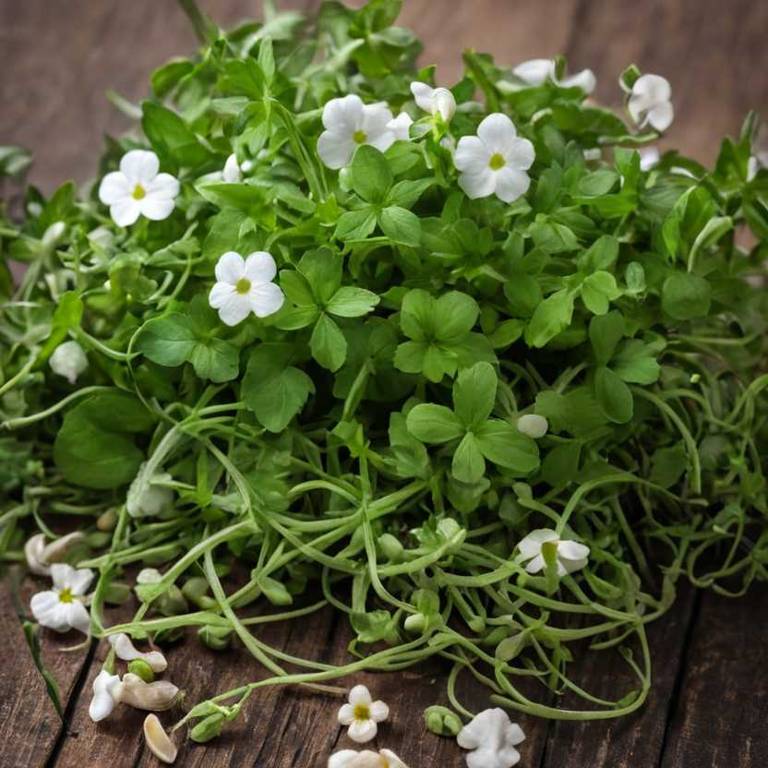
Bacopasaponin C

Bacopasaponin C is a specific triterpenoid saponin known for its potential neuroprotective and cognitive-enhancing properties. This bioactive compound is primarily found in medicinal herbs such as Bacopa monnieri, commonly known as Brahmi.

Associated herbs: 1

Occurs naturally in

Bacopa monnieri

View all Bacopasaponin C herbs →

Bacopaside I

Bacopaside I is a potent bioactive saponin primarily recognized for its neuroprotective and cognitive-enhancing properties. It is a key chemical constituent found in medicinal herbs such as Bacopa monnieri, commonly known as Brahmi.

Associated herbs: 1

Occurs naturally in

Bacopa monnieri

View all Bacopaside I herbs →

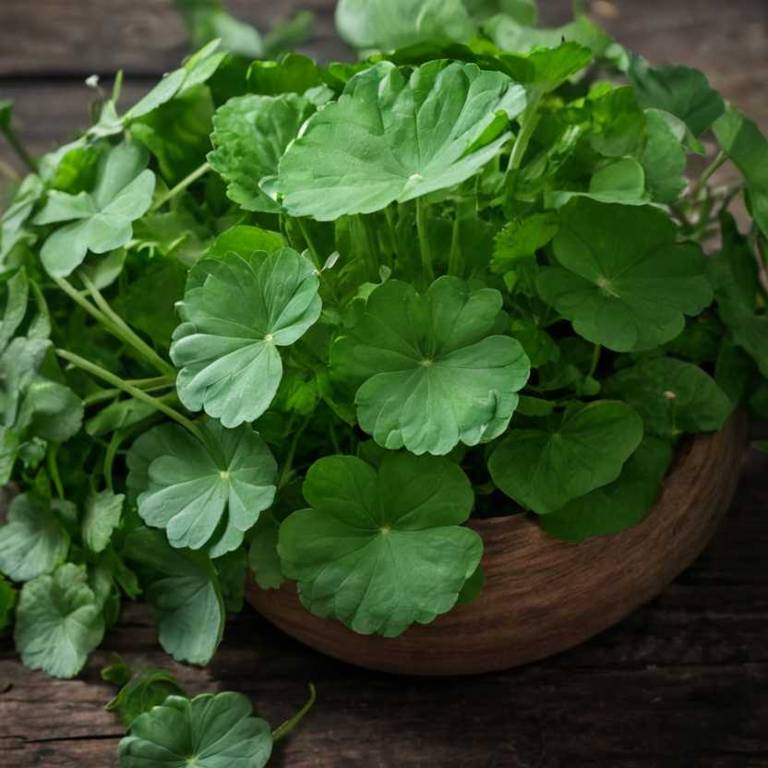
Bioflavonoids

Bioflavonoids are a diverse group of bioactive polyphenolic compounds found in plants that act as potent antioxidants to protect cells from oxidative stress and inflammation. Many medicinal herbs are rich in these compounds, including Garcinia, Centella asiatica, and Citrus medica.

Associated herbs: 7

Occurs naturally in

Garcinia

Centella asiatica

Citrus medica

View all Bioflavonoids herbs →

Brusatol

Brusatol is a bioactive limonoid known for its potent anti-tumor properties, primarily achieved by inhibiting the proteasome pathway and inducing cell cycle arrest in cancer cells. This compound is most notably found in medicinal herbs such as Brucea javanica, which is traditionally used for its various therapeutic effects.

Associated herbs: 1

Occurs naturally in

Brucea javanica

View all Brusatol herbs →

Butylidenephthalide

Butylidenephthalide is a bioactive phthalide derivative known for its significant pharmacological properties, particularly its ability to improve blood circulation and exert anti-inflammatory effects. This compound is primarily found in medicinal herbs such as Chuanxiong (Chuanxiong rhizoma) and Angelica sinensis, where it contributes to their traditional use in treating cardiovascular and neurological conditions.

Associated herbs: 2

Occurs naturally in

Conioselinum anthriscoides 'Chuanxiong'

Angelica sinensis

View all Butylidenephthalide herbs →

CBDA

Cannabidiolic acid (CBDA) is a non-psychoactive precursor molecule found in various medicinal plants that plays a crucial role in the plant's defense mechanisms and offers significant therapeutic potential. This bioactive compound is primarily identified in species such as Cannabis, Cannabis sativa, and Trema micranthum.

Associated herbs: 3

Occurs naturally in

Cannabis

Cannabis sativa

Trema micranthum

View all CBDA herbs →

CHROMONE

Chromone is a versatile class of oxygen-containing heterocyclic compounds known for their diverse biological activities, including anti-inflammatory, antioxidant, and antimicrobial properties. These bioactive molecules are found in various medicinal plants, such as Aloe succotrina, Handroanthus heptaphyllus, and Saposhnikovia divaricata.

Associated herbs: 4

Occurs naturally in

Aloe succotrina

Handroanthus heptaphyllus

Saposhnikovia divaricata

View all CHROMONE herbs →

Canthin-6-one

Canthin-6-one is a bioactive quinolone alkaloid known for its diverse pharmacological activities, including potential anti-inflammatory, antioxidant, and antitumor properties. This compound can be found in various medicinal plants, such as Eurycoma harmandiana, Ailanthus altissima, and Brucea mollis.

Associated herbs: 6

Occurs naturally in

Eurycoma harmandiana

Ailanthus altissima

Brucea mollis

View all Canthin-6-one herbs →

Cirsilineol

Cirsilineol is a naturally occurring flavone known for its diverse pharmacological properties, including potent anti-inflammatory, antioxidant, and anti-tumor activities. This bioactive compound can be found in various medicinal plants, such as Salvia judaica, Artemisia capillaris, and Artemisia vestita.

Associated herbs: 9

Occurs naturally in

Salvia judaica

Artemisia capillaris

Artemisia vestita

View all Cirsilineol herbs →

Cirsiliol

Cirsiliol is a bioactive diterpenoid compound found in various medicinal herbs, known for its potential pharmacological properties such as anti-inflammatory and antioxidant activities. It is a characteristic constituent in plants like Leonotis nepetifolia, Salvia guaranitica, and Sideritis.

Associated herbs: 5

Occurs naturally in

Leonotis nepetifolia

Salvia guaranitica

Sideritis

View all Cirsiliol herbs →

Clerodane Diterpenes

Clerodane diterpenes are a diverse class of bioactive secondary metabolites characterized by a specific rearranged decalin skeleton that often imparts significant pharmacological properties. These compounds are found in various medicinal plants, including Callicarpa integerrima, Ajuga decumbens, and Tinospora crispa, where they contribute to anticancer, anti-inflammatory, and antimicrobial activities.

Associated herbs: 9

Occurs naturally in

Callicarpa integerrima

Ajuga decumbens

Tinospora crispa

View all Clerodane Diterpenes herbs →

Coniferaldehyde

Coniferaldehyde is a bioactive phenylpropanoid compound found in various medicinal herbs that often exhibits significant antioxidant and antimicrobial properties. It is a key constituent in plants such as Seseli condensatum, Ensete glaucum, and Senra incana.

Associated herbs: 7

Occurs naturally in

Seseli condensatum

Ensete glaucum

Senra incana

View all Coniferaldehyde herbs →