Explore herbs compounds

  • 12404 Plants
  • |
  • 11288 Compounds
  • |
  • 16281 Activities
  • |
  • 132161 Studies

Explore Herbs


Alphabet


Biological Activities

View all →

Bioactive Compounds

View all →

Plant Parts

View all →

List of herbs compounds

Showing 625-672 out of 11883 results

Demethoxycurcumin

Demethoxycurcumin is a bioactive curcuminoid found in various medicinal herbs that possesses potent antioxidant, anti-inflammatory, and neuroprotective properties. It is commonly extracted from plants within the Curcuma genus, such as Curcuma longa, Curcuma phaeocaulis, and Curcuma aromatica.

Associated herbs: 5

Occurs naturally in

Curcuma phaeocaulis
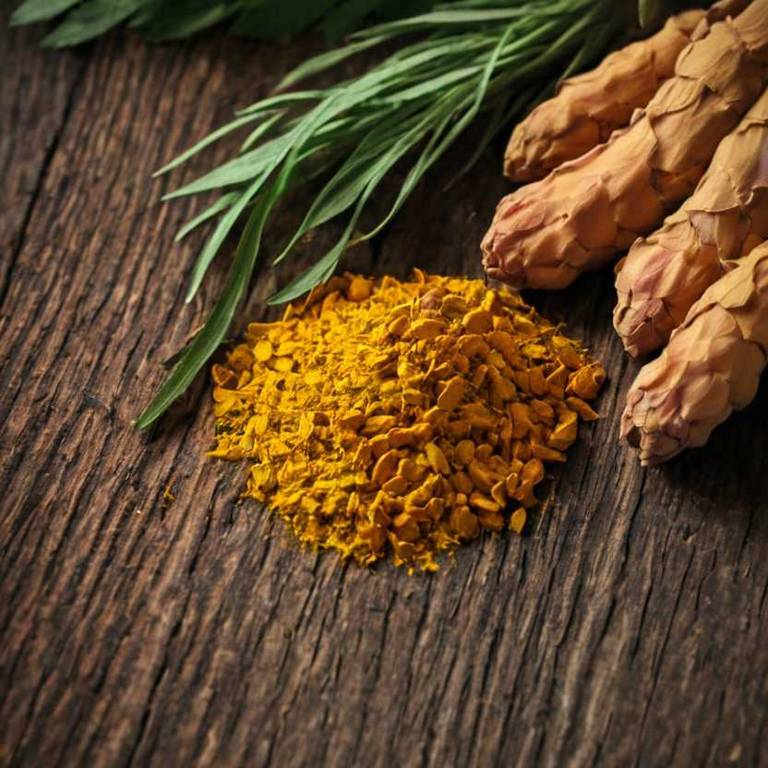
Curcuma longa
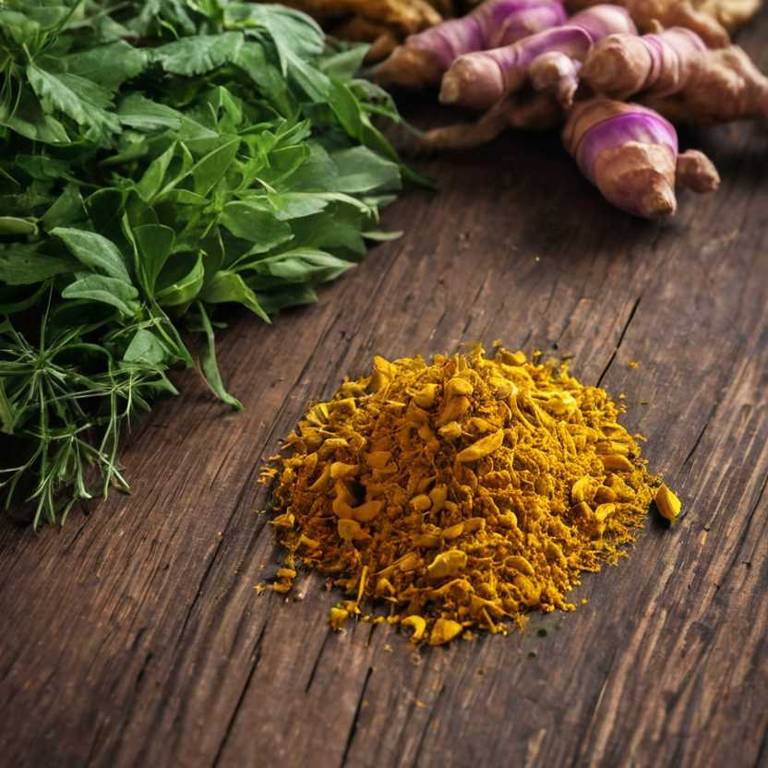
Curcuma aromatica
View all Demethoxycurcumin herbs →

Deoxypodophyllotoxin

Deoxypodophyllotoxin is a bioactive lignan found in various medicinal plants that is studied for its potential anti-tumor and anti-inflammatory properties. This specific compound can be sourced from several botanical species, including Hernandia nymphaeifolia, Anthriscus sylvestris, and Illigera luzonensis.

Associated herbs: 6

Occurs naturally in

Hernandia nymphaeifolia

Anthriscus sylvestris

Illigera luzonensis

View all Deoxypodophyllotoxin herbs →

Ecdysterone

Ecdysterone is a powerful bioactive steroid hormone found in various medicinal herbs that helps promote muscle growth and enhances physical performance by stimulating protein synthesis. This compound is naturally present in plants such as Rhaponticum uniflorum, Ajuga turkestanica, and Tinospora cordifolia.

Associated herbs: 6

Occurs naturally in

Rhaponticum uniflorum

Ajuga turkestanica

Tinospora cordifolia

View all Ecdysterone herbs →

Epigallocatechin-3-gallate

Epigallocatechin-3-gallate (EGCG) is a potent polyphenolic antioxidant known for its significant anti-inflammatory and neuroprotective properties. This bioactive compound is found in various medicinal herbs, such as Camellia sinensis (green tea), Ginkgo biloba, and Limonium tetragonum.

Associated herbs: 3

Occurs naturally in

Ginkgo biloba

Camellia sinensis

Limonium tetragonum

View all Epigallocatechin-3-gallate herbs →

Epimedin C

Epimedin C is a bioactive flavonoid derivative found in various species of the Epimedium genus, known for its potential pharmacological effects on metabolic and reproductive health. This compound is specifically present in medicinal herbs such as Epimedium pseudowushanense, Epimedium pubescens, and other species within the Epimedium family.

Associated herbs: 6

Occurs naturally in

Epimedium pseudowushanense

Epimedium

Epimedium pubescens

View all Epimedin C herbs →

FLAVANONE

Flavanones are a class of bioactive flavonoids characterized by a benzopyran ring structure that contributes to significant antioxidant, anti-inflammatory, and antimicrobial properties. These compounds are found in various medicinal plants, including Coreopsis lanceolata, Chromolaena odorata, and Zygophyllum creticum.

Associated herbs: 9

Occurs naturally in

Coreopsis lanceolata

Chromolaena odorata

Zygophyllum creticum

View all FLAVANONE herbs →

Fenchone

Fenchone is a natural monoterpene ketone known for its distinct aroma and significant pharmacological properties, including antimicrobial, anti-inflammatory, and digestive benefits. This bioactive compound is commonly found in various medicinal herbs, such as Tetradenia riparia, Alpinia japonica, and Elettaria cardamomum (cardamom).

Associated herbs: 8

Occurs naturally in

Tetradenia riparia

Alpinia japonica

Elettaria cardamomum

View all Fenchone herbs →

Ferruginol

Ferruginol is a naturally occurring abietane diterpene known for its potent antioxidant, anti-inflammatory, and antimicrobial properties. This bioactive compound can be found in various medicinal herbs, including Taiwania cryptomerioides, Salvia deserta, and Volkameria glabra.

Associated herbs: 7

Occurs naturally in

Taiwania cryptomerioides

Salvia deserta

Volkameria glabra

View all Ferruginol herbs →

Fraxetin

Fraxetin is a bioactive coumarin derivative known for its diverse pharmacological properties, including anti-inflammatory, antioxidant, and potential anti-tumor activities. This compound can be found in various medicinal plants, such as Triadica cochinchinensis, Bupleurum fruticosum, and Jatropha podagrica.

Associated herbs: 6

Occurs naturally in

Triadica cochinchinensis

Bupleurum fruticosum

Jatropha podagrica

View all Fraxetin herbs →

GERANIAL

Geranial is a key monoterpene aldehyde responsible for the characteristic lemon-like aroma and potent antimicrobial properties found in many essential oils. This bioactive compound is prominently found in medicinal herbs such as Zanthoxylum leprieurii, Cymbopogon nardus, and Melissa officinalis.

Associated herbs: 7

Occurs naturally in

Zanthoxylum leprieurii

Cymbopogon nardus

Melissa officinalis

View all GERANIAL herbs →

GERANYL ACETATE

Geranyl acetate is a fragrant terpene ester known for its calming, antimicrobial, and anti-inflammatory properties in medicinal applications. This bioactive compound can be found in various essential oils, including those derived from herbs such as Coriandrum sativum (coriander), Cymbopogon distans (distans lemongrass), and Origanum petraeum.

Associated herbs: 7

Occurs naturally in

Coriandrum sativum

Cymbopogon distans

Origanum petraeum

View all GERANYL ACETATE herbs →

GLYCOPROTEIN

Glycoproteins are complex bioactive molecules consisting of proteins covalently bonded to carbohydrates, playing crucial roles in cell signaling, immune modulation, and structural support within biological systems. These compounds are found in various medicinal herbs, including Aloe microstigma subsp. microstigma, Aloe vera, and Withania somnifera.

Associated herbs: 6

Occurs naturally in

Aloe microstigma subsp. microstigma

Aloe

Withania somnifera

View all GLYCOPROTEIN herbs →

Ginsenoside Rb2

Ginsenoside Rb2 is a specific bioactive saponin belonging to the protopanaxadiol group, known for its potential neuroprotective and anti-inflammatory properties. This compound is primarily found in medicinal herbs of the Panax genus, most notably in Panax ginseng.

Associated herbs: 2

Occurs naturally in

Panax ginseng

Panax

View all Ginsenoside Rb2 herbs →

Herniarin

Herniarin is a naturally occurring coumarin derivative known for its potential anti-inflammatory, antioxidant, and antimicrobial properties. This bioactive compound can be found in various medicinal herbs, including Tagetes lucida, Matricaria chamomilla, and Santolina oblongifolia.

Associated herbs: 6

Occurs naturally in

Tagetes lucida

Matricaria chamomilla

Santolina oblongifolia

View all Herniarin herbs →

Hinokinin

Hinokinin is a bioactive coumarin derivative known for its diverse pharmacological properties, including potential anti-inflammatory and antimicrobial activities. This compound can be found in various medicinal plants, such as Piper cubeba, Camphora parthenoxylon, and Commiphora leptophloeos.

Associated herbs: 7

Occurs naturally in

Piper cubeba

Camphora parthenoxylon

Commiphora leptophloeos

View all Hinokinin herbs →

Imperialine

Imperialine is a potent alkaloid derived from medicinal herbs that primarily functions as a stimulant to the central nervous system. It is a key bioactive component found in various species of the Fritillaria genus, including Fritillaria pallidiflora, Fritillaria unibracteata, and Fritillaria unibracteata var. wabuensis.

Associated herbs: 7

Occurs naturally in

Fritillaria pallidiflora

Fritillaria unibracteata

Fritillaria unibracteata var. wabuensis

View all Imperialine herbs →

Indirubin

Indirubin is a bioactive organic compound derived from the oxidation of indigo, known for its significant anti-inflammatory, anti-cancer, and anti-proliferative properties. It is primarily found in various medicinal plants used for natural dyeing, such as Isatis tinctoria, Persicaria tinctoria, and Strobilanthes cusia.

Associated herbs: 8

Occurs naturally in

Isatis tinctoria

Persicaria tinctoria

Strobilanthes cusia

View all Indirubin herbs →

Isoferulic acid

Isoferulic acid is a bioactive phenolic acid known for its antioxidant and anti-inflammatory properties, which contribute to the therapeutic efficacy of various medicinal plants. This compound can be found in several botanical species, including Actaea racemosa, Leucojum aestivum, and Actaea cimicifuga.

Associated herbs: 6

Occurs naturally in

Actaea racemosa

Leucojum aestivum

Actaea cimicifuga

View all Isoferulic acid herbs →

Isoliquiritin

Isoliquiritin is a bioactive flavanoid known for its significant anti-inflammatory, antioxidant, and anti-cancer properties. This compound is primarily found in various species of the licorice plant, such as Glycyrrhiza glabra, Glycyrrhiza uralensis, and other members of the Glycyrrhiza genus.

Associated herbs: 3

Occurs naturally in

Glycyrrhiza glabra

Glycyrrhiza uralensis

Glycyrrhiza

View all Isoliquiritin herbs →

Kolaviron

Kolaviron is a potent mixture of polyphenolic compounds found in certain medicinal plants that serves as a powerful antioxidant and anti-inflammatory agent. A primary natural source of this bioactive compound is the kola nut, specifically derived from the fruit of the Garcinia kola tree.

Associated herbs: 1

Occurs naturally in

Garcinia kola

View all Kolaviron herbs →

Kurarinone

Kurarinone is a bioactive flavanone derived from medicinal plants that exhibits significant pharmacological properties, including anti-inflammatory, antiviral, and anti-tumor activities. This compound can be found in various herbal sources, such as Sophora flavescens and Gentiana burseri subsp. villarsii.

Associated herbs: 2

Occurs naturally in

Sophora flavescens

Gentiana burseri subsp. villarsii

View all Kurarinone herbs →

Luteolin 7-O-glucuronide

Luteolin 7-O-glucuronide is a bioactive flavonoid derivative known for its potent antioxidant, anti-inflammatory, and neuroprotective properties. This specific compound can be found in various medicinal plants, including Lippia multiflora, Thymus baicalensis, and Lactuca indica.

Associated herbs: 7

Occurs naturally in

Lippia multiflora

Thymus baicalensis

Lactuca indica

View all Luteolin 7-O-glucuronide herbs →

METHYL STEARATE

Methyl stearate is a fatty acid methyl ester that serves as a bioactive component in various medicinal plants, often contributing to the lipid profile and potential emulsifying properties of the herb. This compound can be found in the chemical constituents of plants such as Vicia faba, Gossypium hirsutum var. hirsutum, and Maerua edulis.

Associated herbs: 7

Occurs naturally in

Vicia faba

Gossypium hirsutum var. hirsutum

Maerua edulis

View all METHYL STEARATE herbs →

Mahanimbine

Mahanimbine is a bioactive indole alkaloid known for its diverse pharmacological activities, including potential anti-inflammatory and neuroprotective properties. This compound is characteristically found in medicinal plants such as Bergera koenigii (Curry leaf).

Associated herbs: 1

Occurs naturally in

Bergera koenigii

View all Mahanimbine herbs →

Mahanine

Mahanine is a bioactive alkaloid known for its potential neuroprotective and anti-inflammatory properties in medicinal research. This compound is primarily found in herbs such as Bergera koenigii, commonly known as the curry leaf plant.

Associated herbs: 1

Occurs naturally in

Bergera koenigii

View all Mahanine herbs →

Methyl eugenol

Methyl eugenol is a natural phenylpropanoid compound found in various medicinal plants that exhibits significant biological activities, including antioxidant, antimicrobial, and anti-inflammatory properties. It is a key bioactive constituent in several herbal species, such as Melaleuca decora, Hedyosmum racemosum, and Hypenia salzmannii.

Associated herbs: 10

Occurs naturally in

Melaleuca decora

Hedyosmum racemosum

Hypenia salzmannii

View all Methyl eugenol herbs →

Nicotiflorin

Nicotiflorin is a bioactive flavonoid glycoside known for its potential antioxidant and anti-inflammatory properties in medicinal applications. This compound can be found in various plant species, including Laennecia filaginoides, Ipomoea aquatica, and Helianthemum ruficomum.

Associated herbs: 7

Occurs naturally in

Laennecia filaginoides

Ipomoea aquatica
Helianthemum ruficomum

View all Nicotiflorin herbs →

PAEONOL

Paeonol is a bioactive phenolic compound primarily known for its potent anti-inflammatory, antioxidant, and antimicrobial properties. It is most commonly extracted from medicinal herbs within the Paeonia genus, such as Paeonia lactiflora and Paeonia ostii.

Associated herbs: 5

Occurs naturally in

Paeonia

Paeonia ostii

Paeonia lactiflora

View all PAEONOL herbs →

PHILLYGENIN

Phillygenin is a bioactive xanthone derivative known for its significant pharmacological properties, including anti-inflammatory, antioxidant, and potential anticancer activities. This compound can be found in various medicinal herbs such as Forsythia suspensa, Jatropha podagrica, and Osmanthus fragrans var. aurantiacus.

Associated herbs: 4

Occurs naturally in

Forsythia suspensa

Jatropha podagrica
Osmanthus fragrans var. aurantiacus

View all PHILLYGENIN herbs →

Pinitol

Pinitol is a naturally occurring cyclitol that serves as a powerful bioactive compound known for its potential to improve insulin sensitivity and provide neuroprotective effects. It is found in various medicinal plants, including species such as Bauhinia ungulata, Bauhinia, and Sesbania bispinosa.

Associated herbs: 10

Occurs naturally in

Bauhinia ungulata

Bauhinia

Sesbania bispinosa

View all Pinitol herbs →

Protodioscin

Protodioscin is a potent steroidal saponin recognized for its diverse pharmacological properties, including anti-inflammatory, antioxidant, and potential anti-tumor activities. This bioactive compound is found in various medicinal herbs, such as Tribulus terrestris, Trillium govanianum, and Dioscorea nipponica.

Associated herbs: 4

Occurs naturally in

Trillium govanianum

Tribulus terrestris

Dioscorea nipponica
View all Protodioscin herbs →

Psoralidin

Psoralidin is a natural dietary flavonoid known for its potent antioxidant, anti-inflammatory, and anti-tumor properties. It can be found in various medicinal plants, such as Cullen corylifolium and Vigna umbellata.
Associated herbs: 2

Occurs naturally in

Cullen corylifolium

Vigna umbellata

View all Psoralidin herbs →

Punicalagin

Punicalagin is a potent bioactive polyphenol belonging to the ellagitannin family, recognized for its significant antioxidant, anti-inflammatory, and anti-cancer properties. This compound is found in various medicinal plants, including Terminalia catappa, Terminalia chebula, and Lafoensia pacari.

Associated herbs: 7

Occurs naturally in

Terminalia catappa

Terminalia chebula

Lafoensia pacari

View all Punicalagin herbs →

RG2

RG2 is a type of ginsenoside, a bioactive saponin found in various medicinal herbs that is studied for its potential neuroprotective and anti-inflammatory properties. This specific compound is primarily found in species of the Panax genus, including Panax ginseng and Panax notoginseng.

Associated herbs: 4

Occurs naturally in

Panax

Panax notoginseng

Panax ginseng

View all RG2 herbs →

Rh2

Rh2 is a potent ginsenoside belonging to the protopanaxadiol group that exhibits significant anticancer, anti-inflammatory, and neuroprotective activities. This bioactive compound is primarily found in medicinal herbs of the Panax genus, such as Panax ginseng, Panax quinquefolius, and Panax notoginseng.

Associated herbs: 3

Occurs naturally in

Panax ginseng

Panax

Panax quinquefolius

View all Rh2 herbs →

Rhamnetin

Rhamnetin is a bioactive flavonol glycoside known for its potent antioxidant, anti-inflammatory, and anti-tumor properties in various biological systems. This compound is naturally found in several medicinal plants, including Myricaria paniculata, Rhamnus petiolaris, and Artemisia ordosica.

Associated herbs: 10

Occurs naturally in

Myricaria paniculata

Rhamnus petiolaris

Artemisia ordosica

View all Rhamnetin herbs →

Rhamnocitrin

Rhamnocitrin is a bioactive flavonoid known for its significant antioxidant, anti-inflammatory, and potential anti-tumor properties in medicinal research. This compound can be found in various medicinal herbs, including Myricaria paniculata, Nervilia fordii, and Melissa officinalis.

Associated herbs: 9

Occurs naturally in

Myricaria paniculata

Nervilia fordii

Melissa officinalis

View all Rhamnocitrin herbs →

SENECIONINE

Senecionine is a potent pyrrolizidine alkaloid known for its significant biological activity, though it is also noted for its potential hepatotoxicity. This compound is primarily found in medicinal herbs such as Gynura japonica, Petasites hybridus, and various species within the Senecio genus.

Associated herbs: 4

Occurs naturally in

Gynura japonica
Petasites hybridus

Senecio

View all SENECIONINE herbs →

Salvianolic acid A

Salvianolic acid A is a potent bioactive polyphenol known for its significant antioxidant, anti-inflammatory, and neuroprotective properties. This compound is primarily found in medicinal herbs such as Salvia miltiorrhiza, Salvia yunnanensis, and Ocimum basilicum.
Associated herbs: 4

Occurs naturally in

Ocimum basilicum

Salvia miltiorrhiza

Salvia yunnanensis

View all Salvianolic acid A herbs →

Senkyunolide A

Senkyunolide A is a bioactive sesquiterpene lactone known for its significant pharmacological properties, particularly its potential anti-inflammatory, neuroprotective, and anti-tumor activities. This compound is primarily found in medicinal herbs such as Angelica sinensis, Conioselinum anthriscoides 'Chuanxiong', and Conioselinum officinale.

Associated herbs: 5

Occurs naturally in

Angelica sinensis

Conioselinum anthriscoides 'Chuanxiong'

Conioselinum officinale

View all Senkyunolide A herbs →

Solamargine

Solamargine is a potent steroidal glycoalkaloid found in various medicinal plants that exhibits significant pharmacological activities, including anti-tumor, anti-inflammatory, and antimicrobial properties. This bioactive compound is primarily concentrated in species of the nightshade family, such as Solanum virginianum, Solanum albidum, and Solanum lycocarpum.

Associated herbs: 5

Occurs naturally in

Solanum virginianum

Solanum albidum

Solanum lycocarpum

View all Solamargine herbs →

Steroid Saponins

Steroid saponins are a class of bioactive glycosides characterized by a steroid backbone, known for their diverse pharmacological effects including anti-inflammatory, cholesterol-lowering, and hormonal regulatory activities. These compounds are found in various medicinal plants, such as Tribulus terrestris, Siraitia grosvenorii, and Haplophyllum tuberculatum.

Associated herbs: 9

Occurs naturally in

Tribulus cistoides

Siraitia grosvenorii

Haplophyllum tuberculatum

View all Steroid Saponins herbs →

Steviol glycosides

Steviol glycosides are a group of bioactive compounds responsible for the intense, non-caloric sweetness found in certain medicinal plants. These glycosides are primarily extracted from herbs such as Stevia rebaudiana and other species within the Stevia genus to serve as natural, zero-calorie sweeteners.

Associated herbs: 2

Occurs naturally in

Stevia rebaudiana

Stevia

View all Steviol glycosides herbs →

THUJONE

Thujone is a potent monoterpene ketone found in various medicinal herbs that can exert neurotoxic effects if consumed in high concentrations. It is a key bioactive component in plants such as Artemisia afra, Marrubium deserti, and Salvia officinalis.

Associated herbs: 6

Occurs naturally in

Artemisia afra

Marrubium deserti

Salvia officinalis

View all THUJONE herbs →

Taraxerone

Taraxerone is a bioactive triterpenoid known for its diverse pharmacological properties, including anti-inflammatory, antioxidant, and potential anticancer activities. This compound can be found in various medicinal plants, such as Leucas lavandulifolia, Cichorium intybus, and Bruguiera × rhynchopetala.

Associated herbs: 9

Occurs naturally in

Leucas lavandulifolia

Cichorium intybus

Bruguiera × rhynchopetala

View all Taraxerone herbs →

Trifolin

Trifolin is a bioactive flavonoid glycoside known for its potential antioxidant, anti-inflammatory, and neuroprotective properties in medicinal applications. This compound can be found in various medicinal plants, such as Camptotheca acuminata, Nelumbo nucifera, and Apocynum cannabinum.

Associated herbs: 7

Occurs naturally in

Camptotheca acuminata

Nelumbo nucifera

Apocynum cannabinum

View all Trifolin herbs →

Tryptanthrin

Tryptanthrin is a bioactive quinazoline alkaloid known for its diverse pharmacological properties, including potent anti-inflammatory, antibacterial, and anticancer activities. This compound can be found in various medicinal plants, such as Couroupita guianensis, Isatis tinctoria subsp. tinctoria, and Strobilanthes cusia.

Associated herbs: 5

Occurs naturally in

Couroupita guianensis

Isatis tinctoria subsp. tinctoria

Strobilanthes cusia

View all Tryptanthrin herbs →

Viridiflorol

Viridiflorol is a bioactive sesquiterpene alcohol found in various medicinal plants, known for its diverse biological activities including anti-inflammatory and antimicrobial properties. This compound can be identified in several herbal species, such as Mentha × piperita (peppermint), Cistus tauricus, and Cyperus longus.

Associated herbs: 7

Occurs naturally in

Mentha × piperita

Cistus tauricus

Cyperus longus

View all Viridiflorol herbs →