Explore herbs compounds

  • 12404 Plants
  • |
  • 11288 Compounds
  • |
  • 16281 Activities
  • |
  • 132161 Studies

Explore Herbs


Alphabet


Biological Activities

View all →

Bioactive Compounds

View all →

Plant Parts

View all →

List of herbs compounds

Showing 577-624 out of 11883 results

Quinovic acid

Quinovic acid is a bioactive triterpene compound found in various medicinal herbs, known primarily for its potent anti-inflammatory and antioxidant properties. This compound is a key constituent in plants such as Uncaria tomentosa (Cat's Claw), Melanopsidium nigrum, and Adina rubella.

Associated herbs: 8

Occurs naturally in
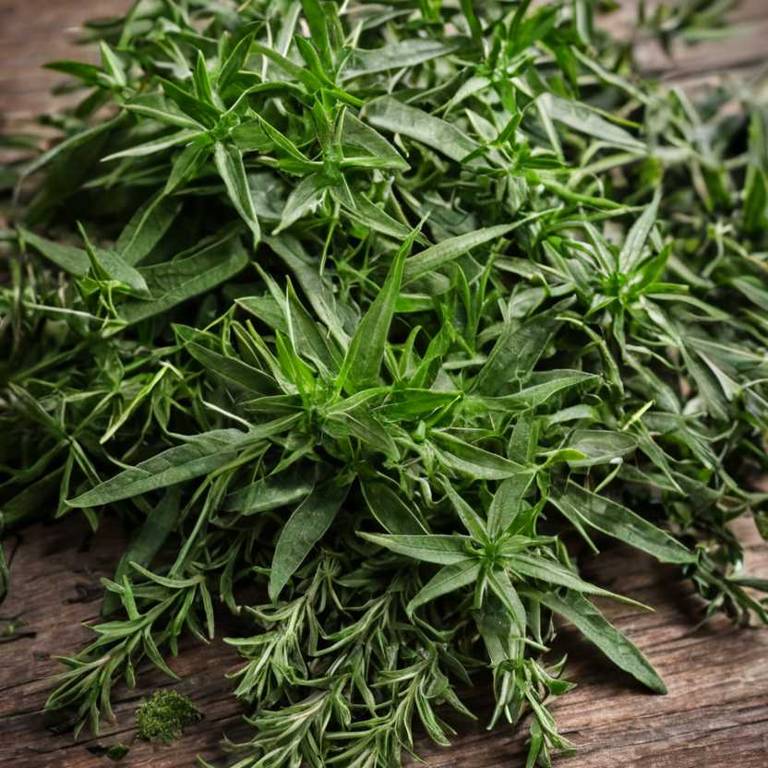
Uncaria tomentosa
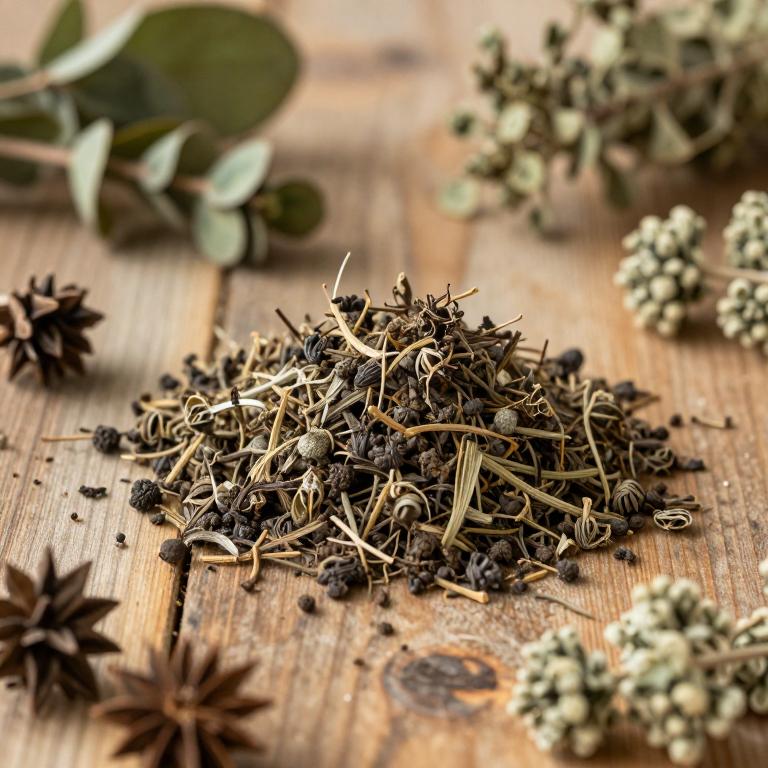
Melanopsidium nigrum

Adina rubella

View all Quinovic acid herbs →

RAFFINOSE

Raffinose is a trisaccharide composed of galactose, glucose, and fructose that serves as a significant prebiotic carbohydrate in various medicinal plants. This bioactive compound can be found in several herbs and legumes, such as Angelica acutiloba, Rehmannia glutinosa, and Vicia faba.

Associated herbs: 9

Occurs naturally in

Angelica acutiloba

Rehmannia glutinosa

Vicia faba

View all RAFFINOSE herbs →

RB2

RB2 is a major bioactive ginsenoside belonging to the protopanaxadiol group, known for its neuroprotective and anti-inflammatory properties. This compound is primarily found in medicinal herbs such as Panax ginseng and Panax notoginseng.

Associated herbs: 2

Occurs naturally in

Panax

Panax notoginseng

View all RB2 herbs →

Reticuline

Reticuline is a key benzylisoquinoline alkaloid that serves as a fundamental metabolic precursor in the biosynthesis of numerous complex plant alkaloids. This bioactive compound can be found in various medicinal species, such as Papaver somniferum, Berberis petiolaris, and Ocotea fasciculata.

Associated herbs: 6

Occurs naturally in

Ocotea fasciculata

Papaver somniferum

Berberis petiolaris

View all Reticuline herbs →

SALVIANOLIC ACID

Salvianolic acid is a potent bioactive polyphenol known for its significant antioxidant, anti-inflammatory, and neuroprotective properties. This compound is primarily found in medicinal herbs such as Salvia miltiorrhiza (Danshen), Coleus amboinicus, and Salvia castanea.

Associated herbs: 3

Occurs naturally in

Salvia miltiorrhiza

Coleus amboinicus

Salvia castanea

View all SALVIANOLIC ACID herbs →

Saikosaponin A

Saikosaponin A is a potent triterpenoid saponin known for its significant anti-inflammatory, hepatoprotective, and analgesic properties in traditional medicine. This bioactive compound is primarily found in various species of the Bupleurum genus, including Bupleurum chinense var. chinense, Bupleurum parvifolium, and Bupleurum franchetii.

Associated herbs: 7

Occurs naturally in

Bupleurum chinense var. chinense

Bupleurum parvifolium

Bupleurum franchetii

View all Saikosaponin A herbs →

Schisandrin B

Schisandrin B is a potent bioactive lignan known for its significant neuroprotective, anti-inflammatory, and antioxidant properties. This compound is primarily found in medicinal herbs such as Schisandra chinensis and Kadsura coccinea.

Associated herbs: 2

Occurs naturally in

Schisandra chinensis

Kadsura coccinea

View all Schisandrin B herbs →

Sennosides

Sennosides are a group of anthraquinone glycosides found in certain medicinal plants that act as stimulant laxatives by irritating the colon to induce bowel movements. This bioactive compound is primarily sourced from herbs such as Senna alexandrina var. alexandrina, commonly known as Senna.

Associated herbs: 3

Occurs naturally in

Senna alexandrina var. alexandrina

Senna

Senna alexandrina

View all Sennosides herbs →

TETRAHYDROCANNABINOL

Tetrahydrocannabinol (THC) is a primary psychoactive compound found in certain plants that interacts with the body's endocannabinoid system to produce various physiological and psychological effects. This bioactive substance is most notably found in herbs such as Cannabis sativa and other species within the Cannabis genus.

Associated herbs: 2

Occurs naturally in

Cannabis

Cannabis sativa

View all TETRAHYDROCANNABINOL herbs →

Tricin

Tricin is a flavone bioactive compound widely recognized for its potent antioxidant, anti-inflammatory, and anti-cancer properties. It is found in various medicinal plants, including Salvia judaica, Avena sativa, and Agelaea pentagyna.

Associated herbs: 15

Occurs naturally in

Salvia judaica

Avena sativa

Agelaea pentagyna

View all Tricin herbs →

Withanolide D

Withanolide D is a bioactive steroidal lactone belonging to the withanolide family, known for its significant pharmacological potential in modulating biological processes. This compound is found in various medicinal herbs, such as Withania somnifera, Tubocapsicum anomalum, and Iochroma arborescens.

Associated herbs: 3

Occurs naturally in

Withania somnifera

Tubocapsicum anomalum

Iochroma arborescens

View all Withanolide D herbs →

arjungenin

Arjungenin is a bioactive flavonoid found in various medicinal plants known for its potent antioxidant and anti-inflammatory properties. This compound is characteristically present in herbs such as Terminalia arjuna, Terminalia januarensis, and Rhododendron collettianum.

Associated herbs: 5

Occurs naturally in

Terminalia arjuna

Terminalia januarensis

Rhododendron collettianum

View all arjungenin herbs →

azelaic acid

Azelaic acid is a naturally occurring dicarboxylic acid known for its potent anti-inflammatory, antimicrobial, and antioxidant properties in medicinal applications. This bioactive compound can be found in various botanical sources, including herbs such as Prosthechea karwinskii, Corynaea crassa, and Brucea javanica.

Associated herbs: 14

Occurs naturally in

Prosthechea karwinskii

Corynaea crassa

Brucea javanica

View all azelaic acid herbs →

benzaldehyde

Benzaldehyde is a volatile organic compound characterized by its distinct almond-like aroma, often serving as a key metabolic intermediate in various plant pathways. It can be found in several medicinal herbs, including Ephedra, Terminalia mantaly, and Agastache foeniculum.

Associated herbs: 8

Occurs naturally in

Ephedra

Terminalia mantaly

Agastache foeniculum

View all benzaldehyde herbs →

beta-carotene

Beta-carotene is a potent antioxidant and a precursor to vitamin A that plays a vital role in supporting immune function and maintaining healthy vision. This bioactive compound can be found in various medicinal plants, such as Moringa oleifera, Glycyrrhiza glabra, and Lagenaria siceraria.

Associated herbs: 8

Occurs naturally in

Moringa oleifera

Glycyrrhiza glabra

Lagenaria siceraria

View all beta-carotene herbs →

beta-sitosterol 3-O-beta-D-glucopyranoside

Beta-sitosterol 3-O-beta-D-glucopyranoside is a bioactive sterol glycoside known for its potential pharmacological properties, including anti-inflammatory and antioxidant activities. This specific compound can be found in various medicinal plants, such as Atropa acuminata, Eucalyptus camaldulensis subsp. obtusa, and Dicliptera chinensis.

Associated herbs: 9

Occurs naturally in

Atropa acuminata

Eucalyptus camaldulensis subsp. obtusa

Dicliptera chinensis

View all beta-sitosterol 3-O-beta-D-glucopyranoside herbs →

glutathione

Glutathione is a potent endogenous antioxidant that plays a critical role in neutralizing free radicals and supporting detoxification processes within the body. Many medicinal herbs are rich in this bioactive compound or stimulate its production, including species such as Picrorhiza kurrooa and Astragalus mongholicus.

Associated herbs: 10

Occurs naturally in

Picrorhiza

Picrorhiza kurrooa

Astragalus mongholicus

View all glutathione herbs →

lauric acid

Lauric acid is a medium-chain saturated fatty acid renowned for its potent antimicrobial and anti-inflammatory properties, which support immune function and skin health. This bioactive compound can be found in various medicinal and dietary plants, such as Cocos nucifera (coconut), Vicia faba (broad bean), and Sesbania bispinosa.

Associated herbs: 8

Occurs naturally in

Cocos nucifera

Vicia faba

Sesbania bispinosa

View all lauric acid herbs →

nicotine

Nicotine is a potent alkaloid that acts as a stimulant by interacting with nicotinic acetylcholine receptors in the nervous system. This bioactive compound is found in various medicinal and toxic herbs, including Nicotiana tabacum, Datura stramonium, and Withania somnifera.

Associated herbs: 3

Occurs naturally in

Nicotiana tabacum

Datura stramonium

Withania somnifera

View all nicotine herbs →

phenylalanine

Phenylalanine is an essential amino acid that serves as a critical precursor for the synthesis of neurotransmitters, such as dopamine and serotonin, which help regulate mood and cognitive function. This bioactive compound can be found in various medicinal herbs, including Phaseolus vulgaris (common bean), Cyclocarya paliurus (sweet tea tree), and Rhodiola crenulata.

Associated herbs: 8

Occurs naturally in

Phaseolus vulgaris

Cyclocarya paliurus

Rhodiola crenulata

View all phenylalanine herbs →

salicin

Salicin is a bioactive compound found in various medicinal herbs that acts as a precursor to salicylic acid, providing significant analgesic and anti-inflammatory effects. It is primarily sourced from plants such as Salix (willow), Salix gracilistyla f. gracilistyla, and certain varieties of other medicinal flora.

Associated herbs: 8

Occurs naturally in

Moringa oleifera

Salix

Salix gracilistyla f. gracilistyla

View all salicin herbs →

solasodine

Solasodine is a steroidal alkaloid found in various medicinal plants that serves as a key precursor in the chemical synthesis of steroid hormones. This bioactive compound is prominently present in several species of the nightshade family, including Solanum lycocarpum, Solanum viarum, and Solanum mammosum.

Associated herbs: 6

Occurs naturally in

Solanum lycocarpum

Solanum viarum

Solanum mammosum

View all solasodine herbs →

tetrahydropalmatine

Tetrahydropalmatine is a bioactive alkaloid known for its potent neuroprotective and sedative effects, often utilized in traditional medicine to alleviate pain and manage neurological disorders. This compound is primarily found in various species of the Corydalis genus, including Corydalis decumbens, Corydalis humosa, and Corydalis adunca.

Associated herbs: 9

Occurs naturally in

Corydalis decumbens

Corydalis humosa

Corydalis adunca

View all tetrahydropalmatine herbs →

10-Deacetylbaccatin III

10-Deacetylbaccatin III is a critical bioactive precursor used in the semi-synthesis of the potent anti-cancer drug paclitaxel. This compound is primarily extracted from various species of yew trees, such as Taxus brevifolia, Taxus baccata, and other plants within the Taxus genus.

Associated herbs: 4

Occurs naturally in

Taxus brevifolia

Taxus baccata

Taxus

View all 10-Deacetylbaccatin III herbs →

2'-Acetylacteoside

2'-Acetylacteoside is a bioactive phenylethanoid glycoside known for its significant pharmacological properties, including antioxidant, anti-inflammatory, and neuroprotective effects. This compound is commonly found in medicinal herbs such as Cistanche deserticola, Brandisia hancei, and Cistanche salsa.

Associated herbs: 3

Occurs naturally in

Cistanche deserticola

Brandisia hancei

Cistanche salsa

View all 2'-Acetylacteoside herbs →

4-hydroxybenzaldehyde

4-hydroxybenzaldehyde is a bioactive phenolic compound known for its diverse pharmacological properties, including antioxidant, anti-inflammatory, and antimicrobial activities. It can be found naturally in various medicinal herbs, such as Anemarrhena asphodeloides, Ligularia macrophylla, and Gastrodia elata.

Associated herbs: 7

Occurs naturally in

Anemarrhena asphodeloides

Ligularia macrophylla

Gastrodia elata

View all 4-hydroxybenzaldehyde herbs →

6-Gingerol

6-Gingerol is a potent bioactive phenolic compound known for its significant anti-inflammatory, antioxidant, and analgesic properties. It is primarily found in medicinal herbs such as Zingiber officinale (ginger), Aframomum melegueta (grains of paradise), and Polygonatum sibiricum.

Associated herbs: 3

Occurs naturally in

Polygonatum sibiricum

Zingiber officinale

Aframomum melegueta

View all 6-Gingerol herbs →

ABA

Abscisic acid (ABA) is a critical phytohormone that regulates essential physiological processes in plants, such as seed dormancy, stress responses, and stomatal closure. This bioactive compound can be found in various medicinal herbs, including Bletilla striata, Cuscuta campestris, and Gynostemma pentaphyllum.

Associated herbs: 9

Occurs naturally in

Bletilla striata

Cuscuta campestris

Gynostemma pentaphyllum

View all ABA herbs →

Aloesin

Aloesin is a bioactive compound found in certain medicinal plants that has demonstrated significant potential for its anti-diabetic properties, particularly in inhibiting alpha-glucosidase activity. This compound is primarily derived from various aloe species, such as Aloe arborescens, Aloe ferox, and Aloe succotrina.

Associated herbs: 5

Occurs naturally in

Aloe arborescens

Aloe ferox

Aloe succotrina

View all Aloesin herbs →

Antioxidants

Antioxidants are bioactive compounds that protect cells from damage by neutralizing harmful free radicals and reducing oxidative stress within the body. Many medicinal herbs are rich in these compounds, including Phaleria macrocarpa, Eryngium thyrsiflorum, and Stevia rebaudiana.

Associated herbs: 9

Occurs naturally in

Phaleria macrocarpa

Eryngium thyrsoideum

Stevia rebaudiana

View all Antioxidants herbs →

Aristolochic acid I

Aristolochic acid I is a potent nephrotoxic and carcinogenic bioactive compound found in several species of the genus Aristolochia and certain members of the Asarum family. This compound is notably present in medicinal herbs such as Asarum canadense, Asarum, and Asarum caudatum.

Associated herbs: 9

Occurs naturally in

Asarum canadense

Asarum

Asarum caudatum

View all Aristolochic acid I herbs →

Artemisinic acid

Artemisinic acid is a bioactive sesquiterpene acid known for its potent anti-inflammatory, antimicrobial, and potential anti-cancer properties. This compound is primarily found in medicinal herbs such as Artemisia annua (sweet wormwood) and Perilla frutescens (shiso).

Associated herbs: 2

Occurs naturally in

Artemisia annua

Perilla frutescens

View all Artemisinic acid herbs →

Asarinin

Asarinin is a bioactive phenylpropanoid compound found in certain medicinal herbs that often exhibits significant pharmacological activities, including anti-inflammatory and antimicrobial properties. It is primarily identified in species such as Asarum heterotropoides, Asarum, and Zanthoxylum americanum.

Associated herbs: 7

Occurs naturally in

Asarum heterotropoides

Asarum

Zanthoxylum americanum

View all Asarinin herbs →

Azadiradione

Azadiradione is a bioactive limonoid compound known for its potent insecticidal, anti-inflammatory, and antimicrobial properties. It is primarily found in medicinal plants such as Azadirachta indica, commonly known as the Neem tree.

Associated herbs: 1

Occurs naturally in

Azadirachta indica

View all Azadiradione herbs →

BETA-CARYOPHYLLENE

Beta-caryophyllene is a potent sesquiterpene known for its significant anti-inflammatory, analgesic, and antimicrobial properties. This bioactive compound can be found in various medicinal herbs, including Tragopogon graminifolius, Gerbera piloselloides, and Tetradenia riparia.

Associated herbs: 11

Occurs naturally in

Tragopogon graminifolius

Gerbera piloselloides

Tetradenia riparia

View all BETA-CARYOPHYLLENE herbs →

Bacoside A3

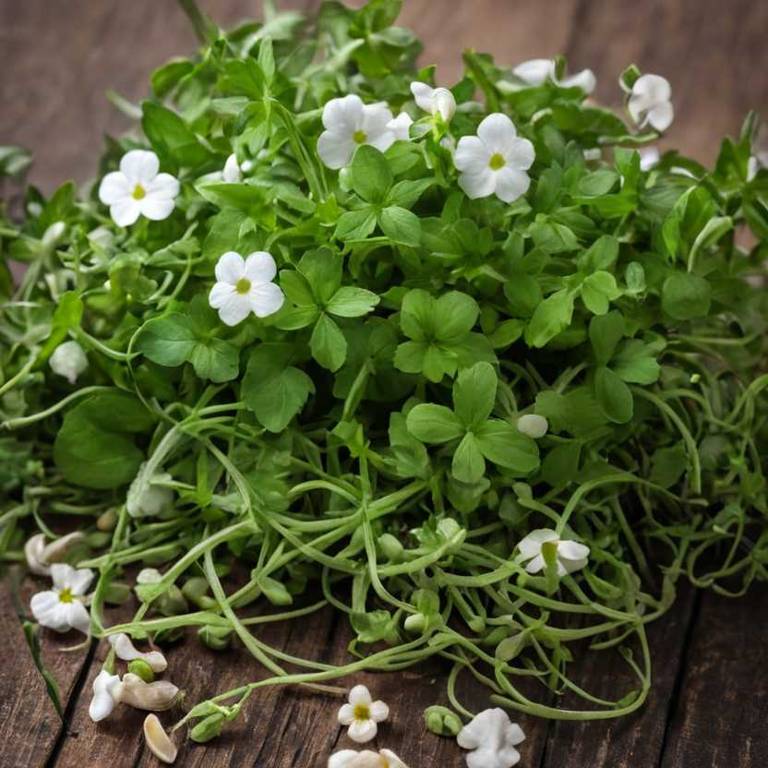
Bacoside A3 is a key bioactive saponin found in medicinal herbs that is primarily recognized for its neuroprotective and cognitive-enhancing properties. This compound is most notably concentrated in Bacopa monnieri (Brahmi), where it helps support memory function and reduce oxidative stress in the brain.

Associated herbs: 1

Occurs naturally in

Bacopa monnieri

View all Bacoside A3 herbs →

Betulonic acid

Betulonic acid is a bioactive triterpenoid known for its significant anti-inflammatory, anticancer, and antimicrobial properties. This compound can be found in various medicinal herbs, including Ceriops tagal, Eucalyptus globulus, and Hypericum hengshanense.

Associated herbs: 10

Occurs naturally in

Ceriops tagal

Eucalyptus globulus

Hypericum hengshanense

View all Betulonic acid herbs →

Bilobetin

Bilobetin is a bioactive flavonoid compound known for its potent antioxidant and neuroprotective properties. It can be found in medicinal plants such as Ginkgo biloba, Cycas thouarsii, and Araucaria angustifolia.

Associated herbs: 5

Occurs naturally in

Ginkgo biloba

Cycas thouarsii

Araucaria angustifolia

View all Bilobetin herbs →

Brazilin

Brazilin is a bioactive polyphenolic compound known for its potent antioxidant, anti-inflammatory, and antimicrobial properties. It is most notably found in the heartwood of medicinal herbs such as Biancaea sappan, commonly known as Sappanwood.

Associated herbs: 1

Occurs naturally in

Biancaea sappan

View all Brazilin herbs →

Cardiac glycoside

Cardiac glycosides are a class of bioactive compounds that exert a potent effect on heart muscle contraction by inhibiting the sodium-potassium pump. Various medicinal herbs contain these powerful molecules, including species such as Borassus aethiopum, Cissus adnata, and Momordica balsamina.

Associated herbs: 7

Occurs naturally in

Borassus aethiopum

Cissus adnata

Momordica balsamina

View all Cardiac glycoside herbs →

Cedrol

Cedrol is a bioactive sesquiterpene alcohol known for its sedative, anti-inflammatory, and antimicrobial properties in medicinal applications. This compound can be found in various medicinal plants, including Leucosceptrum canum, Sinningia allagophylla, and Cleistanthus bracteosus.

Associated herbs: 10

Occurs naturally in

Leucosceptrum canum

Sinningia allagophylla

Cleistanthus bracteosus

View all Cedrol herbs →

Cleomiscosin A

Cleomiscosin A is a bioactive flavonoid known for its significant antioxidant and anti-inflammatory properties in various medicinal applications. This compound can be found in several plant species, including Cleome viscosa, Xanthium strumarium, and Macaranga indica.

Associated herbs: 7

Occurs naturally in

Cleome viscosa

Xanthium strumarium

Macaranga indica

View all Cleomiscosin A herbs →

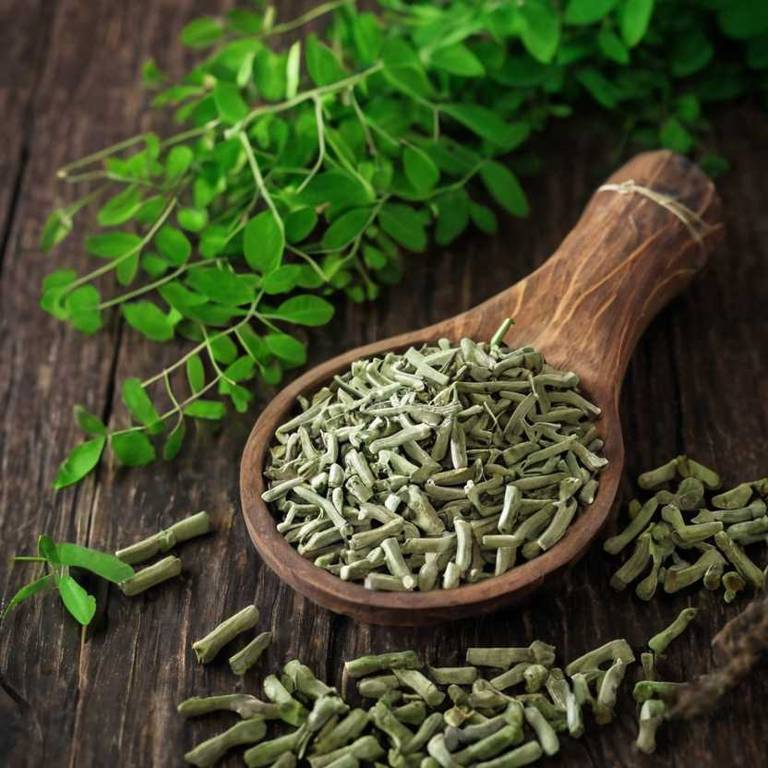
Copaene

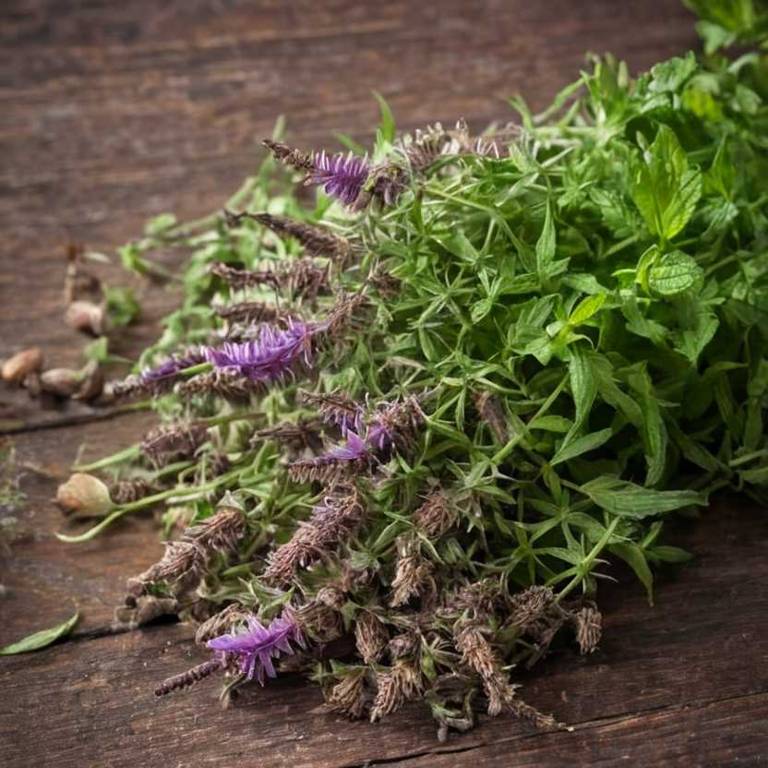
Copaene is a sesquiterpene hydrocarbon found in various medicinal plants that is often studied for its potential biological activities, including anti-inflammatory and antimicrobial properties. This bioactive compound is a characteristic constituent of several herbal species, such as Selaginella doederleinii, Dipterocarpus obtusifolius, and Callicarpa integerrima.
Associated herbs: 10

Occurs naturally in

Selaginella doederleinii
Dipterocarpus obtusifolius

Callicarpa integerrima

View all Copaene herbs →

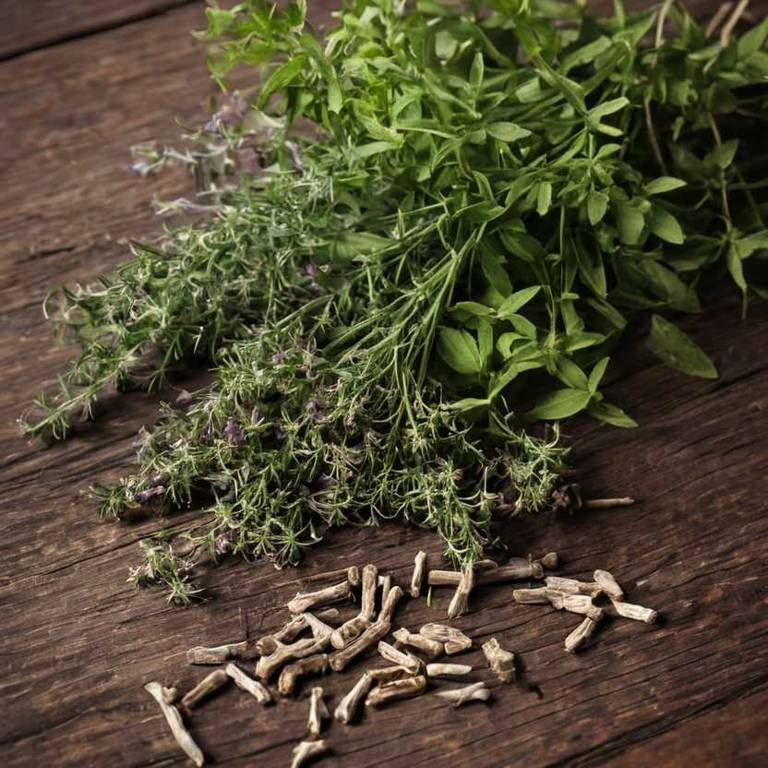
Cryptochlorogenic acid

Cryptochlorogenic acid is a bioactive phenolic compound found in various medicinal herbs that contributes to the plant's antioxidant and anti-inflammatory properties. This compound is specifically identified in botanical species such as Duhaldea cappa, Atractylodes macrocephala, and Laportea bulbifera.

Associated herbs: 8

Occurs naturally in

Duhaldea cappa

Atractylodes macrocephala
Laportea bulbifera

View all Cryptochlorogenic acid herbs →

Cucurbitacin E

Cucurbitacin E is a highly potent bioactive triterpene known for its significant anti-inflammatory, anti-tumor, and cytotoxic properties. This compound can be found in various medicinal plants, including Begonia nantoensis, Aquilaria malaccensis, and Ecballium elaterium.

Associated herbs: 9

Occurs naturally in

Begonia nantoensis

Aquilaria malaccensis

Ecballium elaterium

View all Cucurbitacin E herbs →

Cynaropicrin

Cynaropicrin is a bitter sesquiterpene lactone known for its significant anti-inflammatory, antimicrobial, and insecticidal properties. This bioactive compound can be found in various medicinal herbs, including Stizolophus balsamita, Psephellus sibiricus, and Saussurea amara.

Associated herbs: 6

Occurs naturally in

Stizolophus balsamita

Psephellus sibiricus

Saussurea amara

View all Cynaropicrin herbs →

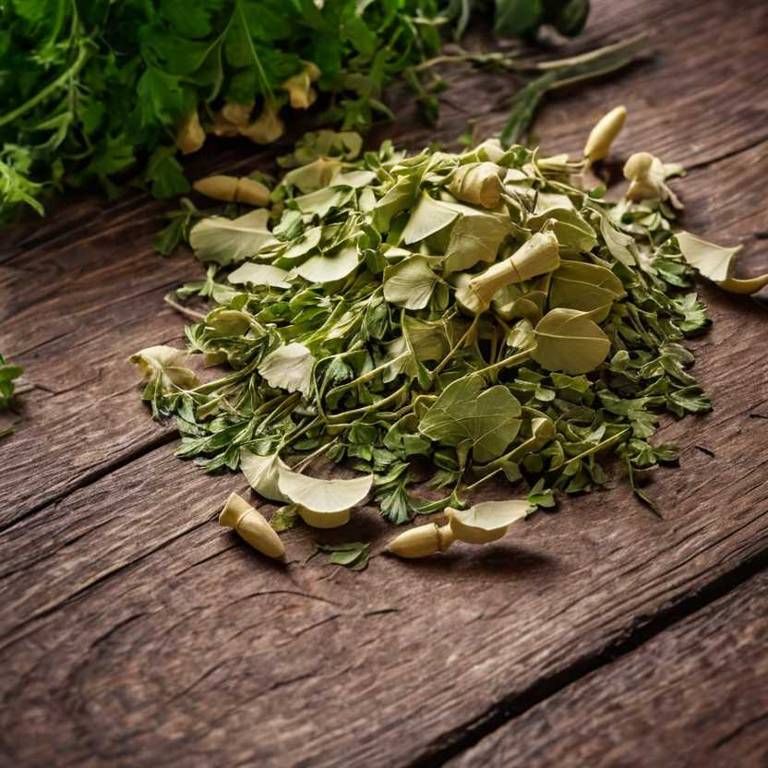
D-mannitol

D-mannitol is a naturally occurring sugar alcohol that functions as a bioactive compound with antioxidant, osmotic, and anti-inflammatory properties in medicinal plants. This compound can be found in various herbal species, such as Cinnamosma madagascariensis, Sorbus aucuparia, and Gardenia aqualla.

Associated herbs: 7

Occurs naturally in

Cinnamosma madagascariensis

Sorbus aucuparia

Gardenia aqualla
View all D-mannitol herbs →

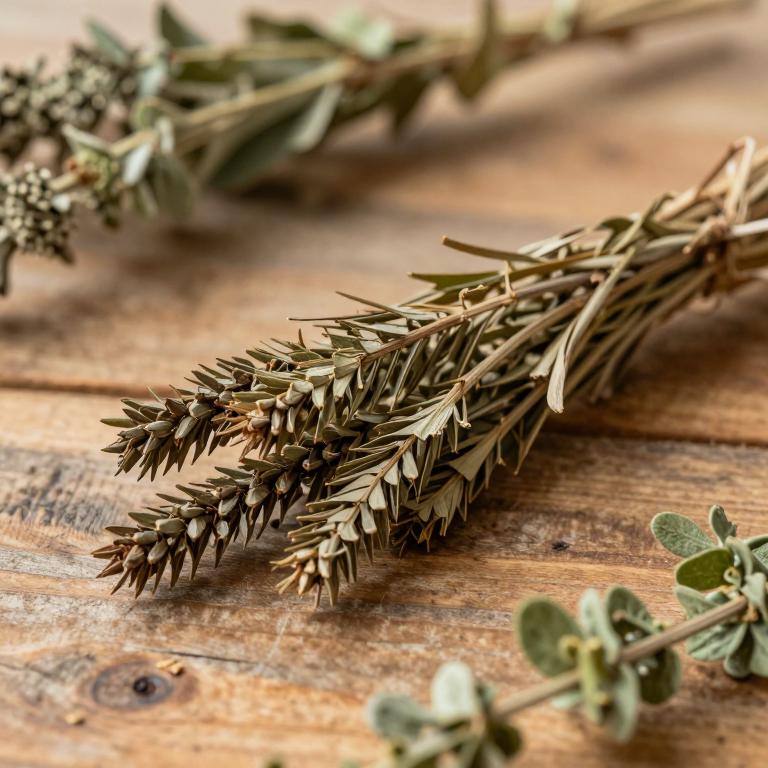
Daidzin

Daidzin is a natural isoflavone that serves as a glycoside precursor to the potent phytoestrogen daidzein, often utilized for its antioxidant and estrogen-modulating properties. This bioactive compound is commonly found in medicinal herbs such as Pueraria montana var. lobata, Pueraria species, and Garcinia oblongifolia.
Associated herbs: 7

Occurs naturally in

Pueraria montana var. lobata

Pueraria

Garcinia oblongifolia

View all Daidzin herbs →