Explore herbs compounds

  • 12404 Plants
  • |
  • 11288 Compounds
  • |
  • 16281 Activities
  • |
  • 132161 Studies

Explore Herbs


Alphabet


Biological Activities

View all →

Bioactive Compounds

View all →

Plant Parts

View all →

List of herbs compounds

Showing 289-336 out of 11883 results

aloin

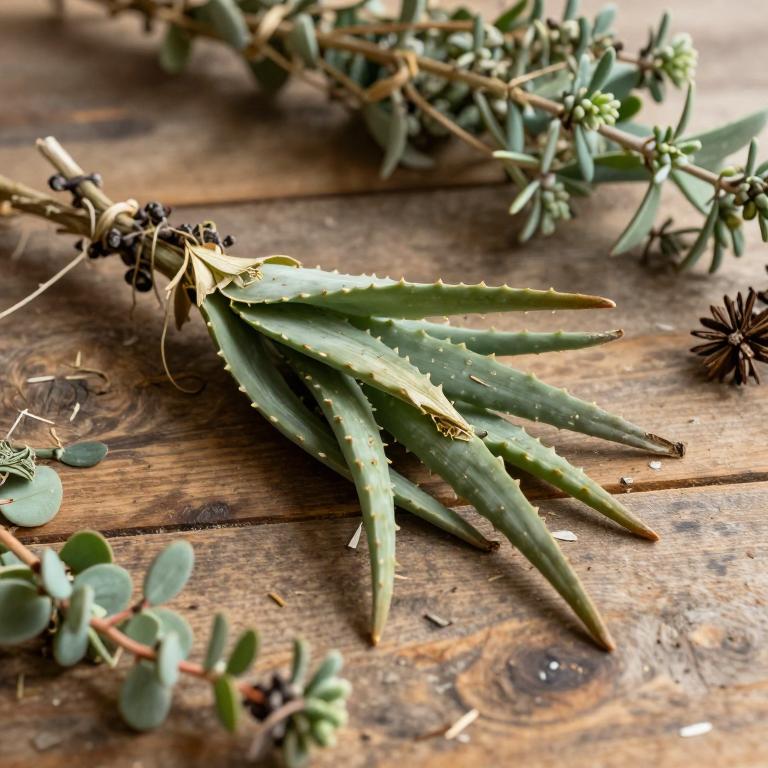
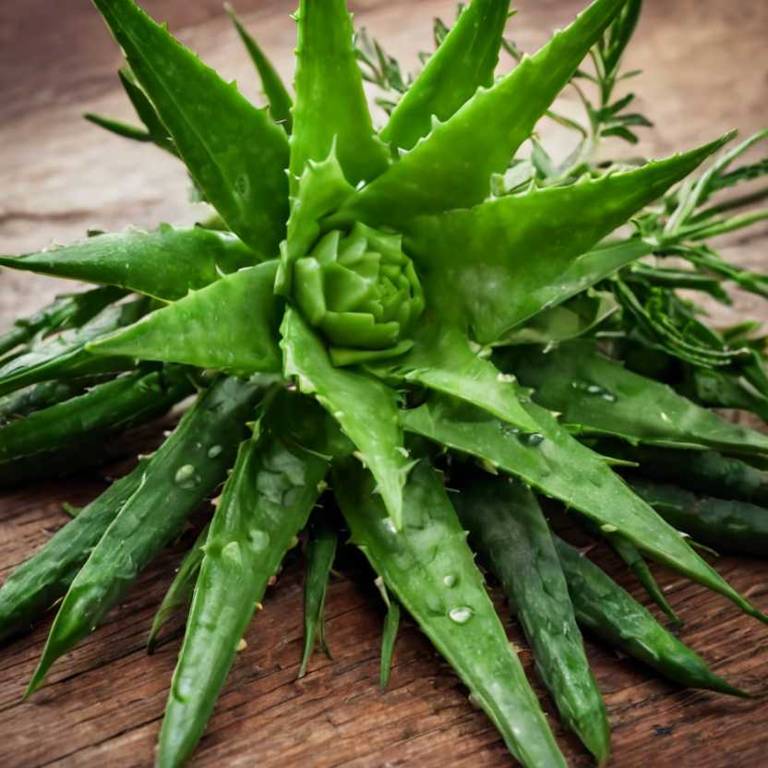
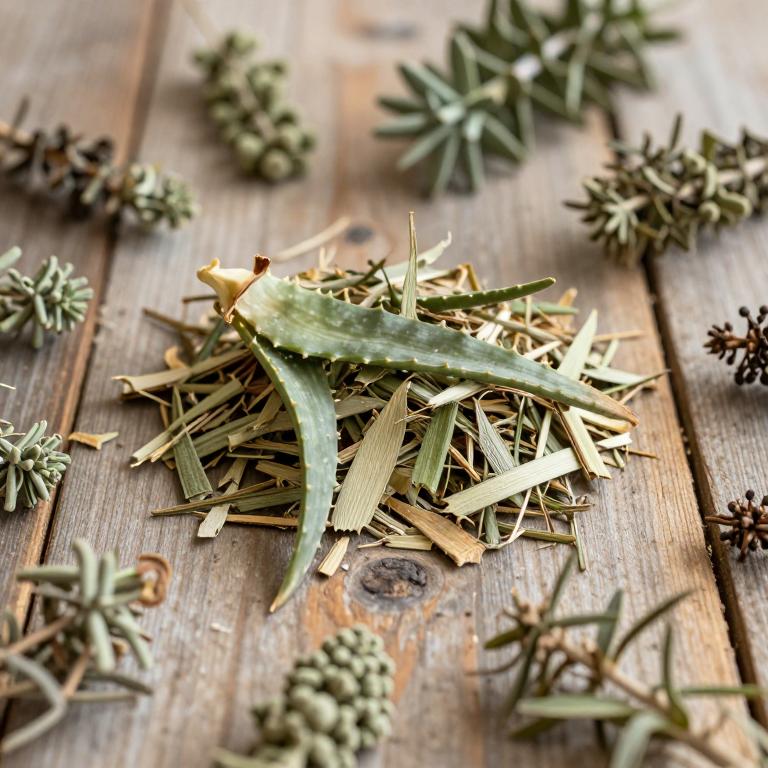
Aloin is a bioactive anthraquinone glycoside found in certain medicinal plants that acts as a potent natural laxative by stimulating bowel movements. This compound is primarily concentrated in the latex of various species, such as Aloe vera, Aloe succotrina, and Aloe ferox.

Associated herbs: 5
Occurs naturally in

Aloe

Aloe succotrina

Aloe vera

View all aloin herbs →

catechins

Catechins are a potent class of polyphenolic antioxidants known for their ability to reduce oxidative stress and provide anti-inflammatory benefits within the body. These bioactive compounds can be found in various medicinal plants, including Achillea multifida, Astragalus sibthorpianus, and Hypericum perforatum.

Associated herbs: 21

Occurs naturally in

Achillea multifida

Astragalus sibthorpianus

Hypericum perforatum

View all catechins herbs →

chelerythrine

Chelerythrine is a potent benzophenanthridine alkaloid known for its significant biological activities, including anti-inflammatory, antimicrobial, and anti-tumor properties. This bioactive compound can be found in various medicinal herbs, such as Macleaya cordata, Chelidonium majus, and Broussonetia papyrifera.

Associated herbs: 7

Occurs naturally in

Macleaya cordata

Chelidonium majus

Broussonetia papyrifera

View all chelerythrine herbs →

rhamnose

Rhamnose is a deoxyhexose sugar that serves as a key structural component in many plant polysaccharides and glycosides, often influencing the solubility and biological activity of medicinal compounds. It can be found in various medicinal herbs, including Kadsura coccinea, Potamogeton lucens, and Mimosa zimapanensis.

Associated herbs: 16

Occurs naturally in

Kadsura coccinea

Potamogeton lucens

Mimosa zimapanensis

View all rhamnose herbs →

xylose

Xylose is a five-carbon monosaccharide, often referred to as wood sugar, that serves as a vital structural component in plant cell walls and a key metabolic intermediate. This bioactive sugar can be found in various medicinal herbs, including Panax notoginseng, Kadsura coccinea, and Potamogeton lucens.

Associated herbs: 15

Occurs naturally in

Panax notoginseng

Kadsura coccinea

Potamogeton lucens

View all xylose herbs →

Aristolochic acids

Aristolochic acids are a group of potent nephrotoxic and carcinogenic bioactive compounds found in various medicinal plants. These toxic alkaloids are primarily present in herbs such as Aristolochia, Asarum, and Aristolochia heterophylla.

Associated herbs: 8

Occurs naturally in

Aristolochia

Asarum

Aristolochia heterophylla

View all Aristolochic acids herbs →

CALCIUM

Calcium is an essential mineral and bioactive element that plays a critical role in maintaining bone density, cellular signaling, and muscle function within the body. Various medicinal herbs serve as natural sources of this nutrient, including Senna italica, Trapa natans var. bispinosa, and Prunus armeniaca.

Associated herbs: 18

Occurs naturally in

Senna italica

Trapa natans var. bispinosa

Prunus armeniaca

View all CALCIUM herbs →

Chromones

Chromones are a diverse class of oxygen-containing heterocyclic compounds known for their significant pharmacological activities, including antioxidant, anti-inflammatory, and anticancer properties. This bioactive group is found in various medicinal plants, such as Saposhnikovia divaricata, Actaea, and Khaya senegalensis.

Associated herbs: 13

Occurs naturally in

Saposhnikovia divaricata

Actaea

Khaya senegalensis

View all Chromones herbs →

Compound 1

Since you did not provide the specific name of "Compound 1," I have used a placeholder below. Please replace [Compound Name] with the actual name of your bioactive compound. [Compound Name] is a potent bioactive compound found in various medicinal herbs that contributes to their therapeutic properties, such as antioxidant or anti-inflammatory effects. This compound is specifically identified in plant species including Gerbera piloselloides, Platycladus orientalis, and Cistus creticus subsp. creticus.

Associated herbs: 18

Occurs naturally in

Gerbera piloselloides

Platycladus orientalis

Cistus creticus subsp. creticus

View all Compound 1 herbs →

Corosolic acid

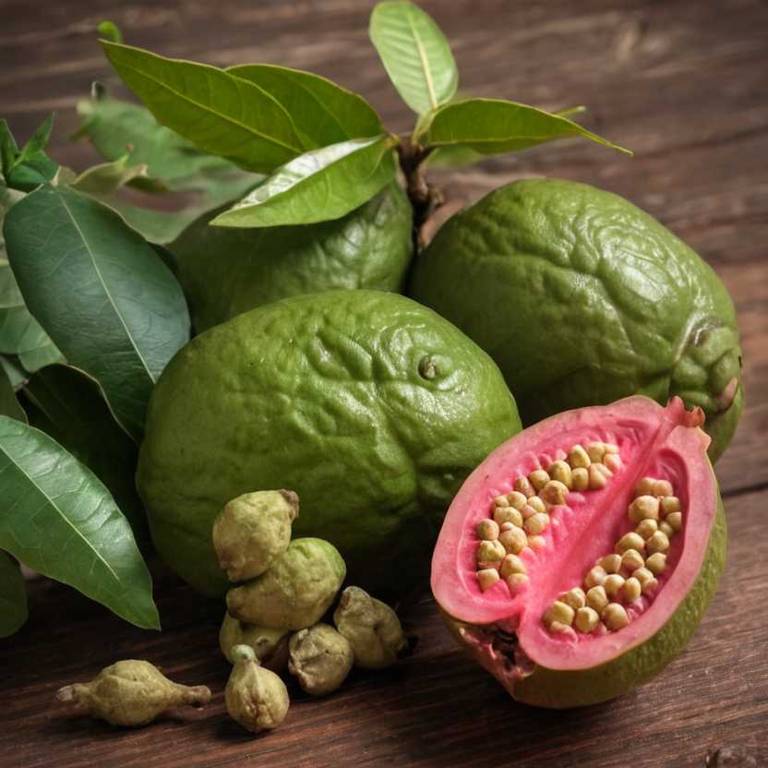
Corosolic acid is a bioactive triterpene known for its potent hypoglycemic properties, as it helps lower blood glucose levels by enhancing glucose uptake into cells. This compound can be found in various medicinal plants, including Psidium guajava (guava), Corymbia citriodora (lemon eucalyptus), and Salvia dominica.

Associated herbs: 17

Occurs naturally in

Psidium guajava

Corymbia citriodora

Salvia dominica

View all Corosolic acid herbs →

Cucurbitacins

Cucurbitacins are a group of highly bitter, tetracyclic triterpenoids found in various plants that exhibit potent biological activities, including anti-inflammatory, anti-tumor, and cytotoxic properties. These bioactive compounds are characteristic of many members of the Cucurbitaceae family, such as Cucurbita, Kageneckia, and Sicyos edulis.

Associated herbs: 13

Occurs naturally in

Kageneckia

Cucurbita

Sicyos edulis

View all Cucurbitacins herbs →

D-Limonene

D-Limonene is a naturally occurring terpene widely recognized for its potent antioxidant, anti-inflammatory, and antimicrobial properties. This bioactive compound can be found in various medicinal herbs, such as Clinopodium nepeta subsp. spruneri, Thuja occidentalis, and Eucalyptus tereticornis.

Associated herbs: 19

Occurs naturally in

Clinopodium nepeta subsp. spruneri

Thuja occidentalis

Eucalyptus tereticornis

View all D-Limonene herbs →

Dendrobine

Dendrobine is a bioactive alkaloid found in various species of the Dendrobium genus that is studied for its potential neuroprotective and anti-inflammatory properties. This specific compound is primarily extracted from medicinal herbs such as Dendrobium officinale and Dendrobium findlayanum.

Associated herbs: 5
Occurs naturally in

Dendrobium

Dendrobium officinale

Dendrobium findlayanum

View all Dendrobine herbs →

ERIODICTYOL

Eriodictyol is a natural flavone known for its potent antioxidant, anti-inflammatory, and neuroprotective properties. It can be found in various medicinal plants, including Viscum articulatum, Lonicera macranthoides, and Eriodictyon californicum.

Associated herbs: 20

Occurs naturally in

Viscum articulatum

Lonicera macranthoides

Eriodictyon californicum

View all ERIODICTYOL herbs →

Huperzine A

Huperzine A is a potent alkaloid that acts as a reversible acetylcholinesterase inhibitor, helping to increase acetylcholine levels in the brain to support cognitive function and memory. This bioactive compound is primarily derived from various species of clubmoss, such as Huperzia serrata, Huperzia crispata, and Huperzia selago.

Associated herbs: 4

Occurs naturally in

Huperzia serrata

Huperzia crispata

Huperzia selago

View all Huperzine A herbs →

IRON

Iron is an essential mineral bioactive compound that plays a critical role in oxygen transport through hemoglobin and supports various enzymatic processes within the body. Many medicinal herbs serve as natural sources of this nutrient, including Trapa natans var. bispinosa, Tectona grandis, and Amaranthus spinosus.

Associated herbs: 24

Occurs naturally in

Trapa natans var. bispinosa

Tectona grandis

Amaranthus spinosus

View all IRON herbs →

Luteoloside

Luteoloside is a bioactive flavonoid glycoside known for its potent antioxidant, anti-inflammatory, and neuroprotective properties in medicinal plants. This compound can be found in various therapeutic herbs, including Mosla scabra, Plantago ovata, and Lonicera confusa.

Associated herbs: 11

Occurs naturally in

Mosla scabra

Plantago ovata

Lonicera confusa

View all Luteoloside herbs →

Naphthoquinones

Naphthoquinones are a class of bioactive compounds characterized by a specific bicyclic structure that often imparts potent antimicrobial, anti-inflammatory, and antioxidant properties to medicinal plants. These compounds are found in various therapeutic herbs, such as Pera benensis, Alkanna tinctoria, and Rubia cordifolia.

Associated herbs: 13

Occurs naturally in

Pera benensis

Alkanna tinctoria

Rubia cordifolia

View all Naphthoquinones herbs →

Nimbolide

Nimbolide is a potent bioactive limonoid derived from medicinal plants known for its significant anti-inflammatory, anti-cancer, and anti-microbial properties. This compound is primarily found in species of the neem tree, such as Azadirachta indica and Azadirachta excelsa.

Associated herbs: 2

Occurs naturally in

Azadirachta indica

Azadirachta excelsa

View all Nimbolide herbs →

Oridonin

Oridonin is a potent bioactive diterpenoid known for its significant anti-inflammatory, anti-tumor, and anti-viral properties. This compound is primarily found in plants of the Isodon genus, such as Isodon rubescens.

Associated herbs: 1

Occurs naturally in

Isodon rubescens

View all Oridonin herbs →

Patchouli alcohol

Patchouli alcohol is a sesquiterpene compound primarily known for its intense, earthy aroma and significant antimicrobial and anti-inflammatory properties. This bioactive constituent is found in various medicinal herbs, including Pogostemon cablin, Nardostachys jatamansi, and Asarum insigne.

Associated herbs: 3

Occurs naturally in

Nardostachys jatamansi

Pogostemon cablin

Asarum insigne

View all Patchouli alcohol herbs →

Proanthocyanidin

Proanthocyanidins are a class of polyphenolic compounds found in various medicinal plants, renowned for their potent antioxidant, anti-inflammatory, and cardiovascular protective properties. These bioactive molecules are abundant in herbs such as Ilex asprella, Alpinia zerumbet, and Crataegus pinnatifida.

Associated herbs: 14

Occurs naturally in

Ilex asprella

Alpinia zerumbet

Crataegus pinnatifida

View all Proanthocyanidin herbs →

RC

RC (likely referring to ginsenosides, the primary bioactive compounds in the Panax genus) are a class of triterpene saponins known for their diverse pharmacological effects, including anti-inflammatory and adaptogenic properties. These compounds are most famously found in medicinal herbs such as Panax ginseng, Panax notoginseng, and Panax quinquefolius.

Associated herbs: 4

Occurs naturally in

Panax

Panax notoginseng

Panax quinquefolius

View all RC herbs →

Safranal

Safranal is a potent bioactive volatile compound known for its distinct aroma and significant therapeutic properties, including antioxidant, anti-inflammatory, and sedative effects. It is primarily found in medicinal herbs such as Crocus sativus (saffron) and Albizia adianthifolia.

Associated herbs: 2

Occurs naturally in

Crocus sativus

Albizia adianthifolia

View all Safranal herbs →

Serpentine

Serpentine is a pentacyclic triterpenoid derivative found in various medicinal plants that is often studied for its diverse biological activities, including antimicrobial and potential antitumor properties. This bioactive compound is characteristic of several important medicinal herbs, such as Catharanthus roseus, Rauvolfia vomitoria, and other species within the Rauvolfia genus.

Associated herbs: 5

Occurs naturally in

Catharanthus roseus

Rauvolfia vomitoria

Rauvolfia

View all Serpentine herbs →

Volatile oil

Volatile oils are aromatic, liquid compounds found in plant tissues that evaporate easily at room temperature and are responsible for the distinct scents of many medicinal herbs. These bioactive substances are known for their diverse therapeutic properties, such as those found in Ruta chalepensis, Dalbergia odorifera, and Oroxylum indicum.

Associated herbs: 27

Occurs naturally in

Ruta chalepensis

Dalbergia odorifera

Oroxylum indicum

View all Volatile oil herbs →

Z-ligustilide

Z-ligustilide is a bioactive phthalide derivative known for its potent anti-inflammatory, analgesic, and vasodilatory properties in traditional medicine. This compound is primarily found in medicinal herbs such as Angelica sinensis, Conioselinum anthriscoides 'Chuanxiong', and Conioselinum tenuissimum.

Associated herbs: 8

Occurs naturally in

Angelica sinensis

Conioselinum anthriscoides 'Chuanxiong'

Conioselinum tenuissimum

View all Z-ligustilide herbs →

aconitine

Aconitine is a highly potent and toxic alkaloid found in several medicinal plants, known for its ability to act on sodium channels in the heart and nervous system. This bioactive compound is primarily extracted from plants within the Aconitum genus, such as Aconitum carmichaelii, Aconitum kusnezoffii, and other species of Aconitum.

Associated herbs: 11

Occurs naturally in

Aconitum carmichaelii

Aconitum

Aconitum kusnezoffii

View all aconitine herbs →

adenosine

Adenosine is a naturally occurring bioactive compound that plays a crucial role in cellular energy metabolism and acts as a key signaling molecule in the central nervous system to regulate sleep and inflammation. It can be found in various medicinal herbs, including Gynura divaricata, Isatis tinctoria subsp. tinctoria, and Maianthemum.

Associated herbs: 23

Occurs naturally in

Gynura divaricata

Isatis tinctoria subsp. tinctoria

Maianthemum

View all adenosine herbs →

carnosol

Carnosol is a potent antioxidant diterpene found in various medicinal plants that helps protect cells from oxidative damage and inflammation. This bioactive compound is notably present in herbs such as Callicarpa dolichophylla, Salvia abrotanoides, and Salvia aurea.

Associated herbs: 12

Occurs naturally in

Callicarpa dolichophylla

Salvia abrotanoides

Salvia aurea

View all carnosol herbs →

digoxin

Digoxin is a potent cardiac glycoside used medically to increase the force of myocardial contractions and manage heart failure or certain arrhythmias. This bioactive compound is primarily derived from plants within the foxglove genus, such as Digitalis purpurea and Digitalis lanata.

Associated herbs: 2

Occurs naturally in

Digitalis

Digitalis lanata

View all digoxin herbs →

harmaline

Harmaline is a potent alkaloid known for its psychoactive properties and its ability to act as a reversible monoamine oxidase inhibitor (MAOI). This bioactive compound is found in various medicinal plants, including Peganum harmala, Banisteriopsis caapi, and Silene undulata.

Associated herbs: 5
Occurs naturally in

Peganum harmala

Banisteriopsis caapi

Silene undulata

View all harmaline herbs →

p-Hydroxybenzoic acid

p-Hydroxybenzoic acid is a phenolic acid known for its significant antioxidant, anti-inflammatory, and antimicrobial properties in medicinal applications. This bioactive compound can be found in various medicinal herbs, including Erigeron canadensis, Astragalus gymnolobus, and Phryma leptostachya.

Associated herbs: 22

Occurs naturally in

Erigeron canadensis

Astragalus gymnolobus

Phryma leptostachya

View all p-Hydroxybenzoic acid herbs →

protopine

Protopine is a bioactive isoquinoline alkaloid found in various medicinal herbs that is known for its diverse pharmacological effects, including analgesic, anti-inflammatory, and sedative properties. This compound is commonly extracted from plants such as Corydalis decumbens, Corydalis crispa, and Cysticapnos vesicaria subsp. vesicaria.

Associated herbs: 14

Occurs naturally in

Corydalis decumbens

Corydalis crispa

Cysticapnos vesicaria subsp. vesicaria

View all protopine herbs →

shikimic acid

Shikimic acid is a key metabolic intermediate in the shikimate pathway, serving as a crucial precursor for the biosynthesis of essential aromatic amino acids in plants. This bioactive compound can be found in various medicinal herbs, including Triadica sebifera, Terminalia januarensis, and Terminalia arjuna.

Associated herbs: 17

Occurs naturally in

Triadica sebifera

Terminalia januarensis

Terminalia arjuna

View all shikimic acid herbs →

5-HYDROXYMETHYLFURFURAL

5-Hydroxymethylfurfural (HMF) is a bioactive compound found in various medicinal herbs that often arises during the thermal processing or degradation of carbohydrates. It is present in plants such as Cynodon dactylon, Cyperus esculentus, and Clerodendrum infortunatum, where it may contribute to the herb's overall pharmacological profile.

Associated herbs: 14

Occurs naturally in

Cynodon dactylon

Cyperus esculentus

Clerodendrum infortunatum

View all 5-HYDROXYMETHYLFURFURAL herbs →

Bicyclogermacrene

Bicyclogermacrene is a sesquiterpene hydrocarbon known for its distinct aromatic properties and potential biological activities, including anti-inflammatory and antimicrobial effects. This bioactive compound can be found in various medicinal herbs, such as Nectandra angustifolia, Stachys multicaulis, and Tambourissa leptophylla.

Associated herbs: 19

Occurs naturally in

Nectandra angustifolia

Stachys multicaulis

Tambourissa leptophylla

View all Bicyclogermacrene herbs →

Calycosin

Calycosin is a prominent isoflavone known for its potent antioxidant, anti-inflammatory, and neuroprotective properties. This bioactive compound is primarily found in medicinal herbs such as Astragalus mongholicus, Caragana stenophylla, and Actaea cimicifuga.

Associated herbs: 6

Occurs naturally in

Astragalus mongholicus

Caragana stenophylla

Actaea cimicifuga

View all Calycosin herbs →

Capsaicin

Capsaicin is a potent bioactive alkaloid responsible for the burning sensation and heat perceived when consuming spicy plants. This compound is primarily found in various species of the Capsicum genus, such as Capsicum frutescens, and is also present in herbs like Zanthoxylum bungeanum.

Associated herbs: 5
Occurs naturally in

Capsicum

Zanthoxylum bungeanum

Capsicum frutescens

View all Capsaicin herbs →

Chicoric acid

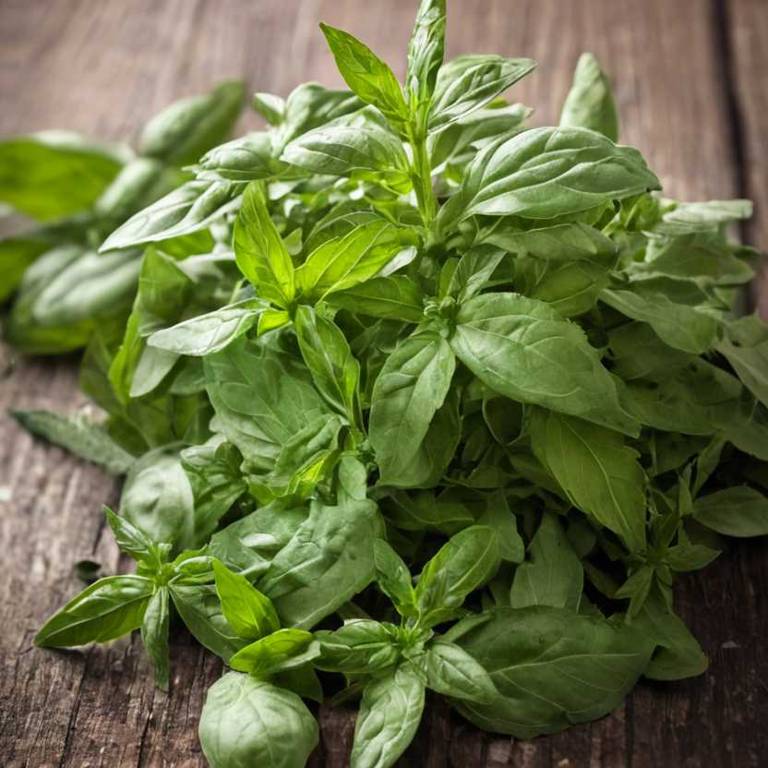
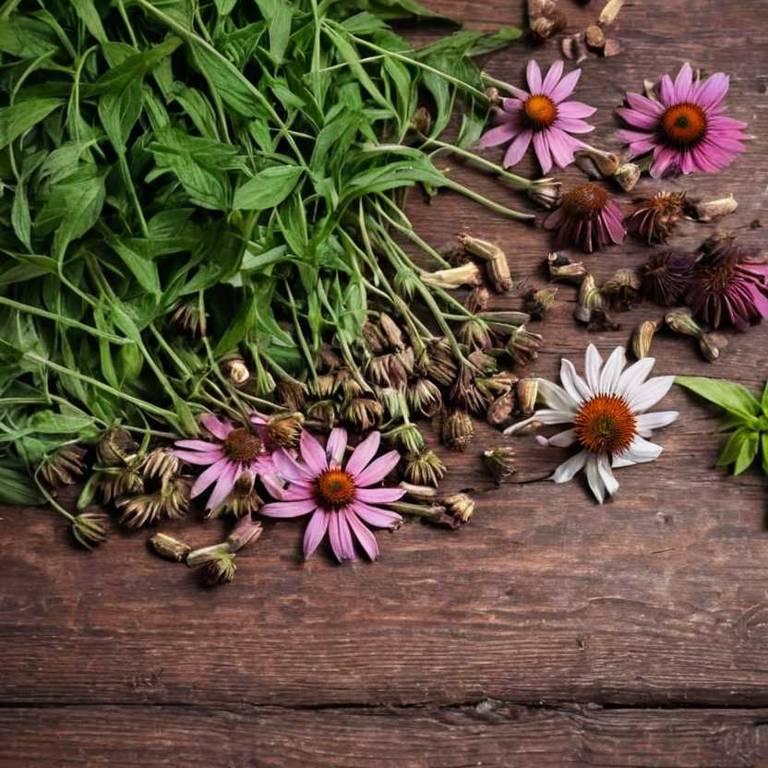
Chicoric acid is a potent bioactive polyphenol known for its significant antioxidant, anti-inflammatory, and antiviral properties. This compound is found in various medicinal herbs, including Cichorium glandulosum, Ocimum basilicum (basil), and Echinacea purpurea.

Associated herbs: 8

Occurs naturally in

Cichorium glandulosum

Ocimum basilicum

Echinacea purpurea

View all Chicoric acid herbs →

Cichoric Acid

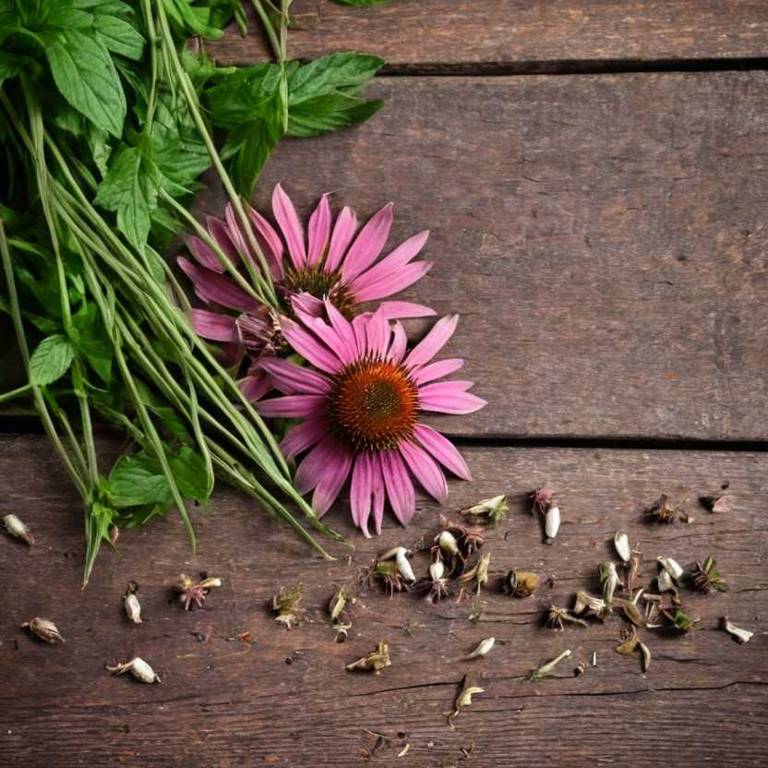
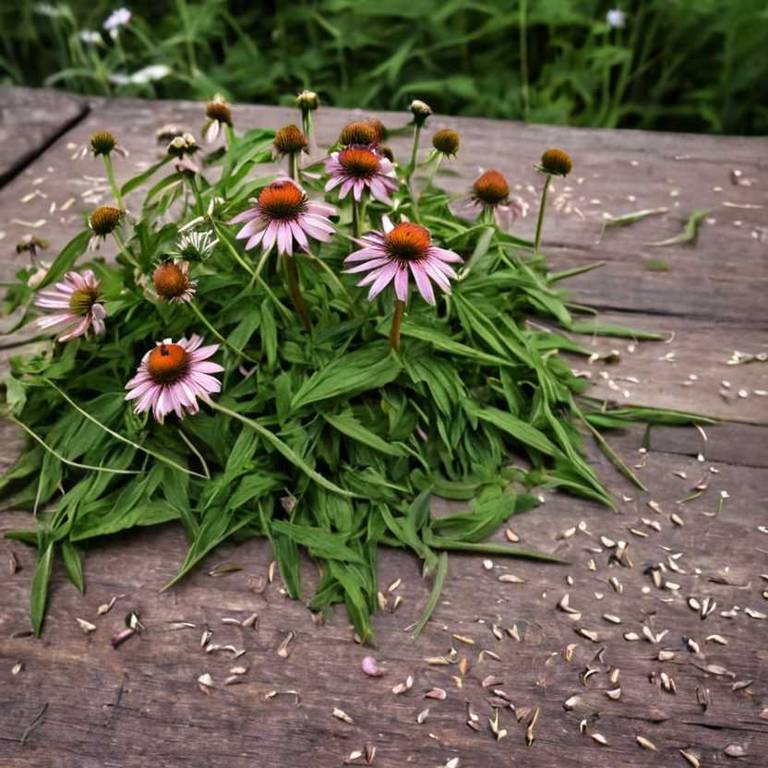
Cichoric acid is a potent bioactive phenolic compound known for its strong antioxidant, anti-inflammatory, and antiviral properties. It is most notably found in high concentrations within various species of Echinacea, such as Echinacea purpurea, Echinacea angustifolia, and Echinacea pallida.

Associated herbs: 8

Occurs naturally in

Echinacea purpurea

Echinacea angustifolia

Echinacea pallida

View all Cichoric Acid herbs →

Ephedrine

Ephedrine is a potent alkaloid found in various medicinal plants that acts as a central nervous system stimulant and bronchodilator. This bioactive compound is primarily sourced from herbs such as Ephedra sinica, Ephedra nebrodensis, and Pinellia ternata.

Associated herbs: 4

Occurs naturally in

Ephedra sinica

Pinellia ternata

Ephedra nebrodensis

View all Ephedrine herbs →

Estragole

Estragole is a natural bioactive compound found in various medicinal herbs that is primarily recognized for its distinct aromatic properties and potential therapeutic effects. It is commonly present in plants such as Artemisia dracunculus (tarragon), Ocimum basilicum (basil), and Illicium verum (star anise).

Associated herbs: 12

Occurs naturally in

Artemisia dracunculus

Ocimum basilicum

Illicium verum

View all Estragole herbs →

Furanocoumarins

Furanocoumarins are a class of bioactive secondary metabolites characterized by a furan ring fused to a coumarin nucleus, known for their potent photoactive properties and pharmacological activities. These compounds are found in various medicinal herbs, including Pastinaca sativa (wild parsnip), Angelica dahurica, and other species within the Angelica genus.

Associated herbs: 14

Occurs naturally in

Pastinaca sativa

Angelica dahurica

Angelica

View all Furanocoumarins herbs →

Ginkgolic acids

Ginkgolic acids are a group of naturally occurring compounds found in certain plants that are known for their potential cytotoxic and anti-inflammatory properties. These bioactive substances are most notably present in the leaves and seeds of the Ginkgo biloba tree.

Associated herbs: 1

Occurs naturally in

Ginkgo biloba

View all Ginkgolic acids herbs →

Glucosinolates

Glucosinolates are sulfur-containing secondary metabolites found in various plants that serve as chemical defenses and are precursors to bioactive isothiocyanates known for their health-promoting properties. These compounds are present in several medicinal and botanical species, including Moringa oleifera, Halogeton glomeratus, and Lepidium meyenii (Maca).

Associated herbs: 8

Occurs naturally in

Moringa oleifera

Halogeton glomeratus

Lepidium meyenii

View all Glucosinolates herbs →

Hyperin

Hyperin is a bioactive polyphenol belonging to the acylphloroglucinol family, known primarily for its potent antioxidant and anti-inflammatory properties. This compound can be found in various medicinal plants, such as Psidium guajava, Triadica sebifera, and Piliostigma malabaricum.

Associated herbs: 18

Occurs naturally in

Psidium guajava

Triadica sebifera

Piliostigma malabaricum

View all Hyperin herbs →

Isoacteoside

Isoacteoside is a bioactive phenylethanoid glycoside known for its potent anti-inflammatory, antioxidant, and neuroprotective properties. This compound is found in various medicinal herbs, including Lancea tibetica, Plantago lanceolata, and Cistanche salsa.

Associated herbs: 14

Occurs naturally in

Lancea tibetica

Plantago lanceolata

Cistanche salsa

View all Isoacteoside herbs →