Explore herbs compounds

  • 12404 Plants
  • |
  • 11288 Compounds
  • |
  • 16281 Activities
  • |
  • 132161 Studies

Explore Herbs


Alphabet


Biological Activities

View all →

Bioactive Compounds

View all →

Plant Parts

View all →

List of herbs compounds

Showing 481-528 out of 11883 results

Chamazulene

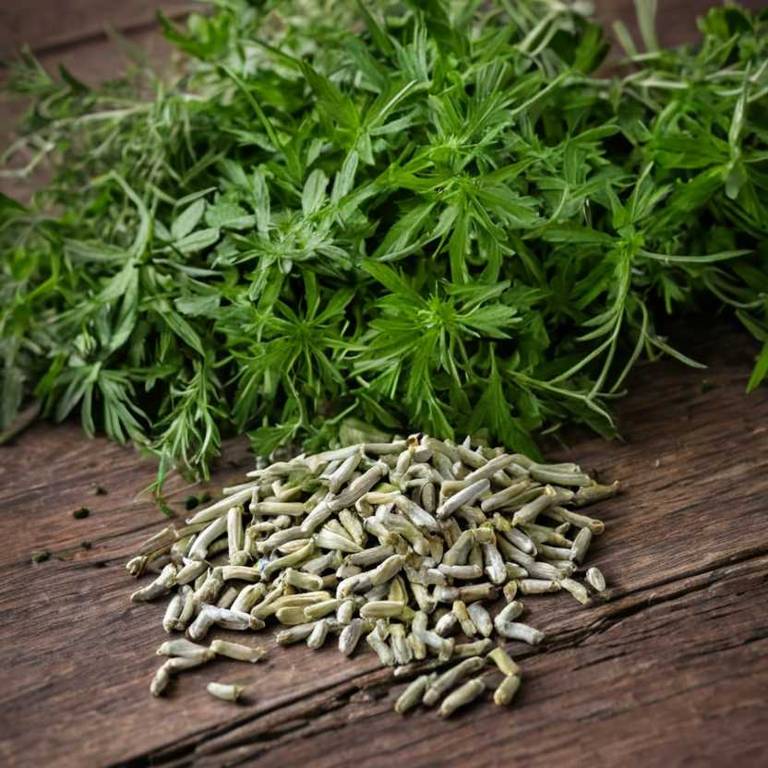
Chamazulene is a potent blue-colored bioactive compound known for its significant anti-inflammatory, antioxidant, and soothing properties. It is primarily found in the essential oils of medicinal herbs such as Matricaria chamomilla (German chamomile), Chamaemelum nobile (Roman chamomile), and Chrysanthemum indicum.

Associated herbs: 8

Occurs naturally in
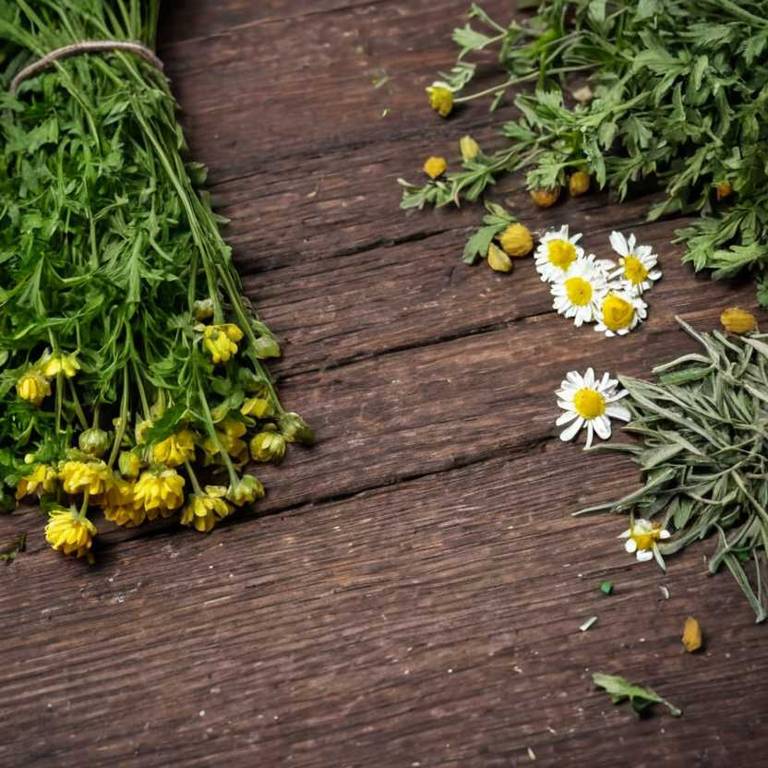
Chrysanthemum indicum
Chamaemelum nobile
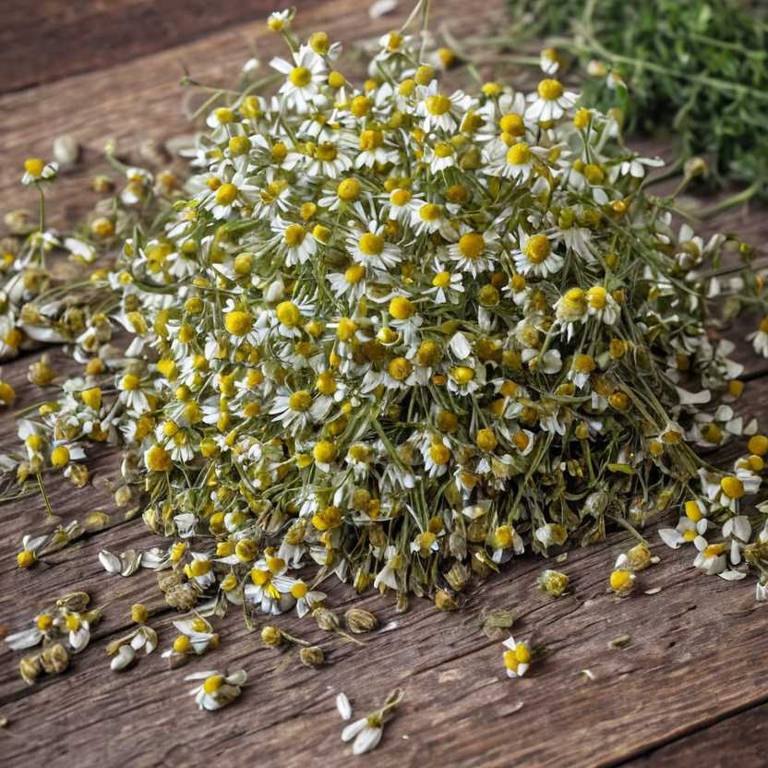
Matricaria chamomilla

View all Chamazulene herbs →

Chebulagic acid

Chebulagic acid is a potent bioactive polyphenol known for its significant antioxidant, anti-inflammatory, and anti-tumor properties. This compound is found in various medicinal plants, most notably in Terminalia chebula, Terminalia bellirica, and Alchornea cordifolia.

Associated herbs: 7

Occurs naturally in

Alchornea cordifolia

Terminalia chebula

Terminalia bellirica

View all Chebulagic acid herbs →

Chlorophylls

Chlorophylls are essential bioactive pigments responsible for the green color in plants, playing a critical role in photosynthesis and exhibiting antioxidant and anti-inflammatory properties in medicinal applications. This compound is abundantly found in various medicinal herbs, such as Corchorus olitorius, Sporobolus maritimus, and Sporobolus pumilus.

Associated herbs: 13

Occurs naturally in

Corchorus olitorius

Sporobolus maritimus

Sporobolus pumilus

View all Chlorophylls herbs →

Cistanoside A

Cistanoside A is a potent phenylethanoid glycoside recognized for its diverse pharmacological activities, including neuroprotective, anti-inflammatory, and antioxidant effects. This bioactive compound is primarily found in various species of the Cistanche genus, such as Cistanche deserticola, Cistanche salsa, and Cistanche tubulosa.

Associated herbs: 4

Occurs naturally in

Cistanche deserticola

Cistanche salsa

Cistanche tubulosa

View all Cistanoside A herbs →

Clerodane Diterpenoids

Clerodane diterpenoids are a diverse class of bioactive secondary metabolites characterized by a specific tetracyclic carbon skeleton, known for their significant pharmacological properties such as anti-inflammatory and anti-tumor activities. These compounds are found in various medicinal plants, including Dodonaea viscosa, Paratinospora sagittata, and Casearia kurzii.

Associated herbs: 10

Occurs naturally in

Dodonaea viscosa

Paratinospora sagittata

Casearia kurzii

View all Clerodane Diterpenoids herbs →

Compound 3

Compound 3 is a specialized bioactive molecule derived from medicinal plants that contributes to the therapeutic efficacy of various herbal extracts. This specific compound can be found in medicinal herbs such as Caragana sukiensis, Munronia pinnata, and Callicarpa integerrima.

Associated herbs: 10

Occurs naturally in

Caragana sukiensis

Munronia pinnata

Callicarpa integerrima

View all Compound 3 herbs →

Crocetin

Crocetin is a potent carotenoid derivative known for its strong antioxidant, anti-inflammatory, and neuroprotective properties. This bioactive compound is primarily found in medicinal herbs such as Crocus sativus (saffron) and various species of Gardenia, including Gardenia jasminoides.

Associated herbs: 4

Occurs naturally in

Crocus sativus

Gardenia jasminoides

Gardenia

View all Crocetin herbs →

Dihydrotanshinone I

Dihydrotanshinone I is a bioactive diterpene quinone known for its potent pharmacological properties, including anti-inflammatory, antioxidant, and potential anti-tumor activities. This compound is primarily found in medicinal herbs such as Salvia miltiorrhiza (Danshen) and Aquilaria sinensis.

Associated herbs: 2

Occurs naturally in

Salvia miltiorrhiza

Aquilaria sinensis

View all Dihydrotanshinone I herbs →

Flavonol

Flavonols are a diverse class of bioactive polyphenolic compounds known for their potent antioxidant, anti-inflammatory, and anticancer properties. These compounds are widely distributed in the plant kingdom, found in medicinal herbs such as Ilex asprella, Thujopsis dolabrata, and Eriobotrya japonica.

Associated herbs: 11

Occurs naturally in

Ilex asprella
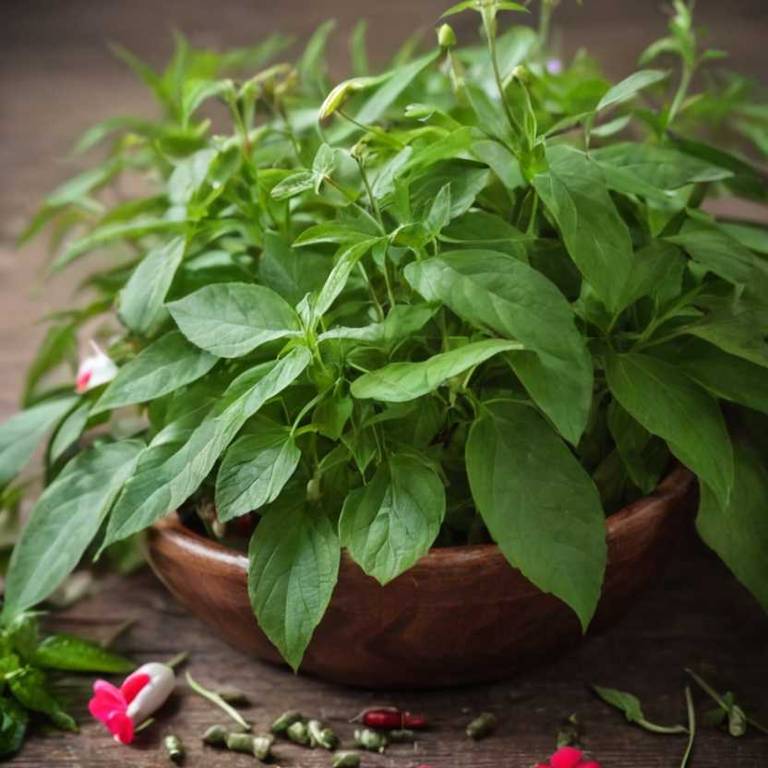
Thujopsis dolabrata

Eriobotrya japonica

View all Flavonol herbs →

Forsythoside B

Forsythoside B is a bioactive phenylethanoid glycoside known for its potent anti-inflammatory, antioxidant, and neuroprotective properties. This compound is primarily found in medicinal herbs such as Phlomis orientalis, Phlomis aurea, and Ballota nigra.

Associated herbs: 9

Occurs naturally in

Phlomis orientalis

Phlomis aurea

Ballota nigra

View all Forsythoside B herbs →

GLYCYRRHETINIC ACID

Glycyrrhetinic acid is a potent triterpenoid saponin known for its significant anti-inflammatory, antiviral, and hepatoprotective properties. This bioactive compound is primarily found in licorice species, such as Glycyrrhiza glabra and Glycyrrhiza uralensis.

Associated herbs: 2

Occurs naturally in

Glycyrrhiza uralensis

Glycyrrhiza glabra

View all GLYCYRRHETINIC ACID herbs →

Isoalantolactone

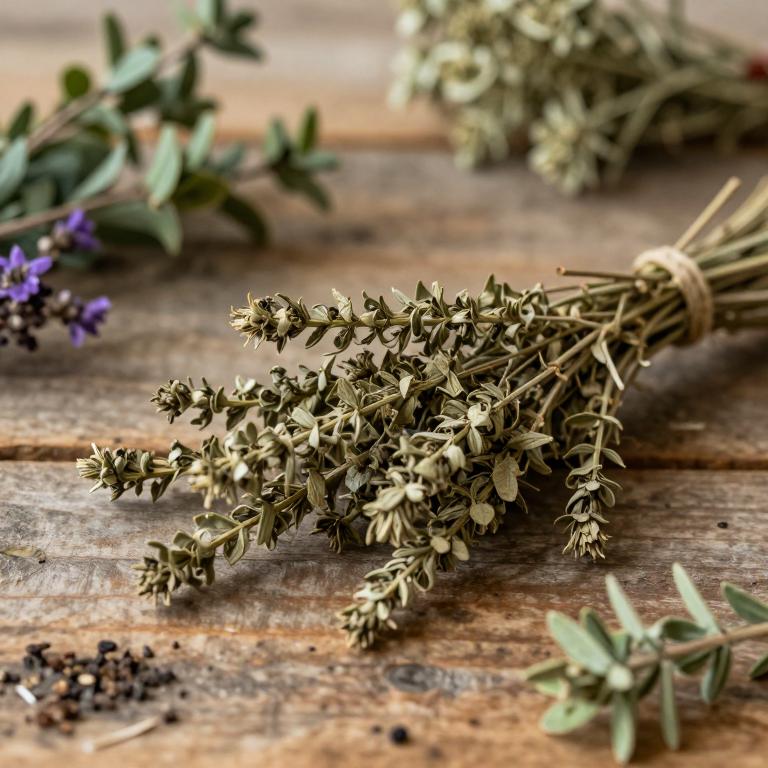
Isoalantolactone is a sesquiterpene lactone recognized for its potent anti-inflammatory, antimicrobial, and cytotoxic properties in pharmacological studies. This bioactive compound is primarily found in medicinal herbs such as Inula racemosa, Dolomiaea costus, and Duhaldea cappa.
Associated herbs: 3

Occurs naturally in

Inula racemosa

Dolomiaea costus

Duhaldea cappa

View all Isoalantolactone herbs →

LUPENONE

Lupenone is a bioactive triterpenoid compound known for its diverse pharmacological properties, including anti-inflammatory and antimicrobial activities. This compound can be found in various medicinal herbs such as Ceriops tagal, Tephrosia sinapou, and Albizia gummifera.

Associated herbs: 13

Occurs naturally in

Ceriops tagal

Tephrosia sinapou

Albizia gummifera

View all LUPENONE herbs →

Lawsone

Lawsone is a natural naphthoquinone compound primarily known for its intense reddish-orange pigment and its potential antimicrobial and antifungal properties. This bioactive compound is most notably found in plants such as Lawsonia inermis (Henna), Lawsonia, and Impatiens balsamina (Balsam).

Associated herbs: 3

Occurs naturally in

Lawsonia

Lawsonia inermis

Impatiens balsamina

View all Lawsone herbs →

Lignan

Lignans are a diverse group of polyphenolic bioactive compounds derived from the phenylpropanoid pathway that exhibit significant antioxidant, anti-inflammatory, and anticancer properties. These compounds are found in various medicinal plants, including Drimia maritima, Acorus verus, and Luehea divaricata.

Associated herbs: 11

Occurs naturally in

Drimia maritima

Acorus verus

Luehea divaricata

View all Lignan herbs →

Linarin

Linarin is a bioactive glycoside known for its diverse pharmacological properties, including antioxidant, anti-inflammatory, and neuroprotective effects. This compound can be found in various medicinal herbs, such as Ziziphora clinopodioides subsp. bungeana, Ziziphora clinopodioides, and Artemisia capillaris.

Associated herbs: 11

Occurs naturally in

Ziziphora clinopodioides subsp. bungeana

Ziziphora clinopodioides

Artemisia capillaris

View all Linarin herbs →

Lobetyolin

Lobetyolin is a bioactive flavonoid glycoside known for its diverse pharmacological properties, including antioxidant, anti-inflammatory, and neuroprotective effects. This compound is a key constituent found in various medicinal herbs, most notably in species such as Codonopsis pilosula and other members of the Codonopsis genus.

Associated herbs: 2

Occurs naturally in

Codonopsis pilosula

Codonopsis

View all Lobetyolin herbs →

MAGNESIUM

Magnesium is an essential mineral that plays a critical role in supporting hundreds of biochemical reactions, including nerve function, muscle relaxation, and energy production. This vital bioactive compound can be found in various medicinal herbs such as Senna italica, Prunus armeniaca, and Moringa oleifera.

Associated herbs: 10

Occurs naturally in

Senna italica

Prunus armeniaca

Moringa oleifera

View all MAGNESIUM herbs →

MYRISTIC ACID

Myristic acid is a medium-chain saturated fatty acid known for its potent antimicrobial, anti-inflammatory, and antioxidant properties in medicinal applications. This bioactive compound can be found in various botanical sources, including Cocos nucifera (coconut), Scorzoneroides hispidula, and Vicia faba (broad bean).

Associated herbs: 10

Occurs naturally in

Cocos nucifera

Scorzoneroides hispidula

Vicia faba

View all MYRISTIC ACID herbs →

Marrubiin

Marrubiin is a diterpene lactone found in various medicinal herbs that is primarily recognized for its potent antitussive and expectorant properties. This bioactive compound is characteristically present in plants such as Marrubium vulgare and Eriophyton wallichii.

Associated herbs: 2

Occurs naturally in

Marrubium vulgare

Eriophyton wallichii

View all Marrubiin herbs →

Mitraphylline

Mitraphylline is a bioactive indole alkaloid known for its potential pharmacological effects on the central nervous system and its role in various therapeutic applications. This compound is commonly found in medicinal herbs such as Mitragyna parvifolia, Uncaria tomentosa, and Uncaria guianensis.

Associated herbs: 5

Occurs naturally in

Mitragyna parvifolia

Uncaria tomentosa

Uncaria guianensis

View all Mitraphylline herbs →

N-trans-Feruloyltyramine

N-trans-Feruloyltyramine is a bioactive neolignan derivative known for its diverse pharmacological properties, including antioxidant, anti-inflammatory, and potential anticancer activities. This compound is found in various medicinal plants, such as Allium hookeri, Polyalthia suberosa, and Asimina triloba.

Associated herbs: 12

Occurs naturally in

Allium hookeri

Polyalthia suberosa

Asimina triloba

View all N-trans-Feruloyltyramine herbs →

Neolignans

Neolignans are a diverse class of bioactive compounds formed through the oxidative coupling of two phenylpropanoid units, often exhibiting significant antioxidant, anti-inflammatory, and neuroprotective properties. These compounds are found in various medicinal plants, including Virola elongata, Lepidium meyenii (Maca), and Myristica fragrans (Nutmeg).

Associated herbs: 12

Occurs naturally in

Virola elongata

Lepidium meyenii

Myristica fragrans

View all Neolignans herbs →

Oleuropein

Oleuropein is a potent bioactive secoiridoid glycoside known for its significant antioxidant, anti-inflammatory, and cardioprotective properties. This compound is found in various medicinal plants, including Eruca vesicaria, Ligustrum lucidum, and Xanthogalum purpurascens.

Associated herbs: 7

Occurs naturally in

Eruca vesicaria

Ligustrum lucidum

Xanthogalum purpurascens

View all Oleuropein herbs →

Peiminine

Peiminine is a bioactive alkaloid found in various medicinal herbs that is primarily utilized for its antitussive and anti-inflammatory properties in treating respiratory ailments. This compound is most notably extracted from species of the Fritillaria genus, such as Fritillaria unibracteata, Fritillaria cirrhosa, and Fritillaria thunbergii.

Associated herbs: 6

Occurs naturally in

Fritillaria unibracteata

Fritillaria cirrhosa

Fritillaria thunbergii

View all Peiminine herbs →

Pheophorbide a

Pheophorbide a is a chlorophyll derivative and a bioactive pigment known for its potential antioxidant, anti-inflammatory, and anti-tumor properties. This compound can be found in various medicinal plants, including Muehlenbeckia hastulata, Vatica harmandiana, and Palicourea acuminata.

Associated herbs: 9

Occurs naturally in

Muehlenbeckia hastulata

Vatica harmandiana

Palicourea acuminata

View all Pheophorbide a herbs →

Phyllanthin

Phyllanthin is a bioactive lignan found in several medicinal plant species, primarily known for its potent hepatoprotective, antiviral, and anti-inflammatory properties. It is a key constituent in herbs such as Phyllanthus niruri, Phyllanthus virgatus, and other members of the Phyllanthus genus.

Associated herbs: 5

Occurs naturally in

Phyllanthus niruri

Phyllanthus

Phyllanthus virgatus

View all Phyllanthin herbs →

Picrocrocin

Picrocrocin is a bitter-tasting glycoside known for its potential therapeutic properties, including antioxidant, anti-inflammatory, and neuroprotective effects. This bioactive compound is commonly found in medicinal herbs such as Crocus sativus (saffron) and Buddleja davidii.

Associated herbs: 2

Occurs naturally in

Crocus sativus

Buddleja davidii

View all Picrocrocin herbs →

Picroside II

Picroside II is a potent iridoid glycoside known for its significant hepatoprotective, anti-inflammatory, and neuroprotective properties. It is a primary bioactive constituent found in medicinal herbs such as Picrorhiza kurrooa, commonly known as Kutki.

Associated herbs: 1

Occurs naturally in

Picrorhiza kurrooa

View all Picroside II herbs →

Quercetin 3-O-rhamnoside

Quercetin 3-O-rhamnoside is a bioactive flavonoid glycoside known for its potent antioxidant, anti-inflammatory, and cytoprotective properties. This specific compound can be found in various medicinal herbs, including Cosmos caudatus, Euphorbia hirta, and Xenostegia tridentata.

Associated herbs: 10

Occurs naturally in

Cosmos caudatus

Euphorbia hirta

Xenostegia tridentata

View all Quercetin 3-O-rhamnoside herbs →

Quercetin 3-O-rutinoside

Quercetin 3-O-rutinoside, also known as rutin, is a potent bioactive flavonoid found in medicinal herbs that functions as a powerful antioxidant and anti-inflammatory agent. This specific compound is naturally present in various plant species, including Scrophularia ilwensis, Millettia aboensis, and Suaeda vermiculata.

Associated herbs: 12

Occurs naturally in

Scrophularia ilwensis

Millettia aboensis

Suaeda vermiculata

View all Quercetin 3-O-rutinoside herbs →

Rebaudioside A

Rebaudioside A is a potent non-nutritive sweetener responsible for the intense, sugar-like sweetness found in certain plant extracts. It is the primary bioactive compound isolated from the leaves of the Stevia rebaudiana plant, commonly known as Stevia.

Associated herbs: 2

Occurs naturally in

Stevia rebaudiana

Stevia

View all Rebaudioside A herbs →

Rg3

Rg3 is a potent ginsenoside belonging to the saponin family, widely recognized for its neuroprotective, anti-tumor, and anti-inflammatory properties. This bioactive compound is primarily found in medicinal plants such as Panax ginseng, Panax notoginseng, and Aralia elata.

Associated herbs: 4

Occurs naturally in

Panax

Aralia elata

Panax notoginseng

View all Rg3 herbs →

Saikosaponin D

Saikosaponin D is a potent pentacyclic triterpenoid saponin known for its significant anti-inflammatory, analgesic, and hepatoprotective properties. This bioactive compound is primarily found in various species of the Bupleurum genus, including Bupleurum chinense var. chinense, Bupleurum parvifolium, and Bupleurum falcatum.

Associated herbs: 8

Occurs naturally in

Bupleurum chinense var. chinense

Bupleurum parvifolium

Bupleurum falcatum

View all Saikosaponin D herbs →

Stachyose

Stachyose is a natural tetrasaccharide belonging to the raffinose family of oligosaccharides, often recognized for its potential prebiotic effects and role in modulating metabolic processes. This bioactive compound can be found in various medicinal and dietary plants, including Angelica acutiloba, Rehmannia glutinosa, and Vicia faba.

Associated herbs: 9

Occurs naturally in

Angelica acutiloba

Rehmannia glutinosa

Vicia faba

View all Stachyose herbs →

Syringaresinol

Syringaresinol is a bioactive lignan known for its significant antioxidant, anti-inflammatory, and potential anti-tumor properties. This compound can be found in various medicinal herbs, such as Clausena excavata, Serissa japonica, and Clematis parviloba.

Associated herbs: 19

Occurs naturally in

Clausena excavata

Serissa japonica

Clematis parviloba

View all Syringaresinol herbs →

Tectorigenin

Tectorigenin is a bioactive isoflavone known for its potent anti-inflammatory, antioxidant, and anti-tumor properties. This compound can be found in various medicinal plants, such as Iris domestica, Dalbergia sissoo, and Pueraria montana var. lobata.

Associated herbs: 8

Occurs naturally in

Iris domestica

Dalbergia sissoo

Pueraria montana var. lobata

View all Tectorigenin herbs →

Terpenoid Indole Alkaloids

Terpenoid indole alkaloids (TIAs) are a diverse class of complex nitrogenous compounds derived from the coupling of a terpenoid unit and an indole unit. These bioactive molecules serve as potent pharmacological agents, found in medicinal plants such as Catharanthus roseus and Rhazya.

Associated herbs: 2

Occurs naturally in

Catharanthus roseus

Rhazya

View all Terpenoid Indole Alkaloids herbs →

Tormentic acid

Tormentic acid is a bioactive triterpene compound found in various medicinal herbs that is known for its potential antioxidant and anti-inflammatory properties. It can be found in plants such as Mentha aquatica, Sarcopoterium spinosum, and Ludwigia octovalvis.

Associated herbs: 11

Occurs naturally in

Mentha aquatica

Sarcopoterium spinosum

Ludwigia octovalvis

View all Tormentic acid herbs →

Vasicine

Vasicine is a bioactive quinazoline alkaloid primarily recognized for its potent bronchodilatory and expectorant properties in treating respiratory ailments. It is commonly found in medicinal herbs such as Justicia adhatoda (Malabar Nut) and Peganum multisectum.

Associated herbs: 2

Occurs naturally in

Justicia adhatoda

Peganum multisectum

View all Vasicine herbs →

arginine

Arginine is a semi-essential amino acid that plays a critical role in nitric oxide production, which helps promote vasodilation and supports overall cardiovascular health. This bioactive compound can be found in various medicinal herbs, such as Angelica sinensis, Isatis tinctoria subsp. tinctoria, and Cucumis sativus.

Associated herbs: 9

Occurs naturally in

Angelica sinensis

Isatis tinctoria subsp. tinctoria

Cucumis sativus

View all arginine herbs →

betaine

Betaine is a bioactive compound that plays a crucial role in supporting liver function, regulating metabolism, and protecting cells from osmotic stress. This essential nutrient can be found in various medicinal herbs, such as Cistanche deserticola, Cistanche, and Lycium barbarum (Goji berry).

Associated herbs: 10

Occurs naturally in

Cistanche deserticola

Cistanche

Lycium barbarum

View all betaine herbs →

caftaric acid

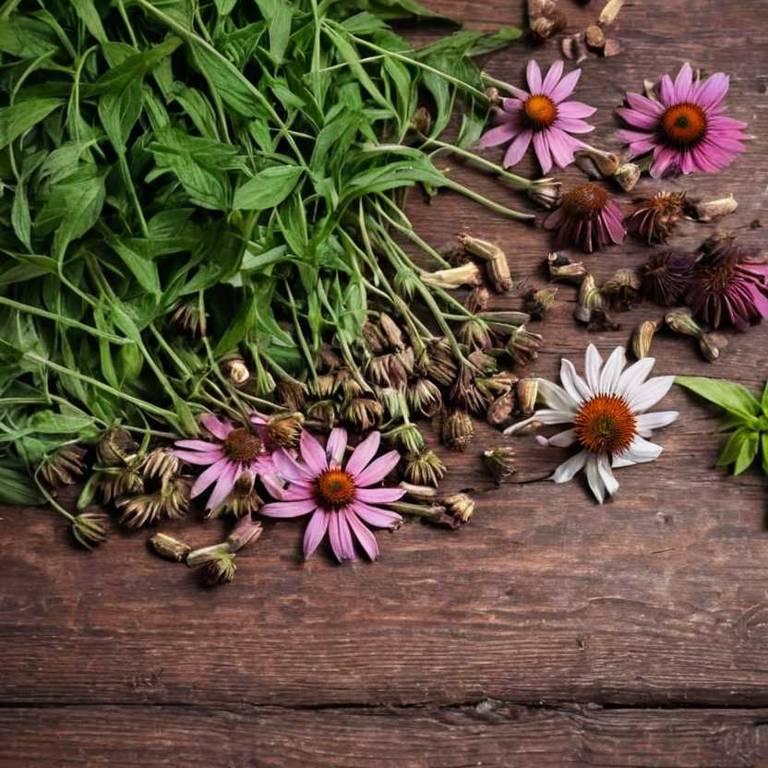
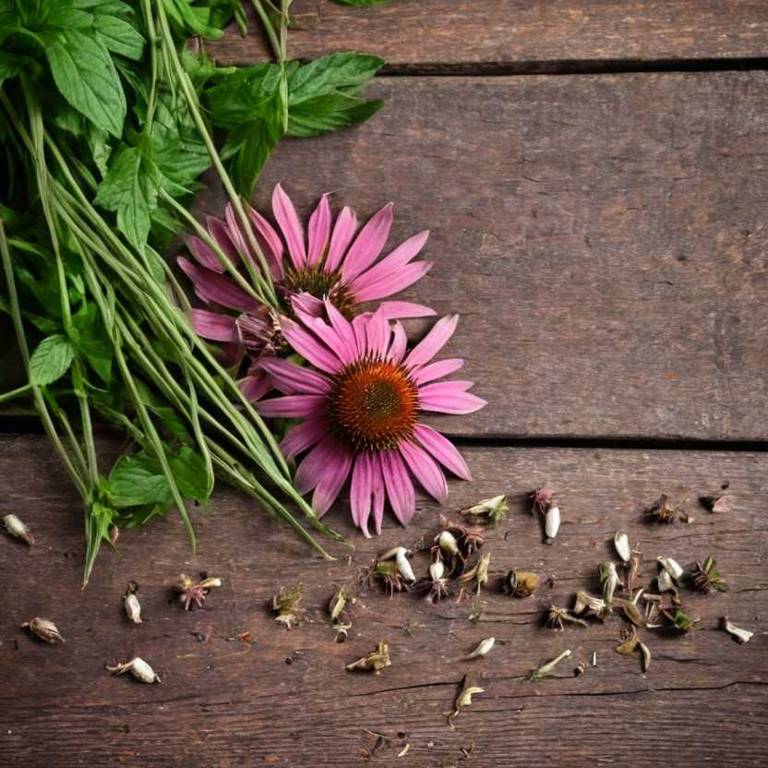
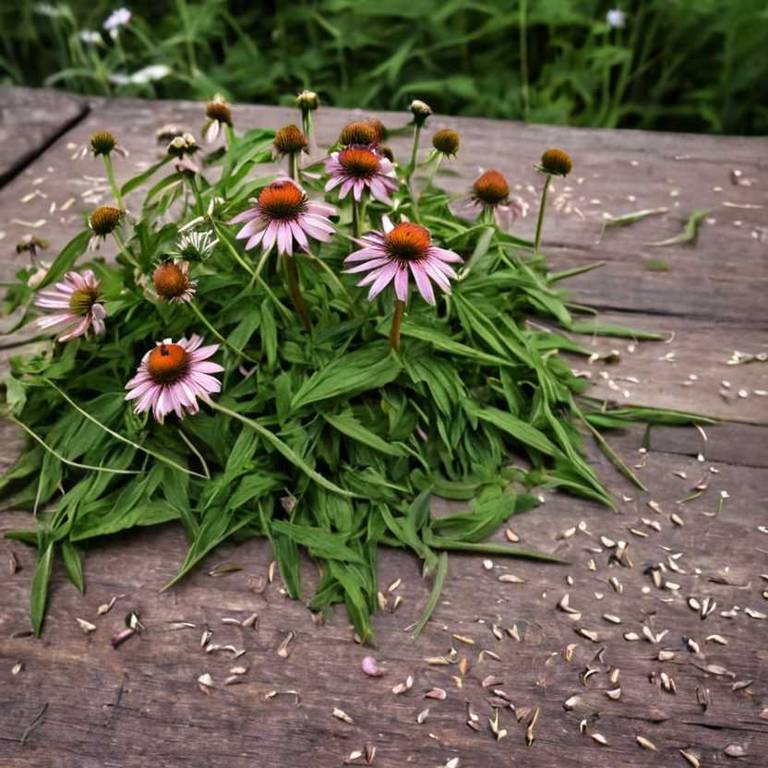
Caftaric acid is a bioactive phenolic acid known for its potent antioxidant and anti-inflammatory properties, which contribute to the overall therapeutic efficacy of certain medicinal plants. It is a primary marker compound found in species of the genus Echinacea, including Echinacea purpurea, Echinacea angustifolia, and Echinacea pallida.

Associated herbs: 10

Occurs naturally in

Echinacea purpurea

Echinacea angustifolia

Echinacea pallida

View all caftaric acid herbs →

chlorophyll a

Chlorophyll a is a vital photosynthetic pigment found in medicinal herbs that plays a crucial role in capturing light energy to drive biological processes. This bioactive compound is present in various plant species, including Excoecaria agallocha, Lathyrus oleraceus, and Persicaria minor.

Associated herbs: 10

Occurs naturally in

Excoecaria agallocha

Lathyrus oleraceus

Persicaria minor

View all chlorophyll a herbs →

dihydrokaempferol

Dihydrokaempferol is a natural flavonoid known for its potent antioxidant, anti-inflammatory, and neuroprotective properties in medicinal applications. This bioactive compound can be found in various medicinal herbs, such as Tetrastigma hemsleyanum, Physalis grisea, and Impatiens balsamina.

Associated herbs: 9

Occurs naturally in

Tetrastigma hemsleyanum

Physalis grisea

Impatiens balsamina

View all dihydrokaempferol herbs →

fumaric acid

Fumaric acid is a naturally occurring dicarboxylic acid that plays a vital role in the citric acid cycle, contributing to cellular energy production and metabolic regulation. This bioactive compound can be found in various medicinal herbs, including Cremastra appendiculata, Thymus vulgaris, and Capsella bursa-pastoris.

Associated herbs: 9

Occurs naturally in

Cremastra appendiculata

Thymus vulgaris

Capsella bursa-pastoris
View all fumaric acid herbs →

methyl salicylate

Methyl salicylate is a naturally occurring organic compound known for its potent analgesic and anti-inflammatory properties, often used to relieve pain and swelling. This bioactive compound can be found in various medicinal herbs, such as Gaultheria crenulata, Juglans regia, and Abutilon pannosum.
Associated herbs: 10

Occurs naturally in

Gaultheria crenulata

Juglans regia

Abutilon pannosum

View all methyl salicylate herbs →

pectin

Pectin is a complex structural polysaccharide found in the cell walls of plants that acts as a dietary fiber and exhibits various bioactive properties, such as regulating digestion and cholesterol levels. This compound is present in several medicinal herbs, including Coccinia grandis, Rauvolfia serpentina, and Zygophyllum indicum.

Associated herbs: 9

Occurs naturally in

Coccinia grandis

Rauvolfia serpentina

Zygophyllum indicum

View all pectin herbs →