Explore herbs bioactive compounds

  • 10547 Plants
  • |
  • 22410 Compounds
  • |
  • 460 Activities
  • |
  • 132161 Studies

Explore Herbs


Alphabet


Biological Activity

View all →

Bioactive Compounds

View all →

List of herbs bioactive compounds

Showing 241-288 out of 460 results

sesquiterpene

Sesquiterpenes are a diverse class of bioactive compounds composed of three isoprene units that play crucial roles in the biological activities and therapeutic properties of medicinal plants. These compounds are found in various botanical species, including Andrographis paniculata, Angelica keiskei, and Annona reticulata.

Associated herbs: 52

Occurs naturally in

Andrographis paniculata

Angelica keiskei

Annona vepretorum

View all sesquiterpene herbs →

tetrahydrocannabinol

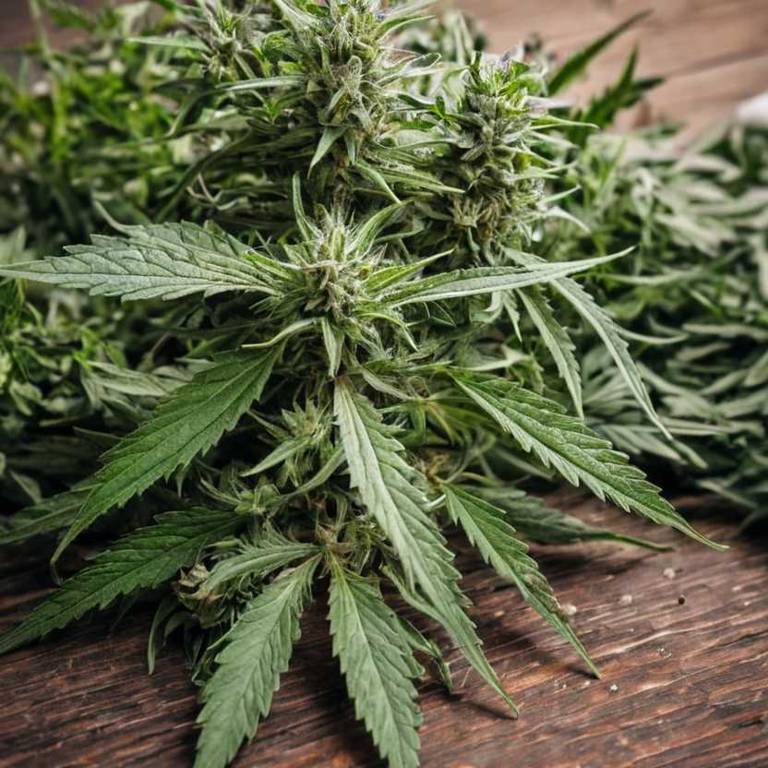
Tetrahydrocannabinol (THC) is a primary psychoactive compound found in certain medicinal herbs that interacts with the body's endocannabinoid system to produce therapeutic and intoxicating effects. This bioactive substance is most notably derived from plants in the Cannabis genus, such as Cannabis sativa.

Associated herbs: 2

Occurs naturally in

Cannabis

Cannabis sativa

View all tetrahydrocannabinol herbs →

ash

Ash is the inorganic, non-combustible mineral residue remaining after the complete oxidation of organic matter through combustion. It contains essential elements such as calcium, magnesium, and potassium, which are found in medicinal herbs like Acanthopanax trifoliatus, Allium sativum, and Amaranthus hypocondriacus.

Associated herbs: 83

Occurs naturally in

Acanthopanax trifoliatus

Allium sativum

Amaranthus hypochondriacus

View all ash herbs →

benzoic acid

Benzoic acid is a naturally occurring organic compound found in various medicinal herbs that exhibits significant antimicrobial, antifungal, and anti-inflammatory properties. This bioactive substance can be identified in plants such as Agriemonia eupatoria, Angelica purpureascens, and Aster tatricus.

Associated herbs: 60

Occurs naturally in

Agrimonia eupatoria

Angelica purpurascens

Aronia × prunifolia

View all benzoic acid herbs →

bergapten

Bergapten is a natural furanocoumarin compound found in various medicinal herbs that is known for its pharmacological properties, including potential anti-inflammatory and antimicrobial activities. It is a key bioactive constituent in plants such as Aconitum laciniaum, Aegle marmelos, and Ammi majus.

Associated herbs: 44

Occurs naturally in

Aconitum laciniatum

Aegle marmelos

Ammi majus

View all bergapten herbs →

betulin

Betulin is a naturally occurring triterpene found in many medicinal plants, known for its diverse pharmacological activities including anti-inflammatory, antioxidant, and anticancer properties. This bioactive compound can be extracted from various herbal sources, such as Acacia nilotica, Aerva lanata, and Alnus incana.

Associated herbs: 70

Occurs naturally in

Acacia nilotica

Aerva lanata

Alnus incana

View all betulin herbs →

campesterol

Campesterol is a plant sterol belonging to the phytosterol family that plays a crucial role in regulating cholesterol levels and supporting cell membrane stability. This bioactive compound can be found in various medicinal herbs, including Acacia seyal, Ajuga genevensis, and Atriplex halimus.

Associated herbs: 55

Occurs naturally in

Acacia seyal

Ajuga genevensis

Atriplex halimus

View all campesterol herbs →

chrysophanol

Chrysophanol is a bioactive anthraquinone derivative known for its potent anti-inflammatory, antimicrobial, and laxative properties. It is commonly found in various medicinal herbs, including species such as Aloe debrana, Aloe pulcherrima, and Aloe vera.

Associated herbs: 48

Occurs naturally in

Aloe debrana

Aloe pulcherrima

Aloe vera

View all chrysophanol herbs →

citric acid

Citric acid is a naturally occurring organic acid that functions as a vital metabolic intermediate in the Krebs cycle, helping to regulate pH levels and enhance antioxidant activity within biological systems. This bioactive compound can be found in various medicinal herbs, such as Agriophyllum squarrosum, Antirrhinum majus, and Astragalus membranaceus.

Associated herbs: 46

Occurs naturally in

Agriophyllum squarrosum

Antirrhinum majus

Astragalus membranaceus

View all citric acid herbs →

codeine

Codeine is a natural alkaloid derived from opium poppies that functions as a potent analgesic and antitussive to relieve moderate pain and suppress coughing. This bioactive compound is primarily found in plants within the Papaver genus, such as Papaver somniferum, and can also be detected in species like Argemone mexicana and Papaver bracteatum.

Associated herbs: 10

Occurs naturally in

Argemone mexicana

Papaver

Papaver bracteatum

View all codeine herbs →

hexadecanoic acid

Hexadecanoic acid, commonly known as palmitic acid, is a saturated fatty acid that plays a crucial role in various biological processes, including regulating cell membrane structure and signaling. This bioactive compound is found in several medicinal herbs, such as Aegle marmelos, Ajuga integrifolia, and Allium tripedale.

Associated herbs: 64

Occurs naturally in

Aegle marmelos

Ajuga integrifolia

Allium tripedale

View all hexadecanoic acid herbs →

isoorientin

Isoorientin is a bioactive C-glycosyl flavone known for its significant antioxidant, anti-inflammatory, and neuroprotective properties. This compound can be found in various medicinal plants, such as Adhatoda vasica, Ajuga laxmannii, and Aloe vera.

Associated herbs: 64

Occurs naturally in

Adhatoda vasica

Ajuga laxmannii

Aloe vera

View all isoorientin herbs →

liquiritin

Liquiritin is a bioactive flavonoid glycoside known for its significant anti-inflammatory, antioxidant, and anti-tumor properties. This compound is primarily found in medicinal herbs such as Glycyrrhiza glabra (licorice), Glycyrrhiza eurypa, and Ahenga pinnata.

Associated herbs: 7

Occurs naturally in

Arenga pinnata

Glycyrrhiza

Glycyrrhiza eurycarpa

View all liquiritin herbs →

paclitaxel

Paclitaxel is a potent bioactive compound primarily used in chemotherapy to inhibit cancer cell division by stabilizing microtubules within the cell. This therapeutic agent is most notably derived from the medicinal herb Taxus, though related compounds can be found in plants such as Corylus avellana and Ixeris sonchiifolia.

Associated herbs: 13

Occurs naturally in

Corylus avellana

Ixeris sonchifolia

Taxus

View all paclitaxel herbs →

quinic acid

Quinic acid is a naturally occurring organic acid that functions as a key metabolic intermediate and serves various physiological roles in plants, including defense and energy regulation. This bioactive compound can be found in several medicinal herbs, such as Achillea pseudoaleppica, Aloe perryi, and Angelica sinensis.

Associated herbs: 74

Occurs naturally in

Achillea pseudoaleppica

Aloe perryi

Angelica sinensis

View all quinic acid herbs →

sodium

Sodium is an essential mineral and electrolyte that plays a critical role in maintaining fluid balance and supporting nerve impulse transmission within the body. This bioactive compound can be found in various medicinal herbs, including Acacia nilotica, Acanthopanax trifoliatus, and Adenia viridiflora.

Associated herbs: 43

Occurs naturally in

Acacia nilotica

Acanthopanax trifoliatus

Adenia viridiflora

View all sodium herbs →

spathulenol

Spathulenol is a bioactive triterpene alcohol found in various medicinal plants that is often studied for its potential anti-inflammatory and antioxidant properties. This compound can be found in several herbal species, including Acacia nilotica, Acanthopanax brachypus, and Acanthopanax leucorrhizus.

Associated herbs: 73

Occurs naturally in

Acacia nilotica

Acanthopanax brachypus

Acanthopanax leucorrhizus

View all spathulenol herbs →

umbelliferone

Umbelliferone is a natural coumarin derivative known for its diverse biological activities, including anti-inflammatory, antioxidant, and antimicrobial properties. This bioactive compound can be found in various medicinal plants, such as Aegle marmelos, Angelica archangelica, and Angelica decursiva.

Associated herbs: 50

Occurs naturally in

Aegle marmelos

Angelica archangelica

Angelica decursiva

View all umbelliferone herbs →

MDA

MDA (Malondialdehyde) is a reactive bioactive compound often used as a key biomarker to measure oxidative stress and lipid peroxidation within biological systems. It is frequently studied in the context of medicinal plants like Alisma orientale, Aloe vera, and Ammoziphanthus mongolicus to evaluate their antioxidant capacities and protective effects on cellular health.

Associated herbs: 68

Occurs naturally in

Alisma orientale

Aloe vera

Ammopiptanthus mongolicus

View all MDA herbs →

catharanthine

Catharanthine is an indole alkaloid primarily known for its significant pharmacological potential, including anti-tumor and anti-malarial activities. This bioactive compound is most notably found in medicinal herbs such as Catharanthus roseus (also known as Vinca rosea).

Associated herbs: 2

Occurs naturally in

Catharanthus roseus

Vinca rosea

View all catharanthine herbs →

curcuminoids

Curcuminoids are a group of bioactive polyphenolic compounds responsible for the vibrant yellow color and potent anti-inflammatory properties found in certain medicinal plants. These compounds are primarily concentrated in herbs of the Curcuma genus, including species such as Curcuma longa, Curcuma aromatica, and Curcuma domestica.

Associated herbs: 13

Occurs naturally in

Curcuma

Curcuma aromatica

Curcuma domestica

View all curcuminoids herbs →

diallyl disulfide

Diallyl disulfide is a potent organosulfur compound known for its strong aroma and significant antimicrobial and antioxidant properties. This bioactive constituent is characteristic of several medicinal herbs within the Allium genus, such as Allium cepa (onion), Allium sativum (garlic), and Allium ursinum (wild garlic).

Associated herbs: 3

Occurs naturally in

Allium cepa

Allium sativum

Allium ursinum

View all diallyl disulfide herbs →

fat

Fats, or lipids, are bioactive compounds that serve as essential energy sources and structural components of cell membranes within medicinal plants. These lipids are found in various therapeutic herbs, such as Achyranthis asperas, Actiniidia deliciosa, and Adansonia digitata.

Associated herbs: 70

Occurs naturally in

Achyranthes aspera

Actinidia deliciosa

Adansonia digitata

View all fat herbs →

glabridin

Glabridin is a potent bioactive isoflavane found in certain medicinal plants that is highly valued for its antioxidant, anti-inflammatory, and skin-lightening properties. This compound is primarily derived from species within the licorice genus, such as Glycyrrhiza glabra, Glycyrrhiza inflata, and Glycyrrhiza ura로ensis.

Associated herbs: 3

Occurs naturally in

Glycyrrhiza glabra

Glycyrrhiza inflata

Glycyrrhiza uralensis

View all glabridin herbs →

glucosinolates

Glucosinolates are sulfur-containing secondary metabolites found in various plants that serve as a chemical defense mechanism against herbivores and pathogens. These bioactive compounds are characteristic of the Brassicaceae family and can be found in herbs and plants such as Brassica species, Arabidopsis thaliana, and Amaranthus caudatus.

Associated herbs: 30

Occurs naturally in

Amaranthus caudatus

Arabidopsis thaliana

Brassica

View all glucosinolates herbs →

swertiamarin

Sweirtiamarin is a bioactive secoiridoid glycoside known for its potential pharmacological properties, including anti-inflammatory and antioxidant activities. This compound is primarily found in medicinal herbs such as Enicostema axillare, Fagraea fragrans, and species within the Gentiana genus.

Associated herbs: 30

Occurs naturally in

Enicostema axillare

Fagraea fragrans

Gentiana

View all swertiamarin herbs →

taxol

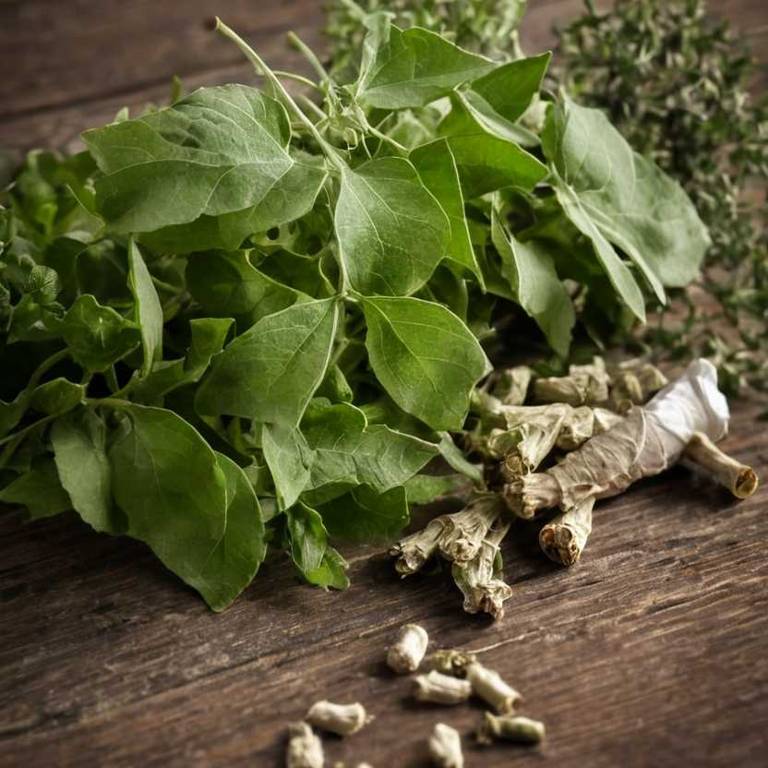
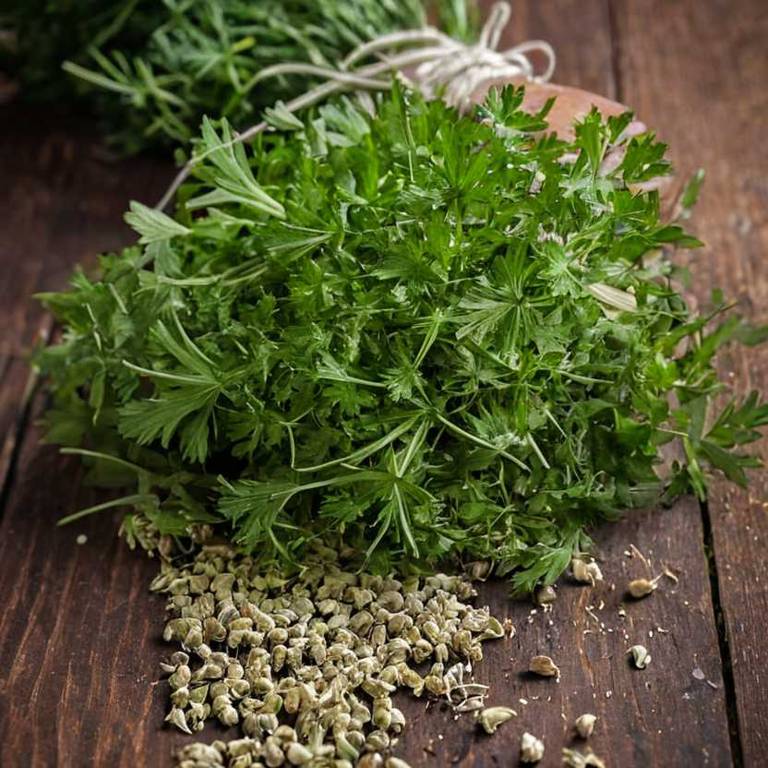
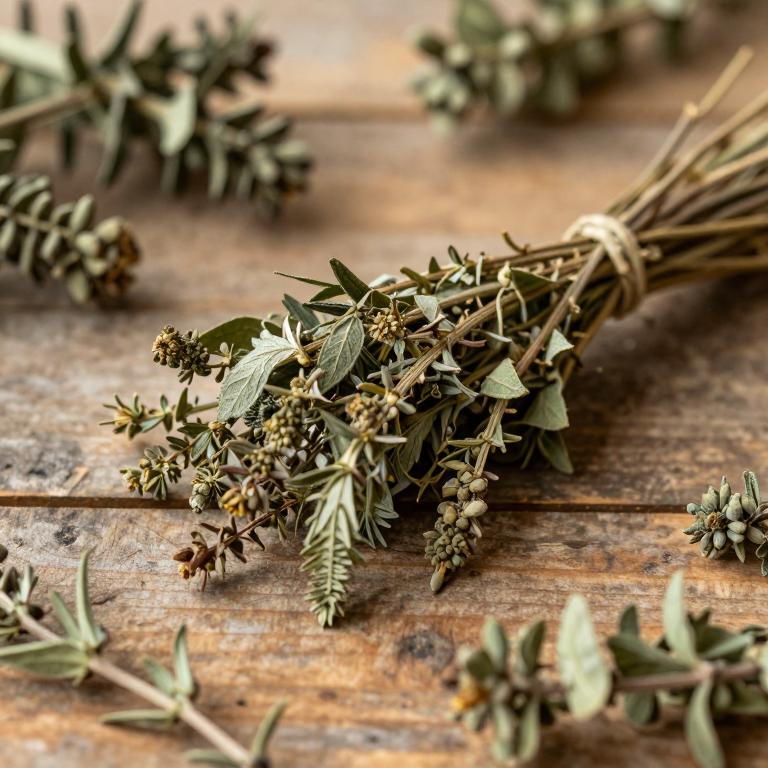
Taxol is a potent bioactive compound primarily known for its ability to inhibit cell division, making it a critical agent in chemotherapy for treating various cancers. While it is most famously derived from the Pacific yew tree, related taxane derivatives can be found in medicinal plants such as Calotropis gigantea, Cardiospermum halicacabum, and Corylus.
Associated herbs: 20

Occurs naturally in

Calotropis gigantea

Cardiospermum halicacabum
Corylus

View all taxol herbs →

tocopherols

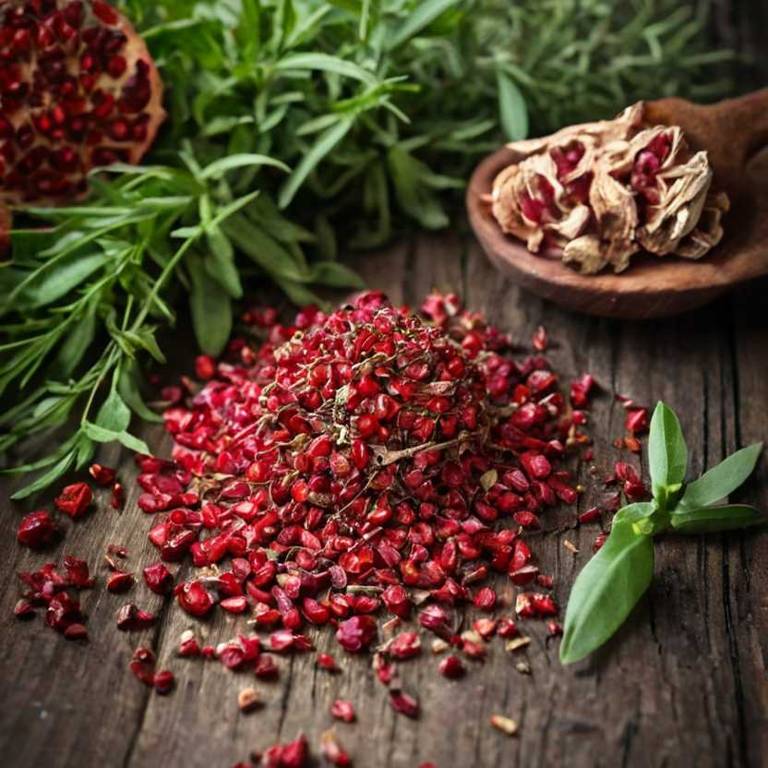
Tocopherols are a group of fat-soluble vitamin E compounds that act as potent antioxidants, protecting cells from oxidative damage and inflammation. These bioactive compounds can be found in various medicinal and nutritional plants, such as Allium sativum (garlic), Anisophylleia boehmii, and Arachis hypogaea (peanut).
Associated herbs: 61

Occurs naturally in

Allium sativum

Anisophyllea boehmii

Arachis hypogaea

View all tocopherols herbs →

Chlorogenic acid

Chlorogenic acid is a potent polyphenolic compound found in various medicinal herbs that serves as a powerful antioxidant and anti-inflammatory agent. It is a key bioactive constituent in plants such as Abelmoschus esculentus (okra), Abrus cantoniensis, and Acacia nilotica.

Associated herbs: 44

Occurs naturally in

Acanthopanax senticosus

Achillea millefolium

Amelanchier × spicata

View all Chlorogenic acid herbs →

Gallic acid

Gallic acid is a naturally occurring polyphenolic compound renowned for its potent antioxidant, anti-inflammatory, and antimicrobial properties. It can be found in various medicinal herbs, including Abrus precatorius, Acacia catechu, and Acacia confusa.

Associated herbs: 56

Occurs naturally in

Acacia implexa

Alchornea cordifolia

Arbutus pavarii

View all Gallic acid herbs →

acacetin

Acacetin is a bioactive flavone known for its significant antioxidant, anti-inflammatory, and neuroprotective properties. This compound can be found in various medicinal plants, including Abrus cantonensis, Agastache rugosa, and Artemisia afra.

Associated herbs: 49

Occurs naturally in

Abrus cantoniensis

Agastache rugosa

Artemisia afra

View all acacetin herbs →

ajmalicine

Ajmalicine is a bioactive indole alkaloid primarily utilized for its vasodilatory properties and its ability to help regulate blood pressure. This compound can be found in various medicinal herbs, including Catharanthus roseus, Cephalanthus occidentalis, and Crossosoma bigelovii.

Associated herbs: 9

Occurs naturally in

Catharanthus roseus

Cephalanthus occidentalis

Crossosoma bigelovii

View all ajmalicine herbs →

flavonol

Flavonols are a prominent class of bioactive polyphenolic compounds found in many medicinal plants, known for their potent antioxidant, anti-inflammatory, and anticancer properties. These compounds are present in various herbal species, including Abrus precatorius, Aesculus indica, and Alepidotea amatymbica.

Associated herbs: 51

Occurs naturally in

Abrus precatorius

Aesculus indica

Alepidea amatymbica

View all flavonol herbs →

glutathione

Glutathione is a potent endogenous antioxidant that plays a critical role in neutralizing free radicals and supporting the body's detoxification processes. Various medicinal herbs, such as Aegle marmelos, Allium sativum, and Amorphophallus xiei, serve as important natural sources that help bolster these cellular defense mechanisms.

Associated herbs: 42

Occurs naturally in

Aegle marmelos

Allium sativum

Amorphophallus xiei

View all glutathione herbs →

jatrorrhizine

Jatrorrhizine is a bioactive protoberberine alkaloid known for its diverse pharmacological properties, including anti-inflammatory, antimicrobial, and potential anticancer activities. This compound is commonly found in medicinal plants such as Argemonia mexicana, Berberis species, and Berberis aristata.

Associated herbs: 37

Occurs naturally in

Argemone mexicana

Berberis

Berberis aristata

View all jatrorrhizine herbs →

myrcene

Myrcene is a natural terpenoid known for its significant sedative, anti-inflammatory, and analgesic properties in medicinal applications. This bioactive compound can be found in various therapeutic herbs, such as Ajania fruticulosa, Angelica sinensis, and Apium graveolens var. secalinum.

Associated herbs: 58

Occurs naturally in

Ajania fruticulosa

Angelica sinensis

Apium graveolens var. secalinum

View all myrcene herbs →

pectin

Pectin is a complex structural polysaccharide found in the cell walls of plants that plays a crucial role in maintaining cellular integrity and regulating digestion. This bioactive compound is present in various botanical sources, including Arabidopsis thaliana, Arachis hypogaea, and Bupleurum chinense.

Associated herbs: 41

Occurs naturally in

Arabidopsis thaliana

Arachis hypogaea

Bupleurum chinense

View all pectin herbs →

syringin

Syringin is a bioactive phenylethanoid glycoside known for its significant pharmacological properties, including anti-inflammatory, antioxidant, and neuroprotective effects. This compound can be found in various medicinal herbs, such as Acanthopanax senticosus, Acroptilon repens, and Adenophora stenanthina subsp. xi fengensis.

Associated herbs: 44

Occurs naturally in

Acanthopanax senticosus

Acroptilon repens

Adenophora stenanthina subsp. xifengensis

View all syringin herbs →

tyrosine

Tyrosine is a non-essential amino acid that serves as a critical precursor for the synthesis of important neurotransmitters, such as dopamine, epinephrine, and norepinephrine. This bioactive compound can be found in various botanical species, including Aloe lettea, Aloe longibracteata, and Arabidopsis thaliana.

Associated herbs: 36

Occurs naturally in

Aloe lettyae

Aloe longibracteata

Arabidopsis thaliana

View all tyrosine herbs →

vanillin

Vanillin is a bioactive phenolic compound known for its potent antioxidant, anti-inflammatory, and antimicrobial properties used in various therapeutic applications. It can be found naturally in several medicinal herbs, such as Ailanthus integrifolia, Alpinia concogera, and Angelica sinensis.

Associated herbs: 55

Occurs naturally in

Ailanthus integrifolia

Alpinia conchigera

Angelica sinensis

View all vanillin herbs →

water

Water serves as a fundamental universal solvent that facilitates essential biochemical reactions and the transport of nutrients within medicinal plants. It is a vital component found in various herbal preparations, such as those derived from Acacia tortilis, Adenanthera pavonina, and Allium sativum.

Associated herbs: 50

Occurs naturally in

Acacia tortilis

Adenanthera pavonina

Allium sativum

View all water herbs →

Co

It appears you are referring to Coumarins, a class of bioactive compounds known for their diverse pharmacological properties, including anti-inflammatory, antioxidant, and anticoagulant effects. These compounds are widely distributed in the plant kingdom and can be found in medicinal herbs such as Acacia nilotica, Achillea millefolium (often associated with Achillea species), and Adhatoda vasica.

Associated herbs: 80

Occurs naturally in

Acacia nilotica

Achillea clavennae

Adhatoda vasica

View all Co herbs →

anthraquinone

Anthraquinones are a class of bioactive compounds found in various medicinal plants, primarily known for their potent laxative and antimicrobial properties. Common examples of herbs containing these compounds include Ajuga integrifolia, Aloe arborescens, and Aloe barbadensis.

Associated herbs: 36

Occurs naturally in

Ajuga integrifolia

Aloe arborescens

Aloe barbadensis

View all anthraquinone herbs →

bilobalide

Bilobalide is a bioactive sesquiterpene trilactone known for its neuroprotective and anti-inflammatory properties, often studied for its potential to protect brain cells from oxidative stress. This compound is primarily found in medicinal herbs such as Ginkgo biloba and Isatis indigoica.

Associated herbs: 2

Occurs naturally in

Ginkgo biloba

Isatis indigotica

View all bilobalide herbs →

coumaric acid

Coumaric acid is a naturally occurring phenolic compound found in various medicinal plants that exhibits significant antioxidant, anti-inflammatory, and antimicrobial properties. This bioactive molecule is commonly present in herbs such as Ageratum conyzoides, Ajuga iva, and Argemonia mexicana.

Associated herbs: 55

Occurs naturally in

Ageratum conyzoides

Ajuga iva

Argemone mexicana

View all coumaric acid herbs →

epigallocatechin gallate

Epigallocatechin gallate (EGCG) is a potent polyphenolic antioxidant known for its significant anti-inflammatory and cancer-preventative properties in human health. While most famously concentrated in green tea, this bioactive compound can also be found in various medicinal herbs such as Allium sativum, Artemisia maritima, and Baiello-nella toxisperma.

Associated herbs: 21

Occurs naturally in

Allium sativum

Artemisia maritima

Baillonella toxisperma

View all epigallocatechin gallate herbs →

galacturonic acid

Galacturonic acid is a key uronic acid found in plant cell walls that plays a vital role in modulating biological processes and providing structural integrity to medicinal herbs. This bioactive compound can be found in various plant species, including Abelmoschus manihot, Acanthus ebracteatus, and Allium roseum.

Associated herbs: 57

Occurs naturally in

Abelmoschus manihot

Acanthus ebracteatus

Allium roseum

View all galacturonic acid herbs →

isoflavonoids

Isoflavonoids are a class of bioactive polyphenolic compounds found in medicinal herbs that primarily function as phytoestrogens and potent antioxidants. These compounds are key constituents in various plants, including Amphimas pterocarpoides, Astragalus membranaceus, and Astragalus membranaceus var. mongolicus.

Associated herbs: 35

Occurs naturally in

Amphimas pterocarpoides

Astragalus membranaceus

Astragalus membranaceus var. mongholicus

View all isoflavonoids herbs →