Explore herbs bioactive compounds

  • 10547 Plants
  • |
  • 22410 Compounds
  • |
  • 460 Activities
  • |
  • 132161 Studies

Explore Herbs


Alphabet


Biological Activity

View all →

Bioactive Compounds

View all →

List of herbs bioactive compounds

Showing 193-240 out of 460 results

terpinen-4-ol

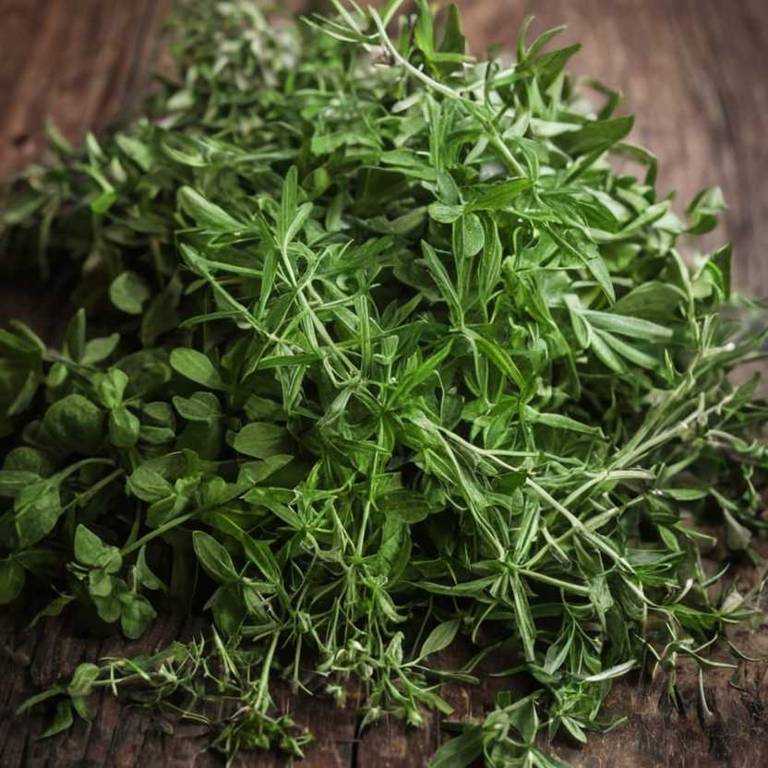
Terpinen-4-ol is a monoterpene alcohol widely recognized for its potent antimicrobial, anti-inflammatory, and analgesic properties. This bioactive compound is found in various medicinal herbs, such as Achillea fragrantissima, Achillea millefolium, and Alpinia calcarrata.

Associated herbs: 56

Occurs naturally in

Achillea fragrantissima
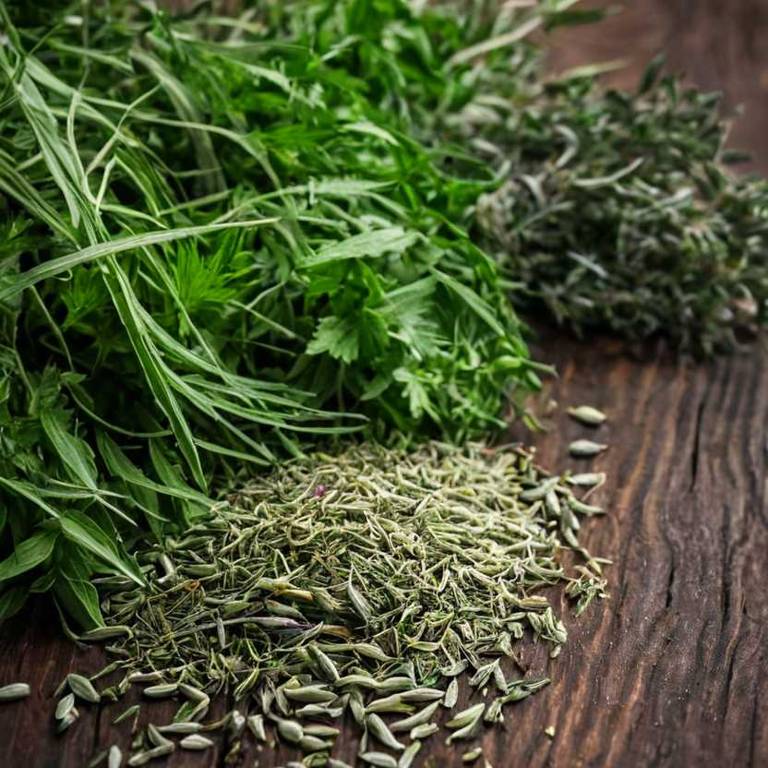
Achillea millefolium

Alpinia calcarata
View all terpinen-4-ol herbs →

(+)-catechin

(+)-catechin is a natural polyphenolic compound known for its potent antioxidant, anti-inflammatory, and cardioprotective properties. This bioactive molecule can be found in various medicinal plants, including Acacia catechu, Acacia implexa, and Acaena pinnatifida.

Associated herbs: 70

Occurs naturally in

Acacia catechu

Acacia implexa

Acaena pinnatifida

View all (+)-catechin herbs →

ABA

Abscisic acid (ABA) is a vital phytohormone that regulates essential plant processes, including seed dormancy, stress responses to drought, and stomatal closure. This bioactive compound is present in various botanical species, such as the model organism Arabidopsis thaliana and the terrestrial orchid Bletilla striata.

Associated herbs: 64

Occurs naturally in

Arabidopsis

Arabidopsis thaliana

Bletilla striata

View all ABA herbs →

piperine

Piperine is a potent bioactive alkaloid responsible for the pungent, spicy flavor and numerous pharmacological properties, such as anti-inflammatory and antioxidant effects, found in various medicinal plants. This compound can be identified in diverse botanical sources, including Bauhinia variegata, Cannabis sativa, and Evolvulus alsinoides.

Associated herbs: 13

Occurs naturally in

Bauhinia variegata

Cannabis sativa

Evolvulus alsinoides

View all piperine herbs →

syringic acid

Syringic acid is a potent phenolic compound known for its significant antioxidant, anti-inflammatory, and antimicrobial properties. It can be found in various medicinal plants, including Alangium chinense subsp. pauciflorum, Achyranthes trewioides, and Aloe vera.

Associated herbs: 88

Occurs naturally in

Alangium chinense subsp. pauciflorum

Alchornea trewioides

Aloe vera

View all syringic acid herbs →

cadmium

Cadmium is a toxic heavy metal that can be found as an unintentional contaminant in medicinal herbs through soil absorption and environmental exposure. Examples of plants that may contain traces of this element include Acacia nilotica, Acacia seyal, and Achillea millefolium.

Associated herbs: 69

Occurs naturally in

Acacia nilotica

Acacia seyal

Achillea millefolium

View all cadmium herbs →

capsaicin

Capsaicin is a potent bioactive alkaloid responsible for the characteristic pungent heat and burning sensation experienced when consuming certain spicy plants. This compound is primarily found in various species of the Capsicum genus, as well as in medicinal herbs like Alpinia oxyphyllon and certain cultivars of Cannabis sativa.

Associated herbs: 10

Occurs naturally in

Alpinia oxyphylla

Cannabis sativa

Capsicum

View all capsaicin herbs →

germacrene D

Germacrene D is a bioactive sesquiterpene hydrocarbon found in various medicinal herbs, valued for its potential anti-inflammatory and antimicrobial properties. This compound is a characteristic constituent of plants such as Achillea fragrantissima, Aegopodium alpestre, and Anacyclus pyrethrum.

Associated herbs: 100

Occurs naturally in

Achillea fragrantissima

Aegopodium alpestre

Anacyclus pyrethrum

View all germacrene D herbs →

sugar

Sugar serves as a fundamental bioactive carbohydrate that provides the necessary energy for cellular metabolism and acts as a key component in the structural integrity of plant cells. This compound is naturally present in a wide variety of medicinal herbs, including members of the Allium genus such as Allium sativum, Allium tuberosum, and Allium ursinum.

Associated herbs: 64

Occurs naturally in

Allium sativum

Allium tuberosum

Allium ursinum

View all sugar herbs →

tanshinone

Tanshinone is a group of bioactive diterpene quinones known for their potent anti-inflammatory, antioxidant, and cardiovascular protective properties. These compounds are primarily found in medicinal herbs of the Salvia genus, such as Salvia miltiorrhiza (Danshen) and Salvia castanea.

Associated herbs: 2

Occurs naturally in

Salvia castanea

Salvia miltiorrhiza

View all tanshinone herbs →

tanshinone IIA

Tanshinone IIA is a potent diterpene quinone known for its significant anti-inflammatory, antioxidant, and cardiovascular protective properties. This bioactive compound is primarily found in various species of the Salvia genus, including Salvia miltiorrhiza, Salvia castanea, and Salvia abrotanoides.

Associated herbs: 3

Occurs naturally in

Salvia abrotanoides

Salvia castanea

Salvia miltiorrhiza

View all tanshinone IIA herbs →

triterpene

Triterpenes are a diverse class of bioactive compounds consisting of 30 carbon atoms that play a crucial role in the medicinal properties of various plants, such as anti-inflammatory and anticancer activities. These compounds can be found in a wide range of medicinal herbs, including Acmeilla uliginosa, Aglaiia lawii, and Agrimonia pilosa.

Associated herbs: 67

Occurs naturally in

Acmella uliginosa

Aglaia lawii

Agrimonia pilosa

View all triterpene herbs →

xylose

Xylose is a five-carbon monosaccharide, often referred to as wood sugar, that serves as a vital structural component in plant cell walls and plays a key role in various metabolic processes. This bioactive sugar can be found in several medicinal and edible plants, including Allium porrum, Allium roseum, and Aloe macra.

Associated herbs: 74

Occurs naturally in

Allium porrum

Allium roseum

Aloe macra

View all xylose herbs →

As

Arsenic (As) is a chemical element that can be found as a trace bioactive component or a natural contaminant within various medicinal plants. Examples of herbs known to contain detectable levels of this element include Achillea clavennae, Achyrocline venosa, and Allium ursinum.

Associated herbs: 103

Occurs naturally in

Achillea clavennae

Achyrocline venosa

Allium ursinum

View all As herbs →

Rd

Rd is a specific type of ginsenoside, which is a bioactive steroid saponin that plays a key role in the adaptogenic and neuroprotective properties of certain medicinal plants. This compound is primarily found in species of the Panax genus, including Panax ginseng, Panax japonicus var. bipinnatifidus, and other varieties of ginseng.

Associated herbs: 7

Occurs naturally in

Panax

Panax ginseng

Panax japonicus var. bipinnatifidus

View all Rd herbs →

amentoflavone

Amentoflavone is a bioactive flavone characterized by its potential antioxidant and anti-inflammatory properties within medicinal plants. This specific compound can be found in various herbal species, including Aletris spicata, Apocynum venetum, and Biophytum sensitivum.

Associated herbs: 50

Occurs naturally in

Aletris spicata

Apocynum venetum

Biophytum sensitivum

View all amentoflavone herbs →

caryophyllene

Caryophyllene is a prominent sesquiterpene known for its significant anti-inflammatory, antioxidant, and antimicrobial properties in medicinal applications. This bioactive compound can be found in various plant species, such as Artemisia, Artemisia gilvescens, and Artemisia gmellinii.

Associated herbs: 57

Occurs naturally in

Artemisia

Artemisia gilvescens

Artemisia gmelinii

View all caryophyllene herbs →

glycyrrhetinic acid

Glycyrrhetinic acid is a pentacyclic triterpenoid saponin known for its potent anti-inflammatory, antiviral, and hepatoprotective properties. This bioactive compound is primarily found in species of the Glycyrrhiza genus, most notably in Glycyrrhiza glabra (licorice) and Glycyrrhiza uralensis.

Associated herbs: 4

Occurs naturally in

Glycyrrhiza

Glycyrrhiza glabra

Glycyrrhiza uralensis

View all glycyrrhetinic acid herbs →

isorhamnetin

Isorhamnetin is a bioactive flavonoid known for its potent antioxidant, anti-inflammatory, and neuroprotective properties. It can be found in various medicinal herbs, including Abelmoschus manihot, Acanthus ilicifolius, and Achillea conferta.

Associated herbs: 52

Occurs naturally in

Abelmoschus manihot

Acanthus ilicifolius

Achillea conferta

View all isorhamnetin herbs →

linolenic acid

Linolenic acid is an essential omega-3 polyunsaturated fatty acid that plays a crucial role in maintaining cell membrane fluidity and regulating inflammatory responses within the body. This bioactive compound can be found in various medicinal plants, including Ajuga iva, Alnus incana, and Ansellia africana.

Associated herbs: 54

Occurs naturally in

Ajuga iva

Alnus incana

Ansellia africana

View all linolenic acid herbs →

phosphorus

Phosphorus is a vital bioactive mineral that plays a fundamental role in cellular energy production, DNA synthesis, and the maintenance of bone health. It can be found in various medicinal herbs, such as Adenia viridiflora, Aloe barbadensis, and Amaranthus hypocondriacus.

Associated herbs: 66

Occurs naturally in

Adenia viridiflora

Aloe barbadensis

Amaranthus hypochondriacus

View all phosphorus herbs →

proanthocyanidin

Proanthocyanidins are a class of bioactive polyphenolic compounds known for their potent antioxidant and anti-inflammatory properties. These compounds are found in various medicinal plants, including Acacia karroo, Alepidea amatymbica, and Alpinia zerumbet.

Associated herbs: 49

Occurs naturally in

Acacia karroo

Alepidea amatymbica

Alpinia zerumbet

View all proanthocyanidin herbs →

tryptophan

Tryptophan is an essential amino acid that serves as a critical precursor for the synthesis of serotonin and melatonin, which help regulate mood, sleep, and cognitive function. This bioactive compound can be found in various medicinal herbs, including Abelmoschus esculentus, Acacia bilimeki, and Allium bakeri.

Associated herbs: 60

Occurs naturally in

Abelmoschus esculentus

Acacia bilimekii

Allium bakeri

View all tryptophan herbs →

unsaturated fatty acids

Unsaturated fatty acids are essential bioactive lipids characterized by one or more double bonds in their carbon chains, which play a vital role in maintaining cell membrane fluidity and exerting anti-inflammatory effects. These compounds can be found in various medicinal plants, including Acacia saligna, Adenopus breviflorus, and Aegiophyllum squarrosum.

Associated herbs: 59

Occurs naturally in

Acacia saligna

Adenopus breviflorus

Agriophyllum squarrosum

View all unsaturated fatty acids herbs →

verbascoside

Verbascoside is a potent bioactive phenylethanoid glycoside known for its significant antioxidant, anti-inflammatory, and antimicrobial properties. This compound is found in various medicinal herbs, including Acanthus mollis, Acanthus montanus, and Ajuga laxmannii.

Associated herbs: 87

Occurs naturally in

Acanthus mollis

Acanthus montanus

Ajuga laxmannii

View all verbascoside herbs →

Al

It appears there may be a typo in your request, as "Al" is a chemical symbol for Aluminum rather than a standard abbreviation for a bioactive organic compound. However, if you are referring to Alkaloids, which are the primary bioactive compounds found in the medicinal herbs you listed, here is the explanation: Alkaloids are a diverse group of naturally occurring organic compounds that exert potent pharmacological effects on the human body by interacting with various biological receptors. These powerful bioactive substances are found in numerous medicinal plants, such as Achillea millefolium, Achyranthes aspera, and Adhatoda vasica.

Associated herbs: 77

Occurs naturally in

Achillea clavennae

Achyrocline venosa

Adhatoda vasica

View all Al herbs →

SOD

Superoxide dismutase (SOD) is a powerful antioxidant enzyme that plays a crucial role in protecting cells from oxidative damage by neutralizing harmful superoxide radicals. This bioactive compound can be found in various medicinal herbs, such as Anchomanes difformis, Andrographis paniculata, and Anoectochilus roxburgii.

Associated herbs: 60

Occurs naturally in

Anchomanes difformis

Andrographis paniculata

Anoectochilus roxburghii

View all SOD herbs →

arginine

Arginine is a semi-essential amino acid that plays a critical role in the body by serving as a precursor to nitric oxide, which helps promote vasodilation and healthy blood circulation. This bioactive compound can be found in various medicinal herbs, including Allium sativum (garlic), Allium tuberosum (Chinese chives), and Andrographis paniculata.

Associated herbs: 46

Occurs naturally in

Allium sativum

Allium tuberosum

Andrographis paniculata

View all arginine herbs →

asiatic acid

Asiatic acid is a potent triterpenoid bioactive compound known for its significant neuroprotective, anti-inflammatory, and wound-healing properties. It is primarily found in medicinal herbs such as Centella asiatica, Bacopa monnieri, and Actinidia macrosperma.

Associated herbs: 15

Occurs naturally in

Actinidia macrosperma

Bacopa monnieri

Centella asiatica

View all asiatic acid herbs →

methionine

Methionine is an essential sulfur-containing amino acid that plays a critical role in protein synthesis, detoxification processes, and the regulation of cellular metabolism. This bioactive compound can be found in various medicinal plants, including Allium sativum (garlic), Aloe arborescens (aloe), and Bauhinia malabarica.

Associated herbs: 49

Occurs naturally in

Allium sativum

Aloe arborescens

Bauhinia malabarica

View all methionine herbs →

parthenolide

Parthenolide is a sesquiterpene lactone bioactive compound primarily recognized for its potent anti-inflammatory and anti-tumor properties. This compound is found in various medicinal herbs, such as Chrysanthemum parthenium, Baccharis conferta, and Magnolia grandiflora.

Associated herbs: 11

Occurs naturally in

Baccharis conferta

Chrysanthemum parthenium

Magnolia grandiflora

View all parthenolide herbs →

silver nanoparticles

Silver nanoparticles are specialized metallic clusters formed through the green synthesis of plant extracts, where bioactive phytochemicals act as both reducing and stabilizing agents. These nanoparticles exhibit potent antimicrobial and antioxidant properties and can be synthesized using medicinal herbs such as Ageratum conyzoides, Allium sativum, and Aloe vera.

Associated herbs: 56

Occurs naturally in

Ageratum conyzoides

Allium sativum

Aloe vera

View all silver nanoparticles herbs →

stearic acid

Stearic acid is a saturated fatty acid found in various medicinal plants that plays a crucial role in supporting cellular membrane integrity and providing anti-inflammatory benefits. This bioactive compound can be found in several herbal species, including Achyranthis asperas, Aloe ferox, and Anoectochilus roxburgii.

Associated herbs: 68

Occurs naturally in

Achyranthes aspera

Aloe ferox

Anoectochilus roxburghii

View all stearic acid herbs →

taxifolin

Taxifolin is a natural flavonoid known for its potent antioxidant, anti-inflammatory, and cardioprotective properties. This bioactive compound can be found in various medicinal herbs, such as Acacia catechu, Acanthopanax sessiliflorus, and Agrimonia pilosa.

Associated herbs: 50

Occurs naturally in

Acacia catechu

Acanthopanax sessiliflorus

Agrimonia pilosa

View all taxifolin herbs →

Berberine

Berberine is a potent alkaloid known for its diverse pharmacological activities, including anti-inflammatory, antimicrobial, and glucose-regulating properties. This bioactive compound is found in several medicinal plants, such as Berberis, Argemone mexicana, and Angelica sinensis.

Associated herbs: 19

Occurs naturally in

Argemone mexicana

Berberis

Berberis aquifolium

View all Berberine herbs →

Re

Re (specifically referring to ginsenosides, often categorized by their "Re" type) are bioactive saponins that serve as the primary medicinal constituents in various ginseng species. These compounds are found in medicinal herbs such as Panax ginseng, Panax japonicus var. bipinnatifidus, and other members of the Panax genus.

Associated herbs: 6

Occurs naturally in

Panax

Panax ginseng

Panax japonicus var. bipinnatifidus

View all Re herbs →

alcohols

Alcohols are a versatile class of bioactive compounds found in medicinal plants that often contribute to the herbs' antimicrobial, sedative, or anesthetic properties. Common examples of herbs containing these compounds include Achillea nobilis, Aegle marmelos, and Allamanda cathartica.

Associated herbs: 55

Occurs naturally in

Achillea nobilis

Aegle marmelos

Allamanda cathartica

View all alcohols herbs →

chrysin

Chrysins are a class of natural flavones known for their potent antioxidant, anti-inflammatory, and anti-cancer properties in medicinal plants. This bioactive compound can be found in various botanical sources, including Acacia, Alpinia oxyphylla, and Blettilla striata.

Associated herbs: 37

Occurs naturally in

Acacia

Alpinia oxyphylla

Bletilla striata

View all chrysin herbs →

jasmonic acid

Jasmonic acid is a critical bioactive signaling molecule that plays a vital role in regulating plant defense mechanisms and mediating responses to environmental stressors. This compound can be found in various medicinal herbs, such as Acmeilla radicans, Andrographis paniculata, and Aquilaria sinensis.

Associated herbs: 58

Occurs naturally in

Acmella radicans

Amomum tsao-ko

Andrographis paniculata

View all jasmonic acid herbs →

liquiritigenin

Liquiritigenin is a natural flavanone known for its significant antioxidant, anti-inflammatory, and anti-cancer properties in medicinal research. This bioactive compound can be found in various botanical sources, including Bauhinia championii, Caragana intermedia, and Caragana stenophylla.

Associated herbs: 21

Occurs naturally in

Bauhinia championii

Caragana intermedia

Caragana stenophylla

View all liquiritigenin herbs →

lysine

Lysine is an essential amino acid that plays a critical role in protein synthesis, calcium absorption, and the production of hormones and enzymes necessary for growth. This bioactive compound can be found in various medicinal herbs, including okra (Abelmoschus esculentus), Acacia bilimeki (commonly known as Acacia nilotica), and garlic (Allium sativum).

Associated herbs: 60

Occurs naturally in

Abelmoschus esculentus

Acacia bilimekii

Allium sativum

View all lysine herbs →

Rutin

Rutin is a potent bioactive flavonoid known for its significant antioxidant, anti-inflammatory, and vasoprotective properties. This compound can be found in various medicinal plants, including Abelmoschus esculentus, Abelmoschus manihot, and Abrus precatorius.

Associated herbs: 59

Occurs naturally in

Adiantum capillus-veneris

Aesculus hippocastanum

Amaranthus caudatus

View all Rutin herbs →

bornyl acetate

Bornyl acetate is a natural terpene ester known for its distinct camphoraceous aroma and significant therapeutic properties, including anti-inflammatory and antimicrobial activities. This bioactive compound can be found in various medicinal plants, such as Achillea grandifolia, Achillea wilhelmstii, and Alpinia galanga.

Associated herbs: 44

Occurs naturally in

Achillea grandifolia

Achillea wilhelmsii

Alpinia galanga

View all bornyl acetate herbs →

colchicine

Colchicine is a potent alkaloid used primarily to treat inflammatory conditions like gout by inhibiting microtubule polymerization and reducing leukocyte migration. While it is most famously derived from the Autumn Crocus, traces of related bioactive alkaloids can be found in diverse botanical sources such as Acacia nilotica, Agastache mexicana, and Allium cepa.

Associated herbs: 27

Occurs naturally in

Acacia nilotica

Agastache mexicana

Allium cepa

View all colchicine herbs →

epigallocatechin

Epigallocatechin is a potent polyphenolic compound found in various medicinal plants, recognized primarily for its strong antioxidant and anti-inflammatory properties. This bioactive molecule is present in several herbal species, including Acacia catechu, Acacia nilotica, and Achillea conferta.

Associated herbs: 45

Occurs naturally in

Acacia catechu

Acacia nilotica

Achillea conferta

View all epigallocatechin herbs →

lead

Lead is a heavy metal that is generally considered a toxic contaminant in medicinal herbs rather than a beneficial bioactive compound. It can be found in trace amounts in plants such as Achillea millefolium, Adansonia digitata, and Albizia anthelmintiica due to soil absorption or environmental pollution.

Associated herbs: 74

Occurs naturally in

Achillea millefolium

Adansonia digitata

Albizia anthelmintica

View all lead herbs →

physcion

Physcion is a bioactive anthraquinone compound found in various medicinal plants that exhibits significant pharmacological properties, including anti-inflammatory, antioxidant, and potential anticancer activities. It is a key constituent in several botanical species, such as Alyxia sinensis, Artemisia annua, and Aster tataricus.

Associated herbs: 35

Occurs naturally in

Alyxia sinensis

Artemisia annua

Aster tataricus

View all physcion herbs →

sanguinarine

Sanguinarine is a potent quaternary benzophenanthridine alkaloid known for its significant antimicrobial, anti-inflammatory, and pro-apoptotic properties. This bioactive compound is found in various medicinal plants, including Argemone mexicana, Berberis thunbergii, and Chelidonium majus.

Associated herbs: 23

Occurs naturally in

Argemone mexicana

Berberis thunbergii

Chelidonium majus

View all sanguinarine herbs →