Explore herbs bioactive compounds

  • 10547 Plants
  • |
  • 22410 Compounds
  • |
  • 460 Activities
  • |
  • 132161 Studies

Explore Herbs


Alphabet


Biological Activity

View all →

Bioactive Compounds

View all →

List of herbs bioactive compounds

Showing 145-192 out of 460 results

mitragynine

Mitragynine is a major indole alkaloid found in certain medicinal plants, primarily known for its psychoactive and analgesic properties. It is the principal bioactive constituent of Mitragyna speciosa, commonly known as kratom.

Associated herbs: 1

Occurs naturally in

Mitragyna speciosa

View all mitragynine herbs →

palmatine

Palmatine is a bioactive quaternary ammonium alkaloid known for its diverse pharmacological properties, including anti-inflammatory, antimicrobial, and anticancer activities. This compound is primarily found in medicinal herbs such as Argemonia mexicana, Berberis species, and Berberis aristata.

Associated herbs: 51

Occurs naturally in

Argemone mexicana

Berberis

Berberis aristata

View all palmatine herbs →

phytol

Phytol is a diterpene alcohol found in various medicinal plants that serves as a key precursor in the biosynthesis of vitamin E and chlorophyll. This bioactive compound is present in several botanical species, including Acacia catechu, Achillea wilhelmii, and Acrocarpous fraxinifolius.

Associated herbs: 93

Occurs naturally in

Acacia catechu

Achillea wilhelmsii

Acrocarpus fraxinifolius

View all phytol herbs →

camptothecin

Camptothecin is a potent cytotoxic alkaloid known for its ability to inhibit DNA topoisomerase I, making it a significant compound in cancer research and pharmacology. This bioactive molecule can be found in various medicinal plants, including Camptotheca acuminata, Berberis lycium, and Boswellia serrata.

Associated herbs: 16

Occurs naturally in

Berberis lycium

Boswellia serrata

Camptotheca acuminata

View all camptothecin herbs →

scopolamine

Scopolamine is a potent tropane alkaloid known for its anticholinergic properties, which help relieve spasms and reduce motion sickness by affecting the central nervous system. This bioactive compound can be found in various medicinal herbs, including species such as Anisodus tanguticus, Anisodus acutangulus, and Anisodus luridus.

Associated herbs: 29

Occurs naturally in

Anisodus acutangulus

Anisodus luridus

Anisodus tanguticus

View all scopolamine herbs →

astragalin

Astragalin is a bioactive flavonoid glycoside known for its potent antioxidant, anti-inflammatory, and cytoprotective properties in various biological systems. This compound can be found in several medicinal herbs, including Acer truncatum, Agriphyllum squarrosum, and Allium victoriae var. platyphyllum.

Associated herbs: 74

Occurs naturally in

Acer truncatum

Agriophyllum squarrosum

Allium victorialis var. platyphyllum

View all astragalin herbs →

glycyrrhizic acid

Glycyrrhizic acid is a bioactive triterpenoid saponin known for its potent anti-inflammatory, antiviral, and anti-tumor properties. This compound is primarily found in medicinal herbs such as Glycyrrhiza glabra (licorice), Glycyrrhiza, and Ephedra sinica.

Associated herbs: 7

Occurs naturally in

Ephedra sinica

Glycyrrhiza

Glycyrrhiza glabra

View all glycyrrhizic acid herbs →

scopoletin

Scopoletin is a naturally occurring coumarin derivative known for its diverse pharmacological properties, including anti-inflammatory, antioxidant, and antimicrobial activities. This bioactive compound can be found in various medicinal plants, such as Aegle marmelos, Aglaias crassinevia, and Alcea kurdicica.

Associated herbs: 99

Occurs naturally in

Aegle marmelos

Aglaia crassinervia

Alcea kurdica

View all scopoletin herbs →

CBD

CBD, or cannabidiol, is a non-psychoactive bioactive compound found in various medicinal plants known for its potential anti-inflammatory and therapeutic properties. This compound is most notably extracted from plants such as Cannabis sativa, Cannabis, and certain species like Caesalpinia bonduc.

Associated herbs: 4

Occurs naturally in

Caesalpinia bonduc

Cannabis

Cannabis sativa

View all CBD herbs →

Ni

Ni refers to Nickel, a trace element that can be found within certain medicinal plants as a bioactive mineral component. Examples of herbs known to contain this element include Acacia nilotica, Achillea millefolium, and Achyranthus asperus.

Associated herbs: 123

Occurs naturally in

Acacia nilotica

Achillea millefolium

Achyranthes aspera

View all Ni herbs →

borneol

Borneol is a bicyclic monoterpene alcohol found in various medicinal plants that is widely recognized for its anti-inflammatory, analgesic, and antimicrobial properties. This bioactive compound can be found in several species of the Achillea genus, including Achillea grandifolia, Achillea gypsicola, and Achillea millefolium.

Associated herbs: 80

Occurs naturally in

Achillea grandifolia

Achillea gypsicola

Achillea millefolium

View all borneol herbs →

esters

Esters are organic compounds formed through the reaction of an alcohol and an acid, often contributing to the distinct aromatic profiles and biological activities of medicinal plants. These compounds are found in various herbs, including Acacia nilotica, Allamanda cathartica, and Allium cepa, where they play roles in providing therapeutic effects.

Associated herbs: 80

Occurs naturally in

Acacia nilotica

Allamanda cathartica

Allium cepa

View all esters herbs →

phenolic acid

Phenolic acids are a diverse group of bioactive compounds found in plants that primarily function as potent antioxidants to protect cells from oxidative stress. These compounds are widely distributed in medicinal herbs, including species such as Acanthopanax senticosus, Achillea gypsicola, and Aconitum.

Associated herbs: 62

Occurs naturally in

Acanthopanax senticosus

Achillea gypsicola

Aconitum

View all phenolic acid herbs →

salidroside

Salidroside is a bioactive phenylethanoid glycoside known for its potent antioxidant, neuroprotective, and anti-stress properties. This compound is found in various medicinal herbs, including Abeliumophyllum distichum, Acer tegmentosum, and Buddleja officinalis.

Associated herbs: 31

Occurs naturally in

Abeliophyllum distichum

Acer tegmentosum

Buddleja officinalis

View all salidroside herbs →

terpenoid

Terpenoids are a diverse class of organic compounds derived from five-carbon isoprene units that play crucial roles in plant defense and exhibit various pharmacological activities, such as anti-inflammatory and antimicrobial effects. These bioactive molecules are found in numerous medicinal herbs, including Achillea millefolium, Acropiltum repens, and Ageratum conyzoides.

Associated herbs: 76

Occurs naturally in

Achillea millefolium

Acroptilon repens

Ageratum conyzoides
View all terpenoid herbs →

Na

Sodium (Na) is an essential inorganic bioactive component that plays a critical role in maintaining fluid balance and facilitating nerve impulse transmission within biological systems. This element is naturally present in various medicinal plants, including Acacia nilotica, Acer pictum, and Achyranthus aspera, where it contributes to the overall mineral profile of the herb.

Associated herbs: 116

Occurs naturally in

Acacia nilotica

Acer pictum

Achyranthes aspera

View all Na herbs →

P

Please note that since "P" is a single letter, it most likely refers to Piperine (an alkaloid) or Paeoniflorin (a monoterpene glycoside). Based on your specific herb samples, which are often studied for their complex alkaloid and glycoside profiles, I have written this explanation assuming you are referring to Piperine or a similar bioactive alkaloid. Here are two sentences explaining the compound: Piperine is a bioactive alkaloid known for its ability to enhance the bioavailability of other nutrients and provide potent anti-inflammatory and antioxidant effects. This compound can be found in various medicinal plants, such as Achillea vermicularis, Aconitum carmichaelii, and Agathoisma betulina.

Associated herbs: 110

Occurs naturally in

Achillea vermicularis

Aconitum carmichaelii

Agathosma betulina

View all P herbs →

THC

THC (tetrahydrocannabinol) is a primary psychoactive compound found in certain medicinal plants that interacts with the body's endocannabinoid system to produce therapeutic and intoxicating effects. This bioactive compound is most notably found in species such as Cannabis, Cannabis sativa, and is sometimes studied in relation to the chemical profiles of other botanicals like Glycyrrhiza glabra.

Associated herbs: 4

Occurs naturally in

Cannabis

Cannabis sativa

Glycyrrhiza glabra

View all THC herbs →

acteoside

Acteoside is a potent bioactive phenylethanoid glycoside known for its significant antioxidant, anti-inflammatory, and neuroprotective properties. This compound is found in various medicinal herbs, including Acanthus ilicifolius, Brandiisia hancei, and Buddleja albibiflora.

Associated herbs: 54

Occurs naturally in

Acanthus ilicifolius

Brandisia hancei

Buddleja albiflora

View all acteoside herbs →

baicalein

Baicalein is a bioactive flavone known for its potent anti-inflammatory, antioxidant, and neuroprotective properties. It can be found in various medicinal and edible plants, including Kickxia lanigera, Ligusticum wallichii, and Solanum lycopersicum (tomato).

Associated herbs: 18

Occurs naturally in

Kickxia lanigera

Ligusticum wallichii

Lycopersicon esculentum

View all baicalein herbs →

formononetin

Formononetin is a bioactive isoflavone known for its potent anti-inflammatory, antioxidant, and phytoestrogenic properties. It is a key constituent found in various medicinal herbs, most notably in species such as Astragalus, Astragalus membranaceus, and Astragalus membranaceus var. mongholicus.

Associated herbs: 36

Occurs naturally in

Astragalus

Astragalus membranaceus

Astragalus membranaceus var. mongholicus

View all formononetin herbs →

ginsenoside

Ginsenosides are a diverse group of steroid-like saponins that serve as the primary bioactive constituents responsible for the adaptogenic and neuroprotective effects of various medicinal plants. These compounds are characteristically found in herbs such as Acanthopanax senticosus (Siberian ginseng), Actaea racemosa (Black cohosh), and Allium cepa (Onion).
Associated herbs: 20

Occurs naturally in

Acanthopanax senticosus

Actaea racemosa

Allium cepa

View all ginsenoside herbs →

ginsenoside Rb1

Ginsenoside Rb1 is a major bioactive saponin known for its neuroprotective, anti-inflammatory, and antioxidant properties that support cognitive function and metabolic health. This compound is primarily found in medicinal herbs such as Panax ginseng, Gynostemma pentaphyllum, and certain species within the Ginkgo biloba family.

Associated herbs: 7

Occurs naturally in

Ginkgo biloba

Gynostemma pentaphyllum

Panax

View all ginsenoside Rb1 herbs →

chloroform

Chloroform is a volatile organic solvent often used in pharmacological research to extract non-polar bioactive compounds from plant tissues. It can be found as a constituent or an extraction medium for various medicinal herbs, including Abrus precatorius, Abutilon indicum, and Acalypha alnifolia.

Associated herbs: 110

Occurs naturally in

Abrus precatorius

Abutilon indicum

Acalypha alnifolia

View all chloroform herbs →

cryptotanshinone

Cryptotanshinones are a group of bioactive diterpenoid quinones known for their potent anti-inflammatory, anti-tumor, and antioxidant properties. These compounds are found in various medicinal herbs, including Salvia miltiorrhiza, Aquilaria sinensis, Dryopteris fragrans, and Perovskia abrotanoides.

Associated herbs: 8

Occurs naturally in

Aquilaria sinensis

Dryopteris fragrans

Perovskia abrotanoides
View all cryptotanshinone herbs →

manganese

Manganese is an essential trace mineral that acts as a vital cofactor for various enzymes, playing a crucial role in bone formation, blood clotting, and antioxidant defense within the body. This bioactive compound can be found in medicinal herbs such as Acacia nilotica, Acacia seyal, and Adenium obesum.

Associated herbs: 88

Occurs naturally in

Acacia nilotica

Acacia seyal

Adenium obesum

View all manganese herbs →

nitric oxide

Nitric oxide is a critical signaling molecule that promotes vasodilation and improves blood circulation by relaxing the smooth muscles of blood vessels. Various medicinal herbs, such as Aegle marmelos, Allium hookeri, and Allium sativum, are known to enhance the bioavailability of this compound to support cardiovascular health.
Associated herbs: 74

Occurs naturally in

Aegle marmelos

Allium hookeri

Allium sativum

View all nitric oxide herbs →

puerarin

Puerarin is a bioactive isoflavone primarily known for its potent antioxidant, anti-inflammatory, and neuroprotective properties. It is a key constituent found in various medicinal herbs, including Glycine max (soybean), Glycyrrhiza uraelensis (licorice), and Gastrodia elata.

Associated herbs: 13

Occurs naturally in

Gastrodia elata

Glycine max

Glycyrrhiza uralensis

View all puerarin herbs →

pulegone

Pulgone is a bioactive monoterpene found in various medicinal herbs that often exhibits significant antimicrobial, antifungal, and anti-inflammatory properties. This compound is a key constituent in several aromatic plants, such as Achillea wilhelmsii, Agastache rugosa, and Calamintha nepeta.

Associated herbs: 42

Occurs naturally in

Achillea wilhelmsii

Agastache rugosa

Calamintha nepeta

View all pulegone herbs →

volatile oil

Volatile oils are aromatic, liquid compounds found in medicinal plants that evaporate easily at room temperature and are primarily responsible for a herb's distinct scent and therapeutic properties. These bioactive substances are highly concentrated in various species, such as Acorus calamus, Acorus tatarinowii, and Alpinia galanga.

Associated herbs: 100

Occurs naturally in

Acorus calamus

Acorus tatarinowii

Alpinia galanga

View all volatile oil herbs →

wogonin

Wogonin is a bioactive flavonoid known for its potent anti-inflammatory, antioxidant, and anti-cancer properties. This compound can be found in various medicinal herbs, including Andrographis paniculata, Bacopa monnieri, and Capparis himalayensis.

Associated herbs: 22

Occurs naturally in

Andrographis paniculata

Bacopa monnieri

Capparis himalayensis

View all wogonin herbs →

asiaticoside

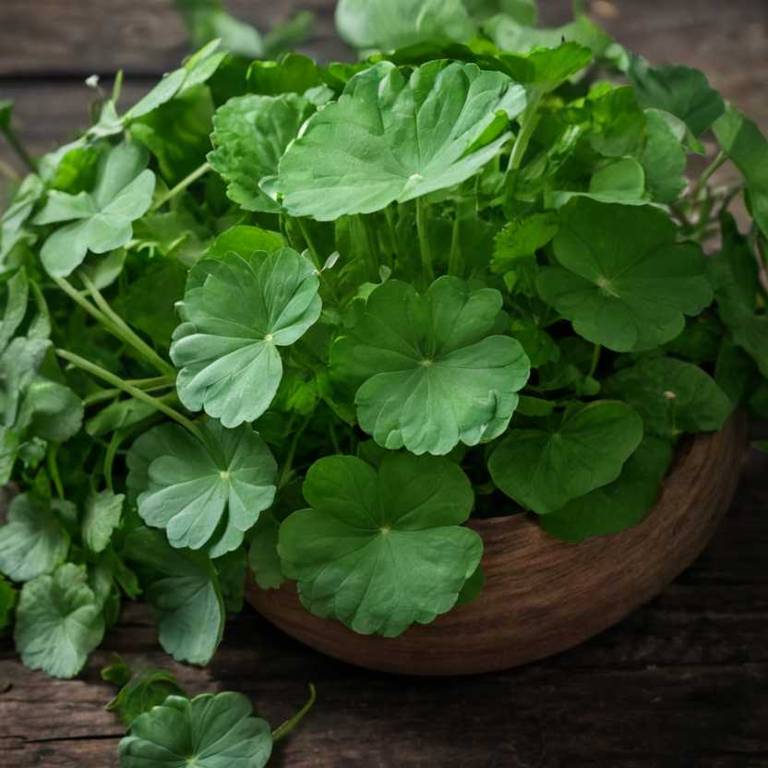
Asiaticoside is a bioactive triterpene saponin known for its potent anti-inflammatory, wound-healing, and skin-regenerating properties. It is most notably found in medicinal herbs such as Centella asiatica, commonly known as Gotu Kola.

Associated herbs: 1

Occurs naturally in

Centella asiatica

View all asiaticoside herbs →

condensed tannins

Condensed tannins are a class of polyphenolic compounds known for their strong astringent properties and ability to bind with proteins, which often contributes to their antioxidant and antimicrobial activities. These bioactive compounds can be found in various medicinal plants, such as Acacia, Achillea millefolium, and Adansonia digitata.

Associated herbs: 104

Occurs naturally in

Acacia

Achillea millefolium

Adansonia digitata

View all condensed tannins herbs →

geraniol

Geraniol is a natural monoterpene alcohol known for its diverse biological activities, including anti-inflammatory, antimicrobial, and antioxidant properties. This bioactive compound can be found in various medicinal plants such as Ampelopsis grossedentata, Bacopa monnieri, and Catharanthus roseus.

Associated herbs: 50

Occurs naturally in

Ampelopsis grossedentata

Bacopa monnieri

Catharanthus roseus

View all geraniol herbs →

plumbagin

Plumbagin is a bioactive naphthoquinone compound known for its significant pharmacological properties, including anti-inflammatory, antimicrobial, and anticancer activities. This phytochemical is found in various medicinal plants, such as Anoectochilus formosanus, Aristatea ecklonii, and species within the Diospyros genus.

Associated herbs: 15

Occurs naturally in

Anoectochilus formosanus

Aristea ecklonii

Diospyros

View all plumbagin herbs →

vindoline

Vindoline is a key indole alkaloid used in the semi-synthesis of important anti-cancer drugs, such as vinorelbine. This bioactive compound is primarily found in medicinal herbs like Catharanthus roseus (also known as Vinca rosea).

Associated herbs: 2

Occurs naturally in

Catharanthus roseus

Vinca rosea

View all vindoline herbs →

abscisic acid

Abscisic acid is a vital phytohormone that regulates plant growth and stress responses, such as seed dormancy and stomatal closure during drought. This bioactive compound can be found in various botanical species, including medicinal and model herbs like Angelica sinensis, Artemisia annua, and Arabidopsis thaliana.

Associated herbs: 63

Occurs naturally in

Amomum tsao-ko

Angelica sinensis

Arabidopsis thaliana

View all abscisic acid herbs →

ethanol

Ethanol is a simple organic compound that often acts as a solvent in the extraction processes used to isolate potent medicinal constituents from plant tissues. It is frequently utilized to derive bioactive compounds from various medicinal herbs, such as Acacia mangium, Achyranthus asper, and Agrimonia eupatoria.

Associated herbs: 73

Occurs naturally in

Acacia mangium

Achyranthes aspera

Agrimonia eupatoria

View all ethanol herbs →

eucalyptol

Eucalyptol, also known as 1,8-cineole, is a volatile monoterpene compound widely recognized for its potent anti-inflammatory, antimicrobial, and respiratory-clearing properties. This bioactive molecule is found in various medicinal herbs, including Achillea fragrantissima, Alpinia galanga, and Alpinia officinarum.

Associated herbs: 69

Occurs naturally in

Achillea fragrantissima

Alpinia galanga

Alpinia officinarum

View all eucalyptol herbs →

isoliquiritigenin

Isoliquiritigenin is a bioactive chalcone known for its potent antioxidant, anti-inflammatory, and anti-cancer properties. This compound is commonly found in various medicinal herbs, such as Astragalus membranaceus, Astragalus membranaceus var. mongholicus, and Astragalus mongholicus.

Associated herbs: 34

Occurs naturally in

Astragalus membranaceus

Astragalus membranaceus var. mongholicus

Astragalus mongholicus

View all isoliquiritigenin herbs →

isovitexin

Isovitexin is a bioactive flavone characterized by its potent antioxidant, anti-inflammatory, and neuroprotective properties. This compound can be found in various medicinal herbs, including Acacia pennata, Adhatoda vasica, and Agrimonia eupatoria.

Associated herbs: 73

Occurs naturally in

Acacia pennata

Adhatoda vasica

Agrimonia eupatoria

View all isovitexin herbs →

rhamnose

Rhamnose is a deoxy sugar that often serves as a key structural component in the glycosides of various medicinal plants, influencing their biological activity and solubility. This bioactive compound can be found in several herbal species, including Abelmoschus manihot, Acanthus ebracteatus, and Aeschynomene aspera.
Associated herbs: 76

Occurs naturally in

Abelmoschus manihot

Acanthus ebracteatus

Aeschynomene aspera

View all rhamnose herbs →

Curcumin

Curcumin is a potent bioactive polyphenol known for its strong anti-inflammatory and antioxidant properties. It is most famously derived from turmeric (Curcuma longa), though similar therapeutic compounds can be found in other medicinal herbs like Andrographis paniculata and Artemisia annua.

Associated herbs: 5

Occurs naturally in

Choerospondias axillaris

Curcuma

Curcuma longa

View all Curcumin herbs →

caryophyllene oxide

Caryophyllene oxide is a bioactive sesquiterpene oxide known for its diverse pharmacological properties, including anti-inflammatory, antimicrobial, and antioxidant activities. This compound can be found in various medicinal plants such as Acacia nilotica, Achillea millefolium, and Ageratum houstonianum.

Associated herbs: 95

Occurs naturally in

Acacia nilotica

Achillea millefolium

Ageratum houstonianum

View all caryophyllene oxide herbs →

copper

Copper is an essential trace element that acts as a vital cofactor for various enzymes, playing a crucial role in antioxidant defense and cellular metabolism within medicinal plants. This bioactive mineral can be found in several therapeutic herbs, including Acacia nilotica, Aconitum carmichaelii, and Adansonia digitata.

Associated herbs: 77

Occurs naturally in

Acacia nilotica

Aconitum carmichaelii

Adansonia digitata

View all copper herbs →

menthol

Menthol is a cyclic monoterpene alcohol known for its cooling sensation and diverse pharmacological properties, including analgesic, antimicrobial, and anti-inflammatory effects. This bioactive compound can be found in various medicinal herbs, such as Achillea gypsicola, Achillea millefolium, and Allium hooshidaryae.

Associated herbs: 34

Occurs naturally in

Achillea gypsicola

Achillea millefolium

Allium hooshidaryae

View all menthol herbs →

methyl gallate

Methyl gallate is a bioactive phenolic compound known for its potent antioxidant, anti-inflammatory, and antimicrobial properties. It can be found in various medicinal plants, including species such as Acacia farinacea, Acacia hydaspica, and Acacia nilotica.
Associated herbs: 64

Occurs naturally in

Acacia farnesiana

Acacia hydaspica

Acacia nilotica

View all methyl gallate herbs →

salvianolic acid B

Salvianolic acid B is a potent bioactive compound known for its significant antioxidant, anti-inflammatory, and neuroprotective properties. This compound can be found in various medicinal herbs, such as Brachychiton populneus, Dracocephalum palmatum, and Lobostemon trigonus.

Associated herbs: 8

Occurs naturally in

Brachychiton populneus

Dracocephalum palmatum

Lobostemon trigonus

View all salvianolic acid B herbs →