Explore herbs bioactive compounds

  • 10547 Plants
  • |
  • 22410 Compounds
  • |
  • 460 Activities
  • |
  • 132161 Studies
Explore Herbs


Alphabet


Biological Activity

View all →

Bioactive Compounds

View all →

List of herbs bioactive compounds

Showing 97-144 out of 460 results

Pb

Lead (Pb) is a toxic heavy metal that can be found as a residual environmental contaminant in medicinal herbs rather than being a functional bioactive compound. Its presence in plants such as Acacia nilotica, Acalypha indica, and Achillea millefolium often results from soil absorption and can pose significant health risks if the herbs are consumed.

Associated herbs: 183

Occurs naturally in

Acacia nilotica

Acalypha indica

Achillea millefolium

View all Pb herbs →

monoterpenes

Monoterpenes are small, volatile organic compounds produced by plants that often serve as key therapeutic agents due to their antimicrobial and anti-inflammatory properties. These bioactive molecules are found in a diverse range of medicinal herbs, such as Abies alba, Acanthopanax brachypus, and Achillea.

Associated herbs: 128

Occurs naturally in

Abies alba

Acanthopanax brachypus

Achillea

View all monoterpenes herbs →

lectin

Lectins are a type of bioactive protein found in many plants that can bind to specific carbohydrates on cell surfaces, often influencing immune responses and digestive processes. Examples of medicinal herbs containing these compounds include Abelmoschus esculentus (okra), Aloe vera, and Amaranthus hypocondriacus (amaranth).

Associated herbs: 63

Occurs naturally in

Abelmoschus esculentus

Aloe vera

Amaranthus hypochondriacus

View all lectin herbs →

polyphenol

Polyphenols are a diverse group of bioactive compounds found in plants that act as powerful antioxidants to protect cells from oxidative stress and inflammation. Many medicinal herbs are rich in these substances, including species such as Abrus precatorius, Acacia catechu, and Acacia nilotica.

Associated herbs: 107

Occurs naturally in

Abrus precatorius

Acacia catechu

Acacia nilotica

View all polyphenol herbs →

cinnamic acid

Cinnamic acid is a naturally occurring phenolic compound known for its significant antioxidant, anti-inflammatory, and antimicrobial properties. It can be found in various medicinal herbs, including Adenanthera colubrina, Asarum heteroarpoides var. mandshuricum, and Asparagus dumosus.

Associated herbs: 83

Occurs naturally in

Anadenanthera colubrina

Aronia × prunifolia

Artemisia herba-alba

View all cinnamic acid herbs →

genistein

Geniestein is a potent isoflavone belonging to the phytoestrogen family, known for its significant antioxidant, anti-inflammatory, and potential anti-cancer properties. This bioactive compound can be found in various botanical sources, including medicinal and research plants such as Achyranthis aspera, Amorphophallus konjac, and Arabidopsis thaliana.

Associated herbs: 59

Occurs naturally in

Achyranthes aspera

Amorphophallus konjac

Arabidopsis thaliana

View all genistein herbs →

isoflavones

Isoflavones are a class of phytoestrogens found in various medicinal plants that can mimic or modulate the effects of estrogen in the human body. They are bioactive compounds present in herbs such as Acanthopanax senticosus, Actaea racemosa, and Agave americana.

Associated herbs: 80

Occurs naturally in

Acanthopanax senticosus

Actaea racemosa

Agave americana

View all isoflavones herbs →

vanillic acid

Vanillic acid is a bioactive phenolic acid known for its potent antioxidant, anti-inflammatory, and antimicrobial properties. This compound can be found in various medicinal herbs, including Acanthus ilicifolius, Ailanthus integrifolia, and Allium cepa.

Associated herbs: 145

Occurs naturally in

Acanthus ilicifolius

Ailanthus integrifolia

Allium cepa

View all vanillic acid herbs →

vitamin C

Vitamin C is a potent antioxidant bioactive compound that plays a crucial role in supporting immune function and promoting collagen synthesis within the body. Various medicinal herbs are rich sources of this nutrient, including Adansonia digitata (Baobab), Adenia viridiflora, and Adhatoda vasica.

Associated herbs: 124

Occurs naturally in

Adansonia digitata

Adenia viridiflora

Adhatoda vasica

View all vitamin C herbs →

Mg

Magnesium (Mg) is a vital mineral cofactor that supports numerous enzymatic reactions, including muscle relaxation, nerve signaling, and energy production within the body. This essential element can be found naturally occurring in medicinal herbs such as Achillea millefolium, Achillea wilhelmshii, and Adhatoda vasica.

Associated herbs: 181
Occurs naturally in

Achillea millefolium

Achillea wilhelmsii

Adhatoda vasica

View all Mg herbs →

carotenoid

Carotenoids are a class of natural pigments found in many plants that function as powerful antioxidants to protect cells from oxidative damage. These bioactive compounds can be found in various medicinal herbs, such as Aloe vera, Allium fistulosum, and Alectra parasitica.

Associated herbs: 90

Occurs naturally in

Alectra parasitica

Allium fistulosum

Aloe vera

View all carotenoid herbs →

vincristine

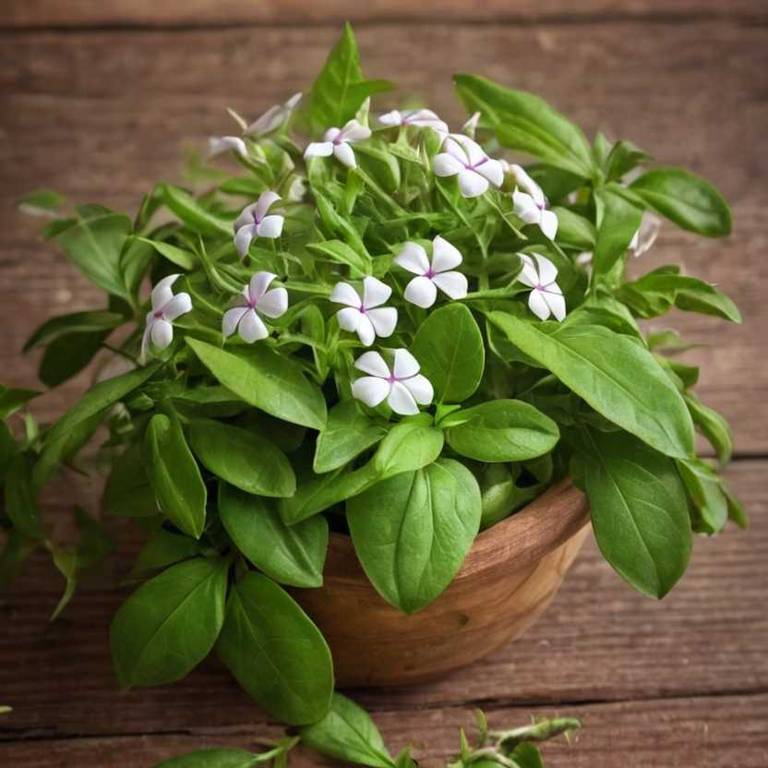
Vincristine is a potent alkaloid used in chemotherapy to treat various cancers by inhibiting cell division during mitosis. This bioactive compound is primarily derived from medicinal plants such as Catharanthus roseus (also known as Vinca rosea).

Associated herbs: 3

Occurs naturally in

Artemisia annua

Catharanthus roseus

Vinca rosea

View all vincristine herbs →

daidzein

Daidzein is a potent isoflavone found in various medicinal herbs that serves as a phytoestrogen, often utilized for its antioxidant and anti-inflammatory properties. This bioactive compound can be sourced from plants such as Amphimas pterocarpoides, Astragalus membranaceus, and Bletilla striata.

Associated herbs: 42

Occurs naturally in

Amphimas pterocarpoides

Astragalus membranaceus

Bletilla striata

View all daidzein herbs →

phenol

Phenols are a diverse group of bioactive compounds found in medicinal herbs that primarily function as potent antioxidants and anti-inflammatory agents. Many plants, such as Acacia ehrenbergiana, Achillea eriophora, and Aegle marmelos, contain these compounds to help protect cells from oxidative damage.

Associated herbs: 104

Occurs naturally in

Acacia ehrenbergiana

Achillea eriophora

Aegle marmelos

View all phenol herbs →

zinc

Zinc is an essential trace mineral that acts as a vital cofactor for numerous enzymes, supporting immune function, DNA synthesis, and cellular metabolism. Various medicinal herbs serve as natural sources of this element, including Acacia nilotica, Aconitum carmichaelii, and Adansonia digitata.

Associated herbs: 112

Occurs naturally in

Acacia nilotica

Aconitum carmichaelii

Adansonia digitata

View all zinc herbs →

methanol

Methanol is a simple organic compound often used as a solvent in the extraction processes required to isolate bioactive constituents from medicinal plants. It is frequently employed in laboratory studies to extract therapeutic compounds from various herbs, such as Abrus cantonensis, Abrus precatorius, and Abutilon indicum.

Associated herbs: 158

Occurs naturally in

Abrus cantoniensis

Abrus precatorius

Abutilon indicum

View all methanol herbs →

proanthocyanidins

Proanthocyanidins are a class of polyphenolic compounds found in various medicinal herbs that function as potent antioxidants and anti-inflammatory agents. These bioactive molecules are present in a diverse range of plants, including species such as Acokanthera oppositifolia, Adenia gummifera, and Agrimonia asiatica.

Associated herbs: 116

Occurs naturally in

Acokanthera oppositifolia

Adenia gummifera

Agrimonia asiatica

View all proanthocyanidins herbs →

sugars

Sugars are fundamental bioactive carbohydrates that serve as essential energy sources and structural components within medicinal plants. These compounds can be found in various therapeutic herbs, such as Acourtia thurberi, Adansonia digitata, and Adhatoda vasica.

Associated herbs: 103

Occurs naturally in

Acourtia thurberi

Adansonia digitata

Adhatoda vasica

View all sugars herbs →

diosgenin

Diosgenin is a potent steroidal sapogenin found in various medicinal plants that serves as a crucial precursor for the synthesis of steroid hormones. It is commonly extracted from herbs such as Dioscorea, Costus speciosus, and Anemone raddeana for its diverse anti-inflammatory and cholesterol-lowering properties.

Associated herbs: 35

Occurs naturally in

Anemone raddeana

Costus speciosus

Dioscorea

View all diosgenin herbs →

mannose

Mannose is a naturally occurring monosaccharide that plays a vital role in cellular metabolism and supports immune system function through its ability to enhance cell adhesion. This bioactive sugar can be found in various medicinal plants, such as Abelmoschus manihot, Allium roseum, and Allium sativum.

Associated herbs: 99

Occurs naturally in

Abelmoschus manihot

Allium roseum

Allium sativum

View all mannose herbs →

vitexin

Vitexin is a bioactive C-glycosyl flavone known for its diverse pharmacological properties, including antioxidant, anti-inflammatory, and neuroprotective effects. This compound can be found in various medicinal plants such as Abrus mollis, Adhatoda vasica, and Agrimonia eupatoria.

Associated herbs: 88

Occurs naturally in

Abrus mollis

Adhatoda vasica

Agrimonia eupatoria

View all vitexin herbs →

baicalin

Baicalin is a bioactive flavonoid known for its potent antioxidant, anti-inflammatory, and neuroprotective properties. This compound can be found in various medicinal herbs, including Scutellaria baicalensis, Angelica dahurica, and Achillea kitchoeni.

Associated herbs: 26

Occurs naturally in

Achillea ketenoglui

Amaranthus retroflexus

Angelica dahurica

View all baicalin herbs →

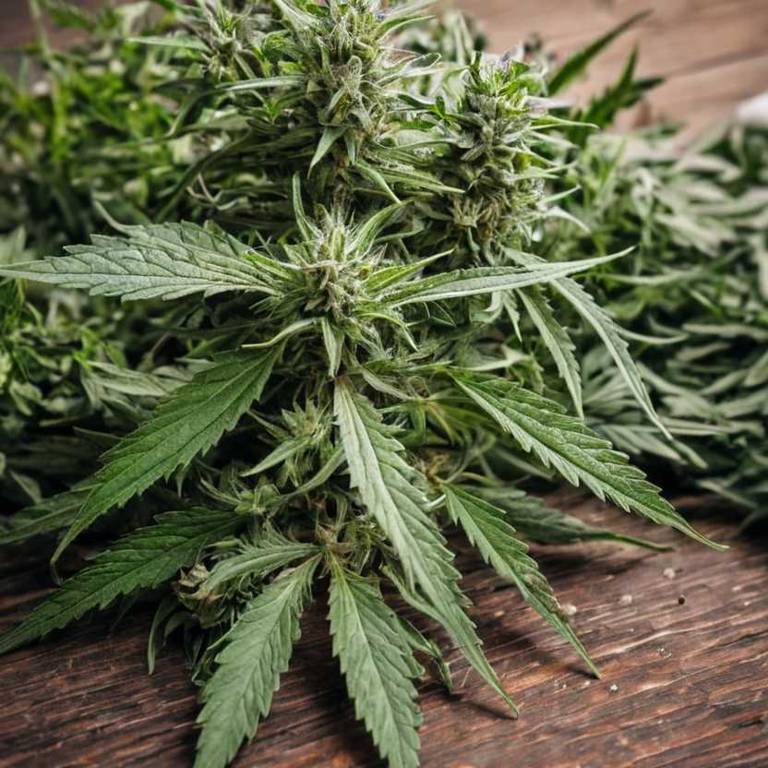
cannabinoids

Cannabinoids are a diverse group of bioactive compounds found in certain plants that interact with the body's endocannabinoid system to influence functions like pain, mood, and appetite. These compounds are most notably found in species such as Cannabis sativa, though they are also present in other medicinal herbs like Tremma micranthum.

Associated herbs: 3

Occurs naturally in

Cannabis

Cannabis sativa

Trema micranthum

View all cannabinoids herbs →

catalase

Catalase is a vital antioxidant enzyme found in medicinal plants that protects cells from oxidative damage by breaking down harmful hydrogen peroxide into water and oxygen. This bioactive compound is present in various therapeutic herbs, including Acacia nilotica, Aegle marmelos, and Alhagi maurorum.

Associated herbs: 95

Occurs naturally in

Acacia nilotica

Aegle marmelos

Alhagi maurorum

View all catalase herbs →

oil

Oils in medicinal herbs are bioactive lipid compounds that serve as essential vehicles for delivering fat-soluble therapeutic agents and aromatic volatile molecules. These substances are found in various plants, such as Acrocomia aculeata, Aloe ferox, and Angelica, where they contribute to the plant's medicinal efficacy.

Associated herbs: 66

Occurs naturally in

Acrocomia aculeata

Aloe ferox

Angelica[]

View all oil herbs →

protocatechuic acid

Protocatechuic acid is a potent phenolic compound known for its significant antioxidant, anti-inflammatory, and neuroprotective properties. It can be found in various medicinal herbs, including Abrus mollis, Acacia catechu, and Acanthopanax gracilistylus.

Associated herbs: 135

Occurs naturally in

Abrus mollis

Acacia catechu

Acanthopanax gracilistylus

View all protocatechuic acid herbs →

magnesium

Magnesium is an essential mineral bioactive compound that plays a critical role in supporting enzymatic reactions, nerve transmission, and cellular energy production within the body. This vital element can be found in various medicinal plants, including Acacia nilotica, Achyroclina venosa, and Adansonia digitata.

Associated herbs: 107

Occurs naturally in

Acacia nilotica

Achyrocline venosa

Adansonia digitata

View all magnesium herbs →

Cr

Cr (Chromium) is a trace essential mineral found in various medicinal plants that plays a vital role in regulating glucose metabolism and insulin sensitivity within the human body. Common examples of herbs containing this bioactive element include Acacia nilotica, Achillea millefolium, and Achyranthus asperula.

Associated herbs: 150

Occurs naturally in

Acacia nilotica

Achillea millefolium

Achyranthes aspera

View all Cr herbs →

caffeine

Caffeine is a natural stimulant belonging to the methylxanthine class that acts on the central nervous system to increase alertness and reduce fatigue. This bioactive compound can be found in various medicinal herbs, such as Acacia catechu, Aframomum melegueta, and Angelica sinensis.

Associated herbs: 32

Occurs naturally in

Acacia catechu

Aframomum melegueta

Angelica sinensis

View all caffeine herbs →

hyperoside

Hyperoside is a natural flavonoid glycoside recognized for its potent antioxidant, anti-inflammatory, and cardioprotective biological activities. This bioactive compound can be found in various medicinal herbs, including Abelmoschus manihot, Abrus mollis, and Acanthopanax sessiliflorus.

Associated herbs: 101

Occurs naturally in

Abelmoschus manihot

Abrus mollis

Acanthopanax sessiliflorus

View all hyperoside herbs →

morphine

Morphine is a potent alkaloid derived from medicinal plants that acts as a powerful analgesic to relieve severe pain by interacting with opioid receptors in the central nervous system. While most famously associated with the opium poppy, similar alkaloid profiles can be found in various medicinal herbs such as Ammania baccifera, Chelidonium majus, and Ephedra sinica.

Associated herbs: 14

Occurs naturally in

Ammannia baccifera

Chelidonium majus

Ephedra sinica

View all morphine herbs →

Quercetin

Quercetin is a potent bioactive flavonoid found in various medicinal herbs that serves as a powerful antioxidant and anti-inflammatory agent. It can be sourced from plants such as Abelmoschus esculentus, Abelmoschus manihot, and Abrus cantoniensis.

Associated herbs: 75

Occurs naturally in

Aerva sanguinolenta

Allium sativum

Angelica sinensis

View all Quercetin herbs →

peroxidase

Peroxidase is a vital antioxidant enzyme found in medicinal plants that plays a crucial role in protecting cells from oxidative stress and supporting defense mechanisms against pathogens. This bioactive compound is present in various therapeutic herbs, such as Acacia nilotica, Actiniidia chinensis, and Adhatoda vasica.

Associated herbs: 99

Occurs naturally in

Acacia nilotica

Actinidia chinensis

Adhatoda vasica

View all peroxidase herbs →

arabinose

Arabinose is a five-carbon monosaccharide that serves as a vital structural component in various plant polysaccharides and glycosides, often contributing to the medicinal properties of herbs. This bioactive compound can be found in several plant species, including Abelmoschus manihot, Acanthus ebracteatus, and Aeschynomene aspera.

Associated herbs: 113

Occurs naturally in

Abelmoschus manihot

Acanthus ebracteatus

Aeschynomene aspera

View all arabinose herbs →

squalene

Squalene is a natural triterpene hydrocarbon known for its potent antioxidant, antimicrobial, and skin-regenerating properties. This bioactive compound can be found in various medicinal plants, such as Acacia modesta, Acrocarpous fraxinifolius, and Alhagi maurorum.

Associated herbs: 73

Occurs naturally in

Acacia modesta

Acrocarpus fraxinifolius

Alhagi maurorum

View all squalene herbs →

thymoquinone

Thymoquinone is a potent bioactive compound known for its significant antioxidant, anti-inflammatory, and neuroprotective properties. It can be found in various medicinal herbs, such as Camellia sinensis (green tea), Cuminum cyminum (cumin), and Ficus carica (common fig).

Associated herbs: 10

Occurs naturally in

Camellia sinensis

Cuminum cyminum

Ficus carica

View all thymoquinone herbs →

beta-sitosterol

Beta-sitosterol is a natural phytosterol found in various medicinal plants that exhibits significant anti-inflammatory, cholesterol-lowering, and antioxidant properties. This bioactive compound is present in several herbal species, including Abelmoschus manihot, Abutilon indicum, and Abutilon muticum.

Associated herbs: 364

Occurs naturally in

Abelmoschus manihot

Abutilon indicum

Abutilon muticum

View all beta-sitosterol herbs →

ethyl acetate

Ethyl acetate is an organic solvent and bioactive compound often used in the extraction process to isolate non-polar phytochemicals from medicinal plants. It is frequently found within the chemical profiles of various herbs, such as Abrus precatorius, Abutilon indicum, and Acacia sieberiana.

Associated herbs: 130

Occurs naturally in

Abrus precatorius

Abutilon indicum

Acacia sieberiana

View all ethyl acetate herbs →

fructose

Fructose is a naturally occurring monosaccharide that serves as a vital energy source for cellular metabolism within various medicinal plants. This bioactive sugar can be found in several botanical species, including members of the onion genus such as Allium cepa, Allium roseum, and Allium sativum.

Associated herbs: 82

Occurs naturally in

Allium cepa

Allium roseum

Allium sativum

View all fructose herbs →

iridoids

Iridoids are a diverse class of monoterpenoid compounds found in many medicinal plants, known for their significant pharmacological activities including anti-inflammatory, antimicrobial, and antioxidant properties. This bioactive group is widely distributed across various botanical species, such as Abelmoschus esculentus, Agathophora alopecuroides, and Ajuga.

Associated herbs: 73

Occurs naturally in

Abelmoschus esculentus

Agathophora alopecuroides

Ajuga

View all iridoids herbs →

superoxide dismutase

Superoxide dismutase (SOD) is a vital antioxidant enzyme that protects cells from oxidative damage by neutralizing harmful superoxide radicals. This potent bioactive compound can be found in various medicinal herbs, including Acacia nilotica, Actiniidia chinensis, and Adhatoda vasica.

Associated herbs: 91

Occurs naturally in

Acacia nilotica

Actinidia chinensis

Adhatoda vasica

View all superoxide dismutase herbs →

withaferin A

Withaferin A is a potent steroidal lactone known for its diverse pharmacological activities, including anti-inflammatory, anti-cancer, and antioxidant properties. This bioactive compound can be found in various medicinal plants, such as Ajuga bracteosa, Physalis longifolia, and Vassobia breviflora.

Associated herbs: 7

Occurs naturally in

Ajuga bracteosa

Physalis longifolia

Vassobia breviflora

View all withaferin A herbs →

antioxidants

Antioxidants are bioactive compounds that protect cells from damage by neutralizing harmful free radicals and reducing oxidative stress within the body. Many medicinal herbs are rich in these compounds, including species such as Acacia saligna, Adhatoda vasica, and Aegle marmelos.

Associated herbs: 83

Occurs naturally in

Acacia saligna

Adhatoda vasica

Aegle marmelos

View all antioxidants herbs →

silymarin

Silymarin is a complex of flavonolignans renowned for its potent antioxidant and hepatoprotective properties, which help stabilize liver cell membranes and promote tissue regeneration. This bioactive compound can be found in various medicinal herbs, including Cynara scolymus (artichoke), Chrysanthellum indicum, and Fagonia cretica.

Associated herbs: 7

Occurs naturally in

Chrysanthellum indicum

Cynara scolymus

Fagonia cretica

View all silymarin herbs →

Rg1

Rg1 is a major bioactive ginsenoside belonging to the protopanaxadiol group, known for its neuroprotective, anti-inflammatory, and adaptogenic properties. This compound is primarily found in medicinal herbs such as Panax ginseng, Panax quinquefolius, and certain species within the Allium genus.

Associated herbs: 7

Occurs naturally in

Allium cepa

Panax

Panax ginseng

View all Rg1 herbs →

Rb1

Rb1 is a major bioactive ginsenoside belonging to the protopanaxadiol group, known for its neuroprotective, anti-inflammatory, and immunomodulatory properties. This compound is most prominently found in medicinal herbs such as Panax ginseng, Panax quinquefolius, and certain species within the Allium genus.

Associated herbs: 7

Occurs naturally in

Allium cepa

Panax

Panax ginseng

View all Rb1 herbs →

malondialdehyde

Malondialdehyde is a highly reactive byproduct of lipid peroxidation that serves as a key biochemical marker for oxidative stress and cellular damage within biological systems. This bioactive compound can be detected in various medicinal plants, including Aloysia citriodora, Amorphophallus xiei, and Andrographis paniculata.

Associated herbs: 75

Occurs naturally in

Aloysia citrodora

Amorphophallus xiei

Andrographis paniculata

View all malondialdehyde herbs →

mangiferin

Mangiferin is a potent bioactive xanthone known for its significant antioxidant, anti-inflammatory, and neuroprotective properties. This compound is found in various medicinal plants, including Anemarrhena asphodeloides, Aphloia theiformis, and Aquilaria.

Associated herbs: 45

Occurs naturally in

Anemarrhena asphodeloides

Aphloia theiformis

Aquilaria

View all mangiferin herbs →