Explore herbs bioactive compounds

  • 10547 Plants
  • |
  • 22410 Compounds
  • |
  • 460 Activities
  • |
  • 132161 Studies

Explore Herbs


Alphabet


Biological Activity

View all →

Bioactive Compounds

View all →

List of herbs bioactive compounds

Showing 49-96 out of 460 results

limonene

Limonene is a naturally occurring terpene responsible for the distinct citrusy aroma and significant antioxidant and anti-inflammatory properties found in many medicinal plants. This bioactive compound is prominently present in various herbs, such as Aegle marmelos, Agastache rugosa, and Aloysia citrodora.

Associated herbs: 186

Occurs naturally in

Aegle marmelos

Agastache rugosa

Aloysia citrodora

View all limonene herbs →

linoleic acid

Linoleic acid is an essential polyunsaturated fatty acid that plays a critical role in maintaining skin barrier function and supporting various anti-inflammatory biological processes. This bioactive compound can be found in several medicinal plants, such as Abrus precatorius, Acer saccharum, and Achillea nobilis.

Associated herbs: 158

Occurs naturally in

Abrus precatorius

Acer saccharum

Achillea nobilis

View all linoleic acid herbs →

phytosterols

Phytosterols are a class of bioactive plant compounds that structurally resemble cholesterol and function to support cardiovascular health and regulate inflammation in the human body. These essential compounds can be found in various medicinal plants, including Acacia karroo, Acacia macrostachya, and Acanthus mollis.

Associated herbs: 165

Occurs naturally in

Acacia karroo

Acacia macrostachya

Acanthus mollis

View all phytosterols herbs →

tannin

Tannins are a class of polyphenolic bioactive compounds known for their astringent properties and ability to bind with proteins, which provides significant antioxidant and antimicrobial benefits. These compounds are found in various medicinal plants, such as Acacia alba, Acacia catechu, and Acacia cyanophylla.

Associated herbs: 201

Occurs naturally in

Acacia albida

Acacia catechu

Acacia cyanophylla

View all tannin herbs →

sucrose

Sucrose is a common disaccharide that acts as a primary energy source and a structural component within the plant's physiological processes. It can be found in various medicinal herbs, including Acacia polyacantha, Aliangium chinense subsp. pauciflorum, and Allium cepa.

Associated herbs: 173

Occurs naturally in

Acacia polyacantha

Alangium chinense subsp. pauciflorum

Allium cepa

View all sucrose herbs →

cannabidiol

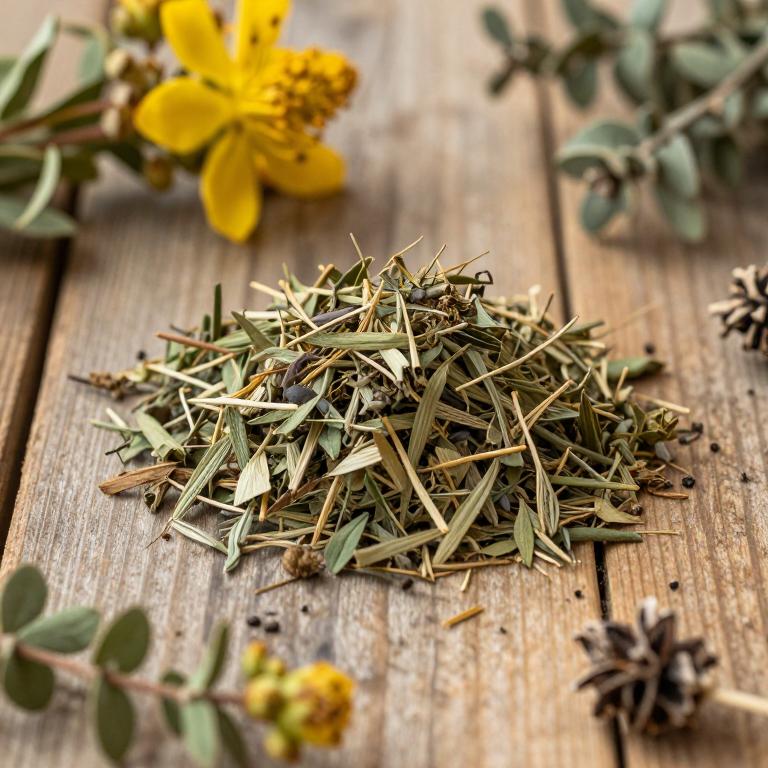
Cannabidiol (CBD) is a non-psychoactive bioactive compound found in various species of the Cannabis genus, most notably in Cannabis sativa. It is widely studied for its potential therapeutic properties, including its ability to interact with the body's endocannabinoid system to manage inflammation and anxiety.

Associated herbs: 2
Occurs naturally in

Cannabis

Cannabis sativa

View all cannabidiol herbs →

Zn

Zinc (Zn) is an essential trace mineral that acts as a vital cofactor for numerous enzymes, playing a critical role in immune function, DNA synthesis, and cellular metabolism. Various medicinal herbs serve as natural sources of this bioactive element, including Acacia nilotica, Achillea millefolium, and Adhatoda vasica.

Associated herbs: 253

Occurs naturally in

Acacia nilotica

Achillea millefolium

Adhatoda vasica

View all Zn herbs →

Fe

Iron (Fe) is an essential trace mineral that acts as a vital cofactor for numerous enzymatic processes and is crucial for the transport of oxygen throughout the body. Various medicinal herbs serve as natural sources of this element, including Acacia nilotica, Achillea millefolium, and Achillea tenuifolia.

Associated herbs: 247

Occurs naturally in

Acacia nilotica

Achillea millefolium

Achillea tenuifolia

View all Fe herbs →

andrographolide

Andrographolide is a potent diterpenoid lactone known for its diverse pharmacological properties, including anti-inflammatory, antiviral, and antioxidant activities. This bioactive compound is primarily found in medicinal herbs such as Andrographis paniculata, Cleome dendrum phlomidis, and Gardenia jasminoides.

Associated herbs: 4

Occurs naturally in

Andrographis paniculata

Clerodendrum phlomidis

Gardenia jasminoides

View all andrographolide herbs →

myricetin

Myricetin is a potent antioxidant flavonoid known for its significant anti-inflammatory, anti-cancer, and neuroprotective properties. This bioactive compound can be found in various medicinal herbs, including Abelmoschus manihot, Achillea conferta, and Aerva sanguinolenta.

Associated herbs: 143

Occurs naturally in

Abelmoschus manihot

Achillea conferta

Aerva sanguinolenta

View all myricetin herbs →

calcium

Calcium is a vital mineral bioactive compound that plays a crucial role in supporting bone density, nerve signaling, and muscular contractions within the body. Various medicinal herbs serve as natural sources of this element, including Acacia concinna, Acacia nilotica, and Acanthopanax trifoliatus.

Associated herbs: 135

Occurs naturally in

Acacia concinna

Acacia nilotica

Acanthopanax trifoliatus

View all calcium herbs →

p-coumaric acid

p-Coumaric acid is a natural phenolic compound found in various medicinal herbs that exhibits significant antioxidant, anti-inflammatory, and antimicrobial properties. It serves as a vital bioactive constituent in plants such as Acrostichum aureum, Actaea racemosa, and Adenanthera pavonina.

Associated herbs: 194

Occurs naturally in

Acrostichum aureum

Actaea racemosa

Adenanthera pavonina

View all p-coumaric acid herbs →

starch

Starch is a complex carbohydrate that serves as a primary energy storage molecule within the cells of various medicinal plants. It functions as a structural component and a source of nourishment, and it can be found in herbs such as Acanthopanax senticosus, Aconitum carmichaelii, and Adenophora triphylla.

Associated herbs: 141

Occurs naturally in

Acanthopanax senticosus

Aconitum carmichaelii

Adenophora triphylla

View all starch herbs →

oleic acid

Oleic acid is a monounsaturated fatty acid known for its potent anti-inflammatory, antioxidant, and moisturizing properties in medicinal applications. This bioactive compound can be found in various medicinal plants, such as Acacia auriculiformis, Acacia concinna, and Acacia modesta.

Associated herbs: 137

Occurs naturally in

Acacia auriculiformis

Acacia concinna

Acacia modesta

View all oleic acid herbs →

1,8-cineole

1,8-cineole is a prominent monoterpene ether known for its significant anti-inflammatory, antimicrobial, and mucolytic properties in medicinal applications. This bioactive compound is frequently found in various herbal species, such as Achillea clypeolata, Achillea grandifolia, and Achillea gypsicola.

Associated herbs: 140

Occurs naturally in

Achillea clypeolata

Achillea grandifolia

Achillea gypsicola

View all 1,8-cineole herbs →

flavonols

Flavonols are a prominent class of bioactive polyphenolic compounds found in many medicinal plants, known for their significant antioxidant, anti-inflammatory, and anticancer properties. These compounds are widely distributed across various botanical species, including herbs such as Achillea millefolium, Acokanthera oppositifolia, and Adenia gummifera.

Associated herbs: 155

Occurs naturally in

Achillea millefolium

Acokanthera oppositifolia

Adenia gummifera

View all flavonols herbs →

naringenin

Naringenin is a potent flavanone known for its significant antioxidant, anti-inflammatory, and neuroprotective properties in medicinal applications. This bioactive compound can be found in various medicinal herbs, including Acacia farinacea, Acalypha wilkesiana, and Achillea abrutanoides.

Associated herbs: 173

Occurs naturally in

Acacia farnesiana

Acalypha wilkesiana

Achillea abrotanoides

View all naringenin herbs →

hypericin

Hypericin is a potent bioactive naphthodianthrone compound primarily recognized for its intense red pigment and significant antiviral, antibacterial, and antitumor properties. This compound is found in various medicinal plants, including members of the Hypericum genus, Bupleurum scorzonerifolium, and Croton gratissimus.

Associated herbs: 15

Occurs naturally in

Bupleurum scorzonerifolium

Croton gratissimus

Hypericum

View all hypericin herbs →

polysaccharide

Polysaccharides are complex carbohydrate chains found in medicinal herbs that play a crucial role in modulating the immune system and providing antioxidant benefits. These bioactive compounds are abundant in various botanical species, such as Acanthopanax senticosus, Aconitum coreanum, and Actiniidia eriantha.

Associated herbs: 114

Occurs naturally in

Acanthopanax senticosus

Aconitum coreanum

Actinidia eriantha

View all polysaccharide herbs →

proline

Proline is a non-essential amino acid that plays a crucial role in plant stress responses and serves as a vital building block for protein synthesis and cellular stability. This bioactive compound can be found in various medicinal herbs, such as Achillea millefolium, Achras sapota, and Adhatoda vasica.

Associated herbs: 163

Occurs naturally in

Achillea millefolium

Achras sapota

Adhatoda vasica

View all proline herbs →

iron

Iron is an essential trace mineral that acts as a vital bioactive component in medicinal herbs, playing a critical role in oxygen transport and supporting various enzymatic processes within the body. Many therapeutic plants serve as natural sources of this mineral, including species such as Acacia nilotica, Acanthopanax trifoliatus, and Achyranthes bidentata.

Associated herbs: 141

Occurs naturally in

Acacia nilotica

Acanthopanax trifoliatus

Achyrocline venosa

View all iron herbs →

Flavonoids

Flavonoids are a diverse group of bioactive polyphenolic compounds known for their potent antioxidant, anti-inflammatory, and anticancer properties. These beneficial molecules are widely distributed in medicinal plants, including species such as Abelmoschus esculentus, Abelmoschus manihot, and Abelmoschus moschatus.

Associated herbs: 158

Occurs naturally in

Abelmoschus esculentus

Abrus cantoniensis

Acacia arabica

View all Flavonoids herbs →

anthocyanin

Anthocyanins are potent bioactive pigments found in many medicinal plants that provide strong antioxidant and anti-inflammatory benefits to the human body. These compounds are responsible for the vibrant red, purple, and blue hues in various herbs, such as Alcea kurdicica, Allium tuberosum, and Andrographis paniculata.

Associated herbs: 118

Occurs naturally in

Alcea kurdica

Allium tuberosum

Andrographis paniculata

View all anthocyanin herbs →

glycyrrhizin

Glycyrrhizin is a bioactive triterpenoid saponin known for its potent anti-inflammatory, antiviral, and sweetening properties. While it is most famously associated with licorice, similar bioactive profiles can be found in various medicinal plants such as Abrus precatorius, Azadirachta indica, and Coriandrum sativum.

Associated herbs: 17

Occurs naturally in

Abrus precatorius

Azadirachta indica

Coriandrum sativum

View all glycyrrhizin herbs →

resveratrol

Resveratrol is a potent bioactive polyphenol known for its strong antioxidant and anti-inflammatory properties, which help protect cells from oxidative stress. This compound is naturally found in various medicinal plants and herbs, such as Arachis hypogaea (peanut), Arbutus unedo (strawberry tree), and Anthocléisia djalonensis.

Associated herbs: 70

Occurs naturally in

Anthocleista djalonensis

Arachis hypogaea

Arbutus unedo

View all resveratrol herbs →

camphor

Camphor is a volatile, aromatic monoterpene found in various medicinal plants that is widely utilized for its analgesic, antiseptic, and anti-inflammatory properties. This bioactive compound can be sourced from various botanical species, such as Acacia catechu, Acanthopanax brachypus, and Achillea clypeolata.

Associated herbs: 104

Occurs naturally in

Acacia catechu

Acanthopanax brachypus

Achillea clypeolata

View all camphor herbs →

potassium

Potassium is a vital mineral electrolyte that plays a crucial role in regulating fluid balance, nerve signaling, and muscle contractions within the body. Various medicinal herbs, such as Acacia nilotica, Adansonia digitata, and Adenia viridiflora, serve as natural sources of this essential bioactive compound.

Associated herbs: 107

Occurs naturally in

Acacia nilotica

Adansonia digitata

Adenia viridiflora

View all potassium herbs →

palmitic acid

Palmitic acid is a common saturated fatty acid found in various medicinal herbs that plays a significant role in supporting cellular membrane integrity and modulating inflammatory responses. This bioactive compound can be identified in several botanical species, including Abelmoschus esculentus, Acacia auriculiformis, and Acacia concinna.

Associated herbs: 168

Occurs naturally in

Abelmoschus esculentus

Acacia auriculiformis

Acacia concinna

View all palmitic acid herbs →

betulinic acid

Betulinic acid is a bioactive triterpenoid known for its potent anti-inflammatory, anti-tumor, and antiviral properties. This compound can be found in various medicinal plants, including Acacia ataxacantha, Acacia mellifera, and Achyranthes coynei.

Associated herbs: 151

Occurs naturally in

Acacia ataxacantha

Acacia mellifera

Achyranthes coynei

View all betulinic acid herbs →

coumarin

Coumarin is a naturally occurring bioactive compound found in various medicinal plants that is widely recognized for its diverse pharmacological properties, including anti-inflammatory and antioxidant effects. This compound can be found in several herbal species, such as Acmeilla uliginosa, Adenanthera pavonina, and Aesculus hippocastanum.

Associated herbs: 120

Occurs naturally in

Acmella uliginosa

Adenanthera pavonina

Aesculus hippocastanum

View all coumarin herbs →

Cu

Copper (Cu) is an essential trace mineral that acts as a vital cofactor for various enzymes involved in antioxidant defense, energy production, and iron metabolism. It is found naturally within the chemical composition of several medicinal herbs, such as Achillea millefolium, Achillea tenuifolia, and Achillea vermicularis.

Associated herbs: 240

Occurs naturally in

Achillea millefolium

Achillea tenuifolia

Achillea vermicularis

View all Cu herbs →

Mn

Manganese (Mn) is an essential trace mineral that acts as a vital cofactor for numerous enzymes involved in antioxidant defense and metabolic processes within medicinal plants. This bioactive element is found in various therapeutic herbs, such as Acacia nilotica, Achillea millefolium, and Achyranthus asperula.

Associated herbs: 205

Occurs naturally in

Acacia nilotica

Achillea millefolium

Achyranthes aspera

View all Mn herbs →

berberine

Berberine is a potent alkaloid known for its diverse pharmacological activities, including anti-inflammatory, antimicrobial, and glucose-regulating properties. This bioactive compound is found in several medicinal plants, such as Berberis, Argemone mexicana, and Angelica sinensis.

Associated herbs: 62

Occurs naturally in

Angelica sinensis

Argemone mexicana

Berberis

View all berberine herbs →

Cd

Cd (Cadmium) is a heavy metal element that can be found as a trace component in certain medicinal herbs, though it is often monitored due to its potential toxicity. Examples of plants that may contain traces of this element include Acacia nilotica, Achillea clavennae, and Achillea millefolium.

Associated herbs: 193

Occurs naturally in

Acacia nilotica

Achillea clavennae

Achillea millefolium

View all Cd herbs →

galactose

Galactose is a simple monosaccharide sugar that serves as a vital component of many complex carbohydrates and glycoproteins found in plant cells. This bioactive compound is naturally present in various medicinal herbs, including Abelmoschus manihot, Acanthus ebracteatus, and Akebiia quinata.

Associated herbs: 138

Occurs naturally in

Abelmoschus manihot

Acanthus ebracteatus

Akebia quinata

View all galactose herbs →

hyperforin

Hyperforin is a potent bioactive compound primarily known for its ability to inhibit the reuptake of neurotransmitters like serotonin and dopamine, making it a key component in treating depression. This compound is most famously found in plants of the Hypericum genus, such as Hypericum perforatum, Hypericum annulatum, and certain species like Apocynum venetum.

Associated herbs: 9

Occurs naturally in

Apocynum venetum

Hypericum

Hypericum annulatum

View all hyperforin herbs →

lignin

Lignin is a complex organic polymer found in the cell walls of plants that provides structural support and rigidity to medicinal herbs. This bioactive compound is present in various botanical species, such as Acanthopanax senticosus, Achyranthes chinensis, and Allium sativum.

Associated herbs: 94

Occurs naturally in

Acanthopanax senticosus

Achyranthes chinensis

Allium sativum

View all lignin herbs →

p-cymene

p-Cymene is a naturally occurring monoterpene hydrocarbon found in various essential oils that possesses significant antioxidant, anti-inflammatory, and antimicrobial properties. This bioactive compound is commonly identified in medicinal herbs such as Acanthopanax brachypus, Acanthopanax leucorrhizus, and Achillea biebersteinii.

Associated herbs: 103

Occurs naturally in

Acanthopanax brachypus

Acanthopanax leucorrhizus

Achillea biebersteinii

View all p-cymene herbs →

cardiac glycosides

Cardiac glycosides are a class of bioactive compounds that exert a potent effect on the heart muscle by inhibiting the sodium-potassium pump, thereby increasing the force of myocardial contractions. Various medicinal plants contain these potent substances, such as Adenium obesum, which can be found in certain species of flora.

Associated herbs: 134

Occurs naturally in

Acacia nilotica

Adenium obesum

Adonis amurensis

View all cardiac glycosides herbs →

isoquercitrin

Isoquercitrin is a natural flavonoid glycoside known for its potent antioxidant, anti-inflammatory, and cardioprotective properties. This bioactive compound can be found in various medicinal plants, including Abelmoschus esculentus, Abelmoschus manihot, and Acanthus ilicifolius.

Associated herbs: 111

Occurs naturally in

Abelmoschus esculentus

Abelmoschus manihot

Acanthus ilicifolius

View all isoquercitrin herbs →

allicin

Allicin is a potent sulfur-containing compound produced when certain medicinal herbs are crushed or chopped, providing significant antibacterial, antifungal, and anti-inflammatory benefits. This bioactive substance is most notably found in members of the Allium genus, such as Allium cepa (onion) and Allium sativum (garlic).

Associated herbs: 6

Occurs naturally in

Allium

Allium cepa

Allium hirtifolium

View all allicin herbs →

quercitrin

Quercitriin is a bioactive flavonoid glycoside known for its significant antioxidant, anti-inflammatory, and potential anti-tumor properties. This compound can be found in various medicinal plants, including Adenanthera microsperma, Agrimonia pilosa, and Achillea cordifolia.

Associated herbs: 138

Occurs naturally in

Adenanthera microsperma

Agrimonia pilosa

Alchornea cordifolia

View all quercitrin herbs →

salicylic acid

Salicylic acid is a potent bioactive compound known for its significant anti-inflammatory, analgesic, and antimicrobial properties. It can be found naturally in various medicinal herbs, such as Acmealla radicans, Agastache foeniculum, and Agriophyllum squarrosum.

Associated herbs: 114

Occurs naturally in

Acmella radicans

Agastache foeniculum

Agriophyllum squarrosum

View all salicylic acid herbs →

withanolides

Withanolides are a group of naturally occurring steroidal lactones found in various medicinal plants that exhibit diverse pharmacological activities, including anti-inflammatory, anticancer, and antioxidant effects. These bioactive compounds can be found in a variety of species, such as Ajuga, Athenaea velutina, and Ceratonia siliqua.

Associated herbs: 25

Occurs naturally in

Ajuga

Athenaea velutina

Ceratonia siliqua

View all withanolides herbs →

catechins

Catechins are a potent class of polyphenolic bioactive compounds renowned for their strong antioxidant, anti-inflammatory, and anti-carcinogenic properties. These compounds are found in various medicinal plants, including Acacia catechu, Acacia seyal, and Achillea multifida.

Associated herbs: 73

Occurs naturally in

Acacia catechu

Acacia seyal

Achillea multifida

View all catechins herbs →

emodin

Emodin is a bioactive anthraquinone derivative known for its potent anti-inflammatory, antioxidant, and laxative properties. This compound can be found in various medicinal plants, such as Aloe barbadensis, Aloe vera, and Alyxia sinensis.

Associated herbs: 65

Occurs naturally in

Aloe barbadensis

Aloe vera

Alyxia sinensis

View all emodin herbs →

vinblastine

Vinblastine is a potent cytotoxic alkaloid used in chemotherapy to treat various forms of cancer, such as Hodgkin lymphoma and testicular cancer, by inhibiting cell division. This bioactive compound is primarily derived from medicinal plants including Catharanthus roseus (commonly known as Vinca rosea), Tabernaemontana elegans, and other species within the Apocynaceae family.

Associated herbs: 3

Occurs naturally in

Catharanthus roseus

Tabernaemontana elegans

Vinca rosea

View all vinblastine herbs →

Ca

Calcium (Ca) is an essential mineral that serves as a critical bioactive component in medicinal herbs, playing a vital role in cell signaling, structural integrity, and metabolic processes. This element can be found in various medicinal plants, such as Achillea clavennae, Achillea tenuifolia, and Alisma orientale.

Associated herbs: 187

Occurs naturally in

Achillea clavennae

Achillea tenuifolia

Alisma orientale

View all Ca herbs →