Explore herbs bioactive compounds

  • 10547 Plants
  • |
  • 22410 Compounds
  • |
  • 460 Activities
  • |
  • 132161 Studies

Explore Herbs


Alphabet


Biological Activity

View all →

Bioactive Compounds

View all →

List of herbs bioactive compounds

Showing 289-336 out of 460 results

lycopene

Lycopene is a potent antioxidant carotenoid known for its ability to scavenge free radicals and support cardiovascular and cellular health. This bioactive compound can be found in various medicinal and nutritional plants, such as Amaranthus caudatus, Capsicum annuum, and Caryocar brasiliense.

Associated herbs: 24

Occurs naturally in

Amaranthus caudatus

Capsicum annuum

Caryocar brasiliense

View all lycopene herbs →

psoralen

Psoralen is a potent furanocoumarin bioactive compound known for its ability to sensitize skin to ultraviolet light, making it a key component in treating skin disorders like psoriasis through phototherapy. This compound can be found naturally in various medicinal herbs, including Aegle marmelos, Ammi majus, and Angelica dahurica.

Associated herbs: 28

Occurs naturally in

Aegle marmelos

Ammi majus

Angelica dahurica

View all psoralen herbs →

Andrographolide

Andrographolide is a potent diterpenoid lactone known for its diverse pharmacological properties, including anti-inflammatory, antiviral, and antioxidant activities. This bioactive compound is primarily found in medicinal herbs such as Andrographis paniculata, Cleome dendrum phlomidis, and Gardenia jasminoides.

Associated herbs: 2

Occurs naturally in

Andrographis

Andrographis paniculata

View all Andrographolide herbs →

aloe-emodin

Aloe-emodin is a bioactive anthraquinone derivative known for its significant pharmacological properties, including anti-inflammatory, laxative, and potential anti-tumor activities. This compound can be found in various medicinal plants, such as Aloe arborescens, Aloe arborescens var. natalensis, and Aloe saponaria.

Associated herbs: 29

Occurs naturally in

Aloe arborescens

Aloe arborescens var. natalensis

Aloe saponaria

View all aloe-emodin herbs →

alpha-pinene

Alpha-pinene is a prominent monoterpene found in various medicinal herbs, recognized for its significant antimicrobial, anti-inflammatory, and neuroprotective properties. This bioactive compound is a key constituent in plants such as Achillea millefolium, Alpinia oxyphylla, and Anemopsis californica.

Associated herbs: 52

Occurs naturally in

Achillea millefolium

Alpinia oxyphylla

Anemopsis californica

View all alpha-pinene herbs →

carvone

Carvone is a prominent monoterpene found in various medicinal herbs that is widely recognized for its distinct aroma and potential therapeutic properties, including anti-inflammatory and antimicrobial effects. This bioactive compound is a key constituent in plants such as Anethum graveolens (dill), Balsamita suaveolens (lemon balm), and Bulbine abyssinica.

Associated herbs: 23

Occurs naturally in

Anethum graveolens

Balsamita suaveolens

Bulbine abyssinica

View all carvone herbs →

celastrol

Celastrol is a bioactive triterpene quinone known for its significant anti-inflammatory, anti-tumor, and antimicrobial properties. This compound can be found in various medicinal herbs, including Celastrus orbiculatus, Kokona ochracea, and Maytenus ilicifolia.

Associated herbs: 9

Occurs naturally in

Celastrus orbiculatus

Kokoona ochracea

Maytenus ilicifolia

View all celastrol herbs →

cholesterol

Cholesterol is a vital lipid compound found in animal tissues that plays a key role in maintaining cell membrane integrity and synthesizing essential hormones. While primarily animal-derived, certain medicinal herbs and plant sources contain sterols or lipid components that interact with cholesterol metabolism, such as Allium sativum (garlic), Anacardium occidentale (cashew), and Areca catechu (betel nut).

Associated herbs: 31

Occurs naturally in

Allium sativum

Anacardium occidentale

Areca catechu

View all cholesterol herbs →

coptisine

Coptisine is a bioactive quaternary ammonium alkaloid known for its potent anti-inflammatory, antimicrobial, and antioxidant properties. This compound can be found in various medicinal plants, such as Berberis vulgaris, Berberis aristata, and Argemone mexicana.

Associated herbs: 19

Occurs naturally in

Argemone mexicana

Berberis

Berberis vulgaris

View all coptisine herbs →

gentiopicroside

Gentiopicroside is a bioactive secoiridoid glycoside known for its potent bitter properties and significant pharmacological activities, including anti-inflammatory and gastroprotective effects. This compound is primarily found in various medicinal herbs such as Centaurium erythraea, Dendrobium candidum, and Fagraea fragrans.

Associated herbs: 27

Occurs naturally in

Centaurium erythraea

Dendrobium candidum

Fagraea fragrans

View all gentiopicroside herbs →

isoquercetin

Isoquercetin is a bioactive flavonol glycoside known for its potent antioxidant, anti-inflammatory, and cardioprotective properties. This compound can be found in various medicinal plants, including Abelmoschus manihot, Alsomiopsis boonkei, and Apocynum venetum.

Associated herbs: 48

Occurs naturally in

Abelmoschus manihot

Alstonia boonei

Apocynum venetum

View all isoquercetin herbs →

shikonin

Shikonin is a bioactive naphthoquinone compound known for its potent anti-inflammatory, antimicrobial, and wound-healing properties. It is primarily found in medicinal herbs such as Alkanna tinctoria, Arnebia euchroma, and Arnebia guttata.

Associated herbs: 7

Occurs naturally in

Alkanna tinctoria

Arnebia euchroma

Arnebia guttata

View all shikonin herbs →

sitosterol

Sitosterol is a naturally occurring phytosterol found in various medicinal plants that plays a crucial role in regulating cholesterol levels and providing anti-inflammatory benefits. This bioactive compound is present in several botanical species, including Achillea ageratum, Betula ermanii, and Blataparon portulaicoides.

Associated herbs: 45

Occurs naturally in

Achillea ageratum

Betula ermanii

Blutaparon portulacoides

View all sitosterol herbs →

tanshinone I

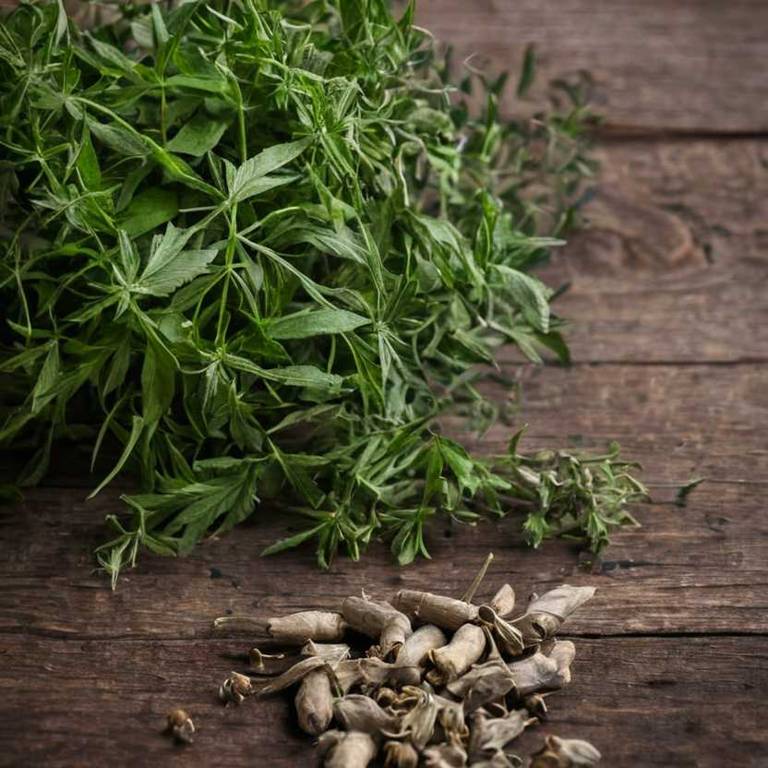
Tanshinone I is a bioactive diterpene quinone known for its potent anti-inflammatory, antioxidant, and anti-tumor properties. This compound can be found in various medicinal plants, such as Salvia miltiorrhiza, Aquilaria sinensis, Micromeria croatica, and Prunella vulgaris.

Associated herbs: 4

Occurs naturally in

Aquilaria sinensis

Micromeria croatica
Prunella vulgaris

View all tanshinone I herbs →

(-)-epicatechin

(-)-epicatechin is a potent bioactive flavonoid found in various medicinal plants, recognized for its significant antioxidant, anti-inflammatory, and neuroprotective properties. This specific compound can be sourced from several botanical species, including Acacia catechu, Acacia implexa, and Acalypha wilkesiana.

Associated herbs: 57

Occurs naturally in

Acacia catechu

Acacia implexa

Acalypha wilkesiana

View all (-)-epicatechin herbs →

aconitine

Aconitine is a highly potent and toxic diterpene alkaloid found in certain medicinal herbs that acts primarily by opening voltage-gated sodium channels, which can lead to severe cardiac and neurological effects. This bioactive compound is most notably present in species of the Aconitum genus, including Aconitum carmichaelii and Aconitum ferox.

Associated herbs: 21

Occurs naturally in

Aconitum

Aconitum carmichaelii

Aconitum ferox

View all aconitine herbs →

alkanes

Alkanes are saturated hydrocarbons found in various medicinal plants that often contribute to the lipid-soluble properties and biological activities of herbal extracts. These compounds can be identified in several therapeutic species, including Angelica archangelica, Aquilaria sinensis, and Aspilia pluriseta.

Associated herbs: 43

Occurs naturally in

Angelica archangelica

Aquilaria sinensis

Aspilia pluriseta

View all alkanes herbs →

auxin

Auxin is a vital plant hormone responsible for regulating various growth processes, including cell elongation, division, and apical dominance. While it is a fundamental signaling molecule in many species, it can be found in medicinal herbs such as Adhatoda beddomei, Atractylodes lancea, and the model organism Arabidopsis thaliana.

Associated herbs: 36

Occurs naturally in

Adhatoda beddomei

Arabidopsis thaliana

Atractylodes lancea

View all auxin herbs →

camphene

Camphene is a natural bicyclic monoterpene known for its distinct camphor-like aroma and its potential therapeutic properties in various medicinal applications. It can be found in several botanical species, including Acanthopanax brachypus, Achillea grandifolia, and Achillea wilhelmii.

Associated herbs: 51

Occurs naturally in

Acanthopanax brachypus

Achillea grandifolia

Achillea wilhelmsii

View all camphene herbs →

carnosic acid

Carnosiic acid is a potent bioactive diterpene known for its significant antioxidant, anti-inflammatory, and neuroprotective properties. This compound can be found in various medicinal herbs, including Callicarpa longissima, Lepechinia meyenii, and Ocimum sanctum.

Associated herbs: 15

Occurs naturally in

Callicarpa longissima

Lepechinia meyenii

Ocimum sanctum

View all carnosic acid herbs →

catalpol

Catalpol is a bioactive iridoid glycoside known for its potent anti-inflammatory, antioxidant, and neuroprotective properties. This compound is found in various medicinal herbs, including Asystasia intrusa, Buddleja albinostigma, and Centranthe grandiflora.

Associated herbs: 21

Occurs naturally in

Asystasia intrusa

Buddleja albiflora

Centranthera grandiflora

View all catalpol herbs →

citronellol

Citronellol is a naturally occurring monoterpene alcohol known for its refreshing citrus aroma and significant antimicrobial and anti-inflammatory properties. This bioactive compound can be found in various medicinal herbs and plants, such as Abies balsamea, Aeollanthus heliotropioides, and Corymbia citriodora.

Associated herbs: 27

Occurs naturally in

Abies balsamea

Aeollanthus heliotropioides

Corymbia citriodora

View all citronellol herbs →

hyoscyamine

Hyoscyamine is a tropane alkaloid found in various medicinal plants that functions as an anticholinergic agent to relieve spasms and reduce gastrointestinal motility. It is a primary bioactive constituent in species such as Anisodus akutanngulus, Anisodus luridus, and Anisodus tanguticus.

Associated herbs: 25

Occurs naturally in

Anisodus acutangulus

Anisodus luridus

Anisodus tanguticus

View all hyoscyamine herbs →

imperatorin

Imperatorin is a natural coumarin derivative found in various medicinal herbs that exhibits significant pharmacological activities, including anti-inflammatory, antimicrobial, and anticonvulsant properties. It is a key bioactive constituent in plants such as Aegle marmelos, Angelica archangelica, and Angelica dahurica.

Associated herbs: 30

Occurs naturally in

Aegle marmelos

Angelica archangelica

Angelica dahurica

View all imperatorin herbs →

lutein

Lutein is a powerful antioxidant carotenoid found in various medicinal herbs that plays a crucial role in protecting cells from oxidative damage and supporting ocular health. This bioactive compound can be found in plants such as Allium fistulosum, Capsicum annuum, and Celosia trigyna.

Associated herbs: 35

Occurs naturally in

Allium fistulosum

Capsicum annuum

Celosia trigyna

View all lutein herbs →

madecassoside

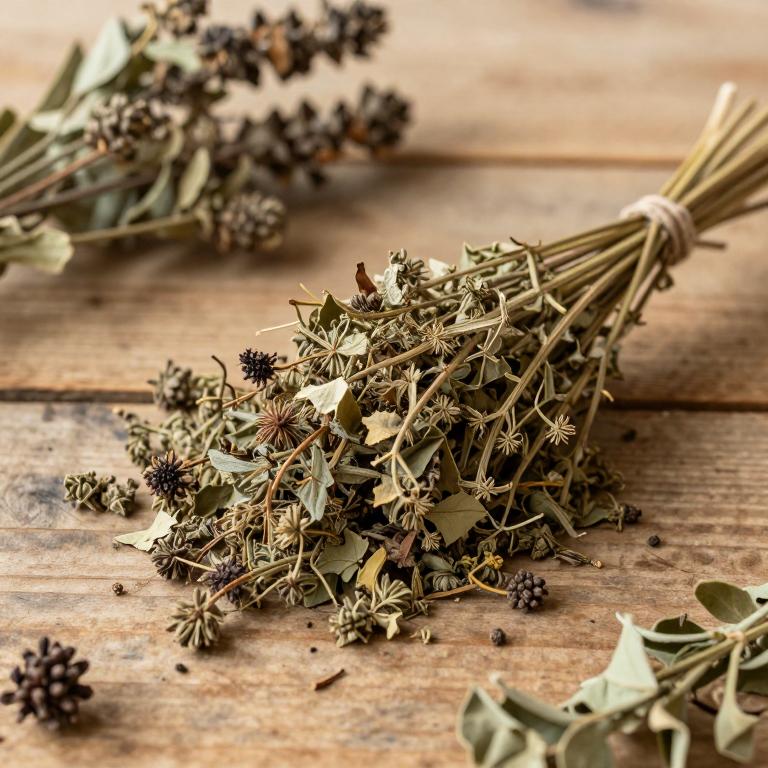
Madecassoside is a bioactive triterpene saponin renowned for its potent anti-inflammatory, antioxidant, and wound-healing properties. This compound is most famously derived from the medicinal herb Centella asiatica, commonly known as Gotu Kola.

Associated herbs: 1

Occurs naturally in

Centella asiatica
View all madecassoside herbs →

methyl jasmonate

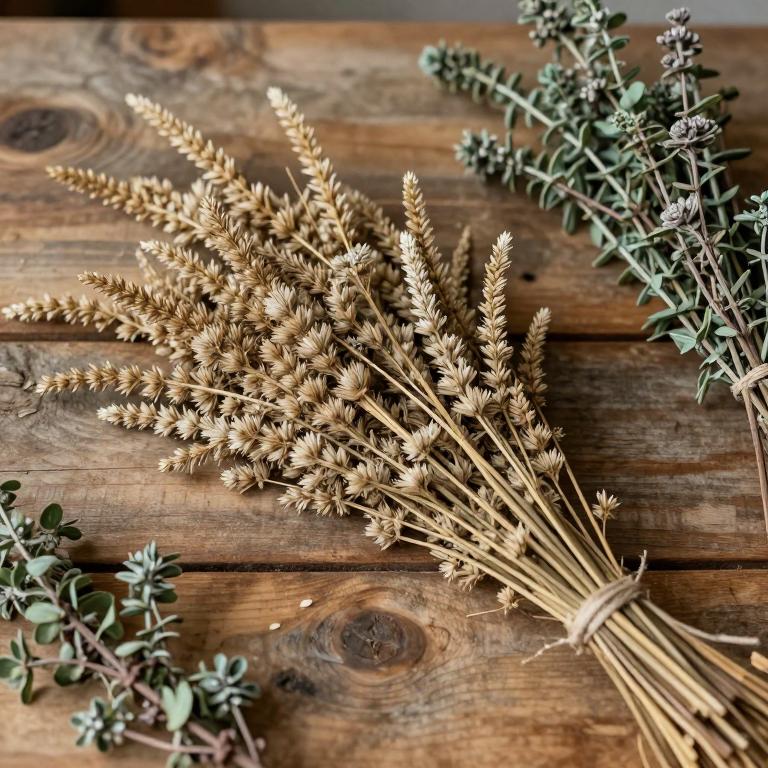
Methyl jasmonate is a volatile organic compound that serves as a crucial signaling molecule, triggering plant defense mechanisms and regulating various physiological processes such as growth and development. This bioactive compound can be found in several medicinal herbs, including Ajuga bracteosa, Aliisma orientale, and Angelica sinensis.

Associated herbs: 45

Occurs naturally in

Ajuga bracteosa

Alisma orientale

Angelica sinensis
View all methyl jasmonate herbs →

naringin

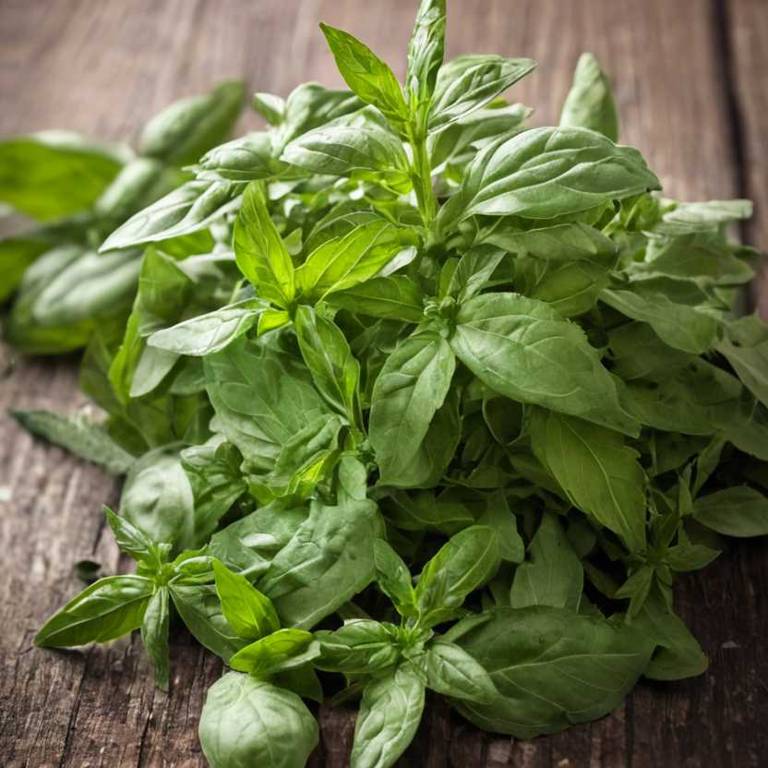
Naringin is a bioactive flavanone glycoside known for its significant antioxidant, anti-inflammatory, and anti-diabetic properties. This compound can be found in various medicinal plants, including Acacia farinacea, Adhatoda vasica, and Ailanthus integrifolia.
Associated herbs: 35

Occurs naturally in

Acacia farnesiana

Adhatoda vasica

Ailanthus integrifolia

View all naringin herbs →

p-hydroxybenzoic acid

p-hydroxybenzoic acid is a phenolic compound found in various medicinal herbs that exhibits significant antioxidant, anti-inflammatory, and antimicrobial properties. It is a key bioactive constituent in plants such as Anadenanthera colubrina var. cebil, Annona cunata, and Aquilaria sinensis.

Associated herbs: 56

Occurs naturally in

Anadenanthera colubrina var. cebil

Annona cuneata

Aquilaria sinensis

View all p-hydroxybenzoic acid herbs →

phenylalanine

Phenylalanine is an essential amino acid that serves as a vital precursor to various bioactive molecules, including neurotransmitters and polyphenols, which support neurological health and antioxidant defenses. This compound is found in various medicinal and botanical sources, such as Amaranthus cruentus, Arabidopsis thaliana, and Astragalus membranaceus.

Associated herbs: 39

Occurs naturally in

Amaranthus cruentus

Arabidopsis thaliana

Aronia × prunifolia

View all phenylalanine herbs →

protopine

Protopine is a bioactive benzophenanthridine alkaloid known for its diverse pharmacological properties, including sedative, anti-inflammatory, and antimicrobial activities. This compound can be found in various medicinal herbs, such as Aconitum laciniactum, Argemonia mexicana, and Chelidonium majus.

Associated herbs: 33

Occurs naturally in

Aconitum laciniatum

Argemone mexicana

Chelidonium majus

View all protopine herbs →

vitamin E

Vitamin E is a potent fat-soluble antioxidant that protects cells from oxidative damage by neutralizing free radicals and supporting immune function. This essential bioactive compound can be found in various medicinal herbs, including Alnus glutinosa, Alnus nitiida, and Alternanthera sessilis.

Associated herbs: 46

Occurs naturally in

Alnus glutinosa

Alnus nitida

Alternanthera sessilis

View all vitamin E herbs →

Caffeic acid

Caffeic acid is a potent bioactive phenolic compound known for its significant antioxidant, anti-inflammatory, and antimicrobial properties. It is found in various medicinal herbs, including Abutilon theophrasti, Acacia hydaspica, and Acalypha arvensis.

Associated herbs: 36

Occurs naturally in

Amaranthus caudatus

Amaranthus hypochondriacus

Annona crassiflora

View all Caffeic acid herbs →

H2O2

Hydrogen peroxide ($\text{H}_2\text{O}_2$) is a reactive oxygen species that acts as a key signaling molecule in plants, playing a crucial role in defense mechanisms against pathogens and environmental stress. While often produced endogenously as a byproduct of metabolism, varying levels of oxidative activity can be observed in medicinal herbs such as Alisma orientale, Aloe barbadensis, and Aloysia citriodora.

Associated herbs: 56

Occurs naturally in

Alisma orientale

Aloe barbadensis

Aloysia citrodora

View all H2O2 herbs →

Se

Selenium (Se) is an essential trace element that acts as a vital cofactor for antioxidant enzymes, helping to protect cells from oxidative damage and supporting immune function. This bioactive mineral can be found in various medicinal herbs, such as Albizia lebbeck, Allium sativum, and Aloe vera.

Associated herbs: 61

Occurs naturally in

Albizia lebbeck

Allium sativum

Aloe vera

View all Se herbs →

aucubin

Aucubin is a natural iridoid glycoside found in various medicinal plants, known for its significant antioxidant, anti-inflammatory, and antimicrobial properties. This bioactive compound can be found in several botanical species, including Buddleja albibiflora, Buddleja purdomii, and Calluna vulgaris.

Associated herbs: 24

Occurs naturally in

Buddleja albiflora

Buddleja purdomii

Calluna vulgaris

View all aucubin herbs →

citral

Citral is a key bioactive monoterpene aldehyde known for its potent antimicrobial, anti-inflammatory, and antioxidant properties. This aromatic compound is found in various medicinal herbs, including Aloysia citrodora, Alpinia galanga, and Aeollanthus heliotropioides.

Associated herbs: 36

Occurs naturally in

Aeollanthus heliotropioides

Aloysia citrodora

Alpinia galanga

View all citral herbs →

crocetin

Crocetin is a potent dicarotenoid compound known for its significant antioxidant, anti-inflammatory, and neuroprotective properties. It is a key bioactive constituent found in medicinal herbs such as Buddleja davidii, Crocus cancellatus, and Crocus sativus.

Associated herbs: 5

Occurs naturally in

Buddleja davidii

Crocus cancellatus

Crocus sativus

View all crocetin herbs →

echinacoside

Echinacoside is a potent phenylethanoid glycoside known for its significant antioxidant, anti-inflammatory, and neuroprotective properties. This bioactive compound is primarily found in medicinal herbs such as Buddleja officinalis, Cistanche deserticola, and Cistanche salsa.

Associated herbs: 15

Occurs naturally in

Buddleja officinalis

Cistanche deserticola

Cistanche salsa

View all echinacoside herbs →

hesperidin

Hesperidin is a prominent bioactive flavonoid known for its significant antioxidant, anti-inflammatory, and cardiovascular protective properties. This compound can be found in various medicinal herbs, including species such as Achillea conferta, Achillea kotschyi subsp. kotschyi, and Ammi majus.

Associated herbs: 44

Occurs naturally in

Achillea conferta

Achillea kotschyi subsp. kotschyi

Ammi majus

View all hesperidin herbs →

hexane

Hexane is a non-polar organic solvent used in herbal pharmacology to extract lipophilic bioactive compounds, such as fats, oils, and certain terpenoids, from plant matrices. This solvent is commonly employed to isolate essential constituents from medicinal herbs including Abrus precatorius, Abutilon indicum, and Acacia nilotica.

Associated herbs: 72

Occurs naturally in

Abrus precatorius

Abutilon indicum

Acacia nilotica

View all hexane herbs →

luteolin-7-O-glucoside

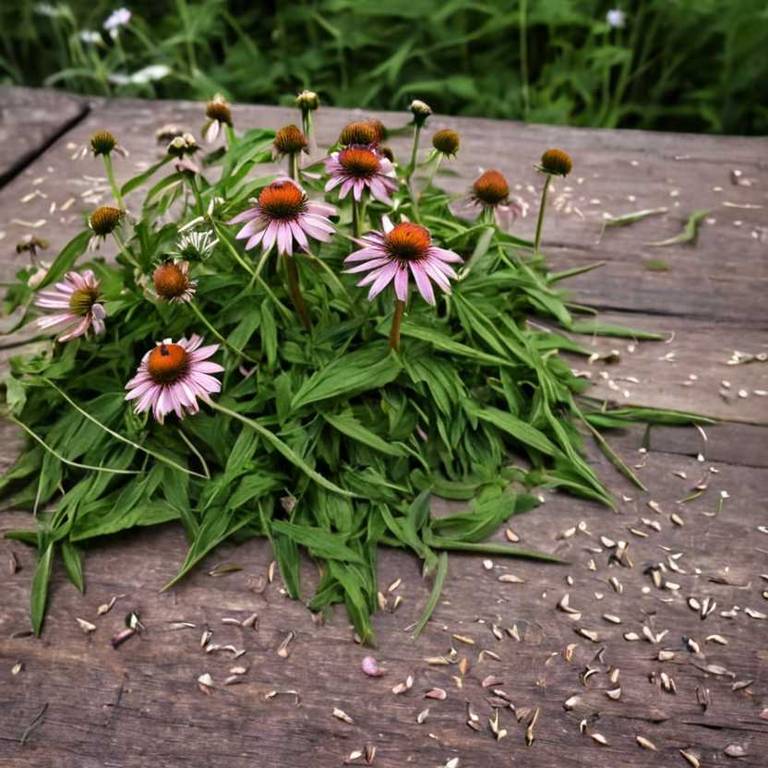
Luteolin-7-O-glucoside is a bioactive flavonoid glycoside known for its potent antioxidant, anti-inflammatory, and neuroprotective properties. This compound can be found in various medicinal plants, such as Achillea millefolium, Asemia ovata, and Centella asiatica.

Associated herbs: 45

Occurs naturally in

Achillea millefolium

Asemeia ovata

Centella asiatica
View all luteolin-7-O-glucoside herbs →

menthone

Menthone is a monoterpene ketone known for its characteristic minty aroma and potential therapeutic properties, including antimicrobial and anti-inflammatory effects. This bioactive compound can be found in various medicinal herbs, such as Achillea gypsicola, Agastache foeniculum, and Agastache rugosa.
Associated herbs: 28

Occurs naturally in

Achillea gypsicola

Agastache foeniculum

Agastache rugosa

View all menthone herbs →

rhein

Rhein is a natural anthraquinone derivative found in various medicinal plants that is primarily recognized for its potent laxative, anti-inflammatory, and antioxidant properties. This bioactive compound can be found in several botanical sources, including Cassia alata, Rheum palmatum (rhubarb), and Artemisia scoparia.

Associated herbs: 26

Occurs naturally in

Aloe vera

Artemisia scoparia

Cassia alata

View all rhein herbs →

thebaine

Thebaine is a naturally occurring alkaloid found in certain medicinal plants that serves as a critical chemical precursor for the synthesis of various semi-synthetic opioids. This bioactive compound is primarily extracted from species within the Papaver genus, including Papaver somniferum, Papaver bracteatum, and Papaver dubium.

Associated herbs: 10

Occurs naturally in

Papaver

Papaver bracteatum

Papaver dubium

View all thebaine herbs →

withanolide A

Withanolide A is a bioactive steroidal lactone known for its potent anti-inflammatory, antioxidant, and neuroprotective properties. This compound is primarily found in medicinal herbs such as Nicandra physaloides, Withania coagulans, and Withania somnifera.

Associated herbs: 3

Occurs naturally in

Nicandra physalodes

Withania coagulans

Withania somnifera

View all withanolide A herbs →

Carvacrol

Carvacrol is a potent monoterpenoid phenol found in various medicinal herbs, known primarily for its strong antimicrobial, antioxidant, and anti-inflammatory properties. This bioactive compound is characteristic of several plant species, including Achillea wilhelmshii, Adenosoma buchneroides, and Ajuga iva.

Associated herbs: 38

Occurs naturally in

Aloe vera

Amomum subulatum

Amomum xanthioides

View all Carvacrol herbs →

GA3

Gibberellic acid (GA3) is a vital plant hormone that regulates various growth processes, including seed germination, stem elongation, and flowering. This bioactive compound can be found in diverse botanical sources such as Abrus cantoniensis, Allium sativum, and the model organism Arabidopsis thaliana.

Associated herbs: 47

Occurs naturally in

Abrus cantoniensis

Allium sativum

Arabidopsis thaliana

View all GA3 herbs →