Explore herbs bioactive compounds

  • 10547 Plants
  • |
  • 22410 Compounds
  • |
  • 460 Activities
  • |
  • 132161 Studies

Explore Herbs


Alphabet


Biological Activity

View all →

Bioactive Compounds

View all →

List of herbs bioactive compounds

Showing 865-460 out of 460 results

huperzine A

Huperzine A is a potent alkaloid that acts as a highly selective acetylcholinesterase inhibitor, making it useful for enhancing cognitive function and memory by increasing acetylcholine levels in the brain. This bioactive compound is primarily extracted from various species of clubmoss, such as Huperzia serrata, Huperzia crispata, and Huperzia selago.

Associated herbs: 7

Occurs naturally in

Huperzia crispata

Huperzia selago

Huperzia serrata

View all huperzine A herbs →

isochlorogenic acid A

Isochlorogenic acid A is a bioactive phenolic compound known for its potent antioxidant, anti-inflammatory, and metabolic regulatory properties. It is found in various medicinal herbs, including Acanthopanax trifoliatus, Aralia elata, and Artemisia argyi.

Associated herbs: 16

Occurs naturally in

Acanthopanax trifoliatus

Aralia elata

Artemisia argyi

View all isochlorogenic acid A herbs →

isopimpinellin

Isopimpinelliin is a naturally occurring coumarin derivative found in various medicinal plants, known for its diverse pharmacological activities including antioxidant and anti-inflammatory properties. This bioactive compound is commonly present in herbs such as Ammi majus, Angelica dahurica, and Apium graveolens.

Associated herbs: 13

Occurs naturally in

Ammi majus

Angelica dahurica

Apium graveolens

View all isopimpinellin herbs →

isoverbascoside

Isoverbascoside is a bioactive phenylpropanoid glycoside known for its diverse pharmacological properties, including antioxidant, anti-inflammatory, and neuroprotective effects. This compound is found in various medicinal herbs, such as Acanthus montana, Barleria lupulina, and Barleria prionitis.

Associated herbs: 18

Occurs naturally in

Acanthus montanus

Barleria lupulina

Barleria prionitis

View all isoverbascoside herbs →

kinetin

Kinetin is a potent cytokinin that plays a critical role in regulating plant cell division, growth, and development by modulating various physiological processes. This bioactive compound can be found in several medicinal herbs, including Angelica gigas, Cannabis sativa, and Chlorophytum borivilianum.

Associated herbs: 19

Occurs naturally in

Angelica gigas

Cannabis sativa

Chlorophytum borivilianum

View all kinetin herbs →

lawsone

Lawsone is a naturally occurring red-orange naphthoquinone pigment known for its potent antimicrobial, antifungal, and wound-healing properties. This bioactive compound is primarily found in medicinal herbs such as Impatiens balsamina and Lawsonia inermis, the latter of which is widely used in traditional henna applications.

Associated herbs: 2

Occurs naturally in

Impatiens balsamina

Lawsonia inermis

View all lawsone herbs →

methysticin

Methysticin is a potent chalcone derivative known for its psychoactive properties, specifically its ability to modulate GABA receptors to induce sedation and muscle relaxation. This bioactive compound is primarily found in the roots of Piper methysticum (kava) and can also be detected in certain species of Passiflora incarnata (passionflower).

Associated herbs: 2

Occurs naturally in

Passiflora incarnata

Piper methysticum

View all methysticin herbs →

narcissin

Narcissin is a bioactive flavonoid compound known for its significant antioxidant, anti-inflammatory, and potential anticancer properties in medicinal research. This specific phytochemical can be found in various medicinal herbs, including Annona muricata, Anoectochilus roxburgii, and Astragalus altaicus.

Associated herbs: 17

Occurs naturally in

Annona muricata

Anoectochilus roxburghii

Astragalus altaicus

View all narcissin herbs →

oxalic acid

Oxalic acid is a naturally occurring organic acid found in various medicinal herbs that can influence metabolic processes and mineral absorption. It is present in several botanical species, including Bombax ceiba, Chamaemelum nobile, and Cicer arietinum.

Associated herbs: 13

Occurs naturally in

Bombax ceiba

Chamaemelum nobile

Cicer arietinum

View all oxalic acid herbs →

paeonol

Paeonol is a bioactive phenolic compound found in various medicinal herbs that is primarily recognized for its significant anti-inflammatory, antioxidant, and antimicrobial properties. It is a key constituent in plants such as Paeonia species, as well as Luculia pinceana and Neonauclea sessilifolia.

Associated herbs: 8

Occurs naturally in

Luculia pinceana

Neonauclea sessilifolia

Paeonia

View all paeonol herbs →

palmitoleic acid

Palmitoleic acid is a bioactive monounsaturated fatty acid known for its potent anti-inflammatory and antimicrobial properties that support metabolic health. This compound can be found in various medicinal herbs, including Allium hirtifolium, Anthocleista djallonensis, and Bupleurum chinense.

Associated herbs: 15

Occurs naturally in

Allium hirtifolium

Anthocleista djalonensis

Bupleurum chinense

View all palmitoleic acid herbs →

phloroglucinol

Phloroglucinol is a natural phenolic compound found in various medicinal herbs that possesses significant antioxidant, anti-inflammatory, and antimicrobial properties. It is a key bioactive constituent in several plant species, including Alpinia conchigera, Calyptranthes pallens, and Cuminum cyminum.

Associated herbs: 16

Occurs naturally in

Alpinia conchigera

Calyptranthes pallens

Cuminum cyminum

View all phloroglucinol herbs →

piceid

Piceid is a bioactive stilbene glucoside known for its potent antioxidant, anti-inflammatory, and neuroprotective properties. This compound is commonly found in medicinal herbs such as Gossypium hirsutum, Polygonum cuspidatum, and Reynoutria japonica.

Associated herbs: 10

Occurs naturally in

Gossypium hirsutum

Polygonum cuspidatum

Reynoutria japonica

View all piceid herbs →

pogostone

Pogostone is a bioactive sesquiterpene ketone known for its potent antimicrobial, antifungal, and insecticidal properties. It is a primary constituent found in various medicinal herbs, most notably in the essential oil of Pogostemon cablin, commonly known as Patchouli.

Associated herbs: 1

Occurs naturally in

Pogostemon cablin

View all pogostone herbs →

protocatechuic aldehyde

Protocatechuic aldehyde is a potent bioactive phenolic compound known for its significant antioxidant, anti-inflammatory, and neuroprotective properties. This compound can be found in various medicinal plants, including Capsicum frutescens, Fagopyrrum dibotrys, and Lycium barbarum.

Associated herbs: 10

Occurs naturally in

Capsicum frutescens

Fagopyrum dibotrys

Lycium barbarum

View all protocatechuic aldehyde herbs →

resin

Resin is a viscous, semi-solid bioactive substance produced by certain plants as a protective mechanism against injury, pathogens, and herbivores. This compound can be found in various medicinal herbs, such as Aquilaria sinensis and Berberis vulgaris, where it often contributes significant therapeutic properties.

Associated herbs: 14

Occurs naturally in

Aquilaria

Aquilaria sinensis

Berberis vulgaris

View all resin herbs →

saikosaponin d

Saikosaponin D is a prominent bioactive triterpenoid saponin known for its potent anti-inflammatory, analgesic, and hepatoprotective properties. This compound is primarily found in medicinal herbs of the genus Bupleurum, such as Bupleurum chinense, Bupleurum bungeanum, and Bupleurum chaopis.

Associated herbs: 12

Occurs naturally in

Bupleurum

Bupleurum bicaule

Bupleurum chaishoui

View all saikosaponin d herbs →

sennoside A

Sennoside A is a potent anthraquinone glycoside found in certain medicinal herbs that functions as a stimulant laxative by stimulating peristalsis in the colon. This bioactive compound is primarily sourced from plants in the Cassia genus, most notably Cassia angustifolia and Cassia senna.

Associated herbs: 8

Occurs naturally in

Cassia

Cassia angustifolia

Cassia senna

View all sennoside A herbs →

stilbene

Stilbenes are a diverse group of bioactive polyphenolic compounds known for their potent antioxidant, anti-inflammatory, and anticancer properties. These natural molecules are found in various medicinal plants, including Baccharis grisebachii, Cajanus cajan, and Dactylorhiza hatagirea.

Associated herbs: 12

Occurs naturally in

Baccharis grisebachii

Cajanus cajan

Dactylorhiza hatagirea

View all stilbene herbs →

tectorigenin

Tectorigenin is a bioactive flavonoid known for its diverse pharmacological properties, including anti-inflammatory, antioxidant, and potential anticancer activities. This compound can be found in various medicinal plants, such as Belaмcanda chinensis, Hedera helix, and Iris species.

Associated herbs: 9

Occurs naturally in

Belamcanda chinensis

Hedera helix

Iris

View all tectorigenin herbs →

tryptanthrin

Tryptanthrin is a potent bioactive alkaloid known for its diverse pharmacological properties, including significant anti-inflammatory, antibacterial, and antitumor activities. This compound is found in various medicinal plants, such as Barleria prionitis, Calanthe discolor, and Calanthe liukiuensis.

Associated herbs: 10

Occurs naturally in

Barleria prionitis

Calanthe discolor

Calanthe liukiuensis

View all tryptanthrin herbs →

valerenic acid

Valerenic acid is a bioactive sesquiterpenoid found in certain medicinal herbs that primarily acts as a sedative and anxiolytic by modulating GABAergic neurotransmission in the brain. This compound is most notably concentrated in species such as Valeriana officinalis, Valeriana jatamansi, and Valeriana sisymbriifolia.

Associated herbs: 3

Occurs naturally in

Valeriana jatamansi

Valeriana officinalis

Valeriana sisymbriifolia

View all valerenic acid herbs →

zerumbone

Zerumbone is a sesquiterpene compound found in various medicinal herbs that is widely studied for its potent anti-inflammatory, anti-cancer, and antioxidant properties. It is a key bioactive constituent in plants such as Alpinia galanga, Buddleja globosa, and Curcuma kwangsiensis.

Associated herbs: 7

Occurs naturally in

Alpinia galanga

Buddleja globosa

Curcuma kwangsiensis

View all zerumbone herbs →

1,8-Cineole

1,8-cineole is a prominent monoterpene ether known for its significant anti-inflammatory, antimicrobial, and mucolytic properties in medicinal applications. This bioactive compound is frequently found in various herbal species, such as Achillea clypeolata, Achillea grandifolia, and Achillea gypsicola.

Associated herbs: 22

Occurs naturally in

Alpinia calcarata

Alpinia galanga

Alpinia zerumbet

View all 1,8-Cineole herbs →

ATP

Adenosine triphosphate (ATP) is a vital bioactive molecule that serves as the primary energy currency within cells, driving essential metabolic processes and biochemical reactions. While ATP is produced endogenously in all living organisms, it can be found in various medicinal and nutritional plants, such as Catharanthus roseus, Dendrobium chrysotoxum, and Glycine max.

Associated herbs: 10

Occurs naturally in

Catharanthus roseus

Dendrobium chrysotoxum

Glycine max

View all ATP herbs →

Compound 1

Since you did not provide the specific name of "Compound 1," I have used a placeholder below. Please insert the name of your compound into the bracketed space. [Compound 1] is a bioactive constituent found in various medicinal herbs that contributes to their therapeutic efficacy through specific pharmacological actions. For example, this compound is notably present in plants such as Andrographis paniculata, Areca catechu, and Aspidopterys obcordata.

Associated herbs: 22

Occurs naturally in

Aquilaria sinensis

Caesalpinia minax

Chimonanthus praecox

View all Compound 1 herbs →

Crocin

Crocin is a potent carotenoid pigment responsible for the vibrant yellow and orange colors found in various medicinal plants. It is highly valued for its antioxidant and neuroprotective properties and can be found in herbs such as Crocus sativus, Carica papaya, and Gardenia jasminoides.

Associated herbs: 2

Occurs naturally in

Crocus sativus

Gardenia jasminoides

View all Crocin herbs →

Glc

Glc, or glucose, is a fundamental monosaccharide that often acts as a key component in glycosides, enhancing the solubility and bioavailability of bioactive compounds in medicinal plants. This sugar moiety is found in various botanical species, including the model organism Arabidopsis thaliana, as well as therapeutic herbs such as Atractylodes macrocephala and Bupleurum falcatum.

Associated herbs: 20

Occurs naturally in
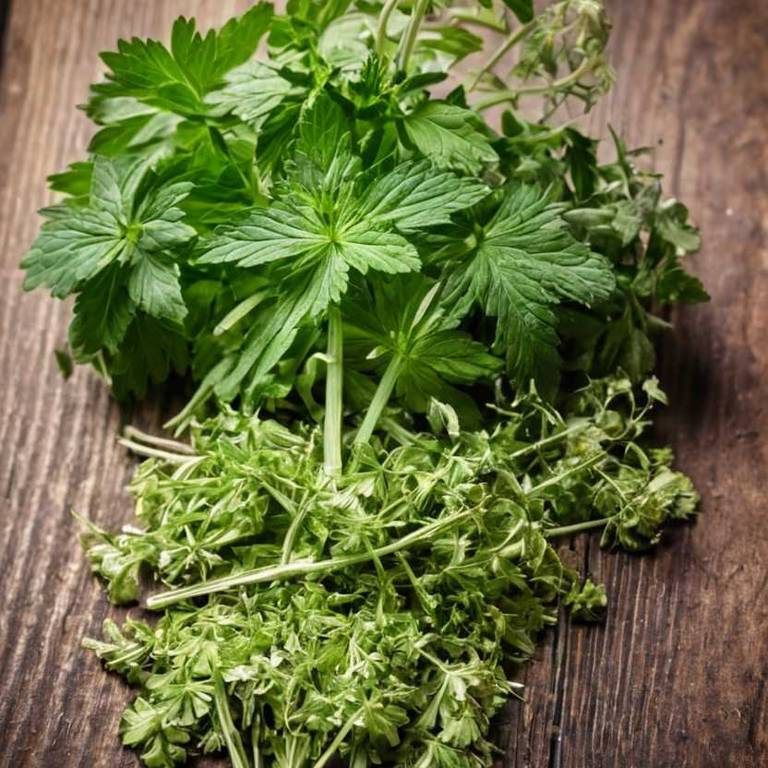
Arabidopsis thaliana

Atractylodes macrocephala
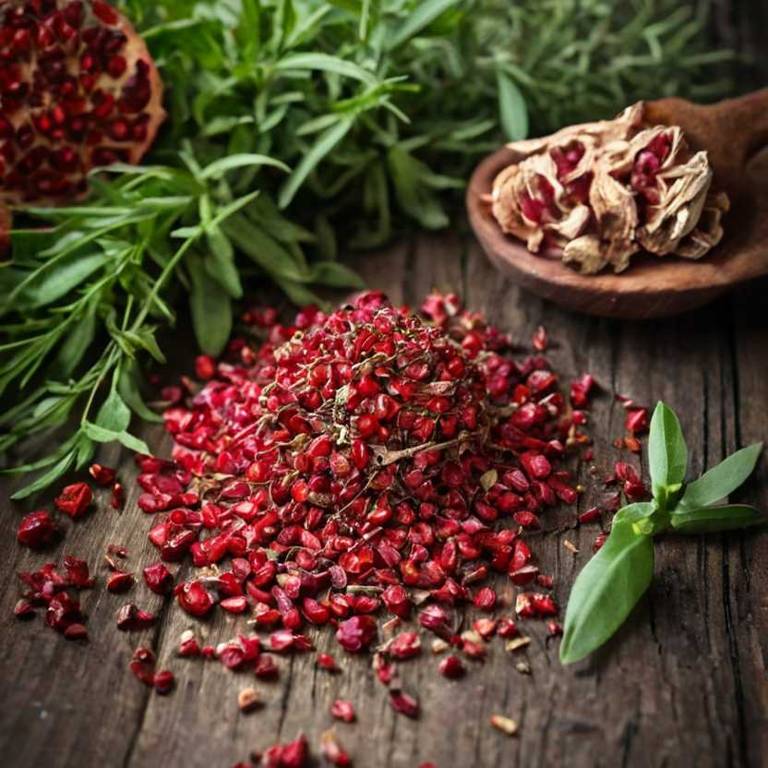
Bupleurum falcatum

View all Glc herbs →

Huperzine A

Huperzine A is a potent alkaloid that acts as a highly selective acetylcholinesterase inhibitor, making it useful for enhancing cognitive function and memory by increasing acetylcholine levels in the brain. This bioactive compound is primarily extracted from various species of clubmoss, such as Huperzia serrata, Huperzia crispata, and Huperzia selago.

Associated herbs: 3

Occurs naturally in

Huperzia serrata

Lycopodium clavatum

Phlegmariurus

View all Huperzine A herbs →

L-rhamnose

L-rhamnose is a natural deoxy sugar that often serves as a key component in the glycoside structures of various medicinal plants, influencing their biological activity and solubility. This bioactive compound can be found in several therapeutic herbs, including Afzelia africana, Allium sativum, and Cassia angustifolia.

Associated herbs: 16

Occurs naturally in

Afzelia africana

Allium sativum

Cassia angustifolia

View all L-rhamnose herbs →

Oleanolic acid

Oleanolic acid is a natural pentacyclic triterpenoid known for its potent anti-inflammatory, antioxidant, and hepatoprotective properties. This bioactive compound can be found in various medicinal herbs, including Acanthopanax hypoolecus, Achyranthus aspera, and Achyranthus coynei.

Associated herbs: 17

Occurs naturally in

Catharanthus roseus

Chaenomeles speciosa

Cyclocarya paliurus

View all Oleanolic acid herbs →

Quercitrin

Quercitriin is a bioactive flavonoid glycoside known for its significant antioxidant, anti-inflammatory, and potential anti-tumor properties. This compound can be found in various medicinal plants, including Adenanthera microsperma, Agrimonia pilosa, and Achillea cordifolia.

Associated herbs: 13

Occurs naturally in

Copaifera langsdorffii

Cordia dichotoma

Helichrysum arenarium

View all Quercitrin herbs →

Resveratrol

Resveratrol is a potent bioactive polyphenol known for its strong antioxidant and anti-inflammatory properties, which help protect cells from oxidative stress. This compound is naturally found in various medicinal plants and herbs, such as Arachis hypogaea (peanut), Arbutus unedo (strawberry tree), and Anthocléisia djalonensis.

Associated herbs: 9

Occurs naturally in

Arachis hypogaea

Carissa spinarum

Gnetum parvifolium

View all Resveratrol herbs →

Rh2

Rh2 is a potent ginsenoside belonging to the protopanaxadiol class, recognized for its significant anti-tumor, anti-inflammatory, and immune-modulating properties. This bioactive compound is primarily found in various species of the Panax genus, including Panax ginseng, Panax quinquefolius, and Panax notoginseng.

Associated herbs: 3

Occurs naturally in

Panax

Panax ginseng

Panax quinquefolius

View all Rh2 herbs →

SA

SA (Salicylic Acid) is a naturally occurring phenolic compound found in various medicinal plants that serves as a potent anti-inflammatory and analgesic agent. It is a key bioactive constituent in herbs such as Borago officinalis, Cannabis sativa, and Capsicum annuum, where it contributes to their therapeutic effects on pain and swelling.

Associated herbs: 24

Occurs naturally in

Borago officinalis

Cannabis sativa

Capsicum annuum

View all SA herbs →

Terpenes

Terpenes are a diverse group of organic compounds produced by plants that often provide distinct aromas and possess significant therapeutic properties, such as anti-inflammatory or antimicrobial effects. These bioactive molecules are found in various medicinal herbs, including Abies sibirica, Abroma augustum, and Acacia.

Associated herbs: 13

Occurs naturally in

Acacia nilotica

Aristolochia argentina

Calotropis procera

View all Terpenes herbs →

[6]-gingerol

[6]-gingerol is a potent bioactive phenolic compound primarily responsible for the pungent aroma and significant anti-inflammatory properties found in various medicinal herbs. It is most abundantly concentrated in the rhizomes of Zingiber officinale, commonly known as ginger.

Associated herbs: 1

Occurs naturally in

Zingiber officinale

View all [6]-gingerol herbs →

albumin

Albumin is a type of globular protein found in various medicinal plants that plays a crucial role in transporting nutrients and maintaining cellular stability. This bioactive compound can be found in herbs such as Amaranthus, Cannabis sativa, and Capparis spinosa.

Associated herbs: 15

Occurs naturally in

Amaranthus

Cannabis sativa

Capparis spinosa

View all albumin herbs →

allocryptopine

Allocryptopine is a bioactive alkaloid known for its significant pharmacological potential, particularly in exhibiting anti-inflammatory and antimicrobial properties. This compound can be found in various medicinal herbs, such as Argemone mexicana, Chelidonium majus, and Corydalis cava.

Associated herbs: 9

Occurs naturally in

Argemone mexicana

Chelidonium majus

Corydalis cava

View all allocryptopine herbs →

astragaloside

Astragaloside is a potent bioactive triterpenoid saponin known for its significant immunomodulatory, anti-inflammatory, and antioxidant properties. This compound is primarily found in various species of the Astragalus genus, such as Astragalus membranaceus, Astragalus membranaceus var. mongholicus, and Astragalus flavescens.

Associated herbs: 5

Occurs naturally in

Astragalus flavescens

Astragalus membranaceus

Astragalus membranaceus var. mongholicus

View all astragaloside herbs →

atractylenolide III

Atractylenolide III is a bioactive sesquiterpene lactone known for its significant anti-inflammatory, anti-tumor, and gastroprotective properties. This compound is primarily found in medicinal herbs of the Atractylodes genus, such as Atractylodes chinensis, Atractylodes japonica, and Atractylodes koreana.

Associated herbs: 6

Occurs naturally in

Atractylodes chinensis

Atractylodes japonica

Atractylodes koreana

View all atractylenolide III herbs →

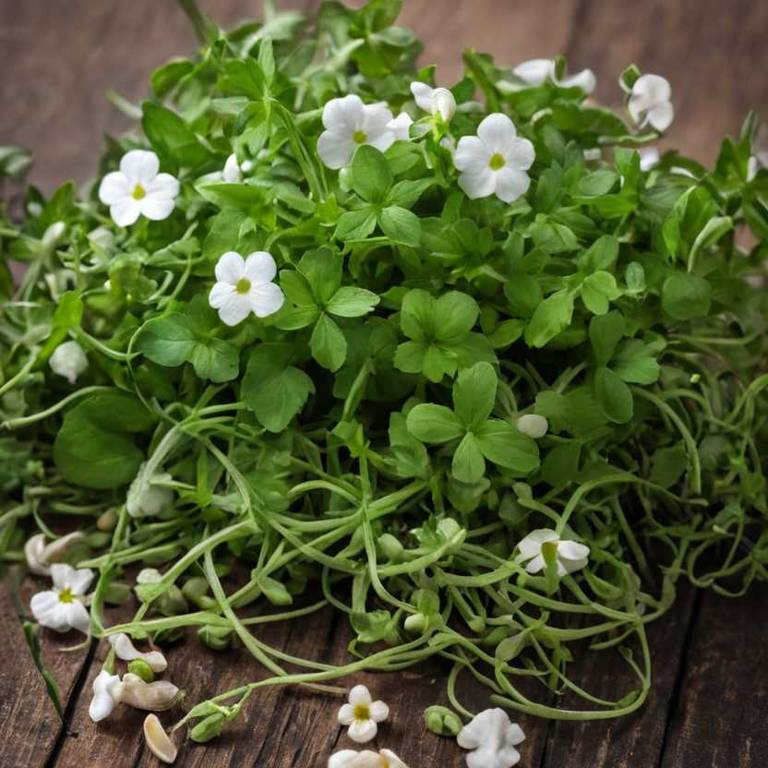
bacopaside I

Bacopaside I is a potent bioactive saponin known for its significant neuroprotective and cognitive-enhancing properties. This compound is primarily found in medicinal herbs such as Bacopa monnieri, commonly known as Brahmi.

Associated herbs: 1

Occurs naturally in

Bacopa monnieri

View all bacopaside I herbs →

bakuchiol

Bakuchiol is a bioactive meroterpene compound known for its potent antioxidant, anti-inflammatory, and skin-rejuvenating properties, often serving as a natural alternative to retinol. This compound is primarily found in medicinal herbs such as Psoralea corylifolia, Psoralea glandulosa, and Elaeagnus bockii.

Associated herbs: 3

Occurs naturally in

Elaeagnus bockii

Psoralea corylifolia

Psoralea glandulosa

View all bakuchiol herbs →

benzene

Benzene is a fundamental organic compound characterized by a stable hexagonal ring of six carbon atoms, serving as a primary structural building block for many complex bioactive molecules. While pure benzene is often toxic, various substituted benzene derivatives are essential components in the medicinal properties of herbs such as Adansonia digitata, Astragalus mongolicus, and Basella rubra.

Associated herbs: 13

Occurs naturally in

Adansonia digitata

Astragalus mongholicus

Basella rubra

View all benzene herbs →

cannabidiolic acid (CBDA)

Cannabidiolic acid (CBDA) is a non-psychoactive precursor molecule found in many medicinal plants that serves as the primary acidic form of CBD before undergoing decarboxylation. This bioactive compound is notably present in herbs such as Cannabis sativa and Tremella micranthum, where it contributes to various therapeutic properties.

Associated herbs: 2

Occurs naturally in

Cannabis sativa

Trema micranthum

View all cannabidiolic acid (CBDA) herbs →

columbamine

Columbamine is a bioactive isoquinoline alkaloid known for its diverse pharmacological properties, including anti-inflammatory, antimicrobial, and potential antitumor activities. This compound is primarily found in medicinal plants such as Argemone mexicana, Berberis vulgaris, and Berberis wilsoniae.

Associated herbs: 17

Occurs naturally in

Argemone mexicana

Berberis vulgaris

Berberis wilsoniae

View all columbamine herbs →

cucurbitacins

Cucurbitacins are a group of highly bitter, tetracyclic triterpenoid compounds known for their potent bioactive properties, including anti-inflammatory, cytotoxic, and anti-tumor activities. These compounds are found in various medicinal plants, such as Citrullus colocynthis, and are also associated with certain chemical profiles in herbs like Aquilaria and Bacopa monnieri.

Associated herbs: 11

Occurs naturally in

Aquilaria

Bacopa monnieri

Citrullus colocynthis

View all cucurbitacins herbs →

cynarin

Cynarin is a bioactive sesquiterpene lactone primarily known for its hepatoprotective properties and its ability to stimulate bile production to aid digestion. This compound is found in various medicinal plants, most notably in species such as Cynara scolymus (artichoke), Cynara cornigera, and Dorema glabrum.

Associated herbs: 10

Occurs naturally in

Cynara cornigera

Cynara scolymus

Dorema glabrum

View all cynarin herbs →