Explore herbs biological activities

  • 10547 Plants
  • |
  • 22410 Compounds
  • |
  • 460 Activities
  • |
  • 132161 Studies

Explore Herbs


Alphabet


Biological Activity

View all →

Bioactive Compounds

View all →

List of herbs biological activities

Showing 289-336 out of 460 results

Chronotropic

A chronotropic effect refers to an influence on the heart rate, either increasing it (positive chronotropic) or decreasing it (negative chronotropic). For example, certain medicinal herbs like Albizia lebbeck or Albizia inopinata can exhibit these activities to help regulate cardiac rhythm.

Associated herbs: 2

Occurs naturally in

Mentha × villosa

Samanea inopinata

View all Chronotropic herbs →

DNA-Protective

DNA-protective activity refers to the ability of specific phytochemicals to safeguard genetic material from damage caused by oxidative stress, radiation, or chemical mutagens. This protective mechanism helps maintain genomic stability and prevents mutations that could lead to cellular dysfunction or cancer. Examples of herbs exhibiting this biological activity include Achillea eriophora and Filipendula ulmaria.

Associated herbs: 2

Occurs naturally in

Achillea eriophora

Filipendula ulmaria

View all DNA-Protective herbs →

Dopaminergic

Dopaminergic activity refers to the ability of a substance to influence the dopaminergic system, either by stimulating, inhibiting, or modulating the release and reception of the neurotransmitter dopamine in the brain. This biological activity is often studied for its potential to manage neurological conditions such as Parkinson's disease, depression, and cognitive impairment. An example of a medicinal herb exhibiting this activity is Talinum triangulare.

Associated herbs: 2

Occurs naturally in

Talinum fruticosum

Vitex agnus-castus

View all Dopaminergic herbs →

Embryotoxic

Embryotoxicity refers to the biological capacity of a substance to cause structural or functional damage to a developing embryo during gestation. Certain medicinal herbs, such as Copaifera langsdorffii, Eucomis autumnalis, and Merwillia plumbea, exhibit this activity and should be used with extreme caution due to the risk of developmental defects or pregnancy loss.

Associated herbs: 3

Occurs naturally in

Copaifera langsdorffii

Eucomis autumnalis

Merwilla plumbea

View all Embryotoxic herbs →

Fibrinolysis

Fibrinolysis is the biological process of breaking down fibrin clots to prevent excessive blood clotting and improve circulation. Medicinal herbs such as Allium sativum (garlic) and Panax japonicus (Japanese ginseng) exhibit this activity, helping to dissolve clots and reduce the risk of cardiovascular complications.

Associated herbs: 2

Occurs naturally in

Allium sativum

Panax japonicus

View all Fibrinolysis herbs →

Fungitoxic

Fungitoxic activity refers to the ability of a substance to inhibit the growth of or destroy fungi, helping to prevent fungal infections and spoilage. Several medicinal herbs exhibit this property, including species such as Chelidonium majus, Dicentra spectabilis, and Drimys winteri.

Associated herbs: 4

Occurs naturally in

Chelidonium majus

Drimys winteri

Lamprocapnos spectabilis

View all Fungitoxic herbs →

Hepatoregenerative

Hepatoregularative activity refers to the ability of a substance to promote the repair, regrowth, and functional restoration of damaged liver cells. Various medicinal herbs, such as Picrorhiza kurroa and Schisandra chinensis, exhibit this property by stimulating cellular regeneration and protecting liver tissue from injury.

Associated herbs: 2

Occurs naturally in

Picrorhiza kurrooa

Schisandra henryi

View all Hepatoregenerative herbs →

Hydrating

Hydrating biological activity refers to the ability of certain medicinal herbs to increase water content in tissues or promote fluid balance within the body. Herbs such as Ligusticum sinense and Malus sylvestris exhibit this property, helping to maintain cellular moisture and support systemic hydration.

Associated herbs: 2

Occurs naturally in

Conioselinum anthriscoides

Malus sylvestris

View all Hydrating herbs →

Hypouricemic

Hypoglycemic activity refers to the ability of a substance to lower blood glucose levels by improving insulin sensitivity or inhibiting glucose absorption. Herbs such as Apyum graveolens (celery) and Petroselinum crispum (parsley) exhibit this property, making them potential natural aids in managing high blood sugar.

Associated herbs: 2

Occurs naturally in

Apium graveolens

Petroselinum crispum

View all Hypouricemic herbs →

Insulinogenic

Insulinogenic activity refers to the ability of a substance to stimulate the secretion of insulin from the pancreatic beta cells or to enhance the body's sensitivity to insulin. Herbs such as Panax ginseng and Terminalia cataphyllata exhibit this biological activity, helping to regulate blood glucose levels.

Associated herbs: 2

Occurs naturally in

Panax ginseng

Terminalia catappa

View all Insulinogenic herbs →

Lactagogue

A lactagogue is a substance or herb that stimulates and increases the production and secretion of breast milk in lactating women. Examples of medicinal plants that possess this biological activity include Ficus hispida and Pittosporum angustifolium.

Associated herbs: 2

Occurs naturally in

Ficus hispida

Pittosporum angustifolium

View all Lactagogue herbs →

Larvicide

Larvicidal activity refers to the ability of certain plant extracts to kill the larval stages of insects, such as mosquitoes, preventing them from maturing into adults. For example, medicinal herbs like Acacia pennata subsp. insuavis and Guarea kunthiana exhibit this property, making them potential natural alternatives for pest control.

Associated herbs: 2

Occurs naturally in

Guarea kunthiana

Senegalia insuavis

View all Larvicide herbs →

Litholytic

Litholytic activity refers to the biological ability of certain substances to help dissolve or break down mineral deposits, such as kidney or bladder stones. Herbs exhibiting this property, including Bergenia ligulata, Tribulus terrestris, and Ziziphus lotus, are often used in traditional medicine to facilitate the passage of calculi through the urinary tract.

Associated herbs: 3

Occurs naturally in

Bergenia pacumbis

Tribulus terrestris

Ziziphus lotus

View all Litholytic herbs →

Metal-Chelator

Metal-chelator activity refers to the ability of certain medicinal herbs to bind with metal ions, forming stable complexes that can help neutralize toxic heavy metals or regulate essential mineral levels in the body. Examples of herbs exhibiting this biological activity include Sterculia tragacantha and Tambourissa peltata.

Associated herbs: 2

Occurs naturally in

Sterculia tragacantha

Tambourissa peltata

View all Metal-Chelator herbs →

NO-Scavenger

NO-scavengers are medicinal substances that neutralize nitric oxide (NO) to prevent its excessive accumulation, which can otherwise lead to oxidative stress and inflammatory damage. By reducing these harmful levels, these herbs help protect cells from nitrosative stress, with examples including Ginkgo biloba and certain species of Curcuma.

Associated herbs: 1

Occurs naturally in

Ginkgo biloba

View all NO-Scavenger herbs →

Nematicide

A nematocide is a biological agent or substance used to kill or control nematodes, which are microscopic roundworms that can damage plant roots and reduce crop yields. Many medicinal herbs exhibit this property, such as Cucurbita maxima (pumpkin), which contains compounds like cucurbitacin that act as natural deterrents against these parasites.

Associated herbs: 2

Occurs naturally in

Cucurbita maxima

Strychnos nux-vomica

View all Nematicide herbs →

Neurogenic

Neurogenic activity refers to the biological process of stimulating the formation, differentiation, and survival of new neurons within the nervous system. Herbs such as Garcinia mangostana and Panax notoginseng exhibit this property, potentially helping to repair brain tissue and enhance cognitive functions.

Associated herbs: 2

Occurs naturally in

Garcinia mangostana

Panax notoginseng

View all Neurogenic herbs →

Neurotropic

Neurotropic biological activity refers to the ability of a substance to exert a direct influence on the structure or function of the nervous system. Herbs with this property can modulate neurotransmitters or protect neural pathways, as seen in species such as Centella asiatica and Illicium verum.

Associated herbs: 2

Occurs naturally in

Centella asiatica

Illicium verum

View all Neurotropic herbs →

Oncostatic

Oncostatic activity refers to the ability of a substance to inhibit the growth and proliferation of cancer cells without necessarily causing immediate cell death. Herbs such as Alangium vitiense and Trianthema portulacastrum exhibit this property by slowing down the progression of tumor development within the body.

Associated herbs: 2

Occurs naturally in

Alangium vitiense

Trianthema portulacastrum

View all Oncostatic herbs →

Ovicide

Ovicide refers to the biological ability of a substance to kill or inhibit the development of insect eggs, preventing them from hatching into larvae. Many medicinal herbs exhibit this property, such as Schinus terebinthifolia, which contains bioactive compounds capable of disrupting the reproductive cycle of certain pests.

Associated herbs: 2

Occurs naturally in

Ferula assa-foetida

Schinus terebinthifolia

View all Ovicide herbs →

Platelet-Activating-Factor-Inhibitor

Platelet-activating factor (PAF) inhibitors function by preventing the activation of platelets and the release of inflammatory mediators, thereby reducing blood clotting and systemic inflammation. Medicinal herbs such as Biotis orientalis and Tussilago farfara exhibit this activity, making them useful in managing cardiovascular and inflammatory conditions.

Associated herbs: 2

Occurs naturally in

Platycladus orientalis

Tussilago farfara

View all Platelet-Activating-Factor-Inhibitor herbs →

Prooxidant

A prooxidant biological activity refers to the ability of a substance to promote the formation of reactive oxygen species (ROS) and increase oxidative stress within a biological system. While often viewed as the opposite of antioxidants, this activity can be therapeutically useful for inducing oxidative damage in targeted cancer cells, as seen in herbs like Baccharis coriifolia and Peltiphyllum peltatum.

Associated herbs: 2

Occurs naturally in

Baccharis coridifolia

Darmera peltata

View all Prooxidant herbs →

Rubefacient

A rubefacient is a substance that causes redness of the skin by inducing local vasodilation and increasing blood circulation to the applied area. This action is often used to create a sensation of warmth and to relieve pain through mild irritation of the underlying tissues. Examples of herbs possessing this biological activity include Cleome droserifolia and Lepidium sativum.

Associated herbs: 2

Occurs naturally in

Cleome droserifolia

Lepidium sativum

View all Rubefacient herbs →

Skin-Irritant

Certain medicinal herbs possess skin-irritant biological activity, meaning they can trigger inflammation, redness, or allergic contact dermatitis upon contact with the skin. Examples of plants that exhibit this property include Apium graveolens, Daucus carota, and Euphorbia cooperi.

Associated herbs: 6

Occurs naturally in

Apium graveolens

Daucus carota

Euphorbia cooperi

View all Skin-Irritant herbs →

Spasmodic

Spasmodic activity refers to the ability of medicinal herbs to relieve muscle spasms by relaxing involuntary contractions in smooth muscles, such as those found in the digestive or respiratory tracts. Herbs like Fumaria parviflora, Phyllanthus emblica, and Viola betoniciifolia exhibit this biological effect, helping to alleviate cramping and tension within the body.

Associated herbs: 3

Occurs naturally in

Fumaria parviflora

Phyllanthus emblica

Viola betonicifolia

View all Spasmodic herbs →

Sudorific

A sudorific is a substance that stimulates or increases perspiration to help regulate body temperature or promote detoxification through the skin. Herbs with this biological activity, such as Adansonia digitata and Heimia salicifolia, are often used in traditional medicine to induce sweating during fevers.

Associated herbs: 2

Occurs naturally in

Adansonia digitata

Heimia salicifolia

View all Sudorific herbs →

Sweetener

Some medicinal herbs possess a biological activity that allows them to act as natural sweeteners by interacting with taste receptors on the tongue. Examples of plants that exhibit this property include Stevia rebaudiana and Glycyrrhiza glabra (licorice), which provide intense sweetness without the use of refined sugars.

Associated herbs: 2

Occurs naturally in

Glycyrrhiza glabra

Stevia rebaudiana

View all Sweetener herbs →

Ulcerogenic

An ulcerogenic biological activity refers to the capacity of a substance to induce the formation of ulcers or lesions in the mucosal linings of the gastrointestinal tract. Certain medicinal herbs, such as Campomanesia phaea, Nyctanthes arbor tristis, and Vigna mungo, have demonstrated this effect in experimental studies.

Associated herbs: 2

Occurs naturally in

Campomanesia phaea

Vigna mungo

View all Ulcerogenic herbs →

Uricosuric

A uricosuric activity refers to the ability of a substance to increase the excretion of uric acid through the kidneys, thereby lowering its concentration in the bloodstream. This biological action is commonly utilized to manage conditions like gout, and can be found in medicinal herbs such as Nigella sativa and Orthosiphon stamineus.

Associated herbs: 2

Occurs naturally in

Nigella sativa

Orthosiphon aristatus var. aristatus

View all Uricosuric herbs →

Uteroactive

An uteroactive biological activity refers to the ability of a substance to stimulate contractions or influence the functional movements of the uterine muscles. Herbs exhibiting this property, such as Montanoa frutescens and Oldenlandia affinis, are often utilized for their potential to induce labor or manage uterine dysfunction.

Associated herbs: 2

Occurs naturally in

Montanoa frutescens

Oldenlandia affinis

View all Uteroactive herbs →

Vasculoprotective

Vasculoprotective activity refers to the ability of a substance to protect the integrity and function of the blood vessels by preventing damage to the vascular endothelium and reducing inflammation. Herbs such as Punica granatum (pomegranate), Viola odorata (sweet violet), and Wrightia tinctoria exhibit this property by helping to maintain healthy circulation and preventing vascular decay.

Associated herbs: 3

Occurs naturally in

Punica granatum

Viola odorata

Wrightia tinctoria subsp. rothii

View all Vasculoprotective herbs →

Vasoactive

Vasodilatory activity refers to the ability of certain medicinal herbs to promote the widening of blood vessels, which enhances blood flow and reduces vascular resistance. Common examples of herbs exhibiting this biological activity include Ginkgo biloba and Nitraria sibirica.

Associated herbs: 2

Occurs naturally in

Ginkgo biloba

Nitraria sibirica

View all Vasoactive herbs →

5-Alpha-Reductase-Inhibitor

A 5-alpha-reductase inhibitor works by blocking the enzyme responsible for converting testosterone into dihydrotestosterone (DHT), a potent hormone linked to hair loss and prostate enlargement. Various medicinal plants exhibit this activity, such as Strychnos nux-vomica and several species of Saw Palmetto (Serenoa repens).

Associated herbs: 1

Occurs naturally in

Strychnos nux-vomica

View all 5-Alpha-Reductase-Inhibitor herbs →

Adrenergic

Adrenergic activity refers to the ability of a substance to interact with the adrenergic receptors in the nervous system, thereby modulating the body's fight-or-flight response. Herbs such as Mitragyna speciosa (Kratom) exhibit this activity by influencing these receptors to alter physiological functions like heart rate, blood pressure, and alertness.

Associated herbs: 1

Occurs naturally in

Mitragyna speciosa

View all Adrenergic herbs →

Aldose-Reductase-Inhibitor

Aldose reductase inhibitors are compounds that prevent the enzyme aldose reductase from converting excess glucose into sorbitol, a process that often leads to cellular damage in diabetic complications. Herbs such as Oenothera biennis (evening primrose) exhibit this activity, helping to mitigate oxidative stress and prevent nerve or eye damage caused by high blood sugar levels.

Associated herbs: 1

Occurs naturally in

Oenothera biennis

View all Aldose-Reductase-Inhibitor herbs →

Analeptic

An analeptic herb acts as a central nervous system stimulant that helps to revive consciousness and increase alertness in individuals experiencing fatigue or depression. A classic example of a plant possessing this biological activity is Epimedium elatum, which is traditionally used to boost energy and vitality.

Associated herbs: 1

Occurs naturally in

Epimedium elatum

View all Analeptic herbs →

Anaphylactic

Anaphylactic biological activity refers to the potential for certain substances to trigger a severe, life-threatening systemic allergic reaction known as anaphylaxis. While many herbs are used to treat inflammation, some can inadvertently act as allergens that provoke this intense immune response, such as Andrographis paniculata in sensitive individuals.

Associated herbs: 1

Occurs naturally in

Andrographis paniculata

View all Anaphylactic herbs →

Anorexic

An anorexic biological activity refers to the ability of a substance to suppress appetite and reduce the sensation of hunger in the body. Certain medicinal herbs, such as Orthosiphon stamineus, exhibit this effect, which can assist in weight management by helping to control food intake.

Associated herbs: 1

Occurs naturally in

Orthosiphon aristatus var. aristatus

View all Anorexic herbs →

Anti-IgE

Anti-IgE activity refers to the ability of certain substances to inhibit the production or binding of Immunoglobulin E, the antibody primarily responsible for triggering allergic reactions and asthma. Herbs such as Arctium lappa (Burdock) exhibit this biological activity, helping to suppress the underlying mechanisms of hypersensitivity and allergic inflammation.

Associated herbs: 1

Occurs naturally in

Arctium lappa

View all Anti-IgE herbs →

AntiBPH

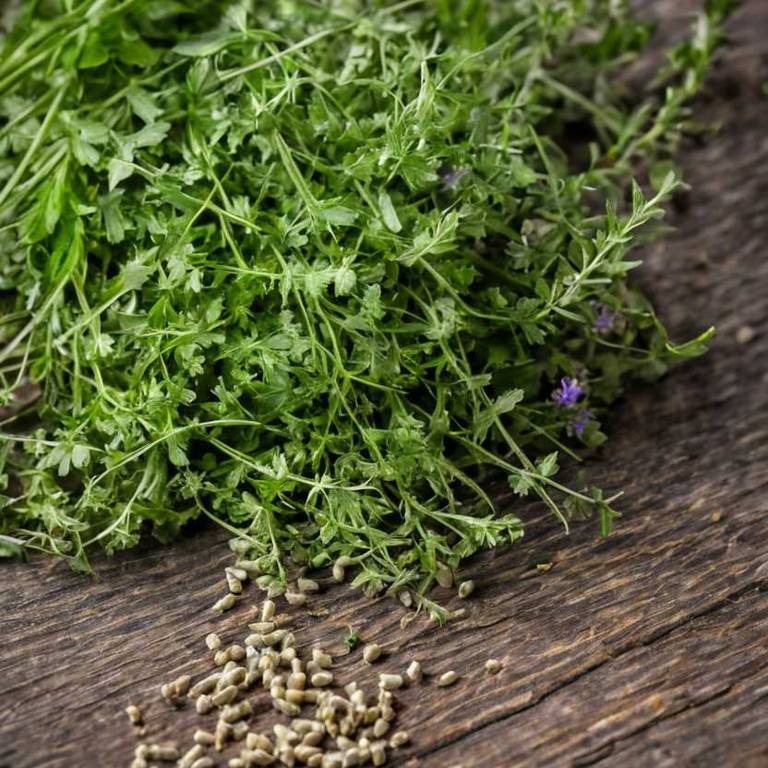
AntiBPH refers to the biological activity of medicinal herbs used to inhibit or manage Benign Prostatic Hyperplasia, a condition characterized by the non-cancerous enlargement of the prostate gland. Various botanical species exhibit this potential, including members of the Prunus genus such as Prunus amygdalus, Prunus armeniaca, and Prunus cerasoides.

Associated herbs: 5

Occurs naturally in
Prunus amygdalus

Prunus armeniaca

Prunus campanulata

View all AntiBPH herbs →

Antiacid

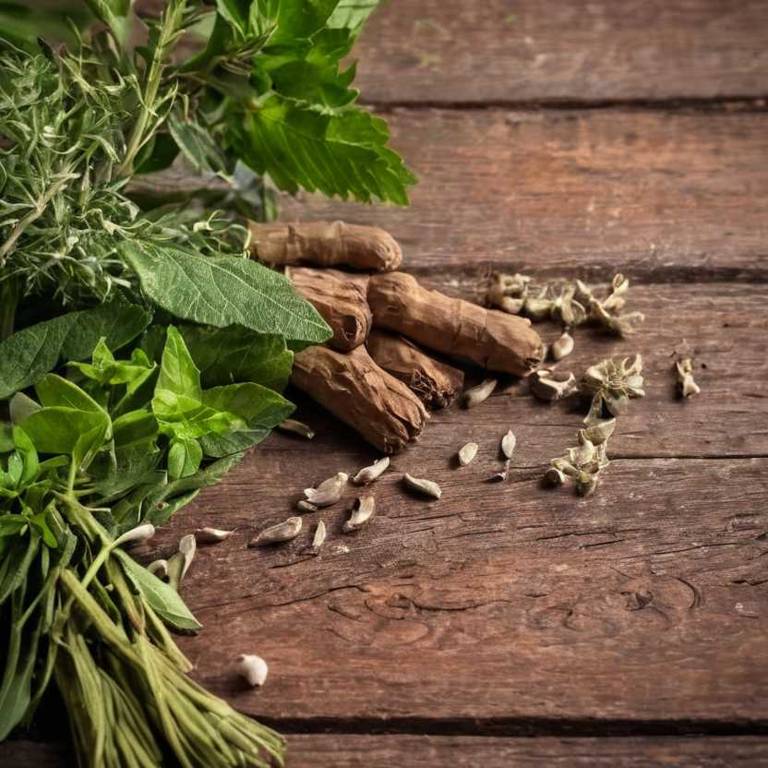
Antacid herbs work by neutralizing excess gastric acid or coating the stomach lining to alleviate symptoms of heartburn and indigestion. Examples of herbs with this biological activity include Cyperus scariosus and licorice root.
Associated herbs: 1

Occurs naturally in

Cyperus scariosus

View all Antiacid herbs →

Antiacne

Antiacne activity refers to the ability of medicinal herbs to combat acne breakouts by reducing skin inflammation, inhibiting the growth of acne-causing bacteria, and regulating excess sebum production. Examples of plants exhibiting this biological activity include Amphipterygium adstringens and tea tree (Melaleuca alternifolia).

Associated herbs: 1

Occurs naturally in

Amphipterygium adstringens

View all Antiacne herbs →

Antiaddictive

Antiadditive biological activity refers to the ability of a substance to decrease or counteract the combined effect of two or more drugs or substances when they are administered together. This property is often clinically significant as it can prevent drug interactions that might otherwise lead to toxicity or reduced efficacy. An example of a plant exhibiting this activity is Anadenanthera colubrina.

Associated herbs: 1

Occurs naturally in

Anadenanthera colubrina

View all Antiaddictive herbs →

Antiadrenergic

Antiadrenergic activity refers to the ability of a substance to block or inhibit the effects of the sympathetic nervous system, specifically by interfering with the action of catecholamines like adrenaline. This mechanism helps to reduce heart rate and blood pressure, as seen with medicinal plants like Digitalis (foxglove) which can modulate cardiac responses.

Associated herbs: 1

Occurs naturally in

Digitalis

View all Antiadrenergic herbs →

Antialzheimeran

Anti-Alzheimeran activity refers to the ability of medicinal herbs to protect neurons from degeneration and improve cognitive functions such as memory and learning. This effect is often achieved by reducing neuroinflammation, preventing amyloid-beta plaque accumulation, or enhancing acetylcholine levels in the brain. An example of a plant associated with neuroprotective properties is Strychnos nux-vomica, though it is more commonly studied for its potent alkaloids.

Associated herbs: 1

Occurs naturally in

Strychnos nux-vomica

View all Antialzheimeran herbs →

Antiamebic

Antiamebic activity refers to the ability of a substance to inhibit the growth of or destroy amoebic protozoa, which are responsible for intestinal infections like amoebiasis. Various medicinal herbs possess this property, such as Thalictrum and Berberis, which contain alkaloids that target these parasites.

Associated herbs: 1

Occurs naturally in

Thalictrum

View all Antiamebic herbs →

Antiapoplectic

Antiapoplectic activity refers to the ability of a substance to prevent or reduce the occurrence of apoptosis, which is the process of programmed cell death. Herbs with this property can help protect cells from premature destruction caused by toxins, inflammation, or oxidative stress, with Centaurium erythraea serving as a notable example.

Associated herbs: 1

Occurs naturally in

Centaurium erythraea

View all Antiapoplectic herbs →

Antiarteriosclerotic

Antiarteriosclerotic activity refers to the ability of a substance to prevent or slow the buildup of fatty deposits and plaque within the arterial walls. Herbs such as Allium sativum (garlic) exhibit this property by helping to reduce cholesterol levels and improve overall vascular health.

Associated herbs: 1

Occurs naturally in

Allium sativum

View all Antiarteriosclerotic herbs →