Explore herbs biological activities

  • 10547 Plants
  • |
  • 22410 Compounds
  • |
  • 460 Activities
  • |
  • 132161 Studies

Explore Herbs


Alphabet


Biological Activity

View all →

Bioactive Compounds

View all →

List of herbs biological activities

Showing 241-288 out of 460 results

Antisclerotic

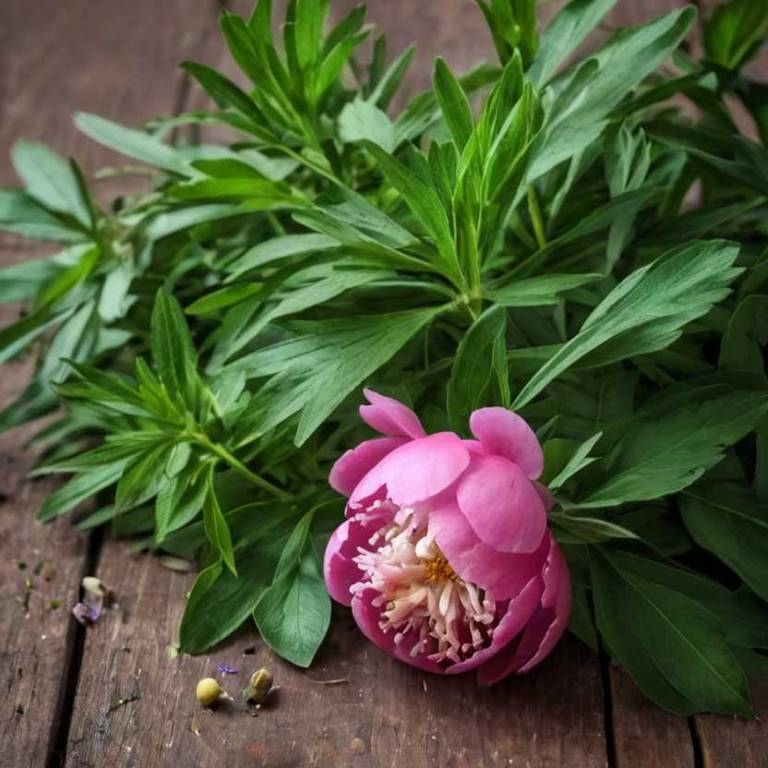
Antisclerotic activity refers to the ability of a substance to prevent or reduce the buildup of fatty deposits, such as cholesterol and plaque, within the arterial walls. Herbs such as Mangifera indica, Paeonia lactiflora, and Paeonia mascula exhibit this activity by helping to maintain clear blood vessels and improve overall cardiovascular health.

Associated herbs: 6

Occurs naturally in

Mangifera indica

Paeonia lactiflora

Paeonia mascula

View all Antisclerotic herbs →

Antisyphilitic

Antisyphilitic activity refers to the ability of a medicinal substance to inhibit the growth of or eliminate the bacteria responsible for causing syphilis. Several botanical species exhibit this property, including Brunfelsia uniflora, Smilax brasiliensis, and Zeyheria montana.

Associated herbs: 3

Occurs naturally in

Brunfelsia uniflora

Smilax brasiliensis

Zeyheria montana

View all Antisyphilitic herbs →

Antitoxic

Antitoxic activity refers to the ability of medicinal herbs to neutralize, counteract, or mitigate the harmful effects of toxins and poisons within the body. Examples of plants exhibiting this protective property include Aronia melanocarpa, Nigella sativa, and Cyperus rotundus (often associated with Polycias fruticosa).

Associated herbs: 5

Occurs naturally in

Aronia melanocarpa

Nigella sativa

Polyscias fruticosa

View all Antitoxic herbs →

Antiwrinkle

Antiwrinkle activity involves the reduction of fine lines and skin sagging by stimulating collagen production and protecting skin cells from oxidative damage. Various medicinal herbs exhibit this property, including Chamaecyparis obtusa, Sanguisorba officinalis, and Sideritis perfoliata.

Associated herbs: 3

Occurs naturally in

Chamaecyparis obtusa

Sanguisorba officinalis

Sideritis perfoliata

View all Antiwrinkle herbs →

Anxiogenic

An anxiogenic biological activity refers to the ability of a substance to induce anxiety, restlessness, or feelings of apprehension in an organism. Examples of herbs that exhibit this effect include Cannabis, Myristica fragrans (nutmeg), and Sphenocentrum jollyanum.

Associated herbs: 3

Occurs naturally in

Cannabis

Myristica fragrans

Sphenocentrum jollyanum

View all Anxiogenic herbs →

Bradycardiac

Bradycardia refers to a biological activity where a substance slows down the heart rate, potentially reducing the frequency of cardiac contractions. Certain medicinal herbs, such as Commiphora opobalsamum, Gardenia jasminoides, and Ginkgo biloba, can exhibit this effect by influencing the autonomic nervous system or cardiac conduction pathways.

Associated herbs: 4

Occurs naturally in

Commiphora gileadensis

Gardenia jasminoides

Ginkgo biloba

View all Bradycardiac herbs →

CNS-Stimulant

A CNS-stimulant is a substance that enhances neurological activity, increasing alertness, mental focus, and physical energy by accelerating brain function. Examples of medicinal herbs possessing this biological activity include Mitragyna speciosa, Semecarpus anacardium, and Swertia chirata (often associated with Swertia purpurea).

Associated herbs: 3

Occurs naturally in

Mitragyna speciosa

Semecarpus anacardium

Swertia purpurascens

View all CNS-Stimulant herbs →

Calcium-Antagonist

Calcium antagonists are substances that inhibit the influx of calcium ions into cells, primarily by blocking voltage-gated calcium channels in smooth muscle and nerve tissues. This activity helps to relax blood vessels and reduce muscle spasms, a property exhibited by medicinal herbs such as Ligusticum wallichii, Nigella sativa, and Salvia miltiorrhiza.

Associated herbs: 3

Occurs naturally in

Nigella sativa

Oreocome striata

Salvia miltiorrhiza

View all Calcium-Antagonist herbs →

Energizer

Energizing herbs function by optimizing cellular metabolism and enhancing mitochondrial function to increase overall vitality and physical stamina. Botanical examples that exhibit this biological activity include Echium, Lepidium meyenii (Maca), and Polygonatum verticillatum.

Associated herbs: 3

Occurs naturally in

Echium

Lepidium meyenii

Polygonatum verticillatum

View all Energizer herbs →

Euphoric

Euphoric biological activity refers to the stimulation of the brain's reward system, inducing feelings of intense happiness, excitement, or well-being. This effect is commonly produced by herbs such as Cannabis sativa and Mitragyna speciosa, which interact with neurotransmitter receptors to alter mood and perception.

Associated herbs: 2

Occurs naturally in

Cannabis sativa

Mitragyna speciosa

View all Euphoric herbs →

Fertility-Enhancing

Fertility-enhancing biological activity refers to the ability of certain medicinal herbs to improve reproductive health by regulating hormone levels, increasing sperm quality, or enhancing ovulation. Examples of plants exhibiting this activity include Lepidium meyenii (Maca), Mucuna pruriens, and Argyreia speciosa.

Associated herbs: 5

Occurs naturally in

Argyreia nervosa

Lepidium meyenii

Mucuna pruriens

View all Fertility-Enhancing herbs →

Fumigant

Fumigant activity refers to the ability of a medicinal herb to release volatile organic compounds into the air that act as toxic or repellent agents against pests and pathogens. Herbs such as Lantana camara, Origanum majorana, and Valeriana officinalis exhibit this biological activity through their essential oils, which can be dispersed as vapors to inhibit target organisms.

Associated herbs: 3

Occurs naturally in

Lantana camara

Origanum majorana

Valeriana officinalis

View all Fumigant herbs →

Hypotriglyceridemic

Hypotriglyceridemic activity refers to the ability of a substance to lower the levels of triglycerides, which are a type of fat found in the blood, thereby reducing the risk of cardiovascular diseases. Several medicinal herbs exhibit this effect, including Averrhoa bilimbi, Capsicum annuum, and Curcuma longa.
Associated herbs: 4

Occurs naturally in

Averrhoa bilimbi

Capsicum annuum
Curcuma longa

View all Hypotriglyceridemic herbs →

Neuroleptic

Neuroleptic herbs possess biological activity that allows them to reduce psychotic symptoms, such as agitation, mania, or hallucinations, by modulating neurotransmitter pathways in the brain. Examples of plants exhibiting these calming or antipsychotic effects include Eschscholzia californica and Sphaeranthus indicus.
Associated herbs: 3

Occurs naturally in

Erythrina crista-galli

Eschscholzia californica

Sphaeranthus africanus

View all Neuroleptic herbs →

Neurosedative

Neurosedative biological activity refers to the ability of a substance to depress the central nervous system, thereby reducing excitement, inducing calmness, and promoting sleep. Medicinal herbs such as Ballota nigra and Olax subscorpioidea exhibit this effect by modulating neurotransmitters to alleviate anxiety and facilitate rest.

Associated herbs: 2

Occurs naturally in

Ballota nigra

Olax subscorpioidea

View all Neurosedative herbs →

Preservative

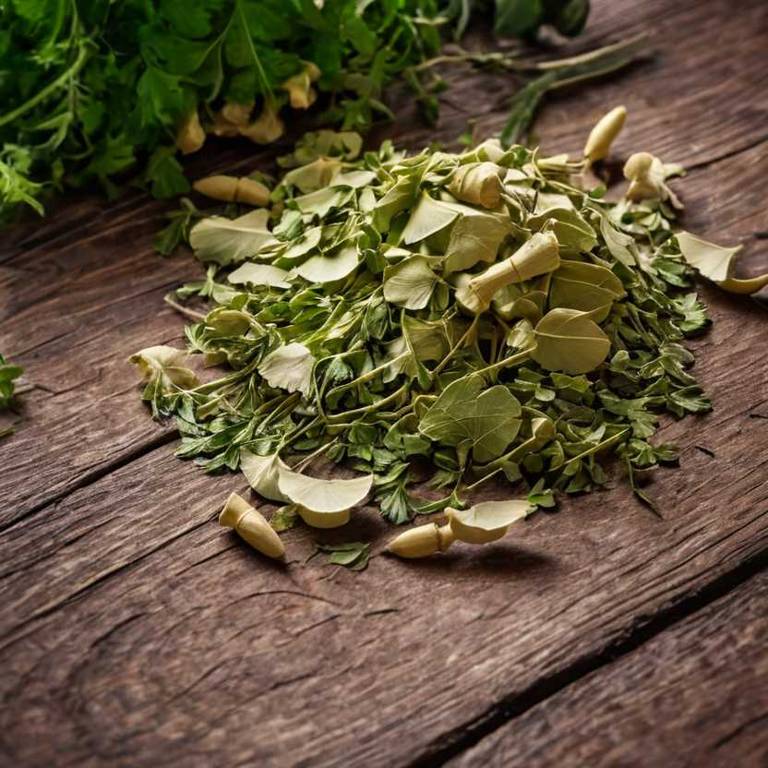
Medicinal herbs exhibit preservative activity by utilizing bioactive compounds, such as polyphenols and essential oils, to inhibit the growth of spoilage microorganisms and delay oxidative degradation. This biological function helps extend the shelf life of organic matter, a property demonstrated by herbs such as Moringa oleifera, Schinus terebinthifolius, and Thymus browneii.

Associated herbs: 3

Occurs naturally in

Moringa oleifera

Schinopsis brasiliensis

Thymus broussonetii

View all Preservative herbs →

Probiotic

Probiotic biological activity refers to the ability of certain herbal components to support or enhance the growth of beneficial microorganisms within the gastrointestinal tract. Herbs such as Camellia sinensis (green tea), Punica granatum (pomegranate), and Smallanthus sonchiifolius (chi leaf) exhibit this activity by acting as prebiotics that nourish healthy gut bacteria.

Associated herbs: 3

Occurs naturally in

Camellia sinensis

Punica granatum

Smallanthus sonchifolius

View all Probiotic herbs →

Proinflammatory

Proinflammatory biological activity refers to the ability of a substance to trigger or enhance the body's inflammatory response, often by stimulating the production of cytokines and immune mediators. Certain medicinal herbs, such as Aporocactus flagelliformis, Clerodendrum volubile, and Phytolacca americana, can exhibit these effects depending on their chemical composition and dosage.

Associated herbs: 3

Occurs naturally in

Aporocactus flagelliformis

Clerodendrum volubile

Phytolacca americana

View all Proinflammatory herbs →

Serotonergic

Serotonergic activity refers to the ability of a substance to influence the levels or activity of serotonin, a neurotransmitter that plays a critical role in regulating mood, sleep, and appetite. Various medicinal herbs, such as Actaea racemosa, Angelica sinensis, and Glycyrrhiza glabra, exhibit this activity by modulating serotonergic pathways to provide therapeutic effects like anxiety reduction or mood stabilization.

Associated herbs: 6

Occurs naturally in

Angelica sinensis

Glycyrrhiza glabra

Mitragyna speciosa

View all Serotonergic herbs →

Tumorigenic

Tumorigenic biological activity refers to the capacity of a substance to promote the formation, growth, or spread of tumors within living tissue. Certain medicinal herbs, such as Areca catechu, Camellia sinensis, and Chenopodium ambrosioides, have been studied for their potential to induce such cancerous transformations under specific conditions.

Associated herbs: 6

Occurs naturally in

Areca catechu

Camellia sinensis

Diospyros virginiana

View all Tumorigenic herbs →

Vulnerary

A vulnerary is a medicinal substance used to promote the healing of wounds, skin lacerations, and damaged tissues. Herbs such as Alstonia macrophyllia, Bituminaria bituminosa, and Pseudognaphalium affine exhibit this activity by accelerating tissue regeneration and repairing skin integrity.

Associated herbs: 3

Occurs naturally in

Alstonia macrophylla

Bituminaria bituminosa

Pseudognaphalium affine

View all Vulnerary herbs →

Acaricide

An acaricide is a biological agent or substance used to kill, repel, or control mites and ticks. Various medicinal herbs, such as Digitaria insularis and Uraria picta, exhibit this activity by targeting these specific parasitic organisms.

Associated herbs: 2

Occurs naturally in

Digitaria insularis

Uraria picta

View all Acaricide herbs →

Antacid

Antacids possess the biological activity of neutralizing excess gastric acid to alleviate symptoms of heartburn and indigestion. Herbs such as Maytenus aquifolium, Maytenus ilicifolia, and Salix alba can be utilized to help manage gastrointestinal discomfort through these soothing properties.

Associated herbs: 3

Occurs naturally in

Maytenus aquifolium

Maytenus truncata

Salix alba

View all Antacid herbs →

Anti-Itching

Anti-itching activity refers to the ability of medicinal herbs to reduce or eliminate the sensation of pruritus by soothing irritated skin and suppressing inflammatory responses. Common examples of herbs exhibiting this property include Azadirachta indica, Cassia fistula, and Coriandrum sativum.

Associated herbs: 8

Occurs naturally in

Azadirachta indica

Cassia fistula

Coriandrum sativum

View all Anti-Itching herbs →

Antiadhesive

Antiadhesive activity refers to the ability of medicinal herbs to prevent cells, bacteria, or proteins from sticking to surfaces or biological tissues. This property is often utilized to inhibit the formation of biofilms or to prevent the buildup of unwanted cellular layers. Examples of herbs exhibiting this biological activity include Agropyron repens, Orthosiphon stamineus, and Pelargonium sidoides.

Associated herbs: 4

Occurs naturally in

Elymus repens

Orthosiphon aristatus var. aristatus

Pelargonium sidoides

View all Antiadhesive herbs →

Antialcoholic

Antialcoholic activity refers to the ability of medicinal herbs to mitigate the harmful effects of alcohol consumption, such as reducing intoxication, alleviating withdrawal symptoms, or protecting the liver from alcohol-induced damage. Common examples of herbs exhibiting this biological activity include Pueraria lobata (Kudzu) and Aconitum episcopale.

Associated herbs: 2

Occurs naturally in

Aconitum episcopale

Pueraria montana var. lobata

View all Antialcoholic herbs →

Antianginal

Antianginal activity refers to the ability of a substance to relieve or prevent chest pain caused by reduced blood flow to the heart muscle. Herbs such as Salvia miltiorrhiza and Terminalia arjuna exhibit this property by improving coronary circulation and enhancing myocardial protection.

Associated herbs: 2

Occurs naturally in

Salvia miltiorrhiza

Terminalia arjuna

View all Antianginal herbs →

Antianorexic

An anorexic biological activity refers to the ability of a substance to suppress appetite and reduce the sensation of hunger in the body. Various medicinal herbs possess this quality, such as Eurycoma longifolia, which can help regulate satiety signals to aid in weight management.

Associated herbs: 2

Occurs naturally in

Ayapana triplinervis

Trigonella foenum-graecum

View all Antianorexic herbs →

Anticaries

Anticaries activity refers to the ability of certain medicinal herbs to inhibit the formation of dental plaque and prevent the decay of tooth enamel by reducing the growth of acid-producing bacteria. Common examples of plants possessing this biological activity include Piper betle and Salvadora persica, which contain bioactive compounds that help maintain oral hygiene.

Associated herbs: 2

Occurs naturally in

Piper betle

Salvadora persica

View all Anticaries herbs →

Anticariogenic

Anticarcinogenic activity refers to the ability of certain substances to inhibit the development, growth, or spread of cancer cells within the body. Many medicinal herbs, such as Glycyrrhiza glabra (licorice) and Psidium guajava (guava), exhibit these properties by protecting cells from DNA damage and promoting programmed cell death in malignant cells.

Associated herbs: 2

Occurs naturally in

Glycyrrhiza

Psidium guajava

View all Anticariogenic herbs →

Anticomplementary

Anticomplementary activity refers to the ability of a substance to inhibit the complement system, a part of the innate immune response that can cause excessive inflammation and tissue damage. Herbs such as Cryptolepis sanguinolenta and Tinospora cordifolia exhibit this activity, helping to regulate immune responses and prevent inflammatory overreaction.

Associated herbs: 2

Occurs naturally in

Cryptolepis sanguinolenta

Tinospora cordifolia

View all Anticomplementary herbs →

Antidiarrheic

Antidiarrheic activity refers to the ability of a medicinal herb to reduce the frequency and looseness of stools by slowing intestinal motility or increasing water absorption. Herbs such as Campomanesia xanthocarpa and Zygophyllum gaetulum exhibit this property, helping to restore normal bowel function during gastrointestinal distress.

Associated herbs: 2

Occurs naturally in

Campomanesia xanthocarpa

Zygophyllum gaetulum

View all Antidiarrheic herbs →

Antigout

Anti-gout activity refers to the ability of certain medicinal plants to reduce inflammation, alleviate intense joint pain, and manage high uric acid levels associated with the condition. Examples of herbs exhibiting this biological activity include Colchicum autumnale, which is used to treat acute attacks, and Juniperus procera, which acts as a diuretic to aid uric acid excretion.

Associated herbs: 2

Occurs naturally in

Colchicum autumnale

Juniperus procera

View all Antigout herbs →

Antilipolytic

Antilipolytic activity refers to the ability of a substance to inhibit the breakdown of stored fats (triglycerides) into free fatty acids and glycerol within adipose tissue. By reducing this process, these herbs can help prevent the release of fats into the bloodstream, which is a key mechanism in managing obesity and metabolic disorders. Examples of herbs with this biological activity include Momordica charantia (bitter melon) and Zingiber officinale (ginger).

Associated herbs: 2

Occurs naturally in

Momordica charantia

Zingiber officinale

View all Antilipolytic herbs →

Antilipoperoxidant

Antilipoperoxidant activity refers to the ability of a substance to inhibit the oxidation of lipids, thereby preventing the formation of harmful free radicals that damage cell membranes. This protective mechanism helps maintain cellular integrity and reduces oxidative stress in the body, a property found in medicinal herbs such as Ginkgo biloba and Symphytum asperum.

Associated herbs: 2

Occurs naturally in

Ginkgo biloba

Symphytum asperum

View all Antilipoperoxidant herbs →

Antimotility

Antimitotic activity refers to the ability of certain compounds to inhibit mitosis, the process of cell division, by interfering with the formation or function of the mitotic spindle. This biological property is highly valued in pharmacology for its potential to suppress the rapid proliferation of cancer cells, as seen in herbs such as Hypoxis hemerocallidea, Illicium verum, and Matricaria chamomilla.

Associated herbs: 3

Occurs naturally in

Hypoxis hemerocallidea

Illicium verum

Matricaria chamomilla

View all Antimotility herbs →

Antimuscarinic

Antimuscarinic activity refers to the ability of a substance to block muscarinic acetylcholine receptors, thereby inhibiting the effects of the neurotransmitter acetylcholine on the parasympathetic nervous system. This biological action can lead to physiological effects such as increased heart rate, reduced secretions, and relaxation of smooth muscles, as seen in herbs like Cynodon dactylon and Petasites formosus.

Associated herbs: 2

Occurs naturally in

Cynodon dactylon

Petasites formosanus

View all Antimuscarinic herbs →

Antinecrotic

Antinecrotic activity refers to the ability of a substance to prevent or inhibit necrosis, which is the premature death of cells and living tissue caused by injury, infection, or lack of blood supply. Herbs such as Ginkgo biloba and Piper crocatum exhibit this property by protecting cellular integrity and promoting tissue survival under stressful conditions.

Associated herbs: 2

Occurs naturally in

Ginkgo biloba

Piper crocatum

View all Antinecrotic herbs →

Antioxytocic

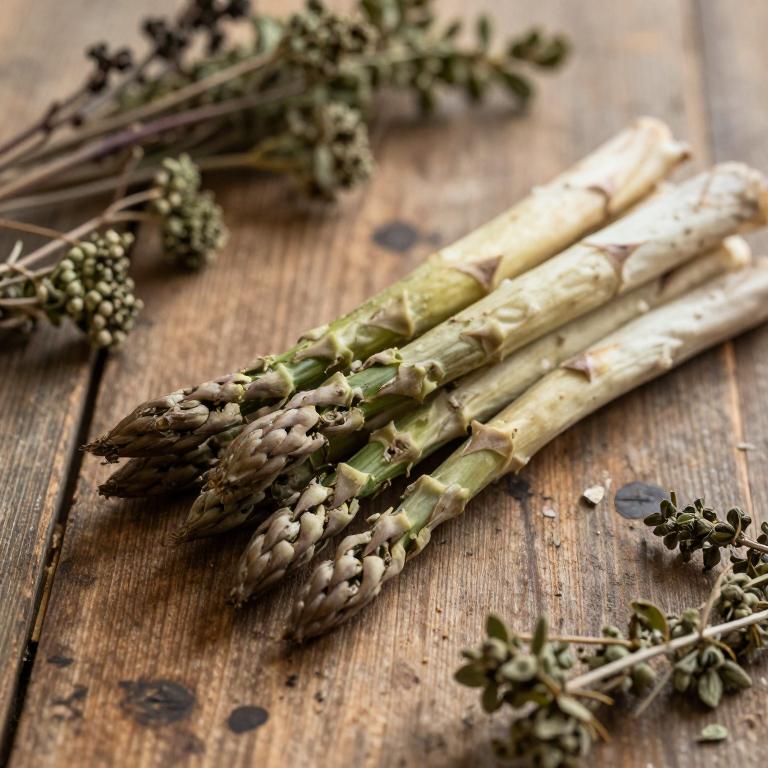
Antioxytoxic activity refers to the ability of a substance to neutralize free radicals and prevent oxidative stress, thereby protecting cells from damage caused by reactive oxygen species. Many medicinal plants, such as Asparagus and green tea, exhibit this property due to their high concentration of bioactive compounds like polyphenols and flavonoids.

Associated herbs: 1

Occurs naturally in

Asparagus

View all Antioxytocic herbs →

Antiperiodic

Antiperiodic activity refers to the ability of certain medicinal herbs to regulate or reduce the severity of menstrual irregularities and excessive bleeding. Herbs such as Berberis aristata and Thalictrum foliolosum are known to possess these properties, helping to stabilize the menstrual cycle.

Associated herbs: 2

Occurs naturally in

Berberis aristata

Thalictrum foliolosum

View all Antiperiodic herbs →

Antiproteolytic

Antiproteolytic activity refers to the ability of a substance to inhibit the enzymes, such as proteases, that break down proteins in the body. This biological action is often used to protect tissues from inflammation or digestive imbalances, as seen in medicinal herbs like Casearia sylvestris and Coccinia grandis.

Associated herbs: 2

Occurs naturally in

Casearia sylvestris

Coccinia grandis

View all Antiproteolytic herbs →

Antiretroviral

Anti-retroviral activity refers to the ability of a substance to inhibit the replication and spread of retroviruses, such as HIV, within a host organism. Various medicinal herbs exhibit this property, including Andrographis paniculata and species of Terminalia, which contain bioactive compounds that interfere with viral life cycles.

Associated herbs: 2

Occurs naturally in

Andrographis paniculata

Terminalia

View all Antiretroviral herbs →

Antiscorbutic

Antiscorbutic activity refers to the ability of a substance to prevent or treat scurvy by providing a high concentration of Vitamin C to combat deficiency. Herbs such as Chenopodium album and Lepidium sativum exhibit this biological activity due to their rich nutritional content.

Associated herbs: 2

Occurs naturally in

Chenopodium album

Lepidium sativum

View all Antiscorbutic herbs →

Antisickling

Antisickling refers to the ability of certain medicinal compounds to prevent red blood cells from deforming into a rigid, sickle shape, thereby maintaining normal blood flow and reducing vascular complications. Plants such as Pseudoobambax ellipticum and Scoparia dulcis exhibit this biological activity by helping to stabilize the hemoglobin structure within the cells.

Associated herbs: 2

Occurs naturally in

Pseudobombax ellipticum

Scoparia dulcis

View all Antisickling herbs →

Antitumor-Promoter

Antitumor-promoter activity refers to the ability of certain medicinal herbs to interfere with the biological processes that drive tumor growth and cellular proliferation. Herbs such as Millettia taiwaniana and Moringa oleifera exhibit this activity by inhibiting the signaling pathways that allow cancer cells to multiply and spread.

Associated herbs: 2

Occurs naturally in

Derris taiwaniana

Moringa oleifera

View all Antitumor-Promoter herbs →

Antiurease

Antiurease activity refers to the ability of a substance to inhibit the enzyme urease, which is responsible for breaking down urea into ammonia and carbon dioxide. By suppressing this enzyme, these compounds can help prevent the formation of kidney stones and manage urea-related metabolic imbalances. Examples of medicinal herbs exhibiting this biological activity include Ficus vasta, Hypericum perforatum, and Teucrium parviflorum.

Associated herbs: 4

Occurs naturally in

Ficus vasta

Hypericum russeggeri

Teucrium parviflorum

View all Antiurease herbs →

Calcium-Channel-Blocker

Calcium-channel blockers are compounds that inhibit the influx of calcium ions into vascular smooth muscle cells, leading to muscle relaxation and vasodilation. This biological activity helps reduce blood pressure and eases the workload on the heart, a property found in medicinal herbs such as Olea europaea (olive) and Panax notoginseng.

Associated herbs: 2

Occurs naturally in

Olea europaea

Panax notoginseng

View all Calcium-Channel-Blocker herbs →

Cardiodepressant

Cardiodepressant activity refers to the ability of a substance to decrease the force of heart muscle contractions or reduce the heart rate. Herbs such as Andropogon muricatus, Ribes nigrum, and Sideritis raeseri exhibit this biological property, which can help in regulating cardiac rhythms.

Associated herbs: 3

Occurs naturally in

Chrysopogon zizanioides

Ribes nigrum

Sideritis raeseri

View all Cardiodepressant herbs →