Explore herbs biological activities

  • 11249 Plants
  • |
  • 30137 Compounds
  • |
  • 1951 Activities
  • |
  • 132161 Studies

Explore Herbs


Alphabet


Biological Activity

View all →

Bioactive Compounds

View all →

List of herbs biological activities

Showing 1825-1872 out of 1951 results

Schizophrenigenic

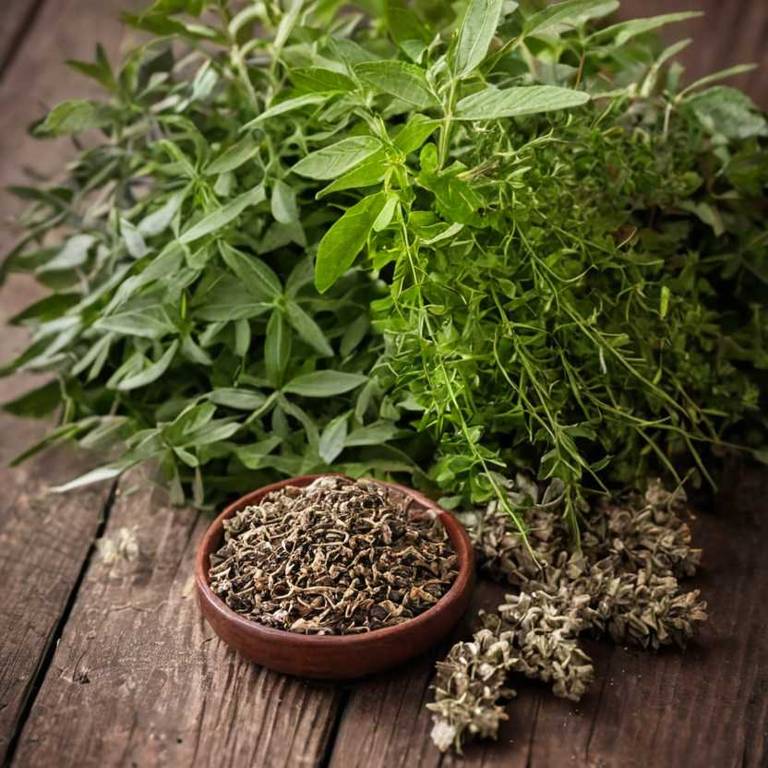
Schizophrenigenic biological activity refers to the capacity of certain substances to induce symptoms or physiological states resembling schizophrenia, such as cognitive dysfunction or altered perception. Some medicinal herbs, including Pimpinella aromatica, Rhus glabra, and Thymus vulgaris, have been studied for their potential to trigger these complex neurological changes under specific conditions.

Associated herbs: 320

Occurs naturally in
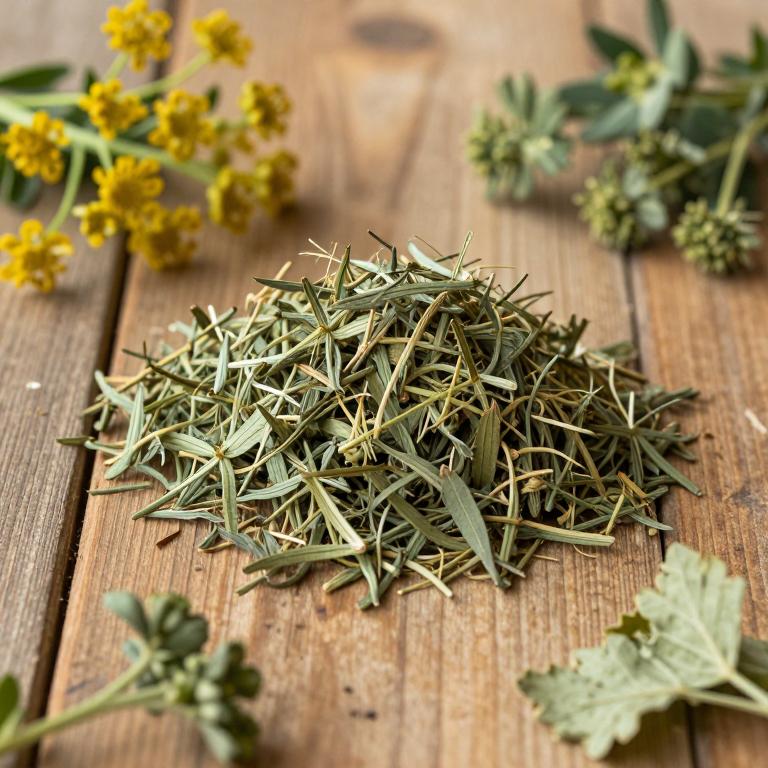
Pimpinella aromatica
Rhus glabra
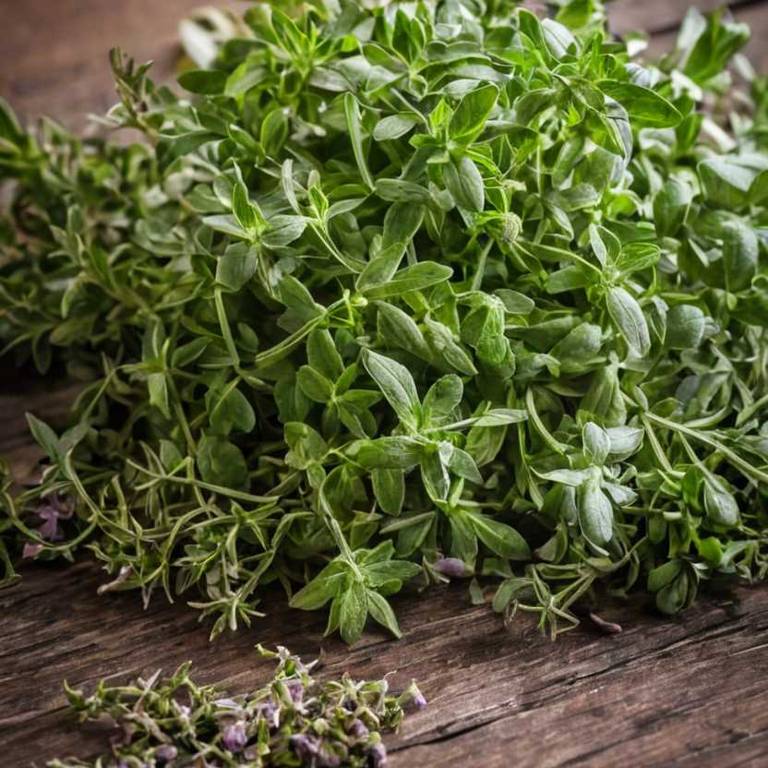
Thymus vulgaris

View all Schizophrenigenic herbs →

Sclerosant

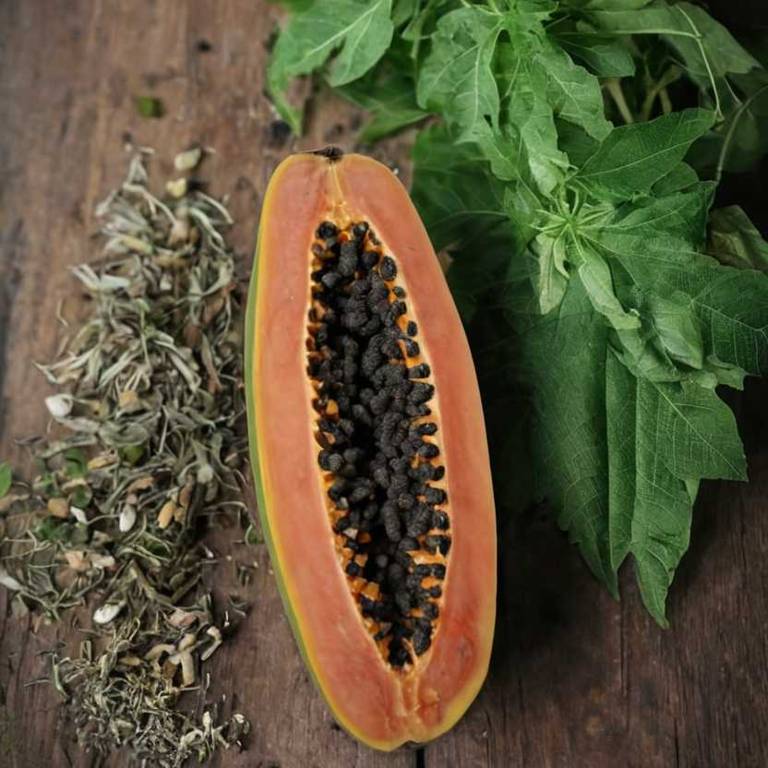
Sclerotant activity refers to the ability of certain medicinal herbs to induce the formation of sclerotia, which are hard, resting bodies used by fungi to survive adverse environmental conditions. Herbs such as Annona muricata, Prunus persica, and Carica papaya are studied for their ability to influence these biological processes through their bioactive compounds.

Associated herbs: 42

Occurs naturally in

Annona muricata

Prunus persica

Carica papaya

View all Sclerosant herbs →

Scolicide

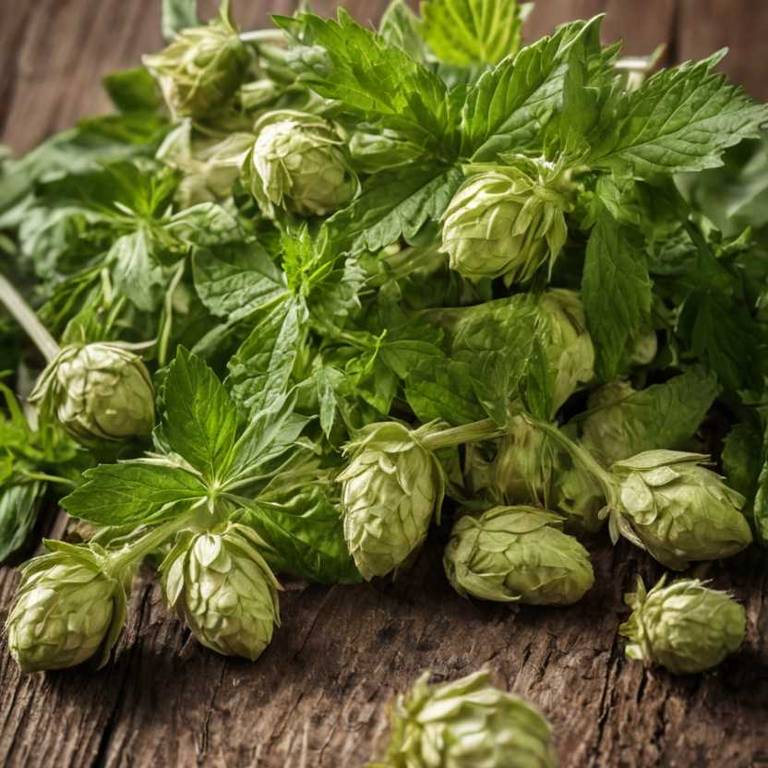
A scolicide is a biological agent used to kill intestinal parasites, such as tapeworms, within a host's digestive tract. Medicinal herbs like Humulus lupulus (hops), Apium graveolens (celery), and Monarda fistulosa (wild bergamot) exhibit this activity by disrupting the parasite's physiological functions.

Associated herbs: 11

Occurs naturally in

Humulus lupulus

Apium graveolens

Monarda fistulosa

View all Scolicide herbs →

Seasoning

Seasoning refers to the biological activity where medicinal herbs are used to enhance the flavor, aroma, and palatability of food while potentially contributing minor therapeutic benefits. Common examples of herbs that provide this sensory and functional quality include Spinacia oleracea (spinach) and various culinary spices like basil or thyme.

Associated herbs: 1

Occurs naturally in

Spinacia oleracea

View all Seasoning herbs →

Secretogogue

A secretagogue is a biological agent that stimulates the secretion of specific substances, such as digestive juices, hormones, or saliva, from glandular tissues. Certain medicinal herbs, including Elsholtzia ciliata, Pimpinella aromatica, and Elsholtzia pilosa, exhibit this activity to promote bodily functions like digestion or metabolic regulation.

Associated herbs: 365

Occurs naturally in

Elsholtzia ciliata

Pimpinella aromatica

Elsholtzia pilosa

View all Secretogogue herbs →

Secretomotor

Secretomotor activity refers to the stimulation of nerve impulses that trigger the secretion of fluids, such as saliva, gastric juices, or mucus, from glandular tissues. Herbs like Crataegus monogyna, Medicago sativa, and Urtica spicata can exhibit these effects by influencing the autonomic nervous system to regulate glandular output.

Associated herbs: 22

Occurs naturally in

Crataegus monogyna

Medicago sativa

Urtica spatulata

View all Secretomotor herbs →

Sequestrant

A sequestrant is a substance that acts by binding to and isolating specific ions, toxins, or metabolic byproducts, preventing them from being absorbed or causing harm to the body. Herbs such as Rhus glabra, Chaenomelos japonica, and Foeniculum vulgare exhibit this activity by trapping undesirable substances to facilitate their safe elimination.

Associated herbs: 68

Occurs naturally in

Rhus glabra

Chaenomeles japonica

Foeniculum vulgare

View all Sequestrant herbs →

Serotonin-Inhibitor

Serotonin inhibitors act by regulating the levels of serotonin in the brain, helping to stabilize mood and alleviate symptoms of anxiety or depression. Various medicinal herbs exhibit this biological activity, including species such as Thymus vulgaris, Prunus persica, and Prunus cerasus.

Associated herbs: 22

Occurs naturally in

Thymus vulgaris

Prunus persica

Prunus cerasus

View all Serotonin-Inhibitor herbs →

Serotoninergic

Serotoninergic biological activity refers to the ability of certain plant compounds to influence the levels or activity of serotonin, a key neurotransmitter that regulates mood, sleep, and appetite. Herbs such as Pimpinella aromatica, Erythrina fusca, and Thymus vulgaris exhibit this activity, potentially offering therapeutic benefits for neurological and emotional health.

Associated herbs: 395

Occurs naturally in

Pimpinella aromatica

Erythrina fusca

Thymus vulgaris

View all Serotoninergic herbs →

Serotoninolytic

Serotoninolytic activity refers to the biological process of reducing the levels or effects of serotonin within the central nervous system, often by inhibiting its synthesis or modulating its receptor activity. Herbs such as Rauvolfia serpentina, Rauvolfia tetraphylla, and Rauvolfia vomitoria exhibit this activity, which can contribute to their traditional use in treating hypertension and calming anxiety.

Associated herbs: 5

Occurs naturally in

Rauvolfia serpentina

Rauvolfia tetraphylla

Rauvolfia vomitoria

View all Serotoninolytic herbs →

Sialidase-Inhibitor

Sialidase inhibitors act by blocking the enzymes responsible for cleaving sialic acid from the surface of cells or pathogens, which can prevent viral entry and modulate immune responses. Medicinal herbs such as Scutellaria baicalensis, Scutellaria galericulata, and Scutellaria discolor contain bioactive compounds that exhibit this inhibitory activity.

Associated herbs: 4

Occurs naturally in

Scutellaria baicalensis

Scutellaria galericulata

Scutellaria discolor

View all Sialidase-Inhibitor herbs →

Sialogogue

A sialogogue is a substance that stimulates the secretion of saliva from the salivary glands, often used to alleviate dry mouth and improve digestion. Common medicinal herbs exhibiting this biological activity include Pimpinella aromatica, Annona muricata, and Lepidium meyenii.

Associated herbs: 188

Occurs naturally in

Pimpinella aromatica

Annona muricata

Lepidium meyenii

View all Sialogogue herbs →

Soap

Some medicinal herbs possess saponin content, which acts as a natural surfactant that can create a soapy lather when agitated in water. This biological activity is observed in plants such as Pimpinella aromatica, Thymus vulgaris, and Allium ampelloprasum.

Associated herbs: 333

Occurs naturally in

Pimpinella aromatica

Thymus vulgaris

Allium ampeloprasum

View all Soap herbs →

Sodium-Blocker

Sodium blockers act by inhibiting the movement of sodium ions across cell membranes, which helps regulate electrical impulses and reduce cellular swelling. Medicinal herbs such as Salvia miltiorrhiza exhibit this activity, potentially aiding in the management of cardiovascular conditions by stabilizing heart rhythm and blood pressure.

Associated herbs: 1

Occurs naturally in

Salvia miltiorrhiza

View all Sodium-Blocker herbs →

Sodium-Sparing

Sodium-sparing biological activity refers to the ability of certain plant compounds to promote the excretion of water and sodium from the body, effectively acting as a natural diuretic to reduce fluid retention. While many herbs possess diuretic properties, specific botanical extracts like those found in Thymus vulgaris, Sambucus nigra, and Prunus persica can influence electrolyte balance to help manage edema and blood pressure.

Associated herbs: 95

Occurs naturally in

Thymus vulgaris

Sambucus nigra

Prunus persica

View all Sodium-Sparing herbs →

Sortase-A-Inhibitor

Sortase-A inhibitors act by blocking the enzyme sortase A, which prevents bacteria from modifying their cell walls and effectively disrupting their ability to adhere to host cells or form biofilms. Medicinal herbs such as Helicrania speciosa, Zingiber officinale, and Curcuma longa exhibit this biological activity, offering potential therapeutic pathways for combating bacterial infections.

Associated herbs: 4

Occurs naturally in

Hellenia speciosa

Zingiber officinale

Curcuma longa

View all Sortase-A-Inhibitor herbs →

Spermicide

Spermicide refers to a biological activity where a substance acts to kill or immobilize spermatozoa, thereby preventing fertilization. Certain medicinal herbs, such as Microcemeria varia, exhibit this property and are often studied for their potential applications in natural contraceptive methods.

Associated herbs: 558

Occurs naturally in

Micromeria ericifolia

Pimpinella aromatica

Sarracenia flava

View all Spermicide herbs →

Spermigenic

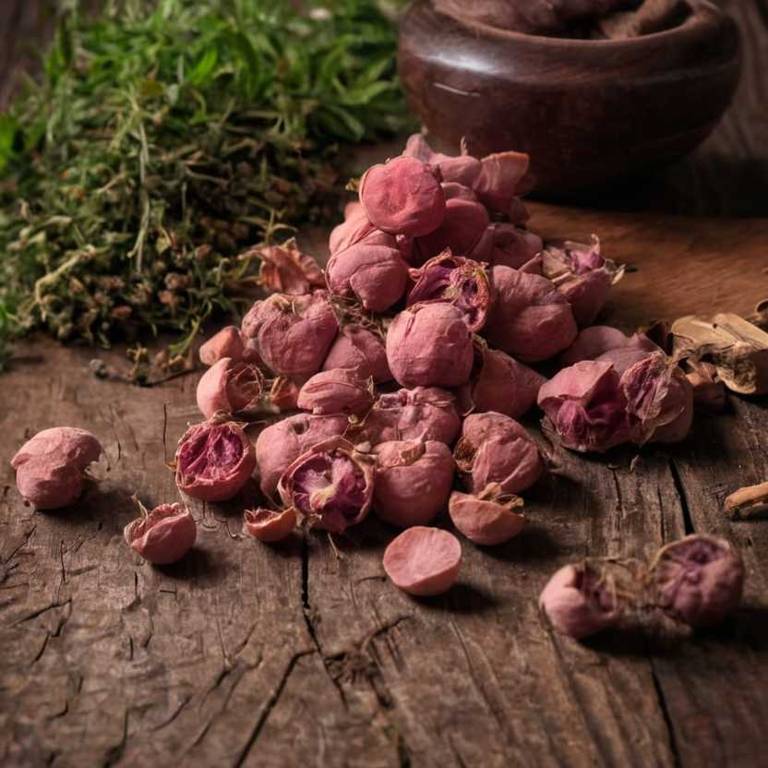
Spermiogenic biological activity refers to the ability of a substance to stimulate or enhance the process of spermatogenesis, which is the production and development of mature spermatozoa. Herbs such as Pimpinella aromatica, Rhus glabra, and Thymus vulgaris exhibit this activity by supporting the physiological mechanisms required for healthy sperm formation.

Associated herbs: 412

Occurs naturally in

Pimpinella aromatica

Rhus glabra

Thymus vulgaris
View all Spermigenic herbs →

Spermistat

Spermistat refers to a biological activity that inhibits the motility or physiological functions of sperm cells. Herbs such as Frangula alnus and Reynoutria japonica have been identified as possessing this property.

Associated herbs: 2

Occurs naturally in

Frangula alnus

Reynoutria japonica

View all Spermistat herbs →

Spice

Spices possess biological activities characterized by their ability to stimulate digestive enzymes and provide potent antioxidant or antimicrobial properties through high concentrations of volatile oils and pungent compounds. Examples of herbs exhibiting these activities include Armoracia rusticana (horseradish), Eruca sativa (arugula), and Eutrema japonicum (Japanese horseradish).

Associated herbs: 7

Occurs naturally in

Armoracia rusticana

Eruca sativa

Eutrema japonicum

View all Spice herbs →

Spinal-Stimulant

Spinal stimulants are substances that act on the central nervous system to increase the excitability and responsiveness of the spinal cord, often enhancing motor reflexes and nerve impulse transmission. Examples of herbs exhibiting this biological activity include Physostigma venenosum and Catha edulis.

Associated herbs: 2

Occurs naturally in

Physostigma venenosum

Catha edulis

View all Spinal-Stimulant herbs →

Spinoconvulsant

Spinoconvulsant refers to a biological activity characterized by the induction of convulsive seizures or intense muscular contractions in a living organism. This effect is typically observed when specific alkaloids or bioactive compounds found in herbs, such as those in Humulus lupulus, Apium graveolens, and Anabasis aphylla, are administered in certain concentrations.

Associated herbs: 10

Occurs naturally in

Humulus lupulus

Apium graveolens

Anabasis aphylla

View all Spinoconvulsant herbs →

Spinodepressant

A spinodepressant is a substance that reduces or suppresses pain sensations by acting directly on the spinal cord to interrupt pain signaling. Herbs such as Peganum harmala, Banisteriopsis caapi, and Papaver bracteatum exhibit this biological activity by modulating neural pathways to alleviate discomfort.

Associated herbs: 7

Occurs naturally in

Peganum harmala

Banisteriopsis caapi

Papaver bracteatum

View all Spinodepressant herbs →

Sprout-Inhibitor

Sprout inhibitors are bioactive compounds found in medicinal herbs that prevent the germination and growth of seeds or fungal spores by interfering with their metabolic processes. Examples of plants exhibiting this biological activity include Pimpinella aromatica, Elsholtzia pilosa, and Thymus vulgaris.

Associated herbs: 120

Occurs naturally in

Pimpinella aromatica

Elsholtzia pilosa

Thymus vulgaris

View all Sprout-Inhibitor herbs →

Squalene-Monooxygenase-Inhibitor

Squalene monooxygenase inhibitors work by blocking the enzyme responsible for converting squalene into lanosterol, which effectively disrupts the cholesterol biosynthesis pathway in cells. This biological activity is commonly found in certain medicinal plants, such as Allium ampeloasprum (wild leek) and Allium cepa (onion), which may help regulate lipid levels.

Associated herbs: 2

Occurs naturally in

Allium ampeloprasum

Allium cepa

View all Squalene-Monooxygenase-Inhibitor herbs →

Succinate-Dehydrogenase-Inhibitor

Succinate dehydrogenase inhibitors act by binding to the enzyme within the mitochondrial respiratory chain, effectively disrupting the citric acid cycle and cellular energy production. This mechanism can inhibit the proliferation of pathogens or cancer cells, as seen in medicinal herbs such as Allium cepa (onion).

Associated herbs: 1

Succinic-Dehydrogenase-Inhibitor

Succinic dehydrogenase inhibitors act by interfering with the citric acid cycle, specifically by blocking the enzyme responsible for converting succinate to fumarate within the mitochondria. This action disrupts cellular respiration and energy production, a mechanism observed in medicinal herbs such as Juglans nigra, Urtica dioica (often associated with Urtica species), and Juglans regia.

Associated herbs: 10

Occurs naturally in

Juglans nigra

Urtica spatulata

Juglans regia

View all Succinic-Dehydrogenase-Inhibitor herbs →

Succinoxidase-Inhibitor

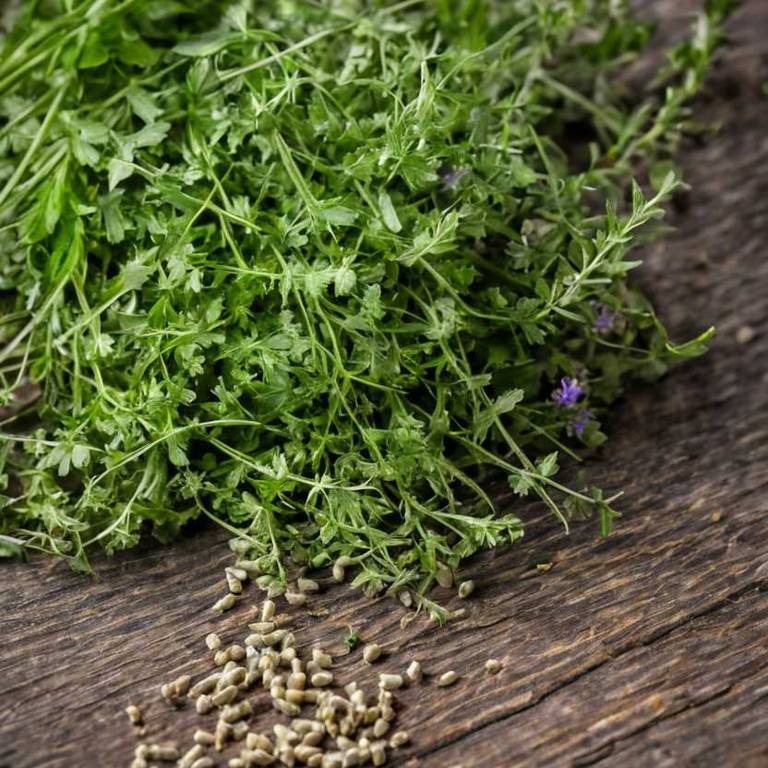
Succinoxidase inhibitors act by slowing down the enzymatic breakdown of succinate, which helps regulate cellular energy production and reduces oxidative stress within the body. Herbs such as Pimpinella aromatica, Thymus vulgaris, and Lonicera macrantha exhibit this biological activity, contributing to their overall therapeutic effects.

Associated herbs: 83

Occurs naturally in

Pimpinella aromatica

Thymus vulgaris
Lonicera macrantha

View all Succinoxidase-Inhibitor herbs →

Sucrase-Promoter

Sucrase-promoters are medicinal herbs that enhance the activity of the sucrase enzyme, which is responsible for breaking down sucrose into glucose and fructose during digestion. By stimulating this enzymatic process, these herbs can help improve carbohydrate metabolism and support efficient energy absorption. Examples of plants exhibiting this biological activity include Helicriso speciosa, Zingiber officinale, and Curcuma longa.

Associated herbs: 4

Occurs naturally in

Hellenia speciosa

Zingiber officinale

Curcuma longa

View all Sucrase-Promoter herbs →

Suppository

A suppository is a solid dosage form designed to be inserted into body orifices, such as the rectum, vagina, or urethra, where it melts or dissolves to release medicinal agents. This method allows for localized treatment or systemic absorption, bypassing the digestive tract to enhance the efficacy of herbs like Allium ampeloprasum, Annona muricata, and Solanum nigrum.

Associated herbs: 272

Occurs naturally in

Allium ampeloprasum

Annona muricata

Solanum nigrum

View all Suppository herbs →

Suppurative

Suppurative biological activity refers to the ability of a substance to promote the formation of pus, which helps in the drainage of infection and the cleansing of necrotic tissue from a wound. Herbs exhibiting this property, such as Vitexlia paradoxa, Oryza sativa, and Triticum aestivum, are often used in traditional medicine to facilitate the healing of abscesses and localized inflammations.

Associated herbs: 30

Occurs naturally in

Vitellaria paradoxa

Oryza sativa

Triticum aestivum

View all Suppurative herbs →

Surfactant

Surfactants in medicinal herbs are compounds that reduce surface tension, allowing for better emulsification and improved absorption of active constituents within biological systems. Species such as Elsholtzia ciliata, Elsholtzia pilosa, and Eucalyptus siderophloia exhibit this activity, which can aid in the solubilization of lipids and the delivery of therapeutic agents.

Associated herbs: 246

Occurs naturally in

Elsholtzia ciliata

Elsholtzia pilosa

Eucalyptus siderophloia

View all Surfactant herbs →

Sympathicomimetic

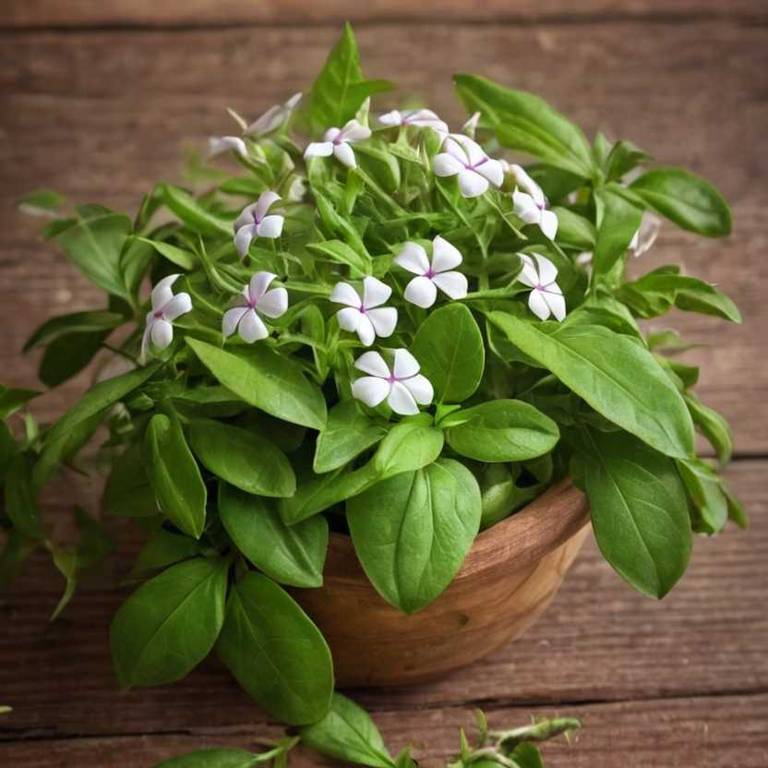
Sympathomimetic activity refers to the ability of a substance to mimic or enhance the effects of the sympathetic nervous system, typically by stimulating adrenergic receptors to increase heart rate and blood pressure. Certain medicinal herbs, such as Catharanthus roseus and Angostura trifolia, contain alkaloids that exert these physiological effects.

Associated herbs: 2

Occurs naturally in

Catharanthus roseus

Angostura trifoliata

View all Sympathicomimetic herbs →

Sympatholytic

Sympatholytic activity refers to the ability of a substance to inhibit or reduce the activity of the sympathetic nervous system, thereby lowering physiological responses like increased heart rate and blood pressure. Herbs such as Rauvolfia serpentina, Glaucium flavum, and Strychnos nux-vomica exhibit this property by interfering with the release or action of neurotransmitters like adrenaline.

Associated herbs: 19

Occurs naturally in

Rauvolfia serpentina

Glaucium flavum

Strychnos nux-vomica

View all Sympatholytic herbs →

Synergist

A synergist is a substance that enhances the biological effect or efficacy of another active compound when they are used in combination. For example, herbs such as Foeniculum vulgare, Apium graveolens, and Sassafras albidum can act as synergists to boost the potency of primary medicinal agents within a formulation.

Associated herbs: 9

Occurs naturally in

Foeniculum vulgare

Apium graveolens

Sassafras albidum

View all Synergist herbs →

Systolic-Depressant

A systolic-depressant biological activity refers to the ability of a substance to reduce the pressure exerted by the heart against the arterial walls during a contraction. Herbs such as Medicago sativa, Achillea millefolium, and Betonica betoniciflora exhibit this effect, helping to lower high blood pressure levels.

Associated herbs: 8

Occurs naturally in

Medicago sativa

Achillea millefolium

Betonica betoniciflora

View all Systolic-Depressant herbs →

T-Cell-Stimulant

A T-cell stimulant functions by enhancing the proliferation and activity of T-lymphocytes, which are critical white blood cells responsible for orchestrating the body's adaptive immune response. By increasing the count and efficiency of these cells, certain medicinal herbs help the immune system more effectively identify and destroy pathogens. Examples of herbs that exhibit this biological activity include Iris domestica, Gentiana lutea, and Anemarrhena asphodeloides.

Associated herbs: 6

Occurs naturally in

Iris domestica

Gentiana lutea

Anemarrhena asphodeloides

View all T-Cell-Stimulant herbs →

TNF-Inhibitor

A TNF-inhibitor is a medicinal substance that reduces the levels or activity of Tumor Necrosis Factor, a key signaling protein that triggers systemic inflammation in the body. By suppressing this cytokine, these herbs help mitigate chronic inflammatory conditions and autoimmune responses. Examples of plants exhibiting this biological activity include Helena speciosa, Zingiber officinale, and Curcuma longa.

Associated herbs: 4

Occurs naturally in

Hellenia speciosa

Zingiber officinale

Curcuma longa

View all TNF-Inhibitor herbs →

TOPO-2-Inhibitor

Topoisomerase II (topo-2) inhibitors work by interfering with the enzyme responsible for managing DNA tangling and supercoiling, thereby preventing effective DNA replication and inducing cell death. Certain medicinal plants, such as Sarracenia flava, Thymus vulgaris, and Vitellaria paradoxa, contain bioactive compounds that exhibit this inhibitory activity, making them subjects of interest in cancer research.

Associated herbs: 161

Occurs naturally in

Sarracenia flava

Thymus vulgaris
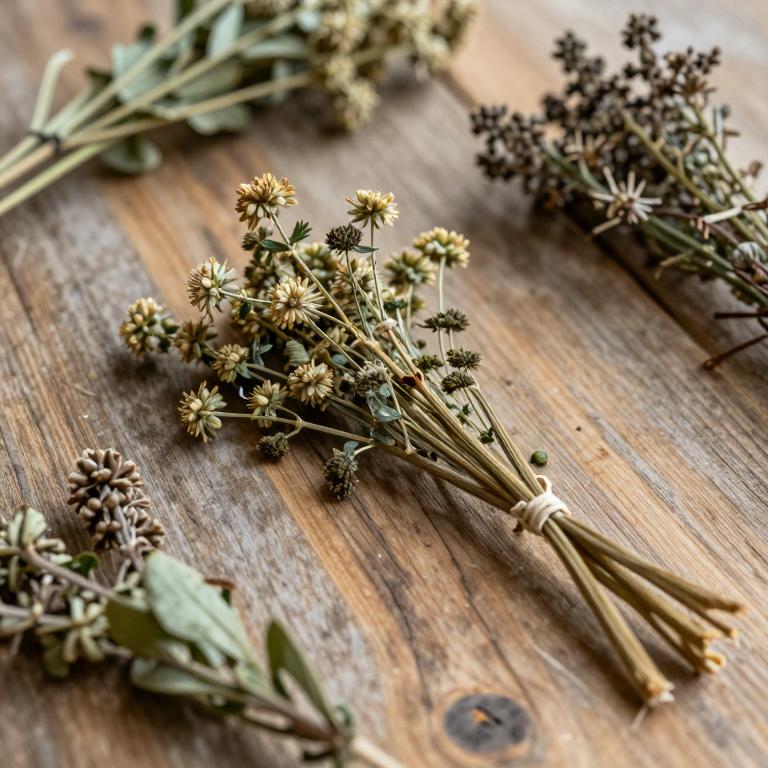
Vitellaria paradoxa

View all TOPO-2-Inhibitor herbs →

Tachycardiagenic

Tachycardicagenic activity refers to the ability of a substance to increase the heart rate by stimulating the cardiac muscle. Herbs exhibiting this biological activity, such as Peumus boldus, Lupinus mutabilis, and Dermatophyllum secundiflorum, can trigger a faster rhythmic contraction of the heart.

Associated herbs: 8

Occurs naturally in

Peumus boldus

Lupinus mutabilis

Dermatophyllum secundiflorum

View all Tachycardiagenic herbs →

Tachycardic

Tachycardic activity refers to a biological effect that increases the heart rate by stimulating the sinoatrial node. Certain medicinal herbs, such as Pimpinella aromatica, Solanum nigrum, and Foeniculum vulgare, exhibit this property due to the presence of specific bioactive compounds.

Associated herbs: 90

Occurs naturally in

Pimpinella aromatica

Solanum nigrum

Foeniculum vulgare

View all Tachycardic herbs →

Taenifuge

It appears there may be a typographical error in the term "Taenifuge," as it does not correspond to a recognized biological activity in pharmacological literature. If you intended to refer to a specific property such as antifungal, antifebrifuge, or a specific chemical class, please clarify the spelling. However, based on the specific botanical examples provided (Aglaias leptantha, Pteridium aquilinum, and Magnolia biondii), these plants are often studied for their cytotoxic or chemopreventive activities due to their complex secondary metabolites. Here is a template of how those two sentences would be structured once the term is corrected: "[Corrected Term] refers to the biological ability of certain plant compounds to [insert specific mechanism, such as inhibiting cell growth or neutralizing pathogens]. Herbs such as Aglaias leptantha, Pteridium aquilinum, and Magnolia biondii exhibit this activity through their unique concentrations of bioactive metabolites."

Associated herbs: 4

Occurs naturally in

Aglaia leptantha

Pteridium aquilinum

Magnolia biondii

View all Taenifuge herbs →

Teratologic

Teratogenic biological activity refers to the ability of certain substances to cause structural or functional defects in a developing embryo or fetus during pregnancy. Herbs such as Pimpinella aromatica, Thymus vulgaris, and Magnolia denudata may possess bioactive compounds that, if consumed in excessive amounts, could potentially interfere with normal prenatal development.

Associated herbs: 285

Occurs naturally in

Pimpinella aromatica

Thymus vulgaris
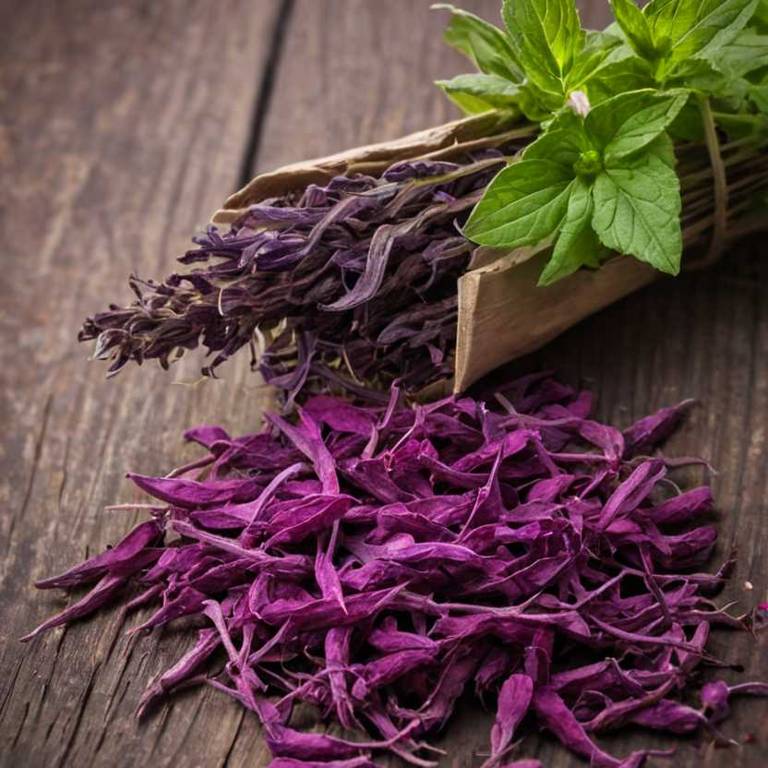
Magnolia denudata

View all Teratologic herbs →

Termiticide

Termiticide refers to the biological ability of certain substances to kill or repel termites, making them effective agents for protecting wooden structures from pest damage. Many medicinal herbs, such as Microeria varia, exhibit this activity due to the presence of bioactive secondary metabolites that disrupt the physiological processes of these insects.
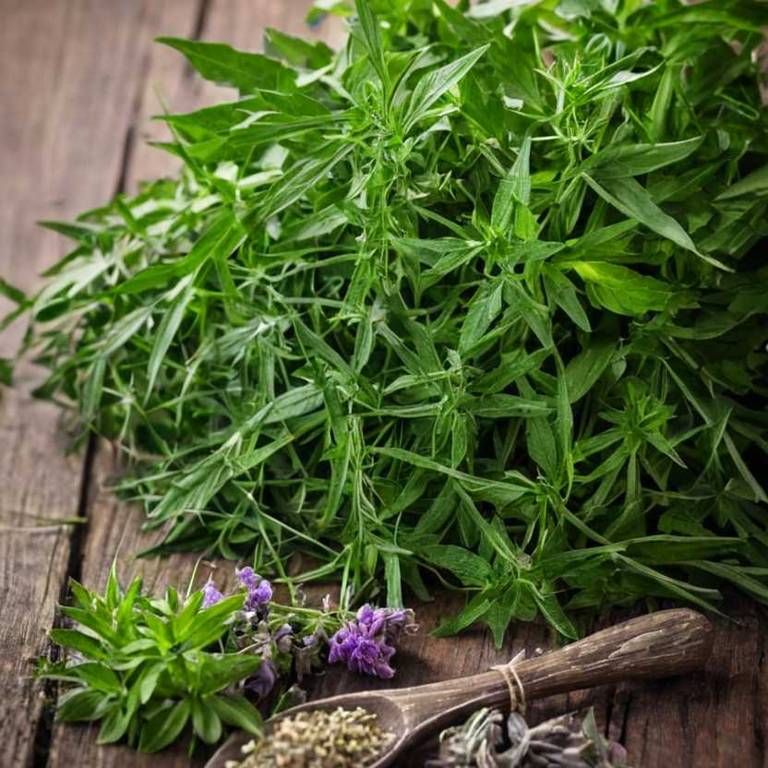
Associated herbs: 344

Occurs naturally in

Micromeria ericifolia

Pimpinella aromatica

Eucalyptus siderophloia

View all Termiticide herbs →

Termitifuge

A termitifuge is a substance or herb that possesses the biological activity of repelling, deterring, or killing termites to protect organic materials. Examples of plants that exhibit this protective property include Elsholtzia ciliata, Pimpinella aromatica, and Sarracenia flava.

Associated herbs: 247

Occurs naturally in

Elsholtzia ciliata

Pimpinella aromatica

Sarracenia flava

View all Termitifuge herbs →

Testosterogenic

Testosterogenic activity refers to the ability of a substance to stimulate the production or secretion of testosterone within the body. Certain medicinal herbs, such as Populus balsamifera, Daucus carota, and Eriodictyon californicum, are studied for their potential to exert this hormonal effect.

Associated herbs: 10

Occurs naturally in

Populus balsamifera

Daucus carota

Eriodictyon californicum

View all Testosterogenic herbs →

Testosterone-5-Alpha-Reductase-Inhibitor

Testosterone-5-alpha-reductase inhibitors function by blocking the enzyme responsible for converting testosterone into dihydrotestosterone (DHT), a potent androgen often linked to hair loss and prostate enlargement. Various medicinal herbs, such as Anemarrhena asphodeloides, exhibit this biological activity, offering a natural approach to regulating hormonal balance.

Associated herbs: 1

Occurs naturally in

Anemarrhena asphodeloides

View all Testosterone-5-Alpha-Reductase-Inhibitor herbs →

Testosterone-Hydroxylase-Inducer

A testosterone hydroxylase inducer is a substance that stimulates the activity of enzymes responsible for the metabolic transformation of testosterone into other steroid derivatives. This biological activity can play a crucial role in regulating hormonal balance and steroid signaling within the body. Examples of herbs exhibiting this activity include Elsholtzia ciliata, Elsholtzia pilosa, and Eucalyptus siderophloia.

Associated herbs: 219

Occurs naturally in

Elsholtzia ciliata

Elsholtzia pilosa

Eucalyptus siderophloia

View all Testosterone-Hydroxylase-Inducer herbs →