Explore herbs biological activities

  • 11249 Plants
  • |
  • 30137 Compounds
  • |
  • 1951 Activities
  • |
  • 132161 Studies

Explore Herbs


Alphabet


Biological Activity

View all →

Bioactive Compounds

View all →

List of herbs biological activities

Showing 1873-1920 out of 1951 results

Testosterone-Inducer

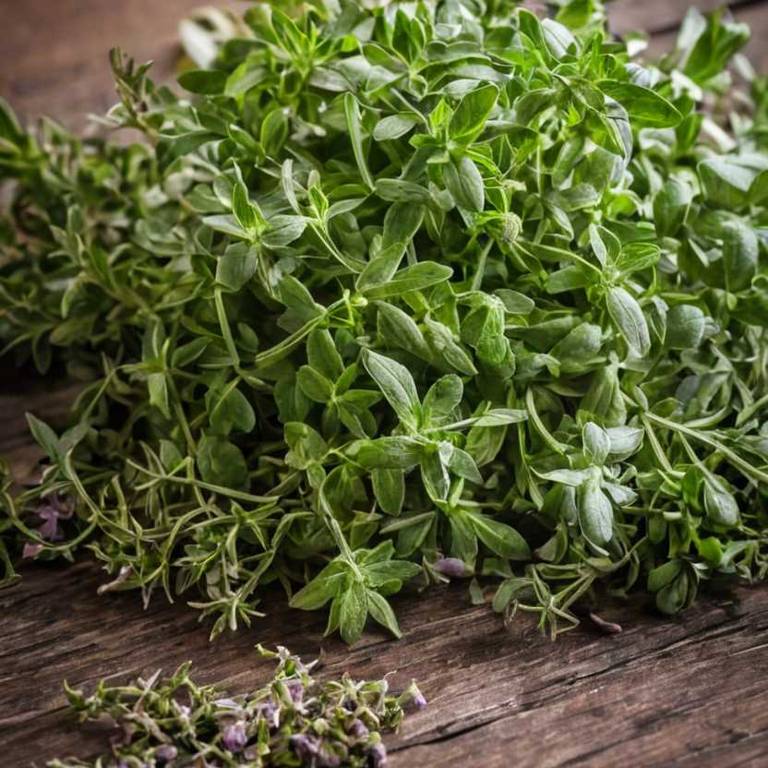
A testosterone-inducer is a medicinal herb that stimulates the body's natural production of testosterone, helping to enhance male reproductive health and anabolic functions. Examples of plants exhibiting this biological activity include Micromeria varia and other phytoandrogens.

Associated herbs: 137

Occurs naturally in
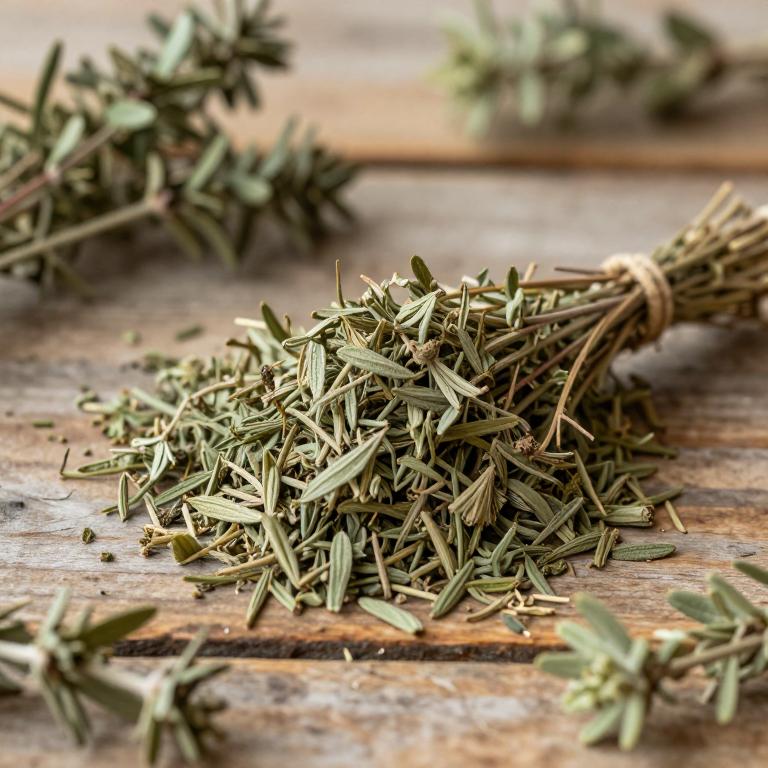
Micromeria ericifolia
Thymus vulgaris

Magnolia denudata
View all Testosterone-Inducer herbs →

Testosteronigenic

Testosteronigenic activity refers to the ability of certain medicinal herbs to stimulate the production or increase the levels of testosterone within the body. Examples of plants exhibiting this biological activity include Pimpinella aromatica, Rhus glabra, and Thymus vulgaris.

Associated herbs: 374

Occurs naturally in

Pimpinella aromatica

Rhus glabra

Thymus vulgaris

View all Testosteronigenic herbs →

Tetanic

Tetanic biological activity refers to the ability of a substance to induce continuous, involuntary muscular contractions or spasms through intense stimulation of the nervous system. This effect can be observed in certain medicinal herbs, such as Erythrina fusca, Glaucium flavum, and Abrus precatorius, which contain bioactive compounds capable of triggering such muscular rigidity.

Associated herbs: 14

Occurs naturally in

Erythrina fusca

Glaucium flavum

Abrus precatorius

View all Tetanic herbs →

Thrombogenic

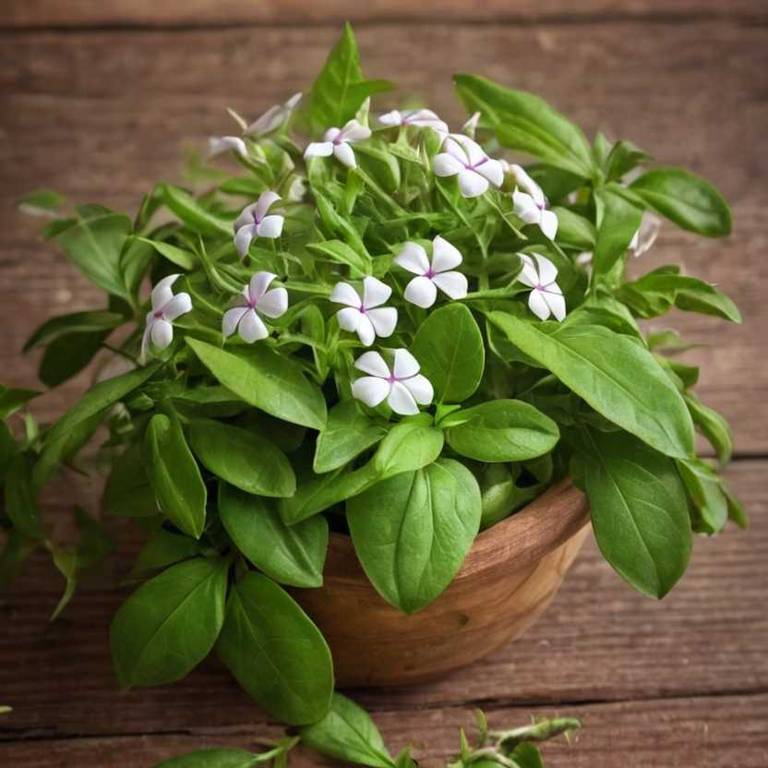
Thrombogenic activity refers to the ability of a substance to induce the formation of a blood clot, or thrombus, within a blood vessel. Certain medicinal herbs, such as Catharanthus roseus, may exhibit this biological activity through specific alkaloids that influence the body's coagulation pathways.

Associated herbs: 1

Occurs naturally in

Catharanthus roseus

View all Thrombogenic herbs →

Thymolytic

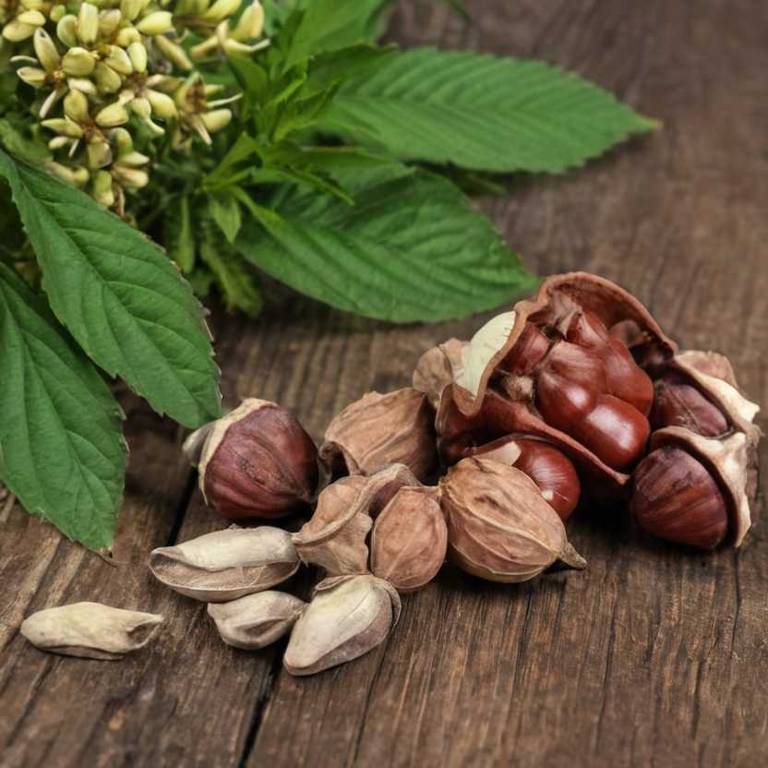
Thymolytic activity refers to the ability of a substance to promote or stimulate the normal functions of the thymus gland, which is essential for immune system development and T-cell maturation. Medicinal herbs such as Panax quinquefolius (American Ginseng) and Aesculus hippocastanum (Horse Chestnut) are often studied for their potential to enhance these immunological processes.

Associated herbs: 2

Occurs naturally in

Panax quinquefolius

Aesculus hippocastanum

View all Thymolytic herbs →

Thymoprotective

Thymoprotective activity refers to the ability of a substance to protect, support, or enhance the function of the thymus gland, which is critical for the development and maturation of T-lymphocytes. Medicinal herbs such as Erythrina fusca, Thymus vulgaris, and Allium ampellascum exhibit this biological activity, helping to maintain a robust immune system through the preservation of thymic health.

Associated herbs: 371

Occurs naturally in

Erythrina fusca

Thymus vulgaris

Allium ampeloprasum

View all Thymoprotective herbs →

Thyroid-Peroxidase-Inhibitor

Thyroid peroxidase inhibitors are medicinal herbs that function by blocking the enzyme thyroid peroxidase, thereby interfering with the synthesis of thyroid hormones. This biological activity can help regulate metabolic processes, and is exhibited by herbs such as Hibiscus syriacus, Trigonella foenum-graecum, and Crataegus monogyna.

Associated herbs: 27

Occurs naturally in

Hibiscus syriacus

Trigonella foenum-graecum

Crataegus monogyna

View all Thyroid-Peroxidase-Inhibitor herbs →

Thyrostimulant

A thyrostimuant is a substance that stimulates the activity of the thyroid gland, thereby promoting the production and secretion of thyroid hormones. Herbs such as Piper cubeba, Piper nigrum, and Xylopia aethiopica exhibit this biological activity, which can help regulate metabolic processes.

Associated herbs: 4

Occurs naturally in

Piper cubeba

Piper nigrum

Xylopia aethiopica

View all Thyrostimulant herbs →

Thyrotropic

Thyrotropic activity refers to the ability of a substance to stimulate the thyroid gland to produce and release thyroid hormones, thereby regulating metabolism. Herbs such as Lepidium meyenii (Maca), Cinnamomum aromaticum (Cinnamon), and Rhus glabra exhibit this effect by supporting or enhancing thyroid function.

Associated herbs: 84

Occurs naturally in

Rhus glabra

Lepidium meyenii

Cinnamomum aromaticum

View all Thyrotropic herbs →

Tineacide

Tinea-acidic activity refers to the biological capacity of certain medicinal herbs to influence or modulate acid-related processes within the body, often through the regulation of gastric acidity or metabolic acid-base balances. Herbs such as Cinnamomum aromaticum, Clea ternifolia, and Polygonum aviculare exhibit these properties, contributing to their therapeutic use in managing digestive and inflammatory conditions.

Associated herbs: 65

Occurs naturally in

Cinnamomum aromaticum

Calea ternifolia

Polygonum aviculare

View all Tineacide herbs →

Tinnitigenic

Tinnitus-genic biological activity refers to the capacity of certain substances to induce or exacerbate the perception of ringing, buzzing, or hissing sounds in the ears. Some medicinal herbs, such as Pimpinella aromatica, Arbutus unedo, and Origanum majorana, have been identified as possessing this specific physiological effect.

Associated herbs: 13

Occurs naturally in

Pimpinella aromatica

Arbutus unedo

Origanum majorana

View all Tinnitigenic herbs →

Tissue-Thromboplastin-Inhibitor

Tissue thromboplastin inhibitors are bioactive compounds found in certain medicinal herbs that act by neutralizing tissue factor, thereby preventing the initiation of the extrinsic blood coagulation cascade. Examples of plants known to possess this biological activity include Sarracenia flava, Acacia melanoxylon, and Rumex trisetiifer.

Associated herbs: 76

Occurs naturally in

Sarracenia flava

Acacia melanoxylon

Rumex trisetifer

View all Tissue-Thromboplastin-Inhibitor herbs →

Tocopherol-Synergist

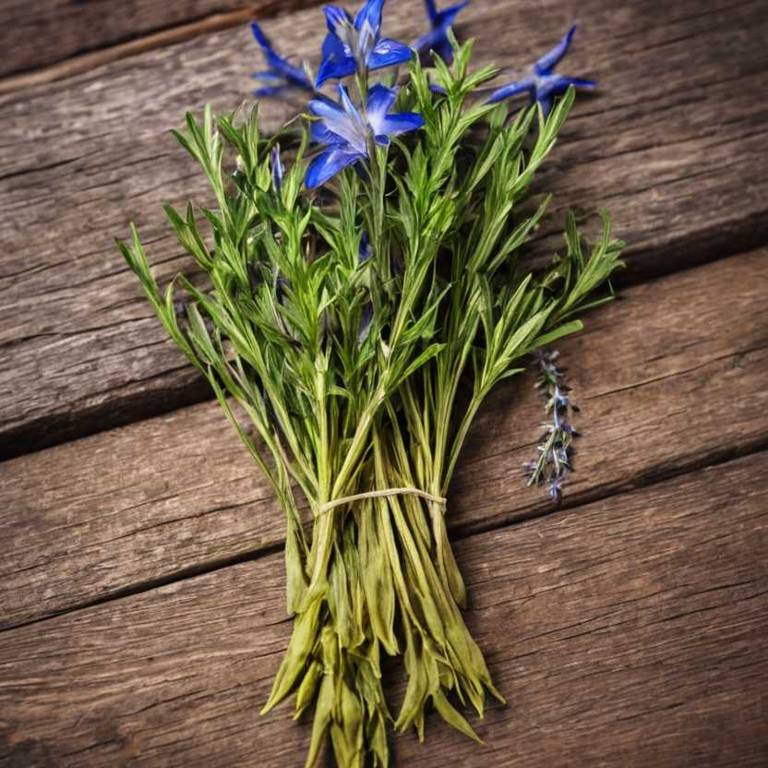
A tocopherol-synergist functions by working in tandem with vitamin E to enhance antioxidant protection and stabilize lipid membranes against oxidative damage. Herbs such as Houttuynia cordata, Sesamum indicum, and Zanthoxylum clavigerum exhibit this activity, helping to amplify the overall efficacy of fat-soluble antioxidant networks within the body.

Associated herbs: 4

Occurs naturally in

Houttuynia cordata
Sesamum indicum

Zanthoxylum clava-herculis

View all Tocopherol-Synergist herbs →

Topoisomerase-I-Antagonist

A topoisomerase-I antagonist is a compound that inhibits the enzyme responsible for relieving DNA torsional strain, thereby preventing DNA replication and inducing cell death. Certain medicinal herbs, such as Potentilla indica, Juglans nigra, and Arbutus unedo, contain bioactive phytochemicals that exhibit this inhibitory activity.

Associated herbs: 56

Occurs naturally in

Potentilla indica

Juglans nigra

Arbutus unedo

View all Topoisomerase-I-Antagonist herbs →

Topoisomerase-I-Inhibitor

Topoisomerase-I inhibitors are bioactive compounds that interfere with the enzyme responsible for relieving DNA torsional strain, thereby preventing DNA replication and inducing cell death. Certain medicinal herbs, such as Pimpinella aromatica, Rhus glabra, and Strongylodon macrobotrys, contain phytochemicals that exhibit this specific inhibitory activity.

Associated herbs: 527

Occurs naturally in

Pimpinella aromatica

Rhus glabra

Strongylodon macrobotrys

View all Topoisomerase-I-Inhibitor herbs →

Topoisomerase-I-Poison

Topoisomerase-I poisons are substances that inhibit the enzyme responsible for relieving DNA torsional strain, thereby causing permanent double-strand breaks and preventing cell division. This mechanism is frequently utilized by medicinal herbs, such as Camptotheca acuminata, to exert potent anti-tumor effects by inducing programmed cell death in rapidly dividing cancer cells.

Associated herbs: 1

Occurs naturally in

Camptotheca acuminata

View all Topoisomerase-I-Poison herbs →

Topoisomerase-II-Inhibitor

Topoisomerase-II inhibitors work by interfering with the enzyme responsible for managing DNA tangling and supercoiling, effectively halting cell replication and inducing programmed cell death. Various medicinal herbs, such as Premna serratifolia, Pimpinella aromatica, and Amanoa oblongifolia, exhibit this biological activity, making them potential candidates for anti-cancer research.

Associated herbs: 815

Occurs naturally in

Premna serratifolia

Pimpinella aromatica

Amanoa oblongifolia

View all Topoisomerase-II-Inhibitor herbs →

Topoisomerase-II-Poison

Topoisomerase-II poisons are compounds that inhibit the enzyme responsible for managing DNA tangling by stabilizing the complex between DNA and the enzyme, ultimately leading to permanent DNA strand breaks and cell death. Certain medicinal herbs, such as Strongylodon macrobotrys, Calopogonium caeruleum, and Phaseolus coccineus, contain bioactive secondary metabolites that exhibit this specific anticancer mechanism.

Associated herbs: 133

Occurs naturally in

Strongylodon macrobotrys

Calopogonium caeruleum

Phaseolus coccineus

View all Topoisomerase-II-Poison herbs →

Topoisomerase-Inhibitor

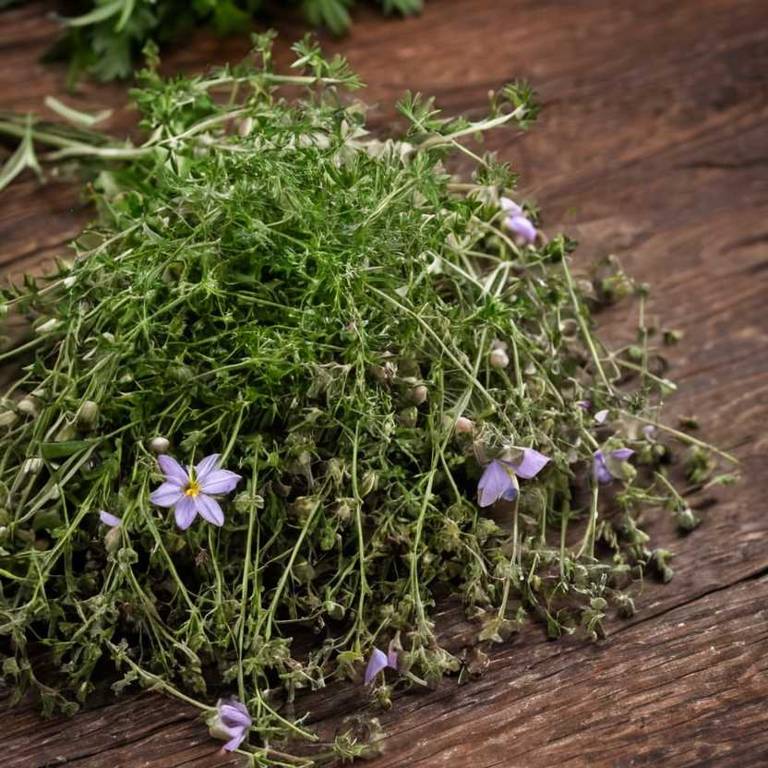
Topoisomerase inhibitors are medicinal compounds that interfere with the enzymes responsible for managing DNA supercoiling, thereby preventing effective DNA replication and cell division. Certain herbs, such as Gentiana lutea, Centaurium benedicta, and Centaurium erythraeum, contain bioactive constituents that can exhibit this inhibitory activity.

Associated herbs: 5

Occurs naturally in

Gentiana lutea

Centaurea benedicta
Centaurium erythraea
View all Topoisomerase-Inhibitor herbs →

Tranquilizer?

A tranquilizer biological activity refers to the ability of a medicinal herb to reduce anxiety, calm the central nervous system, and induce a state of relaxation or mild sedation. Herbs such as Cicer arietinum, Medicago sativa, and Inula helenium are often studied for their potential to exert these soothing effects on the body.

Associated herbs: 8

Occurs naturally in

Cicer arietinum

Medicago sativa

Inula helenium

View all Tranquilizer? herbs →

Transdermal

Transdermal activity refers to the ability of medicinal compounds to be absorbed through the skin layers to reach the systemic circulation or exert local effects. Certain herbs, such as Micromeria varia, possess bioactive constituents that can penetrate the skin barrier to provide therapeutic benefits.

Associated herbs: 434

Occurs naturally in

Micromeria ericifolia

Elsholtzia ciliata

Pimpinella aromatica

View all Transdermal herbs →

Trematodicide

Trematodicides are medicinal substances or herbs that possess the biological activity of killing or inhibiting the development of trematodes, which are a class of parasitic flatworms commonly known as flukes. Examples of plants exhibiting this potent antiparasitic effect include Inula helenium, Dolichospermum costus, and Artemisia dracunculus.

Associated herbs: 5

Occurs naturally in

Inula helenium

Dolomiaea costus

Artemisia dracunculus

View all Trematodicide herbs →

Tremorigenic

Tremorigenic activity refers to the biological capacity of a substance to induce involuntary, rhythmic muscle contractions or tremors. Certain medicinal herbs, such as Pimpinella aromatica, Thymus vulgaris, and Allium ampelloprasum, exhibit this effect when their active compounds interact with the nervous system.

Associated herbs: 219

Occurs naturally in

Pimpinella aromatica

Thymus vulgaris

Allium ampeloprasum

View all Tremorigenic herbs →

Tremorilytic

Tremorilytic activity refers to the ability of a substance to reduce or eliminate involuntary muscle tremors and spasmodic movements. Certain medicinal herbs, such as Annona muricata, Prunus persica, and Carica papaya, are studied for their potential to exhibit this calming effect on the nervous system.

Associated herbs: 42

Occurs naturally in

Annona muricata

Prunus persica

Carica papaya

View all Tremorilytic herbs →

Tremorogenic

Tremorogenic activity refers to the biological capacity of a substance to induce involuntary, rhythmic muscle contractions or shaking in a living organism. Certain medicinal herbs, such as Cichorium intybus and Panax ginseng, can exhibit these effects depending on the dosage and the specific physiological response of the subject.

Associated herbs: 2

Occurs naturally in

Cichorium intybus

Panax ginseng

View all Tremorogenic herbs →

Trichomonicide

Trichomonicide refers to the biological ability of certain substances to eliminate or inhibit the growth of Trichomonas protozoa, which are responsible for parasitic infections. Many medicinal herbs exhibit this activity, such as Micromeria varia, which contains bioactive compounds capable of combating these pathogens.

Associated herbs: 711

Occurs naturally in

Micromeria ericifolia

Elsholtzia ciliata

Pimpinella aromatica

View all Trichomonicide herbs →

Trichomonistat

Trichomonastat activity refers to the ability of certain medicinal substances to inhibit the growth or survival of Trichomonas vaginalis, the protozoan parasite responsible for trichomoniasis. Herbs such as Pimpinella aromatica, Croton eluteria, and Thymus vulgaris exhibit this biological activity, making them potential natural agents for treating this parasitic infection.

Associated herbs: 128

Occurs naturally in

Pimpinella aromatica

Croton eluteria

Thymus vulgaris

View all Trichomonistat herbs →

Trichuricide

Trichuricide refers to the biological activity of substances that are capable of destroying or eliminating whipworms (Trichuris trichiura) within the gastrointestinal tract. Various medicinal herbs, such as Trigonella foenum-graecum, Carica papaya, and Ficus carica, exhibit this property and are used to combat such parasitic infections.

Associated herbs: 3

Occurs naturally in

Trigonella foenum-graecum

Carica papaya

Ficus carica

View all Trichuricide herbs →

Triglycerigenic

Triglyceridigenic activity refers to the ability of a substance to influence the synthesis, regulation, or metabolic breakdown of triglycerides within the body. Herbs exhibiting this biological activity, such as Allium ampeloprasum, Annona muricata, and Santalum album, may play a role in managing lipid profiles and overall metabolic health.

Associated herbs: 149

Occurs naturally in

Allium ampeloprasum

Annona muricata

Santalum album

View all Triglycerigenic herbs →

Triglycerolytic

Triglycerolytic activity refers to the biological process of breaking down triglycerides, which are the primary form of fat stored in the body, into glycerol and free fatty acids. This mechanism is essential for managing lipid levels and reducing fat accumulation, a property exhibited by medicinal herbs such as Allium ampeloprasum, Terminalia arjuna, and Scutellaria baicalensis.

Associated herbs: 14

Occurs naturally in

Allium ampeloprasum

Terminalia arjuna

Scutellaria baicalensis

View all Triglycerolytic herbs →

Trypanosomastat

Trypanozoastat refers to the biological ability of certain substances to inhibit the growth or survival of Trypanosoma parasites, which are responsible for diseases such as sleeping sickness and Chagas disease. This activity has been observed in various medicinal plants, including Strongylodon macrobotrys, Calopoogon caeruleum, and Phaseolus coccineus.

Associated herbs: 134

Occurs naturally in

Strongylodon macrobotrys

Calopogonium caeruleum

Phaseolus coccineus

View all Trypanosomastat herbs →

Trypsin-Enhancer

Trypsin-enhancers are medicinal substances that stimulate the secretion or activity of trypsin, a key digestive enzyme responsible for breaking down proteins in the small intestine. Herbs such as Elsholtzia cinerea, Pimpinella aromatica, and Croton eluteria exhibit this biological activity, helping to improve digestion and alleviate gastrointestinal distress.

Associated herbs: 131

Occurs naturally in

Elsholtzia ciliata

Pimpinella aromatica

Croton eluteria

View all Trypsin-Enhancer herbs →

Tuberculostatic

A tuberculostatic activity refers to the ability of a substance to inhibit the growth or development of tubercles, which are characteristic inflammatory nodules found in certain infections like tuberculosis. Medicinal herbs such as Rheum officinale, Frangula alnus, and Aloe succotrina possess these properties, helping to prevent the progression of these lesions within the body.

Associated herbs: 10

Occurs naturally in

Rheum officinale

Frangula alnus

Aloe succotrina

View all Tuberculostatic herbs →

Tubulin-Inhibitor

Tubulin inhibitors work by binding to tubulin proteins, preventing the polymerization of microtubules necessary for cell division and structural integrity. This mechanism effectively halts the cell cycle, making such herbs valuable in developing anti-cancer and anti-parasitic treatments, as seen with species like Aspidosperma quebracho-blanco.

Associated herbs: 1

Occurs naturally in

Aspidosperma quebracho-blanco

View all Tubulin-Inhibitor herbs →

Tyrosine-Kinase-Inhibitor

Tyrosine kinase inhibitors are bioactive compounds that function by blocking specific enzymes responsible for signaling pathways that drive cell growth and division. By interfering with these processes, these substances can help regulate abnormal cellular proliferation, a mechanism found in medicinal herbs such as Pimpinella aromatica, Strongylodon macrobotrys, and Rheum officinale.

Associated herbs: 415

Occurs naturally in

Pimpinella aromatica

Strongylodon macrobotrys

Rheum officinale

View all Tyrosine-Kinase-Inhibitor herbs →

UV-Screen

UV-screening is a biological activity where certain plant compounds, such as flavonoids and phenolic acids, absorb or scatter harmful ultraviolet radiation to protect the plant's cellular structures. Medicinal herbs like Allium ampeloprasum, Melia azedarach, and Medicago sativa exhibit this property, making them potential sources for natural sun protection agents.

Associated herbs: 37

Occurs naturally in

Allium ampeloprasum

Melia azedarach

Medicago sativa

View all UV-Screen herbs →

Ubiquiot

Ubiquity refers to the widespread presence or common occurrence of specific biological activities across diverse plant taxa. This phenomenon can be observed in various medicinal species, such as Pimpinella aromatica, Sarracenia flava, and Erythrina fusca, which may share similar therapeutic properties despite their different evolutionary origins.

Associated herbs: 630

Occurs naturally in

Pimpinella aromatica

Sarracenia flava

Erythrina fusca

View all Ubiquiot herbs →

Ulcerogenic?

An ulcerogenic biological activity refers to the ability of a substance to cause or promote the formation of ulcers, which are open sores or lesions on epithelial tissues such as the stomach lining. While many herbs are used to heal such wounds, certain substances or high doses of specific plants, such as Holisticia speciosa or certain preparations of Curcuma longa, may exhibit this effect under specific conditions.

Associated herbs: 2

Occurs naturally in

Hellenia speciosa

Curcuma longa

View all Ulcerogenic? herbs →

Ulcerprotective

Ulcerprotective activity refers to the ability of a substance to prevent or treat the formation of sores and lesions in the gastrointestinal tract by shielding the mucosal lining from damage. This biological activity is often achieved through mechanisms such as increasing mucus secretion or reducing gastric acid production, and it is exhibited by medicinal herbs like Alstonia boonii.

Associated herbs: 1

Occurs naturally in

Alstonia boonei

View all Ulcerprotective herbs →

Ultraviolet-Screen

Ultraviolet-screen activity refers to the ability of certain herbal compounds to absorb or scatter harmful UV radiation, thereby protecting the skin from DNA damage and sunburn. Medicinal plants such as Lawsonia inermis (henna) possess these natural photoprotective properties, making them effective biological shields against solar exposure.

Associated herbs: 1

Occurs naturally in

Lawsonia inermis

View all Ultraviolet-Screen herbs →

Urate-Solvent

Urate-solvent activity refers to the ability of certain herbs to promote the excretion of uric acid through the kidneys, thereby preventing its accumulation in the blood and joints. Common examples of herbs exhibiting this biological activity include Humulus lupulus, Apium graveolens, and Anabasis aphylla.

Associated herbs: 10

Occurs naturally in

Humulus lupulus

Apium graveolens

Anabasis aphylla

View all Urate-Solvent herbs →

Urease-Inhibitor

Ureaase inhibitors are medicinal herbs that possess the ability to block the enzyme urease, thereby preventing the breakdown of urea into ammonia. This biological activity is clinically significant for reducing ammonia toxicity and managing conditions like kidney stones or gastric ulcers, with examples including Allium cepa (onion) and Curcuma longa (turmeric).

Associated herbs: 1

Occurs naturally in

Allium cepa

View all Urease-Inhibitor herbs →

Uricogenic

Uricosuric activity refers to the ability of a substance to increase the excretion of uric acid through the kidneys, thereby lowering its concentration in the bloodstream. This biological activity is therapeutically significant for managing conditions like gout and hyperuricemia, and it can be found in medicinal herbs such as Allium ampeloprasum, Annona muricata, and Santalum album.

Associated herbs: 149

Occurs naturally in

Allium ampeloprasum

Annona muricata

Santalum album

View all Uricogenic herbs →

Urinary-Acidulant

Urinary-acidulants are medicinal substances that increase the acidity of urine, which can help prevent the formation of certain kidney stones and enhance the excretion of metabolic waste. Herbs such as Pimpinella aromatica, Erythrina fusca, and Thymus vulgaris exhibit this biological activity by altering urinary pH through their chemical constituents.

Associated herbs: 399

Occurs naturally in

Pimpinella aromatica

Erythrina fusca

Thymus vulgaris

View all Urinary-Acidulant herbs →

Urinary-Antiseptic

Urinary-antiseptic activity refers to the ability of certain herbs to inhibit the growth of bacteria within the urinary tract and promote the cleansing of the bladder and kidneys. Plants such as Pimpinella aromatica, Elsholtzia pilosa, and Thymus vulgaris exhibit these properties, helping to prevent or treat urinary tract infections.

Associated herbs: 114

Occurs naturally in

Pimpinella aromatica

Elsholtzia pilosa

Thymus vulgaris

View all Urinary-Antiseptic herbs →

Urinary-Stimulant

A urinary stimulant is a substance that increases the rate of urine production and promotes the excretion of fluids from the body. This biological activity is often used to help flush the urinary tract and manage fluid retention. An example of a plant with this property is Piper cubeba.

Associated herbs: 1

Occurs naturally in

Piper cubeba

View all Urinary-Stimulant herbs →

Urine-Acidifier

A urine-acidifier is a medicinal herb that lowers the pH level of urine, making it more acidic through its metabolic processes. This biological activity can help prevent the formation of certain types of kidney stones and inhibit the growth of specific bacteria in the urinary tract. Examples of herbs with this property include Thymus vulgaris, Allium ampeloprasum, and Annona muricata.

Associated herbs: 155

Occurs naturally in

Thymus vulgaris

Allium ampeloprasum

Annona muricata

View all Urine-Acidifier herbs →

Urine-Deodorant

Urine-deodorant activity refers to the ability of certain medicinal herbs to neutralize or mask the unpleasant odor of urine through their aromatic compounds. Plants such as Thymus vulgaris, Allium ampeloprasum, and Annona muricata exhibit this property, helping to mitigate malodorous symptoms in urinary tract conditions.

Associated herbs: 155

Occurs naturally in

Thymus vulgaris

Allium ampeloprasum

Annona muricata

View all Urine-Deodorant herbs →