Explore herbs biological activities

  • 11249 Plants
  • |
  • 30137 Compounds
  • |
  • 1951 Activities
  • |
  • 132161 Studies

Explore Herbs


Alphabet


Biological Activity

View all →

Bioactive Compounds

View all →

List of herbs biological activities

Showing 1921-1951 out of 1951 results

Urokinase-Inhibitor

Urokinase inhibitors are substances that restrict the activity of urokinase, an enzyme responsible for converting plasminogen into plasmin to dissolve blood clots. By inhibiting this process, these compounds can help manage bleeding tendencies and regulate fibrinolysis within the body. Examples of herbs possessing this biological activity include Crocanthemum glomeratum and Camellia sinensis.

Associated herbs: 2
Occurs naturally in

Crocanthemum glomeratum

Camellia sinensis

View all Urokinase-Inhibitor herbs →

Uterocontractant

An uterocontractant is a substance that stimulates the contraction of the smooth muscles in the uterus. Herbs with this biological activity, such as Berberis aquifolium, Peumus boldus, and Lupinus mutabilis, are often studied for their potential to influence uterine motility.

Associated herbs: 59

Occurs naturally in

Berberis aquifolium

Peumus boldus

Lupinus mutabilis

View all Uterocontractant herbs →

Uterorelaxant

An uterorelaxant is a substance that inhibits uterine contractions, helping to reduce muscle spasms and promote relaxation within the uterine wall. Herbs such as Pimpinella aromatica, Rhus glabra, and Thymus vulgaris exhibit this biological activity, making them useful in managing uterine tension.

Associated herbs: 399

Occurs naturally in

Pimpinella aromatica

Rhus glabra

Thymus vulgaris

View all Uterorelaxant herbs →

Uterosedative

Uterosedative activity refers to the ability of certain substances to exert a calming or relaxing effect on the smooth muscles of the uterus, potentially reducing spasms or contractions. Herbs such as Pimpinella aromatica, Thymus vulgaris, and Allium ampeloprasum are recognized for possessing these medicinal properties.

Associated herbs: 203

Occurs naturally in

Pimpinella aromatica

Thymus vulgaris

Allium ampeloprasum

View all Uterosedative herbs →

VAM-Simulant

VAM-simulant activity refers to the ability of certain medicinal herbs to stimulate the growth and colonization of Vesicular-Arbuscular Mycorrhizal (VAM) fungi in plant roots. This biological process enhances nutrient uptake and improves plant resilience, a characteristic observed in herbs such as Cicer arietinum, Medicago sativa, and Alhaghi maurorum var. maurorum.

Associated herbs: 10

Occurs naturally in

Cicer arietinum

Medicago sativa

Alhagi maurorum var. maurorum

View all VAM-Simulant herbs →

VAM-Stimulant

VAM-stimulants are medicinal herbs that enhance vigor and metabolic activity by stimulating the endocrine system, particularly through the modulation of anabolic hormones. Common examples of plants exhibiting this biological activity include Castañospermum australe, Trigonella foenum-graecum, and Cicer arietinum.

Associated herbs: 17

Occurs naturally in

Castanospermum australe

Trigonella foenum-graecum

Cicer arietinum

View all VAM-Stimulant herbs →

VEGF-Inhibitor

VEGF inhibitors act by blocking Vascular Endothelial Growth Factor, a protein that stimulates the formation of new blood vessels necessary for tumor growth and inflammation. By suppressing this signaling pathway, certain medicinal herbs such as Pimpinella aromatica, Rhus glabra, and Strongylodon macrobotrys may help inhibit angiogenesis and slow the progression of diseases like cancer.

Associated herbs: 512

Occurs naturally in

Pimpinella aromatica

Rhus glabra

Strongylodon macrobotrys

View all VEGF-Inhibitor herbs →

Vagolytic

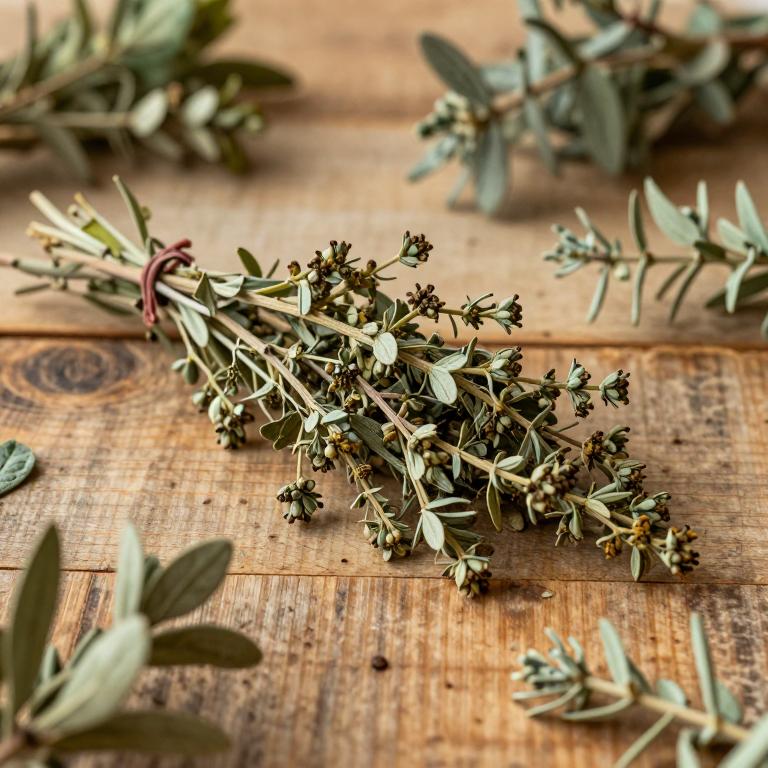
A vagolytic activity refers to the ability of a substance to inhibit or suppress the parasympathetic nervous system, thereby reducing excessive glandular secretions and slowing intestinal motility. Certain medicinal herbs, such as Alchornea floribunda and Chondrodendron tomentosum, exhibit this biological effect, which can be useful in treating conditions characterized by hypermotility or excessive secretion.

Associated herbs: 2
Occurs naturally in

Alchornea floribunda

Chondrodendron tomentosum

View all Vagolytic herbs →

Vagostimulant

A vagostimulant is a substance that increases the activity of the vagus nerve, thereby enhancing parasympathetic functions such as digestion and heart rate regulation. Herbs such as Berberis aquifolium, Podophyllum peltatum, and Berberis sheridiana exhibit this biological activity by stimulating these nerve responses.

Associated herbs: 29

Occurs naturally in

Berberis aquifolium

Podophyllum peltatum

Berberis sheridaniana

View all Vagostimulant herbs →

Varroacide

Varroaicide refers to the biological ability of certain medicinal substances to eliminate or control Varroa mites, which are parasitic pests that threaten honeybee colonies. Examples of herbs exhibiting this activity include Pimpinella aromatica, Elsholtzia pilosa, and Croton eluteria.

Associated herbs: 292

Occurs naturally in

Pimpinella aromatica

Elsholtzia pilosa

Croton eluteria

View all Varroacide herbs →

Vasculodeobstruent

Vasculoobstruent activity refers to the biological ability of certain substances to constrict or impede the flow of blood within the vascular system. Herbs such as Anisodus tanguticus exhibit this property, which can be utilized to influence circulatory dynamics and blood pressure.

Associated herbs: 1

Occurs naturally in

Anisodus tanguticus

View all Vasculodeobstruent herbs →

Vasomotor-Stimulant

A vasomotor-stimulant is a substance that increases the diameter of blood vessels or enhances the force of blood flow through the circulatory system. Herbs exhibiting this activity, such as Annona muricata, Eucalyptus cladocalyx, and Chaenomelos japonica, can help improve systemic circulation and regulate blood pressure.

Associated herbs: 61

Occurs naturally in

Annona muricata

Eucalyptus cladocalyx

Chaenomeles japonica

View all Vasomotor-Stimulant herbs →

Vasopressor

A vasopressor is a substance that increases blood pressure by causing the constriction of blood vessels through the stimulation of smooth muscles. Various medicinal herbs exhibit this biological activity, including Pimpinella aromatica, Thymus vulgaris, and Erythroxylum novogranatense.

Associated herbs: 322

Occurs naturally in

Pimpinella aromatica

Thymus vulgaris

Erythroxylum novogranatense

View all Vasopressor herbs →

Vasotonic

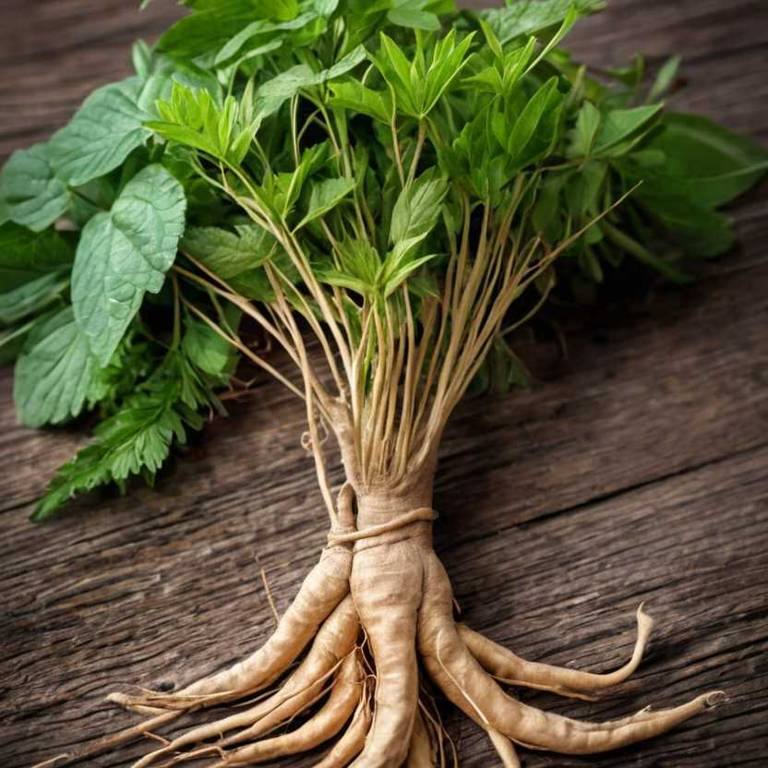
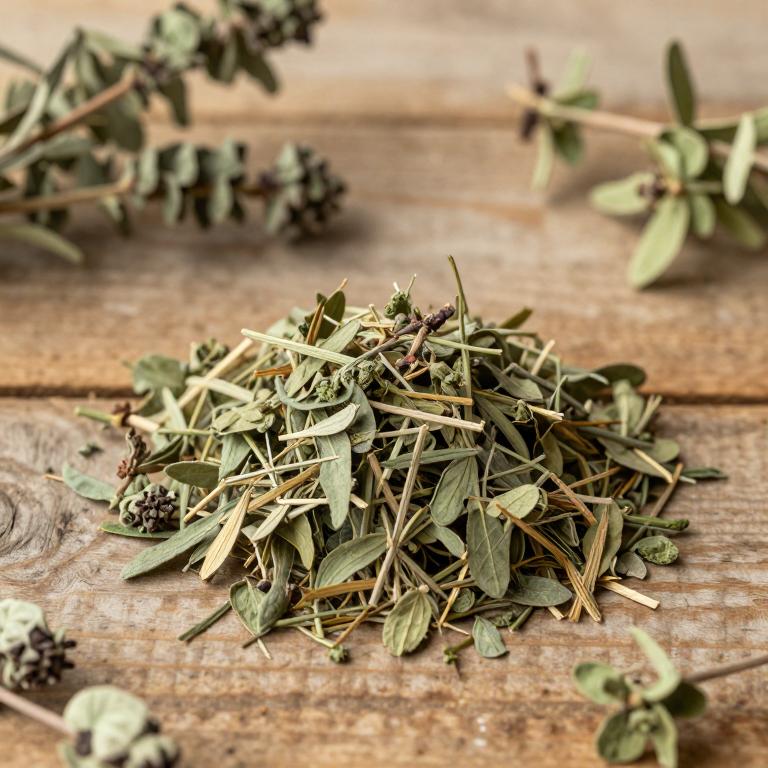
Vasotonic activity refers to the ability of a substance to regulate and normalize vascular tone, helping to maintain optimal blood pressure and improve circulatory efficiency. Herbs such as Panax quinquefolius and Panax ginseng exhibit this effect by modulating the contraction and relaxation of blood vessels to support cardiovascular stability.

Associated herbs: 2
Occurs naturally in

Panax quinquefolius

Panax ginseng

View all Vasotonic herbs →

Venoprotective

Venoprotective activity refers to the ability of a substance to strengthen blood vessel walls and improve the overall function of the circulatory system, particularly by reducing capillary permeability and preventing venous insufficiency. Medicinal herbs such as Capsella bursa-pastoris, Mentha spicata, and Conium maculatum exhibit these properties by helping to stabilize vascular integrity and manage venous congestion.

Associated herbs: 13

Occurs naturally in

Conium maculatum

Mentha spicata

Capsella bursa-pastoris

View all Venoprotective herbs →

Venotropic

Venotropic herbs possess the ability to improve the tone and contraction of vein walls, thereby enhancing blood circulation and reducing venous congestion. A common example of an herb with this biological activity is Ruscus aculeatus, which is frequently used to alleviate symptoms of chronic venous insufficiency.

Associated herbs: 1

Occurs naturally in

Ruscus aculeatus

View all Venotropic herbs →

Verrucolytic

Verrucolytic activity refers to the ability of a substance to dissolve or cause the destruction of warts and other skin growths. Several medicinal herbs exhibit this property, including Elsholtzia cinerea, Pimpinella aromatica, and Thymus vulgaris.

Associated herbs: 203

Occurs naturally in

Elsholtzia ciliata

Pimpinella aromatica

Thymus vulgaris

View all Verrucolytic herbs →

Vertigenic

The term vertigenic refers to a biological activity that has the capacity to induce dizziness, lightheadedness, or a sensation of spinning in an organism. Certain medicinal herbs, such as Solanum nigrum, Capsicum frutescens, and Solanum tuberosum, may exhibit this effect if consumed in specific concentrations or if their active compounds impact the neurological or vestibular systems.

Associated herbs: 6

Occurs naturally in

Solanum nigrum

Capsicum frutescens

Solanum tuberosum

View all Vertigenic herbs →

Vertiginous

The term vertiginous refers to a biological activity or pharmacological effect that induces a sensation of dizziness, spinning, or loss of equilibrium. Certain medicinal herbs, such as Punica granatum (pomegranate) or those containing high concentrations of specific alkaloids, may exhibit this effect when consumed in specific doses or preparations.

Associated herbs: 1

Occurs naturally in

Punica granatum

View all Vertiginous herbs →

Vesicant

Vesicant herbs possess the biological activity of causing local irritation and the formation of blisters on the skin when applied topically. This effect is typically induced by chemical compounds within the plant that provoke an inflammatory response in the dermal layers. Examples of herbs with this activity include Carapichea ipecacuanha, Ranunculus bulbosus, and Juglans nigra.

Associated herbs: 14

Occurs naturally in

Carapichea ipecacuanha

Ranunculus bulbosus

Juglans nigra

View all Vesicant herbs →

Vibriocide

A vibrionicide is a biological activity characterized by the ability of a substance to inhibit the growth of or kill bacteria belonging to the genus Vibrio. Medicinal herbs such as Elsholtzia ciliata, Pimpinella aromatica, and Thymus vulgaris exhibit this activity, making them potential agents against waterborne pathogens.

Associated herbs: 172

Occurs naturally in

Elsholtzia ciliata

Pimpinella aromatica

Thymus vulgaris

View all Vibriocide herbs →

Vibriofuge

Vibrifuge activity refers to the ability of certain medicinal herbs to induce vomiting, thereby facilitating the rapid expulsion of ingested toxins from the stomach. This biological effect is commonly exhibited by plants such as Berberis aquifolium, Podophyllum peltatum, and Berberis sheridiana.

Associated herbs: 29

Occurs naturally in

Berberis aquifolium

Podophyllum peltatum

Berberis sheridaniana

View all Vibriofuge herbs →

Viristat

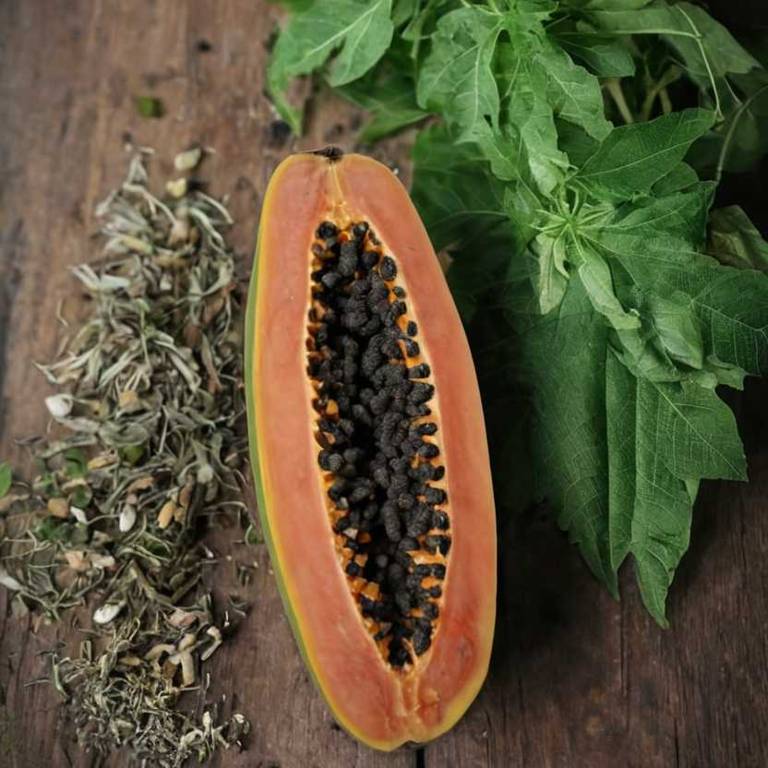
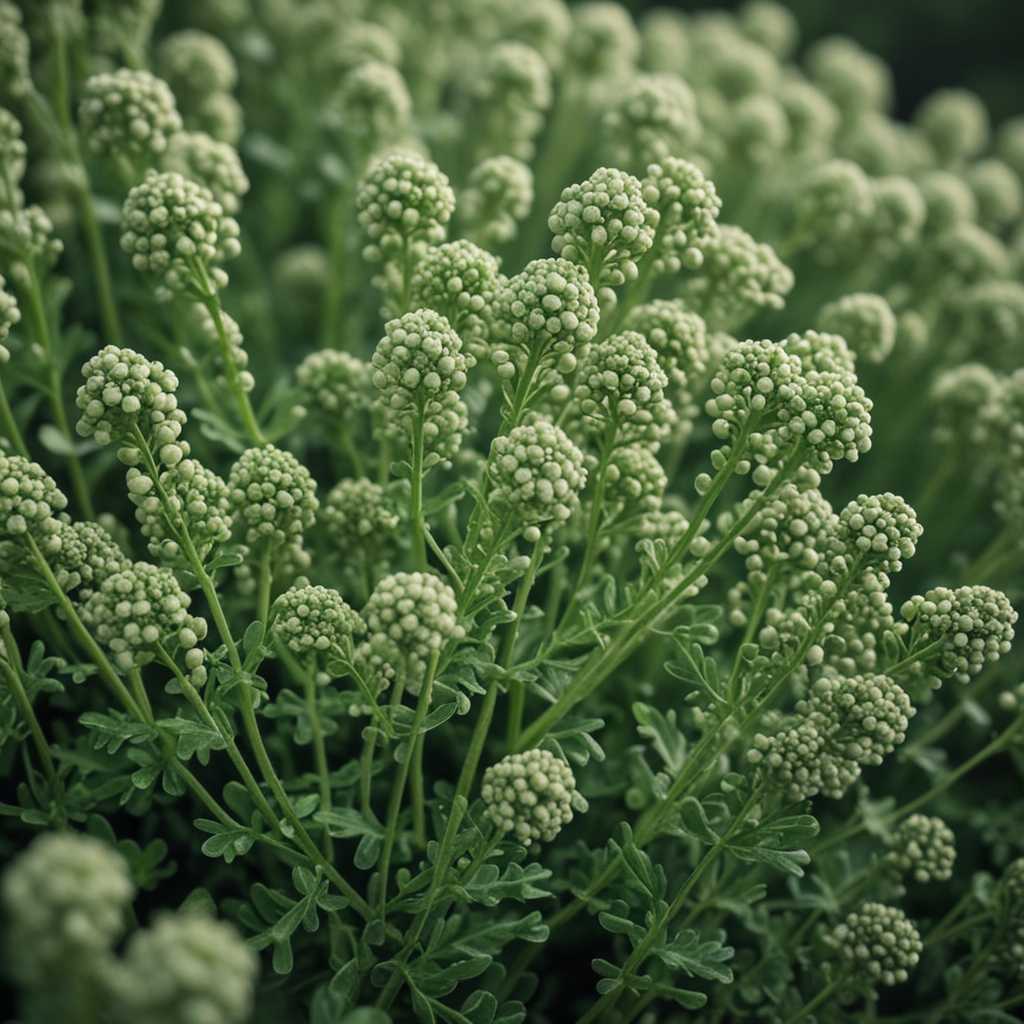
Viristat refers to the biological ability of certain herbs to stimulate or enhance sexual arousal and libido through various physiological mechanisms. Common examples of plants exhibiting this activity include Trigonella foenum-graecum (Fenugreek), Carica papaya (Papaya), and Lepidium sativum (Garden Cress).

Associated herbs: 8

Occurs naturally in

Trigonella foenum-graecum

Carica papaya

Lepidium sativum

View all Viristat herbs →

Vitamin-A-Activity

Vitamin A activity refers to the ability of certain medicinal herbs to provide carotenoids, which the human body can convert into retinol to support vision, immune function, and skin health. Examples of plants exhibiting this biological activity include Lonicera macrantha, Prunus persica, and Helianthus annuus.

Associated herbs: 37

Occurs naturally in

Lonicera macrantha

Prunus persica

Helianthus annuus

View all Vitamin-A-Activity herbs →

Xanthopsigenic

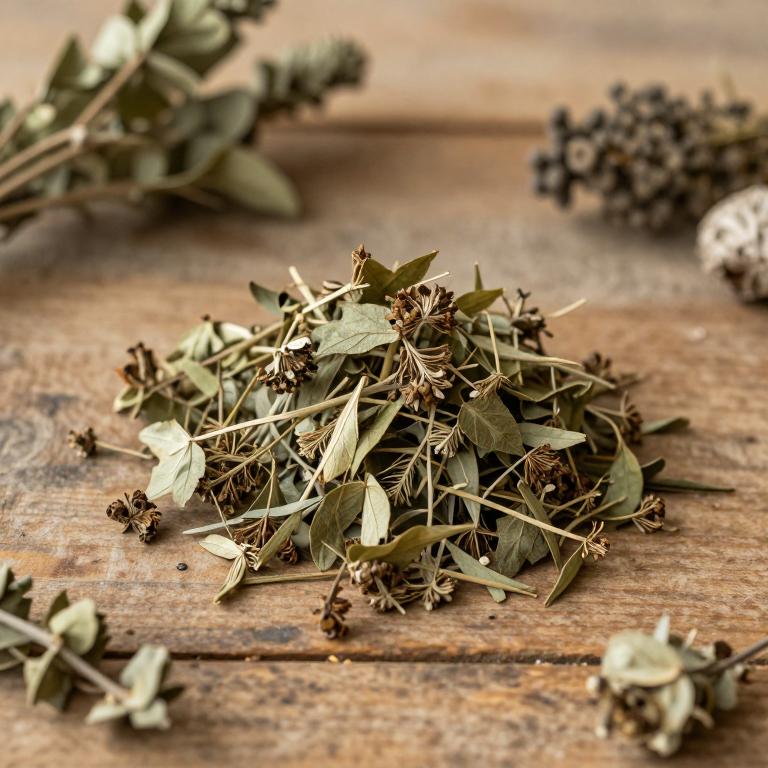
Xanthopsigenic biological activity refers to the ability of certain plant compounds to produce a yellow pigmentation or induce a yellow color change in biological substrates. This characteristic is often associated with the presence of specific flavonoids or xanthones within the medicinal herb. Examples of herbs exhibiting this activity include Artemisia maritima and Artemisia herba-alba.

Associated herbs: 2
Occurs naturally in

Artemisia maritima

Artemisia herba-alba

View all Xanthopsigenic herbs →

c-AMP-Inhibitor

A c-AMP inhibitor acts by suppressing the production or activity of cyclic adenosine monophosphate, a vital secondary messenger that regulates various cellular processes such as hormone signaling and metabolism. By modulating these intracellular pathways, these substances can exert therapeutic effects on physiological functions, as seen in medicinal herbs like Anemarrhena asphodeloides.

Associated herbs: 1

Occurs naturally in

Anemarrhena asphodeloides

View all c-AMP-Inhibitor herbs →

cAMP-Inhibitor

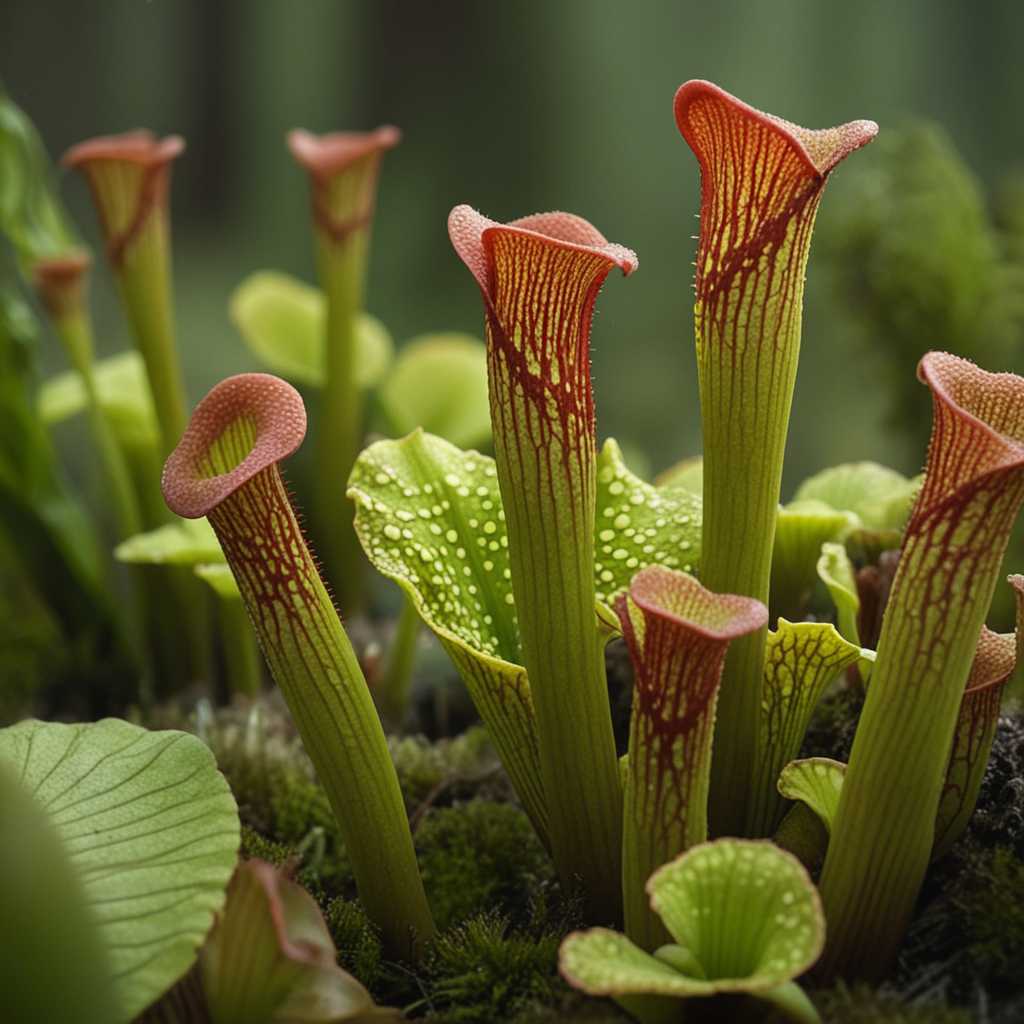
A cAMP inhibitor functions by reducing the intracellular levels of cyclic adenosine monophosphate, thereby modulating vital signaling pathways that regulate cell growth and metabolic processes. Certain medicinal herbs, such as Sarracenia flava, Acacia melanoxylon, and Rumex trisetifer, exhibit this biological activity, which may contribute to their therapeutic effects in regulating cellular functions.

Associated herbs: 80

Occurs naturally in

Sarracenia flava

Acacia melanoxylon

Rumex trisetifer

View all cAMP-Inhibitor herbs →

cAMP-Phosphodiesterase-Inhibitor

cAMP-phosphodiesterase inhibitors work by preventing the breakdown of cyclic adenosine monophosphate (cAMP), thereby increasing its concentration within cells to enhance signaling processes such as smooth muscle relaxation or neurotransmission. Several medicinal herbs exhibit this activity, including Pimpinella aromatica, Thymus vulgaris, and Erythroxylum novogranatense.

Associated herbs: 387

Occurs naturally in

Pimpinella aromatica

Thymus vulgaris

Erythroxylum novogranatense

View all cAMP-Phosphodiesterase-Inhibitor herbs →

cAMP-genic

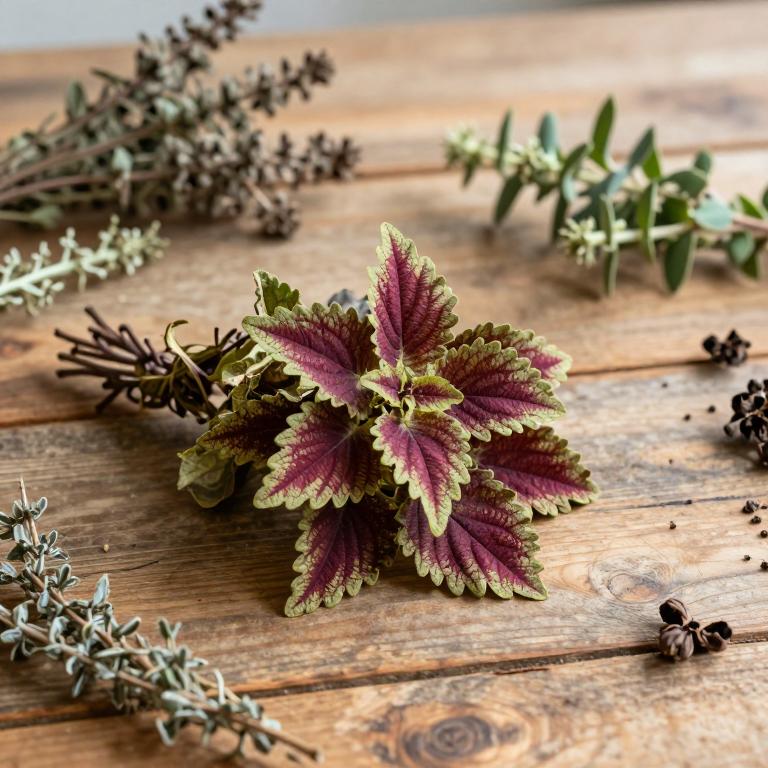
A cAMP-genic biological activity refers to the ability of a substance to increase the intracellular concentration of cyclic adenosine monophosphate (cAMP), which acts as a crucial second messenger in various cellular signaling pathways. This activity is often associated with enhancing metabolic processes, modulating hormonal responses, or stimulating immune functions. Examples of medicinal herbs that exhibit this cAMP-genic effect include Astragalus mongholicus, Coleus barbatus var. barbatus, and Coleus barbatus.

Associated herbs: 3

Occurs naturally in

Astragalus mongholicus

Coleus barbatus var. barbatus

Coleus barbatus

View all cAMP-genic herbs →

cGMP-Inhibitor

cGMP inhibitors function by reducing the levels of cyclic guanosine monophosphate within cells, which can lead to increased muscular contraction or altered signaling pathways. Certain medicinal herbs, such as Ilex paraguariensis, Coffea arabica, and Camellia sinensis, exhibit this activity through bioactive compounds like caffeine and methylxanthines.

Associated herbs: 7

Occurs naturally in

Ilex paraguariensis

Coffea arabica

Camellia sinensis

View all cGMP-Inhibitor herbs →

cGMP-Phosphodiesterase-Inhibitor

cGMP-phosphodiesterase inhibitors function by preventing the breakdown of cyclic guanosine monophosphate (cGMP), thereby increasing its concentration within cells to promote physiological processes like vasodilation and muscle relaxation. Various medicinal herbs exhibit this activity, including Ilex paraguariensis, Camellia japonica, and Firmiana simplex.

Associated herbs: 14

Occurs naturally in

Ilex paraguariensis

Camellia japonica

Firmiana simplex

View all cGMP-Phosphodiesterase-Inhibitor herbs →