Explore herbs biological activities

  • 11249 Plants
  • |
  • 30137 Compounds
  • |
  • 1951 Activities
  • |
  • 132161 Studies

Explore Herbs


Alphabet


Biological Activity

View all →

Bioactive Compounds

View all →

List of herbs biological activities

Showing 1777-1824 out of 1951 results

Prostaglandin-Synthetase-Inhibitor

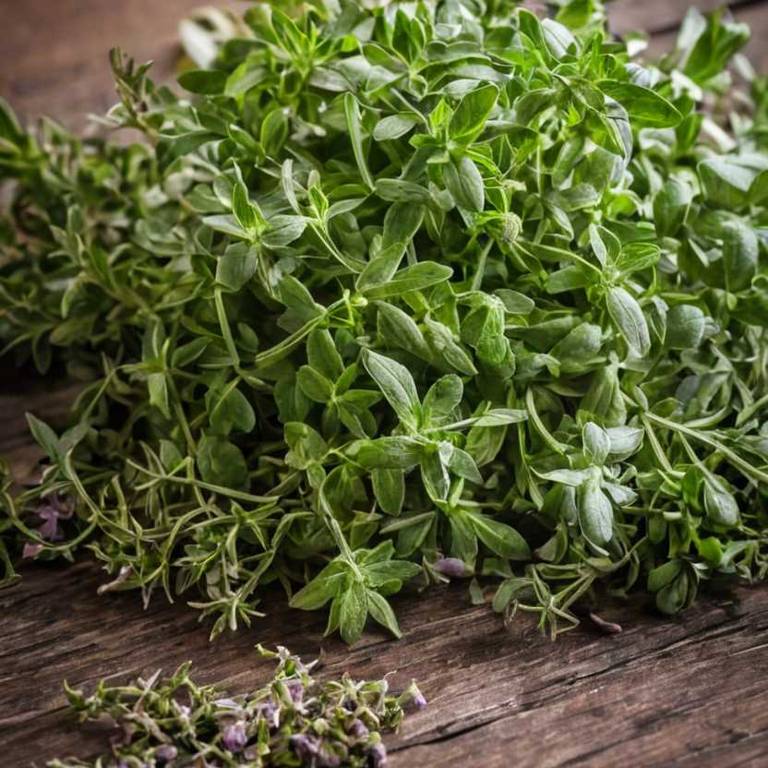
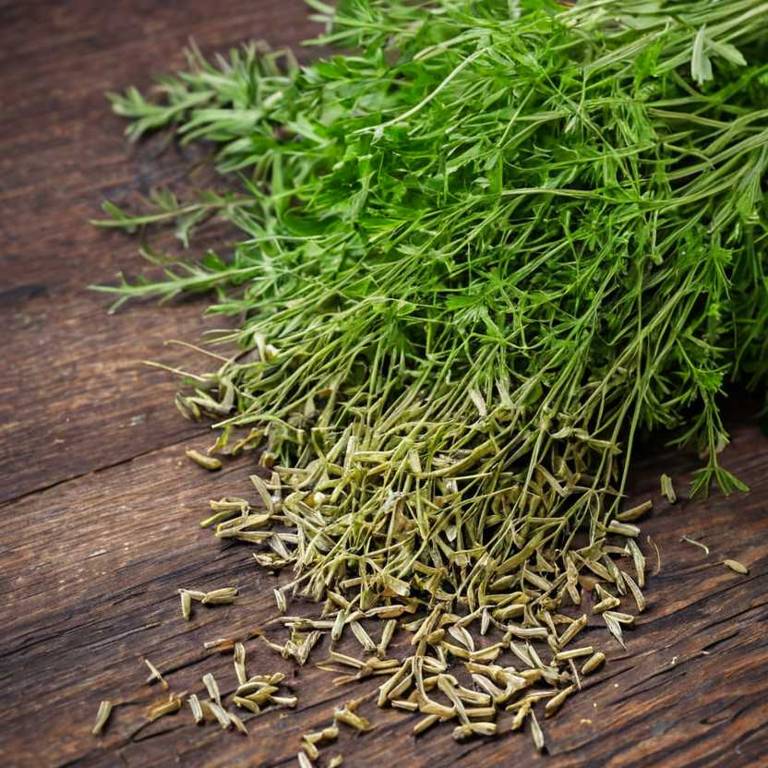
Prostaglandin synthase inhibitors work by blocking the enzymes responsible for producing prostaglandins, which are key lipid compounds that trigger inflammation, pain, and fever in the body. Medicinal herbs such as Pimpinella aromatica, Thymus vulgaris, and Lonicera macrantha exhibit this activity, making them effective natural agents for reducing inflammatory responses.

Associated herbs: 90

Occurs naturally in
Pimpinella aromatica
Thymus vulgaris

Lonicera macrantha
View all Prostaglandin-Synthetase-Inhibitor herbs →

Prostatitigenic

Prostatitogenic activity refers to the biological capacity of certain substances to influence or potentially trigger inflammatory processes within the prostate gland. Examples of herbs associated with such activities include Thymus vulgaris, Foeniculum vulgare, and Helianthus annuus.

Associated herbs: 56

Occurs naturally in

Thymus vulgaris

Foeniculum vulgare

Helianthus annuus

View all Prostatitigenic herbs →

Prosticide

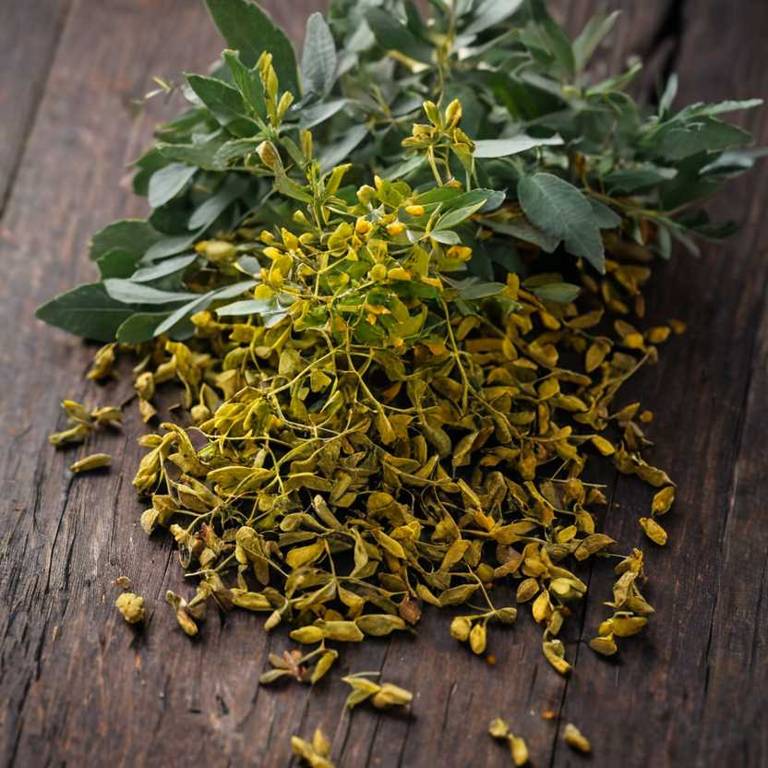
Prosticide refers to the biological ability of certain medicinal herbs to inhibit the proliferation or growth of prostates cells or manage prostate-related inflammatory processes. Herbs such as Eruca sativa, Robinia pseudoacacia, and Vaccinium myrtillus exhibit this activity, contributing to the prevention and management of prostate health issues.
Associated herbs: 7

Occurs naturally in

Eruca sativa

Robinia pseudoacacia

Vaccinium myrtillus

View all Prosticide herbs →

Protein-Kinase-C-Inhibitor

Protein Kinase C (PKC) inhibitors work by blocking specific enzymes that regulate vital cellular processes such as inflammation, cell growth, and signal transduction. By modulating these pathways, medicinal herbs like Pimpinella aromatica, Rhus glabra, and Thymus vulgaris can exert potent anti-inflammatory and potentially anti-cancer effects.

Associated herbs: 400

Occurs naturally in

Pimpinella aromatica

Rhus glabra

Thymus vulgaris

View all Protein-Kinase-C-Inhibitor herbs →

Protein-Kinase-Inhibitor

Protein kinase inhibitors act by blocking specific enzymes that regulate cellular signaling, thereby preventing the uncontrolled cell proliferation and inflammation associated with diseases like cancer. Medicinal herbs such as Helena speciosa, Zingiber officinale, and Phyllanthus amarus contain bioactive compounds that exhibit this activity, making them significant subjects for drug development.

Associated herbs: 6

Occurs naturally in

Hellenia speciosa

Zingiber officinale

Phyllanthus amarus

View all Protein-Kinase-Inhibitor herbs →

Proteinase-Inhibitor

Proteinase inhibitors are bioactive compounds in medicinal herbs that function by binding to and blocking the activity of proteolytic enzymes, thereby preventing the breakdown of proteins in the body. This activity is often utilized to reduce inflammation or control digestive processes, and it can be found in herbs such as Rheum officinale, Aloe succotrina, and Pleuropterus multiflorus.

Associated herbs: 9

Occurs naturally in

Rheum officinale

Aloe succotrina

Pleuropterus multiflorus

View all Proteinase-Inhibitor herbs →

Proteinogenic

Proteinogenic activity refers to the ability of certain biological compounds to influence or facilitate the synthesis and assembly of proteins within a living organism. This process is essential for regulating cellular functions, structural development, and enzymatic activities. Examples of medicinal herbs that exhibit such biological properties include species from the Ajuga genus, such as Ajuga iva, Ajuga integrifolia, and Ajuga chamaepitys.

Associated herbs: 14

Occurs naturally in

Ajuga iva

Ajuga integrifolia

Ajuga chamaepitys

View all Proteinogenic herbs →

Protisticide

Protisticides are medicinal substances that act by inhibiting the growth or destroying protozoan parasites, such as those responsible for malaria or amoebic dysentery. Examples of herbs exhibiting this biological activity include Pimpinella aromatica, Rhus glabra, and Thymus vulgaris.

Associated herbs: 501

Occurs naturally in

Pimpinella aromatica

Rhus glabra

Thymus vulgaris

View all Protisticide herbs →

Protististat

Protististat refers to the biological activity of certain compounds that inhibit the growth or reproduction of protists, which are single-celled eukaryotic organisms. Medicinal herbs such as Gardenia jasminoides, Plantago major, and Aloysia citriodora exhibit this property, potentially serving as natural agents against protozoan pathogens.

Associated herbs: 5

Occurs naturally in

Gardenia jasminoides

Plantago major

Aloysia citrodora

View all Protististat herbs →

Pruritogenic

A prurito-genic biological activity refers to the ability of a substance to induce or stimulate an itching sensation on the skin. Some plants, such as Ficus carica (the common fig), exhibit this property due to the presence of irritating compounds like proteolytic enzymes or latex.

Associated herbs: 1

Occurs naturally in

Ficus carica

View all Pruritogenic herbs →

Pseudoaldosteronistic

Pseudoaldoosteronistic activity refers to the ability of certain compounds to mimic the hormone aldosterone, thereby influencing electrolyte balance and blood pressure regulation in the body. Herbs such as Abrus precatorius, Glycyrrhiza ura lensis, and Glycyrrhiza glabra exhibit this biological activity, often through the inhibition of enzymes that regulate mineralocorticoid pathways.

Associated herbs: 4

Occurs naturally in

Abrus precatorius

Glycyrrhiza uralensis

Glycyrrhiza glabra

View all Pseudoaldosteronistic herbs →

Psychostimulant

A psychostimulant is a biological agent that increases activity in the central nervous system, leading to heightened alertness, increased energy, and improved cognitive focus. Examples of medicinal herbs exhibiting this activity include Ephedra sinica, which contains alkaloids that stimulate the nervous system.

Associated herbs: 1

Occurs naturally in

Ephedra sinica

View all Psychostimulant herbs →

Psychotomimetic

Psychotomimetic biological activity refers to the ability of a substance to mimic or simulate the effects of neurotransmitters, thereby altering mental processes, perceptions, and moods. Herbs exhibiting this property, such as Erythroxylum novogranatense, Erythroxylum macrophyllum var. macrophyllum, and Erythroxylum impressum, can induce profound changes in consciousness or neurological function.

Associated herbs: 38

Occurs naturally in

Erythroxylum novogranatense

Erythroxylum macrophyllum var. macrophyllum

Erythroxylum impressum

View all Psychotomimetic herbs →

Pulicide

Pulicide refers to the biological activity of medicinal herbs that possess the ability to kill or eliminate parasitic worms, particularly those inhabiting the lungs or intestinal tract. Examples of plants exhibiting this property include Piscidia piscipula, Tephrosia vogeli, and Tephrosia virginiana.

Associated herbs: 7

Occurs naturally in

Piscidia piscipula

Tephrosia vogelii

Tephrosia virginiana

View all Pulicide herbs →

Pulifuge

Pulifuge activity refers to the ability of certain medicinal herbs to act as diuretics, promoting the increased excretion of water and electrolytes through the kidneys. This biological function helps reduce fluid retention and supports urinary tract health, a property found in herbs such as Pycnanthemum pycnanthemoides, Clinopodium dalmaticum, and Monarda russeolana.

Associated herbs: 57

Occurs naturally in

Pycnanthemum pycnanthemoides

Clinopodium dalmaticum

Monarda russeliana

View all Pulifuge herbs →

Pulmonoprotective

Pulmonoprotective activity refers to the ability of a substance to defend the lungs against damage caused by oxidative stress, inflammation, or environmental pollutants. Herbs such as Helicia speciosa, Zingiber officinale, and Curcuma longa exhibit this property by helping to preserve respiratory health and reduce lung irritation.

Associated herbs: 4

Occurs naturally in

Hellenia speciosa

Zingiber officinale

Curcuma longa

View all Pulmonoprotective herbs →

Pulmonotoxic

Pulmonotoxicity refers to a biological activity where a substance causes damage, inflammation, or injury to the lung tissues. While many medicinal herbs are used for respiratory health, certain species such as Pycnanthemum pycnanthemoides, Clinopodium dalmaticum, and Monarda russealiana may exhibit this adverse effect if consumed in toxic concentrations.

Associated herbs: 60

Occurs naturally in

Pycnanthemum pycnanthemoides

Clinopodium dalmaticum

Monarda russeliana

View all Pulmonotoxic herbs →

Pyrogenic

Pyrogenic activity refers to the biological capacity of certain substances to induce a rise in body temperature, effectively simulating a fever. This physiological response is often triggered by specific phytochemicals within medicinal herbs, such as those found in Annona muricata, Erythroxylum novogranatense, and Peumus boldus.

Associated herbs: 88

Occurs naturally in

Annona muricata

Erythroxylum novogranatense

Peumus boldus

View all Pyrogenic herbs →

Quinone-Reductase-Inhibitor

Quinone reductase inhibitors work by interfering with the enzyme's ability to reduce quinones, thereby disrupting redox cycling and preventing the formation of harmful reactive oxygen species. This biological activity is found in various medicinal plants, including Helianthus annuus, Astragalus mongholicus, and Pterocarpus marsupium.

Associated herbs: 7

Occurs naturally in

Helianthus annuus

Astragalus mongholicus

Pterocarpus marsupium

View all Quinone-Reductase-Inhibitor herbs →

RES-Activator

A RES-activator refers to a compound or herb that enhances the activity of Sirtuins (specifically SIRT1), which are enzymes responsible for regulating cellular longevity, DNA repair, and metabolic health. By stimulating these "longevity genes," these herbs help protect cells against age-related decline and oxidative stress, as seen in species such as Curcuma longa and Eucommia ulmoides.

Associated herbs: 2

Occurs naturally in

Curcuma longa

Eucommia ulmoides

View all RES-Activator herbs →

RNA-Depressant

RNA-depressant activity refers to the ability of certain medicinal compounds to inhibit or reduce the rate of RNA synthesis within cells, thereby modulating protein production and cellular functions. Herbs such as Berberis aquifolium, Podophyllum peltatum, and Berberis sheridiana exhibit this biological activity through their specialized alkaloids.

Associated herbs: 29

Occurs naturally in

Berberis aquifolium

Podophyllum peltatum

Berberis sheridaniana

View all RNA-Depressant herbs →

RNA-Inhibitor

RNA inhibitors are substances that interfere with the processes of RNA synthesis or stability, thereby regulating gene expression and preventing the production of specific proteins. Medicinal herbs such as Euphrasia officinalis, Scrophularia oblongifolia, and Scrophularia scorodonica exhibit this biological activity, which can play a role in modulating cellular responses and controlling disease progression.

Associated herbs: 20

Occurs naturally in

Euphrasia officinalis

Scrophularia oblongifolia

Scrophularia scorodonia

View all RNA-Inhibitor herbs →

RNA-Stimulant

An RNA-stimulant refers to a biological activity where specific herbal compounds enhance the transcription of RNA, thereby accelerating the synthesis of essential proteins within cells. This process can boost metabolic functions and strengthen immune responses, as seen in herbs such as Iris domestica, Aconitum carmichaelii, and Juniperus seravschanica.

Associated herbs: 5

Occurs naturally in

Iris domestica

Aconitum carmichaelii

Juniperus seravschanica

View all RNA-Stimulant herbs →

RNA-genic

RNA-genic biological activity refers to the capacity of certain substances to influence or stimulate the synthesis and expression of RNA within cells. Herbs such as Iris domestica, Pinus sylvestris, and Prunus cerasus exhibit this activity, potentially modulating genetic processes and cellular responses.

Associated herbs: 11

Occurs naturally in

Iris domestica

Pinus sylvestris

Prunus cerasus

View all RNA-genic herbs →

Renoirritant

A renirritant is a substance that causes irritation or localized inflammation within the kidneys, potentially affecting renal function or structure. An example of an herb exhibiting this biological activity is Microeria varia.

Associated herbs: 187

Occurs naturally in

Micromeria ericifolia

Elsholtzia pilosa

Eucalyptus siderophloia

View all Renoirritant herbs →

Renotoxic

Renotoxic refers to the biological activity of a substance that causes damage or toxicity to the kidneys, potentially impairing their filtering function. While many herbs are used therapeutically, certain species such as Allium ampeloprasum, Rheum officinale, and Rumex trisetifer can exhibit this effect if consumed in excessive or improper amounts.

Associated herbs: 128

Occurs naturally in

Allium ampeloprasum

Rheum officinale

Rumex trisetifer

View all Renotoxic herbs →

Respiradepressant

A respiratory depressant is a substance that reduces the rate and depth of breathing by acting on the central nervous system. Certain medicinal herbs, such as Allium ampeloprasum, Berberis aquifolium, and Peumus boldus, may exhibit effects that influence respiratory drive or depress pulmonary function.

Associated herbs: 72

Occurs naturally in

Allium ampeloprasum

Berberis aquifolium

Peumus boldus

View all Respiradepressant herbs →

Respirainhibitor

A respiratory inhibitor is a substance that slows down or halts the cellular processes involved in breathing and energy production, often by interfering with the electron transport chain in mitochondria. Certain medicinal herbs, such as Elsholtzia cinerea, Pimpinella anisum, and Thymus vulgaris, contain bioactive compounds that can exhibit this inhibitory effect on specific respiratory pathways.

Associated herbs: 135

Occurs naturally in

Elsholtzia ciliata

Pimpinella aromatica

Thymus vulgaris

View all Respirainhibitor herbs →

Respiraparalytic

Respiraparalytic activity refers to the ability of certain substances to inhibit or suppress the physiological functions of the respiratory system, potentially leading to a reduction in breathing rate or muscular control. Herbs such as Pimpinella aromatica, Annona muricata, and Houttuynia cordata have been studied for their complex bioactive compounds that may exert these inhibitory effects on respiratory processes.

Associated herbs: 44

Occurs naturally in

Pimpinella aromatica

Annona muricata

Houttuynia cordata

View all Respiraparalytic herbs →

Respirasedative

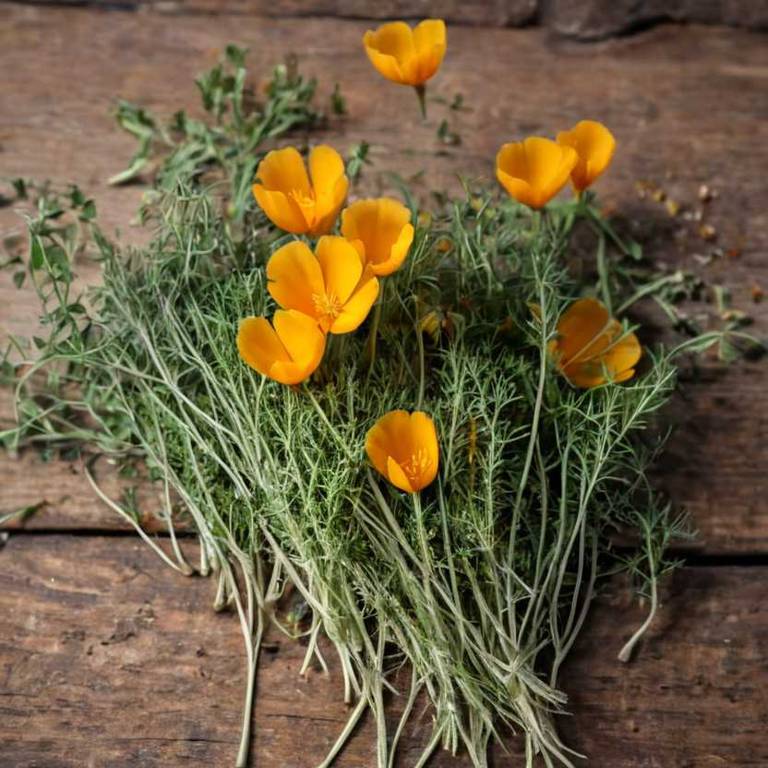
Respirasedative activity refers to the ability of certain plant compounds to depress or slow down the rate and depth of breathing, often acting on the central nervous system. Herbs such as Papaver bracteatum, Eschscholzia californica, and Argemonia mexicana exhibit this biological activity due to their sedative properties.

Associated herbs: 4

Occurs naturally in

Papaver bracteatum

Eschscholzia californica

Argemone mexicana

View all Respirasedative herbs →

Respirasensitizer

A respiration sensitizer is a substance that enhances the cellular metabolic rate or increases the sensitivity of respiratory pathways to specific stimuli. Herbs such as Capsicum frutescens, Zingiber officinale, and Capsicum annuum exhibit this activity by stimulating metabolic processes and thermogenesis through active compounds like capsaicin and gingerol.

Associated herbs: 3

Occurs naturally in

Capsicum frutescens

Zingiber officinale

Capsicum annuum

View all Respirasensitizer herbs →

Respirastimulant

A respirastimulant is a medicinal agent that enhances respiratory function by increasing the rate or depth of breathing and stimulating the respiratory center in the brain. Herbs such as Elsholtzia ciliata, Pimpinella aromatica, and Thymus vulgaris exhibit this activity, helping to clear airways and support pulmonary efficiency.

Associated herbs: 257

Occurs naturally in

Elsholtzia ciliata

Pimpinella aromatica

Thymus vulgaris

View all Respirastimulant herbs →

Respiroanaleptic

Respiranoleptic herbs possess biological activities that help suppress or regulate breathing patterns, often used to alleviate spasms or irregular respiratory rhythms. Common examples of plants exhibiting this activity include Inula helenium, Eupatorium perfoliatum, and Arnica montana.

Associated herbs: 3

Occurs naturally in

Inula helenium

Eupatorium perfoliatum

Arnica montana

View all Respiroanaleptic herbs →

Respirodepressant

A respirodepressant is a substance that decreases the rate and depth of breathing, often by acting on the central nervous system to slow down respiratory impulses. Certain medicinal herbs, such as Thymus vulgaris, Cinnamomum aromaticum, and Berberis aquifolium, may exhibit this biological activity through their complex phytochemical profiles.

Associated herbs: 60

Occurs naturally in

Thymus vulgaris

Cinnamomum aromaticum

Berberis aquifolium

View all Respirodepressant herbs →

Respiroinhibitor

A respiratory inhibitor is a substance that slows down or halts the cellular respiration process by interfering with the electron transport chain or specific metabolic enzymes. This biological activity is observed in certain medicinal herbs, such as Linum usitatissimum, which can influence metabolic pathways through its bioactive compounds.

Associated herbs: 1

Occurs naturally in

Linum usitatissimum

View all Respiroinhibitor herbs →

Respiroparalytic

Respiroparalytic activity refers to a biological effect where specific substances inhibit the muscular or neurological control of breathing, potentially leading to respiratory arrest. A classic example of a plant possessing this dangerous toxicity is Heliotropium europaeum.

Associated herbs: 1

Occurs naturally in

Heliotropium europaeum

View all Respiroparalytic herbs →

Respirostimulant

A respiratory stimulant is a substance that increases the rate or depth of breathing, often by acting on the central nervous system to enhance pulmonary function. Examples of medicinal herbs exhibiting this biological activity include Rauvolfia serpentina, Catharanthus lanceus, and Aspidosperma quebracho-blanco.

Associated herbs: 12

Occurs naturally in

Rauvolfia serpentina

Catharanthus lanceus

Aspidosperma quebracho-blanco

View all Respirostimulant herbs →

Respirotoxic

Respirototoxicity refers to the harmful effect where certain biological compounds interfere with cellular respiration or damage the respiratory system's ability to exchange gases. For example, certain components found in herbs such as Prunus persica, Carica papaya, and Ribes nigrum can exhibit this activity if consumed in toxic concentrations, potentially disrupting metabolic processes at the mitochondrial level.

Associated herbs: 23

Occurs naturally in

Prunus persica

Carica papaya

Ribes nigrum

View all Respirotoxic herbs →

Retinoprotectant Optometry

Retinoprotectant optometry refers to the biological ability of certain compounds to shield retinal cells from oxidative damage and prevent the progressive degeneration of vision. Herbs such as Tagetes erecta, Oryza sativa, and Prunus persica exhibit this activity by providing essential carotenoids and antioxidants that support long-term ocular health.

Associated herbs: 61

Occurs naturally in

Tagetes erecta

Oryza sativa

Prunus persica

View all Retinoprotectant Optometry herbs →

Reverse-Transcriptase-Inhibitor

Reverse-transcriptase inhibitors are compounds that block the enzyme used by certain viruses to convert their RNA into DNA, effectively halting the viral replication process within a host cell. Medicinal herbs such as Rheum officinale, Cinnamomum aromaticum, and Rauvolfia serpentina contain bioactive phytochemicals that exhibit this inhibitory activity.

Associated herbs: 72

Occurs naturally in

Rheum officinale

Cinnamomum aromaticum

Rauvolfia serpentina

View all Reverse-Transcriptase-Inhibitor herbs →

Rhinorreic

Rhynchorrhizic activity refers to the pharmacological action of certain plant alkaloids that specifically target the central nervous system to induce sedation or reduce blood pressure. Examples of medicinal herbs exhibiting this biological activity include Rauvolfia serpentina, Catharanthus lanceus, and Aspidosperma quebracho-branco.

Associated herbs: 7

Occurs naturally in

Rauvolfia serpentina

Catharanthus lanceus

Aspidosperma quebracho-blanco

View all Rhinorreic herbs →

Ribosome-Inactivator

Ribosome-inactivating proteins (RIPs) are specialized toxins found in certain medicinal herbs that function by enzymatically disrupting the protein synthesis machinery within cells. This biological activity is demonstrated by plants such as Abrus precatorius, Trichosanthes kirilowii, and Ricinus communis, which utilize these proteins to inhibit cellular growth and function.

Associated herbs: 5

Occurs naturally in

Abrus precatorius

Trichosanthes kirilowii

Ricinus communis

View all Ribosome-Inactivator herbs →

Roborant

Carminative activity, often referred to in botanical contexts as carminative or "robo-rant" properties, helps to relieve abdominal discomfort by facilitating the expulsion of gas from the digestive tract. Herbs such as Allium ampeloprasum (wild leek), Lepidium meyenii (maca), and Foeniculum vulgare (fennel) exhibit this biological activity by relaxing the smooth muscles of the gastrointestinal tract.

Associated herbs: 153

Occurs naturally in

Allium ampeloprasum

Lepidium meyenii

Foeniculum vulgare

View all Roborant herbs →

Ruminatoric

Rumination refers to the biological activity where certain medicinal herbs induce controlled vomiting or emesis to expel toxins from the digestive tract. Herbs such as Lobelia inflata, Lobelia tuvira, and Veratrum album possess these potent properties and are traditionally used to stimulate the emetic reflex.

Associated herbs: 5

Occurs naturally in

Lobelia tupa

Veratrum album

Lobelia inflata

View all Ruminatoric herbs →

SOD-Genic

SOD-genic activity refers to the ability of certain medicinal herbs to stimulate the body's endogenous production of superoxide dismutase (SOD), a critical antioxidant enzyme that neutralizes harmful free radicals. By enhancing the expression of this enzyme, these herbs bolster the cellular defense system against oxidative stress and inflammation, as seen in plants like Glycyrrhiza glabra (licorice).

Associated herbs: 1

Occurs naturally in

Glycyrrhiza glabra

View all SOD-Genic herbs →

Scabicide

A scabicide is a medicinal agent that possesses the ability to eliminate or kill scabies mites, the parasitic organisms responsible for skin infestations. Herbs such as Allium ampeloprasum, Annona muricata, and Cinnamomum aromaticum exhibit this biological activity, making them effective in treating skin conditions caused by these mites.

Associated herbs: 139

Occurs naturally in

Allium ampeloprasum

Annona muricata

Cinnamomum aromaticum

View all Scabicide herbs →

Schistosomicide

Schistosomicide activity refers to the ability of certain substances to directly kill or eliminate schistosomes, which are the parasitic flatworms responsible for schistosomiasis. Herbs such as Cucurbita pepo, Pinus sylvestris, and Agrimonia eupatoria exhibit this biological activity by targeting the parasites within the host.

Associated herbs: 49

Occurs naturally in

Pinus sylvestris

Cucurbita pepo

Agrimonia eupatoria

View all Schistosomicide herbs →

Schizonticide

A schizonticide is a biological agent that acts by destroying schizonts, which are the stages of a parasite's life cycle responsible for asexual reproduction within host cells. This activity is crucial in treating malaria, as it prevents the parasite from multiplying and spreading throughout the bloodstream. An example of a medicinal herb exhibiting this activity is Artemisia gmellinii var. gmellinii.

Associated herbs: 1

Occurs naturally in

Artemisia gmelinii var. gmelinii

View all Schizonticide herbs →