Explore herbs biological activities

  • 11249 Plants
  • |
  • 30137 Compounds
  • |
  • 1951 Activities
  • |
  • 132161 Studies

Explore Herbs


Alphabet


Biological Activity

View all →

Bioactive Compounds

View all →

List of herbs biological activities

Showing 1729-1776 out of 1951 results

Pemphigenic

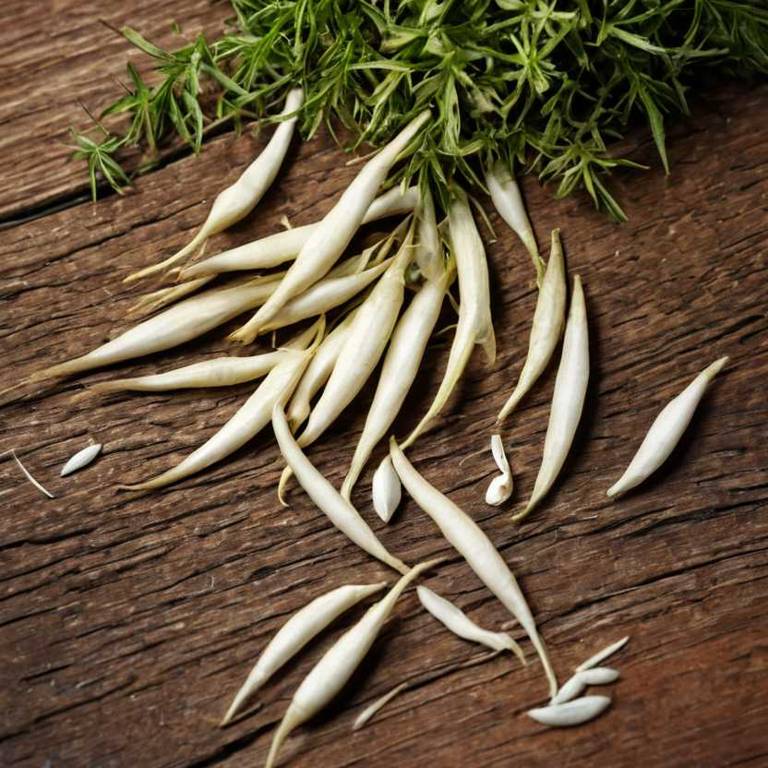
Pemphigenic activity refers to the ability of certain medicinal herbs to stimulate the growth and development of the pemphi, which is the specialized tissue or cellular structure responsible for certain metabolic or physiological processes in specific organisms. Herbs such as Allium ampeloprasum, Armoracia rusticana, and Allium schoenocephalum are recognized for exhibiting this biological characteristic.

Associated herbs: 5

Occurs naturally in
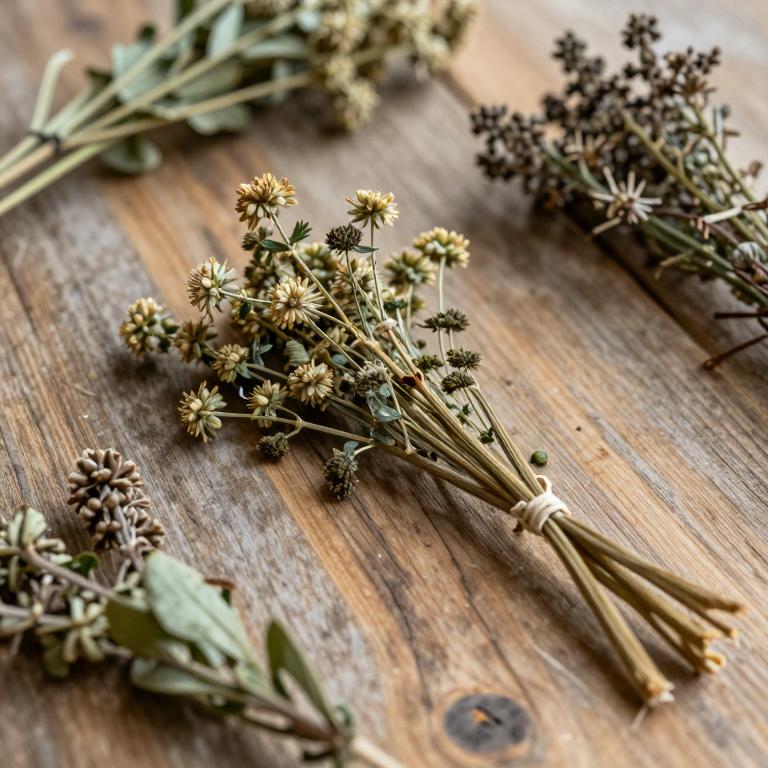
Allium ampeloprasum
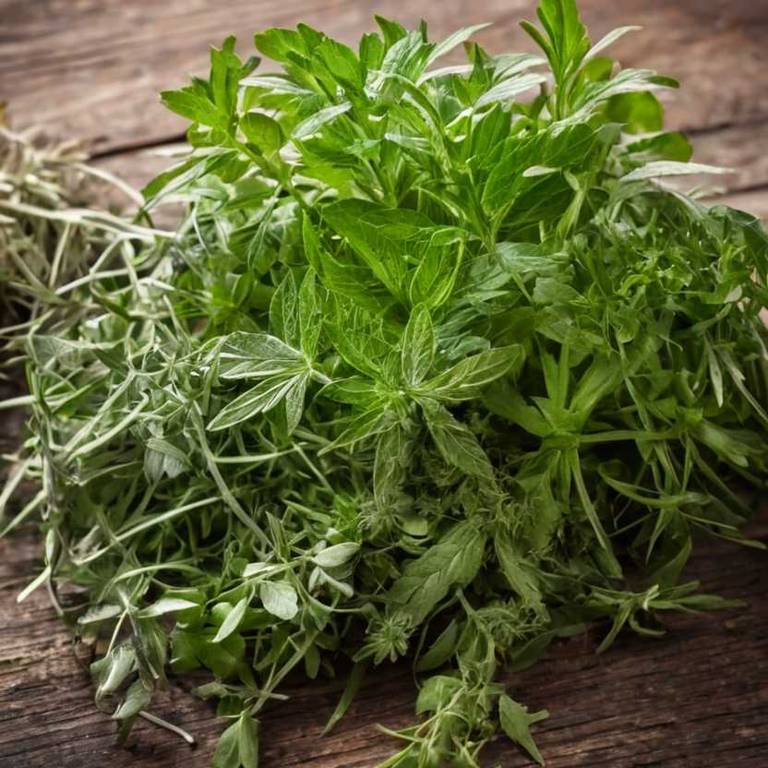
Armoracia rusticana
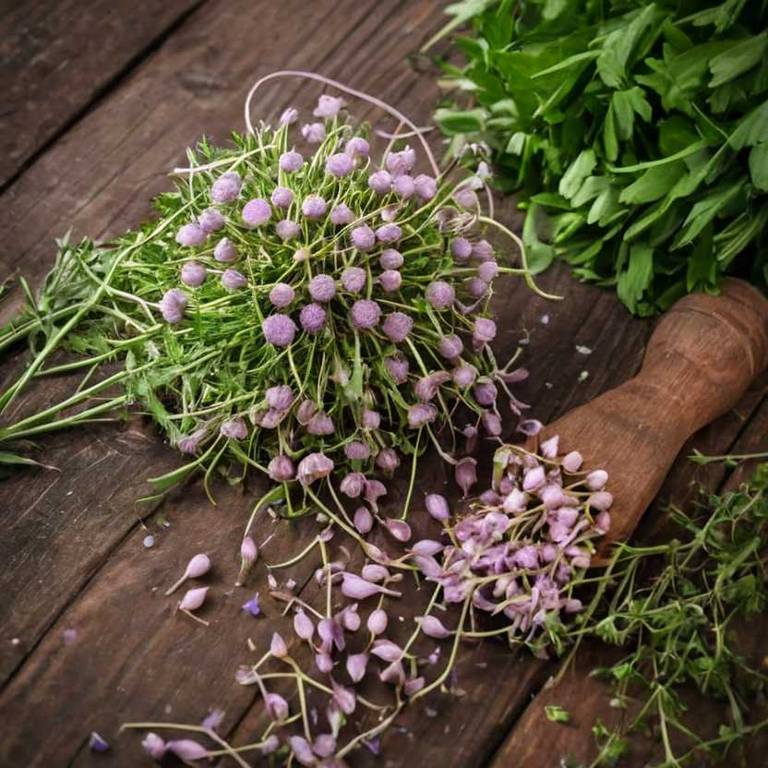
Allium schoenoprasum
View all Pemphigenic herbs →

Percutaneostimulant

Percutaneous stimulants are substances that act upon the skin to increase local blood circulation and stimulate nerve endings, often promoting a sensation of warmth or tingling. Examples of herbs exhibiting this biological activity include Pimpinella aromatica, Thymus vulgaris, and Lepidium meyenii.

Associated herbs: 322

Occurs naturally in

Pimpinella aromatica

Thymus vulgaris

Lepidium meyenii

View all Percutaneostimulant herbs →

Perfumery

Perfumery refers to the biological ability of certain herbs to produce and release volatile organic compounds that create distinct, pleasant scents. These aromatic profiles are often used in fragrances and aromatherapy, as seen in plants like Micromeria varia which possess unique olfactory properties.

Associated herbs: 789

Occurs naturally in

Micromeria ericifolia

Elsholtzia ciliata

Pimpinella aromatica

View all Perfumery herbs →

Peristaltic

Peristaltic activity refers to the involuntary, wave-like muscular contractions of the gastrointestinal tract that facilitate the movement of food and waste through the digestive system. Certain medicinal herbs, such as Micromeria varia, possess properties that stimulate these rhythmic contractions to promote regular bowel movements and relieve constipation.

Associated herbs: 449

Occurs naturally in

Micromeria ericifolia

Pimpinella aromatica

Eucalyptus siderophloia

View all Peristaltic herbs →

Peroxidase-Inhibitor

Peroxidase inhibitors are bioactive compounds in medicinal herbs that work by blocking the activity of peroxidase enzymes, which are often involved in oxidative stress and various pathological processes in the body. Herbs such as Strongylodon macrobotrys, Calopoogon caeruleum, and Phaseolus coccineus exhibit this biological activity, potentially offering therapeutic benefits through the regulation of oxidative pathways.

Associated herbs: 141

Occurs naturally in

Strongylodon macrobotrys

Calopogonium caeruleum

Phaseolus coccineus

View all Peroxidase-Inhibitor herbs →

Peroxynitrite-Scavenger

Peroxynitrite-scavenging activity refers to the ability of certain medicinal herbs to neutralize peroxynitrite, a highly reactive and damaging reactive nitrogen species responsible for oxidative stress and cellular injury. Herbs such as Cinnamomum aromaticum, Uncaria guianensis, and Humulus lupulus exhibit this property, helping to protect tissues from inflammation and DNA damage.

Associated herbs: 34

Occurs naturally in

Cinnamomum aromaticum

Uncaria guianensis

Humulus lupulus

View all Peroxynitrite-Scavenger herbs →

Peticide

Pesticidal activity refers to the ability of medicinal herbs to produce bioactive compounds that repel, inhibit, or kill harmful pests such as insects or microorganisms. Examples of herbs demonstrating this biological activity include Ribes nigrum, Agathoasma betulina, and Mentha longifolia.

Associated herbs: 3

Occurs naturally in

Ribes nigrum

Agathosma betulina

Mentha longifolia

View all Peticide herbs →

Phagocytotic

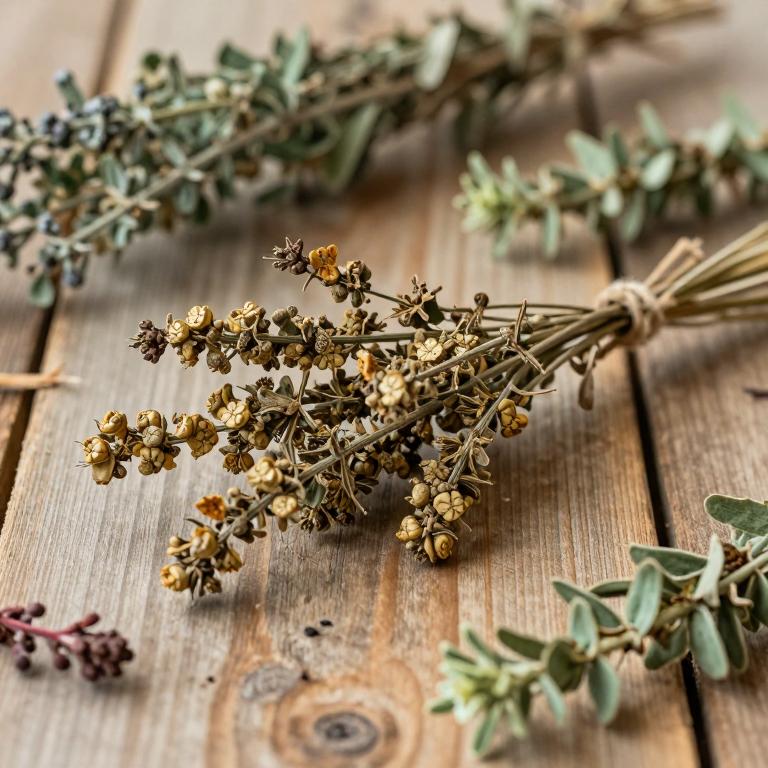
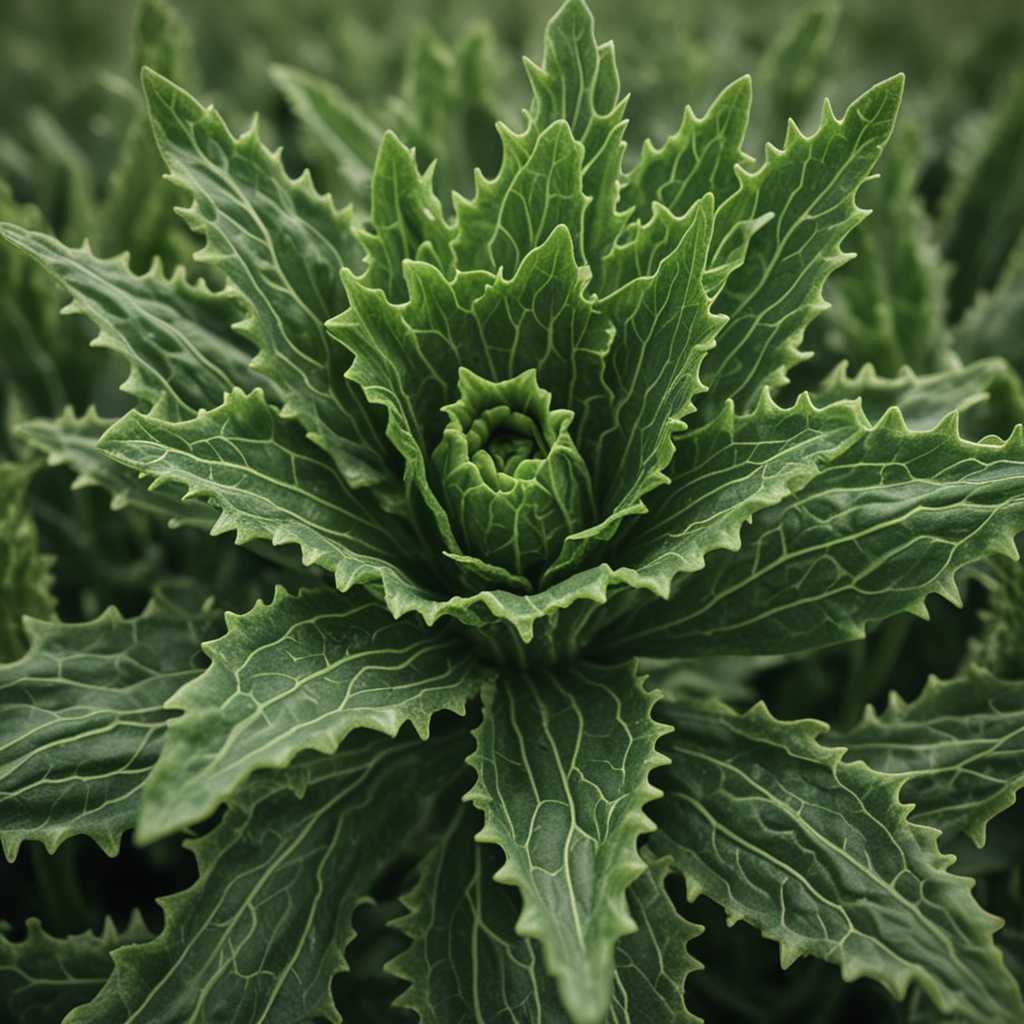
Phagocytic activity refers to the ability of certain medicinal herbs to stimulate or enhance the process by which immune cells, such as macrophages, engulf and destroy harmful pathogens like bacteria and viruses. Herbs such as Erythrina fusca, Thymus vulgaris, and Allium ampeloprasum exhibit this biological activity, thereby strengthening the body's innate immune response.
Associated herbs: 532

Occurs naturally in

Erythrina fusca

Thymus vulgaris

Allium ampeloprasum
View all Phagocytotic herbs →

Pheromonal

It appears there may be a typographical error in your term, as "Pheromonal" is not a recognized biological activity in pharmacology or botany. If you meant Pheromonal (relating to chemical signals used for communication), or if you meant to refer to a specific therapeutic property like Carminative (relieving gas) or Bitter (stimulating digestion), please clarify. However, based on the specific examples you provided (Cinnamomum aromaticum, Peumus boldus, and Humulus lupulus), you are likely referring to Carminative or Digestive stimulant activity. Here are two sentences explaining that activity: Carminative activity refers to the ability of certain plant compounds to reduce gastrointestinal distress by facilitating the expulsion of gas from the digestive tract. Herbs such as Cinnamomum aromaticum, Peumus boldus, and Humulus lupulus exhibit this activity by stimulating digestive secretions and relaxing the smooth muscles of the gut.

Associated herbs: 42

Occurs naturally in

Cinnamomum aromaticum

Peumus boldus

Humulus lupulus

View all Pheromonal herbs →

Pheromone

Pheromones in medicinal herbs refer to volatile organic compounds released to facilitate chemical communication between plants or to attract specific pollinators and beneficial insects. For example, species such as Micromeria varia utilize these bioactive substances to influence their surrounding biological environment and ensure reproductive success.

Associated herbs: 130

Occurs naturally in

Micromeria ericifolia

Pycnanthemum pycnanthemoides

Magnolia denudata

View all Pheromone herbs →

Phosphodiesterase-Inhibitor

Phosphodiesterase inhibitors work by preventing the breakdown of cyclic nucleotides, such as cAMP or cGMP, which increases their concentration to trigger vital cellular signaling processes. This biological activity is found in various medicinal herbs, including Rauvolfia serpentina, Centauria benedicta, and Nandinina domestica.

Associated herbs: 29

Occurs naturally in

Rauvolfia serpentina

Centaurea benedicta

Nandina domestica

View all Phosphodiesterase-Inhibitor herbs →

Phospholipase-A2-Inhibitor

Phospholipase A2 inhibitors work by blocking the enzyme responsible for releasing arachidonic acid, thereby preventing the inflammatory cascade and reducing pain and swelling. Medicinal herbs such as Cassia longifolia, Amanoa oblongifolia, and Sarracenia flava exhibit this activity, making them potential natural candidates for treating inflammatory conditions.

Associated herbs: 355

Occurs naturally in

Cassinia longifolia

Amanoa oblongifolia

Sarracenia flava

View all Phospholipase-A2-Inhibitor herbs →

Photoactive

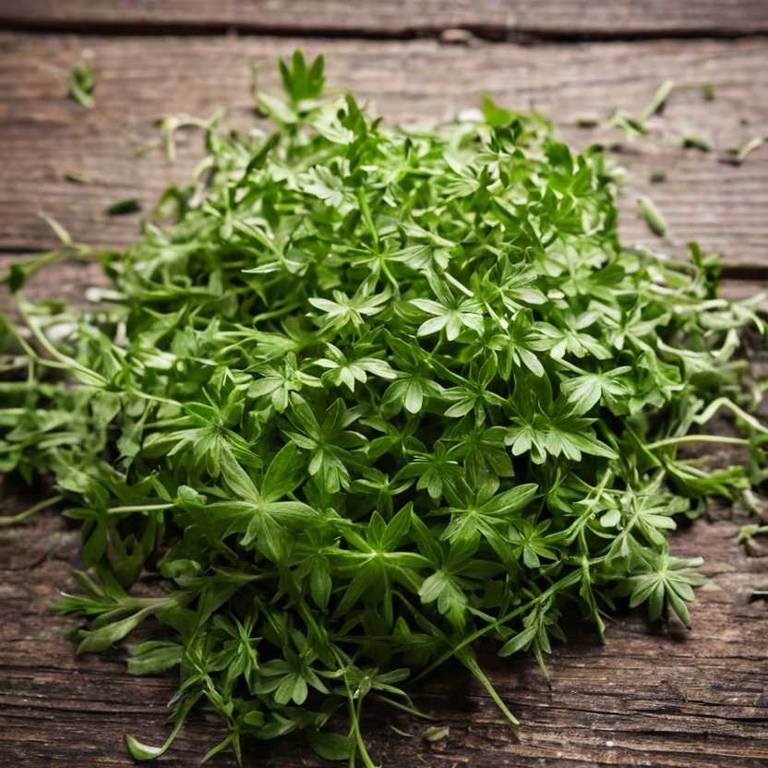
Photoactive biological activity refers to the capacity of certain herb-derived compounds to undergo chemical changes or trigger physiological responses when exposed to light. This phenomenon is often driven by specific phytochemicals, such as those found in herbs like Pimpinella aromatica, Ferula gummosa, and Allium ampelloprasum.

Associated herbs: 61

Occurs naturally in

Pimpinella aromatica

Ferula gummosa

Allium ampeloprasum
View all Photoactive herbs →

Photocarcinogenic

Photocarcinogenic activity refers to the ability of certain herbal compounds to increase the skin's sensitivity to ultraviolet (UV) radiation, potentially leading to DNA damage and the development of skin cancer. This biological phenomenon is often triggered by furanocoumarins found in plants such as Foeniculum vulgare (fennel), Cullen corylifolium (wild chervil), and Apium graveolens (celery).

Associated herbs: 17

Occurs naturally in

Foeniculum vulgare

Cullen corylifolium

Apium graveolens

View all Photocarcinogenic herbs →

Photodermatitigenic

Photodermatogenic activity refers to the ability of certain herbal compounds to induce skin inflammation or irritation when the skin is exposed to ultraviolet (UV) radiation. This biological effect is often caused by furanocoumarins, which are found in medicinal herbs such as Pimpinella aromatica, Foeniculum vulgare, and Carum carvi.

Associated herbs: 12

Occurs naturally in

Pimpinella aromatica

Foeniculum vulgare

Carum carvi

View all Photodermatitigenic herbs →

Photodermatotic

Photodermatotic activity refers to the ability of certain plant compounds to induce skin irritation or abnormal pigment changes when the skin is exposed to ultraviolet (UV) radiation. An example of a herb possessing this biological activity is Hypericum perforatum (St. John's Wort), which contains hypericin that can cause photosensitivity in humans.

Associated herbs: 1

Occurs naturally in

Hypericum perforatum

View all Photodermatotic herbs →

Photophobigenic

Photophobic activity refers to a biological response where certain substances induce an aversion to light or cause pupillary constriction, often leading to visual discomfort or sensitivity. This phenomenon is frequently associated with herbs containing specific alkaloids, such as Mandragora officinarum, Duboisia myoporoides, and Lactuca serriola.

Associated herbs: 13

Occurs naturally in

Mandragora officinarum

Duboisia myoporoides

Lactuca serriola

View all Photophobigenic herbs →

Photosensitizer

A photosensitizer is a biological agent that, when activated by exposure to specific wavelengths of light, produces reactive oxygen species that can cause cellular damage or toxicity. Certain medicinal herbs, such as Micromeria varia, possess these compounds, which can trigger phototoxic reactions in tissues upon contact with sunlight.

Associated herbs: 317

Occurs naturally in

Micromeria ericifolia

Pimpinella aromatica

Eucalyptus siderophloia

View all Photosensitizer herbs →

Phytohormone

Phytohormones are bioactive signaling molecules produced by plants that regulate essential physiological processes such as growth, development, and responses to environmental stimuli. Various medicinal herbs exhibit this activity, including Stellaria media, Stevia rebaudiana, and Brassica oleracea, which utilize these substances to coordinate their biological functions.

Associated herbs: 3

Occurs naturally in

Stellaria media

Stevia rebaudiana

Brassica oleracea

View all Phytohormone herbs →

Pigment

Pigments are natural colored compounds found in medicinal herbs that often serve as bioactive markers or contribute to the plant's antioxidant properties. Examples of herbs containing these pigments include Rheum officinale, Eremurus chinensis, and Magnolia denudata.

Associated herbs: 122

Occurs naturally in

Rheum officinale

Eremurus chinensis

Magnolia denudata

View all Pigment herbs →

Pilogenic

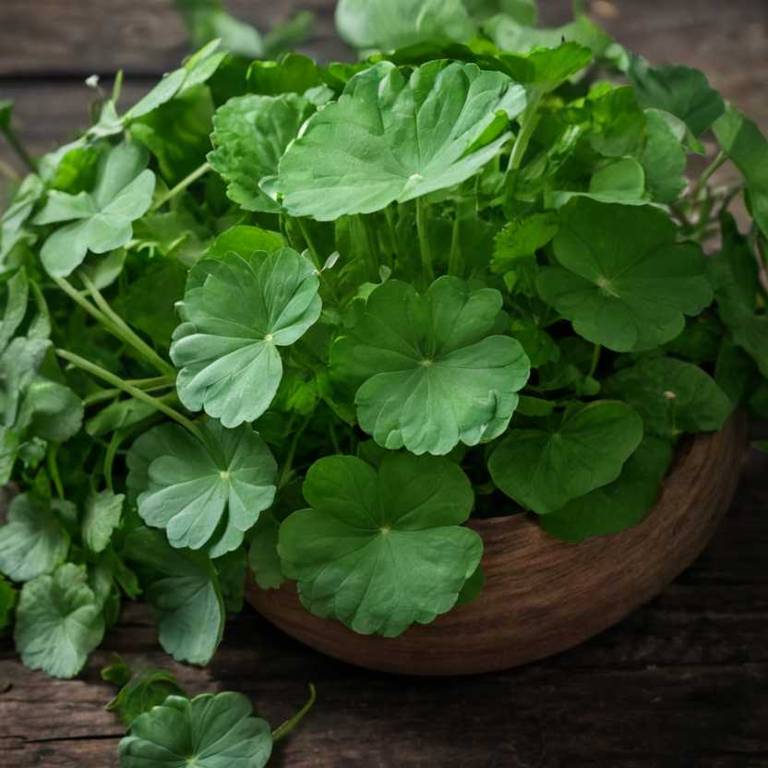
Pilogenic activity refers to the ability of certain substances to stimulate hair growth or promote the development of new hair follicles. Herbs such as Centella asiatica exhibit this biological activity by enhancing blood circulation and stimulating cellular proliferation within the scalp to support hair regeneration.

Associated herbs: 1

Occurs naturally in

Centella asiatica

View all Pilogenic herbs →

Piscicide

Piscicide refers to the biological activity of certain substances that are toxic to fish, often used in traditional methods to stun or kill them for easy collection. Examples of medicinal herbs possessing this property include Pimpinella aromatica, Thymus vulgaris, and Rheum officinale.

Associated herbs: 237

Occurs naturally in

Pimpinella aromatica

Thymus vulgaris

Rheum officinale

View all Piscicide herbs →

Pisciphile

The term "pisciphile" is not a standard biological activity used to describe medicinal herbs; however, it refers to organisms that thrive in or are attracted to fish-rich environments. If you are referring to herbs that have an affinity for aquatic ecosystems or are used in pisciculture, examples could include certain aquatic macrophytes. Note: It appears there may be a typographical error in your request. If you intended to ask about "Piscicide" (substances that kill fish) or a different term like "Phytotherapeutic," please clarify so I can provide the correct scientific explanation.

Associated herbs: 1

Occurs naturally in

Stevia rebaudiana

View all Pisciphile herbs →

Pituitary-Stimulant

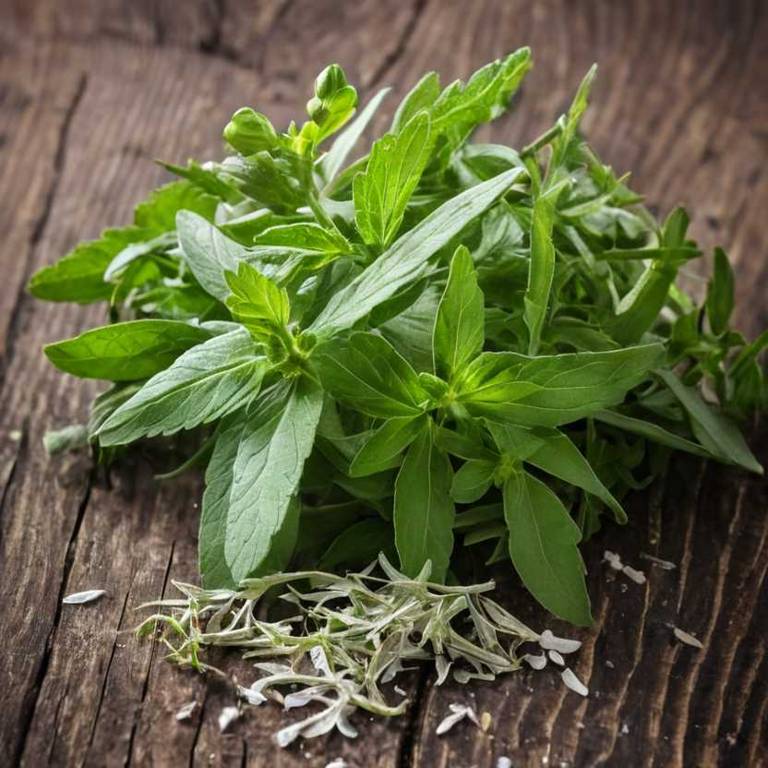
A pituitary stimulant is a substance that enhances the physiological functions of the pituitary gland, thereby modulating the secretion of essential hormones that regulate growth, metabolism, and reproduction. Examples of herbs exhibiting this biological activity include Allium ampeloprasum, Lepidium meyenii, and Melia azedarach.

Associated herbs: 167

Occurs naturally in

Allium ampeloprasum
Lepidium meyenii

Melia azedarach

View all Pituitary-Stimulant herbs →

Pituitary-sensitizer

A pituitary sensitizer is a substance that increases the responsiveness of the pituitary gland to various hormones, thereby modulating the body's endocrine signaling pathways. Herbs such as Strongylodon macrobotrys, Calopoogon caeruleum, and Phaseolus coccineus exhibit this biological activity, potentially helping to regulate reproductive or metabolic functions.

Associated herbs: 133

Occurs naturally in

Strongylodon macrobotrys

Calopogonium caeruleum

Phaseolus coccineus

View all Pituitary-sensitizer herbs →

Plasmodicide

A plasmodicide is a biological agent that directly kills the Plasmodium parasites responsible for causing malaria within the host's bloodstream. Various medicinal herbs exhibit this activity, including species such as Pimpinella aromatica, Thymus vulgaris, and Berberis aquifolium.

Associated herbs: 308

Occurs naturally in

Pimpinella aromatica

Thymus vulgaris

Berberis aquifolium

View all Plasmodicide herbs →

Podagragenic

A podagragenic substance is one that promotes the formation of uric acid crystals in the joints, potentially triggering or exacerbating symptoms of gout. Herbs such as Medicago sativa (alfalfa), Apium graveolens (celery), and Beta vulgaris (beet) are often studied in this context regarding their influence on metabolic processes and acid excretion.

Associated herbs: 3

Occurs naturally in

Medicago sativa

Apium graveolens

Beta vulgaris

View all Podagragenic herbs →

Poison

Certain medicinal herbs possess toxic biological activities that can cause severe physiological harm or death if ingested in improper doses. A notable example is Illicium verum (Star Anise), which can be confused with the highly toxic Illicium anisatum, containing compounds that trigger neurological damage.

Associated herbs: 1

Occurs naturally in

Illicium verum

View all Poison herbs →

Polyamine-Synthesis-Inhibitor

Polyamine synthesis inhibitors are medicinal compounds that disrupt the production of polyamines, which are essential molecules required for rapid cell proliferation and growth. By restricting these essential building blocks, these herbs can help regulate abnormal cell division and potentially inhibit the development of tumors. Examples of plants exhibiting this biological activity include Pimpinella aromatica, Rhus glabra, and Thymus vulgaris.

Associated herbs: 203

Occurs naturally in

Pimpinella aromatica

Rhus glabra

Thymus vulgaris

View all Polyamine-Synthesis-Inhibitor herbs →

Potassium-Sparing

Potassium-sparing activity refers to the biological ability of certain medicinal herbs to promote the excretion of sodium and water through the kidneys while simultaneously preventing the excessive loss of potassium. This action helps maintain a healthy electrolyte balance and can assist in managing fluid retention without causing dangerous drops in potassium levels. Examples of herbs that exhibit such diuretic properties include Thymus vulgaris, Sambucus nigra, and Prunus persica.

Associated herbs: 95

Occurs naturally in

Thymus vulgaris

Sambucus nigra

Prunus persica

View all Potassium-Sparing herbs →

Poultice

A poultice is a biological application method where crushed or chewed medicinal herbs are spread directly onto the skin to deliver concentrated therapeutic compounds to a localized area. This technique is used to reduce inflammation, draw out toxins, or soothe pain, utilizing herbs such as Pimpinella aromatica, Rheum officinale, and Lolium multiflorum.

Associated herbs: 162

Occurs naturally in

Pimpinella aromatica

Rheum officinale

Lolium multiflorum

View all Poultice herbs →

Preanesthetic

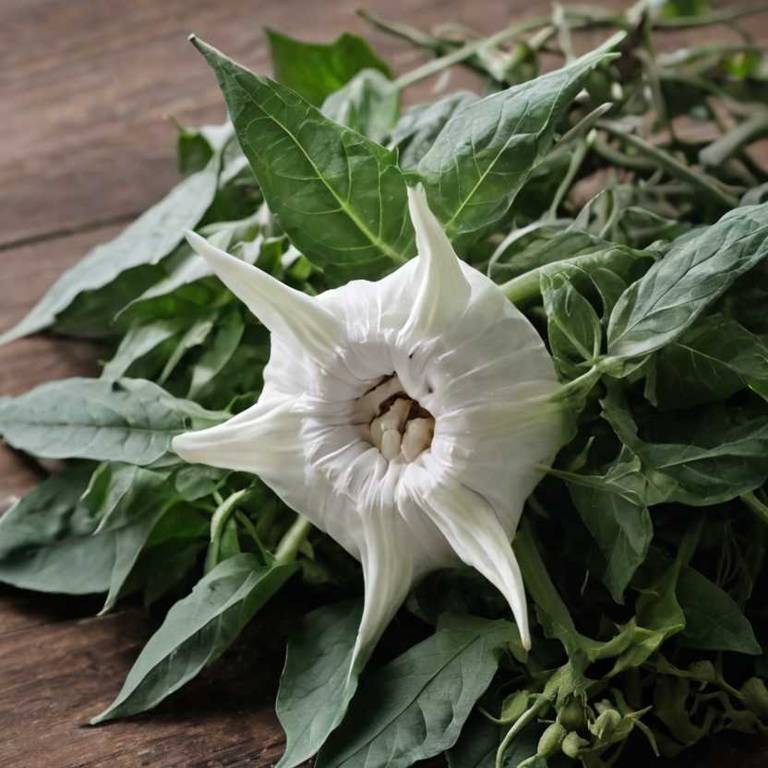
Preanesthetic activity refers to the ability of certain medicinal herbs to induce sedation and reduce pain sensitivity, effectively preparing an organism for a surgical or invasive procedure. Examples of plants possessing this biological activity include Mandragora officinarum, Duboisia myoporoides, and Datura stramonium, which contain alkaloids that depress the central nervous system.

Associated herbs: 10

Occurs naturally in

Mandragora officinarum

Duboisia myoporoides

Datura stramonium

View all Preanesthetic herbs →

Previtamin-A

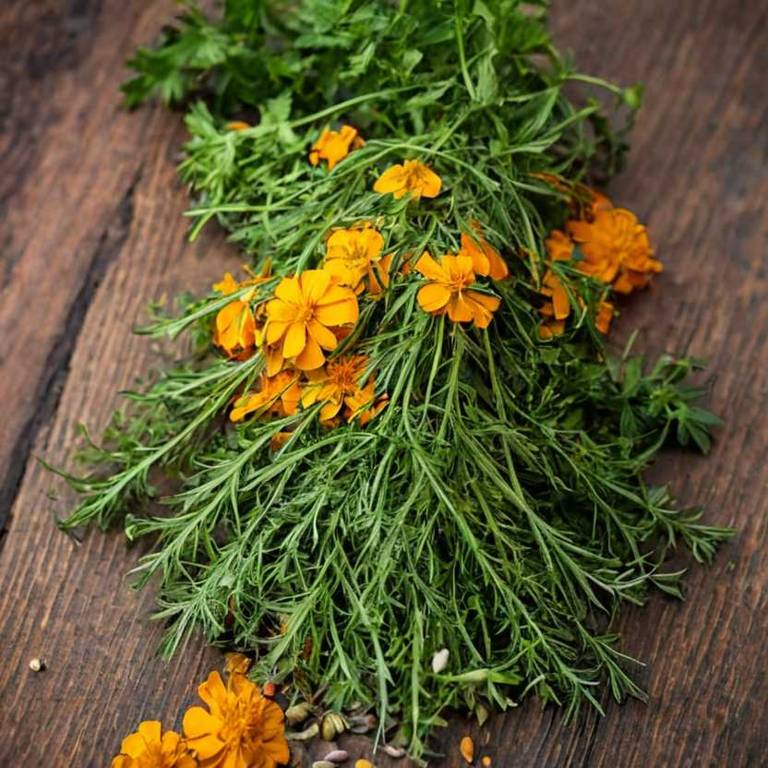
Previtamin-A refers to the presence of carotenoids, such as beta-carotene, which serve as metabolic precursors that the body converts into active Vitamin A (retinol). Various medicinal herbs exhibit this biological activity, including Tagetes erecta, Vaccinium macrocarpum, and Pinus sylvestris.

Associated herbs: 30

Occurs naturally in

Tagetes erecta

Vaccinium macrocarpon

Pinus sylvestris

View all Previtamin-A herbs →

Priapistic

Priapistic activity refers to the biological capacity of certain substances to induce or sustain a prolonged, involuntary erection by increasing blood flow to the genital tissues. Medicinal herbs such as Stachytarpheta jamaicensis, Annona mucosa, and Crataegus rhidophyllat are noted for exhibiting this specific physiological effect.

Associated herbs: 9

Occurs naturally in

Stachytarpheta jamaicensis

Annona mucosa

Crataegus rhipidophylla

View all Priapistic herbs →

ProHLDL

ProHLDL (Pro-inflammatory High-Density Lipoprotein-Like activity) refers to the biological capacity of certain compounds to modulate lipid metabolism and inflammatory responses within the body. Medicinal herbs such as Mentha canadensis, Capsicum frutescens, and Mentha spicata exhibit this activity through their diverse bioactive phytochemicals.

Associated herbs: 15

Occurs naturally in

Mentha canadensis

Capsicum frutescens

Mentha spicata

View all ProHLDL herbs →

Probiotigenic

Probiotigenic activity refers to the ability of certain medicinal herbs to promote the growth and survival of beneficial bacteria, such as Lactobacillus and Bifidobacterium, within the gastrointestinal tract. This effect is typically achieved through the presence of prebiotic compounds like polyphenols or polysaccharides that nourish a healthy gut microbiome. Examples of herbs exhibiting this biological activity include Petasites japonicus, Punica granatum, and Gentiana lutea.

Associated herbs: 29

Occurs naturally in

Petasites japonicus

Punica granatum

Gentiana lutea

View all Probiotigenic herbs →

Progestational

Progestational biological activity refers to the ability of certain herbal compounds to support or mimic the hormone progesterone, which is essential for maintaining the uterine lining and supporting pregnancy. Herbs such as Pimpinella aromatica, Thymus vulgaris, and Euphrasia officinalis are studied for their potential to influence these hormonal pathways to promote reproductive health.

Associated herbs: 76

Occurs naturally in

Pimpinella aromatica

Thymus vulgaris

Euphrasia officinalis

View all Progestational herbs →

Progesteronigenic

Progesterogenic activity refers to the ability of certain medicinal herbs to stimulate the production or mimic the biological functions of progesterone in the body. Herbs such as Oryza sativa (rice), Trigonella foenum-graecum (fenugreek), and Medicago sativa (alfalfa) are known to exhibit these properties, often by supporting hormonal balance through their bioactive compounds.

Associated herbs: 26

Occurs naturally in

Oryza sativa

Trigonella foenum-graecum

Medicago sativa

View all Progesteronigenic herbs →

Progestrogenic

Progestrogenic activity refers to the ability of certain medicinal herbs to mimic or stimulate the effects of the hormone progesterone in the body. Herbs such as Ardisia japonica exhibit this biological activity, which can help regulate the menstrual cycle and support reproductive health.

Associated herbs: 1

Occurs naturally in

Ardisia japonica

View all Progestrogenic herbs →

Prolactin-Inhibitor

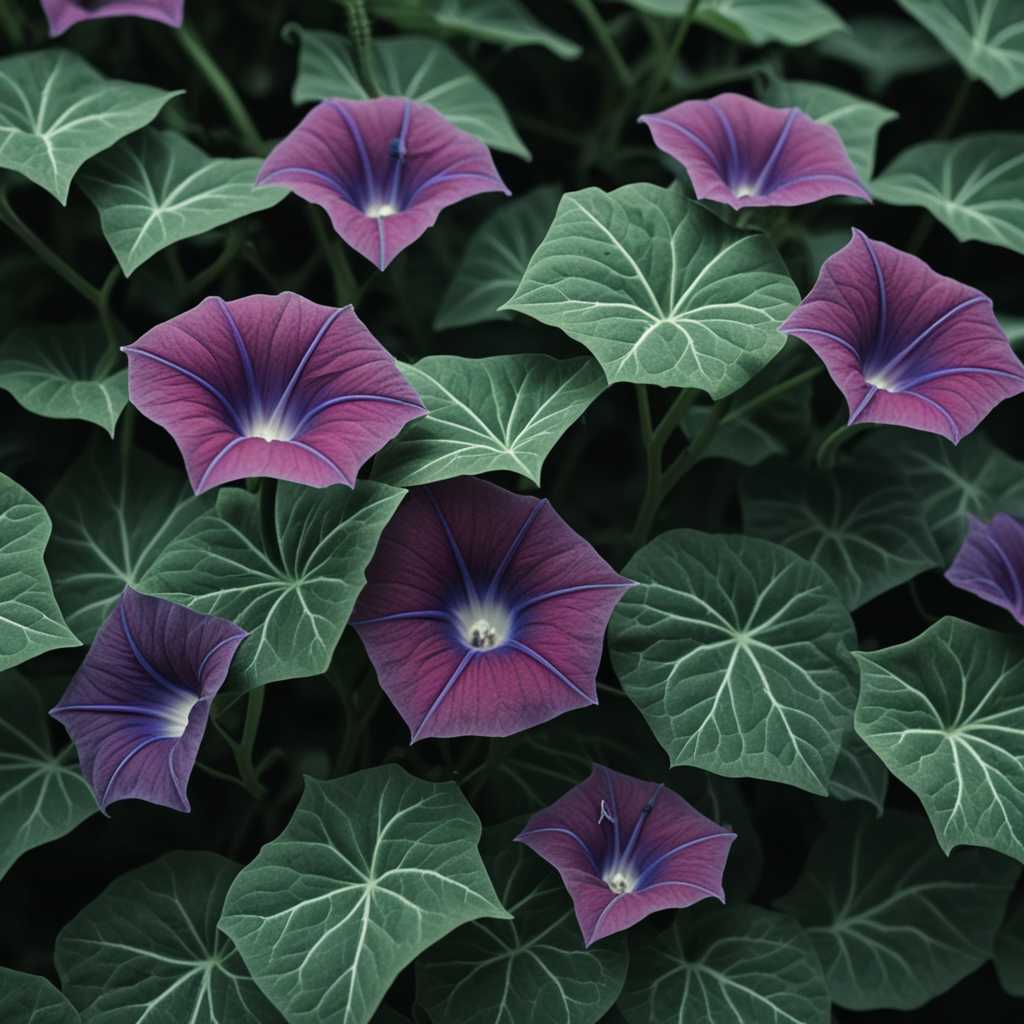
Prolactin inhibitors are medicinal substances that function by reducing the secretion of prolactin, a hormone primarily responsible for milk production and reproductive regulation. Herbs such as Ipomoea tricolor, Ipomoea corymbosa, and Elymus repens exhibit this biological activity, which can be utilized to manage hormonal imbalances.

Associated herbs: 3

Occurs naturally in

Ipomoea tricolor

Ipomoea corymbosa

Elymus repens

View all Prolactin-Inhibitor herbs →

Prolactinogenic

A prolactinogenic biological activity refers to the ability of a substance to stimulate the secretion of prolactin, a hormone produced by the pituitary gland that is essential for lactation and reproductive functions. Certain medicinal herbs, such as Thymus vulgaris, Allium ampeloprasum, and Annona muricata, are believed to exhibit this effect by influencing hormonal pathways in the body.

Associated herbs: 137

Occurs naturally in

Thymus vulgaris

Allium ampeloprasum
Annona muricata

View all Prolactinogenic herbs →

Proliferant

A proliferant biological activity refers to the ability of certain substances to stimulate or accelerate the rapid multiplication of cells, such as those involved in tissue repair or immune response. Medicinal herbs like Pimpinella aromatica, Thymus vulgaris, and Magnolia denudata exhibit this property by promoting cellular growth to aid in the healing process.

Associated herbs: 301

Occurs naturally in

Pimpinella aromatica

Thymus vulgaris

Magnolia denudata

View all Proliferant herbs →

Propecic

Preconic biological activity refers to the ability of certain medicinal herbs to act as preventative agents that inhibit the early stages of disease development or the formation of pathogens. Herbs such as Pimpinella anisum, Thymus vulgaris, and Allium ampeloprasum exhibit this property by strengthening biological barriers and suppressing initial microbial colonization.
Associated herbs: 416

Occurs naturally in

Pimpinella aromatica

Thymus vulgaris

Allium ampeloprasum

View all Propecic herbs →

Prostaglandigenic

Prostaglandinogenic activity refers to the ability of certain medicinal herbs to stimulate the production or release of prostaglandins, which are lipid compounds that play key roles in regulating inflammation, blood flow, and uterine contractions. Herbs such as Pimpinella aromatica, Thymus vulgaris, and Allium ampeloprasum exhibit this biological activity, influencing various physiological processes through these signaling molecules.

Associated herbs: 300

Occurs naturally in

Pimpinella aromatica

Thymus vulgaris

Allium ampeloprasum

View all Prostaglandigenic herbs →

Prostaglandin-Inhibitor

Prostaglandin inhibitors act by reducing the production of specific lipid compounds that trigger inflammation, pain, and fever in the body. Herbs such as Sarracenia flava, Thymus vulgaris, and Peumus boldus exhibit this biological activity, helping to mitigate inflammatory responses.

Associated herbs: 90

Occurs naturally in

Sarracenia flava

Thymus vulgaris

Peumus boldus

View all Prostaglandin-Inhibitor herbs →

Prostaglandin-Secretor

Prostaglandin-secretors are medicinal herbs that stimulate the release or modulation of prostaglandins, which are lipid compounds acting as local signaling molecules to regulate processes like inflammation, blood flow, and smooth muscle contraction. Examples of plants exhibiting this biological activity include Ilex paraguariensis, Coffea arabica, and Camellia sinensis.

Associated herbs: 7

Occurs naturally in

Ilex paraguariensis

Coffea arabica

Camellia sinensis

View all Prostaglandin-Secretor herbs →

Prostaglandin-Sparer

Prostaglandin-sparing activity refers to the ability of certain medicinal herbs to inhibit the production of inflammatory mediators or prevent their degradation, thereby reducing pain and swelling without the side effects typical of synthetic drugs. Examples of plants exhibiting this biological activity include Rhus glaberrima, Thymus vulgaris, and Rumex trisetifer.

Associated herbs: 155

Occurs naturally in

Rhus glabra

Thymus vulgaris

Rumex trisetifer

View all Prostaglandin-Sparer herbs →

Prostaglandin-Synthesis-Inhibitor

Prostaglandin synthesis inhibitors work by blocking the enzymes responsible for producing prostaglandins, which are lipid compounds that trigger inflammation, pain, and fever in the body. Herbs such as Premna serratifolia, Cassinia longifolia, and Pimpinella aromatica exhibit this biological activity, making them effective natural agents for reducing inflammation.

Associated herbs: 913

Occurs naturally in

Premna serratifolia

Cassinia longifolia

Pimpinella aromatica

View all Prostaglandin-Synthesis-Inhibitor herbs →