Explore herbs biological activities

  • 11249 Plants
  • |
  • 30137 Compounds
  • |
  • 1951 Activities
  • |
  • 132161 Studies

Explore Herbs


Alphabet


Biological Activity

View all →

Bioactive Compounds

View all →

List of herbs biological activities

Showing 1681-1728 out of 1951 results

Nicotinolytic

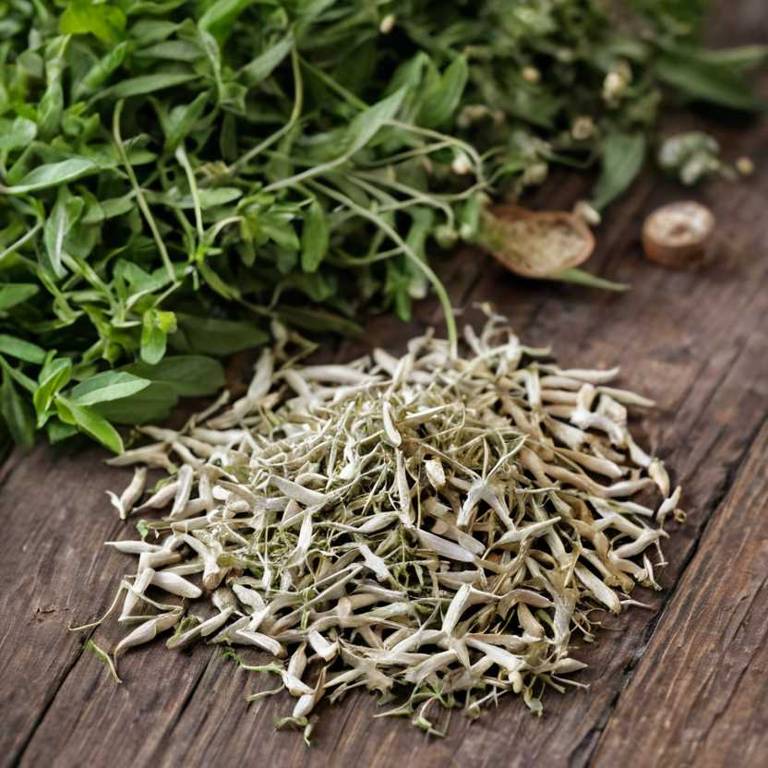
Nicotinolytic activity refers to the biological process where specific compounds interact with or modulate nicotinic acetylcholine receptors in the nervous system. Herbs such as Withania somniifera (Ashwagandha) exhibit this activity, which can help regulate neurotransmitter functions related to stress and cognitive health.

Associated herbs: 1
Occurs naturally in

Withania somnifera

View all Nicotinolytic herbs →

Nigrifacient

Nigrifacient refers to the biological activity of certain medicinal herbs characterized by their ability to induce darkening or blackening of the skin or tissues upon application. This effect is observed in plants such as Vacchelia nilotica, Ceratonia siliqua, and Geranium thunbergii.

Associated herbs: 7

Occurs naturally in

Vachellia nilotica

Ceratonia siliqua

Geranium thunbergii

View all Nigrifacient herbs →

Nitric-Oxide-Synthase-Inhibitor

Nitric Oxide Synthase (NOS) inhibitors work by reducing the production of nitric oxide, a signaling molecule that, when present in excess, can contribute to inflammation, oxidative stress, and various cardiovascular issues. By modulating these levels, certain medicinal herbs—such as Magnolia sieboldii—can help regulate vascular tone and mitigate inflammatory responses in the body.

Associated herbs: 1
Occurs naturally in

Magnolia sieboldii

View all Nitric-Oxide-Synthase-Inhibitor herbs →

Nociceptive

Nociceptive activity refers to the biological ability of a substance to inhibit the perception of pain by modulating the sensory processes triggered by harmful stimuli. Herbs such as Sambucus nigra, Pycnanthemum clinopodioides, and Clinopodium nepeta subsp. spruneri exhibit these properties, offering potential therapeutic benefits for pain management.

Associated herbs: 50

Occurs naturally in

Sambucus nigra

Pycnanthemum clinopodioides

Clinopodium nepeta subsp. spruneri

View all Nociceptive herbs →

Nodulation-Signal

Nodulation-signaling refers to the biological process where specific herbal compounds act as chemical messengers to stimulate the formation of nodules, which are essential structures for nutrient exchange in symbiotic relationships. Certain medicinal herbs, such as Pimpinella aromatica, Thymus vulgaris, and Euphrasia officinalis, possess bioactive constituents that can influence these signaling pathways to enhance plant growth and soil fertility.

Associated herbs: 78

Occurs naturally in

Pimpinella aromatica

Thymus vulgaris

Euphrasia officinalis

View all Nodulation-Signal herbs →

Occuloirritant

An occuloirritant is a substance that causes inflammation, redness, or discomfort when it comes into contact with the eyes. Certain medicinal herbs, such as Elsholtzia calycina, Pimpinella anisum, and Thymus vulgaris, possess essential oils or compounds that exhibit this irritating biological activity.

Associated herbs: 166

Occurs naturally in

Elsholtzia ciliata

Pimpinella aromatica

Thymus vulgaris

View all Occuloirritant herbs →

Occulotensive

The term occulotensive refers to a biological activity that can influence blood pressure or ocular tension through systemic or localized pharmacological effects. Medicinal herbs such as Glaucium flavum, Zanthoxylum americanum, and Macleaya cordata are studied for their potential to modulate these physiological pressures.

Associated herbs: 11

Occurs naturally in

Glaucium flavum

Zanthoxylum americanum

Macleaya cordata

View all Occulotensive herbs →

Odontolytic

Odontolytic activity refers to the ability of a substance to dissolve or break down dental debris, such as dental plaque, tartar, or infected tooth tissue. Herbs like Annona muricata, Solanum nigrum, and Chaenomeles japonica exhibit this property, making them potentially useful in treating oral infections and maintaining dental hygiene.

Associated herbs: 119

Occurs naturally in

Annona muricata

Solanum nigrum

Chaenomeles japonica

View all Odontolytic herbs →

Ophthalmic-Antialkali

Ophthalmic-antialkali activity refers to the ability of medicinal herbs to neutralize alkaline substances and soothe irritation upon application to the eyes. Herbs such as Oryza sativa, Helianthus annuus, and Aloe succotrina exhibit these properties, helping to restore the natural pH balance and provide relief from chemical ocular discomfort.

Associated herbs: 25

Occurs naturally in

Oryza sativa

Helianthus annuus

Aloe succotrina

View all Ophthalmic-Antialkali herbs →

Orexigenic

An orexigenic biological activity refers to the stimulation of appetite, often used to treat conditions characterized by malnutrition or loss of desire to eat. Herbs such as Achillea millefolium (Yarrow) and Artemisia absinthium (Wormwood) exhibit this effect by stimulating digestive secretions and promoting a sense of hunger.

Associated herbs: 2

Occurs naturally in

Achillea millefolium

Artemisia absinthium

View all Orexigenic herbs →

Ornithine-Decarboxylase-Inhibitor

Ornithine decarboxylase inhibitors act by blocking the enzyme responsible for converting ornithine into polyamines, which are essential molecules for rapid cell proliferation. By disrupting this process, these herbs can exhibit potent anti-tumor and anti-proliferative effects, a biological activity observed in plants such as Micromeria varia.

Associated herbs: 932

Occurs naturally in

Micromeria ericifolia

Cuscuta europaea

Pimpinella aromatica

View all Ornithine-Decarboxylase-Inhibitor herbs →

Osmoregulator

An osmoregulator is a biological agent that helps maintain the osmotic pressure and fluid balance within cells by regulating the concentration of solutes. Medicinal herbs with this activity, such as Foeniculum vulgare, Oryza sativa, and Chenopodium album, assist the body in stabilizing electrolyte levels and preventing cellular dehydration or swelling.

Associated herbs: 39

Occurs naturally in

Foeniculum vulgare

Oryza sativa

Chenopodium album

View all Osmoregulator herbs →

Osteoblastogenic

Osteoblastogenic activity refers to the ability of a substance to stimulate the differentiation and proliferation of osteoblasts, which are the cells responsible for bone formation. Herbs such as Thymus vulgaris, Euphrasius officinalis, and Mentha spicata exhibit this property, potentially aiding in the treatment of bone density loss and fracture healing.

Associated herbs: 12

Occurs naturally in

Thymus vulgaris

Euphrasia officinalis

Mentha spicata

View all Osteoblastogenic herbs →

Osteoclastic

Osteoclastic activity refers to the biological process where osteoclasts break down the mineralized matrix of bone tissue, a key step in bone remodeling and resorption. Certain medicinal herbs, such as Coleus barbatus (also known as Coleus barbautus var. barbatus), are studied for their ability to modulate this activity to help manage bone density and metabolic processes.

Associated herbs: 2

Occurs naturally in

Coleus barbatus var. barbatus

Coleus barbatus

View all Osteoclastic herbs →

Osteolytic

Osteolytic activity refers to the biological process of breaking down or resorbing bone tissue, often through the activation of osteoclasts. Certain medicinal herbs, such as Acacia melanoxylon, Melia azedarach, and Prunus persica, have demonstrated these properties in pharmacological studies.

Associated herbs: 104

Occurs naturally in

Acacia melanoxylon

Melia azedarach

Prunus persica

View all Osteolytic herbs →

Ovulant

Ovulant herbs possess the biological ability to stimulate or enhance the reproductive processes within the female reproductive system, often supporting follicular development or ovulation. Examples of plants exhibiting this activity include Pimpinella aromatica, Thymus vulgaris, and Annona muricata.

Associated herbs: 202

Occurs naturally in

Pimpinella aromatica

Thymus vulgaris

Annona muricata

View all Ovulant herbs →

Oxidant

An oxidant refers to a substance that facilitates oxidation by accepting electrons from other molecules, which can lead to the production of reactive oxygen species within a biological system. Certain medicinal herbs, such as Thymus vulgaris, Allium ampeloprasum, and Lepidium meyenii, possess oxidative properties that can influence cellular redox states and metabolic processes.

Associated herbs: 170

Occurs naturally in

Thymus vulgaris

Allium ampeloprasum

Lepidium meyenii

View all Oxidant herbs →

Oxidase-Inhibitor

Oxidase inhibitors are substances that decrease the rate of oxidation by interfering with the activity of oxidase enzymes, thereby preventing the breakdown of essential molecules or the formation of harmful oxidative byproducts. This biological activity is exhibited by various medicinal herbs, such as Rhus glabra, Diospyros virginiana, and Polygonum aviculare.

Associated herbs: 63

Occurs naturally in

Rhus glabra

Diospyros virginiana

Polygonum aviculare

View all Oxidase-Inhibitor herbs →

Oxytocic?

An oxytocic biological activity refers to the ability of a substance to stimulate uterine contractions, which can aid in labor induction or control postpartum bleeding. Herbs such as Medicago sativa, Achillea millefolium, and Betonica betonicifolia exhibit this property due to the presence of specific phytochemicals that mimic or trigger the action of the hormone oxytocin.

Associated herbs: 8

Occurs naturally in

Medicago sativa

Achillea millefolium

Betonica betoniciflora

View all Oxytocic? herbs →

Oxyuricide

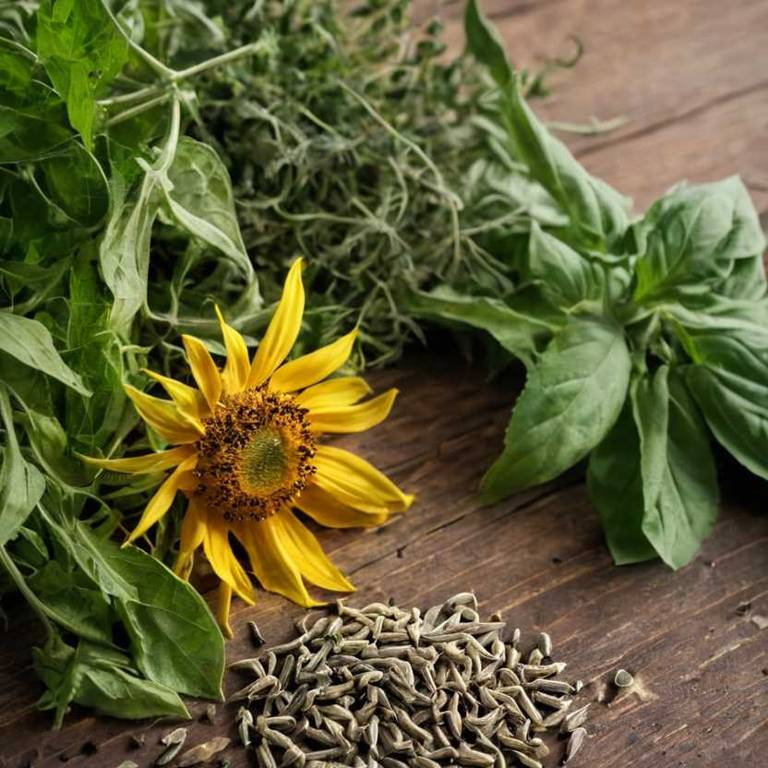
An oxyuricide is a medicinal substance specifically used to eliminate Enterobius vermicularis, commonly known as pinworms, from the human intestinal tract. Many botanical sources possess this activity, such as Punica granatum (pomegranate), which contains compounds capable of neutralizing these parasitic worms.

Associated herbs: 1
Occurs naturally in

Punica granatum

View all Oxyuricide herbs →

Ozone-Scavenger

Ozone-scavengers are medicinal herbs that possess high antioxidant capacities, allowing them to neutralize and detoxify harmful ozone molecules in the body or environment. For example, plants such as Micromeria varia exhibit this activity by utilizing their bioactive compounds to mitigate oxidative stress caused by ozone exposure.

Associated herbs: 317

Occurs naturally in

Micromeria ericifolia

Pimpinella aromatica

Eucalyptus siderophloia

View all Ozone-Scavenger herbs →

P21-Inducer

A P21-inducer stimulates the production of the p21 protein, a key regulator that halts the cell cycle to prevent the uncontrolled proliferation of damaged or cancerous cells. Medicinal herbs such as Pimpinella aromatica, Thymus vulgaris, and Foeniculum vulgare exhibit this activity, helping to promote cell cycle arrest and support tumor suppression.

Associated herbs: 108

Occurs naturally in

Pimpinella aromatica

Thymus vulgaris

Foeniculum vulgare

View all P21-Inducer herbs →

P450-1A-Inducer

A P450-1A inducer is a substance that increases the expression and activity of the cytochrome P450 1A enzyme, which accelerates the metabolic breakdown of certain drugs and environmental toxins. This biological activity can lead to decreased therapeutic efficacy of medications that are substrates for this specific enzyme. Examples of herbs exhibiting this activity include Apyum graveolens, Daucus carota, and Viola odorata.

Associated herbs: 10

Occurs naturally in

Apium graveolens

Daucus carota

Viola odorata

View all P450-1A-Inducer herbs →

P450-2B-Inducer

A P450-2B inducer is a substance that increases the expression and activity of the cytochrome P450 2B enzyme subfamily, which plays a critical role in the metabolic detoxification of various drugs and xenobiotics. By accelerating this enzymatic process, these herbs can speed up the clearance of certain medications from the body, potentially reducing their therapeutic effectiveness. Examples of herbs exhibiting this biological activity include Apyum graveolens, Daucus carota, and Viola odorata.

Associated herbs: 10

Occurs naturally in

Apium graveolens

Daucus carota

Viola odorata

View all P450-2B-Inducer herbs →

P450-2B1-Inhibitor

A P450-2B1 inhibitor is a substance that reduces the enzymatic activity of the cytochrome P450 2B1 enzyme, which is responsible for metabolizing various drugs and xenobiotics in the liver. By inhibiting this specific pathway, these substances can increase the concentration and duration of action of co-administered medications in the bloodstream. An example of a medicinal herb that exhibits this biological activity is Micromeria varia.

Associated herbs: 376

Occurs naturally in

Micromeria ericifolia

Elsholtzia ciliata

Pimpinella aromatica

View all P450-2B1-Inhibitor herbs →

P450-Inducer

A P450-inducer is a substance that increases the expression and activity of cytochrome P450 enzymes in the liver, which can accelerate the metabolism of various drugs. This activity can lead to reduced therapeutic efficacy of medications by clearing them from the body more rapidly, a process observed in herbs such as Micromeria varia.

Associated herbs: 551

Occurs naturally in

Micromeria ericifolia

Elsholtzia ciliata

Pimpinella aromatica

View all P450-Inducer herbs →

P450-Inhibitor

Cytochrome P450 (CYP450) inhibitors are medicinal herbs that decrease the enzymatic activity of the P450 protein system, which is responsible for metabolizing drugs in the liver. By slowing down this metabolic process, these herbs can increase the concentration and duration of effect of co-administered medications in the bloodstream. Examples of herbs exhibiting this biological activity include Pimpinella aromatica, Thymus vulgaris, and Magnolia denudata.

Associated herbs: 280

Occurs naturally in

Pimpinella aromatica

Thymus vulgaris

Magnolia denudata

View all P450-Inhibitor herbs →

PAF-Inducer

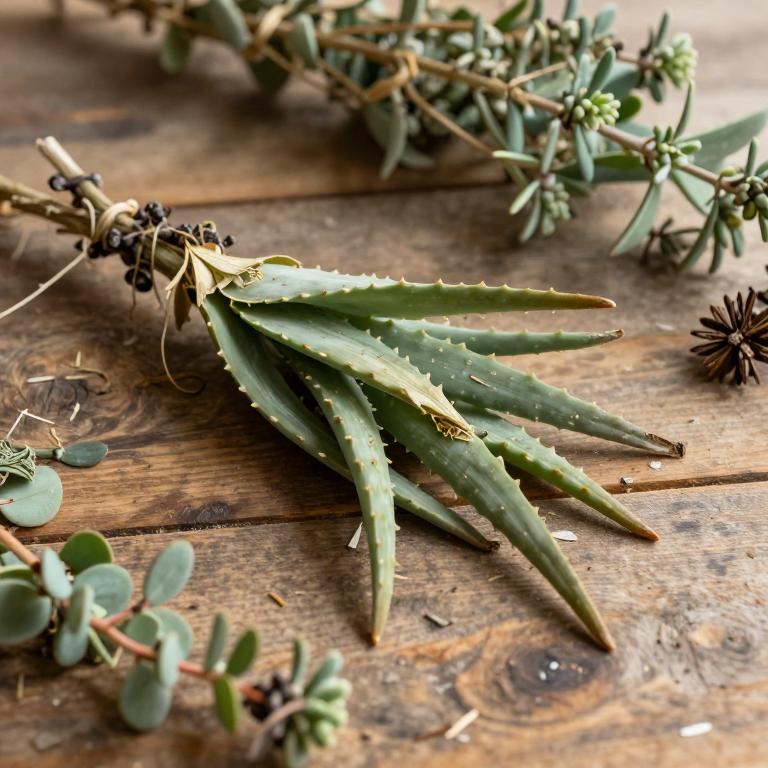
A PAF-inducer is a substance that triggers the release or activation of Platelet-Activating Factor (PAF), a potent phospholipid mediator involved in inflammatory responses, platelet aggregation, and vascular permeability. Certain medicinal herbs, such as Sophora flavescens, contain bioactive compounds that can induce this activity, playing a significant role in modulating the body's immune and inflammatory signaling pathways.

Associated herbs: 1
Occurs naturally in

Sophora flavescens

View all PAF-Inducer herbs →

PAF-Inhibitor

PAF-inhibitors are medicinal substances that work by blocking the activity of Platelet-Activating Factor, a potent phospholipid mediator involved in inflammation, platelet aggregation, and allergic reactions. Herbs such as Pimpinella aromatica, Thymus vulgaris, and Erythroxylum novogranatense exhibit this biological activity, offering potential therapeutic benefits for treating inflammatory and cardiovascular conditions.

Associated herbs: 305

Occurs naturally in

Pimpinella aromatica

Thymus vulgaris

Erythroxylum novogranatense

View all PAF-Inhibitor herbs →

PDGF-Inhibitor

PDGF-inhibitors are medicinal compounds that suppress the activity of Platelet-Derived Growth Factor, a signaling protein that promotes cell proliferation, migration, and tissue scarring. By blocking this pathway, these herbs can help regulate abnormal cell growth and reduce excessive inflammation or fibrosis in various tissues. Examples of herbs that exhibit this biological activity include Glycyrrhiza uralensis and Glycyrrhiza glabra.

Associated herbs: 2

Occurs naturally in

Glycyrrhiza uralensis

Glycyrrhiza glabra

View all PDGF-Inhibitor herbs →

PGE2-Inhibitor

A PGE2-inhibitor works by suppressing the production or action of Prostaglandin E2, a key lipid mediator responsible for inducing inflammation, pain, and fever. By reducing these inflammatory signals, medicinal herbs with this activity can effectively alleviate various inflammatory conditions. Examples of herbs that exhibit this biological activity include Pimpinella aromatica, Rheum officinale, and Magnolia denudata.

Associated herbs: 276

Occurs naturally in

Pimpinella aromatica

Rheum officinale

Magnolia denudata

View all PGE2-Inhibitor herbs →

PKC-Inhibitor

PKC inhibitors work by blocking the Protein Kinase C enzyme, which plays a central role in regulating cell signaling, inflammation, and tumor growth. Various medicinal herbs, such as Pimpinella aromatica, Thymus vulgaris, and Euphrasia officinalis, contain bioactive compounds that exhibit this inhibitory activity to help modulate cellular responses.

Associated herbs: 109

Occurs naturally in

Pimpinella aromatica

Thymus vulgaris

Euphrasia officinalis

View all PKC-Inhibitor herbs →

PKD-Inhibitor

PKD-inhibitors are bioactive compounds that suppress the activity of Protein Kinase D, an enzyme involved in various cellular processes including cell signaling, protein trafficking, and cancer progression. Medicinal herbs such as Vaccinium macrocarpum, Reynoutria japonica, and Eucalyptus wandoo contain natural phytochemicals that exhibit this inhibitory effect, making them subjects of interest in therapeutic research.

Associated herbs: 8

Occurs naturally in

Vaccinium macrocarpon

Reynoutria japonica

Eucalyptus wandoo

View all PKD-Inhibitor herbs →

PPAR-Gamma-Antagonist

A PPAR-gamma antagonist works by inhibiting the peroxisome proliferator-activated receptor gamma, a nuclear receptor that plays a critical role in regulating glucose metabolism and fatty acid storage. By blocking this receptor, these compounds can influence metabolic pathways related to insulin sensitivity and inflammation, as seen in herbs such as Thymus vulgaris, Euphrasia officinalis, and Mentha spicata.

Associated herbs: 12

Occurs naturally in

Thymus vulgaris

Euphrasia officinalis

Mentha spicata

View all PPAR-Gamma-Antagonist herbs →

PTK-Inhibitor

Protein Tyrosine Kinases (PTK) inhibitors are bioactive compounds that function by blocking specific enzymes involved in cellular signaling pathways, thereby regulating processes such as cell growth and inflammation. Various medicinal herbs possess these inhibitory properties, including Pimpinella aromatica, Strongylodon macrobotrys, and Thymus vulgaris.

Associated herbs: 447

Occurs naturally in

Pimpinella aromatica

Strongylodon macrobotrys

Thymus vulgaris

View all PTK-Inhibitor herbs →

Pancreaprotective

Pancreatoprotective activity refers to the ability of a substance to shield the pancreas from damage caused by toxins, inflammation, or oxidative stress, thereby preserving its endocrine and exocrine functions. Various medicinal herbs, such as Pueraria montana var. lobata, Abrus precatorius, and Glycyrrhiza uralensis, exhibit these protective effects by mitigating cellular injury within the pancreatic tissue.

Associated herbs: 6

Occurs naturally in

Pueraria montana var. lobata

Abrus precatorius

Glycyrrhiza uralensis

View all Pancreaprotective herbs →

Pancreatic

Herbs with pancreatic activity function by stimulating the secretion of digestive enzymes and regulating insulin production to support healthy glucose metabolism. Examples of plants that exhibit this biological activity include Gentiana lutea, Gentiana scabra, and Centaurium erythraea.

Associated herbs: 3

Occurs naturally in

Gentiana lutea

Gentiana scabra

Centaurium erythraea

View all Pancreatic herbs →

Pancreatogenic

Pancreatogenic activity refers to the ability of certain medicinal herbs to stimulate or influence the functional processes of the pancreas, such as the secretion of digestive enzymes or the regulation of insulin. Examples of herbs exhibiting this biological activity include Rheum officinale, Cinnamomum aromaticum, and Uncaria guianensis.

Associated herbs: 46

Occurs naturally in

Rheum officinale

Cinnamomum aromaticum

Uncaria guianensis

View all Pancreatogenic herbs →

Pancreatonic

Pancreatonic activity refers to the ability of certain medicinal herbs to stimulate or regulate the physiological functions of the pancreas, particularly concerning the secretion of digestive enzymes and insulin. Herbs such as Coleus barbatus (also known as Coleus barbaetus var. barbatus) exhibit this property, helping to support metabolic processes and glucose regulation.

Associated herbs: 2

Occurs naturally in

Coleus barbatus var. barbatus

Coleus barbatus

View all Pancreatonic herbs →

Pancreatoxic

Pancreatoxic activity refers to the ability of certain medicinal compounds to influence pancreatic function, often by modulating insulin secretion or protecting pancreatic cells from damage. Herbs such as Diospyros virginiana, Juglans nigra, and Panax quinquefolius exhibit these properties, potentially aiding in the management of metabolic processes and glucose regulation.

Associated herbs: 33

Occurs naturally in

Diospyros virginiana

Juglans nigra

Panax quinquefolius

View all Pancreatoxic herbs →

Papain-Inhibitor

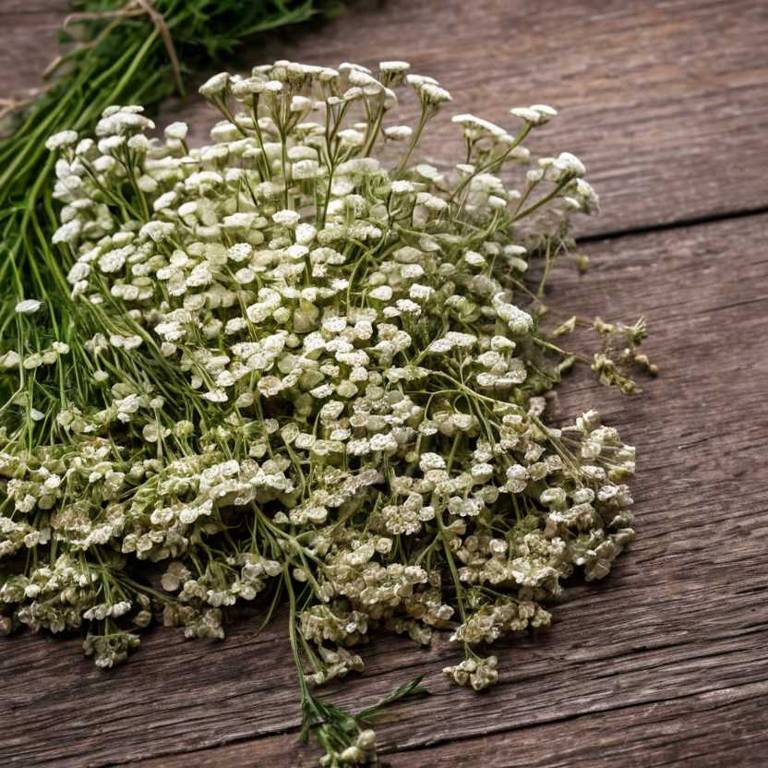
Papain-inhibitor activity refers to the ability of certain compounds to suppress the function of papain, a proteolytic enzyme that breaks down proteins. Herbs such as Allium cepa (onion) contain bioactive constituents, like quercetin, that can act as inhibitors to regulate this enzymatic process.

Associated herbs: 1
Occurs naturally in

Allium cepa

View all Papain-Inhibitor herbs →

Papillomagenic

Papilloimagenic activity refers to the ability of certain substances to stimulate the proliferation and growth of epithelial cells, particularly those in the skin or mucous membranes. This biological effect is characteristic of specific phytochemicals found in herbs such as Aristolochia debilis and Asarum canadense.

Associated herbs: 2

Occurs naturally in

Aristolochia debilis

Asarum canadense

View all Papillomagenic herbs →

Paralytic

Paralytic biological activity refers to the ability of certain compounds to inhibit nerve impulses or muscle contractions, effectively inducing a state of temporary loss of function or sensation. Herbs such as Pimpinella aromatica, Sarracenia flava, and Berberis aquifolium contain specific phytochemicals that can exert these sedative or neuromuscular blocking effects.

Associated herbs: 198

Occurs naturally in

Pimpinella aromatica

Sarracenia flava

Berberis aquifolium

View all Paralytic herbs →

Paramecicide

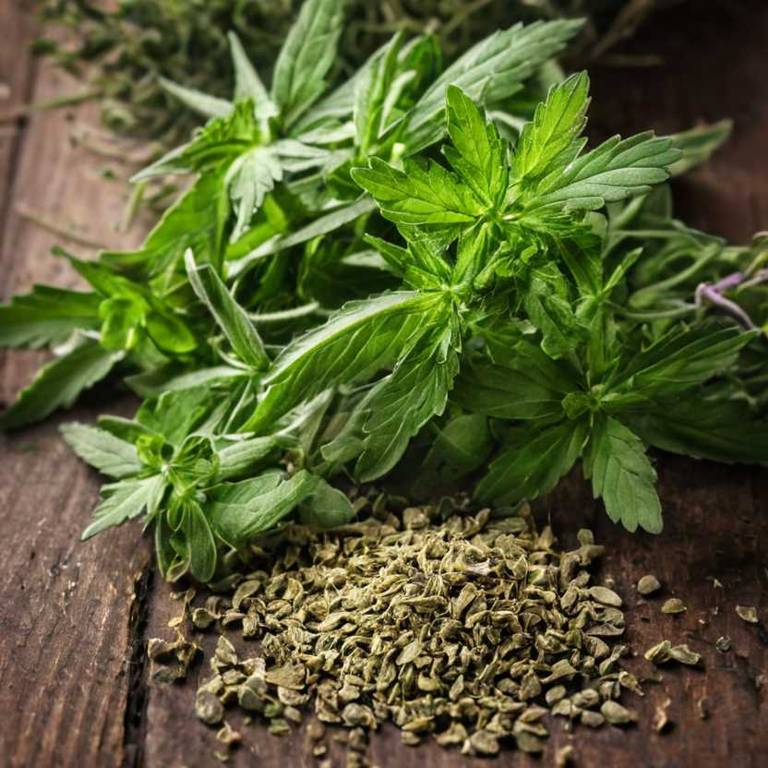
Parameciocide refers to the biological activity of certain medicinal herbs that inhibits the growth or destroys protozoan parasites, such as Paramecium. Herbs like Juglans nigra, Juglans regia, and Ardisia japonica exhibit this property, making them potentially useful in combating protozoal infections.

Associated herbs: 21
Occurs naturally in

Juglans nigra

Ardisia japonica

Juglans regia

View all Paramecicide herbs →

Parasympathetic

Herbs with parasympathetic activity typically influence the autonomic nervous system by stimulating or modulating the acetylcholine receptors that control "rest and digest" functions. For example, certain species such as Rauvolfia tetraphyllia and Rauvolfia vomitoria contain alkaloids that can impact autonomic regulation and neurotransmission.

Associated herbs: 2

Occurs naturally in

Rauvolfia tetraphylla

Rauvolfia vomitoria

View all Parasympathetic herbs →

Parasympathicomimetic

Parasympathomimetic herbs act by mimicking or enhancing the effects of the neurotransmitter acetylcholine, thereby stimulating the parasympathetic nervous system to promote "rest and digest" functions. This biological activity can lead to physiological responses such as increased salivation, slowed heart rate, and improved digestive motility. Examples of herbs exhibiting this activity include Verbena officinalis, Verbena hastata, and Cornus florida.

Associated herbs: 3

Occurs naturally in

Verbena officinalis

Verbena hastata

Cornus florida

View all Parasympathicomimetic herbs →

Pectinolytic

Pectinolytic activity refers to the ability of certain herbs to produce enzymes that break down pectin, a complex polysaccharide found in the cell walls of plants. This biological process helps in the degradation of plant tissues and can aid in digestive health by assisting in the breakdown of dietary fibers. Examples of herbs or plants exhibiting this activity include Medicago sativa (alfalfa) and Carica papaya (papaya).

Associated herbs: 2

Occurs naturally in

Medicago sativa

Carica papaya

View all Pectinolytic herbs →

Pediculicide

A pediculicide is a biological agent or substance used to kill or expel lice from the body. Certain medicinal herbs, such as Elsholtzia ciliata, Pimpinella aromatica, and Elsholtzia pilosa, exhibit this activity and can be utilized in the treatment of infestations.

Associated herbs: 260

Occurs naturally in

Elsholtzia ciliata

Pimpinella aromatica

Elsholtzia pilosa

View all Pediculicide herbs →