Explore herbs biological activities

  • 11249 Plants
  • |
  • 30137 Compounds
  • |
  • 1951 Activities
  • |
  • 132161 Studies

Explore Herbs


Alphabet


Biological Activity

View all →

Bioactive Compounds

View all →

List of herbs biological activities

Showing 1537-1584 out of 1951 results

Hypokinetic

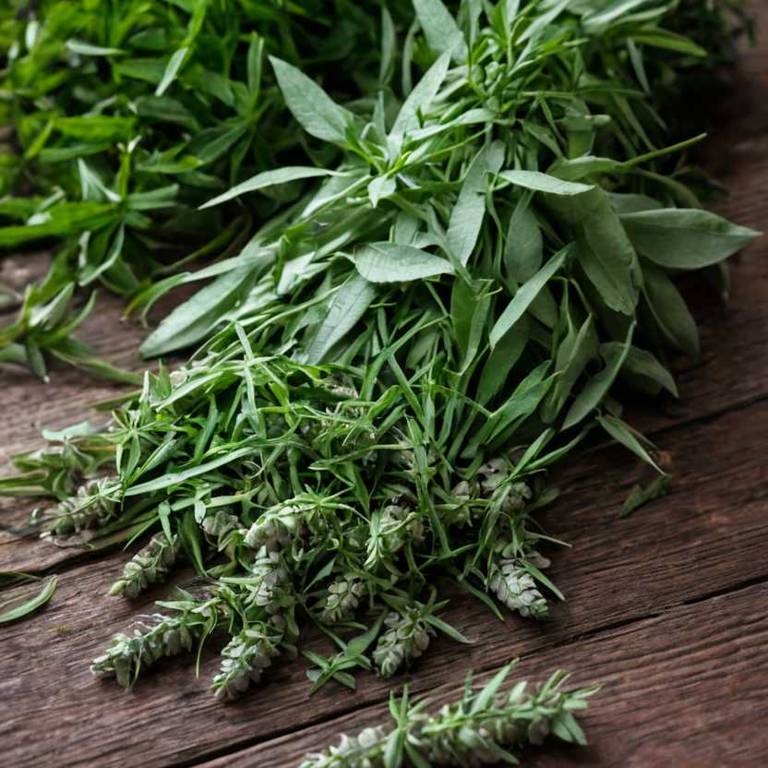
Hypokinetic activity refers to a biological effect that reduces physical movement or slows down motor activity, often acting as a sedative or tranquilizer. An example of a herb exhibiting this activity is Nardostachys jatamansi, which is traditionally used to calm the nervous system and induce relaxation.

Associated herbs: 1
Occurs naturally in

Nardostachys jatamansi

View all Hypokinetic herbs →

Hypotensive?

A hypotensive biological activity refers to the ability of a substance to lower blood pressure by reducing the force of blood against arterial walls. Various medicinal herbs exhibit this effect, such as Papaver bracteatum, Stephania rotundata, and Papaver somniferum.

Associated herbs: 3

Occurs naturally in

Papaver bracteatum

Stephania rotunda

Papaver somniferum

View all Hypotensive? herbs →

Hypothalmic-Depressant

Hypothalamic-depressant activity refers to the ability of certain substances to reduce the metabolic and regulatory functions of the hypothalamus, often leading to a decrease in body temperature or suppressed physiological arousal. Herbs such as Daucus carota, Sassafras albidum, and Piper cubeba are examples of plants that exhibit these calming or sedative-like effects on the central nervous system.

Associated herbs: 4

Occurs naturally in

Daucus carota

Sassafras albidum

Piper cubeba

View all Hypothalmic-Depressant herbs →

ICAM-1-Inhibitor

ICAM-1 inhibitors are medicinal compounds that prevent the overexpression of Intercellular Adhesion Molecule-1, thereby reducing the adhesion of leukocytes to endothelial cells and curbing excessive inflammation. Herbs such as Pimpinella aromatica, Thymus vulgaris, and Magnolia denudata exhibit this biological activity, offering potential therapeutic benefits for inflammatory and vascular diseases.

Associated herbs: 254

Occurs naturally in

Pimpinella aromatica

Thymus vulgaris

Magnolia denudata

View all ICAM-1-Inhibitor herbs →

IKB-kinase-Inhibitor

IKB-kinase inhibitors work by blocking the enzyme responsible for activating the NF-κB signaling pathway, thereby preventing the transcription of genes that drive chronic inflammation. Medicinal herbs such as Vaccinium macrocarpum, Reynoutria japonica, and Eucalyptus wandoo contain bioactive compounds that exert this effect to reduce inflammatory responses in the body.

Associated herbs: 12

Occurs naturally in

Vaccinium macrocarpon

Reynoutria japonica

Eucalyptus wandoo

View all IKB-kinase-Inhibitor herbs →

IKK-Inhibitor

IKK inhibitors act by suppressing the activity of the IκB kinase complex, which prevents the activation of the NF-κB signaling pathway responsible for triggering inflammation. By blocking this pathway, these compounds can help reduce chronic inflammatory responses in the body. Examples of medicinal herbs possessing this biological activity include Pimpinella aromatica, Thymus vulgaris, and Lonicera macrantha.

Associated herbs: 116

Occurs naturally in

Pimpinella aromatica

Thymus vulgaris

Lonicera macrantha

View all IKK-Inhibitor herbs →

Icterogenic

Icterogenic biological activity refers to the capacity of certain substances to induce jaundice, which is characterized by the accumulation of bilirubin in the blood and tissues. Herbs possessing this property, such as Lantana camara and Lipia javanica, can potentially cause liver dysfunction or damage when consumed in toxic amounts.

Associated herbs: 2

Occurs naturally in

Lantana camara

Lippia javanica

View all Icterogenic herbs →

IkappaB-alpha-Phosphorylation-Inhibitor

An IκBα-phosphorylation inhibitor works by preventing the modification of the inhibitor protein IκBα, which in turn stops the activation of the NF-κB signaling pathway responsible for inflammation. By maintaining IκBα in its unphosphorylated state, these compounds effectively block the translocation of pro-inflammatory genes into the cell nucleus. Herbs such as Helena speciosa, Zingiber officinale (ginger), and Curcuma longa (turmeric) are known to possess this potent anti-inflammatory biological activity.

Associated herbs: 4

Occurs naturally in

Hellenia speciosa

Zingiber officinale

Curcuma longa

View all IkappaB-alpha-Phosphorylation-Inhibitor herbs →

Ileorelaxant

An ileorelaxant is a substance that reduces the muscular contractions and tension within the ileum, the third part of the small intestine. This biological activity is often used to relieve abdominal spasms and intestinal cramps, a property found in medicinal herbs such as Pimpinella aromatica, Peumus boldus, and Foeniculum vulgare.

Associated herbs: 162

Occurs naturally in

Pimpinella aromatica

Peumus boldus

Foeniculum vulgare

View all Ileorelaxant herbs →

Immunocytoadherent

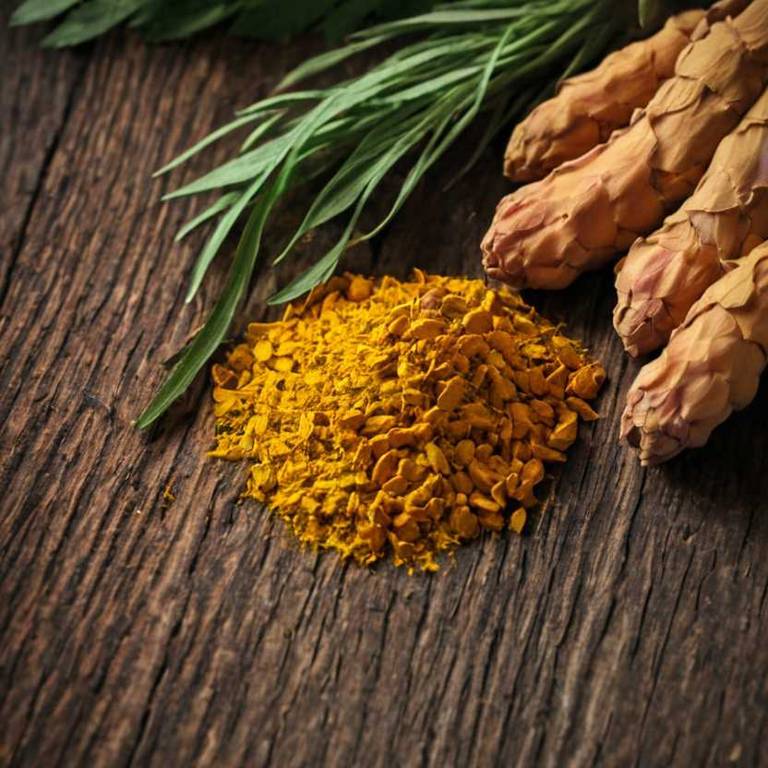
Immunocytoadherence refers to the ability of a substance to enhance the attachment of immune cells, such as lymphocytes, to target cells or surfaces, which is a key step in an effective immune response. This biological activity is often associated with anti-tumor properties, as seen in herbs like Vincetoxicum indicum that help activate the body's cellular defense mechanisms.

Associated herbs: 1
Occurs naturally in

Vincetoxicum indicum

View all Immunocytoadherent herbs →

Immunoitherapeutic

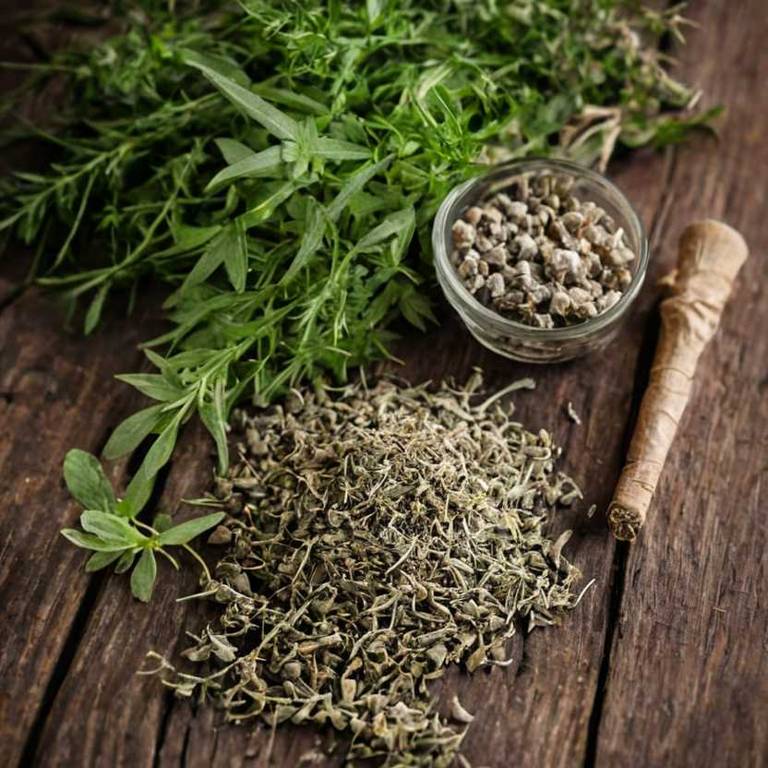
Immunotherapeutic biological activity refers to the ability of certain substances to modulate, enhance, or regulate the body's immune system to improve its defense against pathogens or disease. Medicinal herbs such as Coix lacryma-jobi (Job's tears) exhibit this property by stimulating immune cell activity and strengthening the host's natural resistance.

Associated herbs: 1
Occurs naturally in

Coix lacryma-jobi

View all Immunoitherapeutic herbs →

Inhalant

Inhalants are medicinal herbs containing volatile compounds that are intended to be inhaled through the respiratory tract to provide immediate relief for congestion or neurological stimulation. Examples of plants with this biological activity include Micromeria varia and peppermint, which release aromatic oils that help clear airways.

Associated herbs: 175

Occurs naturally in

Micromeria ericifolia

Eucalyptus siderophloia

Croton eluteria

View all Inhalant herbs →

Inhibit Elastase

Inhibiting elastase involves blocking the enzyme responsible for breaking down elastin, a critical protein that maintains the elasticity and structural integrity of skin and connective tissues. By preventing this degradation, certain herbs such as Phaseolus coccineus, Phaseolus vulgaris var. nanus, and Pisum sativum can help protect against skin aging and loss of firmness.

Associated herbs: 3

Occurs naturally in

Phaseolus vulgaris

Phaseolus coccineus

Lathyrus oleraceus

View all Inhibit Elastase herbs →

Inhibit Prostaglandin Synthesis

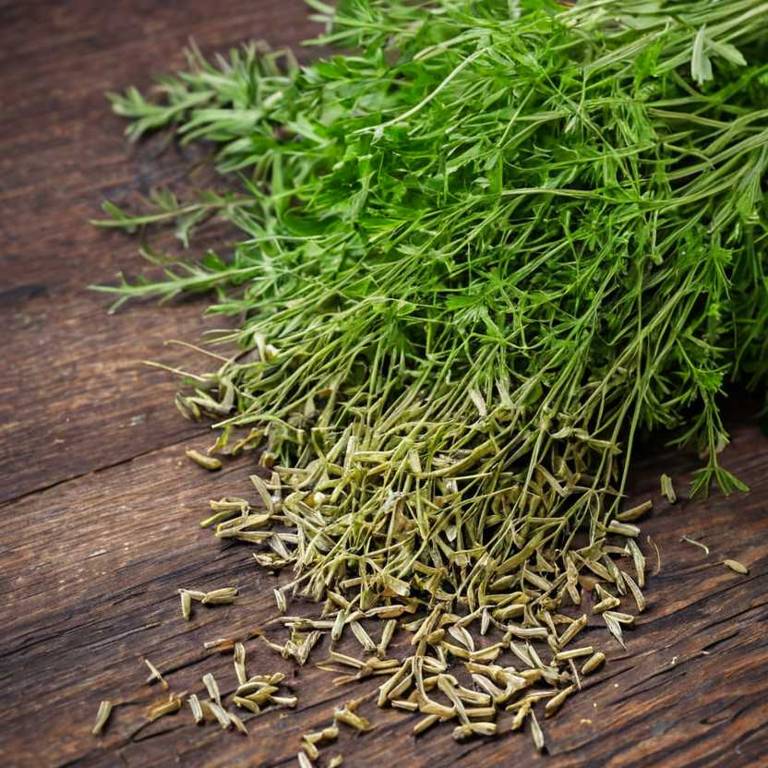
Inhibiting prostaglandin synthesis involves blocking the enzymes responsible for producing these lipid compounds, which are key mediators of inflammation, pain, and fever. By reducing these chemical signals, certain medicinal herbs can act as natural anti-inflammatory agents, such as Allium sativum (garlic) or Curcuma longa (turmeric).

Associated herbs: 1
Occurs naturally in

Allium sativum

View all Inhibit Prostaglandin Synthesis herbs →

Insect-attractant

An insect-attractant biological activity refers to the ability of certain medicinal herbs to release volatile organic compounds that draw insects toward them through chemical signaling. Examples of plants exhibiting this activity include Ocimum basilicum, Cymbopogon nardus, and Artemisia dracunculus.

Associated herbs: 8

Occurs naturally in

Ocimum basilicum

Cymbopogon nardus

Artemisia dracunculus

View all Insect-attractant herbs →

Insecticide-Synergist

An insecticide-synergist refers to a biological activity where a compound enhances the efficacy of a primary insecticidal agent, often by inhibiting the detoxification enzymes within the insect. For example, certain medicinal herbs such as Pimpinella aromatica, Foeniculum vulgare, and Houttuynia cordata contain bioactive constituents that can potentiate the lethal effects of pesticides against target pests.

Associated herbs: 26

Occurs naturally in

Pimpinella aromatica

Foeniculum vulgare

Houttuynia cordata

View all Insecticide-Synergist herbs →

Insectifuge

Insectifuge activity refers to the ability of certain medicinal herbs to repel or drive away insects through the emission of volatile compounds or chemical deterrents. For example, plants such as Micromeria varia exhibit this property, helping to protect the plant or provide relief to humans by discouraging insect interference.

Associated herbs: 942

Occurs naturally in

Micromeria ericifolia

Elsholtzia ciliata

Pimpinella aromatica

View all Insectifuge herbs →

Insectifuge?

Insectifugal activity refers to the ability of certain medicinal herbs to repel or deter insects from a specific area through the release of volatile compounds. Herbs such as Croton lechleri, Melia azedarach, and Foeniculum vulgare exhibit this property by utilizing natural chemical defenses to prevent insect infestation.

Associated herbs: 47

Occurs naturally in

Croton eluteria

Melia azedarach

Foeniculum vulgare

View all Insectifuge? herbs →

Insectiphile

An insectiphile refers to a biological activity or characteristic where a plant or herb actively attracts, traps, or utilizes insects for its physiological processes. An example of a plant exhibiting this specialized interaction is Microcemia varia, which possesses mechanisms to engage with insect life.

Associated herbs: 568

Occurs naturally in

Micromeria ericifolia

Elsholtzia ciliata

Pimpinella aromatica

View all Insectiphile herbs →

Insulin-Sparing

Insulin-sparing activity refers to the ability of certain compounds to enhance insulin sensitivity or prolong its action, thereby reducing the total amount of insulin required to maintain stable blood glucose levels. Medicinal herbs such as Rhus glabra, Thymus vulgaris, and Rheum officinale exhibit this activity by optimizing metabolic efficiency and helping to prevent glucose spikes.

Associated herbs: 231

Occurs naturally in

Rhus glabra

Thymus vulgaris

Rheum officinale

View all Insulin-Sparing herbs →

Insulinase-Inhibitor

Insulinase inhibitors are bioactive compounds found in medicinal herbs that slow down the breakdown of insulin by inhibiting the enzyme responsible for its degradation. By preserving higher levels of insulin in the bloodstream, these herbs help regulate blood glucose levels more effectively, as seen in species such as Thymus vulgaris, Allium ampeloprasum, and Annona muricata.

Associated herbs: 159

Occurs naturally in

Thymus vulgaris

Allium ampeloprasum

Annona muricata

View all Insulinase-Inhibitor herbs →

Insulinic

Insulinic biological activity refers to the ability of certain plant compounds to mimic insulin or enhance insulin sensitivity, thereby helping to regulate blood glucose levels in the body. Herbs such as Crataegus monogyna, Medicago sativa, and Urtica spicata exhibit this activity, making them valuable in supporting metabolic health and managing diabetes.

Associated herbs: 22

Occurs naturally in

Crataegus monogyna

Medicago sativa

Urtica spatulata

View all Insulinic herbs →

Insulinotonic

Insulinotonic activity refers to the ability of certain medicinal herbs to enhance the body's natural insulin secretion or improve the sensitivity of cells to insulin, thereby helping to regulate blood glucose levels. Common examples of herbs exhibiting this biological activity include Thymus vulgaris, Allium ampeloprasum, and Annona muricata.

Associated herbs: 159

Occurs naturally in

Thymus vulgaris

Allium ampeloprasum

Annona muricata

View all Insulinotonic herbs →

Interferon-Synergist

An interferon-synergist is a substance that enhances the body's natural immune response by boosting the production or biological activity of interferons, which are critical proteins used to fight viral infections and tumors. Examples of medicinal herbs exhibiting this activity include Erythrina fusca, Thymus vulgaris, and Allium ampeloprasum.

Associated herbs: 371

Occurs naturally in

Erythrina fusca

Thymus vulgaris

Allium ampeloprasum

View all Interferon-Synergist herbs →

Interferonogenic

Interferonogenic activity refers to the ability of certain substances to stimulate the production of interferons, which are critical signaling proteins that help the immune system fight viral infections and tumor cells. Medicinal herbs such as Pimpinella aromatica, Erythrina fusca, and Thymus vulgaris exhibit this property by enhancing the body's natural antiviral defense mechanisms.

Associated herbs: 469

Occurs naturally in

Pimpinella aromatica

Erythrina fusca

Thymus vulgaris

View all Interferonogenic herbs →

Interleukin-1-alpha-Inhibitor

Interleukin-1-alpha inhibitors act by suppressing the production or activity of this pro-inflammatory cytokine, thereby reducing the overall inflammatory response within the body. Medicinal herbs such as Cinnamomum aromaticum, Uncaria guianensis, and Humulus lupulus exhibit this biological activity, helping to modulate immune signaling.

Associated herbs: 28

Occurs naturally in

Cinnamomum aromaticum

Uncaria guianensis

Humulus lupulus

View all Interleukin-1-alpha-Inhibitor herbs →

Interleukin-6-Inhibitor

Interleukin-6 (IL-6) inhibitors are medicinal compounds that work by suppressing the production or activity of this specific pro-inflammatory cytokine, thereby reducing systemic inflammation. By regulating these signaling pathways, herbs such as Micromeria varia can help mitigate inflammatory diseases and prevent cytokine storms in the body.

Associated herbs: 388

Occurs naturally in

Micromeria ericifolia

Pimpinella aromatica

Eucalyptus siderophloia

View all Interleukin-6-Inhibitor herbs →

Interleukin-6-mRNA-Inhibitor

Interleukin-6-mRNA inhibitors act by downregulating the transcription of the IL-6 gene, thereby reducing the production of this key pro-inflammatory cytokine at the genetic level. This mechanism helps suppress systemic inflammation and prevents the overactivation of the immune response. Examples of medicinal herbs that exhibit this biological activity include Cinnamomum aromaticum, Uncaria guianensis, and Humulus lupulus.

Associated herbs: 28

Occurs naturally in

Cinnamomum aromaticum

Uncaria guianensis

Humulus lupulus

View all Interleukin-6-mRNA-Inhibitor herbs →

Iodothyronine-Deiodinase-Inhibitor

Iodothyronine-deiodinase inhibitors act by blocking the enzymes responsible for converting the inactive thyroid hormone (T4) into its biologically active form (T3) within the body. Herbs such as Pimpinella aromatica, Rhus glabra, and Thymus vulgaris exhibit this activity, which can influence systemic thyroid hormone levels and metabolic regulation.

Associated herbs: 240

Occurs naturally in

Pimpinella aromatica

Rhus glabra

Thymus vulgaris

View all Iodothyronine-Deiodinase-Inhibitor herbs →

Irritant?

An irritant biological activity refers to the ability of a substance to provoke an inflammatory response or localized discomfort when it comes into contact with biological tissues. Examples of herbs that exhibit this activity include Houttuynia cordata, Humulus lupulus, and Zingiber officinale.

Associated herbs: 6

Occurs naturally in

Houttuynia cordata

Humulus lupulus

Zingiber officinale

View all Irritant? herbs →

Isoptericide

Isoptericide is a bioactive compound found in certain medicinal plants that exhibits significant antimicrobial and potential anti-tumor properties. A notable example of a plant containing this biological activity is Carica papaya, which utilizes such compounds to defend against pathogens.

Associated herbs: 1
Occurs naturally in

Carica papaya

View all Isoptericide herbs →

Ixodicide

Ixodicide refers to the biological ability of a substance to kill or repel ticks, which are common vectors for various diseases. Several medicinal herbs exhibit this activity, including species of the Pilocarpus genus such as Pilocarpus jaboranandi, Pilocarpus microphyllus, and Pilocarpus racemosus.

Associated herbs: 4

Occurs naturally in

Pilocarpus jaborandi

Pilocarpus microphyllus

Pilocarpus racemosus

View all Ixodicide herbs →

JNK-Inhibitor

JNK inhibitors are bioactive compounds that suppress the c-Jun N-terminal kinase signaling pathway, which plays a critical role in mediating cellular responses to stress, inflammation, and apoptosis. Many medicinal herbs contain natural phytochemicals with this activity, such as Thymus vulgaris, Magnolia denudata, and Uncaria guianensis, making them potential candidates for treating neurodegenerative and inflammatory diseases.

Associated herbs: 194

Occurs naturally in

Thymus vulgaris

Magnolia denudata

Uncaria guianensis

View all JNK-Inhibitor herbs →

Juvabional

Juva-tional activity refers to the biological capacity of certain medicinal herbs to promote cellular rejuvenation and enhance the vital functions of aging tissues. Herbs such as Pimpinella aromatica, Croton eluater, and Thymus vulgaris exhibit these properties by supporting metabolic processes and protecting cells against degenerative changes.

Associated herbs: 509

Occurs naturally in

Pimpinella aromatica

Croton eluteria

Thymus vulgaris

View all Juvabional herbs →

Keratitigenic

Keratitic activity refers to the biological capacity of certain substances to promote the regeneration, healing, or structural maintenance of keratin, the primary protein found in skin, hair, and nails. Medicinal herbs such as Rheum officinale, Acacia melanoxylon, and Melia azedarach exhibit this property, making them useful in treating dermatological conditions.

Associated herbs: 124

Occurs naturally in

Rheum officinale

Acacia melanoxylon

Melia azedarach

View all Keratitigenic herbs →

Keratolytic

A keratolytic activity refers to the ability of a substance to soften and break down the keratin structure of the skin, effectively promoting the shedding of dead skin cells. Herbs such as Allium ampeloprasum, Annona muricata, and Cinnamomum aromaticum exhibit this property, making them useful for treating conditions involving skin thickening or scaling.

Associated herbs: 204

Occurs naturally in

Allium ampeloprasum

Annona muricata

Cinnamomum aromaticum

View all Keratolytic herbs →

LDL-lytic

LDL-lytic activity refers to the ability of certain compounds to actively degrade or break down low-density lipoprotein (LDL) particles, which can help reduce the accumulation of cholesterol in arterial walls. Medicinal herbs such as Prunus armeniaca (apricot) and Ocimum tenuiflorum (holy basil) are noted for containing bioactive constituents that exhibit this lipid-lowering property.

Associated herbs: 2

Occurs naturally in

Prunus armeniaca

Ocimum tenuiflorum

View all LDL-lytic herbs →

Lachrymatory

Lachrymatory activity refers to the ability of certain medicinal herbs to induce tearing or eye irritation upon contact with their volatile components. This effect is typically caused by the release of irritant substances, such as those found in Allium ampeloprasum, Berberis aquifolium, and Podophyllum peltatum.

Associated herbs: 33

Occurs naturally in

Allium ampeloprasum

Berberis aquifolium

Podophyllum peltatum

View all Lachrymatory herbs →

Lactafuge

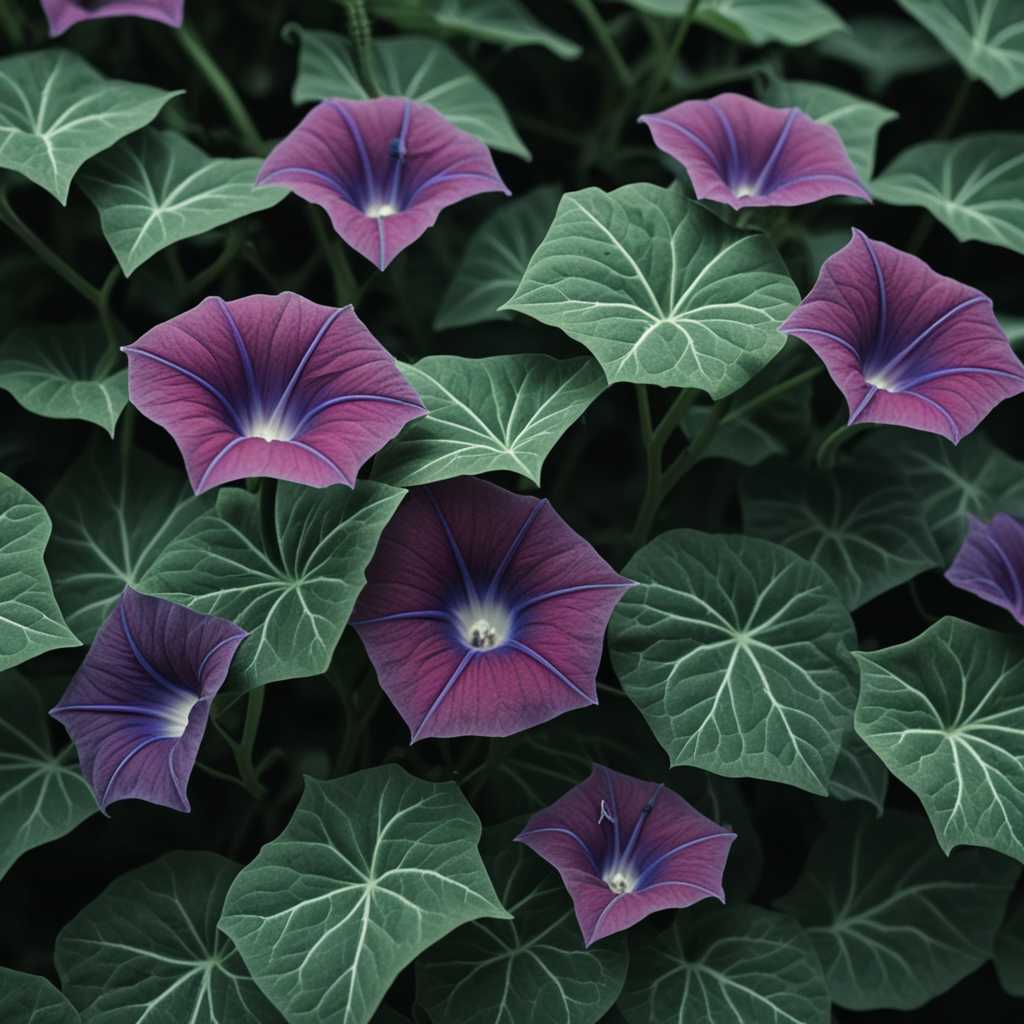
Lactafuge refers to the biological ability of certain plants to stimulate the secretion of milk in lactating mammals. This activity is commonly observed in herbs such as Ipomoea tricolor, Ipomoea corymbosa, and Elymus repens.

Associated herbs: 3

Occurs naturally in

Ipomoea tricolor

Ipomoea corymbosa

Elymus repens

View all Lactafuge herbs →

Larvifuge

Larvi-fugitive activity refers to the ability of certain plant compounds to repel or drive away mosquito larvae from a specific area. Many medicinal herbs exhibit this property, such as Humulus lupulus (hops), which contains constituents that discourage larval settlement in water.

Associated herbs: 1

Occurs naturally in

Humulus lupulus

View all Larvifuge herbs →

Larvistat

Larvistat refers to a biological activity characterized by the ability of certain plant compounds to inhibit the development or survival of larvae, often serving as a natural defense mechanism against insect pests. Herbs such as Pimpinella aromatica, Thymus vulgaris, and Allium ampeloprasum exhibit this property, utilizing their volatile oils and bioactive constituents to deter larval infestation.

Associated herbs: 405

Occurs naturally in

Pimpinella aromatica

Thymus vulgaris

Allium ampeloprasum

View all Larvistat herbs →

Laxative?

Laxative biological activity refers to the ability of certain plant compounds to stimulate bowel movements and increase intestinal motility to relieve constipation. Various medicinal herbs exhibit this property, including species such as Annona muricata, Lepidium meyenii, and Solanum nigrum.

Associated herbs: 153

Occurs naturally in

Annona muricata

Lepidium meyenii

Solanum nigrum

View all Laxative? herbs →

Leptingenic

Leptogenic activity refers to the ability of certain substances to promote satiety and suppress appetite, thereby helping to regulate food intake. Herbs such as Pimpinella aromatica, Rhus glabra, and Thymus vulgaris exhibit this biological activity, potentially aiding in weight management.

Associated herbs: 374

Occurs naturally in

Pimpinella aromatica

Rhus glabra

Thymus vulgaris

View all Leptingenic herbs →

Leptospiricide

Leptospiriicide refers to the biological activity of certain medicinal herbs that possess the capacity to inhibit or destroy Leptospira bacteria, the causative agents of leptospirosis. A notable example of a plant exhibiting this antimicrobial activity is Andrographis paniculata, which contains bioactive compounds capable of combating these pathogenic spirochetes.

Associated herbs: 1
Occurs naturally in

Andrographis paniculata

View all Leptospiricide herbs →

Leucocyte-Depressant

Leucocyte-depressant activity refers to the ability of certain medicinal herbs to reduce the total number or activity of white blood cells in the body. This pharmacological effect can be useful in managing inflammatory conditions or hypersensitivity reactions, as seen in herbs such as Pteridium aquilinum, Equisetum arvense, and Phoenix dactylifera.

Associated herbs: 3

Occurs naturally in

Pteridium aquilinum

Equisetum arvense

Phoenix dactylifera

View all Leucocyte-Depressant herbs →

Leucocytogenic

Leucocytogenic activity refers to the ability of certain medicinal herbs to stimulate the production and mobilization of white blood cells, thereby enhancing the body's immune response. Herbs such as Pimpinella aromatica, Thymus vulgaris, and Rheum officinale exhibit this property, helping to bolster the host's defenses against infections.

Associated herbs: 208

Occurs naturally in

Pimpinella aromatica

Thymus vulgaris

Rheum officinale

View all Leucocytogenic herbs →

Leukotriene-Inhibitor

Leukotriene inhibitors are substances that reduce inflammation by blocking the production or action of leukotrienes, which are potent signaling molecules responsible for triggering allergic reactions and airway constriction. Several medicinal herbs exhibit this biological activity, including Pimpinella aromatica, Thymus vulgaris, and Allium ampeloprasum.

Associated herbs: 246

Occurs naturally in

Pimpinella aromatica

Thymus vulgaris

Allium ampeloprasum

View all Leukotriene-Inhibitor herbs →

Libidolytic

Libidolytic activity refers to the capacity of certain substances to decrease or suppress sexual desire and libido. Herbs such as Helianthus annuus, Ceiba pentandra, and Abelmoschus esculentus are examples of plants that may exhibit this biological effect.

Associated herbs: 5

Occurs naturally in

Helianthus annuus

Ceiba pentandra

Abelmoschus esculentus

View all Libidolytic herbs →