Explore herbs biological activities

  • 11249 Plants
  • |
  • 30137 Compounds
  • |
  • 1951 Activities
  • |
  • 132161 Studies

Explore Herbs


Alphabet


Biological Activity

View all →

Bioactive Compounds

View all →

List of herbs biological activities

Showing 1585-1632 out of 1951 results

Lipase-Inducer

A lipase-inducer is a medicinal herb that stimulates the production or activity of lipase enzymes, which are essential for breaking down dietary fats into absorbable fatty acids. By enhancing this enzymatic process, these herbs can aid in digestion and support metabolic health, as seen in examples such as Helicriso speciosa, Zingiber officinale, and Curcuma longa.

Associated herbs: 4

Occurs naturally in
Hellenia speciosa
Zingiber officinale
Curcuma longa
View all Lipase-Inducer herbs →

Lipase-Inhibitor

Lipase inhibitors are bioactive compounds that work by blocking the enzyme lipase, which is responsible for breaking down dietary fats into absorbable fatty acids. By preventing this digestion process, these substances can help reduce calorie absorption and support weight management. Examples of herbs exhibiting this biological activity include Strongylodon macrobotrys, Berberis aquifolium, and Calopoegonium caeruleum.

Associated herbs: 165

Occurs naturally in

Strongylodon macrobotrys

Berberis aquifolium

Calopogonium caeruleum

View all Lipase-Inhibitor herbs →

Lipoxygenase-1-Inhibitor

Lipoxygenase-1 (LOX-1) inhibitors function by blocking the enzyme responsible for converting arachidonic acid into pro-inflammatory leukotrienes, thereby reducing inflammation and allergic responses in the body. Medicinal herbs such as Rheum officinale, Cinnamomum aromaticum, and Rumex trisetifer exhibit this activity, making them potential natural agents for managing inflammatory conditions.

Associated herbs: 37

Occurs naturally in

Rheum officinale

Cinnamomum aromaticum

Rumex trisetifer

View all Lipoxygenase-1-Inhibitor herbs →

Lithogenic

Lithogenic biological activity refers to the capacity of certain substances to promote the formation or growth of stones, such as kidney or gallstones, within the body. While most medicinal research focuses on litholytic (stone-dissolving) properties, herbs like Pimpinella aromatica, Erythrina fusca, and Rhus glabra may exhibit lithogenic effects under specific physiological conditions.

Associated herbs: 438

Occurs naturally in

Pimpinella aromatica

Erythrina fusca

Rhus glabra

View all Lithogenic herbs →

Lubricant

Lubricants in medicinal herbs are substances that reduce friction and soothe irritation within the body's tissues, such as the digestive or respiratory tracts. Herbs like Pimpinella aromatica, Thymus vulgaris, and Allium ampeloprasum possess these properties to help ease discomfort and facilitate smoother physiological functions.

Associated herbs: 355

Occurs naturally in

Pimpinella aromatica

Thymus vulgaris

Allium ampeloprasum

View all Lubricant herbs →

Lupus-Generating

Lupus-generating biological activity refers to the capacity of certain medicinal herbs to stimulate or modulate the immune system, specifically by inducing the production of autoantibodies or activating lymphocytes. This process is often studied in the context of developing models for systemic lupus erythematosus to test the efficacy of potential immunomodulatory treatments. Examples of herbs exhibiting this activity include Medicago sativa, Astragalus mongholicus, and Robinia pseudoacacia.

Associated herbs: 5

Occurs naturally in

Medicago sativa

Astragalus mongholicus

Robinia pseudoacacia

View all Lupus-Generating herbs →

Lyase-Inhibitor

A lyase inhibitor acts by blocking the activity of lyase enzymes, which are responsible for breaking chemical bonds to catalyze the cleavage of molecules without the use of water. By inhibiting these specific enzymes, certain medicinal herbs can regulate metabolic pathways and reduce the production of harmful biochemical byproducts. Examples of herbs exhibiting this biological activity include Pimpinella aromatica, Thymus vulgaris, and Allium ampeloprasum.

Associated herbs: 212

Occurs naturally in

Pimpinella aromatica

Thymus vulgaris

Allium ampeloprasum

View all Lyase-Inhibitor herbs →

Lymphagogue

A lymphagogue is a substance or herb that stimulates the production and flow of lymph within the lymphatic system. This activity helps enhance the body's immune response and promotes the efficient removal of metabolic waste and toxins from tissues. Examples of herbs with lymphagogue properties include Panax quinquefolius (American ginseng) and Aesculus hippocastanum (Horse chestnut).

Associated herbs: 2

Occurs naturally in

Panax quinquefolius

Aesculus hippocastanum

View all Lymphagogue herbs →

Lymphocytogenic

Lymphocytogenic activity refers to the biological ability of a substance to stimulate the proliferation and production of lymphocytes, which are essential white blood cells for the immune system. Herbs such as Thymus vulgaris, Cinnamomum aromaticum, and Peumus boldus exhibit this property, helping to enhance the body's natural defense mechanisms against pathogens.

Associated herbs: 107

Occurs naturally in

Thymus vulgaris

Cinnamomum aromaticum

Peumus boldus

View all Lymphocytogenic herbs →

Lymphogenic

Lymphogenic activity refers to the ability of a substance to stimulate the production, development, or movement of lymphatic tissue and fluids within the body. This biological action helps enhance the immune response and improve the drainage of toxins through the lymphatic system, as seen in herbs such as Aloe succotrina.

Associated herbs: 1

Occurs naturally in

Aloe succotrina

View all Lymphogenic herbs →

Lymphokinetic

Lymphokinetic activity refers to the ability of certain substances to stimulate and enhance the movement of lymph through the lymphatic vessels, thereby promoting efficient fluid drainage and immune cell transport. Medicinal herbs such as Thymus vulgaris, Cinnamomum aromaticum, and Peumus boldus exhibit this property, helping to reduce edema and support the body's detoxification processes.

Associated herbs: 47

Occurs naturally in

Thymus vulgaris

Cinnamomum aromaticum

Peumus boldus

View all Lymphokinetic herbs →

Lypolytic

Lipolytic activity refers to the metabolic process where lipids (fats) are broken down into glycerol and free fatty acids to be used as energy. Herbs such as Ilex paraguariensis, Firmiana simplex, and Coffea arabica exhibit this activity, helping to promote fat reduction in the body.

Associated herbs: 17

Occurs naturally in

Ilex paraguariensis

Firmiana simplex

Coffea arabica

View all Lypolytic herbs →

MAO-A-Inhibitor

Monoamine oxidase-A (MAO-A) inhibitors work by blocking the enzyme responsible for breaking down neurotransmitters like serotonin, dopamine, and norepinephrine, thereby increasing their availability in the brain to improve mood. Various medicinal herbs exhibit this biological activity, including species such as Pimpinella aromatica, Magnolia denudata, and Melia azedarach.

Associated herbs: 287

Occurs naturally in

Pimpinella aromatica

Magnolia denudata

Melia azedarach

View all MAO-A-Inhibitor herbs →

MAO-B-Inhibitor

Monoamine oxidase B (MAO-B) inhibitors work by blocking the enzyme responsible for breaking down neurotransmitters like dopamine, thereby increasing their availability in the brain. This biological activity is often explored for its potential to support neurological health, with herbs such as Foeniculum vulgare, Cullen corylifolium, and Apium graveolens demonstrating these inhibitory properties.

Associated herbs: 19

Occurs naturally in

Foeniculum vulgare

Cullen corylifolium

Apium graveolens

View all MAO-B-Inhibitor herbs →

MAPK-Inhibitor

MAPK inhibitors function by blocking the Mitogen-Activated Protein Kinase signaling pathway, which helps to reduce cellular inflammation and prevent the overactivation of stress responses. Several medicinal herbs exhibit this activity, including Pimpinella aromatica, Thymus vulgaris, and Lonicera macrantha.

Associated herbs: 118

Occurs naturally in

Pimpinella aromatica

Thymus vulgaris

Lonicera macrantha

View all MAPK-Inhibitor herbs →

MDR-Inhibitor

MDR-inhibitors are compounds that counteract multidrug resistance by blocking efflux pumps, such as P-glycoprotein, which otherwise prevent therapeutic drugs from accumulating within cancer cells. Medicinal herbs like Strongylodon macrobotrys, Rauvolfia serpentina, and Calopogonium caeruleum contain bioactive molecules that can inhibit these mechanisms to restore the efficacy of chemotherapy.

Associated herbs: 173

Occurs naturally in

Strongylodon macrobotrys

Rauvolfia serpentina

Calopogonium caeruleum

View all MDR-Inhibitor herbs →

MMP-2-Inhibitor

MMP-2 inhibitors are compounds that suppress the activity of Matrix Metalloproteinase-2, an enzyme responsible for breaking down the extracellular matrix during processes like inflammation, tissue remodeling, and cancer metastasis. Medicinal herbs such as Rheum officinale, Rumex trisetifer, and Alnus glutinosa contain bioactive constituents that exhibit this inhibitory effect, offering potential therapeutic benefits for inflammatory and degenerative diseases.

Associated herbs: 17

Occurs naturally in

Rheum officinale

Rumex trisetifer

Alnus glutinosa

View all MMP-2-Inhibitor herbs →

MMP-7-Inhibitor

MMP-7 inhibitors are medicinal compounds that suppress the activity of Matrix Metalloproteinase-7, an enzyme often associated with inflammation, tissue remodeling, and cancer metastasis. Various botanical sources exhibit this biological activity, including herbs such as Rheum officinale, Rumex trisetifer, and Alnus glutinosa.

Associated herbs: 17

Occurs naturally in

Rheum officinale

Rumex trisetifer

Alnus glutinosa

View all MMP-7-Inhibitor herbs →

MMP-9-Inhibitor

MMP-9 inhibitors are medicinal compounds that suppress the activity of Matrix Metalloproteinase-9, an enzyme responsible for breaking down the extracellular matrix during inflammation and cancer metastasis. By regulating this enzyme, certain herbs such as Pimpinella aromatica, Thymus vulgaris, and Rheum officinale can help reduce tissue damage and prevent the spread of diseased cells.

Associated herbs: 360

Occurs naturally in

Pimpinella aromatica

Thymus vulgaris

Rheum officinale

View all MMP-9-Inhibitor herbs →

Maltase-Promoter

Maltase-promoter activity refers to the ability of certain medicinal herbs to enhance the enzymatic function of maltase, which accelerates the breakdown of maltose into glucose during digestion. This biological process can aid in carbohydrate metabolism and support glycemic control, as seen in herbs such as Helena speciosa, Zingiber officinale, and Curcuma longa.

Associated herbs: 4

Occurs naturally in

Hellenia speciosa

Zingiber officinale

Curcuma longa
View all Maltase-Promoter herbs →

Mannosidase-Inhibitor

Mannosidase inhibitors work by blocking the enzymes responsible for breaking down mannose sugars, which can disrupt the glycosylation process of proteins and interfere with viral replication or cancer cell signaling. Medicinal herbs such as Castañospermum australe (Quina) exhibit this biological activity, potentially offering therapeutic benefits in managing metabolic or infectious diseases.

Associated herbs: 1

Occurs naturally in

Castanospermum australe

View all Mannosidase-Inhibitor herbs →

Marrow-Suppresant

Marrow-suppressant activity refers to the ability of a substance to inhibit the production and proliferation of blood cells within the bone marrow, potentially leading to conditions like anemia or leukopenia. An example of a plant exhibiting this biological activity is Colchicum autumnale, which contains colchicine that can suppress bone marrow function when administered in high doses.
Associated herbs: 1

Occurs naturally in

Colchicum autumnale

View all Marrow-Suppresant herbs →

Mastogenic

Mastogenic activity refers to the ability of certain medicinal herbs to stimulate the production or proliferation of mast cells within the body's connective tissues. Examples of herbs exhibiting this biological activity include Solanum nigrum, Rauvolfia serpentina, and Trigonella foenum-graecum.

Associated herbs: 23

Occurs naturally in

Solanum nigrum

Rauvolfia serpentina

Trigonella foenum-graecum

View all Mastogenic herbs →

Melaninogenic

Melanogenic activity refers to the ability of certain substances to stimulate the production of melanin, the pigment responsible for skin and hair color. Herbs such as Pimpinella aromatica, Foeniculum vulgare, and Carum carvi exhibit this biological activity, which can be utilized in dermatological applications to address pigmentation issues.

Associated herbs: 12

Occurs naturally in

Pimpinella aromatica

Foeniculum vulgare

Carum carvi

View all Melaninogenic herbs →

Melatoninogenic

Melatoninogenic activity refers to the ability of certain substances to stimulate the endogenous production or secretion of melatonin within the body. Herbs such as Pimpinella aromatica, Foeniculum vulgare, and Carum carvi exhibit this property, helping to regulate sleep-wake cycles and enhance restorative rest.

Associated herbs: 12

Occurs naturally in

Pimpinella aromatica

Foeniculum vulgare

Carum carvi

View all Melatoninogenic herbs →

Membranolytic

Membranolytic activity refers to the ability of certain compounds to disrupt and break down the integrity of cellular membranes, often leading to cell death. This biological action is characteristic of specific medicinal herbs, such as Solanum nigrum, Solanum dulcamara, and Solanum carolinense.

Associated herbs: 4

Occurs naturally in

Solanum nigrum

Solanum dulcamara

Solanum carolinense

View all Membranolytic herbs →

Membranomodulator

Membranomodulators are substances that exert their biological effect by altering the structural integrity, fluidity, or permeability of cellular membranes. This activity helps regulate cellular processes and protects cells from damage, a mechanism demonstrated by herbs such as Berberis aquifolium, Xanthorhiza simplicissima, and Sinomenium acutum.

Associated herbs: 8

Occurs naturally in

Berberis aquifolium

Xanthorhiza simplicissima

Sinomenium acutum

View all Membranomodulator herbs →

Memorigenic

Memorigenic biological activity refers to the ability of certain substances to enhance cognitive functions, such as memory formation, learning, and overall mental clarity. Herbs like Pimpinella aromatica, Rhus glabra, and Thymus vulgaris exhibit this property by supporting neurological health and brain performance.

Associated herbs: 275

Occurs naturally in

Pimpinella aromatica

Rhus glabra

Thymus vulgaris

View all Memorigenic herbs →

Memorilytic

The term "memorilytic" refers to the biological capacity of certain substances to impair, disrupt, or diminish memory functions and cognitive processes. While often studied in the context of toxicity, this activity can be observed in plants like Acokanthera schimperi and Strophanthus gratus, which contain potent compounds that affect neurological stability.

Associated herbs: 2

Occurs naturally in

Acokanthera schimperi

Strophanthus gratus

View all Memorilytic herbs →

Memranolytic

Membranolytic activity refers to the ability of certain substances to disrupt or break down the lipid bilayer of biological membranes, such as those of pathogens or cells. This mechanism is often used by medicinal herbs to exert antimicrobial or cytotoxic effects, as seen in species like Solanum nigrum, Capsicum frutescens, and Solanum tuberosum.

Associated herbs: 8

Occurs naturally in

Solanum nigrum

Capsicum frutescens

Solanum tuberosum

View all Memranolytic herbs →

Metal-Chelator (Copper)

Metal-chelators with a high affinity for copper function by binding to free copper ions, thereby preventing oxidative damage caused by metal-induced free radicals. This biological activity is exhibited by medicinal herbs such as Pimpinella aromatica, Magnolia denudata, and Melia azedarach.

Associated herbs: 273

Occurs naturally in

Pimpinella aromatica

Magnolia denudata

Melia azedarach

View all Metal-Chelator (Copper) herbs →

Metalloproteinase-Inhibitor

Matrix metalloproteinase (MMP) inhibitors are compounds that block enzymes responsible for breaking down the extracellular matrix, which is a key mechanism in reducing inflammation and preventing tumor metastasis. Various medicinal herbs, such as Pimpinella aromatica, Thymus vulgaris, and Magnolia denudata, contain bioactive phytochemicals that exhibit this inhibitory activity.

Associated herbs: 300

Occurs naturally in

Pimpinella aromatica

Thymus vulgaris

Magnolia denudata

View all Metalloproteinase-Inhibitor herbs →

Metastatic

The metastatic activity of medicinal herbs refers to their ability to inhibit the spread of cancer cells from a primary tumor to distant organs in the body. Herbs such as Pimpinella aromatica, Thymus vulgaris, and Allium ampeloprasum have demonstrated potential in suppressing these processes by interfering with cell migration and invasion.

Associated herbs: 303

Occurs naturally in

Pimpinella aromatica

Thymus vulgaris

Allium ampeloprasum

View all Metastatic herbs →

Methyl-Guanidine-Inhibitor

Methyl-guanidine inhibitors function by suppressing the enzymatic processes or metabolic pathways that involve methyl-guanidine derivatives, often helping to regulate nitrogen metabolism or cellular signaling. Medicinal herbs such as Camellia sinensis (green tea), Rheum rhabarbarum (rhubarb), and Fagopyrum esculentum (buckwheat) contain bioactive compounds that exhibit this specific inhibitory activity.

Associated herbs: 3

Occurs naturally in

Camellia sinensis

Rheum rhabarbarum

Fagopyrum esculentum

View all Methyl-Guanidine-Inhibitor herbs →

Microphagocytogenic

Microphagocytogenic activity refers to the ability of certain substances to stimulate or enhance the phagocytic process of white blood cells, thereby boosting the body's immune response against pathogens. Herbs such as Carapichea ipecacuanha and Hedera helix exhibit this biological activity by increasing the cellular capacity to engulf and destroy foreign particles.

Associated herbs: 2

Occurs naturally in

Carapichea ipecacuanha

Hedera helix

View all Microphagocytogenic herbs →

Microvasculokinetic

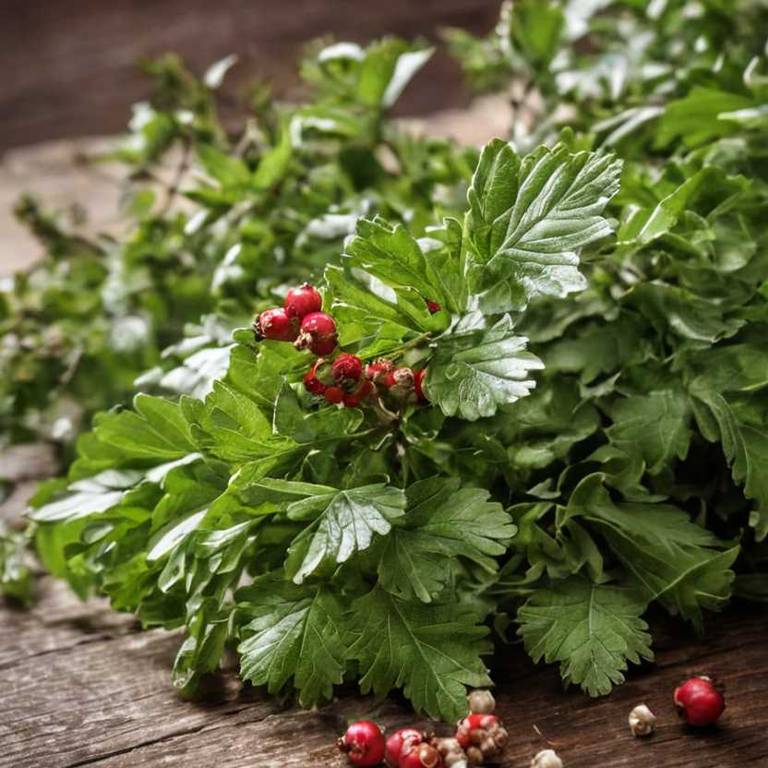
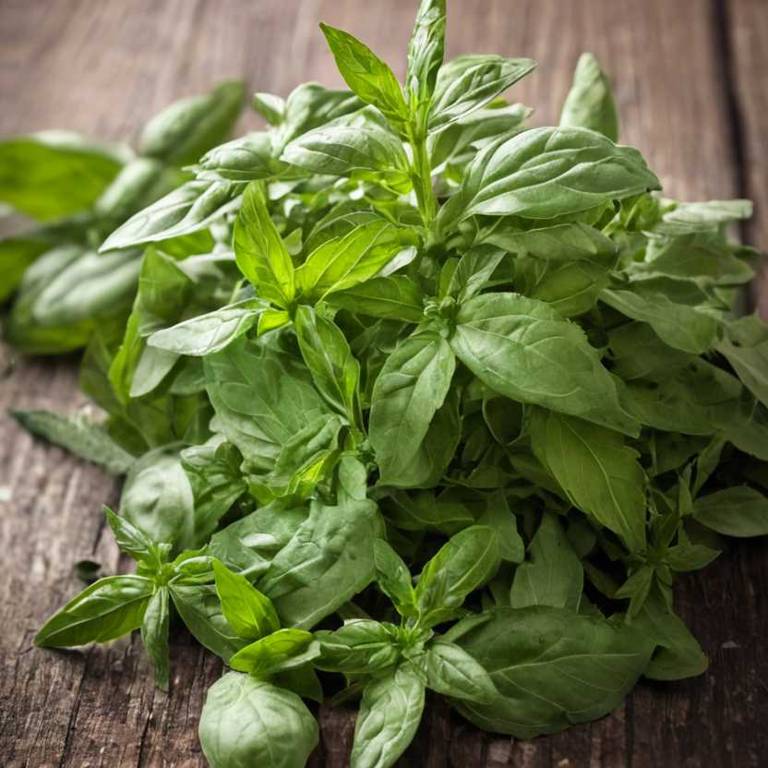
Microvasculokinetic activity refers to the ability of a substance to modulate the movement, distribution, and functional regulation of blood flow within the smallest blood vessels, such as capillaries and arterioles. This process helps optimize tissue perfusion and maintain healthy microcirculation by influencing vessel diameter and permeability. Herbs such as Crataegus monogyna (Hawthorn), Ocimum basilicum (Basil), and Fraxinus ornus (Manna Ash) exhibit these properties, helping to enhance blood flow and support vascular health.

Associated herbs: 14

Occurs naturally in

Crataegus monogyna

Ocimum basilicum

Fraxinus ornus

View all Microvasculokinetic herbs →

Mineral-Corticoid

Mineral-corticoid activity refers to the ability of certain substances to mimic or regulate aldosterone, thereby influencing electrolyte balance and water retention in the body. Herbs such as Abrus precatorius, Terminalia ivorensis, and Glycyrrhiza uraulensis contain compounds that can modulate these physiological processes.

Associated herbs: 6

Occurs naturally in

Abrus precatorius

Terminalia ivorensis

Glycyrrhiza uralensis

View all Mineral-Corticoid herbs →

Miotic

A miotic biological activity refers to the ability of a substance to induce pupillary constriction, which can help manage conditions like glaucoma by reducing intraocular pressure. Certain medicinal herbs, such as Pimpinella aromatica, Foeniculum vulgare, and Trigonella foenum-graecum, exhibit these properties due to their specific phytochemical constituents.

Associated herbs: 32

Occurs naturally in

Pimpinella aromatica

Foeniculum vulgare

Trigonella foenum-graecum

View all Miotic herbs →

Mitogen

A mitogen is a biological substance that stimulates cell proliferation by triggering mitosis, the process of cell division. Herbs such as Crocanthemum glomeratum, Camellia sinensis, and Chimaphila umbellata possess mitogenic properties that can promote tissue repair and cellular growth.

Associated herbs: 3

Occurs naturally in

Crocanthemum glomeratum

Camellia sinensis

Chimaphila umbellata

View all Mitogen herbs →

Mitotic

Mitotic activity refers to the biological process of cell division, where a substance stimulates or regulates the proliferation of cells to promote tissue repair or growth. Herbs such as Urtica spicata, Apium graveolens, and Zea mays exhibit these properties, potentially aiding in cellular regeneration and physiological recovery.

Associated herbs: 11

Occurs naturally in

Urtica spatulata

Apium graveolens

Zea mays

View all Mitotic herbs →

Molluscifuge

Molluscifuge activity refers to the biological ability of a substance to expel or destroy parasitic worms, such as trematodes or nematodes, from the body. Herbs exhibiting this property, such as Caulophyllum thalictroides, are traditionally used to treat intestinal infestations by neutralizing the parasites.

Associated herbs: 1

Occurs naturally in

Caulophyllum thalictroides

View all Molluscifuge herbs →

Mollusciphile

Mollusciphile refers to a biological activity where certain substances or organisms exhibit a specialized affinity for, or a tendency to attract and interact with, mollusks. This property is often studied in the context of natural compounds that can influence the growth, behavior, or physiological processes of these soft-bodied organisms. An example of an herb associated with such interactions is Stevia rebaudiana.

Associated herbs: 1

Occurs naturally in

Stevia rebaudiana

View all Mollusciphile herbs →

Monoamine-Precursor

Monoamine-precursor activity refers to the ability of certain medicinal herbs to provide the necessary chemical building blocks, such as amino acids, required for the synthesis of neurotransmitters like dopamine, serotonin, and norepinephrine. By supplying these essential precursors, these herbs help support and regulate the production of key monoamines within the central nervous system. Examples of plants exhibiting this biological activity include Thymus vulgaris, Allium ampeloprasum, and Annona muricata.

Associated herbs: 175

Occurs naturally in

Thymus vulgaris

Allium ampeloprasum

Annona muricata

View all Monoamine-Precursor herbs →

Monoaminergic

Monoaminergic activity refers to the ability of a substance to influence the levels or functions of monoamine neurotransmitters, such as dopamine, serotonin, and norepinephrine, within the central nervous system. Herbs exhibiting this biological activity, such as Pimpinella aromatica, Cinnamomum aromaticum, and Apium graveolens, can potentially modulate mood, cognition, and emotional regulation.

Associated herbs: 19

Occurs naturally in

Pimpinella aromatica

Cinnamomum aromaticum

Apium graveolens

View all Monoaminergic herbs →

Monooxygenase-Inhibitor

Monooxygenase inhibitors function by blocking the activity of monooxygenase enzymes, which are crucial for the oxidative metabolism of various substrates in the body. By inhibiting these enzymes, certain herbs can alter the metabolic rate of drugs or endogenous compounds, as seen with Piper cubeba.

Associated herbs: 1

Occurs naturally in

Piper cubeba

View all Monooxygenase-Inhibitor herbs →

Mosquitofuge

Mosquitofugue refers to the biological ability of certain plants to repel mosquitoes through the release of volatile organic compounds that interfere with their sensory perception. Herbs such as Micromeria varia exhibit this activity, serving as natural deterrents to prevent insect landings and bites.

Associated herbs: 273

Occurs naturally in

Micromeria ericifolia

Pimpinella aromatica

Eucalyptus siderophloia

View all Mosquitofuge herbs →

Motor-Depressant

Motor-depressant activity refers to the ability of a substance to reduce physical movement, coordination, and overall muscular responsiveness in a living organism. Herbs exhibiting this effect, such as Micromeria varia, can induce a state of sedation or lethargy by acting on the central nervous system.

Associated herbs: 361

Occurs naturally in

Micromeria ericifolia

Pimpinella aromatica

Eucalyptus siderophloia

View all Motor-Depressant herbs →

Motor-Stimulant

A motor-stimulant biological activity refers to the ability of a substance to increase muscular activity, enhance reflexes, or accelerate physical movement through the nervous system. Examples of herbs exhibiting this effect include Thymus vulgaris, Santalum album, and Cinnamomum aromaticum.

Associated herbs: 41

Occurs naturally in

Thymus vulgaris

Santalum album

Cinnamomum aromaticum

View all Motor-Stimulant herbs →