Explore herbs biological activities

  • 11249 Plants
  • |
  • 30137 Compounds
  • |
  • 1951 Activities
  • |
  • 132161 Studies

Explore Herbs


Alphabet


Biological Activity

View all →

Bioactive Compounds

View all →

List of herbs biological activities

Showing 1489-1536 out of 1951 results

Glutathionigenic

Glutathiogenic activity refers to the ability of a substance to stimulate the synthesis or increase the levels of glutathione, a vital antioxidant that protects cells from oxidative stress. Herbs such as Micromeria varia exhibit this property by promoting the production of this tripeptide to enhance the body's natural detoxification processes.

Associated herbs: 228

Occurs naturally in
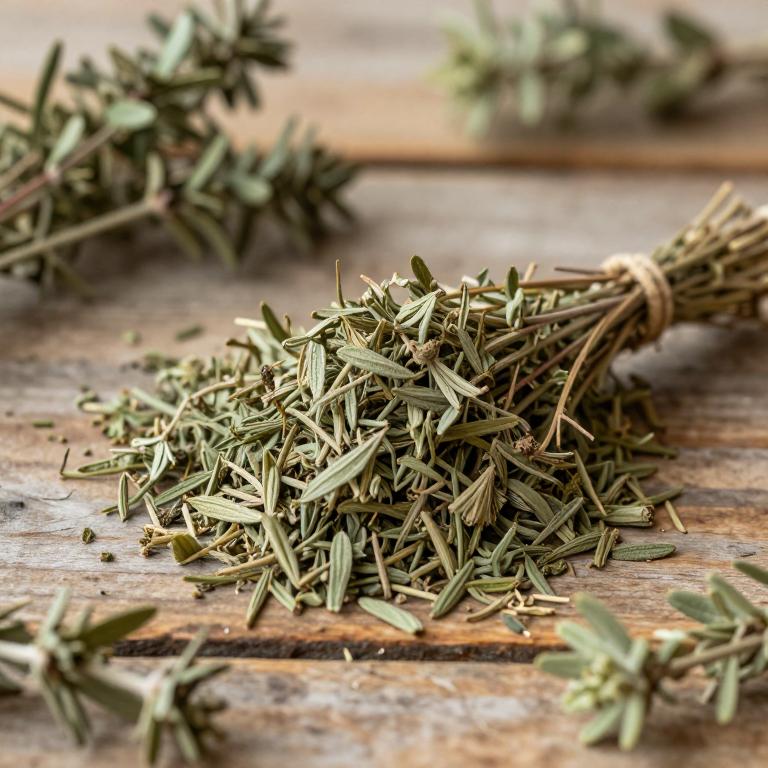
Micromeria ericifolia
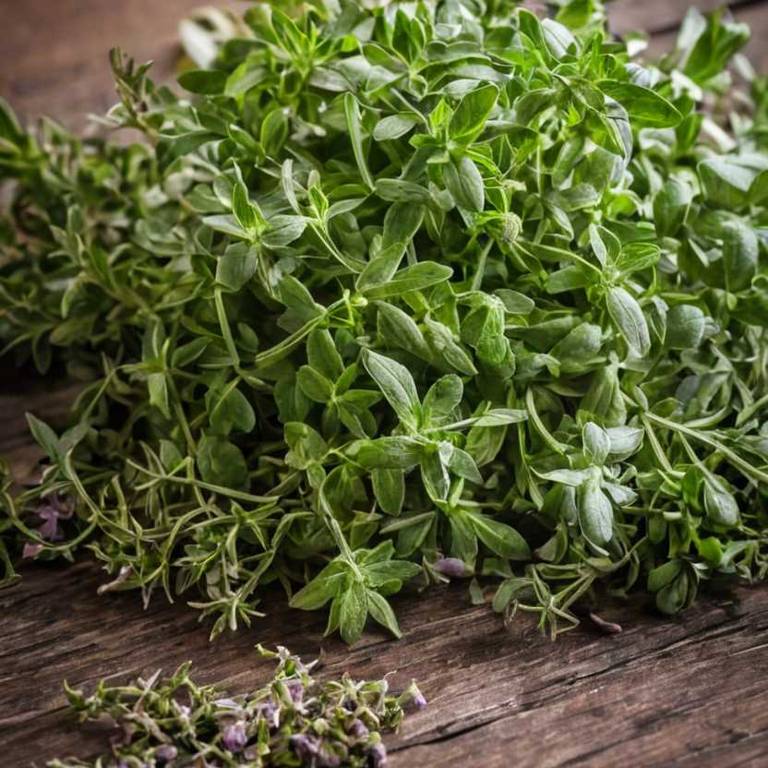
Thymus vulgaris
Allium ampeloprasum
View all Glutathionigenic herbs →

Goitrogenic?

Goitrogenic activity refers to the ability of certain substances to interfere with the uptake or utilization of iodine by the thyroid gland, potentially leading to an enlargement of the gland known as a goiter. Herbs such as Lepidium sativum (garden cress) and various cruciferous plants contain these compounds, which can disrupt normal thyroid hormone synthesis if consumed in excessive amounts.

Associated herbs: 1

Occurs naturally in

Lepidium sativum

View all Goitrogenic? herbs →

Gonadotrophic

Gonadotrophic activity refers to the ability of certain substances to stimulate the function of the gonads, thereby promoting the production of sex hormones and regulating reproductive processes. Herbs such as Pimpinella aromatica, Sarracenia flava, and Thymus vulgaris exhibit this biological activity by supporting hormonal balance and reproductive health.

Associated herbs: 377

Occurs naturally in

Pimpinella aromatica

Sarracenia flava

Thymus vulgaris

View all Gonadotrophic herbs →

Gram(+)icide

Gram(+)icide refers to the biological ability of certain substances to inhibit the growth of or kill Gram-positive bacteria. Various medicinal herbs, such as Elsholtzia ciliata, Pimpinella aromatica, and Elsholtzia pilosa, exhibit this antimicrobial activity.

Associated herbs: 378

Occurs naturally in

Elsholtzia ciliata

Pimpinella aromatica

Elsholtzia pilosa

View all Gram(+)icide herbs →

Gram(-)icide

Gram(-)icide refers to the biological ability of a substance to inhibit the growth of or destroy Gram-negative bacteria, such as Escherichia coli or Pseudomonas aeruginosa. Several medicinal herbs exhibit this potent antimicrobial activity, including species such as Elsholtzia ciliata, Pimpinella aromatica, and Elsholtzia pilosa.

Associated herbs: 375

Occurs naturally in

Elsholtzia ciliata

Pimpinella aromatica

Elsholtzia pilosa

View all Gram(-)icide herbs →

Growth-Inhibitor

A growth inhibitor is a biological agent that slows or prevents the proliferation of cells, such as bacteria, fungi, or cancer cells, by interfering with their metabolic processes or division cycles. Examples of medicinal herbs exhibiting this activity include Terminalia arjuna, which can inhibit the growth of certain pathogens, and various plants containing alkaloids that suppress tumor cell expansion.

Associated herbs: 1

Occurs naturally in

Terminalia arjuna

View all Growth-Inhibitor herbs →

HDL-genic

An HDL-genic biological activity refers to the ability of a substance to increase the levels of high-density lipoprotein (HDL), often called "good cholesterol," within the bloodstream. By raising these levels, such herbs can help enhance the transport of cholesterol away from the arteries, thereby supporting cardiovascular health. An example of a botanical source with this potential activity is Prunus armeniaca (apricot).

Associated herbs: 1

Occurs naturally in

Prunus armeniaca

View all HDL-genic herbs →

HIF-1-Inhibitor

HIF-1 inhibitors work by suppressing the Hypoxia-Inducible Factor-1, a protein that helps cancer cells survive and grow in low-oxygen environments. By blocking this pathway, these substances can disrupt tumor progression and limit the ability of abnormal cells to develop new blood vessels. Examples of medicinal herbs that exhibit this biological activity include Carpacia ipecacuanha, Alangium salvifolium, and Hedera helix.

Associated herbs: 3

Occurs naturally in

Carapichea ipecacuanha

Alangium salviifolium

Hedera helix

View all HIF-1-Inhibitor herbs →

HIF-1alpha-Inhibitor

HIF-1$\alpha$ inhibitors act by suppressing the stabilization of Hypoxia-Inducible Factor-1 alpha, a protein that helps cancer cells survive and thrive in low-oxygen environments. By blocking this pathway, these compounds can disrupt tumor growth, angiogenesis, and metabolic adaptation. Examples of medicinal herbs that exhibit this biological activity include Pimpinella aromatica, Thymus vulgaris, and Euphrasia officinalis.

Associated herbs: 83

Occurs naturally in

Pimpinella aromatica

Thymus vulgaris

Euphrasia officinalis

View all HIF-1alpha-Inhibitor herbs →

HIV-RT-Inhibitor

An HIV-RT-inhibitor is a substance that prevents the virus from replicating by blocking the enzyme reverse transcriptase, which is essential for converting viral RNA into DNA. Certain medicinal herbs, such as Pimpinella aromatica, Thymus vulgaris, and Magnolia denudata, contain bioactive compounds that exhibit this specific inhibitory effect.

Associated herbs: 315

Occurs naturally in

Pimpinella aromatica

Thymus vulgaris

Magnolia denudata

View all HIV-RT-Inhibitor herbs →

Helicicide

Helicicide refers to a biological activity characterized by the ability to inhibit or destroy certain types of parasites or harmful organisms. Herbs such as Persicaria hydroides and Warburgia ugandenensis exhibit this property, demonstrating their potential in traditional and pharmacological applications.

Associated herbs: 2

Occurs naturally in

Persicaria hydropiper

Warburgia ugandensis

View all Helicicide herbs →

Hemagglutinator

Hemagglutinator activity refers to the ability of certain biological substances to cause the clumping or agglutination of red blood cells. This activity is often utilized in laboratory settings to identify specific pathogens or to study the interaction between plant compounds and cell membranes, as seen in herbs like Aloe succotrina.

Associated herbs: 1

Occurs naturally in

Aloe succotrina

View all Hemagglutinator herbs →

Hemangionagenic

Hemangiogenic activity refers to the ability of certain substances to stimulate the formation of new blood vessels or hemangiomas (benign vascular tumors). Examples of medicinal herbs exhibiting this biological activity include Aristolochia debilis and Asarum canadense.

Associated herbs: 2

Occurs naturally in

Aristolochia debilis

Asarum canadense

View all Hemangionagenic herbs →

Heme-Sparing

Heme-sparing activity refers to the ability of certain medicinal substances to prevent the breakdown of hemoglobin or reduce the loss of heme, thereby helping to maintain healthy red blood cell levels and combat anemia. Herbs such as Phytolacca americana, Celosia argentea, and Opuntia ficus-indica exhibit this biological effect by supporting the body's ability to retain and utilize iron-containing heme groups.

Associated herbs: 5

Occurs naturally in

Phytolacca americana

Celosia argentea

Opuntia ficus-indica

View all Heme-Sparing herbs →

Hemoglobin-Inducer

A hemoglobin-inducer is a medicinal herb that stimulates the production or increases the concentration of hemoglobin in the blood, helping to combat anemia and improve oxygen transport. Examples of plants exhibiting this biological activity include Cicer arietinum, Robinia pseudoacacia, and Pterocarpus marsupium.

Associated herbs: 6

Occurs naturally in

Cicer arietinum

Robinia pseudoacacia

Pterocarpus marsupium

View all Hemoglobin-Inducer herbs →

Hemopoietic

Hemopoietic activity refers to the ability of a substance to stimulate or support the production of blood cells, such as red blood cells, white blood cells, and platelets, within the bone marrow. Various medicinal herbs exhibit this property, including Annona muricata, Lepidium meyenii, and Chaenomelos japonica, which can help combat anemia and enhance immune function.

Associated herbs: 126

Occurs naturally in

Annona muricata

Lepidium meyenii

Chaenomeles japonica

View all Hemopoietic herbs →

Hemostat

Hemostat activity refers to the ability of a substance to stop bleeding by promoting blood coagulation or constricting blood vessels at the site of an injury. Medicinal herbs such as Pimpinella aromatica, Thymus vulgaris, and Allium ampeloprasum exhibit this property, helping to accelerate the wound-healing process.

Associated herbs: 516

Occurs naturally in

Pimpinella aromatica

Thymus vulgaris

Allium ampeloprasum
View all Hemostat herbs →

Hepatocarcinogenic

Hepatocarcinogenic biological activity refers to the potential of a substance to induce or promote the development of cancer within the liver cells. While many herbs are studied for their protective effects, certain compounds found in specific plants, such as those in Pimpinella aromatica, Thymus vulgaris, or Allium ampeloprasum, may exhibit this activity under specific experimental conditions or high dosages.

Associated herbs: 255

Occurs naturally in

Pimpinella aromatica

Thymus vulgaris

Allium ampeloprasum
View all Hepatocarcinogenic herbs →

Hepatoirritant

A hepatoirritant is a substance or herb that causes inflammation, damage, or injury to the liver cells. Examples of plants exhibiting this biological activity include Ammi majus and certain species of Aristolochia.

Associated herbs: 1

Occurs naturally in

Ammi majus

View all Hepatoirritant herbs →

Hepatomagenic

Hepatomagenic activity refers to the ability of a substance to stimulate the production, secretion, and regeneration of liver cells to enhance hepatic function. Herbs such as Pimpinella aromatica, Erythroxylum novogranatense, and Rheum officinale exhibit this biological activity by promoting healthy liver processes.

Associated herbs: 318

Occurs naturally in

Pimpinella aromatica

Erythroxylum novogranatense

Rheum officinale

View all Hepatomagenic herbs →

Hepatomegalic

Hepatomegalic activity refers to the biological capacity of certain substances to induce enlargement of the liver. This effect can be observed in specific medicinal herbs, such as Solanum nigrum, Solanum dulcamara, and Capsicum frutescens, when they interact with hepatic tissues.

Associated herbs: 7

Occurs naturally in

Solanum nigrum

Solanum dulcamara

Capsicum frutescens

View all Hepatomegalic herbs →

Hepatotropic

Hepatotropic activity refers to the ability of a substance to exert a direct influence on the liver, often functioning to protect, repair, or stimulate liver functions. Herbs such as Pimpinella aromatica, Thymus vulgaris, and Allium ampeloprasum exhibit this biological activity by supporting hepatic health and promoting metabolic processes within liver cells.

Associated herbs: 263

Occurs naturally in

Pimpinella aromatica

Thymus vulgaris

Allium ampeloprasum

View all Hepatotropic herbs →

Herbicide-Safener

A herbicide safener is a biological agent that protects crop plants from the phytotoxic effects of herbicides by enhancing their detoxification mechanisms or reducing their absorption. Certain medicinal herbs, such as Castanospermum australe, Trigonella foenum-graecum, and Cicer arietinum, possess bioactive compounds that can serve this protective role in agricultural applications.

Associated herbs: 20

Occurs naturally in

Castanospermum australe

Trigonella foenum-graecum

Cicer arietinum

View all Herbicide-Safener herbs →

Herbistat

Herbistat refers to the biological capacity of certain medicinal plants to regulate, balance, or stabilize physiological processes within the body to maintain homeostasis. Examples of herbs exhibiting this activity include Oryza sativa, Medicago sativa, and Aloe succotrina.

Associated herbs: 42

Occurs naturally in

Oryza sativa

Medicago sativa

Aloe succotrina

View all Herbistat herbs →

Herpetifuge

Herpetifuge refers to the biological ability of certain substances to inhibit or prevent the growth and spread of skin eruptions, such as warts or other cutaneous lesions. Herbs such as Erythroxylum novogranatense, Cinnamomum aromaticum, and Dianthus caryophyllus exhibit this activity, making them useful in treating various skin conditions.

Associated herbs: 39

Occurs naturally in

Erythroxylum novogranatense

Cinnamomum aromaticum

Dianthus caryophyllus

View all Herpetifuge herbs →

Hirudicide

Hirudicide refers to the biological activity of substances that act as agents to kill or repel leeches. Medicinal herbs such as Peumus boldus, Capsicum frutescens, and Pilocarpus jaborandi contain bioactive compounds that can exhibit this inhibitory or lethal effect on these organisms.

Associated herbs: 9

Occurs naturally in

Peumus boldus

Capsicum frutescens

Pilocarpus jaborandi

View all Hirudicide herbs →

Histamine-Inhibitor

Histamine inhibitors are medicinal herbs that possess the ability to suppress the release or action of histamine, thereby reducing symptoms of allergic reactions and inflammation. Examples of plants exhibiting this biological activity include Pimpinella aromatica, Thymus vulgaris, and Allium ampeloprasum.

Associated herbs: 246

Occurs naturally in

Pimpinella aromatica

Thymus vulgaris

Allium ampeloprasum
View all Histamine-Inhibitor herbs →

Histaminic

Histaminic activity refers to the biological capacity of a substance to either stimulate the release of histamine from mast cells or act directly on histamine receptors to trigger inflammatory responses. Certain medicinal herbs, such as Micromeria varia, exhibit these properties, which can influence physiological processes like vasodilation, itching, and gastric acid secretion.

Associated herbs: 348

Occurs naturally in

Micromeria ericifolia

Pimpinella aromatica

Eucalyptus siderophloia

View all Histaminic herbs →

Histidine-Decarboxylase-Inhibitor

Histidine decarboxylase inhibitors function by blocking the enzyme responsible for converting the amino acid histidine into histamine, thereby reducing inflammatory responses and allergic reactions in the body. Medicinal herbs such as Ephedra sinica exhibit this biological activity, helping to stabilize chemical signaling and manage hypersensitivity.

Associated herbs: 1

Occurs naturally in

Ephedra sinica

View all Histidine-Decarboxylase-Inhibitor herbs →

Homeostatic

Homeostatic biological activity refers to the ability of a substance to help the body maintain internal stability by modulating physiological processes toward a state of equilibrium. This means the herb can either stimulate or inhibit a function depending on the body's current needs, effectively restoring balance rather than simply pushing a single direction. Examples of herbs exhibiting this regulatory activity include Panax quinquefolius, Panax notoginseng, and Panax ginseng.

Associated herbs: 3

Occurs naturally in

Panax quinquefolius

Panax notoginseng

Panax ginseng

View all Homeostatic herbs →

Hormonal

Hormonal biological activity refers to the ability of certain herbs to interact with the endocrine system by mimicking, blocking, or modulating the production and release of natural hormones. Examples of plants exhibiting these effects include Medicago sativa, which can influence estrogen pathways, and other medicinal herbs that regulate metabolic or reproductive signaling.

Associated herbs: 13

Occurs naturally in

Crataegus monogyna

Medicago sativa

Solanum tuberosum

View all Hormonal herbs →

Hormone

Certain medicinal herbs exhibit hormonal activity by producing or modulating biochemical messengers that regulate essential physiological processes such as growth, metabolism, and reproduction. For instance, plants like Daucus carota, Ribes nigrum, and Acacia decurrens contain bioactive compounds that can influence hormonal pathways within the body.

Associated herbs: 11

Occurs naturally in

Daucus carota

Ribes nigrum

Acacia decurrens

View all Hormone herbs →

Humectant

Humectants are substances that possess the ability to attract and bind water molecules to the skin, helping to maintain deep hydration and prevent moisture loss. Many medicinal herbs exhibit this biological activity, including Punica granatum (pomegranate), Capsella bursa-pastoris (shepherd's purse), and Prunus cerasus (sour cherry).

Associated herbs: 15

Occurs naturally in

Punica granatum

Capsella bursa-pastoris

Prunus cerasus

View all Humectant herbs →

Hydrocholerectic

A hydrocholerectic activity refers to the stimulation of bile production by increasing the volume of water and electrolytes secreted by the liver. Herbs such as Erythrina fusca, Thymus vulgaris, and Allium ampeloprasum exhibit this property, helping to facilitate smoother bile flow and aid digestion.

Associated herbs: 154

Occurs naturally in

Erythrina fusca

Thymus vulgaris

Allium ampeloprasum
View all Hydrocholerectic herbs →

Hydrogen-Peroxide-Inhibitor

Hydrogen peroxide inhibitors are substances found in medicinal herbs that prevent the oxidative damage caused by the accumulation of hydrogen peroxide within cells. Herbs such as Peumus boldus, Sassafras albidum, and Laurus nobilis exhibit this biological activity, helping to protect tissues from oxidative stress and cellular degradation.

Associated herbs: 3

Occurs naturally in

Peumus boldus

Sassafras albidum

Laurus nobilis

View all Hydrogen-Peroxide-Inhibitor herbs →

Hydroperoxidase-Inhibitor

Hydroperoxidase inhibitors act by suppressing the activity of enzymes that facilitate the breakdown of peroxides, thereby reducing oxidative stress and cellular damage within an organism. Medicinal herbs such as Vaccinium macrocarpum, Reynoutria japonica, and Eucalyptus wandoo exhibit this activity, helping to protect tissues from peroxide-induced injury.

Associated herbs: 8

Occurs naturally in

Vaccinium macrocarpon

Reynoutria japonica

Eucalyptus wandoo

View all Hydroperoxidase-Inhibitor herbs →

Hypercalcuric

A hypercalcuric activity refers to the ability of a substance to increase the excretion of calcium through the urine. Herbs such as Tanacetum vulgare, Tanacetum parthenium, and Laurus nobilis exhibit this property, which can assist in managing conditions related to calcium accumulation.

Associated herbs: 3

Occurs naturally in

Tanacetum vulgare

Tanacetum parthenium

Laurus nobilis

View all Hypercalcuric herbs →

Hyperemic

Hyperemic activity refers to the ability of a substance to increase local blood circulation by causing the dilation of capillaries and vessels in a specific area. This process enhances the delivery of oxygen and nutrients to tissues, which can help stimulate healing and reduce congestion. Examples of herbs that exhibit this biological activity include Foeniculum vulgare, Cynara cardunculus, and Echinacea angustifolia.

Associated herbs: 3

Occurs naturally in

Foeniculum vulgare

Cynara cardunculus

Echinacea angustifolia

View all Hyperemic herbs →

Hyperkinetic

Hyperkinetic biological activity refers to the stimulation of excessive, uncontrolled, or exaggerated physical and mental movement within an organism. Herbs such as Mandragora officinarum, Banisteriopsis caapi, and Duboisia myoporoides can induce these heightened states of agitation or intense neurological activity through their potent psychoactive compounds.

Associated herbs: 13

Occurs naturally in

Mandragora officinarum

Banisteriopsis caapi

Duboisia myoporoides

View all Hyperkinetic herbs →

Hyperpyrexic

Hyperpyrexia refers to a biological activity that induces an extremely high and potentially dangerous elevation in body temperature, often exceeding normal fever levels. Certain medicinal herbs, such as Solanum dulcamara, Mandragora officiinarum, and Duboisia myoporoides, can trigger this intense febrile response due to their potent alkaloid content.

Associated herbs: 12

Occurs naturally in

Solanum dulcamara

Mandragora officinarum

Duboisia myoporoides

View all Hyperpyrexic herbs →

Hyperthyroid

Certain medicinal herbs possess biological activities that can stimulate thyroid function, potentially helping to counteract symptoms of hypothyroidism. Examples of plants associated with these thyroid-modulating effects include Rhus glabra, Lepidium meyenii, and Cinnamomum aromaticum.

Associated herbs: 72

Occurs naturally in

Rhus glabra

Lepidium meyenii

Cinnamomum aromaticum

View all Hyperthyroid herbs →

Hypertrichotic

Hypertricotic activity refers to the biological capacity of certain substances to stimulate hair growth or increase the density of hair follicles. Herbs such as Pimpinella aromatica, Foeniculum vulgare, and Chenopodium album are noted for possessing these properties, which may help in treating hair loss or promoting scalp health.

Associated herbs: 23

Occurs naturally in

Pimpinella aromatica

Foeniculum vulgare

Chenopodium album

View all Hypertrichotic herbs →

Hyperuricemic

Hyperuricemic biological activity refers to the ability of a substance to increase the concentration of uric acid in the bloodstream. While many medicinal herbs are used to lower these levels, certain botanical extracts or compounds can induce hyperuricemia as a side effect or a specific pharmacological action. An example of herbs or botanical sources associated with various metabolic influences includes Oryza sativa, Crataegus monogyna, and Medicago sativa.

Associated herbs: 38

Occurs naturally in

Oryza sativa

Crataegus monogyna

Medicago sativa

View all Hyperuricemic herbs →

Hypoammonemic

Hypoammonemic activity refers to the ability of certain medicinal herbs to lower elevated levels of ammonia in the bloodstream, which is essential for preventing neurotoxicity. This biological function is particularly beneficial in supporting liver health and managing conditions like hepatic encephalopathy. Examples of herbs exhibiting this activity include Allium ampeloprasum, Lepidium meyenii, and Melia azedarach.

Associated herbs: 170

Occurs naturally in

Allium ampeloprasum

Lepidium meyenii

Melia azedarach

View all Hypoammonemic herbs →

Hypoarginanemic

A hypoaarginanemic biological activity refers to the ability of a substance to reduce abnormally high levels of arginine in the bloodstream. Herbs such as Thymus vulgaris, Allium ampeloprasum, and Annona muricata exhibit this property, helping to maintain metabolic balance by lowering excess arginine concentrations.

Associated herbs: 163

Occurs naturally in

Thymus vulgaris

Allium ampeloprasum
Annona muricata

View all Hypoarginanemic herbs →

Hypocalcemic

Hypocalcemic activity refers to the ability of a substance to lower blood calcium levels in the body. Certain medicinal herbs, such as Annona muricata, Prunus persica, and Trigonella foenum-graecum, exhibit this biological effect by regulating calcium homeostasis.
Associated herbs: 58

Occurs naturally in

Annona muricata

Prunus persica

Trigonella foenum-graecum

View all Hypocalcemic herbs →

Hypocholesterolemic?

Hypocholesterolemic activity refers to the ability of a substance to lower high levels of cholesterol in the blood, thereby reducing the risk of cardiovascular diseases. Medicinal herbs such as Micromeria varia exhibit this property by helping to regulate lipid metabolism and prevent the accumulation of fats in the circulatory system.

Associated herbs: 226

Occurs naturally in

Micromeria ericifolia

Elsholtzia ciliata

Pimpinella aromatica

View all Hypocholesterolemic? herbs →

Hypokalemic

A hypokalemic biological activity refers to the ability of a substance to lower potassium levels in the blood, which can be used therapeutically to manage hyperkalemia. Medicinal herbs such as Helianthus annuus, Ceiba pentandra, and Abelmoschus esculentus exhibit this activity and may assist in regulating electrolyte balance.

Associated herbs: 7

Occurs naturally in

Helianthus annuus

Ceiba pentandra

Abelmoschus esculentus

View all Hypokalemic herbs →