Explore herbs biological activities

  • 11249 Plants
  • |
  • 30137 Compounds
  • |
  • 1951 Activities
  • |
  • 132161 Studies

Explore Herbs


Alphabet


Biological Activity

View all →

Bioactive Compounds

View all →

List of herbs biological activities

Showing 1441-1488 out of 1951 results

Epidermal-Stimulant

Epidermal-stimulants are medicinal herbs that act by increasing blood circulation and metabolic activity within the skin layers to promote healing or revitalization. Examples of herbs exhibiting this biological activity include Foeniculum vulgare, Oryza sativa, and Chenopodium album.

Associated herbs: 39

Occurs naturally in
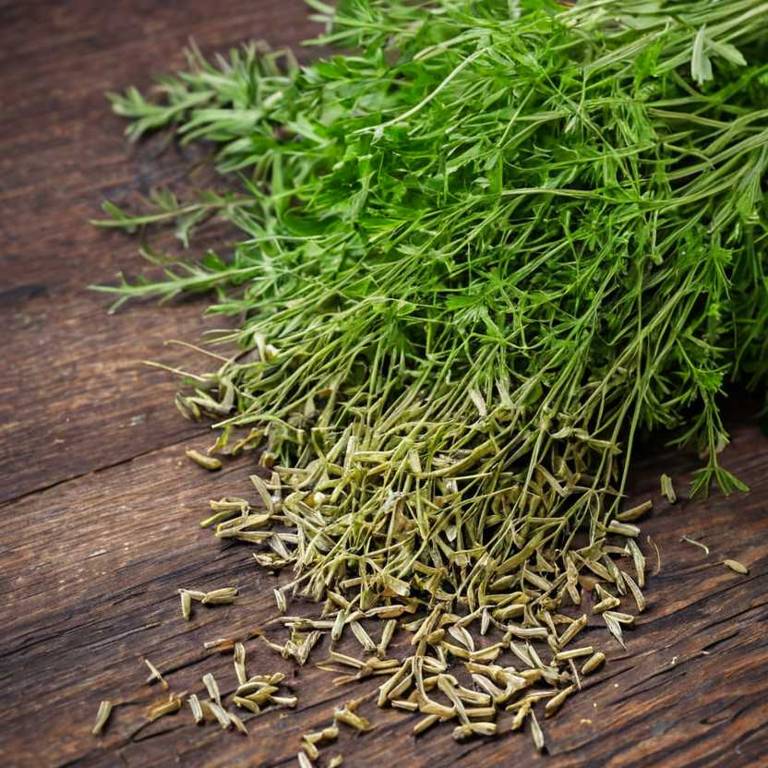
Foeniculum vulgare
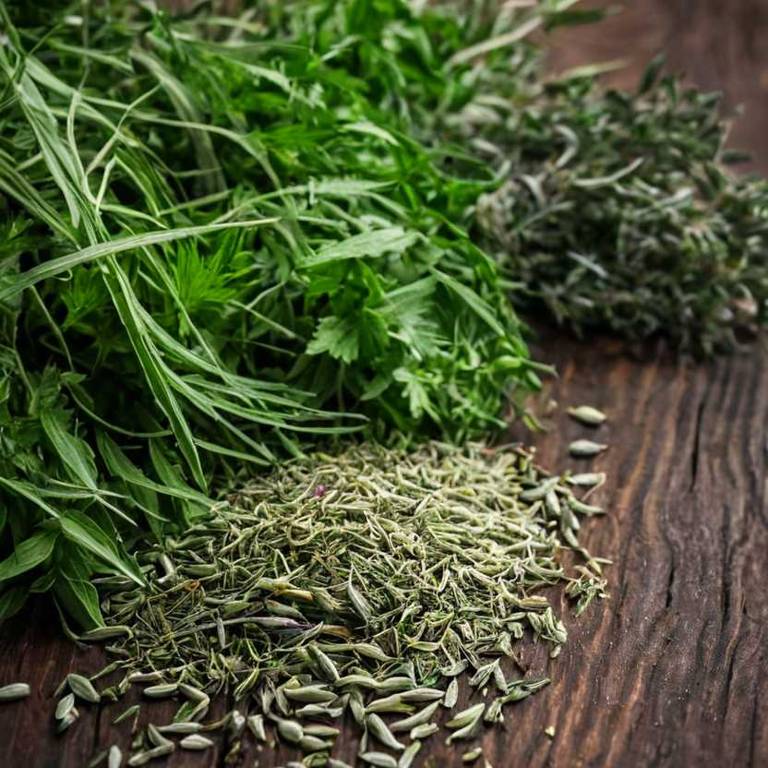
Oryza sativa
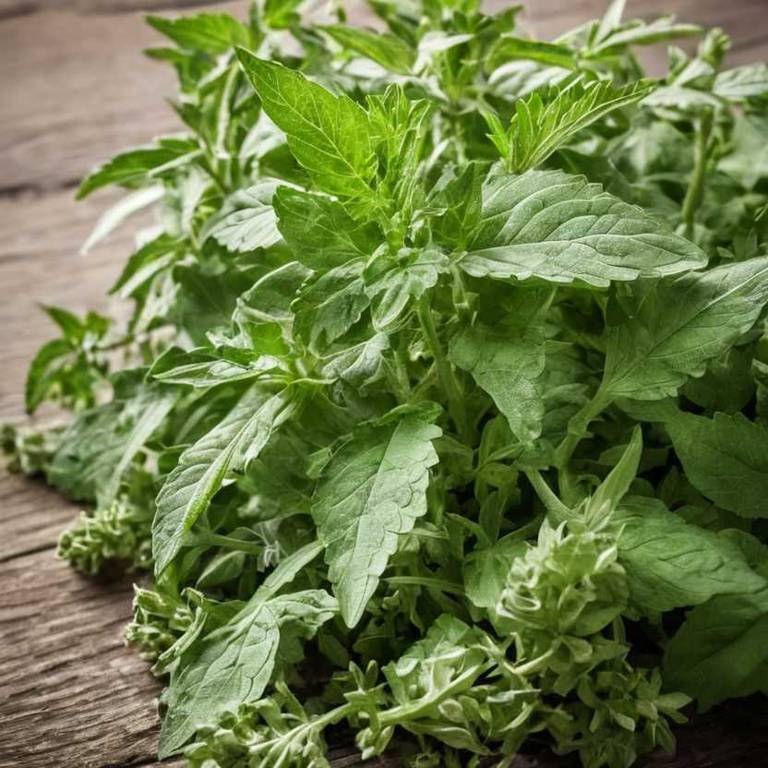
Chenopodium album

View all Epidermal-Stimulant herbs →

Epileptigenic

An epileptigenic biological activity refers to the ability of a substance to induce or provoke epileptic seizures in a biological model. While many medicinal herbs are sought for their anticonvulsant properties to prevent seizures, certain compounds found in plants like Elsholtzia cinerea, Pimpinella aromatica, and Thymus vulgaris can act as epileptigens by altering neuronal excitability.

Associated herbs: 134

Occurs naturally in

Elsholtzia ciliata

Pimpinella aromatica

Thymus vulgaris

View all Epileptigenic herbs →

Epinephrininergic

Epinephrinergic activity refers to the ability of a substance to mimic or stimulate the effects of epinephrine (adrenaline) by interacting with adrenergic receptors in the body. This biological action can influence critical physiological processes such as increasing heart rate, dilating airways, and elevating blood pressure. Examples of herbs exhibiting this activity include Nicotiana rustica, Juglans regia, and Carica papaya.

Associated herbs: 21

Occurs naturally in

Nicotiana rustica

Juglans regia

Carica papaya

View all Epinephrininergic herbs →

Epitheliogenic

Epitheliogenic activity refers to the biological ability of a substance to promote the regeneration and growth of epithelial tissues, such as the skin or mucous membranes. This property is essential for the healing of wounds and the restoration of damaged tissue barriers, a characteristic exhibited by medicinal herbs like Croton lechleri.

Associated herbs: 1

Occurs naturally in

Croton lechleri

View all Epitheliogenic herbs →

Ergotamine-Enhancer

An ergota-enhancer refers to a biological activity where certain herbal compounds work synergistically to augment or prolong the effects of ergota alkaloids, which are often used to influence neurotransmitter activity. This enhancement can optimize the pharmacological impact of these substances on the central nervous system or vascular functions. Examples of herbs that exhibit such stimulant or enhancer properties include Ilex paraguariensis, Firmiana simplex, and Coffea arabica.

Associated herbs: 13

Occurs naturally in

Ilex paraguariensis

Firmiana simplex

Coffea arabica

View all Ergotamine-Enhancer herbs →

Erythrocytogenic

Erythrocytogenic activity refers to the biological ability of certain substances to stimulate the production and maturation of red blood cells (erythrocytes) within the body. Medicinal herbs such as Rhus glabra, Thymus vulgaris, and Rumex trisetifer exhibit this property, potentially aiding in the treatment of anemia or improving overall blood oxygenation.

Associated herbs: 183

Occurs naturally in

Rhus glabra

Thymus vulgaris

Rumex trisetifer

View all Erythrocytogenic herbs →

Erythrocytolytic

Erythrocytolytic activity refers to the ability of a substance to cause the rupture or destruction of red blood cells, leading to the release of their contents. Certain medicinal herbs, such as Solanum nigrum, Solanum dulcamara, and Solanum stramonii folium var. stramonii folium, exhibit this biological activity due to the presence of specific bioactive compounds.

Associated herbs: 5

Occurs naturally in

Solanum nigrum

Solanum dulcamara

Solanum stramoniifolium var. stramoniifolium

View all Erythrocytolytic herbs →

Essential

Essential biological activity refers to the fundamental metabolic or pharmacological processes that are indispensable for the maintenance of an organism's health and physiological equilibrium. This activity is exemplified by herbs such as Thymus vulgaris, Allium ampeloprasum, and Annona muricata, which possess critical bioactive compounds necessary for supporting systemic functions.

Associated herbs: 197

Occurs naturally in

Thymus vulgaris

Allium ampeloprasum

Annona muricata

View all Essential herbs →

Estrogen

Estrogen mimicry is a biological activity where certain medicinal herbs contain phytoestrogens that can bind to and activate estrogen receptors in the human body. This activity can help regulate hormonal balance, though it is important to note that herbs like Red Clover or Black Cohosh are common examples, whereas Digitalis lanata is actually used for its cardiac glycoside activity rather than estrogenic properties.

Associated herbs: 1

Occurs naturally in

Digitalis lanata

View all Estrogen herbs →

Estrogenic?

Herbs with estrogenic activity contain phytoestrogens, which are plant-derived compounds that can mimic or modulate the effects of the hormone estrogen in the human body. Examples of medicinal plants exhibiting this biological activity include Pimpinella aromatica, Erythroxylum novogranatense, and Rheum officinale.

Associated herbs: 174

Occurs naturally in

Pimpinella aromatica

Erythroxylum novogranatense

Rheum officinale

View all Estrogenic? herbs →

Ethanolytic

Ethanolytic biological activity refers to the ability of a medicinal substance to exert its effects through an extraction process using ethanol as a solvent. This process allows for the efficient isolation of specific bioactive compounds, such as those found in herbs like Croton tiglium, Chenopodium album, and Ferula moschatula.

Associated herbs: 44

Occurs naturally in

Croton eluteria

Chenopodium album
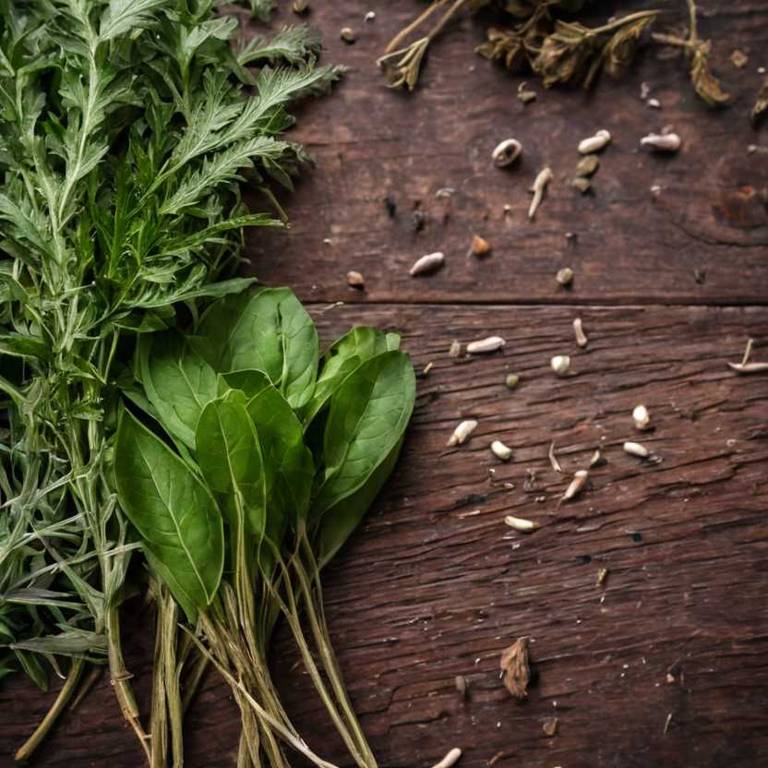
Ferula moschata

View all Ethanolytic herbs →

FEMA

FEMA, or Free Radical Scavenging Activity, refers to the ability of medicinal herbs to neutralize unstable molecules known as free radicals, thereby preventing oxidative stress and cellular damage. Herbs such as Persicaria hydropiper, Populus balsamifera, and Cinnamomum verum exhibit this activity due to their rich content of antioxidant compounds like polyphenols and flavonoids.
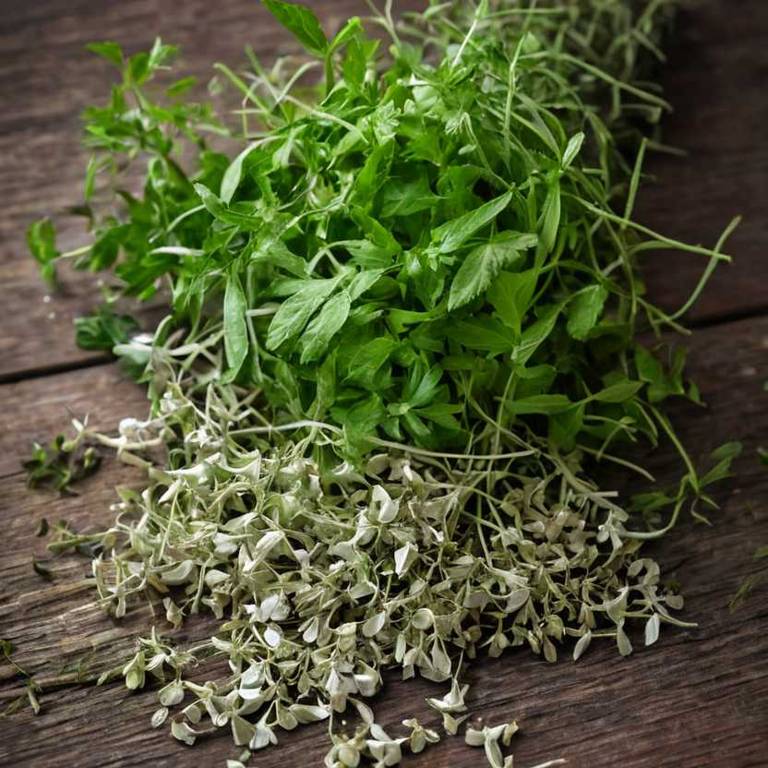
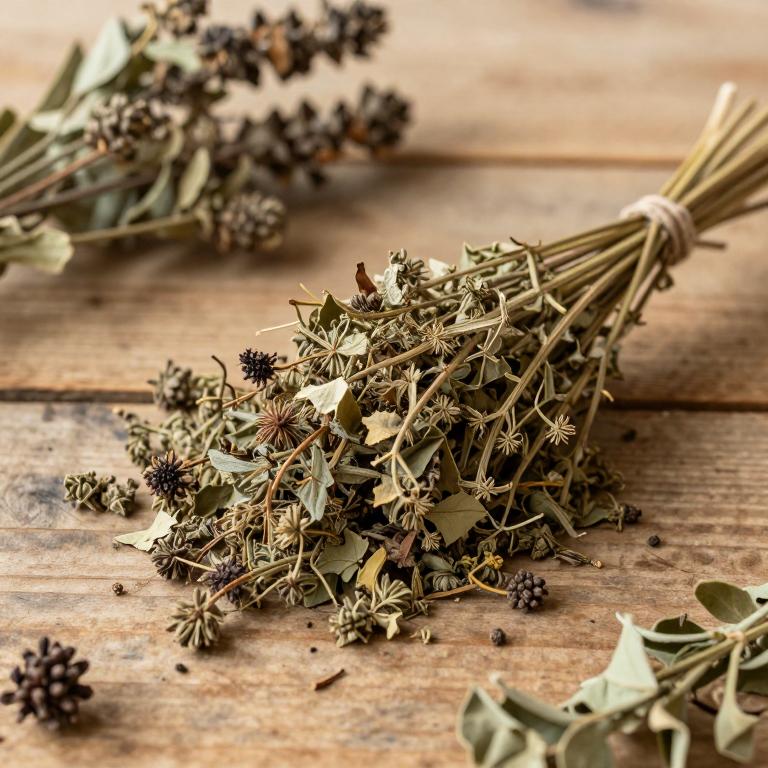
Associated herbs: 10

Occurs naturally in

Persicaria hydropiper

Populus balsamifera

Cinnamomum verum

View all FEMA herbs →

FLavor

Flavor in medicinal herbs is primarily driven by secondary metabolites, such as essential oils and terpenoids, which stimulate gustatory receptors to influence digestion and appetite. These aromatic compounds also serve as chemical markers for the plant's potency, as seen in herbs like Micromeria varia that possess distinct sensory profiles.

Associated herbs: 855

Occurs naturally in

Micromeria ericifolia

Elsholtzia ciliata

Pimpinella aromatica

View all FLavor herbs →

FPTase-Inhibitor

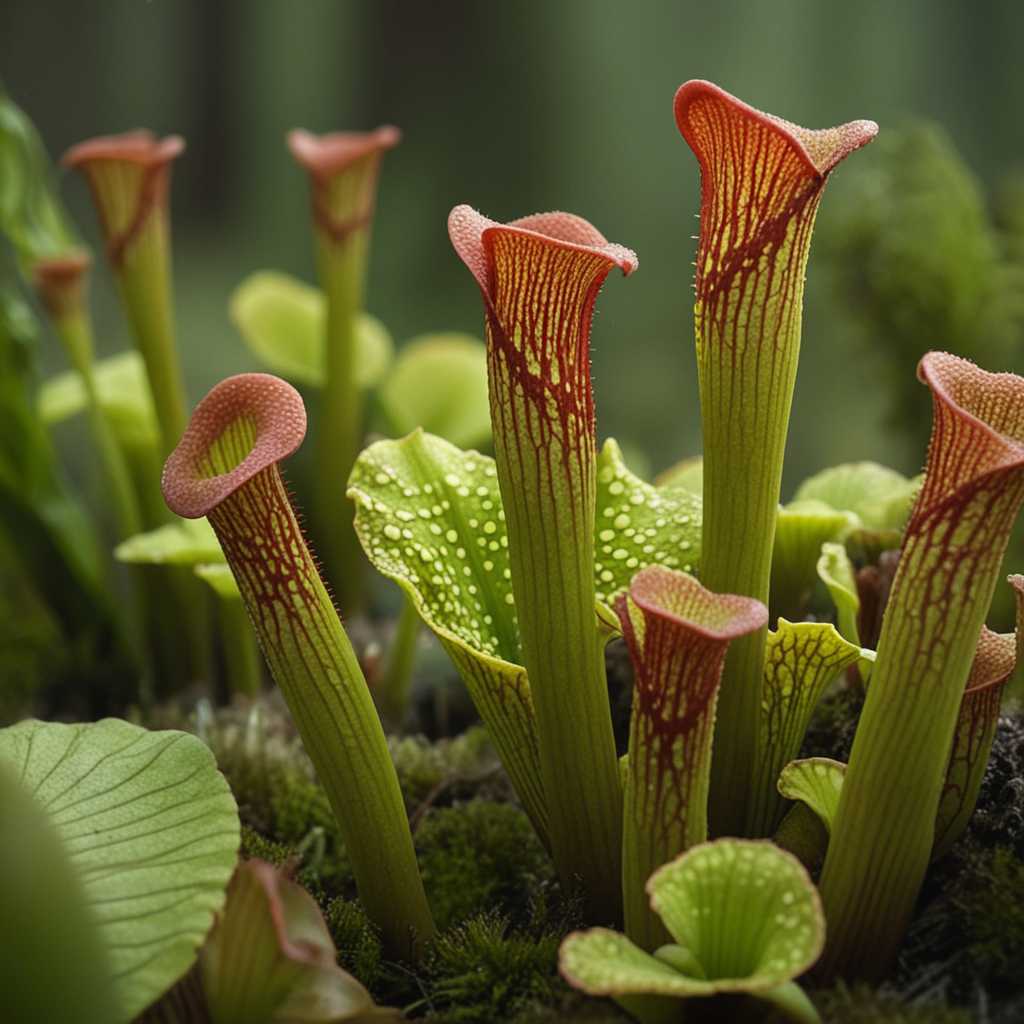
FPTase inhibitors are substances that block the enzyme farnesyltransferase, a key protein involved in the post-translational modification of proteins essential for cell signaling and growth. By disrupting these cellular processes, these inhibitors can potentially arrest the progression of various diseases, such as cancer. Examples of medicinal herbs that exhibit this biological activity include Sarracenia flava, Vitellaria paradoxa, and Sambucus nigra.

Associated herbs: 82

Occurs naturally in

Sarracenia flava

Vitellaria paradoxa

Sambucus nigra

View all FPTase-Inhibitor herbs →

Fatal

Certain medicinal herbs possess high levels of toxicity that can lead to severe physiological damage or death if ingested in improper quantities. Examples of plants exhibiting such fatal biological activity include Allium ampeloprasum, Rheum officinale, and Rumex trisetifer.

Associated herbs: 132

Occurs naturally in

Allium ampeloprasum

Rheum officinale

Rumex trisetifer

View all Fatal herbs →

Feline-attractant

Feline-attractant biological activity refers to the ability of certain herbal compounds to stimulate a cat's sensory receptors, inducing behaviors such as rubbing, rolling, or playful excitement. This effect is often triggered by volatile organic compounds that mimic feline pheromones, with examples including Actinidia chinensis (kiwi vine), Actinia polygama, and Valeriana officinalis (valerian).

Associated herbs: 4

Occurs naturally in

Actinidia chinensis

Actinidia polygama

Valeriana officinalis

View all Feline-attractant herbs →

Feliphile

Feliophiles refer to substances or biological activities that exhibit a strong attraction to or positive effect on the sensory and behavioral systems of cats. Herbs such as Mentha pulegium (Pennyroyal) and Nepeta cataria (Catnip) demonstrate this activity by releasing volatile compounds that trigger a euphoric response in felines.

Associated herbs: 2

Occurs naturally in

Mentha pulegium

Nepeta cataria

View all Feliphile herbs →

Fertility-Regulator

Fertility-regulators are medicinal herbs that function by balancing reproductive hormones or enhancing the physiological conditions necessary for conception and healthy gestation. For example, species such as Persicaria hydropiper are utilized for their ability to support reproductive health and optimize fertility processes.

Associated herbs: 1

Occurs naturally in

Persicaria hydropiper

View all Fertility-Regulator herbs →

Ferulosys-genic

Ferulogenic activity refers to the ability of certain medicinal herbs to act as sources or precursors for the production of ferulic acid, a potent antioxidant and phenolic compound. Examples of herbs exhibiting this biological activity include Carum carvi (caraway), Apium graveolens (celery), and Daucus carota (carrot).

Associated herbs: 7

Occurs naturally in

Carum carvi

Apium graveolens

Daucus carota

View all Ferulosys-genic herbs →

Feticide

Feticide refers to the biological ability of certain medicinal substances to induce the termination of a pregnancy or cause fetal death. Herbs such as Trichosanthes kirilowii exhibit this activity and must be used with extreme caution due to their potential to disrupt fetal development.

Associated herbs: 1

Occurs naturally in

Trichosanthes kirilowii

View all Feticide herbs →

Fistula-Preventive

Fistula-preventive activity refers to the ability of certain medicinal herbs to inhibit the formation of abnormal connections or tracts between organs or through tissues. Herbs such as Pimpinella aromatica, Erythrina fusca, and Thymus vulgaris exhibit these properties, helping to protect bodily integrity by preventing the development of such lesions.

Associated herbs: 399

Occurs naturally in

Pimpinella aromatica

Erythrina fusca

Thymus vulgaris

View all Fistula-Preventive herbs →

Flatugenic

Flatugenic biological activity refers to the ability of certain medicinal herbs to promote the production and secretion of intestinal gases, which can aid in relieving digestive congestion. Herbs such as Pimpinella aromatica, Allium ampellascordum, and Annona muricata exhibit this property, helping to stimulate gastrointestinal motility.

Associated herbs: 203

Occurs naturally in

Pimpinella aromatica

Allium ampeloprasum

Annona muricata

View all Flatugenic herbs →

Flatulent

Herbs with flatulent biological activity are used to facilitate the expulsion of gas from the digestive tract, thereby relieving abdominal bloating and discomfort. Common examples of plants exhibiting this property include Strongylodon macrobotrys, Calopogonium caeruleum, and Phaseolus coccineus.

Associated herbs: 150

Occurs naturally in

Strongylodon macrobotrys

Calopogonium caeruleum

Phaseolus coccineus

View all Flatulent herbs →

Floral-Inhibitor

Floral inhibitors are biological agents that act to suppress or prevent the natural process of flowering in plants. Common medicinal herbs that exhibit this activity include Thymus vulgaris, Rheum officinale, and Podophyllum peltatum.

Associated herbs: 116

Occurs naturally in

Thymus vulgaris

Rheum officinale

Podophyllum peltatum

View all Floral-Inhibitor herbs →

Fungiphilic

Fungiphilic biological activity refers to the ability of certain substances or organisms to thrive in or actively promote the growth of fungi. In the context of medicinal plants, this term can describe compounds that interact with fungal environments or specific herbs, such as Micromeria varia, that exhibit specialized relationships with fungal elements.

Associated herbs: 317

Occurs naturally in

Micromeria ericifolia

Pimpinella aromatica

Eucalyptus siderophloia

View all Fungiphilic herbs →

Fungistat

A fungistatic agent is a substance that inhibits the growth and reproduction of fungi without necessarily killing them outright. This biological activity helps prevent fungal spread, and plants such as Micromeria varia exhibit these properties through their bioactive compounds.

Associated herbs: 562

Occurs naturally in

Micromeria ericifolia

Pimpinella aromatica

Eucalyptus siderophloia

View all Fungistat herbs →

GABA-Antagonist

A GABA antagonist is a substance that binds to GABA receptors and blocks the inhibitory effects of gamma-aminobutyric acid, potentially increasing neuronal excitability and alertness. Certain medicinal herbs, such as Illicium verum (Star Anise), exhibit this activity, which can influence the central nervous system's overall signaling.

Associated herbs: 1

Occurs naturally in

Illicium verum

View all GABA-Antagonist herbs →

GABA-Inhibitor

A GABA inhibitor acts by modulating the activity of gamma-aminobutyric acid, the primary inhibitory neurotransmitter responsible for reducing neuronal excitability in the central nervous system. By influencing these pathways, such herbs can help induce relaxation, reduce anxiety, and promote sleep. An example of a plant with this biological activity is Valeriana officinalis.

Associated herbs: 1

Occurs naturally in

Valeriana officinalis

View all GABA-Inhibitor herbs →

GABA-nergic

GABAergic activity refers to the ability of a substance to enhance the effects of gamma-aminobutyric acid (GABA), the primary inhibitory neurotransmitter in the central nervous system, which helps reduce neuronal excitability. By modulating GABA receptors, these herbs can produce calming, sedative, or anti-anxiety effects on the brain. Examples of plants exhibiting this biological activity include Pimpinella aromatica, Eucalyptus siderophloia, and Thymus vulgaris.

Associated herbs: 141

Occurs naturally in

Pimpinella aromatica

Eucalyptus siderophloia

Thymus vulgaris

View all GABA-nergic herbs →

GST-Inducer

A GST-inducer is a substance that stimulates the production of glutathione S-transferase, an essential enzyme responsible for detoxifying carcinogens and harmful electrophiles in the body. By increasing the activity of this enzyme, these herbs enhance the cellular defense mechanism against oxidative stress and chemical toxicity, as seen in plants like Micromeria varia.

Associated herbs: 317

Occurs naturally in

Micromeria ericifolia

Pimpinella aromatica

Eucalyptus siderophloia

View all GST-Inducer herbs →

GT-Inducer

A GT-inducer is a substance that stimulates the activity of glutathione S-transferases, which are essential enzymes responsible for detoxifying xenobiotics and protecting cells from oxidative damage. Herbs such as Ferula assa-foetida and Allium cepa exhibit this biological activity, helping to enhance the body's natural phase II detoxification pathways.

Associated herbs: 2

Occurs naturally in

Ferula assa-foetida

Allium cepa

View all GT-Inducer herbs →

GTase-Inhibitor

GTase inhibitors are compounds that suppress the activity of glucosyltransferase enzymes, which are essential for the synthesis of certain carbohydrates and the structural integrity of bacterial cell walls. Herbs such as Crocanthemum glomeratum, Camellia sinensis, and Eucalyptus globulus contain bioactive phytochemicals that exhibit this inhibitory effect, potentially offering antimicrobial or metabolic benefits.

Associated herbs: 3

Occurs naturally in

Crocanthemum glomeratum

Camellia sinensis

Eucalyptus globulus

View all GTase-Inhibitor herbs →

Ganglion-Blocker

A ganglion-blocker is a substance that inhibits the transmission of nerve impulses at the autonomic ganglia, effectively disrupting the communication between the central and peripheral nervous systems. Certain medicinal herbs, such as Aspidosperma quebracho-blanco and Vinca minor, contain alkaloids that exhibit this specific biological activity.

Associated herbs: 2

Occurs naturally in

Aspidosperma quebracho-blanco

Vinca minor

View all Ganglion-Blocker herbs →

Ganglionic-Blocker

A ganglionic blocker is a substance that inhibits the transmission of nerve impulses by interfering with the function of autonomic ganglia. Certain medicinal herbs, such as Delphinium ajacis, Chondrodendron tomentosum, and Stephania rotunda, contain alkaloids that exhibit this biological activity.

Associated herbs: 5

Occurs naturally in

Delphinium ajacis

Chondrodendron tomentosum

Stephania rotunda

View all Ganglionic-Blocker herbs →

Ganglioplegic

Ganglioplegic activity refers to the ability of a substance to inhibit or suppress the function of autonomic ganglia, thereby interrupting the transmission of nerve impulses within the nervous system. Herbs such as Achillea floribunda exhibit this biological property, which can lead to a reduction in sympathetic or parasympathetic nerve activity.

Associated herbs: 1

Occurs naturally in

Alchornea floribunda

View all Ganglioplegic herbs →

Gastric-Anesthetic

Gastric-anesthetic activity refers to the ability of certain substances to diminish or suppress the sensitivity and sensation of pain within the stomach lining. Herbs such as Aconitum carmichaelii and Aconitum fischeri exhibit this property, often used in traditional medicine to manage intense gastrointestinal discomfort through their potent anesthetic effects.

Associated herbs: 2

Occurs naturally in

Aconitum carmichaelii

Aconitum fischeri

View all Gastric-Anesthetic herbs →

Gastrocontractant

A gastrocontractant is a substance that stimulates the contraction of the smooth muscles in the gastrointestinal tract, thereby increasing motility and speeding up digestion. Examples of herbs exhibiting this biological activity include Glaucium flavum, Macleaya cordata, and Eschscholzia californica.

Associated herbs: 8

Occurs naturally in

Glaucium flavum

Macleaya cordata

Eschscholzia californica

View all Gastrocontractant herbs →

Gastroirritant

A gastroirritant is a substance that causes inflammation, discomfort, or irritation to the lining of the gastrointestinal tract upon ingestion. Certain medicinal herbs, such as Pimpinella aromatica, Elsholtzia pilosa, and Thymus vulgaris, can exhibit this biological activity depending on their chemical composition and dosage.

Associated herbs: 99

Occurs naturally in

Pimpinella aromatica

Elsholtzia pilosa

Thymus vulgaris

View all Gastroirritant herbs →

Gastrosedative

Gastrosedative activity refers to the ability of a substance to calm or soothe irritation within the gastrointestinal tract, helping to alleviate symptoms like spasms or discomfort. Herbs such as Sambucus nigra, Pycnanthemum clinopodioides, and Clinopodium nepeta subsp. spruneri exhibit these properties to help stabilize digestive functions.

Associated herbs: 54

Occurs naturally in

Sambucus nigra

Pycnanthemum clinopodioides

Clinopodium nepeta subsp. spruneri

View all Gastrosedative herbs →

Gastrostimulant

A gastrostimulant is a substance that increases the secretion of digestive juices and enhances the motility of the gastrointestinal tract to aid digestion. Common examples of herbs exhibiting this biological activity include Pimpinella aromatica, Thymus vulgaris, and Peumus boldus.

Associated herbs: 80

Occurs naturally in

Pimpinella aromatica

Thymus vulgaris

Peumus boldus

View all Gastrostimulant herbs →

Glaucomagenic

Glauco-magenic activity refers to the ability of certain medicinal plants to stimulate the secretion of gastric juices and improve digestive processes. This biological effect is commonly observed in herbs such as Thymus vulgaris, Berberis aquifolium, and Foeniculum vulgare.

Associated herbs: 87

Occurs naturally in

Thymus vulgaris

Berberis aquifolium

Foeniculum vulgare

View all Glaucomagenic herbs →

Glucogonogenic

Glucagonogenic biological activity refers to the ability of certain substances to stimulate the secretion or action of glucagon, a hormone that triggers the release of glucose from the liver into the bloodstream. This process helps to elevate blood sugar levels during states of hypoglycemia, a property observed in medicinal herbs such as Crataegus monogyna, Medicago sativa, and Urtica spicata.

Associated herbs: 23

Occurs naturally in

Crataegus monogyna

Medicago sativa

Urtica spatulata

View all Glucogonogenic herbs →

Gluconeogensis-Inhibitor

A gluconeogenesis inhibitor works by suppressing the metabolic process in the liver that produces glucose from non-carbohydrate sources, thereby helping to lower overall blood sugar levels. Herbs such as Stevia rebaudiana exhibit this activity, making them potentially beneficial for managing glycemic control in metabolic disorders.

Associated herbs: 1

Occurs naturally in

Stevia rebaudiana

View all Gluconeogensis-Inhibitor herbs →

Glucosuric

Glucosuric activity refers to the ability of a substance to promote the excretion of excess glucose through the urine, which helps in lowering blood sugar levels. This biological mechanism is often utilized in managing diabetes, and it can be observed in herbs such as Kalmia latifolia and Malus domestica.

Associated herbs: 2

Occurs naturally in

Kalmia latifolia

Malus domestica

View all Glucosuric herbs →

Glucosyl-Transferase-Inhibitor

Glucosyltransferase inhibitors work by blocking the enzymes responsible for attaching sugar molecules to specific substrates, thereby interfering with essential metabolic processes such as cell wall synthesis or signal transduction. Certain medicinal herbs, including Cuscuta europaea, Pimpinella aromatica, and Rhus glabra, exhibit this biological activity through specialized phytochemicals.

Associated herbs: 480

Occurs naturally in

Cuscuta europaea

Pimpinella aromatica

Rhus glabra

View all Glucosyl-Transferase-Inhibitor herbs →

Glutathionalytic

Glutathionalytic activity refers to the ability of a substance to interact with, regulate, or regenerate glutathione, a vital antioxidant that protects cells from oxidative damage. Herbs such as Pycnanthemum pycnanthemoides, Clinopodium dalmaticum, and Monarda russeolana exhibit this activity, helping to maintain cellular redox balance and combat oxidative stress.

Associated herbs: 57

Occurs naturally in

Pycnanthemum pycnanthemoides

Clinopodium dalmaticum

Monarda russeliana

View all Glutathionalytic herbs →

Glutathione-Depleting

Glutathione-depleting activity refers to the ability of certain compounds to reduce the levels of glutathione, a critical antioxidant, within cells. This process can be used to sensitize cancer cells to oxidative stress or to modulate immune responses, as seen in herbs such as Foeniculum vulgare, Thalia geniculata, and Eucalyptus grandis.

Associated herbs: 80

Occurs naturally in

Foeniculum vulgare

Thalia geniculata

Eucalyptus grandis

View all Glutathione-Depleting herbs →

Glutathionergic

Glutathionergic activity refers to the ability of a substance to enhance the body's levels of glutathione, a critical antioxidant that protects cells from oxidative damage and supports detoxification. Herbs such as Oryza sativa (rice), Helianthus annuus (sunflower), and Aloe succotrina exhibit this activity by promoting the synthesis or regeneration of glutathione within the biological system.

Associated herbs: 25

Occurs naturally in

Oryza sativa

Helianthus annuus

Aloe succotrina

View all Glutathionergic herbs →