Explore herbs biological activities

  • 11249 Plants
  • |
  • 30137 Compounds
  • |
  • 1951 Activities
  • |
  • 132161 Studies

Explore Herbs


Alphabet


Biological Activity

View all →

Bioactive Compounds

View all →

List of herbs biological activities

Showing 1393-1440 out of 1951 results

Decongestant?

A decongestant herb works by reducing swelling in the nasal passages and thinning mucus, which helps to clear respiratory obstructions and ease breathing. Examples of plants exhibiting this biological activity include Sambucus nigra, Pycnanthemum clinopodioides, and Clinopodium nepeta subsp. spruneri.

Associated herbs: 50

Occurs naturally in
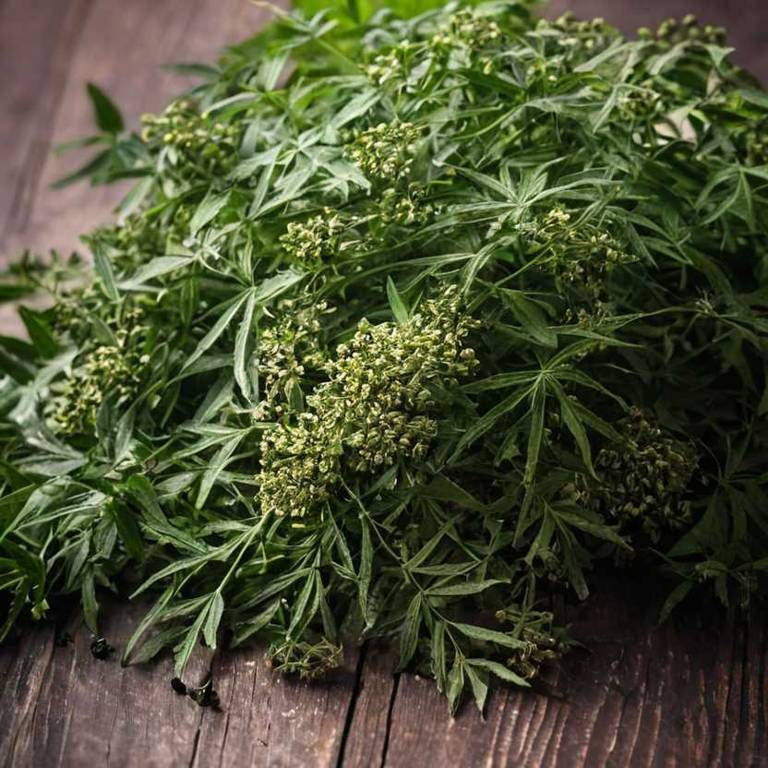
Sambucus nigra
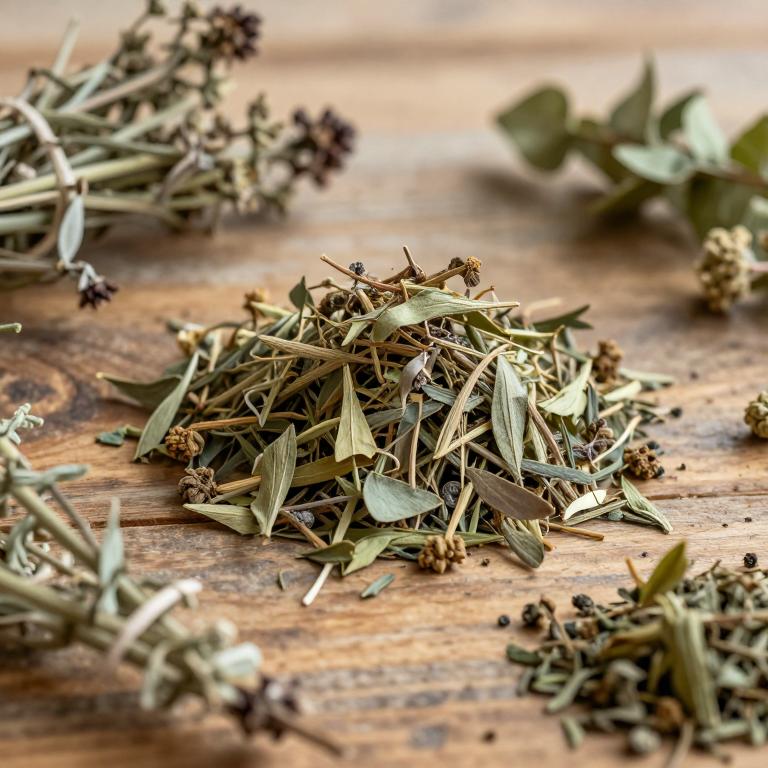
Pycnanthemum clinopodioides
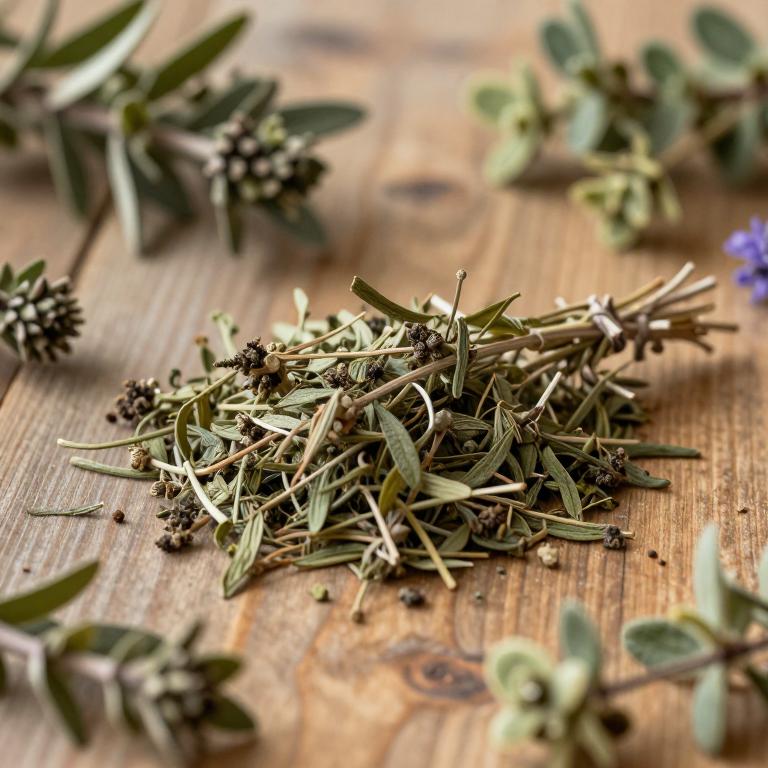
Clinopodium nepeta subsp. spruneri

View all Decongestant? herbs →

Degranulant

Degranulation refers to the process where specialized cells, such as mast cells or basophils, release stored inflammatory mediators like histamine into the surrounding tissue. Certain medicinal herbs, including Elsholtzia ciliata, Elsholtzia pilosa, and Eucalyptus siderophloia, possess bioactive compounds that can modulate or inhibit this cellular release to manage allergic and inflammatory responses.

Associated herbs: 222

Occurs naturally in

Elsholtzia ciliata

Elsholtzia pilosa

Eucalyptus siderophloia

View all Degranulant herbs →

Dehydrogenase-Inhibitor

Dehydrogenase inhibitors act by binding to and blocking the activity of specific enzymes, thereby disrupting essential metabolic pathways such as glycolysis or cellular respiration. This biological activity is demonstrated in medicinal herbs like Juglans regia, Geranium thunbergii, and Paeonia lactiflora, which contain bioactive compounds capable of regulating enzymatic processes.

Associated herbs: 4

Occurs naturally in

Juglans regia

Geranium thunbergii
Paeonia lactiflora

View all Dehydrogenase-Inhibitor herbs →

Deiodinase-Inhibitor

Deiodinase inhibitors are substances that interfere with the enzymes responsible for converting the thyroid hormone thyroxine (T4) into its active form, triiodothyronine (T3). This biological activity can modulate metabolic rates and is exhibited by certain medicinal herbs, such as Pimpinella aromatica, Thymus vulgaris, and Magnolia denudata.

Associated herbs: 347

Occurs naturally in

Pimpinella aromatica

Thymus vulgaris

Magnolia denudata

View all Deiodinase-Inhibitor herbs →

Deliriant

Deliriant activity refers to a biological effect where certain substances induce a state of confusion, hallucinations, or temporary loss of contact with reality. Herbs such as Elsholtzia ciliata, Pimpinella aromatica, and Thymus vulgaris contain bioactive compounds that can trigger these altered mental states when consumed in specific concentrations.

Associated herbs: 156

Occurs naturally in

Elsholtzia ciliata

Pimpinella aromatica

Thymus vulgaris

View all Deliriant herbs →

Delta-9-Desaturase-Inhibitor

A Delta-9-desaturase inhibitor works by blocking the enzyme responsible for introducing double bonds into fatty acid chains, thereby disrupting the synthesis of essential polyunsaturated fatty acids. This biological activity can interfere with cell membrane fluidity and lipid metabolism, a mechanism observed in medicinal herbs such as Pachira aquatica, Firmiana simplex, and Abelmoschus moschatus.

Associated herbs: 5

Occurs naturally in

Pachira aquatica

Firmiana simplex

Abelmoschus moschatus

View all Delta-9-Desaturase-Inhibitor herbs →

Deodorant

Medicinal herbs with deodorant activity possess volatile compounds that neutralize or mask unpleasant odors by inhibiting the growth of odor-causing bacteria. Examples of plants exhibiting this biological activity include Micromeria varia and various species of lavender.

Associated herbs: 527

Occurs naturally in

Micromeria ericifolia

Pimpinella aromatica

Elsholtzia pilosa

View all Deodorant herbs →

Depigmentor

A depigmentor acts by inhibiting the enzyme tyrosinase, which effectively reduces the production of melanin to lighten skin discoloration and dark spots. Herbs such as Pimpinella aromatica, Arbutus unedo, and Origanum majorana exhibit this biological activity, making them valuable ingredients for brightening the complexion.

Associated herbs: 14

Occurs naturally in

Pimpinella aromatica

Arbutus unedo

Origanum majorana

View all Depigmentor herbs →

Depilatory

Depilatory biological activity refers to the ability of certain plant extracts to inhibit hair growth or weaken the hair shaft to facilitate its removal. For example, plants such as Mimosa pudica are studied for their potential to reduce hair density by interfering with the hair follicle cycle.

Associated herbs: 1

Occurs naturally in

Mimosa pudica

View all Depilatory herbs →

Depressor

A depressor refers to a biological activity where a substance reduces or inhibits the normal functioning of the central nervous system, often leading to sedation or a calming effect. Herbs such as Valeriana officinalis (Valerian) exhibit this activity by helping to alleviate anxiety and promote sleep.

Associated herbs: 1

Occurs naturally in

Zingiber officinale

View all Depressor herbs →

Dermagenic

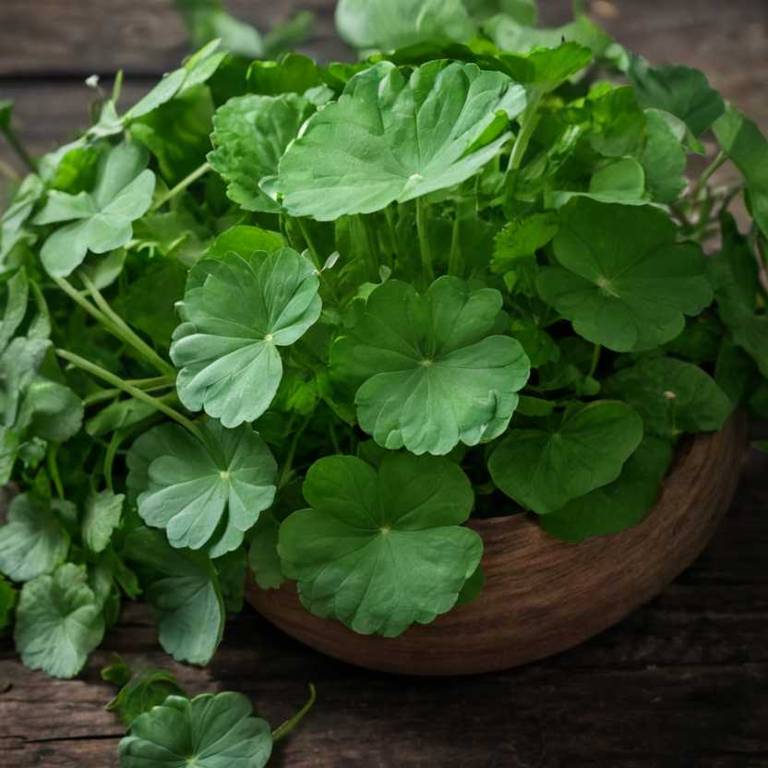
Dermagenic activity refers to the ability of a substance to promote the regeneration, healing, and structural repair of skin tissues. Herbs such as Centella asiatica exhibit this property by stimulating collagen production and accelerating the recovery of damaged skin cells.

Associated herbs: 1

Occurs naturally in

Centella asiatica

View all Dermagenic herbs →

Dermal

Dermal biological activity refers to the capacity of medicinal herbs to exert therapeutic effects directly upon the skin through topical application. Herbs such as Microeria varia demonstrate this activity by interacting with the cutaneous layers to provide healing, soothing, or antimicrobial benefits.

Associated herbs: 166

Occurs naturally in

Micromeria ericifolia

Eucalyptus siderophloia

Thymus vulgaris

View all Dermal herbs →

Dermatitigenic

Dermatitogenic activity refers to the biological capacity of certain substances to induce inflammation or irritation of the skin, often resulting in dermatitis. This activity is observed in specific medicinal herbs such as Pimpinella aromatica, Elsholtzia pilosa, and Rhus glabra, which can trigger localized cutaneous reactions upon contact.

Associated herbs: 625

Occurs naturally in

Pimpinella aromatica

Elsholtzia pilosa

Rhus glabra

View all Dermatitigenic herbs →

Dermatophyticide

A dermatophyticide is a biological agent that specifically inhibits the growth or destroys dermatophytes, which are the fungi responsible for skin, hair, and nail infections like ringworm. Herbs such as Isatis tinctoria (Woad) exhibit this activity by utilizing their antimicrobial compounds to combat fungal pathogens on the skin surface.

Associated herbs: 1

Occurs naturally in

Isatis tinctoria

View all Dermatophyticide herbs →

Desaturase-Inhibitor

Desaturase inhibitors act by interfering with the enzymatic processes that introduce double bonds into fatty acid chains, thereby altering lipid composition and membrane fluidity. Medicinal herbs such as Houttuynia cordata, Sesamum indicum, and Zanthoxylum clavula-herculis exhibit this activity, which can play a crucial role in regulating inflammation and metabolic functions.

Associated herbs: 4

Occurs naturally in

Houttuynia cordata

Sesamum indicum

Zanthoxylum clava-herculis

View all Desaturase-Inhibitor herbs →

Desmutagenic

Desmutagenic activity refers to the ability of a substance to inhibit or prevent the formation of DNA mutations caused by exposure to mutagenic agents. Various medicinal herbs, such as Peganum harmala, Banisteriopsis caapi, and Elaeagnus triflora var. triflora, exhibit this protective effect by neutralizing toxins or repairing cellular damage before mutations occur.

Associated herbs: 7

Occurs naturally in

Peganum harmala

Banisteriopsis caapi

Elaeagnus triflora var. triflora

View all Desmutagenic herbs →

Detoxicant (Alcohol)

Detoxicant activity against alcohol involves the ability of certain herbs to facilitate the metabolic breakdown of ethanol and reduce the oxidative stress it causes in the liver. Herbs such as Pimpinella aromatica, Rhus glabra, and Thymus vulgaris exhibit this property by helping to neutralize toxic byproducts and supporting cellular recovery after alcohol consumption.

Associated herbs: 374

Occurs naturally in

Pimpinella aromatica

Rhus glabra

Thymus vulgaris

View all Detoxicant (Alcohol) herbs →

Diagnostic

Diagnostic biological activity refers to the ability of a medicinal herb to produce specific, predictable physiological effects that allow clinicians to identify the presence of a particular condition or toxin. For example, herbs such as Conium maculatum, Strychnos nux-vomica, and Abies spectabilis can be used to observe distinct symptomatic responses that aid in the clinical recognition of specific physiological states.

Associated herbs: 79

Occurs naturally in

Abies spectabilis

Strychnos nux-vomica

Conium maculatum

View all Diagnostic herbs →

Diaphoretic?

A diaphoretic is a substance that stimulates or increases perspiration, helping the body to regulate temperature and promote the excretion of metabolic waste through the skin. Common examples of herbs possessing this biological activity include Pimpinella aromatica, Thymus vulgaris, and Allium ampeloprasum.

Associated herbs: 332

Occurs naturally in

Pimpinella aromatica

Thymus vulgaris

Allium ampeloprasum

View all Diaphoretic? herbs →

Diels-Alder-Adduct

A Diels-Alder adduct refers to a complex chemical structure formed through a [4+2] cycloaddition reaction, which is often responsible for the unique pharmacological properties of certain plant secondary metabolites. Many medicinal herbs, such as Morus alba (white mulberry), contain these specific adducts which contribute to their diverse therapeutic activities, including anti-inflammatory and antioxidant effects.

Associated herbs: 1

Occurs naturally in

Morus alba

View all Diels-Alder-Adduct herbs →

Differentiator

A differentiator is a biological agent that stimulates the maturation and specialization of undifferentiated cells into specific, functional cell types. Examples of herbs exhibiting this activity include Pimpinella aromatica, Croton eluater, and Thymus vulgaris.

Associated herbs: 347

Occurs naturally in

Pimpinella aromatica

Croton eluteria

Thymus vulgaris

View all Differentiator herbs →

Digitalic

Digitalic activity refers to the ability of certain medicinal herbs to increase the force of myocardial contractions while simultaneously slowing the heart rate, a process known as positive inotropy and negative chronotropy. This physiological effect is primarily achieved through the inhibition of the sodium-potassium pump, a characteristic found in plants such as Cascabela thevetia, Camellia japonica, and Selenicereus grandiflorus.

Associated herbs: 8

Occurs naturally in

Selenicereus grandiflorus

Camellia japonica

Cascabela thevetia

View all Digitalic herbs →

Discutient

Discutient activity refers to the biological ability of a substance to relieve or suppress the urge to defecate, often by reducing intestinal motility or cramping. Herbs possessing this property, such as Rumex trisetifer, are traditionally used to manage symptoms of diarrhea and intestinal irritation.

Associated herbs: 1

Occurs naturally in

Rumex trisetifer

View all Discutient herbs →

Dopamine-Adenylate-Cyclase-Inhibitor

A Dopamine-Adenylate-Cyclase-Inhibitor acts by modulating the signaling pathway where dopamine suppresses the enzyme adenylate cyclase, thereby reducing the production of cyclic AMP within target cells. This mechanism is utilized by certain medicinal herbs, such as Berberis aquifolium, Peumus boldus, and Glaucium flavum, to influence neurotransmission and cellular physiological responses.

Associated herbs: 14

Occurs naturally in

Berberis aquifolium

Peumus boldus

Glaucium flavum

View all Dopamine-Adenylate-Cyclase-Inhibitor herbs →

Dopamine-Blocker

A dopamine blocker acts by inhibiting the binding of dopamine to its receptors in the brain, which can reduce feelings of pleasure, motivation, or certain neurological symptoms. While many plants contain stimulants, some species possess compounds that can modulate or antagonize dopamine activity, similar to how certain alkaloids in Theobroma cacao interact with neurotransmitter pathways.

Associated herbs: 1

Occurs naturally in

Theobroma cacao

View all Dopamine-Blocker herbs →

Dopamine-Receptor-Inhibitor

Dopamine receptor inhibitors function by binding to dopamine receptors in the brain, thereby reducing the effects of this neurotransmitter on the central nervous system. This biological activity is often utilized to manage neurological conditions or mood regulation, and can be found in medicinal herbs such as Chondrodendron tomentosum, Stephania rotunda, and Cissampelos pareira.

Associated herbs: 5

Occurs naturally in

Chondrodendron tomentosum

Stephania rotunda

Cissampelos pareira

View all Dopamine-Receptor-Inhibitor herbs →

Dopaminigenic

Dopaminergic activity refers to the ability of certain substances to influence the production, release, or reception of dopamine, a key neurotransmitter responsible for regulating mood, motivation, and motor control. Herbs such as Nicotiana rustica, Juglans regia, and Carica papaya exhibit this biological activity by interacting with the dopaminergic pathways in the central nervous system.

Associated herbs: 17

Occurs naturally in

Nicotiana rustica

Juglans regia

Carica papaya

View all Dopaminigenic herbs →

Dye

Certain medicinal herbs possess dye activity, meaning they contain natural pigments that can be extracted to color tissues or materials. Examples of plants exhibiting this biological activity include Melia azedarach, Rumex trisetifer, and Tagetes erecta.

Associated herbs: 231

Occurs naturally in

Melia azedarach

Rumex trisetifer

Tagetes erecta

View all Dye herbs →

ER-Beta-Binder

An ER-Beta binder is a compound that selectively interacts with estrogen receptor beta, which plays a crucial role in regulating cell proliferation and modulating inflammatory responses without the strong systemic effects associated with estrogen receptor alpha. Various medicinal herbs, such as Cicer arietinum, Medicago sativa, and Alhagi maurorum var. maurorum, contain bioactive phytoestrogens that exhibit this specific binding affinity.

Associated herbs: 10

Occurs naturally in

Cicer arietinum

Medicago sativa

Alhagi maurorum var. maurorum

View all ER-Beta-Binder herbs →

ERK-1-Inhibitor

An ERK-1 inhibitor works by blocking the extracellular signal-regulated kinase pathway, which prevents the transmission of signals that drive cell proliferation and inflammation. By suppressing this specific signaling cascade, these compounds can help control abnormal cell growth and various inflammatory diseases. A notable example of a plant source containing such bioactive components is Citrus reticulata.

Associated herbs: 1

Occurs naturally in

Citrus reticulata

View all ERK-1-Inhibitor herbs →

ERK-2-Inhibitor

An ERK-2 inhibitor is a compound that suppresses the activity of Extracellular Signal-Regulated Kinase 2, a key protein in the MAPK signaling pathway that regulates cell proliferation and survival. By blocking this pathway, these inhibitors can help prevent the uncontrolled growth of cancer cells and reduce inflammation within the body. A notable example of a natural source for this activity is Citrus reticulata, which contains bioactive compounds capable of modulating these signaling processes.

Associated herbs: 1

Occurs naturally in

Citrus reticulata

View all ERK-2-Inhibitor herbs →

Ecbolic

An ecbolic agent is a substance that stimulates the contractions of the uterine muscles to facilitate the expulsion of uterine contents. Herbs such as Elsholtzia cinerea, Pimpinella anisum, and Thymus vulgaris possess this biological activity and can be used to assist in processes like labor or the treatment of certain postpartum conditions.

Associated herbs: 131

Occurs naturally in

Elsholtzia ciliata

Pimpinella aromatica

Thymus vulgaris

View all Ecbolic herbs →

Ectoparasiticide

An ectoparasiticide is a biological agent used to kill or repel external parasites, such as insects, ticks, or mites, that live on the surface of a host. Examples of medicinal herbs possessing this activity include Nicotiana rustica, Piscidia piscipula, and Juglans regia.

Associated herbs: 24

Occurs naturally in

Nicotiana rustica

Piscidia piscipula

Juglans regia

View all Ectoparasiticide herbs →

Edemagenic

Edemagenic biological activity refers to the capacity of a substance to induce or promote the formation of edema, which is the abnormal accumulation of fluid in the body's tissues. Certain medicinal herbs, such as Elsholtzia ciliata, Elsholtzia pilosa, and Eucalyptus siderophloia, have been identified as possessing this specific property.

Associated herbs: 223

Occurs naturally in

Elsholtzia ciliata

Elsholtzia pilosa

Eucalyptus siderophloia

View all Edemagenic herbs →

Edematogenic

Edematogenic activity refers to the ability of a substance to induce the formation of edema, which is an abnormal accumulation of fluid in the interstitial spaces of tissues. While this effect is often studied to understand inflammatory processes, certain herbs such as Perilla frutescens exhibit this biological activity under specific experimental conditions.

Associated herbs: 1

Occurs naturally in

Perilla frutescens

View all Edematogenic herbs →

Embryocide

Embryocide refers to the biological capacity of a substance to cause the death of an embryo, often leading to the termination of pregnancy. Certain medicinal herbs, such as Podophyllum peltatum, Podophyllum peiantum, and Podophyllum hexandrum, exhibit this activity due to the presence of potent alkaloids that interfere with cell division.

Associated herbs: 6

Occurs naturally in

Podophyllum peltatum

Podophyllum pleianthum

Podophyllum hexandrum

View all Embryocide herbs →

Encephalopathic

Encephalopathic biological activity refers to the ability of a substance to affect the function or structure of the brain, often involving the modulation of central nervous system processes. Certain medicinal herbs, such as Elsholtzia cinerea, Rhus glabra, and Thymus vulgaris, exhibit these properties by interacting with neurological pathways to influence cognitive or behavioral states.

Associated herbs: 230

Occurs naturally in

Elsholtzia ciliata

Rhus glabra

Thymus vulgaris

View all Encephalopathic herbs →

Endoanesthetic

Endoanesthetic activity refers to the ability of a substance to induce a state of loss of sensation or localized numbness within the internal tissues of an organism. Medicinal herbs such as Piper latifolium exhibit this property, often acting on the nervous system to diminish the perception of pain.

Associated herbs: 1

Occurs naturally in

Piper latifolium

View all Endoanesthetic herbs →

Endocrinactive

Endocrinactive biological activity refers to the ability of certain herbal compounds to influence or modulate the body's endocrine system by affecting hormone production, secretion, or receptor sensitivity. Examples of herbs that exhibit this activity include Capsicum frutescens, Zingiber officinale, and Capsicum annuum, which can impact metabolic processes and hormonal regulation.

Associated herbs: 3

Occurs naturally in

Capsicum frutescens

Zingiber officinale

Capsicum annuum

View all Endocrinactive herbs →

Endorphinogenic

Endorphinogenic activity refers to the ability of certain substances to stimulate the release of endorphins, the body's natural pain-killing neurotransmitters, within the central nervous system. Herbs such as Piper cubeba, Piper nigrum, and Xylopia aethiopica exhibit this property, helping to alleviate pain and induce feelings of well-being.

Associated herbs: 4

Occurs naturally in

Piper cubeba

Piper nigrum

Xylopia aethiopica

View all Endorphinogenic herbs →

Endrocrin-Tonic

An endocrine-tonic herb acts as an adaptogen that helps regulate and stabilize the hormonal system, restoring balance to the endocrine glands during times of physiological stress. Common examples of herbs with this biological activity include Panax quinquefolius (American ginseng) and Panax ginseng (Asian ginseng).

Associated herbs: 2

Occurs naturally in

Panax quinquefolius

Panax ginseng

View all Endrocrin-Tonic herbs →

Enterocontractant

An enterocontractant is a substance that stimulates the rhythmic contractions of the smooth muscles within the intestines. This biological activity increases peristalsis, which can help accelerate the movement of contents through the digestive tract. An example of a medicinal herb possessing this activity is Micromeria varia.

Associated herbs: 326

Occurs naturally in

Micromeria ericifolia

Pimpinella aromatica

Eucalyptus siderophloia

View all Enterocontractant herbs →

Enterodepressant

An enterodepressant is a substance that reduces the motility and activity of the gastrointestinal tract, effectively slowing down bowel movements. This biological activity is often utilized to alleviate symptoms of diarrhea and intestinal spasms, with herbs such as Moringa oleifera or certain species of Artemisia exhibiting these effects.

Associated herbs: 1

Occurs naturally in

Moringa oleifera

View all Enterodepressant herbs →

Enteromotility-Enhancer

An enteromotility-enhancer is a substance that stimulates the rhythmic contractions of the gastrointestinal muscles, thereby promoting the efficient movement of food and waste through the digestive tract. This biological activity is commonly found in medicinal herbs such as Zingiber officinale (ginger) and Aframomum melegueta (grains of paradise), which help alleviate constipation and bloating.

Associated herbs: 2

Occurs naturally in

Zingiber officinale

Aframomum melegueta

View all Enteromotility-Enhancer herbs →

Enterorelaxant

Enterorelaxants are medicinal substances that act by reducing spasms and relieving tension within the smooth muscles of the intestinal tract. This biological activity helps to alleviate gastrointestinal discomfort and regulate bowel motility, as seen in herbs such as Pimpinella aromatica, Sarracenia flava, and Elsholtzia pilosa.

Associated herbs: 228

Occurs naturally in

Pimpinella aromatica

Sarracenia flava

Elsholtzia pilosa

View all Enterorelaxant herbs →

Enterostimulant

An enterostiimulant is a substance that stimulates the secretion of digestive juices and enhances the movement of the gastrointestinal tract to aid digestion. Herbs such as Perilla frutescens exhibit this activity, helping to improve appetite and promote efficient nutrient absorption.

Associated herbs: 1

Occurs naturally in

Perilla frutescens

View all Enterostimulant herbs →

Enterotonic

An enterotonic biological activity refers to the ability of a substance to stimulate the peristaltic movements of the intestinal tract, thereby promoting regular bowel function. Herbs such as Berberis aquifolium, Berberis sheridiana, and Coptis chinensis possess this property, which can help regulate digestive transit.

Associated herbs: 16

Occurs naturally in

Berberis aquifolium

Berberis sheridaniana

Coptis chinensis

View all Enterotonic herbs →

Enterotoxic

Enterotoxicity refers to the biological ability of certain substances to cause intestinal damage or inflammation, often leading to symptoms such as diarrhea or abdominal pain. Some medicinal herbs, such as Pimpinella aromatica, Elsholtzia pilosa, and Thymus vulgaris, may exhibit this activity depending on the concentration and specific chemical constituents present.

Associated herbs: 98

Occurs naturally in

Pimpinella aromatica

Elsholtzia pilosa

Thymus vulgaris

View all Enterotoxic herbs →