Explore herbs biological activities

  • 11249 Plants
  • |
  • 30137 Compounds
  • |
  • 1951 Activities
  • |
  • 132161 Studies

Explore Herbs


Alphabet


Biological Activity

View all →

Bioactive Compounds

View all →

List of herbs biological activities

Showing 1345-1392 out of 1951 results

Congestant

A decongestant is a substance that helps relieve nasal and sinus congestion by reducing swelling in the mucous membranes and thinning secretions. Herbs such as Sambucus nigra, Pycnanthemum clinopodioides, and Clinopodium nepeta subsp. spruneri exhibit this activity, helping to clear airways and ease respiratory discomfort.

Associated herbs: 50

Occurs naturally in
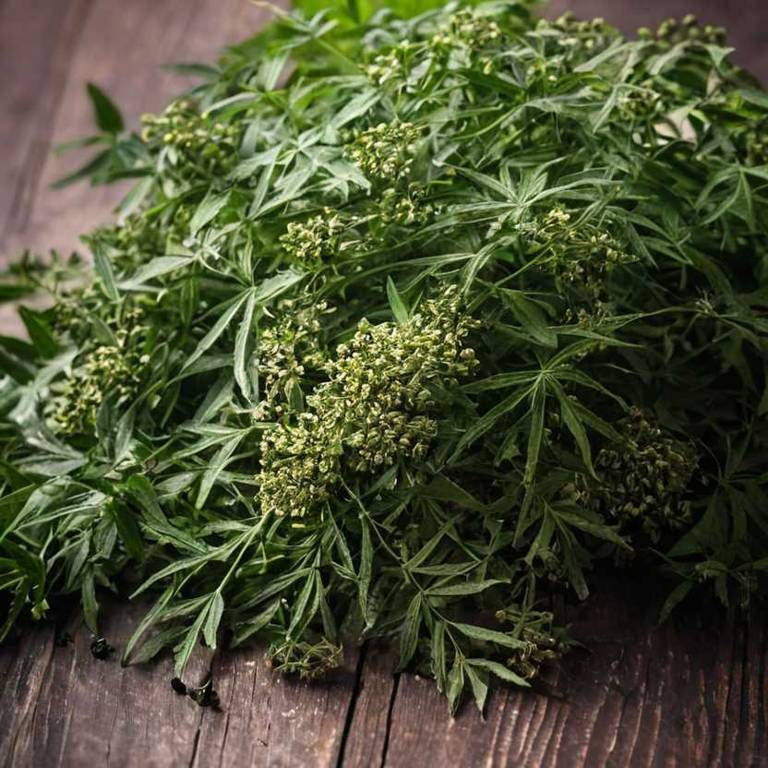
Sambucus nigra
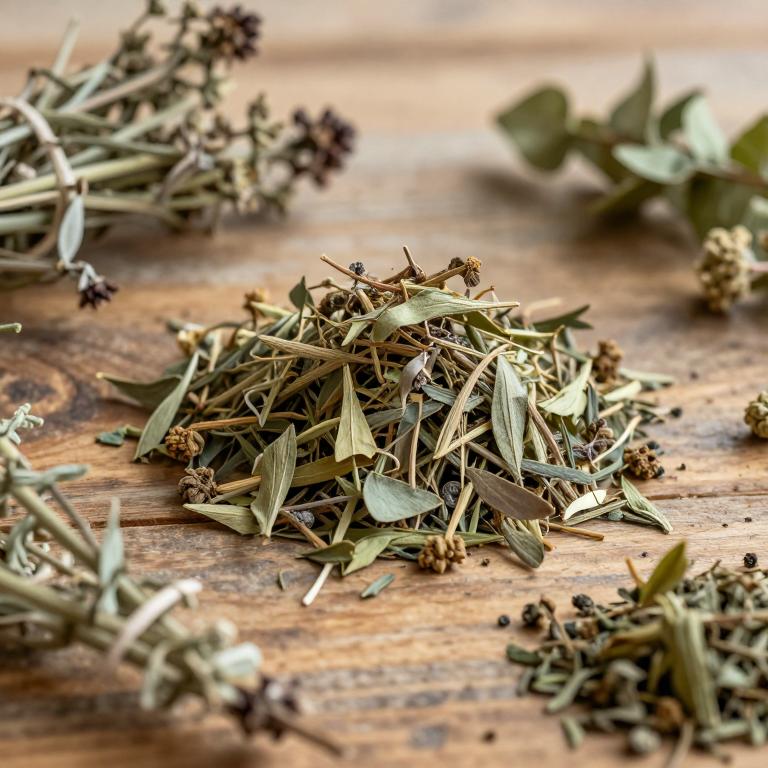
Pycnanthemum clinopodioides
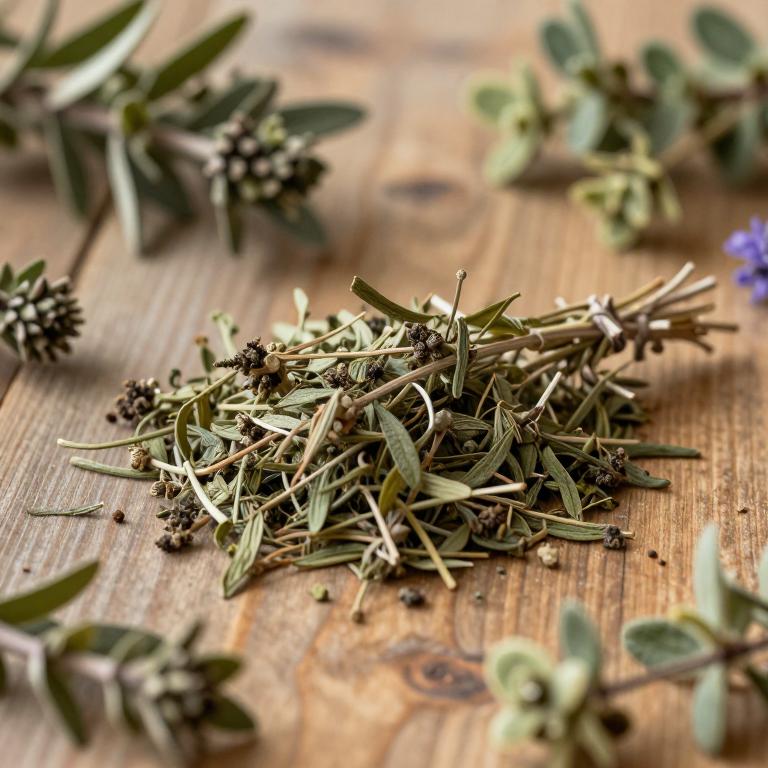
Clinopodium nepeta subsp. spruneri
View all Congestant herbs →

Contraceptive (Male)

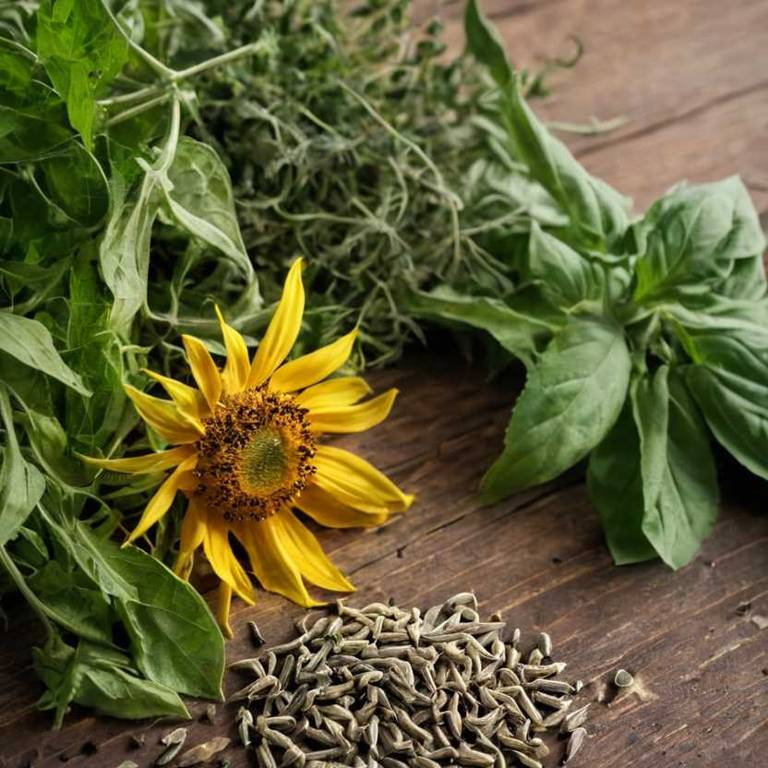
Certain medicinal herbs exhibit contraceptive activity in males by suppressing sperm production or reducing libido through the modulation of hormonal pathways. Examples of plants known for this biological activity include Helianthus annuus, Ceiba pentandra, and Abelmoschus esculentus.

Associated herbs: 5

Occurs naturally in

Helianthus annuus

Ceiba pentandra

Abelmoschus esculentus

View all Contraceptive (Male) herbs →

Controlled

Controlled biological activity refers to the ability of a medicinal substance to exert a regulated and steady physiological effect without causing sudden or unpredictable fluctuations in the body. This characteristic ensures a predictable therapeutic response, as seen in herbs such as Pimpinella aromatica, Cinnamomum aromaticum, and Camphora officinalis.

Associated herbs: 33

Occurs naturally in

Pimpinella aromatica

Cinnamomum aromaticum

Camphora officinarum

View all Controlled herbs →

Copper-Antagonist

Copper-antagonist activity refers to the ability of certain medicinal herbs to inhibit or counteract the biological effects and oxidative processes induced by copper ions in the body. This property is often achieved through chelation, where plant compounds bind to copper to prevent it from causing cellular damage. Examples of herbs that exhibit this biological activity include Pimpinella aromatica, Rhus glabra, and Thymus vulgaris.

Associated herbs: 374

Occurs naturally in

Pimpinella aromatica

Rhus glabra

Thymus vulgaris

View all Copper-Antagonist herbs →

Copper-Chelator

Copper-chelating herbs possess the ability to bind to free copper ions, thereby preventing them from participating in redox reactions that generate harmful oxidative stress. This biological activity helps regulate metal homeostasis and protects cells from copper-induced toxicity. Examples of herbs exhibiting this activity include Pimpinella aromatica, Thymus vulgaris, and Magnolia denudata.

Associated herbs: 285

Occurs naturally in

Pimpinella aromatica

Thymus vulgaris

Magnolia denudata

View all Copper-Chelator herbs →

Coronary

Coronary activity refers to the ability of certain medicinal herbs to influence the blood vessels and muscles of the heart, typically by improving blood flow or regulating heart rhythm. Herbs such as Papaver bracteatum exhibit this activity by providing pharmacological effects that can support cardiovascular function.

Associated herbs: 1

Occurs naturally in

Papaver bracteatum

View all Coronary herbs →

Coronary-Dilator

Coronary-dilators are medicinal herbs that act by relaxing the smooth muscles of the coronary arteries, thereby increasing blood flow and oxygen delivery to the heart muscle. Examples of plants exhibiting this biological activity include Rauvolfia serpentina, Phaseolus coccineus, and Cicer arietinum.

Associated herbs: 43

Occurs naturally in

Rauvolfia serpentina

Phaseolus coccineus

Cicer arietinum

View all Coronary-Dilator herbs →

Corrosive

Corrosive biological activity refers to the ability of certain plant substances to cause tissue destruction or severe irritation upon contact with living cells. This intense chemical action is often exhibited by herbs containing high concentrations of volatile oils or caustic compounds, such as Prunus persica, Camphora officinarum, and Mentha canadensis.

Associated herbs: 57

Occurs naturally in

Prunus persica

Camphora officinarum

Mentha canadensis

View all Corrosive herbs →

Corticogenic

Corticogenic biological activity refers to the ability of a substance to stimulate the production or release of corticosteroids, which are hormones produced by the adrenal cortex. Herbs exhibiting this activity, such as Papaver bracteatum and Papaver somniferum, can influence the body's endocrine response and stress regulation pathways.

Associated herbs: 2

Occurs naturally in

Papaver bracteatum

Papaver somniferum

View all Corticogenic herbs →

Corticomimetic

Corticomimetic activity refers to the ability of a substance to mimic the physiological effects of corticosteroids, such as suppressing inflammation and modulating immune responses. Herbs like Panax quinquefolius (American ginseng) and Aesculus hippocastanum (Horse chestnut) exhibit these properties by interacting with similar biochemical pathways to manage swelling or stress responses.

Associated herbs: 2

Occurs naturally in

Panax quinquefolius

Aesculus hippocastanum

View all Corticomimetic herbs →

Corticosterogenic

Corticosterogenic activity refers to the ability of a substance to stimulate the adrenal cortex to produce and release endogenous corticosteroid hormones, such as cortisol. Herbs like Trigonella foenum-graecum, Gentiana lutea, and Panax quinquefolius exhibit this biological activity, helping to modulate the body's endocrine response to stress.

Associated herbs: 10

Occurs naturally in

Trigonella foenum-graecum

Gentiana lutea

Panax quinquefolius

View all Corticosterogenic herbs →

Corticosteroidogenic

Corticosteroideogenic activity refers to the ability of a substance to stimulate the production or release of corticosteroids from the adrenal cortex. Herbs such as Panax quinquefolius, Panax japonicus, and Panax notoginseng exhibit this biological activity, which can help modulate the body's physiological response to stress.

Associated herbs: 4

Occurs naturally in

Panax quinquefolius

Panax japonicus

Panax notoginseng

View all Corticosteroidogenic herbs →

Corticosterone-genic

Corticosterone-genic activity refers to the ability of a substance to stimulate the production or secretion of corticosterone, a primary glucocorticoid hormone, from the adrenal cortex. This biological activity is often observed in herbs such as Senega officinalis and Aesculus hippocastanum, which can influence the body's endocrine response and stress regulation pathways.

Associated herbs: 2

Occurs naturally in

Senega officinalis

Aesculus hippocastanum

View all Corticosterone-genic herbs →

Cortocosterone-genic

Corticosterone-genic activity refers to the ability of certain substances to stimulate the production or release of corticosterone, a primary glucocorticoid hormone involved in the body's stress response. Herbs such as Panax quinquefolius (American Ginseng) and Bupleurum chinense var. chinense exhibit this biological activity, which can play a significant role in modulating metabolic and immunological functions.

Associated herbs: 2

Occurs naturally in

Panax quinquefolius

Bupleurum chinense var. chinense

View all Cortocosterone-genic herbs →

Counterirritant

A counterirritant is a substance that creates a mild, localized irritation on the surface of the skin to stimulate blood flow and distract the sensory nerves from deeper, more intense pain. Medicinal herbs such as Elsholtzia ciliata, Pimpinella aromatica, and Elsholtzia pilosa exhibit this activity by inducing a controlled inflammatory response that helps alleviate underlying discomfort.

Associated herbs: 355

Occurs naturally in

Elsholtzia ciliata

Pimpinella aromatica

Elsholtzia pilosa

View all Counterirritant herbs →

Crustacicide

A crustacicide is a biological agent or substance capable of destroying or inhibiting the growth of crustacean organisms. Certain medicinal herbs, such as Daucus carota (wild carrot), exhibit this activity through the presence of specific phytochemicals that can act as natural pesticides against these aquatic invertebrates.

Associated herbs: 1

Occurs naturally in

Daucus carota

View all Crustacicide herbs →

Culicide

Culicide refers to the biological ability of certain substances to kill or repel mosquitoes and other biting insects. Medicinal herbs such as Pimpinella aromatica, Elsholtzia pilosa, and Eucalyptus siderophloia exhibit this activity, making them potential natural candidates for insect control.

Associated herbs: 236

Occurs naturally in

Pimpinella aromatica

Elsholtzia pilosa

Eucalyptus siderophloia

View all Culicide herbs →

Curare

Curares act as potent neuromuscular blocking agents that inhibit the transmission of nerve impulses to skeletal muscles, leading to temporary paralysis. While traditionally associated with South American arrow poisons, similar biological activities involving neurological or muscle-regulating effects can be found in herbs such as Berberis aquifolium, Lophophora williamsii, and Phellodendron amurense.

Associated herbs: 9

Occurs naturally in

Berberis aquifolium

Lophophora williamsii
Phellodendron amurense

View all Curare herbs →

Curarimimetic

Curarimimetic activity refers to the biological capacity of certain plant extracts to induce neuromuscular blockade by interfering with acetylcholine receptors at the motor endplate. This action results in muscle relaxation and paralysis, a property exemplified by herbs such as Erythrina crista-galli and Erythrina berteroana.

Associated herbs: 2

Occurs naturally in

Erythrina crista-galli

Erythrina berteroana

View all Curarimimetic herbs →

Curaroid

Curaroid activity refers to the ability of certain plant compounds to exhibit potent medicinal properties, particularly those used to regulate metabolic processes or stimulate digestive functions. This biological activity is characteristic of specific herbs such as Berberis aquifolium, Peumus boldus, and Lupinus mutabilis.

Associated herbs: 34

Occurs naturally in

Berberis aquifolium

Peumus boldus

Lupinus mutabilis

View all Curaroid herbs →

Cyanogenic

Cyanogenic activity refers to the ability of certain plants to release hydrogen cyanide, a potent toxin, through the enzymatic breakdown of cyanogenic glycosides when the plant tissue is damaged or ingested. Common examples of herbs and plants possessing this biological activity include Sambucus nigra, Prunus persica, and Frangula alnus.

Associated herbs: 32

Occurs naturally in

Sambucus nigra

Prunus persica

Frangula alnus

View all Cyanogenic herbs →

Cyclin-B1-Inhibitor

A Cyclin-B1 inhibitor acts by preventing the accumulation of the Cyclin-B1 protein, which effectively halts the cell cycle at the G2/M checkpoint and inhibits the uncontrolled proliferation of cancer cells. Various medicinal herbs, such as Trigonella foenum-graecum, Crataegus monogyna, and Ocimum basilicum, contain bioactive compounds that exhibit this specific anti-tumor activity.

Associated herbs: 13

Occurs naturally in

Trigonella foenum-graecum

Crataegus monogyna

Ocimum basilicum

View all Cyclin-B1-Inhibitor herbs →

Cyclin-D1-Inhibitor

Cyclin-D1 inhibitors work by blocking a key protein that drives the cell cycle, effectively preventing the uncontrolled proliferation of cancer cells. Various medicinal herbs, such as Trigonella foenum-graecum, Crataegus monogyna, and Ocimum basilicum, contain bioactive compounds that exhibit this inhibitory effect to suppress tumor growth.

Associated herbs: 13

Occurs naturally in

Trigonella foenum-graecum

Crataegus monogyna

Ocimum basilicum

View all Cyclin-D1-Inhibitor herbs →

Cyclin-Inhibitor

Cyclin inhibitors are compounds that regulate the cell cycle by preventing the progression of cells through specific checkpoints, thereby halting uncontrolled cell division. This biological activity is crucial for anti-cancer therapies, and certain medicinal herbs such as Glycyrrhiza ura lensis and Glycyrrhiza glabra contain bioactive constituents that exhibit this effect.

Associated herbs: 2

Occurs naturally in

Glycyrrhiza uralensis

Glycyrrhiza glabra

View all Cyclin-Inhibitor herbs →

Cyclooxygenase-Activator

A cyclooxygenase-activator enhances the enzymatic activity of cyclooxygenases, which are crucial proteins involved in the synthesis of bioactive lipids like prostaglandins and leukotrienes. Certain medicinal herbs, such as Sarracenia flava, Acacia melanoxylon, and Melia azedarach, exhibit this biological activity by modulating these inflammatory pathways.

Associated herbs: 125

Occurs naturally in

Sarracenia flava

Acacia melanoxylon

Melia azedarach

View all Cyclooxygenase-Activator herbs →

Cyclooxygenase-Inhibitor

Cyclooxygenase (COX) inhibitors work by blocking the enzymes responsible for producing pro-inflammatory prostaglandins, thereby reducing pain, fever, and swelling. Various medicinal herbs exhibit this activity, including species such as Cuscuta europaea, Pimpinella aromatica, and Sarracenia flava.

Associated herbs: 696

Occurs naturally in

Cuscuta europaea

Pimpinella aromatica

Sarracenia flava

View all Cyclooxygenase-Inhibitor herbs →

Cyclopegic

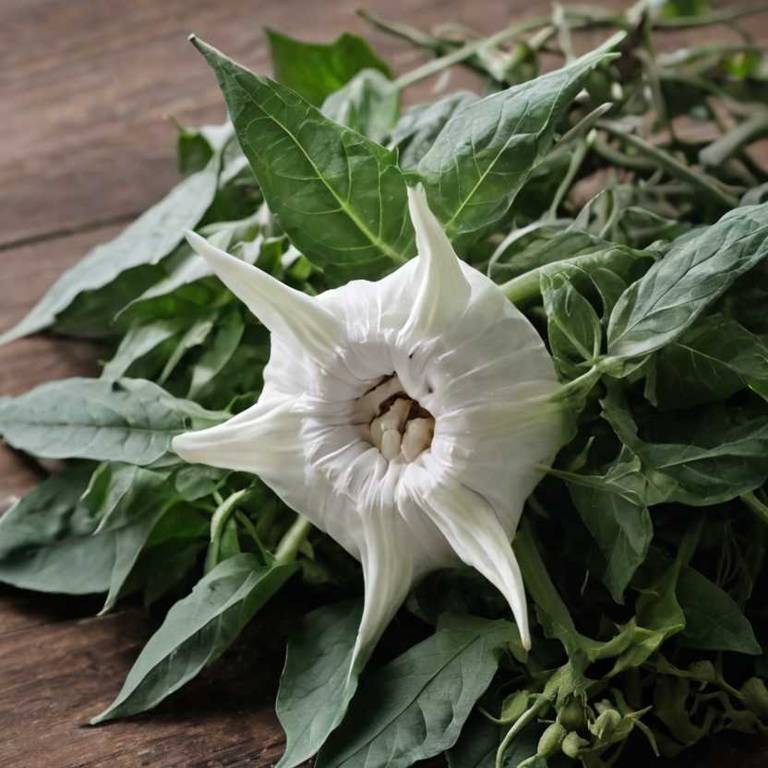
Cyclopegic activity refers to the biological ability of certain medicinal herbs to induce temporary pupil constriction or vision impairment through the disruption of ocular muscle function. This effect is characteristically observed in plants containing tropane alkaloids, such as Mandragora officinarum, Duboisia myoporoides, and Datura stramonium.

Associated herbs: 10

Occurs naturally in

Mandragora officinarum

Duboisia myoporoides

Datura stramonium

View all Cyclopegic herbs →

Cytochrome-P450-1A-Inhibitor

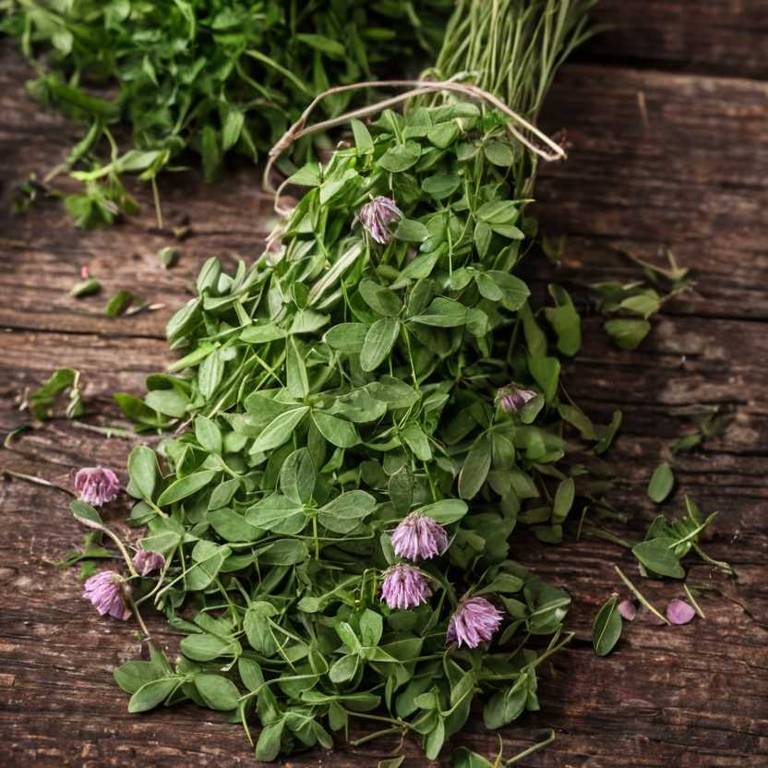
A Cytochrome P450 1A (CYP1A) inhibitor is a substance that reduces the enzymatic activity of the CYP1A protein, which is responsible for metabolizing various drugs and environmental toxins in the liver. By slowing down this metabolic pathway, these inhibitors can increase the concentration and duration of certain medications in the bloodstream. An example of a plant containing compounds with this biological activity is Trifolium pratense (red clover).

Associated herbs: 1

Occurs naturally in

Trifolium pratense

View all Cytochrome-P450-1A-Inhibitor herbs →

Cytochrome-P450-1A1-Inhibitor

A Cytochrome P450 1A1 (CYP1A1) inhibitor acts by reducing the enzymatic activity of the CYP1A1 enzyme, which is responsible for the metabolic activation of various procarcinogens into harmful substances. By blocking this pathway, these substances can potentially decrease the formation of DNA-damaging metabolites and offer a protective effect against certain types of cancer. Examples of medicinal herbs that exhibit this inhibitory activity include Pimpinella aromatica, Thymus vulgaris, and Euphrasia officinalis.

Associated herbs: 76

Occurs naturally in

Pimpinella aromatica

Thymus vulgaris

Euphrasia officinalis

View all Cytochrome-P450-1A1-Inhibitor herbs →

Cytochrome-P450-1A2-Inhibitor

A Cytochrome P450 1A2 inhibitor is a substance that reduces the enzymatic activity of the CYP1A2 enzyme, which is primarily responsible for metabolizing various drugs in the liver. By slowing down this metabolic process, these inhibitors can increase the concentration of certain medications in the bloodstream, potentially leading to heightened drug effects or toxicity. Examples of medicinal herbs that exhibit this inhibitory activity include Pimpinella aromatica, Magnolia denudata, and Melia azedarach.

Associated herbs: 260

Occurs naturally in

Pimpinella aromatica

Magnolia denudata

Melia azedarach

View all Cytochrome-P450-1A2-Inhibitor herbs →

Cytochrome-P450-2E1-Inhibitor

Cytochrome P450 2E1 (CYP2E1) inhibitors are compounds that reduce the enzymatic activity of this specific liver enzyme, which is responsible for metabolizing various drugs and toxins. By inhibiting this pathway, certain medicinal herbs can alter the metabolism of substances in the body, as seen in species such as Allium ampeloprasum, Raphanus sativus subsp. sativus, and Lepidium sativum.

Associated herbs: 6

Occurs naturally in

Allium ampeloprasum

Raphanus raphanistrum subsp. sativus

Lepidium sativum

View all Cytochrome-P450-2E1-Inhibitor herbs →

Cytochrome-P450-Inducer

A cytochrome P450 inducer is a substance that increases the expression and activity of the cytochrome P450 enzyme system, which is responsible for metabolizing drugs and toxins in the liver. This biological activity can accelerate the breakdown of certain medications, potentially reducing their therapeutic effectiveness in the body. An example of a plant exhibiting this activity is Micromeria varia.

Associated herbs: 294

Occurs naturally in

Micromeria ericifolia

Elsholtzia ciliata

Pimpinella aromatica

View all Cytochrome-P450-Inducer herbs →

Cytochrome-P450-Inhibitor

Cytochrome P450 inhibitors are medicinal herbs that interfere with the activity of specific liver enzymes responsible for metabolizing various drugs and xenobiotics. By slowing down these enzymatic processes, such herbs can increase the concentration of certain medications in the bloodstream, potentially enhancing their effects or increasing the risk of toxicity. Examples of plants exhibiting this biological activity include Pimpinella aromatica, Croton eluater, and Thymus vulgaris.

Associated herbs: 150

Occurs naturally in

Pimpinella aromatica

Croton eluteria

Thymus vulgaris

View all Cytochrome-P450-Inhibitor herbs →

Cytochrome-P488-Inducer

Cytochrome P450 inducers are substances that increase the expression and activity of specific liver enzymes, thereby accelerating the metabolism of various drugs and endogenous compounds. Herbs such as Pimpinella aromatica, Cinnamomum aromaticum, and Camphora officinalis exhibit this activity, which can potentially alter the therapeutic efficacy of co-administered medications.

Associated herbs: 26

Occurs naturally in

Pimpinella aromatica

Cinnamomum aromaticum

Camphora officinarum

View all Cytochrome-P488-Inducer herbs →

Cytotoxic (Breast)

Cytotoxicity in the context of breast cancer refers to the ability of certain medicinal herbs to inhibit the growth or induce the death of malignant breast cancer cells. Specific plants, such as Pimpinella aromatica, Foeniculum vulgare, and Chenopodium album, have demonstrated this biological activity through the presence of bioactive compounds that target cancer cell viability.

Associated herbs: 29

Occurs naturally in

Pimpinella aromatica

Foeniculum vulgare

Chenopodium album

View all Cytotoxic (Breast) herbs →

Cytotoxic (Colon)

Cytotoxicity in the colon refers to the ability of certain medicinal herbs to selectively inhibit or destroy cancerous cells within the large intestine. For instance, plants such as Pimpinella aromatica, Foeniculum vulgare, and Chenopodium album exhibit this activity by inducing cell death in colon cancer cell lines.

Associated herbs: 29

Occurs naturally in

Pimpinella aromatica

Foeniculum vulgare

Chenopodium album

View all Cytotoxic (Colon) herbs →

Cytotoxic (Lung)

Cytotoxic activity in the lungs refers to the ability of certain herbal compounds to selectively target and destroy malignant or abnormal lung cells. Examples of medicinal herbs that exhibit this biological activity include Pimpinella aromatica, Foeniculum vulgare, and Chenopodium album.

Associated herbs: 26

Occurs naturally in

Pimpinella aromatica

Foeniculum vulgare

Chenopodium album

View all Cytotoxic (Lung) herbs →

DME-Inhibitor

DME-inhibitors are medicinal compounds that suppress the activity of dimethylglycine dehydrogenase, an enzyme involved in regulating methyl group metabolism within the body. Certain herbs, such as Pimpinella anisum, Thymus vulgaris, and Cinnamomum aromaticum, contain bioactive constituents capable of exerting this inhibitory effect.

Associated herbs: 73

Occurs naturally in

Pimpinella aromatica

Thymus vulgaris

Cinnamomum aromaticum

View all DME-Inhibitor herbs →

DNA-Active

DNA-active biological activity refers to the ability of specific herbal compounds to interact directly with DNA, either by binding to it, inducing structural changes, or modulating its repair and replication processes. This property is often linked to potential therapeutic effects such as anticancer activity or, conversely, genotoxicity, and is observed in herbs like Pimpinella aromatica, Thymus vulgaris, and Allium ampeloprasum.

Associated herbs: 212

Occurs naturally in

Pimpinella aromatica

Thymus vulgaris

Allium ampeloprasum

View all DNA-Active herbs →

DNA-Binder

DNA-binders are bioactive compounds within medicinal herbs that possess the ability to interact with or attach to DNA strands, often modulating gene expression or inhibiting cellular replication. This biological activity is observed in various plants, such as Pimpinella aromaticum, Sarracenia flava, and Cinnamomum aromaticum, where specific phytochemicals can influence genetic processes.

Associated herbs: 83

Occurs naturally in

Pimpinella aromatica

Sarracenia flava

Cinnamomum aromaticum

View all DNA-Binder herbs →

DNA-Inhibitor

DNA inhibitors are medicinal substances that interfere with the replication, transcription, or structural integrity of DNA within cells. This biological activity is often utilized to prevent the rapid proliferation of abnormal cells, as seen in herbs such as Carapichea ipecacuanha, Angelica archangelica, and Ruta graveolens.

Associated herbs: 4

Occurs naturally in

Carapichea ipecacuanha

Angelica archangelica

Ruta graveolens

View all DNA-Inhibitor herbs →

DNA-Intercalator

A DNA intercalator is a biological agent that functions by sliding between the stacked base pairs of a DNA double helix, thereby disrupting its structure and inhibiting essential processes like replication and transcription. Certain medicinal herbs, such as Glaucium flavum, Zanthoxylum americanum, and Macleaya cordata, contain specialized alkaloids that exhibit this activity, often serving as a mechanism to exert cytotoxic or antitumor effects.

Associated herbs: 11

Occurs naturally in

Glaucium flavum

Zanthoxylum americanum

Macleaya cordata

View all DNA-Intercalator herbs →

DNA-Synthesis-Inhibitor

A DNA-synthesis inhibitor is a biological agent that prevents cells from replicating their genetic material, effectively halting the cell cycle and stopping cell division. This mechanism is primarily used to combat rapidly proliferating cells, such as cancer cells, and can be found in medicinal herbs like Cephalanotaxus fortunei.

Associated herbs: 1

Occurs naturally in

Cephalotaxus fortunei

View all DNA-Synthesis-Inhibitor herbs →

DOPA-Decarboxylase-Inhibitor

DOPA decarboxylase inhibitors act by blocking the enzyme responsible for converting L-DOPA into dopamine, thereby regulating neurotransmitter levels in the central nervous system. Certain medicinal plants, such as Strongylodon macrobotrys, Calopoogon caeruleum, and Phaseolus coccineus, exhibit this biological activity through the presence of specific phytochemicals.

Associated herbs: 134

Occurs naturally in

Strongylodon macrobotrys

Calopogonium caeruleum

Phaseolus coccineus

View all DOPA-Decarboxylase-Inhibitor herbs →

Debridemant

Debridemant refers to a biological activity characterized by the ability of certain plant extracts to stimulate or enhance the body's natural defense mechanisms and physiological functions. This activity is notably observed in species such as Erythroxylum novogranatense, Erythroxylum macrophyllum var. macrophyllum, and Erythroxylum impressum.

Associated herbs: 23

Occurs naturally in

Erythroxylum novogranatense

Erythroxylum macrophyllum var. macrophyllum

Erythroxylum impressum

View all Debridemant herbs →

Decalcifier

A decalcifier is a substance that aids in the reduction or removal of excess calcium deposits within the body's tissues or organs. Herbs possessing this biological activity, such as Achillea millefolium, Acacia decurrens, and Vachellia nilotica, are often utilized to help manage conditions related to calcification.

Associated herbs: 8

Occurs naturally in

Achillea millefolium

Acacia decurrens

Vachellia nilotica

View all Decalcifier herbs →

Decarboxylase-Inhibitor

Decarboxylase inhibitors function by binding to and blocking the activity of decarboxylase enzymes, which prevents the conversion of amino acids into bioactive amines. This biological activity is exhibited by various medicinal herbs, such as Thymus vulgaris, Prunus persica, and Prunus cerasus, which contain phytochemicals capable of modulating these enzymatic processes.

Associated herbs: 22

Occurs naturally in

Thymus vulgaris

Prunus persica

Prunus cerasus

View all Decarboxylase-Inhibitor herbs →

Decongestant

A decongestant possesses biological activity that helps relieve nasal and sinus congestion by reducing swelling in the mucous membranes and thinning mucus. Medicinal herbs such as Elsholtzia ciliata, Pimpinella aromatica, and Elsholtzia pilosa exhibit these properties, aiding in clearer respiratory passages.

Associated herbs: 267

Occurs naturally in

Elsholtzia ciliata

Pimpinella aromatica

Elsholtzia pilosa

View all Decongestant herbs →