Explore herbs biological activities

  • 11249 Plants
  • |
  • 30137 Compounds
  • |
  • 1951 Activities
  • |
  • 132161 Studies

Explore Herbs


Alphabet


Biological Activity

View all →

Bioactive Compounds

View all →

List of herbs biological activities

Showing 1297-1344 out of 1951 results

Cardioprotective?

Cardioprotective activity refers to the ability of a substance to protect the heart and blood vessels from damage, helping to prevent conditions such as hypertension, arrhythmia, and myocardial infarction. Herbs such as Diospyros virginiana, Juglans nigra, and Panax quinquefolius exhibit this property by reducing oxidative stress and improving overall cardiovascular function.

Associated herbs: 33

Occurs naturally in
Diospyros virginiana
Juglans nigra
Panax quinquefolius
View all Cardioprotective? herbs →

Cardiorelaxant

A cardiorelaxant biological activity refers to the ability of a substance to reduce the force or rate of heart contractions, thereby helping to lower blood pressure and alleviate cardiac stress. Medicinal herbs such as Styphnolobium japonicum, Sophora tonkinensis var. tonkinensis, and Sophora pachypetala exhibit these properties through their bioactive compounds.

Associated herbs: 4

Occurs naturally in

Styphnolobium japonicum

Sophora tonkinensis var. tonkinensis

Sophora pachycarpa

View all Cardiorelaxant herbs →

Cardiosedative

Cardiosedative activity refers to the ability of a substance to decrease the rate and force of heart contractions, thereby calming the cardiovascular system. Herbs such as Carthamus tinctorius (Safflower) exhibit this effect, helping to reduce palpitations and stabilize irregular heart rhythms.
Associated herbs: 1

Occurs naturally in

Carthamus tinctorius

View all Cardiosedative herbs →

Cartilage-Sparing

Cartilage-sparing refers to the ability of certain medicinal herbs to protect joint tissues from degradation by inhibiting the enzymes and inflammatory processes that break down cartilage. Herbs such as Apocynum androsaemifolium and Picrorhiza kurroa exhibit this activity, helping to maintain joint integrity and slow the progression of degenerative conditions.

Associated herbs: 2

Occurs naturally in

Apocynum androsaemifolium

Picrorhiza kurrooa

View all Cartilage-Sparing herbs →

Casein-Kinase-II-Inhibitor

Casein Kinase-II inhibitors work by blocking the activity of this specific enzyme, which is often overactive in cancer cells and responsible for regulating cell growth and survival. By inhibiting this pathway, these compounds can potentially arrest the cell cycle and induce apoptosis in tumor cells. Examples of medicinal herbs possessing this biological activity include Vaccinium macrocarpum, Reynoutria japonica, and Eucalyptus wandoo.

Associated herbs: 8

Occurs naturally in

Vaccinium macrocarpon

Reynoutria japonica

Eucalyptus wandoo

View all Casein-Kinase-II-Inhibitor herbs →

Caspase-3-Inducer

A caspase-3-inducer is a medicinal herb that triggers the activation of the caspase-3 enzyme, a key executioner protein that initiates the programmed cell death (apoptosis) process in damaged or cancerous cells. This biological activity is vital for potential anti-tumor therapies, and it has been observed in various plants such as Thymus vulgaris, Foeniculum vulgare, and Helianthus annuus.

Associated herbs: 56

Occurs naturally in

Thymus vulgaris

Foeniculum vulgare

Helianthus annuus

View all Caspase-3-Inducer herbs →

Caspase-3-Inhibitor

A caspase-3 inhibitor works by blocking the activity of a key enzyme responsible for triggering programmed cell death (apoptosis), which can help protect healthy cells from premature destruction. Certain medicinal herbs, such as Populus balsamifera, Daucus carota, and Eriodictyon californicum, exhibit this biological activity, suggesting potential therapeutic roles in treating inflammatory or neurodegenerative diseases.

Associated herbs: 10

Occurs naturally in

Populus balsamifera

Daucus carota

Eriodictyon californicum

View all Caspase-3-Inhibitor herbs →

Caspase-8-Inducer

Caspase-8-inducers are medicinal herbs that trigger the extrinsic pathway of apoptosis, initiating programmed cell death by activating the caspase-8 enzyme. This biological activity is often utilized for its potential anti-cancer properties, as seen in herbs such as Pimpinella aromatica, Sarracenia flava, and Thymus vulgaris.

Associated herbs: 376

Occurs naturally in

Pimpinella aromatica

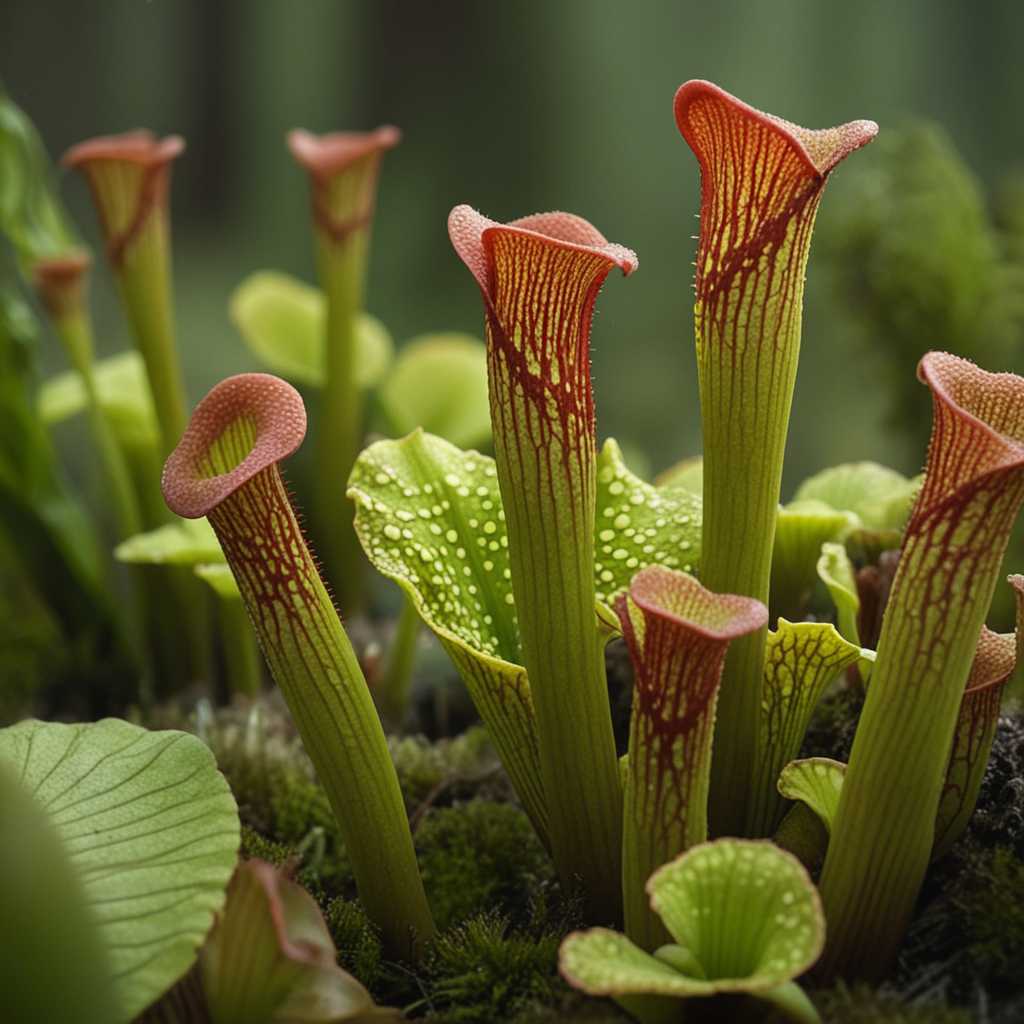
Sarracenia flava

Thymus vulgaris

View all Caspase-8-Inducer herbs →

Caspase-9-Inhibitor

Caspase-9 inhibitors act by blocking a key enzyme in the intrinsic apoptotic pathway, thereby preventing programmed cell death in damaged or stressed cells. Certain medicinal herbs, such as Populus balsamifera, Daucus carota, and Eriodictyon californicum, exhibit this biological activity, suggesting potential therapeutic roles in protecting cells from injury or dysfunction.

Associated herbs: 10

Occurs naturally in

Populus balsamifera

Daucus carota

Eriodictyon californicum

View all Caspase-9-Inhibitor herbs →

Catabolic

Catabolic activity refers to the metabolic process where complex molecules are broken down into smaller, simpler units to release energy or facilitate cellular turnover. Herbs such as Pimpinella aromatica, Allium ampeloprasum, and Erythroxylum novogranatense exhibit these processes to help regulate energy production and metabolic waste removal within the body.

Associated herbs: 349

Occurs naturally in

Pimpinella aromatica

Allium ampeloprasum

Erythroxylum novogranatense

View all Catabolic herbs →

Cataleptic

Cataleptic biological activity refers to the ability of a substance to induce a state of trance-like muscular rigidity and a loss of responsiveness to external stimuli, similar to a seizure or stupor. Herbs such as Berberis aquifolium, Peumus boldus, and Glaucium flavum have been noted for exhibiting these profound effects on the central nervous system.

Associated herbs: 7

Occurs naturally in

Berberis aquifolium

Peumus boldus

Glaucium flavum

View all Cataleptic herbs →

Cataractagenic

Cataractagenic activity refers to the biological capacity of certain substances to induce the formation or progression of cataracts within the eye's lens. While many herbs are studied for their protective antioxidant properties, specific botanical extracts like those from Juglans nigra, Punica granatum, and Capsella bursa-pastoris have been investigated for their potential to trigger lens opacity under certain conditions.

Associated herbs: 24

Occurs naturally in

Juglans nigra

Punica granatum

Capsella bursa-pastoris

View all Cataractagenic herbs →

Catatonic

Catatonic activity refers to the induction of a state of stupor or muscular rigidity, often characterized by a lack of response to external stimuli. Herbs such as Rauvolfia serpentina, Papaver bracteatum, and Eschscholzia californica contain alkaloids that can exert these profound effects on the central nervous system.

Associated herbs: 5

Occurs naturally in

Rauvolfia serpentina

Papaver bracteatum

Eschscholzia californica

View all Catatonic herbs →

Catechol-O-Methyltransferase-Inhibitor

Catechol-O-methyltransferase (COMT) inhibitors function by blocking the enzyme responsible for degrading catecholamines, such as dopamine and epinephrine, thereby increasing their concentration and activity within the body. Certain medicinal herbs, including Strongylodon macrobotrys, Calopoogon caeruleum, and Phaseolus coccineus, exhibit this biological activity, which can potentially assist in regulating neurological and metabolic processes.

Associated herbs: 134

Occurs naturally in

Strongylodon macrobotrys

Calopogonium caeruleum

Phaseolus coccineus

View all Catechol-O-Methyltransferase-Inhibitor herbs →

Catecholaminogenic

Catecholaminogenic activity refers to the ability of a substance to stimulate the production or release of catecholamines, such as adrenaline and noradrenaline, within the body. This process typically enhances physiological responses like increased heart rate, alertness, and metabolic stimulation. Herbs such as Piper cubeba, Piper nigrum, and Xylopia aethiopica are known to exhibit this biological activity.

Associated herbs: 4

Occurs naturally in

Piper cubeba

Piper nigrum

Xylopia aethiopica

View all Catecholaminogenic herbs →

Catecholaminolytic

Catecholamino-lytic activity refers to the ability of a substance to inhibit or reduce the effects of catecholamines, such as adrenaline and noradrenaline, in the body. Herbs like Rauvolfia serpentina, Rauvolfia tetraphylla, and Rauvolfia vomitoria exhibit this property, helping to lower blood pressure and calm the central nervous system.

Associated herbs: 5

Occurs naturally in

Rauvolfia serpentina

Rauvolfia tetraphylla

Rauvolfia vomitoria

View all Catecholaminolytic herbs →

Cerebrocirculant

Cerebrocirculant activity refers to the ability of certain medicinal substances to enhance blood flow and circulation within the brain, thereby improving oxygen and nutrient delivery to neural tissues. Herbs such as Rauvolfia serpentina, Catharanthus lanceus, and Rauvolfia tetraphyllia exhibit these properties, which can help support cognitive function and neurological health.

Associated herbs: 6

Occurs naturally in

Rauvolfia serpentina

Catharanthus lanceus

Rauvolfia tetraphylla

View all Cerebrocirculant herbs →

Cerebrodepressant

A cerebrodepressant is a substance that reduces the activity of the central nervous system, typically resulting in sedative, calming, or sleep-inducing effects. Herbs such as Carum carvi, Mentha canadensis, and Capsicum frutescens can exhibit this biological activity by slowing down neural processes to alleviate anxiety or promote relaxation.

Associated herbs: 21

Occurs naturally in

Carum carvi

Mentha canadensis

Capsicum frutescens

View all Cerebrodepressant herbs →

Cerebrophilic

Cerebrophilic biological activity refers to the ability of certain substances to target, stimulate, or exert a beneficial effect specifically on the brain and central nervous system. Herbs such as Juglans nigra (Black Walnut) and Urtica dioica (Stinging Nettle) are often studied for these neuroprotective or cognitive-enhancing properties.

Associated herbs: 13

Occurs naturally in

Juglans nigra

Urtica spatulata

Carica papaya

View all Cerebrophilic herbs →

Cerebrostimulant

A cerebrostimulant is a substance that enhances cognitive functions, such as memory, alertness, and mental clarity, by stimulating the activity of the central nervous system. Examples of medicinal herbs that exhibit this biological activity include Pimpinella aromatica, Foeniculum vulgare, and Trigonella foenum-graecum.

Associated herbs: 33

Occurs naturally in

Pimpinella aromatica

Foeniculum vulgare

Trigonella foenum-graecum

View all Cerebrostimulant herbs →

Cerebrotonic

A cerebrotonic biological activity refers to the ability of a substance to enhance cognitive functions, such as memory, alertness, and mental clarity, by stimulating the central nervous system. Medicinal herbs exhibiting this property, such as Pimpinella aromatica, Peumus boldus, and Foeniculum vulgare, are often used to support neurological health and mental performance.

Associated herbs: 140

Occurs naturally in

Pimpinella aromatica

Peumus boldus

Foeniculum vulgare

View all Cerebrotonic herbs →

Cerebrotoxic

Cerebrotoxic biological activity refers to the potential of a substance to cause damage or dysfunction to the brain and central nervous system. Certain medicinal herbs, such as Thymus vulgaris, Pycnanthemum pycnanthemoides, and Clinopodium dalmaticum, may exhibit these toxic effects if consumed in excessive amounts or through improper preparation.

Associated herbs: 69

Occurs naturally in

Thymus vulgaris

Pycnanthemum pycnanthemoides

Clinopodium dalmaticum

View all Cerebrotoxic herbs →

Cerebrovasodilator

A cerebrovasodilator is a substance that works by widening the blood vessels within the brain, thereby increasing cerebral blood flow and oxygen delivery to neural tissues. Herbs such as Rauvolfia serpentina, Papaver bracteatum, and Papaver somniferum exhibit this activity, which can help improve cognitive function or manage neurological symptoms.

Associated herbs: 3

Occurs naturally in

Rauvolfia serpentina

Papaver bracteatum

Papaver somniferum

View all Cerebrovasodilator herbs →

Cerumenolytic

A cerumenolytic agent is a substance that acts to soften, dissolve, or loosen impacted earwax (cerumen) to facilitate its easy removal. Many medicinal herbs possess this property through their natural enzymatic or acidic components, such as Carica papaya, which can help break down the waxy buildup in the ear canal.

Associated herbs: 1

Occurs naturally in

Carica papaya

View all Cerumenolytic herbs →

Cestodicide

A cestodicide is a biological agent or substance derived from plants that possesses the capacity to kill parasitic worms, particularly those inhabiting the intestinal tract. Common medicinal herbs exhibiting this activity include Punica granatum (pomegranate) and Agrimonia eupatoria.

Associated herbs: 2

Occurs naturally in

Punica granatum

Agrimonia eupatoria

View all Cestodicide herbs →

Chelator

A chelator is a biological agent capable of binding to metal ions, such as iron or copper, to form stable complexes that can prevent these metals from causing oxidative damage or facilitate their removal from the body. Certain medicinal herbs, including Cuscuta europaea, Rhus glabra, and Croton eluteria, exhibit this activity through specific phytochemicals that interact with metallic elements.

Associated herbs: 345

Occurs naturally in

Cuscuta europaea

Rhus glabra

Croton eluteria

View all Chelator herbs →

Chemopreventive (Breast Cancer)

Chemopreventive activity in breast cancer refers to the ability of natural compounds to inhibit the initiation or progression of tumor development by modulating cellular pathways and reducing oxidative stress. Medicinal herbs such as Petasites japonicus, Punica granatum, and Gentiana lutea exhibit this property by protecting healthy cells from DNA damage and suppressing the proliferation of malignant breast cancer cells.

Associated herbs: 29

Occurs naturally in

Petasites japonicus

Punica granatum

Gentiana lutea

View all Chemopreventive (Breast Cancer) herbs →

Chemopreventive (Colon Cancer)

Chemopreventive activity in the context of colon cancer refers to the ability of certain botanical compounds to inhibit the initiation and progression of tumor development by neutralizing carcinogens or regulating cell proliferation. For instance, herbs such as Petasites japonicus, Punica granatum, and Gentiana lutea exhibit this potential by modulating inflammatory pathways and inducing apoptosis in malignant colorectal cells.

Associated herbs: 29

Occurs naturally in

Petasites japonicus

Punica granatum

Gentiana lutea

View all Chemopreventive (Colon Cancer) herbs →

Chitinolytic

Chitinolytic activity refers to the ability of certain substances to break down chitin, a complex polysaccharide that serves as a primary structural component in the exoskeletons of insects and the cell walls of fungi. Herbs possessing this biological activity, such as Ananas comosus (pineapple), contain enzymes like chitinase that can disrupt these structures, making them useful for controlling pests or fungal infections.

Associated herbs: 1

Occurs naturally in

Ananas comosus

View all Chitinolytic herbs →

Chitosanolytic

Chitosanolytic activity refers to the ability of an enzyme to catalyze the degradation and breakdown of chitosan, a natural polymer derived from chitin. Herbs such as Ananas comosus (pineapple) possess this activity due to the presence of specific enzymes like chitinase that can cleave the glycosidic bonds within the chitosan structure.

Associated herbs: 1

Occurs naturally in

Ananas comosus

View all Chitosanolytic herbs →

Cholesterolytic

Cholesterolytic activity refers to the ability of a substance to reduce the concentration of cholesterol in the blood by inhibiting its absorption or promoting its excretion. Herbs such as Micromeria varia exhibit this property, helping to prevent the buildup of lipids in the vascular system.

Associated herbs: 360

Occurs naturally in

Micromeria ericifolia

Pimpinella aromatica

Eucalyptus siderophloia

View all Cholesterolytic herbs →

Choline-Sparing

Choline-sparing activity refers to the ability of certain compounds to inhibit the enzyme acetylcholinesterase, thereby preventing the breakdown of acetylcholine and increasing its availability in the nervous system. This mechanism enhances cholinergic neurotransmission, which is beneficial for cognitive function and memory enhancement. Examples of herbs exhibiting this activity include Rheum officinale, Cinnamomum aromaticum, and Uncaria guianensis.

Associated herbs: 46

Occurs naturally in

Rheum officinale

Cinnamomum aromaticum

Uncaria guianensis

View all Choline-Sparing herbs →

Ciliotoxic

Ciliotoxicity refers to the biological ability of a substance to cause damage, irritation, or structural changes to the cilia, which are the hair-like projections found on the surface of various cells. Certain medicinal herbs, such as Sambucus nigra, Pycnanthemum clinopodioides, and Clinopodium nepeta subsp. spruneri, may exhibit this activity due to the presence of specific bioactive compounds.

Associated herbs: 50

Occurs naturally in

Sambucus nigra

Pycnanthemum clinopodioides

Clinopodium nepeta subsp. spruneri

View all Ciliotoxic herbs →

Circulatory-Stimulant

A circulatory-stimulant herb acts by increasing the speed and efficiency of blood flow throughout the body, often by dilating blood vessels or strengthening the heart's contractions. This activity helps improve oxygen and nutrient delivery to tissues and can assist in warming the body. Examples of herbs with this biological activity include Pimpinella aromatica, Cinnamomum aromaticum, and Foeniculum vulgare.

Associated herbs: 59

Occurs naturally in

Pimpinella aromatica

Cinnamomum aromaticum

Foeniculum vulgare

View all Circulatory-Stimulant herbs →

Circulodepressant

Circulatory depressant activity refers to the biological capacity of certain substances to reduce the force of heart contractions or decrease the overall rate of blood circulation. Medicinal herbs such as Tanacetum vulgare, Teucrium gnaphhalodes, and Mentha longifolia are known to exhibit these effects through their specific bioactive compounds.

Associated herbs: 5

Occurs naturally in

Tanacetum vulgare

Teucrium gnaphalodes

Mentha longifolia

View all Circulodepressant herbs →

Circulotonic

Circulatory activity refers to the ability of certain medicinal herbs to enhance blood flow and improve the efficiency of the cardiovascular system. Examples of plants exhibiting these properties include Pimpinella aromatica, Erythrina fusca, and Thymus vulgaris.

Associated herbs: 379

Occurs naturally in

Pimpinella aromatica

Erythrina fusca

Thymus vulgaris

View all Circulotonic herbs →

Co-carcinogenic

A co-carcinogenic biological activity refers to the ability of certain substances to enhance the effects of known carcinogens, potentially increasing the risk of tumor formation or promoting cancer progression. Examples of herbs that may exhibit this activity under specific conditions include Pimpinella aromatica, Thymus vulgaris, and Allium ampeloprasum.

Associated herbs: 223

Occurs naturally in

Pimpinella aromatica

Thymus vulgaris

Allium ampeloprasum

View all Co-carcinogenic herbs →

Cold-preventive

Cold-preventive herbs possess biological activities that strengthen the immune system and bolster the body's natural defenses against viral and bacterial pathogens. Examples of plants exhibiting this protective property include Pimpinella aromatica, Erythrina fusca, and Thymus vulgaris.

Associated herbs: 399

Occurs naturally in

Pimpinella aromatica

Erythrina fusca

Thymus vulgaris

View all Cold-preventive herbs →

Coleopterifuge

Coleopterifuge activity refers to the ability of certain botanical substances to repel, deter, or inhibit the feeding and movement of coleopterous insects, commonly known as beetles. For example, herbs such as Micromeria varia exhibit this biological activity, making them potential natural alternatives for pest management.

Associated herbs: 59

Occurs naturally in

Micromeria ericifolia

Eucalyptus siderophloia

Eucalyptus melliodora

View all Coleopterifuge herbs →

Coleoptophile

Coleoptophile biological activity refers to the ability of certain medicinal herbs to exhibit specialized interactions or growth-promoting effects within the coleoptile, which is the protective sheath covering the emerging shoot of a germinating seed. This activity is often studied to understand how plant extracts influence early developmental stages and seedling vigor, as seen in species like Microemia varia.

Associated herbs: 332

Occurs naturally in

Micromeria ericifolia

Elsholtzia ciliata

Pimpinella aromatica

View all Coleoptophile herbs →

Collagen-Sparing

Collagen-sparing activity refers to the ability of certain herbal compounds to protect the body's structural proteins from degradation by inhibiting enzymes like collagenase. This biological mechanism helps maintain skin elasticity and tissue integrity, a property exhibited by herbs such as Pimpinella aromatica, Thymus vulgaris, and Allium ampeloprasum.

Associated herbs: 247

Occurs naturally in

Pimpinella aromatica

Thymus vulgaris

Allium ampeloprasum

View all Collagen-Sparing herbs →

Collagenase-Inhibitor

Collagenase inhibitors are substances that prevent the enzymatic breakdown of collagen, thereby protecting the structural integrity of connective tissues and reducing inflammation. Herbs such as Rheum officinale, Cinnamomum aromaticum, and Acacia melanoxylon exhibit this activity, making them useful in treating conditions involving tissue degradation.

Associated herbs: 41

Occurs naturally in

Rheum officinale

Cinnamomum aromaticum

Acacia melanoxylon

View all Collagenase-Inhibitor herbs →

Collagenic

Collagenic biological activity refers to the ability of certain compounds to stimulate the synthesis of collagen or prevent its degradation, thereby supporting skin elasticity and connective tissue integrity. Herbs such as Pimpinella aromatica, Erythrina fusca, and Rhus glabra exhibit this activity, making them valuable for promoting tissue repair and structural health.

Associated herbs: 567

Occurs naturally in

Pimpinella aromatica

Erythrina fusca

Rhus glabra

View all Collagenic herbs →

Collyrium

Collyrium refers to the medicinal application of herbal extracts specifically formulated as eye lotions or ointments to treat ocular inflammations and infections. Examples of plants possessing this biological activity include Allium ampeloprasum, Annona muricata, and Santalum album.

Associated herbs: 175

Occurs naturally in

Allium ampeloprasum

Annona muricata

Santalum album

View all Collyrium herbs →

Colorant

Medicinal herbs acting as colorants contain natural pigments, such as anthocyanins, carotenoids, or chlorophylls, which can be extracted to impart specific hues to products. For example, species like Erythrina fusca, Thymus vulgaris, and Allium ampeloprasum possess bioactive compounds that serve this decorative or dyeing function.

Associated herbs: 388

Occurs naturally in

Erythrina fusca

Thymus vulgaris

Allium ampeloprasum

View all Colorant herbs →

Comedogenic

Catecholaminergic activity refers to the ability of a substance to influence the production, release, or receptor sensitivity of catecholamines, which are critical neurotransmitters such as dopamine, epinephrine, and norepinephrine. Herbs like Allium ampeloprasum, Annona muricata, and Cinnamomum aromaticum exhibit this biological activity by modulating these chemical messengers to affect mood, arousal, and metabolic functions.

Associated herbs: 121

Occurs naturally in

Allium ampeloprasum

Annona muricata

Cinnamomum aromaticum

View all Comedogenic herbs →

Comedolytic

Comedolytic activity refers to the ability of a substance to dissolve or remove the "plugs" of sebum and dead skin cells that form comedones, commonly known as blackheads and whiteheads. Herbs such as Pimpinella aromatica, Thymus vulgaris, and Allium ampeloprasum exhibit this property, making them effective in treating acne by clearing blocked pores.

Associated herbs: 340

Occurs naturally in

Pimpinella aromatica

Thymus vulgaris

Allium ampeloprasum

View all Comedolytic herbs →

Complementary-Activator

A complementary-activator functions by enhancing or priming the body's natural physiological processes to ensure they operate at peak efficiency. For example, herbs like Aloe succotrina exhibit this activity by stimulating the immune response and supporting the body's innate healing mechanisms.

Associated herbs: 1

Occurs naturally in

Aloe succotrina

View all Complementary-Activator herbs →