Explore herbs biological activities

  • 11249 Plants
  • |
  • 30137 Compounds
  • |
  • 1951 Activities
  • |
  • 132161 Studies

Explore Herbs


Alphabet


Biological Activity

View all →

Bioactive Compounds

View all →

List of herbs biological activities

Showing 1249-1296 out of 1951 results

Bronchomucotropic

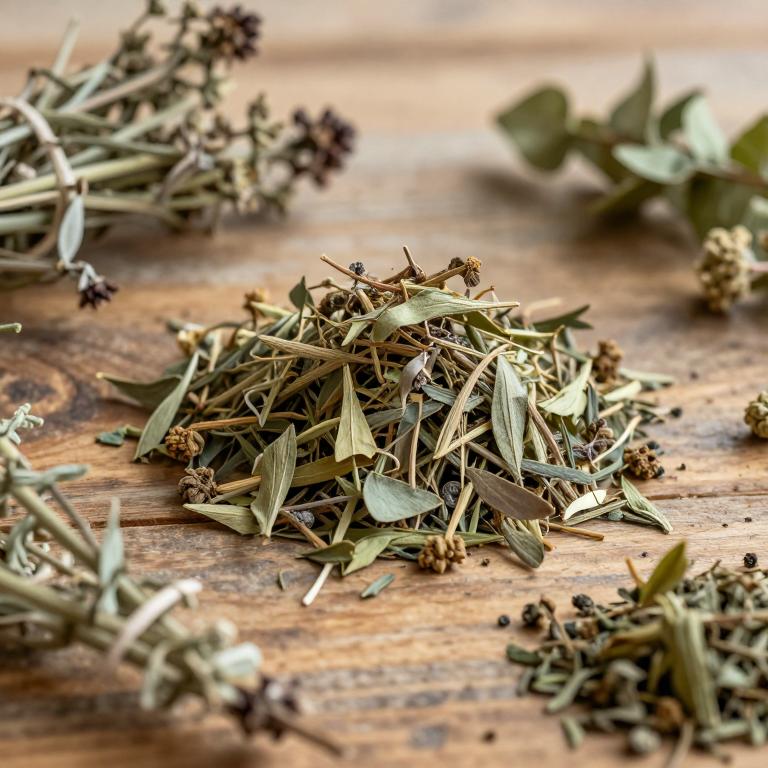
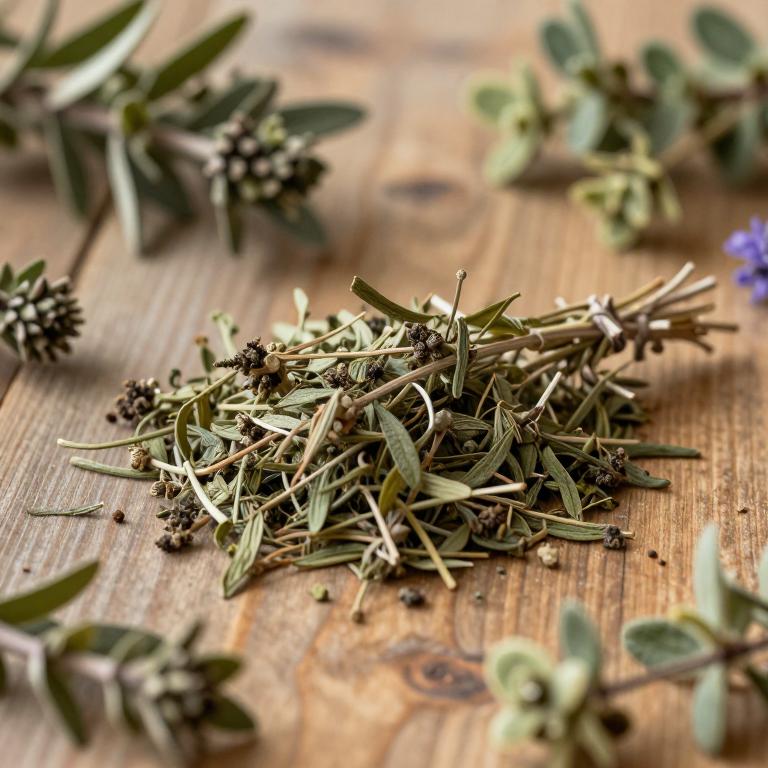
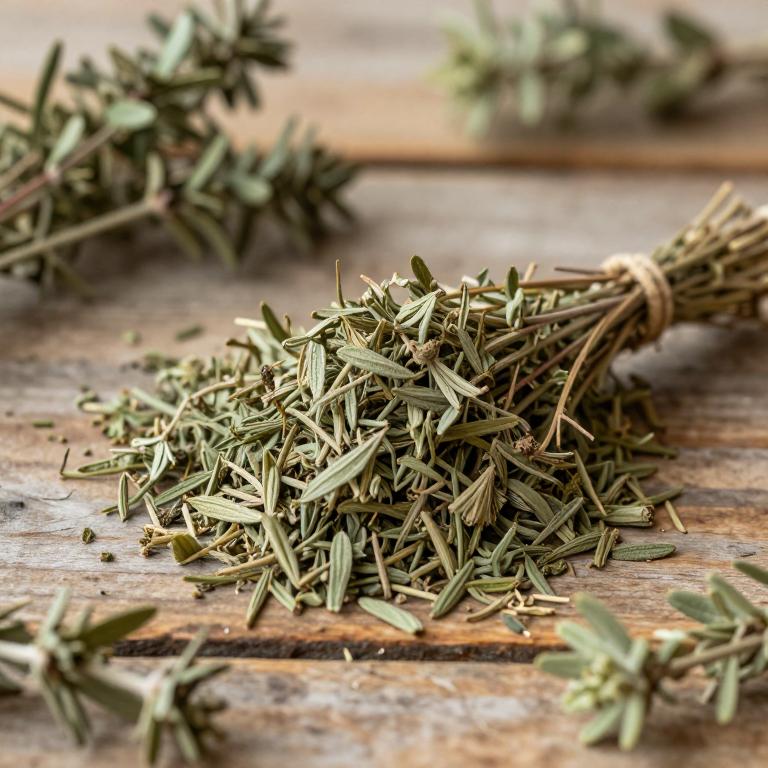
Bronchomucotropic activity refers to the ability of a substance to influence the movement and secretion of mucus within the respiratory tract to aid in airway clearance. Herbs such as Sambucus nigra, Pycnanthemum clinopodioides, and Clinopodium nepeta subsp. spruneri exhibit this property, helping to soothe inflamed membranes and facilitate the expulsion of excess phlegm.

Associated herbs: 50

Occurs naturally in
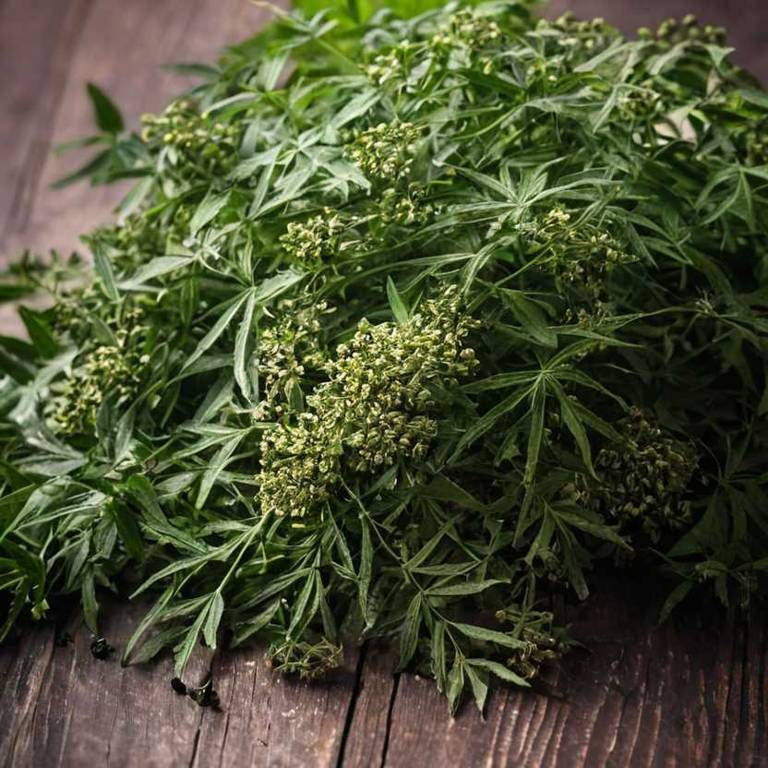
Sambucus nigra
Pycnanthemum clinopodioides
Clinopodium nepeta subsp. spruneri
View all Bronchomucotropic herbs →

Bronchoprotectant

A bronchoprotectant is a substance that protects the airways by preventing bronchoconstriction and reducing airway hyperresponsiveness, often by stabilizing mast cells or reducing inflammation. This biological activity helps maintain open respiratory passages, a property found in medicinal herbs such as Micromeria varia.

Associated herbs: 318

Occurs naturally in

Micromeria ericifolia

Pimpinella aromatica

Eucalyptus siderophloia

View all Bronchoprotectant herbs →

Bronchorelaxant

A bronchorelaxant biological activity refers to the ability of a substance to induce the relaxation of the smooth muscles in the airways, thereby widening the bronchioles and improving airflow. Medicinal herbs such as Pimpinella aromatica, Eucalyptus siderophloia, and Thymus vulgaris exhibit this property, helping to alleviate respiratory distress and congestion.

Associated herbs: 244

Occurs naturally in

Pimpinella aromatica

Eucalyptus siderophloia

Thymus vulgaris

View all Bronchorelaxant herbs →

Bronchorrheic

Bronchorrheic activity refers to the ability of a substance to stimulate the secretion of mucus within the respiratory tract, helping to loosen and expel thick phlegm. Herbs such as Sambucus nigra, Pycnanthemum clinopodioides, and Clinopodium nepeta subsp. spruneri exhibit this property, making them useful in treating congestion and respiratory obstructions.

Associated herbs: 50

Occurs naturally in

Sambucus nigra

Pycnanthemum clinopodioides

Clinopodium nepeta subsp. spruneri

View all Bronchorrheic herbs →

Bronchosedative

Bronchosedative activity refers to the ability of certain substances to reduce spasms and irritation in the bronchial tubes, thereby promoting calmer and more regular breathing. Herbs such as Annona muricata, Eucalyptus cladocalyx, and Chaenomelos japonica exhibit this property by helping to soothe the respiratory tract.

Associated herbs: 54

Occurs naturally in

Annona muricata

Eucalyptus cladocalyx

Chaenomeles japonica

View all Bronchosedative herbs →

Bronchospasmogenic

Bronchospasmogenic activity refers to the ability of a substance to induce bronchospasm, which is the sudden constriction of the muscles in the walls of the bronchioles. Certain medicinal herbs, such as Banisteriopsis caapi, Anadenanthera peregrina, and Virola calophylla, exhibit this biological activity due to the presence of specific alkaloids that affect the respiratory smooth muscles.

Associated herbs: 3

Occurs naturally in

Banisteriopsis caapi

Anadenanthera peregrina

Virola calophylla

View all Bronchospasmogenic herbs →

Bronchospasmolytic

Bronchospasmolytic activity refers to the ability of a substance to relax the smooth muscles of the airways, thereby reducing bronchoconstriction and easing breathing. Herbs such as Daucus carota (wild carrot) or Thymus vulgaris (thyme) exhibit this property, helping to alleviate symptoms of asthma and respiratory distress.

Associated herbs: 1

Occurs naturally in

Daucus carota

View all Bronchospasmolytic herbs →

Bronchostimulant

A bronchostimulant is a biological agent that increases the rate and depth of respiration by stimulating the respiratory center in the brain or the muscles involved in breathing. Herbs such as Helianthus annuus, Urtica spicata, and Senna obtusifolia exhibit this activity by helping to improve pulmonary function and airflow.

Associated herbs: 11

Occurs naturally in

Helianthus annuus

Urtica spatulata

Senna obtusifolia

View all Bronchostimulant herbs →

Bruchicide

Bruchicide refers to the biological activity of certain medicinal herbs that possess the ability to kill or inhibit the development of bruchid beetles, which are common pests of legume seeds. Examples of plants exhibiting this activity include Piscidia piscipula, Tephrosia vogelii, and Tephrosia virginiana.

Associated herbs: 7

Occurs naturally in

Piscidia piscipula

Tephrosia vogelii

Tephrosia virginiana

View all Bruchicide herbs →

Bruchidoside

Bruchidoside is a bioactive flavonoid compound known for its potent antioxidant and anti-inflammatory properties, which help protect cells from oxidative stress. This specific biological activity is characteristic of certain legumes, such as Tephrosia vogelii and Tephrosia virginiana.

Associated herbs: 2

Occurs naturally in

Tephrosia vogelii

Tephrosia virginiana

View all Bruchidoside herbs →

Bruchifuge

Bruchifuge activity refers to the ability of certain medicinal herbs to stimulate the movement of the intestines, thereby promoting bowel movements and relieving constipation. Common examples of plants exhibiting this biological activity include Pimpinella aromatica, Foeniculum vulgare, and Mammea americana.

Associated herbs: 105

Occurs naturally in

Pimpinella aromatica

Foeniculum vulgare

Mammea americana

View all Bruchifuge herbs →

Bruchiphobe

Bruchiphobe activity refers to the biological ability of certain substances to inhibit or prevent the growth and development of bruchids, which are common seed-destroying insects. Herbs such as Croton euperianum, Thymus vulgaris, and Annona muricata exhibit this activity, making them effective natural agents for protecting stored agricultural products from pest infestations.

Associated herbs: 215

Occurs naturally in

Croton eluteria

Thymus vulgaris

Annona muricata

View all Bruchiphobe herbs →

Bufocide

Bufocide is a potent cardiac glycoside that acts by inhibiting the sodium-potassium pump, which can significantly increase the force of heart muscle contractions. This biological activity can be found in certain plant species, such as Pimpinella aromatica, Foeniculum vulgare, and Chenopodium album.

Associated herbs: 25

Occurs naturally in

Pimpinella aromatica

Foeniculum vulgare

Chenopodium album

View all Bufocide herbs →

CNS-Inhibitor

A CNS inhibitor acts by depressing the activity of the central nervous system, typically producing sedative, anesthetic, or anti-anxiety effects by reducing neuronal excitability. Medicinal herbs such as Ferula gummosa, Annona muricata, and Magnolia denudata exhibit this biological activity, helping to calm the brain and alleviate stress.

Associated herbs: 107

Occurs naturally in

Ferula gummosa

Annona muricata

Magnolia denudata

View all CNS-Inhibitor herbs →

CNS-Paralytic

CNS-paralytic activity refers to the ability of certain medicinal herbs to depress the central nervous system, thereby reducing neuronal excitability and inducing sedation or sleep. Examples of plants exhibiting this biological effect include Allium ampeloprasum, Rheum officinale, and Rumex trisetifer.

Associated herbs: 145

Occurs naturally in

Allium ampeloprasum

Rheum officinale

Rumex trisetifer

View all CNS-Paralytic herbs →

CNS-Sedative

CNS-sedative activity refers to the ability of certain medicinal herbs to depress the central nervous system, resulting in effects such as relaxation, reduced anxiety, or sleep induction. Examples of plants exhibiting this calming or sedative influence include Peganum harmala, Elaeagnus triflora var. triflora, and Panax quinquefolius.

Associated herbs: 14

Occurs naturally in

Peganum harmala

Elaeagnus triflora var. triflora

Panax quinquefolius

View all CNS-Sedative herbs →

CNS-Suppressant

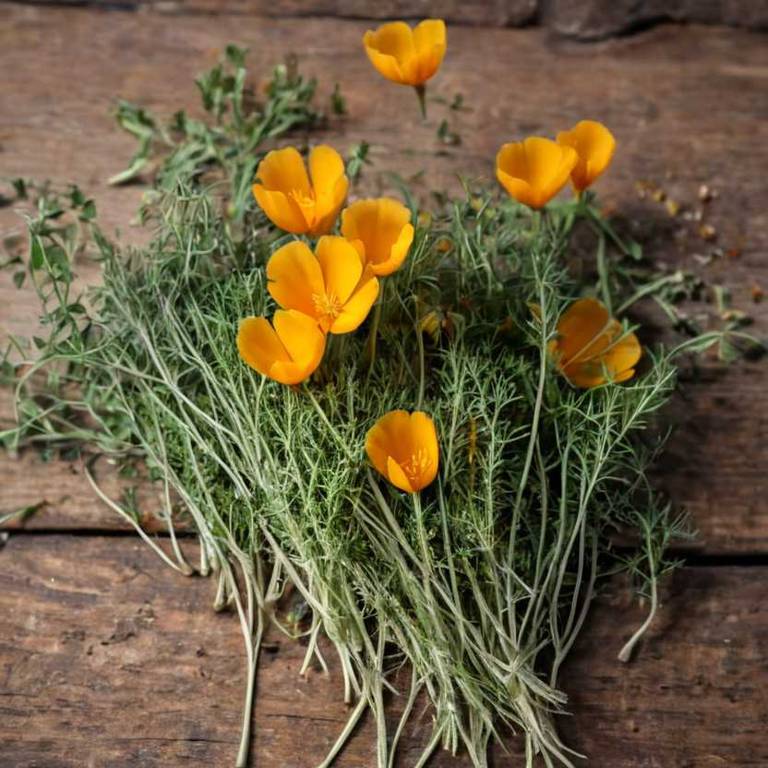
A CNS-suppressant is a substance that reduces the activity of the central nervous system, often leading to effects such as sedation, pain relief, or reduced anxiety. Examples of medicinal herbs that exhibit this biological activity include Eschscholzia californica, Papaver somniferum, and Berberis aquifolium.

Associated herbs: 3

Occurs naturally in

Berberis aquifolium

Eschscholzia californica

Papaver somniferum

View all CNS-Suppressant herbs →

CNS-Toxic

CNS-toxic biological activity refers to the ability of certain substances to cause adverse effects or damage to the central nervous system, potentially disrupting neurological functions. Some medicinal herbs, such as Micromeria varia, can exhibit this toxicity if consumed in excessive amounts or through improper preparation.

Associated herbs: 177

Occurs naturally in

Micromeria ericifolia

Eucalyptus siderophloia

Croton eluteria

View all CNS-Toxic herbs →

COMP-Inhibitor

A COMP-inhibitor refers to a compound that interferes with the function of the Contact Inhibition-related proteins or specific enzymatic pathways, thereby regulating cellular proliferation and signaling. Many medicinal herbs exhibit this activity, such as Rheum officinale, Cinnamomum aromaticum, and Melia azedarach, which contain bioactive constituents capable of modulating these critical biological processes.

Associated herbs: 93

Occurs naturally in

Rheum officinale

Cinnamomum aromaticum

Melia azedarach

View all COMP-Inhibitor herbs →

COMT-Inhibitor

COMT inhibitors are substances that block the catechol-O-methyltransferase enzyme, thereby preventing the breakdown of neurotransmitters like dopamine and increasing their availability in the brain. Medicinal herbs such as Pimpinella aromatica, Magnolia denudata, and Melia azedarach exhibit this biological activity, offering potential therapeutic benefits for neurological disorders.

Associated herbs: 271

Occurs naturally in

Pimpinella aromatica

Magnolia denudata

Melia azedarach

View all COMT-Inhibitor herbs →

COX-1-Inhibitor

COX-1 inhibitors act by reducing the activity of the cyclooxygenase-1 enzyme, which decreases the production of pro-inflammatory prostaglandins and helps alleviate pain and inflammation. Various medicinal herbs exhibit this biological activity, including species such as Pimpinella aromatica, Erythrina fusca, and Croton eluteria.

Associated herbs: 539

Occurs naturally in

Pimpinella aromatica

Erythrina fusca

Croton eluteria

View all COX-1-Inhibitor herbs →

COX-2-Inhibitor

A COX-2 inhibitor works by selectively blocking the cyclooxygenase-2 enzyme, which reduces the production of pro-inflammatory prostaglandins responsible for pain and swelling. Various medicinal herbs exhibit this biological activity, including species such as Pimpinella aromatica, Erythrina fusca, and Croton eluteria.

Associated herbs: 737

Occurs naturally in

Pimpinella aromatica

Erythrina fusca

Croton eluteria

View all COX-2-Inhibitor herbs →

CYP1A1-Inhibitor

A CYP1A1 inhibitor is a substance that reduces the enzymatic activity of cytochrome P450 1A1, a protein often involved in the metabolic activation of pro-carcinogens into harmful substances. By suppressing this enzyme, certain medicinal herbs can potentially reduce the formation of DNA-damaging metabolites and lower the risk of cancer development. Examples of plants exhibiting this biological activity include Vaccinium macrocarpum, Reynoutria japonica, and Populus balsamifera.

Associated herbs: 18

Occurs naturally in

Vaccinium macrocarpon

Reynoutria japonica

Populus balsamifera

View all CYP1A1-Inhibitor herbs →

Cadiotonic

Cadiotonic activity refers to the ability of a substance to exert a physiological effect that stimulates or increases the contraction force of the heart muscle. A notable example of a medicinal herb possessing this biological activity is Cryptolepis sinensis.

Associated herbs: 1

Occurs naturally in

Cryptolepis sinensis

View all Cadiotonic herbs →

Calcium-Antagonist?

Calcium antagonists act by blocking the entry of calcium ions into muscle cells, which helps to relax smooth muscles and reduce blood pressure. Herbs such as Pimpinella aromatica, Thymus vulgaris, and Euphrasia officinalis exhibit this biological activity, contributing to their antispasmodic and cardiovascular benefits.

Associated herbs: 76

Occurs naturally in

Pimpinella aromatica

Thymus vulgaris

Euphrasia officinalis

View all Calcium-Antagonist? herbs →

Calcium-Blocker

Calcium blockers act by inhibiting the influx of calcium ions into muscle cells, which helps to relax blood vessels and lower blood pressure. Certain medicinal herbs, such as Uncaria guianensis, Uncaria tomentosa, and Mitragyna speciosa, are studied for their potential to exert this biological activity.

Associated herbs: 3

Occurs naturally in

Uncaria guianensis

Uncaria tomentosa

Mitragyna speciosa

View all Calcium-Blocker herbs →

Calcium-Sparing

Calcium-sparing refers to the biological ability of certain substances to prevent the depletion of calcium levels in the body, often by inhibiting its excretion or improving its retention in tissues. Herbs such as Pinus sylvestris, Punica granatum, and Vitex agnus-castus exhibit this activity, helping to maintain mineral homeostasis and support bone health.

Associated herbs: 3

Occurs naturally in

Pinus sylvestris

Punica granatum

Vitex agnus-castus

View all Calcium-Sparing herbs →

Calmodulin-Antagonist

Calmodulin antagonists act by inhibiting the activity of calmodulin, a key calcium-binding protein that regulates various essential cellular processes and enzymatic functions. By interfering with this signaling pathway, these substances can modulate physiological responses such as muscle contraction and neurotransmission, as seen in herbs like Pimpinella aromatica, Magnolia denudata, and Melia azedarach.

Associated herbs: 260

Occurs naturally in

Pimpinella aromatica

Magnolia denudata

Melia azedarach

View all Calmodulin-Antagonist herbs →

Cancer-Agglutinator

Cancer-agglutinators are medicinal substances that work by causing cancer cells to clump together, preventing them from spreading throughout the body. This process helps the immune system more easily identify and destroy the aggregated tumor cells, a mechanism demonstrated by herbs such as Aloe succotrina.

Associated herbs: 1

Occurs naturally in

Aloe succotrina

View all Cancer-Agglutinator herbs →

Cancer-Preventive (Esophagus)

Certain medicinal herbs exhibit cancer-preventive properties in the esophagus by containing bioactive compounds that inhibit tumor cell proliferation and reduce inflammation in the esophageal lining. Examples of plants with this biological activity include Allium ampeloprasum (wild leek), Raphanus sativus subsp. strigosus (wild radish), and Lepidium sativum (garden cress).

Associated herbs: 6

Occurs naturally in

Allium ampeloprasum

Raphanus raphanistrum subsp. sativus

Lepidium sativum

View all Cancer-Preventive (Esophagus) herbs →

Cancer-Preventive?

Cancer-preventive biological activity refers to the ability of certain medicinal herbs to inhibit the formation or progression of tumors by neutralizing free radicals and regulating cell growth cycles. Herbs such as Diospyros virginiana, Juglans nigra, and Panax quinquefolius exhibit these properties through their rich concentration of bioactive compounds like polyphenols and saponins.

Associated herbs: 33

Occurs naturally in

Diospyros virginiana

Juglans nigra

Panax quinquefolius

View all Cancer-Preventive? herbs →

Cancerostatic

Cancerostatic activity refers to the ability of certain medicinal herbs to inhibit the growth and proliferation of cancer cells within the body. Examples of plants that exhibit this biological activity include Panax quinquefolius, Hedera helix, and Aesculus hippocastanum.

Associated herbs: 3

Occurs naturally in

Panax quinquefolius

Hedera helix

Aesculus hippocastanum

View all Cancerostatic herbs →

Candida-SAP-Inhibitor

A Candida-SAP inhibitor works by blocking the secretion of Secreted Aspartyl Proteinases (SAPs), which are essential enzymes that Candida fungi use to invade host tissues and evade the immune system. By neutralizing these enzymes, these medicinal herbs can effectively limit the pathogenicity and spread of the fungal infection. Examples of plants exhibiting this biological activity include Potentilla indica, Juglans nigra, and Arbutus unedo.

Associated herbs: 56

Occurs naturally in

Potentilla indica

Juglans nigra

Arbutus unedo

View all Candida-SAP-Inhibitor herbs →

Candidicide

Candidicide refers to the biological activity of certain medicinal substances that specifically inhibit the growth or destroy Candida species, which are common opportunistic fungal pathogens. An example of a plant exhibiting this activity is Microemia varia, which contains bioactive compounds capable of suppressing these fungal infections.

Associated herbs: 943

Occurs naturally in

Micromeria ericifolia

Elsholtzia ciliata

Pimpinella aromatica

View all Candidicide herbs →

Candidistat

It appears there may be a typographical error in your request, as "Candidistat" is not a recognized biological activity or pharmacological term in scientific literature. However, if you are referring to antifungal activity (specifically against Candida species), here are two sentences explaining that activity: Antifungal activity refers to the ability of a medicinal herb to inhibit the growth or destroy pathogenic fungi, such as those in the genus Candida. Many plants exhibit this property through bioactive compounds that disrupt fungal cell membranes, with Micromeria varia serving as a notable example of a herb with these capabilities.

Associated herbs: 350

Occurs naturally in

Micromeria ericifolia

Pimpinella aromatica

Eucalyptus siderophloia

View all Candidistat herbs →

Canicide

Canicide refers to the biological activity of certain substances that act as potent toxins capable of inducing death, often by disrupting critical physiological processes like neuromuscular transmission. Common examples of herbs exhibiting this activity include Strychnos nux-vomica, which contains the lethal alkaloid strychnine, and Argyreia nervosa.

Associated herbs: 2

Occurs naturally in

Strychnos nux-vomica

Argyreia nervosa

View all Canicide herbs →

Capillarifortificant

A capillaritfortificant possesses the biological activity of strengthening and restoring the structural integrity of small blood vessels and capillaries. Herbs such as Sarracenia flava, Acacia melanoxylon, and Melia azedarach exhibit this property by helping to improve vascular tone and reduce capillary permeability.

Associated herbs: 77

Occurs naturally in

Sarracenia flava

Acacia melanoxylon

Melia azedarach

View all Capillarifortificant herbs →

Capillarigenic

Capillarigenic activity refers to the ability of a substance to stimulate the formation, strengthening, or repair of new capillaries within the vascular system. Herbs such as Pimpinella aromatica, Sarracenia flava, and Erythroxylum novogranatense exhibit this property, helping to improve microcirculation and enhance the structural integrity of blood vessels.

Associated herbs: 151

Occurs naturally in

Pimpinella aromatica

Sarracenia flava

Erythroxylum novogranatense

View all Capillarigenic herbs →

Capillariprotective

Capillariprotective activity refers to the ability of certain substances to strengthen and protect the walls of the capillaries, helping to maintain vascular integrity and prevent leakage. Medicinal herbs such as Pimpinella aromatica, Annona muricata, and Erythroxylum novogranatense exhibit this property, aiding in the stabilization of the microcirculation.

Associated herbs: 346

Occurs naturally in

Pimpinella aromatica

Annona muricata

Erythroxylum novogranatense

View all Capillariprotective herbs →

Capillaritonic

Capillaritonic activity refers to the ability of a substance to strengthen, tone, and improve the elasticity of the capillaries and blood vessel walls. Herbs such as Cinnamomum aromaticum, Crataegus monogyna, and Humulus lupulus exhibit this effect, helping to enhance microcirculation and support overall vascular health.

Associated herbs: 16

Occurs naturally in

Cinnamomum aromaticum

Crataegus monogyna

Humulus lupulus

View all Capillaritonic herbs →

Carcinogenic?

A carcinogenic biological activity refers to the ability of certain substances to promote or induce the formation of cancer by damaging DNA or disrupting cellular regulation. While many herbs possess therapeutic benefits, some may contain compounds that exhibit this activity, such as those found in Pimpinella aromatica, Croton eluteria, or Thymus vulgaris under specific experimental conditions.

Associated herbs: 128

Occurs naturally in

Pimpinella aromatica

Croton eluteria

Thymus vulgaris

View all Carcinogenic? herbs →

Carcinostatic

A carcinostatic biological activity refers to the ability of a substance to inhibit or prevent the progression and spread of cancer cells within the body. Herbs such as Melanopsidium nigrum and Ficus carica exhibit this property by potentially suppressing tumor growth and preventing the development of malignant cells.

Associated herbs: 2

Occurs naturally in

Melanopsidium nigrum

Ficus carica

View all Carcinostatic herbs →

Cardiac

Cardiac biological activity refers to the ability of certain herbal compounds to influence the heart's rhythm, strength, or overall circulatory function. Herbs such as Pimpinella aromatica, Thymus vulgaris, and Allium ampeloprasum exhibit these properties by supporting cardiovascular health and regulating heart muscle performance.

Associated herbs: 182

Occurs naturally in

Pimpinella aromatica

Thymus vulgaris

Allium ampeloprasum

View all Cardiac herbs →

Cardiactive

Cardiotoxicity refers to the harmful or toxic effects that certain substances have on the heart muscle and its electrical conduction system, potentially leading to arrhythmias or heart failure. Herbs such as Aconitum carmichaelii, Buxus sempervirens, and Veratrum album contain potent alkaloids that can induce these dangerous cardiac disturbances if not strictly controlled.

Associated herbs: 5

Occurs naturally in

Aconitum carmichaelii

Buxus sempervirens

Veratrum album

View all Cardiactive herbs →

Cardiocontractant

A cardiocontractant is a substance that increases the force and strength of the heart's muscular contractions, thereby enhancing the heart's ability to pump blood throughout the body. Medicinal herbs such as Pterocarpus marsupium exhibit this biological activity, helping to improve overall cardiovascular efficiency.

Associated herbs: 1

Occurs naturally in

Pterocarpus marsupium

View all Cardiocontractant herbs →

Cardiomyopathogenic

Cardiomyopathogenic activity refers to the ability of a substance to induce damage or dysfunction in the heart muscle, potentially leading to cardiomyopathy. Certain medicinal herbs, such as Rhus glabra, Thymus vulgaris, and Rumex trisetifer, have been identified as possessing this specific biological effect.

Associated herbs: 183

Occurs naturally in

Rhus glabra

Thymus vulgaris

Rumex trisetifer

View all Cardiomyopathogenic herbs →

Cardiomyostimulant

A cardiomyostimulant is a substance that enhances the strength and efficiency of the heart's contractions, thereby increasing cardiac output. This biological activity is often utilized to treat symptoms of heart failure or low blood pressure, as seen in herbs such as Vinca vincetoxicum (Indicum).

Associated herbs: 1

Occurs naturally in

Vincetoxicum indicum

View all Cardiomyostimulant herbs →

Cardioparalytic

Cardioparaplytic activity refers to the ability of a substance to decrease or inhibit the force of cardiac muscular contractions, effectively slowing the heart's pumping action. This biological effect is observed in certain medicinal herbs, such as Juglans nigra, Juglans regia, and Dionaea muscipula.

Associated herbs: 3

Occurs naturally in

Juglans nigra

Juglans regia

Dionaea muscipula

View all Cardioparalytic herbs →