Explore herbs biological activities

  • 11249 Plants
  • |
  • 30137 Compounds
  • |
  • 1951 Activities
  • |
  • 132161 Studies

Explore Herbs


Alphabet


Biological Activity

View all →

Bioactive Compounds

View all →

List of herbs biological activities

Showing 1201-1248 out of 1951 results

Antivaccinic

Antivaccinic activity refers to the ability of certain biological agents to inhibit or counteract the effectiveness of a vaccine, often by suppressing the immune response required to develop immunity. Some medicinal herbs, such as Abrus precatorius, Glycyrrhiza uraelensis, and Glycyrrhiza glabra, contain compounds that may demonstrate this inhibitory effect on vaccine-induced immunological processes.

Associated herbs: 4

Occurs naturally in
Abrus precatorius
Glycyrrhiza uralensis
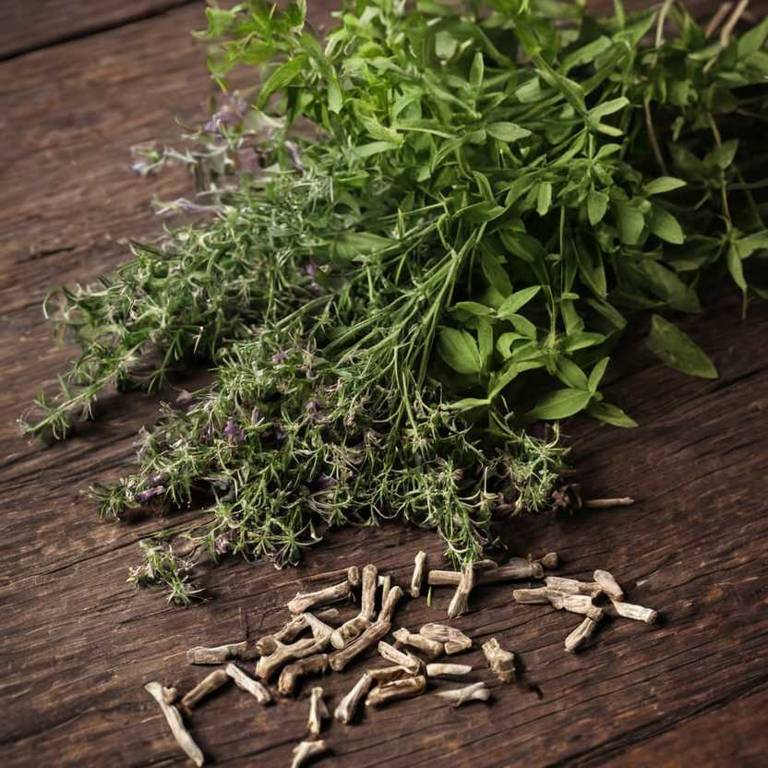
Glycyrrhiza glabra
View all Antivaccinic herbs →

Antivagal

Anti-vagal activity refers to the inhibition or suppression of the vagus nerve's functions, which can lead to an increase in heart rate and a reduction in digestive secretions. Herbs such as Sanguinaria canadensis and Bocconia frutescens exhibit this activity due to the presence of alkaloids that interfere with parasympathetic signaling.

Associated herbs: 2

Occurs naturally in

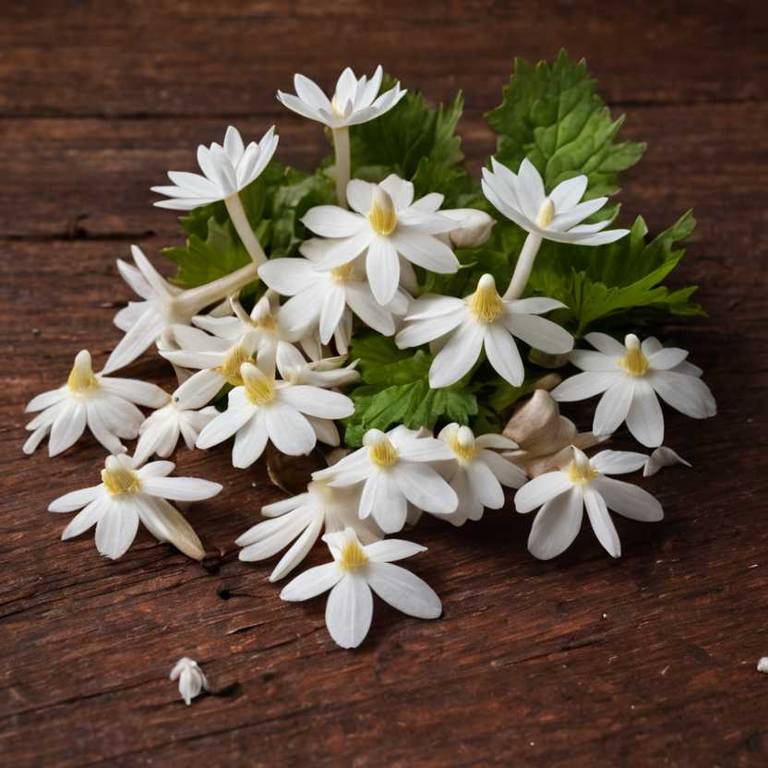
Sanguinaria canadensis

Bocconia frutescens

View all Antivagal herbs →

Antivaginitic

Anti-vaginitic activity refers to the ability of certain medicinal herbs to combat vaginal infections by inhibiting the growth of pathogenic microorganisms like bacteria, fungi, or protozoa. Examples of plants exhibiting this biological activity include Rhus glabra, Thymus vulgaris, and Annona muricata.

Associated herbs: 316

Occurs naturally in

Rhus glabra
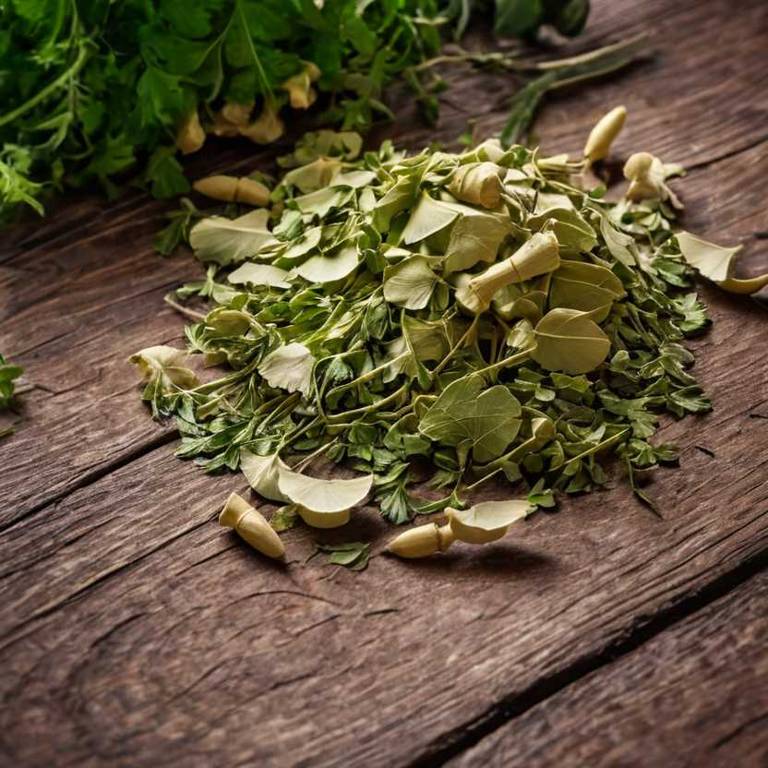
Thymus vulgaris

Annona muricata

View all Antivaginitic herbs →

Antivaricose

Anti-varicose activity refers to the ability of certain medicinal herbs to improve venous circulation and strengthen blood vessel walls to prevent or alleviate swollen veins. Herbs such as Cuscuta europaea, Pimpinella major, and Allium ampeloprasum exhibit this property by helping to reduce vascular congestion and improve blood flow.

Associated herbs: 325

Occurs naturally in

Cuscuta europaea

Pimpinella aromatica

Allium ampeloprasum

View all Antivaricose herbs →

Antivasculitic

Antivasculitic activity refers to the ability of a substance to reduce inflammation and prevent the abnormal dilation or increased permeability of blood vessels. Herbs such as Scutellaria baicalensis, Colchicum autumnale, and Paeonia lactiflora exhibit this property, helping to stabilize vascular integrity and mitigate swelling.

Associated herbs: 7

Occurs naturally in

Scutellaria baicalensis

Colchicum autumnale

Paeonia lactiflora

View all Antivasculitic herbs →

Antivasoconstrictive

Antivasoconstrictive activity refers to the ability of a substance to prevent or reverse the narrowing of blood vessels, thereby promoting smoother blood flow and lowering blood pressure. Herbs such as Pueraria montana var. lobata exhibit this property by relaxing the smooth muscles within the vessel walls to enhance circulation.

Associated herbs: 2

Occurs naturally in

Pueraria montana var. lobata

Pueraria montana

View all Antivasoconstrictive herbs →

Antivertiginous

Antivertiginous activity refers to the ability of a substance to reduce or prevent the sensation of vertigo, which is a feeling of spinning or loss of balance. Herbs possessing this property, such as Aesculus hippocastanum (Horse Chestnut), are used to alleviate symptoms related to vestibular dysfunction or circulatory issues in the inner ear.

Associated herbs: 1

Occurs naturally in

Aesculus hippocastanum

View all Antivertiginous herbs →

Antivertigo

Antivertigo activity refers to the ability of certain medicinal herbs to alleviate sensations of dizziness, spinning, or imbalance by stabilizing the vestibular system or improving inner ear circulation. Examples of plants exhibiting this biological property include Erythrina fusca, Thymus vulgaris, and Allium ampeloprasum.

Associated herbs: 370

Occurs naturally in

Erythrina fusca

Thymus vulgaris

Allium ampeloprasum

View all Antivertigo herbs →

Antivinous

Antiemetic activity refers to the ability of a substance to prevent or treat nausea and vomiting. Herbs such as Mandragora officinarum, Duboisia myoporoides, and Lactuca serriola possess these properties, often through the action of alkaloids on the central nervous system.

Associated herbs: 12

Occurs naturally in

Mandragora officinarum

Duboisia myoporoides

Lactuca serriola

View all Antivinous herbs →

Antiviral?

Antiviral activity refers to the ability of medicinal herbs to inhibit the replication or entry of viruses into host cells, thereby preventing or reducing the severity of viral infections. Examples of herbs demonstrating this biological activity include Pimpinella aromatica, Rhus glabra, and Thymus vulgaris.

Associated herbs: 374

Occurs naturally in

Pimpinella aromatica

Rhus glabra

Thymus vulgaris

View all Antiviral? herbs →

Antivitiligic

Antivitiligic activity refers to the ability of certain substances to inhibit the destruction of melanocytes or stimulate the repigmentation of skin areas affected by vitiligo. Herbs such as Pimpinella aromatica, Thymus vulgaris, and Allium ampeloprasum exhibit this biological activity by helping to restore melanin production in the skin.

Associated herbs: 168

Occurs naturally in

Pimpinella aromatica

Thymus vulgaris

Allium ampeloprasum

View all Antivitiligic herbs →

Antivulvitic

Antivulvitic activity refers to the ability of a substance to reduce inflammation, irritation, and discomfort affecting the vulvar region. Medicinal herbs such as Sambucus nigra, Pycnanthemum clinopodioides, and Clinopodium nepeta subsp. spruneri exhibit these properties, making them potentially useful in soothing localized mucosal tissues.

Associated herbs: 50

Occurs naturally in

Sambucus nigra
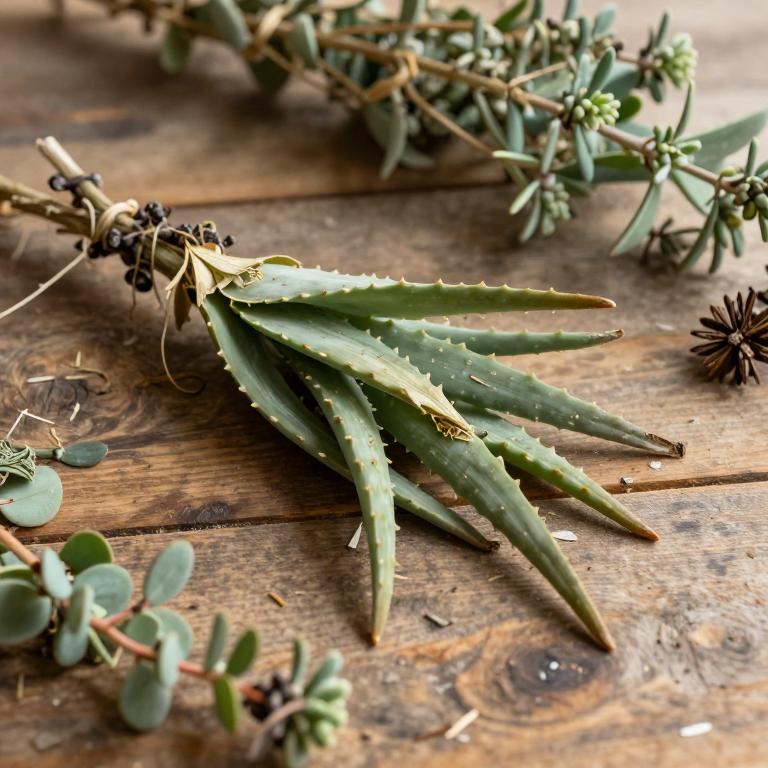
Pycnanthemum clinopodioides

Clinopodium nepeta subsp. spruneri
View all Antivulvitic herbs →

Antiwart

Antiwart activity refers to the ability of certain medicinal substances to inhibit the proliferation and growth of abnormal, uncontrolled cell masses within the body. Herbs such as Carapichea ipecacuanha, Zea mays, and Colchicum autumnale possess bioactive compounds that demonstrate these potential therapeutic effects against tumor cells.

Associated herbs: 11

Occurs naturally in

Carapichea ipecacuanha

Zea mays

Colchicum autumnale

View all Antiwart herbs →

Antiwithdrawal

Antiwithdrawal activity refers to the ability of certain medicinal herbs to alleviate the physical and psychological symptoms experienced when discontinuing the use of addictive substances like alcohol or benzodiazepines. For example, herbs such as Pueraria montana var. lobata (Kudzu) are utilized for their potential to mitigate these withdrawal effects and reduce cravings.

Associated herbs: 2

Occurs naturally in

Pueraria montana var. lobata

Pueraria montana

View all Antiwithdrawal herbs →

Antixerophthalmic

Antixerophthalmic activity refers to the ability of a substance to prevent or treat xerophthalmia, a condition characterized by the abnormal dryness of the conjunctiva and cornea due to Vitamin A deficiency. Various medicinal herbs, such as Erythrina fusca, Thymus vulgaris, and Allium ampeloprasum, exhibit this biological activity by helping to protect or restore ocular moisture and health.

Associated herbs: 371

Occurs naturally in

Erythrina fusca

Thymus vulgaris

Allium ampeloprasum

View all Antixerophthalmic herbs →

Antixerotic

Antixerotic activity refers to the ability of a substance to prevent or reduce the excessive drying of tissues, such as skin or mucous membranes, by maintaining proper moisture levels. Herbs such as Sambucus nigra, Helianthus annuus, and Solanum tuberosum exhibit this property, helping to soothe and hydrate irritated or dehydrated areas.

Associated herbs: 25

Occurs naturally in

Sambucus nigra

Helianthus annuus

Solanum tuberosum

View all Antixerotic herbs →

Apertif

An aperitif is a medicinal herb that stimulates the secretion of digestive juices, thereby enhancing appetite and preparing the gastrointestinal tract for food intake. Common examples of herbs exhibiting this biological activity include Strychnos nux-vomica, Gentiana lutea, and Cinchona officinalis.

Associated herbs: 13

Occurs naturally in

Strychnos nux-vomica

Gentiana lutea

Cinchona officinalis

View all Apertif herbs →

Aphicide

Aphicide refers to the biological ability of certain medicinal herbs to repel, inhibit, or kill aphids, which are common plant-damaging insects. Examples of herbs exhibiting this insecticidal activity include Castanospermum australe, Medicago sativa, and Asimina triloba.

Associated herbs: 5

Occurs naturally in

Castanospermum australe

Medicago sativa

Asimina triloba

View all Aphicide herbs →

Aphicide?

Aphicide refers to the biological ability of certain plant extracts to kill, repel, or inhibit the growth and reproduction of aphids. Examples of medicinal herbs exhibiting this activity include Anacardium occidentale (cashew) and Ginkgo biloba.

Associated herbs: 2

Occurs naturally in

Anacardium occidentale

Ginkgo biloba

View all Aphicide? herbs →

Aphidifuge

Aphidiugue refers to the biological property of certain medicinal herbs that enables them to repel or drive away aphids and other insect pests. Examples of plants exhibiting this activity include Premna serratifolia, Pimpinella aromatica, and Amanoa oblongifolia.

Associated herbs: 380

Occurs naturally in

Premna serratifolia

Pimpinella aromatica

Amanoa oblongifolia

View all Aphidifuge herbs →

Apifuge

Apifugal activity refers to the ability of certain medicinal herbs to stimulate the secretion of gastric juices and promote healthy digestive processes. Examples of plants exhibiting this biological activity include Pimpinella aromatica, Croton eluteria, and Thymus vulgaris.

Associated herbs: 122

Occurs naturally in

Pimpinella aromatica

Croton eluteria

Thymus vulgaris

View all Apifuge herbs →

Arrhythmigenic

Arrhythmigenic biological activity refers to the potential of a substance to induce irregular heart rhythms or disturbances in the normal cardiac electrical cycle. Certain medicinal herbs, such as Euphorbia lathyris, Aloe succotrina, and Urtica spicata, can exhibit this effect if consumed in excessive amounts or through specific toxic compounds.

Associated herbs: 39

Occurs naturally in

Euphorbia lathyris

Aloe succotrina

Urtica spatulata

View all Arrhythmigenic herbs →

Artemicide

Artemicide refers to the biological ability of certain plants to inhibit the growth of or kill parasitic organisms, particularly protozoa and helminths. Herbs such as Pimpinella aromatica, Sarracenia flava, and Thymus vulgaris exhibit this activity, making them valuable in traditional and modern antimicrobial applications.

Associated herbs: 447

Occurs naturally in

Pimpinella aromatica

Sarracenia flava

Thymus vulgaris

View all Artemicide herbs →

Arterioconstrictor

An arterioconstrictor is a biological agent that causes the narrowing of blood vessels by stimulating the contraction of the smooth muscles in the arterial walls. This activity leads to an increase in blood pressure and a reduction in blood flow through the constricted vessels. Examples of herbs exhibiting this biological activity include Erythroxylum novogranatense, Erythroxylum macrophyllum var. macrophyllum, and Erythroxylum impressum.

Associated herbs: 23

Occurs naturally in

Erythroxylum novogranatense

Erythroxylum macrophyllum var. macrophyllum

Erythroxylum impressum

View all Arterioconstrictor herbs →

Arteriodilator

Arteriodilators are substances that act by relaxing and widening the arterial walls, which helps to reduce peripheral resistance and lower blood pressure. Common medicinal herbs exhibiting this biological activity include Thymus vulgaris, Allium ampeloprasum, and Rheum officinale.

Associated herbs: 175

Occurs naturally in

Thymus vulgaris

Allium ampeloprasum

Rheum officinale

View all Arteriodilator herbs →

Arteriotensive

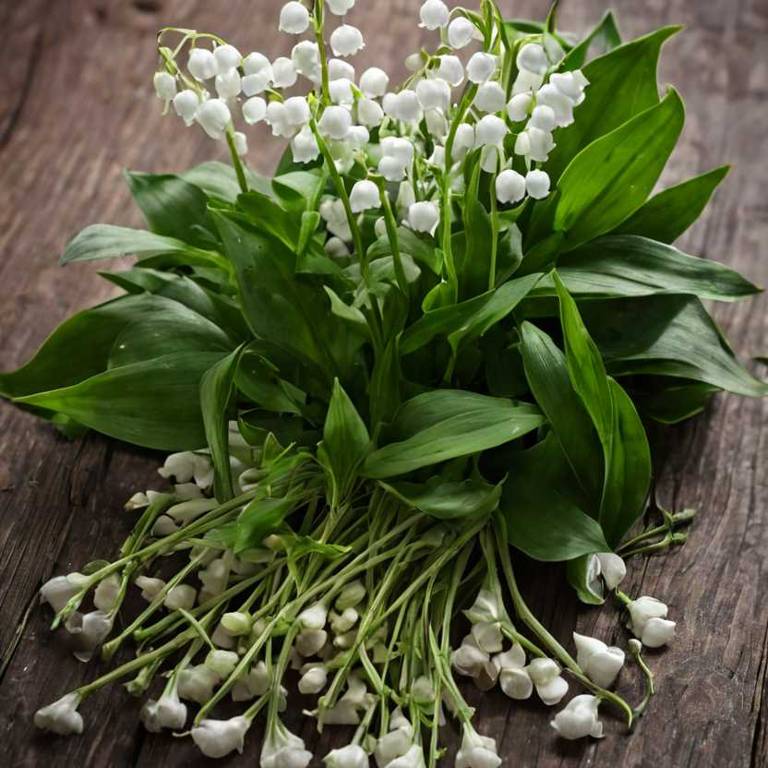
Arteriotensive activity refers to the capacity of a substance to influence or regulate blood pressure by affecting the tension and tone of the arterial walls. Herbs exhibiting this biological activity, such as Convallaria majalis, can help modulate vascular resistance to assist in managing cardiovascular health.

Associated herbs: 1

Occurs naturally in

Convallaria majalis

View all Arteriotensive herbs →

Aryl-Hydrocarbon-Hydroxylase-Inhibitor

An Aryl-Hydrocarbon-Hydroxylase inhibitor functions by blocking the activity of cytochrome P450 enzymes, which are responsible for the metabolic breakdown of various xenobiotics and drugs in the body. By inhibiting these enzymes, certain medicinal herbs can increase the bioavailability and duration of action of co-administered compounds. Examples of plants exhibiting this biological activity include Piper cubeba, Piper nigrum, and Xylopia aethiopica.

Associated herbs: 4

Occurs naturally in

Piper cubeba

Piper nigrum

Xylopia aethiopica

View all Aryl-Hydrocarbon-Hydroxylase-Inhibitor herbs →

Arylamine-N-Acetyltransferase-Inhibitor

Arylamine-N-acetyltransferase (NAT) inhibitors function by blocking the enzyme responsible for the acetylation of aromatic amines, which can alter the metabolism and detoxification of various xenobiotics in the body. Certain medicinal herbs, such as Allium ampeloprasum, Rheum officinale, and Frangula alnus, exhibit this biological activity and may influence how chemical compounds are processed within biological systems.

Associated herbs: 16

Occurs naturally in

Allium ampeloprasum

Rheum officinale

Frangula alnus

View all Arylamine-N-Acetyltransferase-Inhibitor herbs →

Ascaricide

An ascariicide is a biological agent used to expel or kill Ascaris roundworms from the digestive tract of a host. Various medicinal herbs, such as Thymus vulgaris, Pycnanthemum pycnanthemoides, and Santalum album, exhibit this activity due to their potent antimicrobial and anthelmintic properties.

Associated herbs: 221

Occurs naturally in

Thymus vulgaris

Pycnanthemum pycnanthemoides

Santalum album

View all Ascaricide herbs →

Asthma-preventive

Asthma-preventive herbs work by reducing airway inflammation and relaxing the smooth muscles of the bronchi to prevent bronchospasms. Examples of plants exhibiting this biological activity include Pimpinella aromatica, Erythrina fusca, and Thymus vulgaris.

Associated herbs: 399

Occurs naturally in

Pimpinella aromatica

Erythrina fusca

Thymus vulgaris

View all Asthma-preventive herbs →

Ataractic

Ataractic activity refers to the ability of a substance to reduce anxiety, promote relaxation, and induce a state of mental tranquility. Herbs such as Trigonella foenum-graecum, Gentiana lutea, and Menyanthes trifoliata exhibit these calming properties by helping to soothe the nervous system.

Associated herbs: 6

Occurs naturally in

Trigonella foenum-graecum

Gentiana lutea

Menyanthes trifoliata

View all Ataractic herbs →

Ataxigenic

Ataxigenic activity refers to the ability of a substance to reduce or prevent ataxia, which is the loss of full control of bodily movements such as coordination and balance. Herbs such as Pimpinella aromatica, Elsholtzia pilosa, and Thymus vulgaris are noted for exhibiting this biological activity.

Associated herbs: 100

Occurs naturally in

Pimpinella aromatica

Elsholtzia pilosa

Thymus vulgaris

View all Ataxigenic herbs →

Atherogenic

An atherogenic biological activity refers to the process of promoting the formation of fatty deposits or plaques within the arterial walls, which can lead to the narrowing of blood vessels. While many medicinal herbs are used to prevent this condition, certain substances or specific preparations of plants like Allium ampeloprasum, Annona muricata, or Santalum album may exhibit such effects depending on their chemical composition and dosage.

Associated herbs: 149

Occurs naturally in

Allium ampeloprasum

Annona muricata

Santalum album

View all Atherogenic herbs →

Attifuge

Antifugue activity refers to the biological capacity of certain medicinal herbs to prevent or inhibit the formation of fungal growths and infections. This property is exhibited by various plants, including Humulus lupulus, Teucrium asiaticum, and Teucrium lusitaniacum subsp. lusitaniacum.

Associated herbs: 20

Occurs naturally in

Humulus lupulus

Teucrium asiaticum

Teucrium lusitanicum subsp. lusitanicum

View all Attifuge herbs →

Autotoxic

Autotoxicity refers to a biological phenomenon where a plant produces secondary metabolites that, at certain concentrations, can inhibit its own growth or interfere with its metabolic processes. This self-inhibitory mechanism is observed in various medicinal herbs, such as Pimpinella aromatica, Thymus vulgaris, and Allium ampeloprasum.

Associated herbs: 149

Occurs naturally in

Pimpinella aromatica

Thymus vulgaris

Allium ampeloprasum

View all Autotoxic herbs →

Avicide

An avicide is a biological agent or substance used to kill or control birds, often by interfering with their physiological processes or nutritional intake. Medicinal herbs such as Helianthus annuus, Humulus lupulus, and Ceiba pentandra contain specific bioactive compounds that can exhibit this toxicological effect when ingested by avian species.

Associated herbs: 12

Occurs naturally in

Helianthus annuus

Humulus lupulus

Ceiba pentandra

View all Avicide herbs →

Avifuge

Avifugal activity refers to the biological capacity of certain medicinal herbs to attract or serve as a food source for birds. Examples of plants exhibiting this activity include Pycnanthemum pycnanthemoides, Clinopodium dalmaticum, and Monarda russealiana.

Associated herbs: 60

Occurs naturally in

Pycnanthemum pycnanthemoides

Clinopodium dalmaticum

Monarda russeliana

View all Avifuge herbs →

Bacteriolytic

Bacteriolytic activity refers to the ability of a substance to cause the physical rupture or destruction of bacterial cell walls, leading to cell death. This mechanism is highly effective at eliminating pathogens, as seen in herbs like Carica papaya, which contains enzymes capable of breaking down bacterial structures.

Associated herbs: 1

Occurs naturally in

Carica papaya

View all Bacteriolytic herbs →

Bacteriophagicide

A bacteriophagicide is a substance that actively destroys bacteria by causing cell lysis or irreversible damage to their structural integrity. Many medicinal herbs possess this activity, such as Foeniculum vulgare, Cullen corylifolium, and Apium graveolens, which contain bioactive compounds capable of neutralizing harmful pathogens.

Associated herbs: 17

Occurs naturally in

Foeniculum vulgare

Cullen corylifolium

Apium graveolens

View all Bacteriophagicide herbs →

Bacteristat

A bacteriostatic activity refers to the ability of a substance to inhibit the growth and reproduction of bacteria without necessarily killing them outright. This mechanism prevents the spread of infection by keeping the bacterial population at a constant level, as seen in medicinal herbs such as Pimpinella aromatica, Croton eluteria, and Thymus vulgaris.

Associated herbs: 433

Occurs naturally in

Pimpinella aromatica

Croton eluteria

Thymus vulgaris

View all Bacteristat herbs →

Barbituate-Synergist

The barbiturate-synergist activity refers to a biological phenomenon where certain medicinal herbs enhance the sedative or hypnotic effects of barbiturate drugs, potentially increasing their potency or duration. This synergistic interaction can be observed in herbs such as Pimpinella aromatica, Eucalyptus siderophloia, and Thymus vulgaris, which may augment the central nervous system depression caused by these pharmaceutical agents.

Associated herbs: 166

Occurs naturally in

Pimpinella aromatica

Eucalyptus siderophloia

Thymus vulgaris

View all Barbituate-Synergist herbs →

Beta-Adrenergic Receptor Blocker

Beta-adrenergic receptor blockers act by binding to beta receptors in the heart and blood vessels, thereby inhibiting the effects of adrenaline to reduce heart rate and blood pressure. Certain medicinal herbs, such as Pimpinella aromatica, Erythrina fusca, and Thymus vulgaris, exhibit this biological activity, offering potential therapeutic benefits for cardiovascular health.

Associated herbs: 434

Occurs naturally in

Pimpinella aromatica

Erythrina fusca

Thymus vulgaris

View all Beta-Adrenergic Receptor Blocker herbs →

Beta-Blocker

Beta-blockers are bioactive compounds found in certain medicinal herbs that function by inhibiting beta-adrenergic receptors, thereby reducing heart rate and blood pressure. Examples of plants exhibiting this biological activity include Mimosa tenuiflora, Pimpinella aromatica, and Erythrina fusca.

Associated herbs: 651

Occurs naturally in

Mimosa tenuiflora

Pimpinella aromatica

Erythrina fusca

View all Beta-Blocker herbs →

Bifidogenic

Bifidogenic activity refers to the ability of certain substances to promote the growth and proliferation of beneficial Bifidobacterium species within the intestinal microbiota. Herbs such as Petasites japonicus, Punica granatum, and Gentiana lutea exhibit this effect, helping to maintain a healthy gut environment and support digestive wellness.

Associated herbs: 29

Occurs naturally in

Petasites japonicus

Punica granatum

Gentiana lutea

View all Bifidogenic herbs →

Bilirubinolytic

Bilirubinolytic activity refers to the ability of a substance to promote the breakdown and excretion of bilirubin, helping to prevent or alleviate jaundice by reducing bile pigment accumulation. Herbs such as Berberis aquifolium, Podophyllum peltatum, and Berberis sheriffiana exhibit this biological activity by supporting liver function and bile flow.

Associated herbs: 35

Occurs naturally in

Berberis aquifolium

Podophyllum peltatum

Berberis sheridaniana

View all Bilirubinolytic herbs →

Bird-Repellent

Certain medicinal herbs possess bird-repellent biological activity, acting as natural deterrents that discourage avian species from feeding on or nesting near them. This characteristic is often driven by specific secondary metabolites, such as those found in species like Rheum officinale, Rumex trisetifer, and Frangula alnus.

Associated herbs: 16

Occurs naturally in

Rheum officinale

Rumex trisetifer

Frangula alnus

View all Bird-Repellent herbs →

Bronchoconstrictor

Bronchodilators are medicinal substances that act by relaxing the smooth muscles of the airways, thereby increasing airflow into the lungs and relieving respiratory distress. Herbs such as Peganum harmala, Helianthus annuus, and Juglans nigra exhibit this biological activity, helping to ease symptoms like wheezing and shortness of breath.

Associated herbs: 28

Occurs naturally in

Peganum harmala

Helianthus annuus

Juglans nigra

View all Bronchoconstrictor herbs →

Bronchomucolytic

Bronchomucolytic agents are substances that help thin and loosen thick mucus in the airways, making it significantly easier to expel through coughing. Herbs such as Sambucus nigra, Pycnanthemum clinopodioides, and Clinopodium nepeta subsp. spruneri exhibit this activity, providing relief for respiratory congestion.

Associated herbs: 50

Occurs naturally in

Sambucus nigra

Pycnanthemum clinopodioides

Clinopodium nepeta subsp. spruneri

View all Bronchomucolytic herbs →