Explore herbs biological activities

  • 11249 Plants
  • |
  • 30137 Compounds
  • |
  • 1951 Activities
  • |
  • 132161 Studies

Explore Herbs


Alphabet


Biological Activity

View all →

Bioactive Compounds

View all →

List of herbs biological activities

Showing 1153-1200 out of 1951 results

Antitoxin (Strychnine)

Antitoxin activity refers to the ability of certain medicinal compounds to neutralize or counteract the effects of harmful toxins within a biological system. While strychnine is a potent toxin itself, specific herbs like Terminalia arjuna, Scutellaria baicalensis, and Scutellaria galericulata are studied for their ability to provide protective or detoxifying effects against various physiological stressors.

Associated herbs: 5

Occurs naturally in
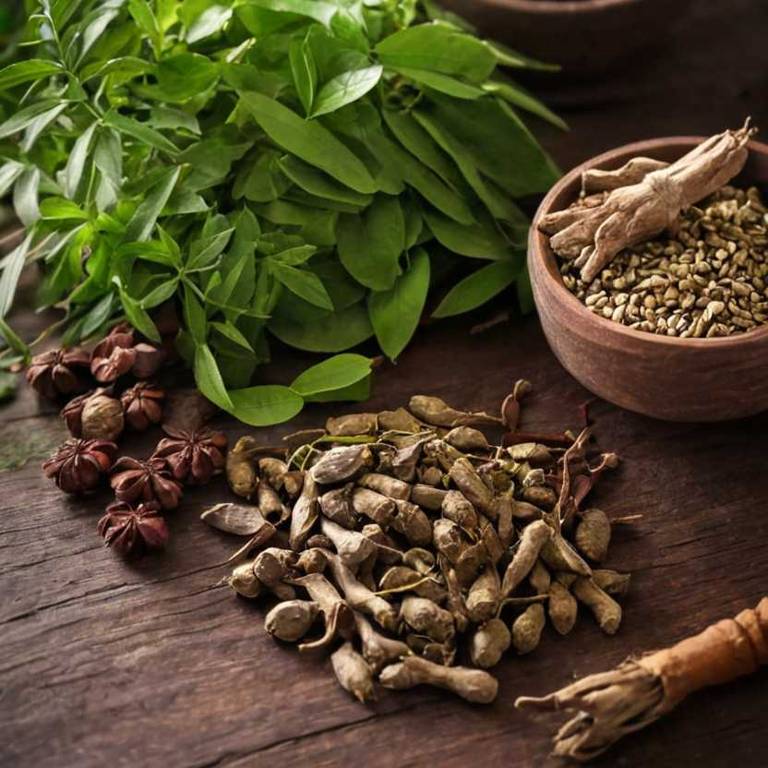
Terminalia arjuna
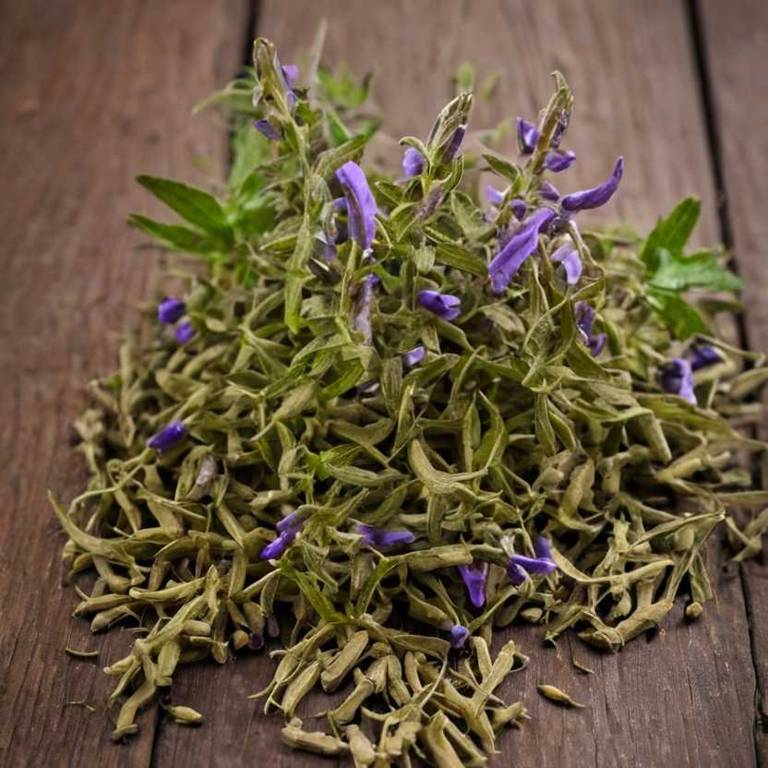
Scutellaria baicalensis
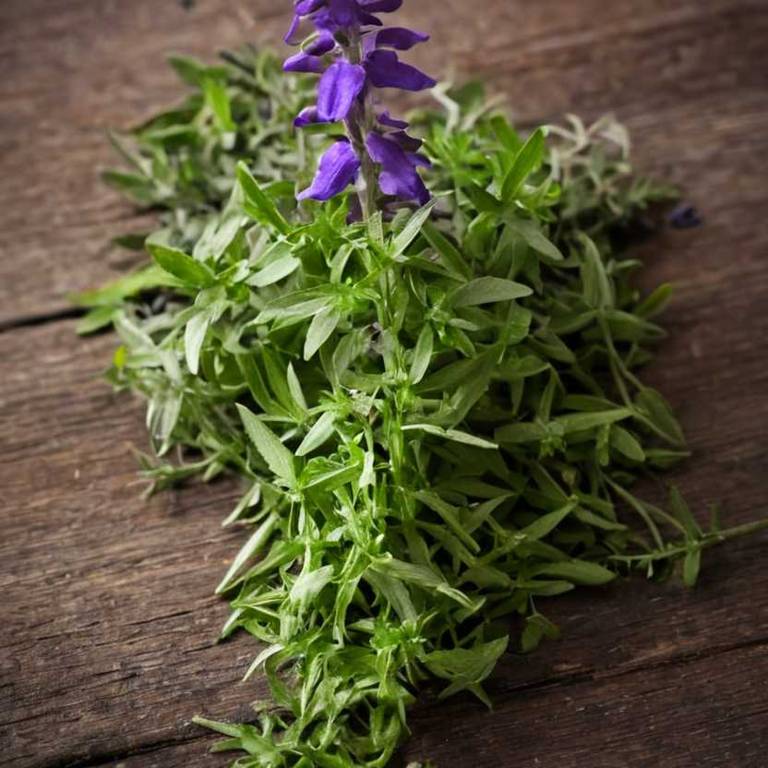
Scutellaria galericulata
View all Antitoxin (Strychnine) herbs →

Antitoxoplasmotic

Antitoxoplasmotic activity refers to the ability of certain medicinal herbs to inhibit the growth or eliminate the survival of Toxoplasma gondii, a protozoan parasite responsible for toxoplasmosis. Examples of herbs demonstrating this biological activity include Thymus vulgaris, Cinnamomum aromaticum, and Peumus boldus.

Associated herbs: 47

Occurs naturally in

Thymus vulgaris

Cinnamomum aromaticum

Peumus boldus

View all Antitoxoplasmotic herbs →

Antitracheitic

Antitrachēitic activity refers to the ability of a substance to soothe, reduce inflammation, and protect the mucous membranes of the trachea. Herbs with this property, such as Aloe succotrina, are commonly used to alleviate coughing and irritation in the respiratory tract.

Associated herbs: 1

Occurs naturally in

Aloe succotrina

View all Antitracheitic herbs →

Antitrachomic

Antitrachomagenic activity refers to the ability of a substance to inhibit the development or spread of Chlamydia trachomatis, the bacterium responsible for causing trachoma, a leading cause of preventable blindness. Medicinal herbs such as Berberis aquifolium, Podophyllum peltatum, and Berberis sheriffiana exhibit this property, often due to the presence of potent alkaloids that disrupt bacterial cellular processes.

Associated herbs: 29

Occurs naturally in

Berberis aquifolium

Podophyllum peltatum

Berberis sheridaniana

View all Antitrachomic herbs →

Antitremor

Antitremor activity refers to the ability of certain medicinal herbs to reduce or suppress involuntary, rhythmic muscle contractions. Examples of plants exhibiting this biological effect include Euphorbia lathyris, Vicia faba, and Cytisus scoparius.

Associated herbs: 3

Occurs naturally in

Euphorbia lathyris

Vicia faba

Cytisus scoparius

View all Antitremor herbs →

Antitrichinosic

Antitrichinosic activity refers to the ability of certain medicinal herbs to inhibit or eliminate Trichinella spiralis, a parasitic nematode that causes trichinosis in hosts. Examples of plants demonstrating this biological activity include Pimpinella aromatica, Elsholtzia pilosa, and Thymus vulgaris.

Associated herbs: 98

Occurs naturally in

Pimpinella aromatica

Elsholtzia pilosa

Thymus vulgaris

View all Antitrichinosic herbs →

Antitrichophytotic

Antitrichophyton activity refers to the ability of certain medicinal plants to inhibit the growth or prevent the infection of Trichophyton, a genus of fungi responsible for various dermatophytoses like ringworm. Herbs such as Vatairea ararobica, Senna occidentalis, and Senna alata exhibit these properties, making them effective natural agents for treating fungal skin infections.

Associated herbs: 3

Occurs naturally in

Vataireopsis araroba

Senna occidentalis

Senna alata

View all Antitrichophytotic herbs →

Antitriglyceride

Antitriglyceride activity refers to the ability of certain medicinal herbs to lower the concentration of triglycerides in the blood, thereby reducing the risk of cardiovascular diseases. Herbs such as Pimpinella aromatica, Rhus glabra, and Thymus vulgaris exhibit this biological effect by helping to regulate lipid metabolism.

Associated herbs: 381

Occurs naturally in

Pimpinella aromatica

Rhus glabra

Thymus vulgaris

View all Antitriglyceride herbs →

Antitrypanosomic

Antitrypanosomic activity refers to the ability of a substance to inhibit or destroy Trypanosoma species, which are protozoan parasites responsible for diseases such as African sleeping sickness and Chagas disease. Several medicinal herbs exhibit this biological property, including Pimpinella aromatica, Thymus vulgaris, and Erythroxylum novogranatense.

Associated herbs: 408

Occurs naturally in

Pimpinella aromatica

Thymus vulgaris

Erythroxylum novogranatense

View all Antitrypanosomic herbs →

Antituberculic

Antituberculic biological activity refers to the ability of certain substances to inhibit the growth of or destroy Mycobacterium tuberculosis, the bacterium responsible for tuberculosis. Medicinal herbs such as Santalum album, Cinnamomum aromaticum, and Camphora officinarum possess these properties and are studied for their potential to combat this respiratory infection.

Associated herbs: 50

Occurs naturally in

Santalum album

Cinnamomum aromaticum

Camphora officinarum

View all Antituberculic herbs →

Antitubulin

Antitubulin activity refers to the ability of a substance to inhibit the polymerization of tubulin proteins, thereby preventing the formation of microtubules necessary for cell division and mitosis. Herbs such as Colchicum autumnale, Stevia rebaudiana, and Gloriosa superba contain bioactive compounds that exert this effect, making them significant in research for potential anticancer and anti-inflammatory applications.

Associated herbs: 3

Occurs naturally in

Colchicum autumnale

Stevia rebaudiana

Gloriosa superba

View all Antitubulin herbs →

Antitumor (Bladder)

Antitumor activity in the bladder refers to the ability of certain herbal compounds to inhibit the uncontrolled proliferation of cancer cells within the bladder lining. Herbs such as Pimpinella aromatica, Allium ampeloprasum, and Magnolia denudata exhibit these properties by inducing apoptosis or preventing tumor cell growth.

Associated herbs: 300

Occurs naturally in

Pimpinella aromatica

Allium ampeloprasum

Magnolia denudata

View all Antitumor (Bladder) herbs →

Antitumor (Breast)

Antitumor activity in the context of breast cancer refers to the ability of certain medicinal herbs to inhibit the proliferation, migration, or survival of malignant breast cancer cells. Plants such as Micromeria varia exhibit this biological activity by utilizing bioactive compounds to trigger apoptosis or arrest the cell cycle within tumor tissues.

Associated herbs: 1018

Occurs naturally in

Micromeria ericifolia

Pimpinella aromatica

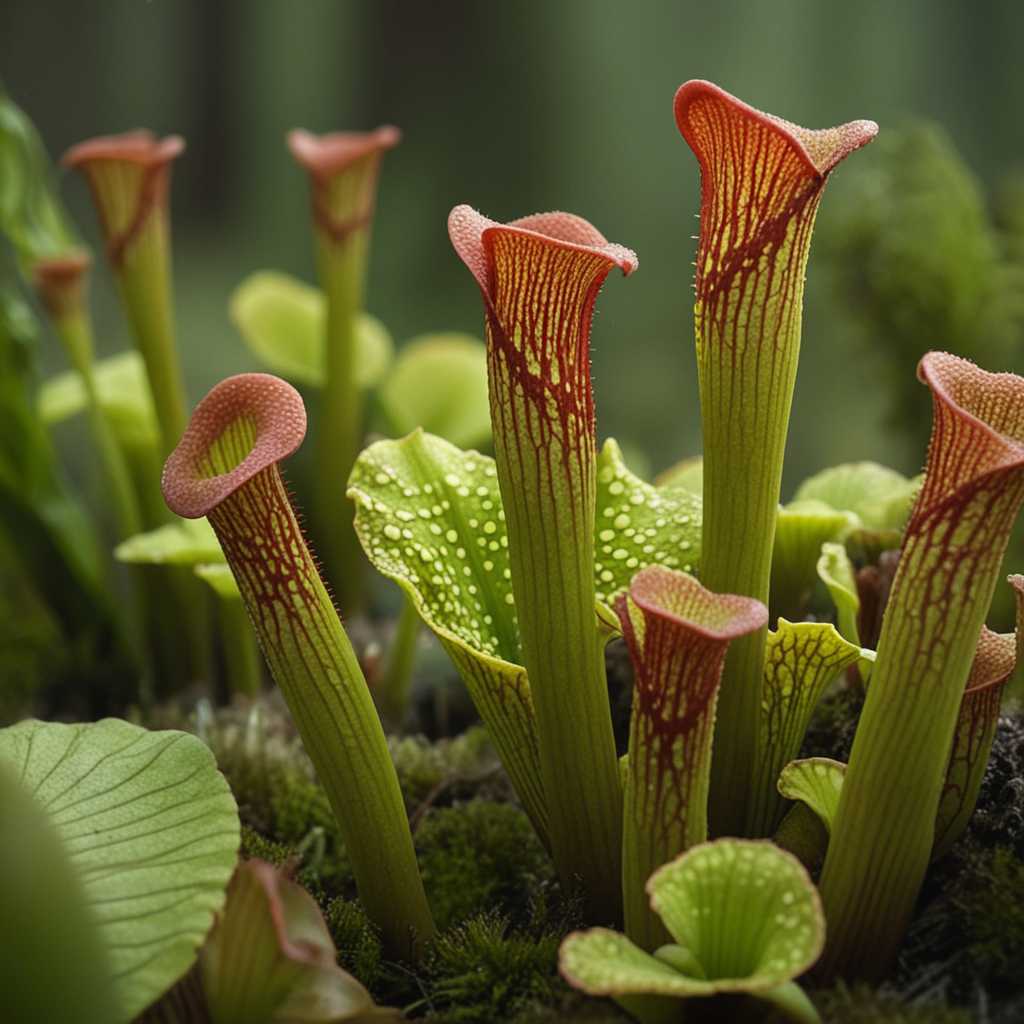
Sarracenia flava

View all Antitumor (Breast) herbs →

Antitumor (CNS)

Antitumor activity in the Central Nervous System (CNS) refers to the ability of certain medicinal herbs to inhibit the growth, proliferation, or spread of cancer cells within the brain and spinal cord. This activity often involves mechanisms such as inducing apoptosis in glial or neuronal tumor cells and crossing the blood-brain barrier to deliver therapeutic effects. Examples of herbs exhibiting this potential include Erythrina fusca, Thymus vulgaris, and Allium ampeloprasum.

Associated herbs: 371

Occurs naturally in

Erythrina fusca

Thymus vulgaris

Allium ampeloprasum

View all Antitumor (CNS) herbs →

Antitumor (Cervix)

Antitumor activity refers to the ability of certain medicinal substances to inhibit the growth, proliferation, or spread of cancerous cells within the body. For example, plants such as Micromeria varia exhibit these properties by targeting tumor cell mechanisms to prevent malignancy.

Associated herbs: 508

Occurs naturally in

Micromeria ericifolia

Pimpinella aromatica

Sarracenia flava

View all Antitumor (Cervix) herbs →

Antitumor (Colon)

Antitumor activity in the colon refers to the ability of specific medicinal herbs to inhibit the growth, proliferation, or spread of malignant cells within the large intestine. For example, plants such as Micromeria varia exhibit these properties by inducing apoptosis or suppressing inflammatory pathways that contribute to colorectal cancer progression.

Associated herbs: 876

Occurs naturally in

Micromeria ericifolia

Pimpinella aromatica

Erythrina fusca

View all Antitumor (Colon) herbs →

Antitumor (Colorectal)

Antitumor activity in the context of colorectal health refers to the ability of certain herbal compounds to inhibit the growth, proliferation, or spread of cancer cells within the colon and rectum. Herbs such as Foeniculum vulgare (fennel), Helianthus annuus (sunflower), and Medicago sativa (alfalfa) are studied for their potential to provide these protective effects through their bioactive phytochemicals.

Associated herbs: 35

Occurs naturally in

Foeniculum vulgare

Helianthus annuus

Medicago sativa

View all Antitumor (Colorectal) herbs →

Antitumor (Esophagus)

Antitumor activity in the esophagus refers to the ability of certain medicinal herbs to inhibit the growth, proliferation, or spread of esophageal cancer cells. Plant species such as Allium ampeloprasum, Atractylodes lancea, and Raphanus sativus subsp. sativus exhibit these properties by utilizing bioactive compounds to induce apoptosis or suppress tumor development in esophageal tissues.

Associated herbs: 7

Occurs naturally in

Allium ampeloprasum

Atractylodes lancea

Raphanus raphanistrum subsp. sativus

View all Antitumor (Esophagus) herbs →

Antitumor (Esophagus)?

Antitumor activity in the esophagus refers to the ability of certain medicinal herbs to inhibit the growth, proliferation, or spread of cancerous cells within the esophageal lining. Plant species such as Rhus glabra, Diospyros virginiana, and Prunus persica contain bioactive compounds that may help suppress these malignant processes.

Associated herbs: 80

Occurs naturally in

Rhus glabra

Diospyros virginiana

Prunus persica

View all Antitumor (Esophagus)? herbs →

Antitumor (Forestomach)

Antitumor activity in the forestomach refers to the ability of certain medicinal herbs to inhibit the growth or prevent the development of neoplastic cells within the lining of the stomach. This protective effect is often achieved through antioxidant and anti-inflammatory mechanisms that reduce cellular damage in the gastric mucosa, as seen in herbs such as Pimpinella aromatica, Thymus vulgaris, and Allium ampeloprasum.

Associated herbs: 229

Occurs naturally in

Pimpinella aromatica

Thymus vulgaris

Allium ampeloprasum

View all Antitumor (Forestomach) herbs →

Antitumor (GI)

Antitumor activity in the gastrointestinal (GI) tract refers to the ability of certain medicinal herbs to inhibit the growth, proliferation, or spread of cancer cells within the digestive system. Examples of herbs that exhibit this biological activity include Strongylodon macrobotrys, Thymus vulgaris, and Cinnamomum aromaticum.

Associated herbs: 177

Occurs naturally in

Strongylodon macrobotrys

Thymus vulgaris

Cinnamomum aromaticum

View all Antitumor (GI) herbs →

Antitumor (Gastric)

Antitumeur (gastric) activity refers to the ability of certain medicinal herbs to inhibit the growth, proliferation, or spread of cancer cells within the stomach lining. Plants such as Pimpinella aromatica, Erythrina fusca, and Croton eluteria exhibit these properties by potentially inducing apoptosis or suppressing tumor signaling pathways in gastric tissues.

Associated herbs: 418

Occurs naturally in

Pimpinella aromatica

Erythrina fusca

Croton eluteria

View all Antitumor (Gastric) herbs →

Antitumor (Intestine)

These medicinal herbs exhibit antitumor activity in the intestine by inhibiting the proliferation of cancer cells and inducing apoptosis within the digestive tract. Examples of plants demonstrating this biological potential include Allium ampeloprasum, Raphanus sativus subsp. sativus, and Lepidium sativum.

Associated herbs: 6

Occurs naturally in

Allium ampeloprasum

Raphanus raphanistrum subsp. sativus

Lepidium sativum

View all Antitumor (Intestine) herbs →

Antitumor (Kidney)

Antitumor activity in the kidneys refers to the ability of certain medicinal herbs to inhibit the growth, proliferation, or survival of malignant renal cells. Herbs such as Pimpinella aromatica, Thymus vulgaris, and Cinnamomum aromaticum demonstrate this potential through bioactive compounds that may induce apoptosis or prevent tumor progression.

Associated herbs: 191

Occurs naturally in

Pimpinella aromatica

Thymus vulgaris

Cinnamomum aromaticum

View all Antitumor (Kidney) herbs →

Antitumor (Liver)

Antitumor activity in the liver refers to the ability of certain medicinal herbs to inhibit the growth, proliferation, or spread of cancerous cells within liver tissue. Herbs such as Pimpinella aromatica, Thymus vulgaris, and Allium ampeloprasum demonstrate this activity by utilizing bioactive compounds that promote apoptosis or protect hepatic cells from malignant transformation.

Associated herbs: 287

Occurs naturally in

Pimpinella aromatica

Thymus vulgaris

Allium ampeloprasum

View all Antitumor (Liver) herbs →

Antitumor (Lung)

Antitumor activity in the lungs refers to the ability of specific medicinal herbs to inhibit the growth, proliferation, or spread of malignant cancer cells within pulmonary tissue. Botanical examples that exhibit this biological potential include Pimpinella aromatica, Sarracenia flava, and Erythrina fusca.

Associated herbs: 767

Occurs naturally in

Pimpinella aromatica

Sarracenia flava

Erythrina fusca

View all Antitumor (Lung) herbs →

Antitumor (Mammary)

Antitumor (mammary) activity refers to the ability of certain medicinal herbs to inhibit the growth, proliferation, or metastasis of cancer cells within mammary tissue. Examples of plants exhibiting this biological potential include Vaccinium macrocarpum, Reynoutria japonica, and Eucalyptus wandoo.

Associated herbs: 8

Occurs naturally in

Vaccinium macrocarpon

Reynoutria japonica

Eucalyptus wandoo

View all Antitumor (Mammary) herbs →

Antitumor (Mouth)

Antitumor activity in the oral cavity refers to the ability of certain medicinal herbs to inhibit the growth, proliferation, or spread of malignant cells within the mouth and throat tissues. Plants such as Foeniculum vulgare, Thalia geniculata, and Eucalyptus grandis exhibit these properties due to bioactive compounds that can induce apoptosis or suppress tumor signaling pathways.

Associated herbs: 80

Occurs naturally in

Foeniculum vulgare

Thalia geniculata
Eucalyptus grandis

View all Antitumor (Mouth) herbs →

Antitumor (Nasopharynx)

Certain medicinal herbs possess antitumor properties specifically effective against nasopharyngeal carcinomas by inhibiting the proliferation of cancer cells in the upper throat area. Examples of plants demonstrating this biological activity include Podophyllum peltatum, Podophyllum pleiotanum, and Juniperus rigida var. rigida.

Associated herbs: 3

Occurs naturally in

Podophyllum peltatum

Podophyllum pleianthum

Juniperus rigida var. rigida

View all Antitumor (Nasopharynx) herbs →

Antitumor (Ovary)

Antitumor activity in the ovary refers to the ability of certain medicinal herbs to inhibit the growth, proliferation, or spread of ovarian cancer cells. Plants such as Pimpinella aromatica, Strongylodon macrobotrys, and Thymus vulgaris have demonstrated potential in suppressing these malignant processes through various bioactive compounds.

Associated herbs: 499

Occurs naturally in

Pimpinella aromatica

Strongylodon macrobotrys

Thymus vulgaris

View all Antitumor (Ovary) herbs →

Antitumor (Pancreas)

Antitumor activity against the pancreas refers to the ability of certain medicinal herbs to inhibit the growth, proliferation, or spread of pancreatic cancer cells. Examples of plants exhibiting this biological activity include Micromeria varia and other bioactive botanicals that contain phytochemicals capable of inducing apoptosis in malignant cells.

Associated herbs: 444

Occurs naturally in

Micromeria ericifolia

Pimpinella aromatica

Eucalyptus siderophloia

View all Antitumor (Pancreas) herbs →

Antitumor (Prostate)

Antitumor activity in the prostate refers to the ability of certain medicinal herbs to inhibit the growth, proliferation, or spread of prostate cancer cells. Examples of plants demonstrating this biological activity include Micromeria varia and Saw Palmetto, which may help regulate cellular pathways involved in tumor development.

Associated herbs: 804

Occurs naturally in

Micromeria ericifolia

Pimpinella aromatica

Erythrina fusca

View all Antitumor (Prostate) herbs →

Antitumor (Skin)

Antitumor activity in the skin refers to the ability of medicinal herbs to inhibit the uncontrolled proliferation of abnormal cells or induce apoptosis in malignant skin lesions. For example, certain plants like Micromeria varia exhibit these properties by utilizing bioactive compounds to suppress tumor growth and prevent skin cancer progression.

Associated herbs: 484

Occurs naturally in

Micromeria ericifolia

Pimpinella aromatica

Thymus vulgaris

View all Antitumor (Skin) herbs →

Antitumor (Stomach)

Antitumor activity in the stomach refers to the ability of certain medicinal herbs to inhibit the growth, proliferation, or survival of cancerous cells within the gastric lining. For example, plants such as Micromeria varia exhibit these properties by containing bioactive compounds that can induce apoptosis or prevent the spread of gastric tumor cells.

Associated herbs: 808

Occurs naturally in

Micromeria ericifolia

Pimpinella aromatica

Erythrina fusca

View all Antitumor (Stomach) herbs →

Antitumor (Thyroid)

Antitumor activity in the thyroid refers to the ability of certain medicinal herbs to inhibit the proliferation of abnormal cells and prevent the growth of thyroid malignancies. For instance, plants such as Pimpinella aromatica, Thymus vulgaris, and Lonicera macranthes exhibit these properties by regulating cellular pathways to combat tumor development.

Associated herbs: 83

Occurs naturally in

Pimpinella aromatica

Thymus vulgaris

Lonicera macrantha

View all Antitumor (Thyroid) herbs →

Antitumor (brain)

Antitumor activity in the brain refers to the ability of specific medicinal compounds to inhibit the growth, proliferation, or survival of malignant cells within the central nervous system. Certain herbs, such as Pimpinella aromatica, Rhus glabra, and Thymus vulgaris, contain bioactive phytochemicals that may help combat brain tumors by inducing apoptosis or disrupting cancer cell signaling.

Associated herbs: 299

Occurs naturally in

Pimpinella aromatica

Rhus glabra

Thymus vulgaris

View all Antitumor (brain) herbs →

Antitumor-Promoter?

Antitumor-promoter activity refers to the ability of certain medicinal substances to stimulate or enhance the biological processes that support the growth, survival, or spread of cancer cells. While some compounds inhibit tumors, these specific herbal agents may act through pathways that promote cellular proliferation or influence the microenvironment of a tumor. Examples of herbs exhibiting such biological activities include Ferula gummosa, Magnolia denudata, and Eucalyptus populnea.

Associated herbs: 56

Occurs naturally in

Ferula gummosa

Magnolia denudata
Eucalyptus populnea

View all Antitumor-Promoter? herbs →

Antitympanitic

Antitympantic activity refers to the ability of certain medicinal herbs to reduce excessive gas accumulation and bloating within the gastrointestinal tract. Herbs such as Cinnamomum aromaticum, Cleome ternifolia, and Polygonum aviculare exhibit this property by helping to alleviate abdominal distension and intestinal discomfort.

Associated herbs: 65

Occurs naturally in

Cinnamomum aromaticum

Calea ternifolia

Polygonum aviculare

View all Antitympanitic herbs →

Antiulcer?

Antiulcer activity refers to the ability of medicinal herbs to prevent or treat gastric ulcers by protecting the stomach lining, reducing acid secretion, or promoting the healing of mucosal lesions. Various plants exhibit this protective effect, such as Strongylodon macrobotrys, Calopoogon caeruleum, and Phaseolus coccineus.

Associated herbs: 140

Occurs naturally in

Strongylodon macrobotrys

Calopogonium caeruleum

Phaseolus coccineus

View all Antiulcer? herbs →

Antiuremic

Antiuremic activity refers to the ability of a substance to reduce the accumulation of nitrogenous waste products, such as urea, in the blood by promoting their excretion through the kidneys. Herbs such as Thymus vulgaris, Allium ampeloprasum, and Lepidium meyenii exhibit this property, helping to support kidney function and maintain metabolic balance.

Associated herbs: 175

Occurs naturally in

Thymus vulgaris

Allium ampeloprasum

Lepidium meyenii

View all Antiuremic herbs →

Antiurethritic

Antiurethritic activity refers to the ability of a substance to reduce inflammation, irritation, or infection within the urethra. Herbs exhibiting this property, such as Hypericum perforatum (St. John's Wort) or certain species of Hollarrhena, are often used to alleviate discomfort associated with urinary tract ailments.

Associated herbs: 1

Occurs naturally in

Holarrhena pubescens

View all Antiurethritic herbs →

Antiurethrotic

Antiurethrotic activity refers to the ability of a substance to reduce inflammation, irritation, or infection within the urethra. Medicinal herbs such as Sarracenia flava, Vitellaria paradoxa, and Sambucus nigra exhibit this biological activity, helping to soothe the urinary tract and alleviate discomfort.

Associated herbs: 82

Occurs naturally in

Sarracenia flava

Vitellaria paradoxa

Sambucus nigra

View all Antiurethrotic herbs →

Antiuricosuric

Antiuricuricosic activity refers to the ability of a substance to lower the concentration of uric acid in the blood by promoting its excretion through the kidneys. Medicinal herbs such as Pimpinella aromatica, Thymus vulgaris, and Pinus cembroides exhibit this property, helping to prevent the formation of crystals that cause conditions like gout.

Associated herbs: 82

Occurs naturally in

Pimpinella aromatica

Thymus vulgaris

Pinus cembroides

View all Antiuricosuric herbs →

Antiurticaric

Antiurticaric activity refers to the ability of a substance to alleviate or prevent urticaria, commonly known as hives or itchy skin welts. Medicinal herbs such as Lawsonia inermis (henna) exhibit this property by helping to reduce inflammation and soothe skin irritation.

Associated herbs: 1

Occurs naturally in

Lawsonia inermis

View all Antiurticaric herbs →

Antiuterocontractant

An antiuterocontractant is a substance that inhibits or reduces the contractions of the uterine smooth muscle, thereby helping to prevent premature labor or uterine spasms. Herbs such as Conium maculatum (often historically associated with Conioselinum), Levisticum officinale, and Anethum graveolens exhibit this biological activity.

Associated herbs: 3

Occurs naturally in

Conioselinum officinale

Levisticum officinale

Anethum graveolens

View all Antiuterocontractant herbs →

Antiuterotic

Antiuterotic activity refers to the ability of certain substances to inhibit or reduce the excessive growth and proliferation of uterine tissue. Herbs such as Berberis aquifolium, Trautvetteria caroliniensis, and Berberis vulgaris exhibit this biological activity, which can be clinically useful in managing conditions like uterine fibroids.

Associated herbs: 3

Occurs naturally in

Berberis aquifolium

Trautvetteria caroliniensis

Berberis vulgaris

View all Antiuterotic herbs →

Antiuveitic

Antiuveitic activity refers to the ability of a substance to reduce inflammation within the uvea, the middle layer of the eye, thereby preventing damage to ocular tissues. Herbs such as Solanum dulcamara, Mandragora officiinarum, and Duboisia myoporoides exhibit these properties, often through the modulation of inflammatory pathways or the application of alkaloid-driven effects.

Associated herbs: 12

Occurs naturally in

Solanum dulcamara

Mandragora officinarum

Duboisia myoporoides

View all Antiuveitic herbs →

Antivaccinia

Antivaccinia activity refers to the ability of certain substances to inhibit the replication or spread of the vaccinia virus, which is a member of the poxvirus family. Medicinal herbs such as Pimpinella aromatica, Thymus vulgaris, and Allium ampeloprasum exhibit this biological activity, demonstrating potential for managing poxvirus infections.

Associated herbs: 239

Occurs naturally in

Pimpinella aromatica

Thymus vulgaris

Allium ampeloprasum

View all Antivaccinia herbs →