Explore herbs biological activities

  • 11249 Plants
  • |
  • 30137 Compounds
  • |
  • 1951 Activities
  • |
  • 132161 Studies

Explore Herbs


Alphabet


Biological Activity

View all →

Bioactive Compounds

View all →

List of herbs biological activities

Showing 1105-1152 out of 1951 results

Antishingles

Certain medicinal herbs possess antiviral properties that help inhibit the replication of the varicella-zoster virus, which is responsible for causing shingles. Herbs such as Pimpinella aromatica, Erythrina fusca, and Thymus vulgaris exhibit this biological activity, helping to reduce the severity and spread of the infection.

Associated herbs: 399

Occurs naturally in
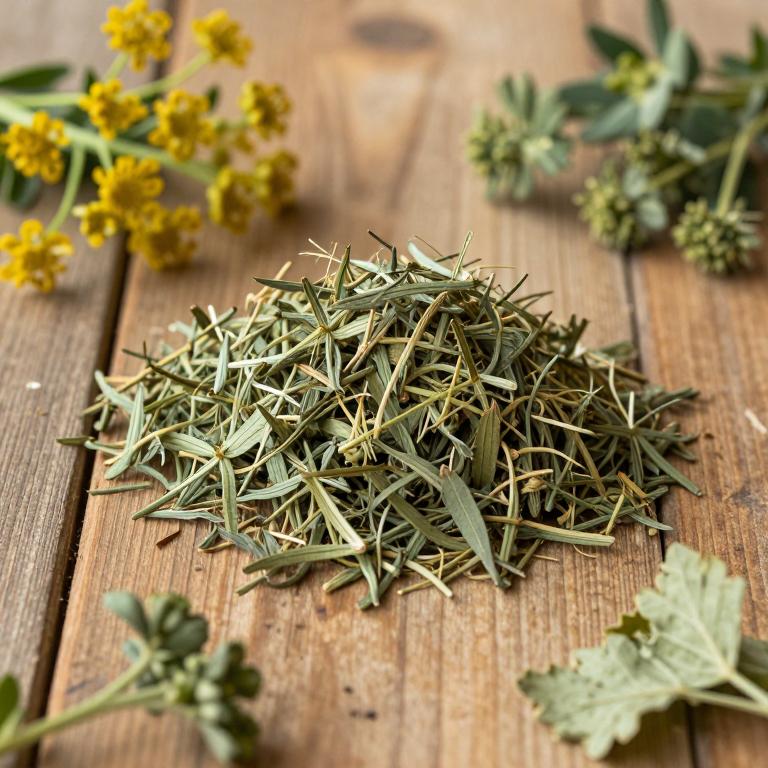
Pimpinella aromatica
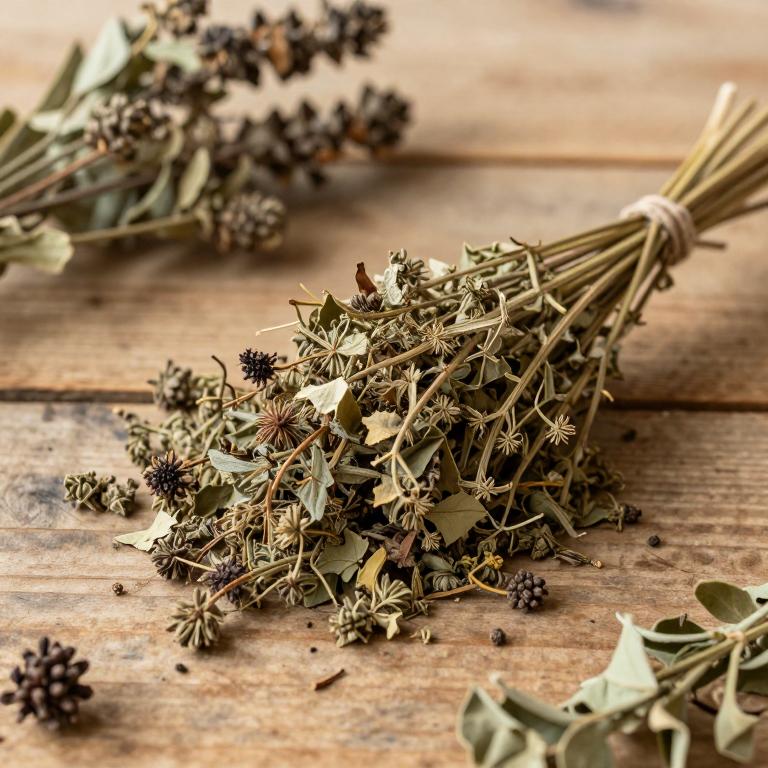
Erythrina fusca
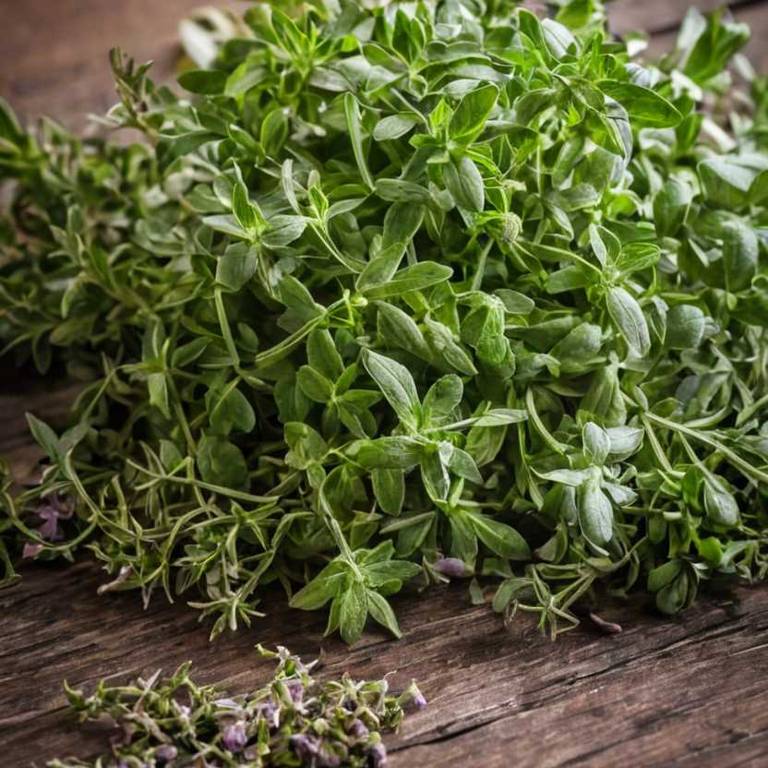
Thymus vulgaris
View all Antishingles herbs →

Antishock

Antishock biological activity refers to the ability of certain medicinal herbs to stabilize the physiological state of an organism and prevent or mitigate the effects of acute physical or emotional trauma. Herbs such as Pimpinella aromatica, Eucalyptus siderophloia, and Thymus vulgaris exhibit these properties by helping to regulate vital functions and support the body's resilience during stressful conditions.

Associated herbs: 191

Occurs naturally in

Pimpinella aromatica

Eucalyptus siderophloia

Thymus vulgaris

View all Antishock herbs →

Antisialogogue

An antisialogogue is a substance that reduces or inhibits the secretion of saliva from the salivary glands. This biological activity is often found in medicinal herbs containing tropane alkaloids, such as Solanum dulcamara, Mandragora officinarum, and Duboisia myoporoides.

Associated herbs: 15

Occurs naturally in

Solanum dulcamara

Mandragora officinarum

Duboisia myoporoides

View all Antisialogogue herbs →

Antisilicotic

Antisilicotic activity refers to the ability of certain medicinal herbs to prevent or mitigate the damage caused by inhaling silica dust, which typically leads to lung fibrosis. Herbs such as Rhus glabra, Thymus vulgaris, and Annona muricata exhibit this property by potentially protecting lung tissue from inflammatory responses and scarring.

Associated herbs: 180

Occurs naturally in

Rhus glabra

Thymus vulgaris

Annona muricata

View all Antisilicotic herbs →

Antisindhis

Antisindhis activity refers to the biological ability of certain plant extracts to inhibit the growth or metabolic processes of Sindhis, which are specific types of harmful microorganisms or parasitic entities. Herbs such as Thymus vulgaris, Prunus persica, and Prunus cerasus exhibit this property, making them valuable in natural antimicrobial and therapeutic applications.

Associated herbs: 22

Occurs naturally in

Thymus vulgaris

Prunus persica

Prunus cerasus

View all Antisindhis herbs →

Antisinusitic

Antisinusitic activity refers to the ability of certain medicinal herbs to reduce inflammation, clear mucus, and relieve congestion within the paranasal sinuses. Herbs such as Elsholtzia ciliata, Elsholtzia pilosa, and Eucalyptus siderophloia exhibit this property by helping to alleviate the pressure and discomfort associated with sinusitis.

Associated herbs: 278

Occurs naturally in

Elsholtzia ciliata

Elsholtzia pilosa

Eucalyptus siderophloia

View all Antisinusitic herbs →

Antismoking

Antismoking biological activity refers to the ability of certain medicinal herbs to reduce nicotine dependence and alleviate withdrawal symptoms through their alkaloid content. Herbs such as Nicotiana rustica, Duboisia myoporoides, and Lobelia tupa exhibit this property by modulating neurotransmitter receptors to lessen the urge to smoke.

Associated herbs: 7

Occurs naturally in

Nicotiana rustica

Duboisia myoporoides

Lobelia tupa

View all Antismoking herbs →

Antisnoring

Certain medicinal herbs possess anti-snoring properties by helping to reduce inflammation in the upper airways or acting as mild muscle relaxants to maintain airway patency during sleep. Examples of herbs known for this biological activity include Areca catechu and Piper betle.

Associated herbs: 2

Occurs naturally in

Areca catechu

Piper betle

View all Antisnoring herbs →

Antispare-Tire

Antispasmodic activity refers to the ability of certain herbs to reduce muscle spasms by relaxing the involuntary smooth muscles found in the digestive, respiratory, or urinary tracts. Herbs such as Pimpinella aromatica, Rhus glabra, and Thymus vulgaris exhibit this property, making them effective in relieving cramps and gastrointestinal discomfort.

Associated herbs: 374

Occurs naturally in

Pimpinella aromatica

Rhus glabra

Thymus vulgaris

View all Antispare-Tire herbs →

Antispasmophilic

Antispasmodic activity refers to the ability of a substance to relieve spasms by relaxing the smooth muscles found in organs such as the digestive tract, urinary system, or blood vessels. Several medicinal herbs possess this property, including Pimpinella aromatica, Rhus glabra, and Thymus vulgaris.

Associated herbs: 394

Occurs naturally in

Pimpinella aromatica

Rhus glabra

Thymus vulgaris

View all Antispasmophilic herbs →

Antispastic

Antispasmodic activity refers to the ability of a substance to inhibit involuntary contractions of smooth muscles, thereby relieving cramps and spasms in organs like the intestines or blood vessels. Herbs such as Santalum album, Cinnamomum aromaticum, and Pinus sylvestris exhibit this property, helping to relax muscular tension and restore physiological balance.

Associated herbs: 38

Occurs naturally in

Santalum album

Cinnamomum aromaticum

Pinus sylvestris

View all Antispastic herbs →

Antispermatorrheic

Antispermatorrheic activity refers to the ability of a substance to prevent or inhibit the involuntary discharge of semen. Certain medicinal herbs, such as Mandragora officinarum, Duboisia myoporoides, and Datura stramonium, possess this property due to their high alkaloid content which can suppress certain reproductive reflexes.

Associated herbs: 10

Occurs naturally in

Mandragora officinarum

Duboisia myoporoides

Datura stramonium

View all Antispermatorrheic herbs →

Antispermigenic

Antispermatogenic activity refers to the ability of certain substances to inhibit or reduce the production and development of sperm cells within the testes. Medicinal herbs such as Berberis aquifolium, Glaucium flavum, and Podophyllum peltatum exhibit this biological activity, making them potential subjects for natural male contraceptive research.

Associated herbs: 35

Occurs naturally in

Berberis aquifolium

Glaucium flavum

Podophyllum peltatum

View all Antispermigenic herbs →

Antisprout

Antisprout activity refers to the ability of certain biological compounds to inhibit the germination and early growth of seeds or spores. Herbs such as Rheum officinale, Rumex trisetifer, and Alnus glutinosa exhibit this property, making them potential natural agents for controlling unwanted plant growth.

Associated herbs: 17

Occurs naturally in

Rheum officinale

Rumex trisetifer

Alnus glutinosa

View all Antisprout herbs →

Antisprue

The biological activity of antisprue refers to the ability of certain medicinal herbs to prevent the formation of unwanted or excessive growths, such as skin lesions, warts, or abnormal tissue proliferations. Herbs like Oryza sativa, Trigonella foenum-graecum, and Helianthus annuus exhibit these properties by utilizing bioactive compounds that regulate cellular growth and inhibit abnormal proliferation.

Associated herbs: 32

Occurs naturally in

Oryza sativa

Trigonella foenum-graecum

Helianthus annuus

View all Antisprue herbs →

Antistaph

Antistaph refers to the biological activity of substances used to combat Staphylococcus bacteria, helping to inhibit their growth or prevent infection. Herbs such as Scrophularia scorodonica, Scutellaria baicalensis, and Echinacea pallida exhibit these properties, making them effective in managing staphylococcal-related ailments.

Associated herbs: 11

Occurs naturally in

Scrophularia scorodonia

Scutellaria baicalensis

Echinacea pallida

View all Antistaph herbs →

Antistaphylococcic

Antistaphylococcic activity refers to the ability of a substance to inhibit the growth of or destroy Staphylococcus aureus, a common bacterium responsible for various skin and systemic infections. Many medicinal herbs exhibit this property, such as Micromeria varia, which contains bioactive compounds capable of combating these specific bacterial pathogens.

Associated herbs: 771

Occurs naturally in

Micromeria ericifolia

Elsholtzia ciliata

Pimpinella aromatica

View all Antistaphylococcic herbs →

Antisteatotic

Antispasmodic activity refers to the ability of a substance to inhibit sudden, involuntary contractions of smooth muscles in organs such as the digestive tract or bladder. Herbs like Pimpinella aromatica, Peumus boldus, and Foeniculum vulgare exhibit this property, helping to relieve abdominal cramps and gastrointestinal spasms.

Associated herbs: 136

Occurs naturally in

Pimpinella aromatica

Peumus boldus

Foeniculum vulgare

View all Antisteatotic herbs →

Antistomatitic

Antistomatitic activity refers to the ability of certain medicinal herbs to reduce inflammation, alleviate pain, and promote healing in the mucous membranes of the mouth. Herbs such as Pimpinella aromatica, Rhus glabra, and Thymus vulgaris exhibit this property, making them effective in treating mouth ulcers and gingivitis.

Associated herbs: 483

Occurs naturally in

Pimpinella aromatica

Rhus glabra

Thymus vulgaris

View all Antistomatitic herbs →

Antistrep

Antistrept ability refers to the capacity of certain medicinal herbs to inhibit the growth or survival of Streptococcus bacteria, which are responsible for various throat and skin infections. Examples of plants exhibiting this biological activity include Berberis aquifolium, Podophyllum peltatum, and Berberis aristata (often referred to in similar botanical contexts).

Associated herbs: 29

Occurs naturally in

Berberis aquifolium

Podophyllum peltatum

Berberis sheridaniana

View all Antistrep herbs →

Antistreptococcic

Antistreptococcal activity refers to the ability of a substance to inhibit the growth or survival of bacteria belonging to the genus Streptococcus. Various medicinal herbs, such as Micromeria varia, exhibit this property by producing bioactive compounds that disrupt the bacterial cell structures or metabolic processes.

Associated herbs: 562

Occurs naturally in

Micromeria ericifolia

Elsholtzia ciliata

Pimpinella aromatica

View all Antistreptococcic herbs →

Antisunburn

Antisunburn activity refers to the ability of certain medicinal herbs to protect skin cells from ultraviolet (UV) radiation damage by neutralizing free radicals and reducing inflammatory responses. Herbs such as Pimpinella aromatica, Thymus vulgaris, and Allium ampeloprasum exhibit this property due to their high concentration of antioxidant compounds like polyphenols and flavonoids.

Associated herbs: 338

Occurs naturally in

Pimpinella aromatica

Thymus vulgaris
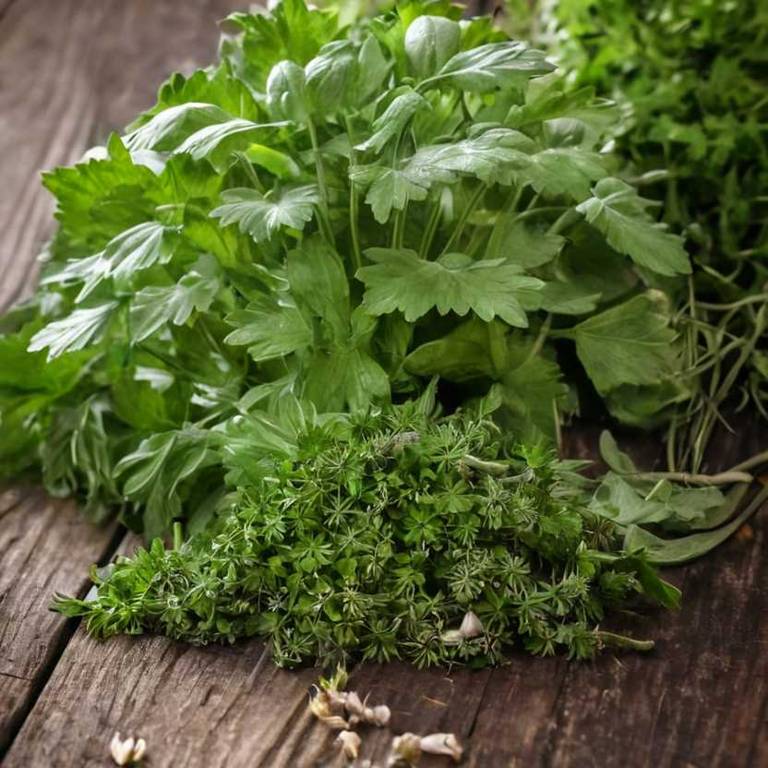
Allium ampeloprasum

View all Antisunburn herbs →

Antisuperoxidogenic

Antisuperoxidogenic activity refers to the ability of a substance to inhibit the production or accumulation of superoxide radicals, which are highly reactive oxygen species that cause cellular damage. Herbs such as Glaucium flavum, Macleaya cordata, and Annona squamosa exhibit this activity, helping to protect cells from oxidative stress by preventing the formation of these harmful molecules.

Associated herbs: 10

Occurs naturally in

Glaucium flavum

Macleaya cordata

Annona squamosa

View all Antisuperoxidogenic herbs →

Antisyncopic

Antisyncopic activity refers to the ability of a substance to prevent or alleviate fainting and dizziness by stimulating the central nervous system and improving cerebral circulation. Herbs such as Prunus persica, Camphora officinarum, and Mentha canadensis exhibit this property, helping to restore consciousness or maintain alertness during episodes of lightheadedness.

Associated herbs: 63

Occurs naturally in

Prunus persica

Camphora officinarum

Mentha canadensis

View all Antisyncopic herbs →

Antisyndrome-X

Antisyndrome-X refers to a biological activity where specific medicinal herbs act to counteract the physiological imbalances associated with metabolic syndrome, such as insulin resistance and systemic inflammation. Herbs such as Pimpinella aromatica, Erythrina fusca, and Rhus glabra exhibit this activity by helping to regulate glucose metabolism and lipid profiles.

Associated herbs: 570

Occurs naturally in

Pimpinella aromatica

Erythrina fusca

Rhus glabra

View all Antisyndrome-X herbs →

Antitachycardic

Antitachycardic activity refers to the ability of a substance to reduce an abnormally rapid heart rate and restore a regular cardiac rhythm. Various medicinal herbs possess this property, including Pimpinella aromatica, Solanum nigrum, and Peumus boldus.

Associated herbs: 61

Occurs naturally in

Pimpinella aromatica

Solanum nigrum

Peumus boldus

View all Antitachycardic herbs →

Antitartar

Antitartar activity refers to the ability of certain medicinal herbs to prevent or reduce the formation of dental tartar by inhibiting the accumulation of plaque and mineral deposits on teeth. Examples of plants exhibiting this biological activity include Erythroxylum novogranatense, Cinnamomum aromaticum, and Dianthus caryophyllus.

Associated herbs: 87

Occurs naturally in

Erythroxylum novogranatense

Cinnamomum aromaticum

Dianthus caryophyllus

View all Antitartar herbs →

Antitesticular

Antitesticular activity refers to the biological capacity of certain substances to inhibit the development, function, or production of testicular tissue and sperm. For example, certain phytochemicals found in herbs such as Momordica charantia (bitter melon) have demonstrated the potential to interfere with male reproductive processes.

Associated herbs: 1

Occurs naturally in

Momordica charantia

View all Antitesticular herbs →

Antitestosterone

Antitestosterone activity refers to the biological ability of certain compounds to inhibit the production or action of testosterone, thereby modulating hormonal balance. This activity is exhibited by medicinal herbs such as Helianthus annuus, Ceiba pentandra, and Abelmoschus esculentus.

Associated herbs: 5

Occurs naturally in

Helianthus annuus

Ceiba pentandra

Abelmoschus esculentus

View all Antitestosterone herbs →

Antitetanic

Antitetanic biological activity refers to the ability of a substance to prevent or relieve muscle spasms and convulsions, often by acting on the nervous system to reduce muscular tension. Herbs or plants exhibiting these properties can include species such as Papaver bracteatum, which contains alkaloids that influence muscle relaxation.

Associated herbs: 11

Occurs naturally in

Triticum aestivum

Solanum tuberosum

Papaver bracteatum

View all Antitetanic herbs →

Antithalassemic

Antithalassemic activity refers to the ability of certain medicinal herbs to mitigate the symptoms of thalassemia by helping to regulate hemoglobin production or reducing oxidative stress in red blood cells. Examples of plants exhibiting this biological activity include Foeniculum vulgare, Helianthus annuus, and Medicago sativa.

Associated herbs: 35

Occurs naturally in

Foeniculum vulgare

Helianthus annuus

Medicago sativa

View all Antithalassemic herbs →

Antithiamin

Antithiamine activity refers to the biological capacity of certain substances to inhibit the absorption or metabolic utilization of vitamin B1 (thiamine) within the body. Herbs such as Pimpinella aromatica, Thymus vulgaris, and Allium ampeloprasum possess compounds that can exert this effect, potentially interfering with thiamine-dependent enzymatic processes.

Associated herbs: 354

Occurs naturally in

Pimpinella aromatica

Thymus vulgaris
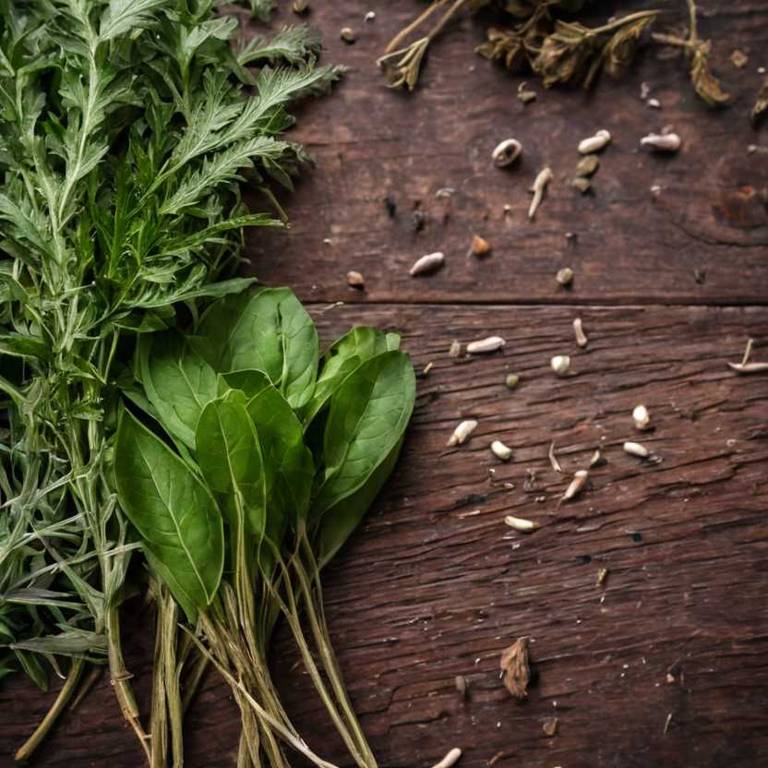
Allium ampeloprasum

View all Antithiamin herbs →

Antithrombocytopenic

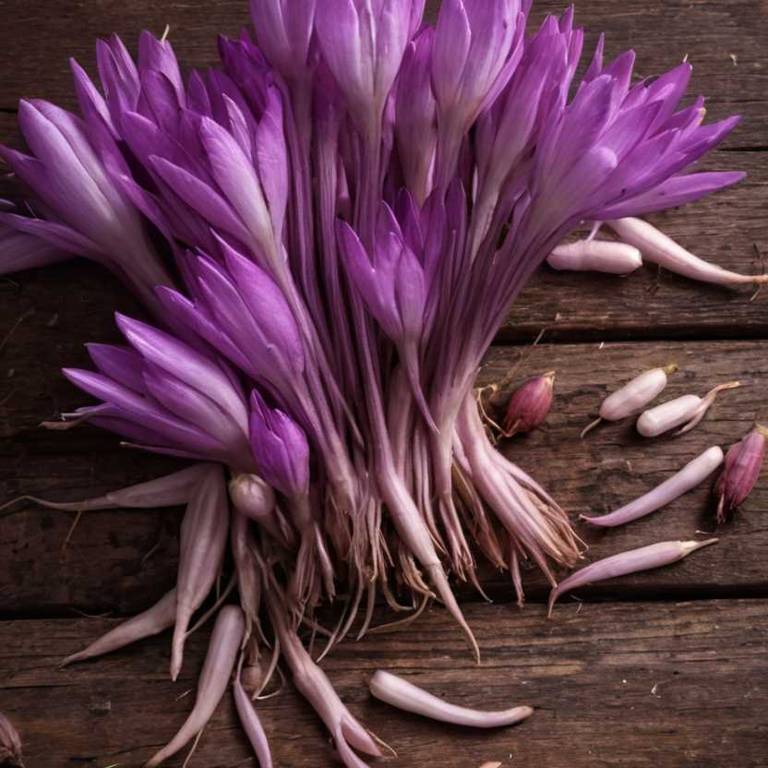
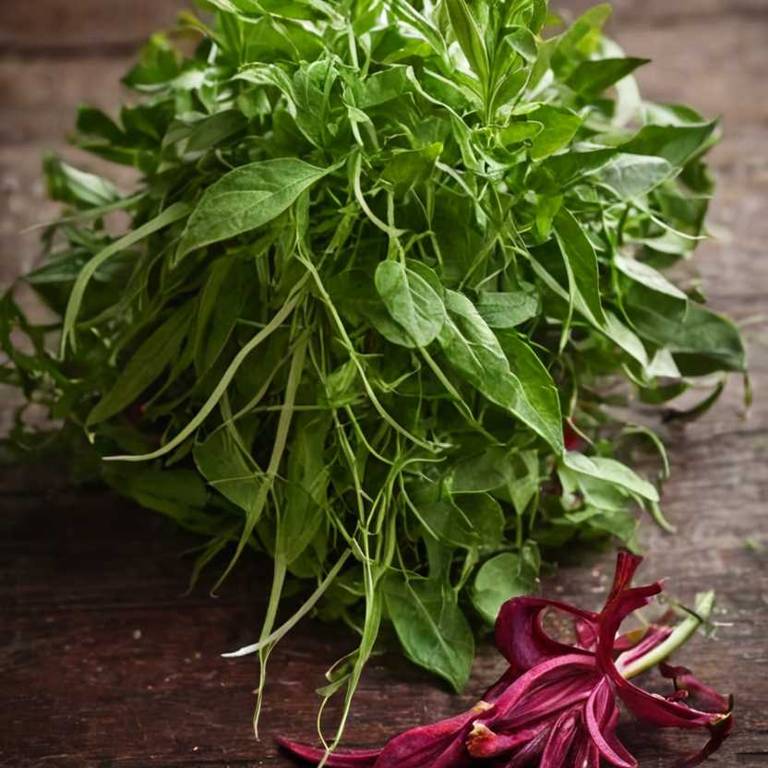
Antithrombocytopenic activity refers to the ability of a substance to prevent or reduce a decrease in the number of platelets in the blood. Herbs such as Colchicum autumnale and Gloriosa superba exhibit this biological activity, which can help manage conditions related to platelet deficiency.

Associated herbs: 2

Occurs naturally in

Colchicum autumnale

Gloriosa superba

View all Antithrombocytopenic herbs →

Antithrombogenic

Antithrombogenic activity refers to the ability of a substance to prevent the formation of blood clots (thrombi) by inhibiting platelet aggregation or interfering with the coagulation cascade. Medicinal herbs such as Pimpinella aromatica, Erythroxylum novogranatense, and Rheum officinale exhibit this property, helping to maintain healthy blood flow and reduce the risk of cardiovascular complications.

Associated herbs: 205

Occurs naturally in

Pimpinella aromatica

Erythroxylum novogranatense

Rheum officinale

View all Antithrombogenic herbs →

Antithrombophlebitic

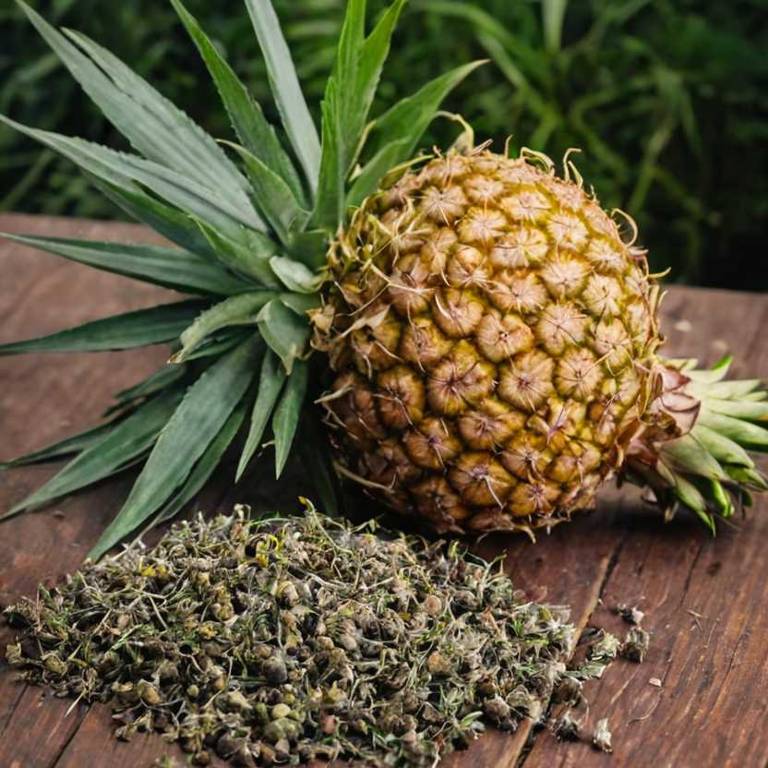
Antithrombophlebitic activity refers to the ability of a substance to prevent the formation of blood clots (thrombi) and reduce inflammation within the veins. Herbs possessing this property help improve circulation and alleviate swelling or pain associated with venous conditions, such as Ananas comosus (pineapple).

Associated herbs: 1

Occurs naturally in

Ananas comosus

View all Antithrombophlebitic herbs →

Antithromboxane

Antithromboxane activity refers to the ability of certain compounds to inhibit the synthesis or action of thromboxane, a potent mediator that promotes platelet aggregation and vasoconstriction. By reducing thromboxane levels, these herbs help prevent blood clot formation and maintain healthy circulation, as seen in species such as Pimpinella aromatica, Croton eluater, and Thymus vulgaris.

Associated herbs: 211

Occurs naturally in

Pimpinella aromatica

Croton eluteria

Thymus vulgaris
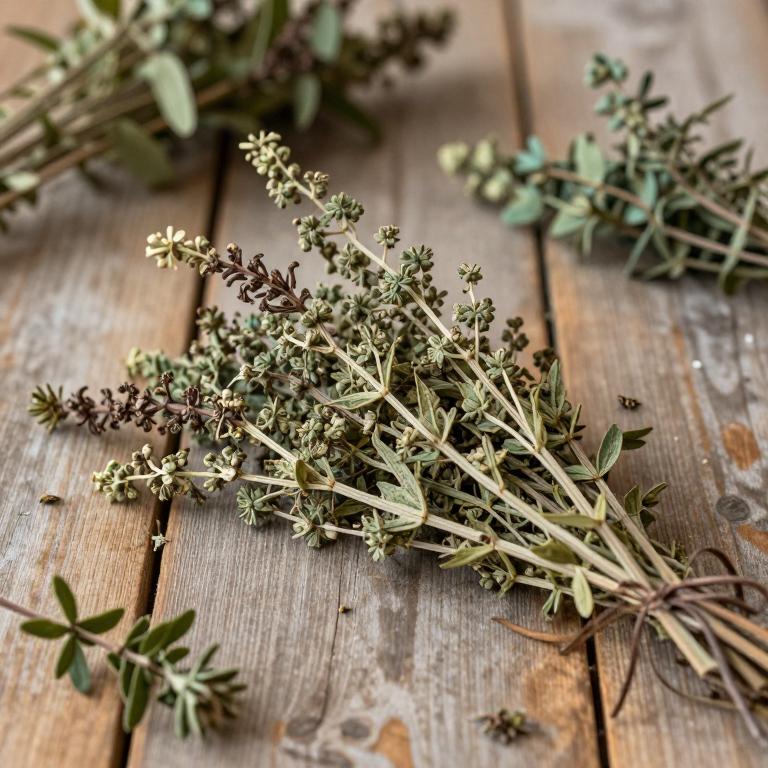
View all Antithromboxane herbs →

Antithromboxane-B2

Antithromboxane $B_2$ activity refers to the ability of certain medicinal herbs to inhibit the production or action of thromboxane, thereby preventing platelet aggregation and reducing the risk of blood clot formation. Herbs such as Foeniculum vulgare (fennel), Helianthus annuus (sunflower), and Medicago sativa (alfalfa) exhibit this biological activity, contributing to their potential antiplatelet and cardiovascular protective effects.

Associated herbs: 35

Occurs naturally in

Foeniculum vulgare

Helianthus annuus

Medicago sativa

View all Antithromboxane-B2 herbs →

Antithyreotropic

Antithyrotropic activity refers to the ability of a substance to inhibit the secretion or action of thyroid-stimulating hormone (TSH), thereby reducing thyroid hormone production. Certain medicinal herbs, such as Pimpinella aromatica, Thymus vulgaris, and Stachytarpheta jamaicensis, are studied for their potential to exert this regulatory effect on the endocrine system.

Associated herbs: 79

Occurs naturally in

Pimpinella aromatica

Thymus vulgaris
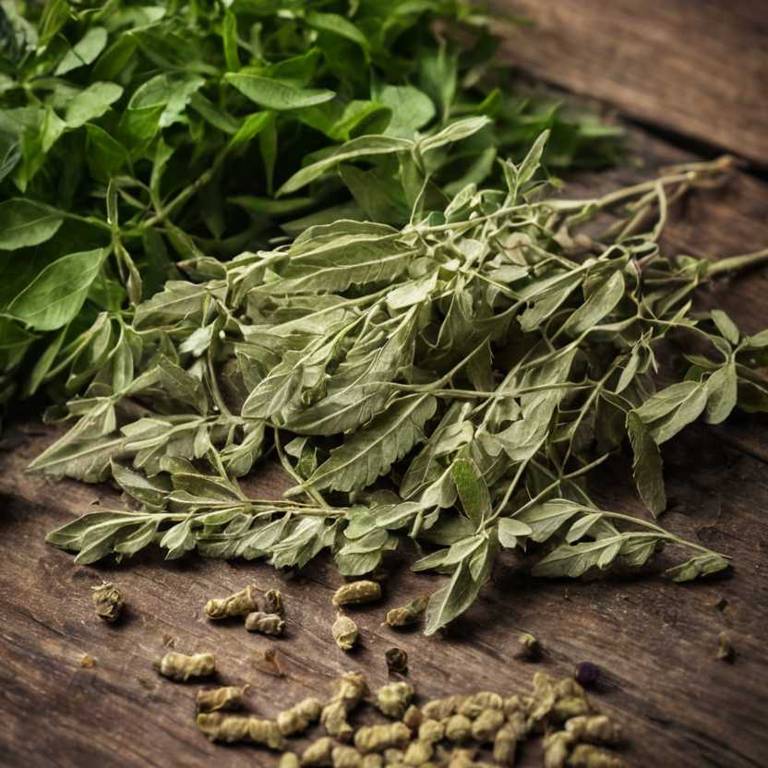
Stachytarpheta jamaicensis

View all Antithyreotropic herbs →

Antithyroid

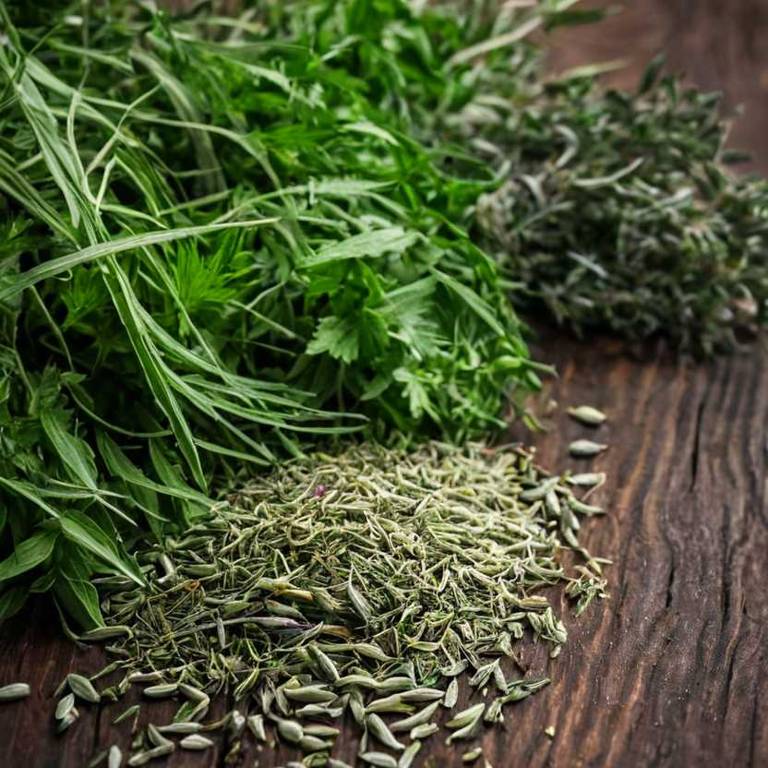
Antithyroid activity refers to the ability of certain substances to inhibit the production or release of thyroid hormones, which can help manage conditions like hyperthyroidism. Herbs such as Pimpinella aromatica, Thymus vulgaris, and Allium ampeloprasum exhibit this biological activity by suppressing thyroid function.

Associated herbs: 397

Occurs naturally in

Pimpinella aromatica

Thymus vulgaris
Allium ampeloprasum

View all Antithyroid herbs →

Antithyrotoxic

Antithyrotoxic activity refers to the ability of certain substances to inhibit the production or release of thyroid hormones, thereby reducing thyroid function. Herbs such as Rhus glabra, Allium ampeloprasum, and Lepidium meyenii exhibit this biological activity, which can be utilized in managing hyperthyroidism but must be monitored to avoid inducing hypothyroidism.

Associated herbs: 106

Occurs naturally in

Rhus glabra

Allium ampeloprasum

Lepidium meyenii

View all Antithyrotoxic herbs →

Antitic

Antitic activity refers to the biological ability of certain substances to inhibit the growth or survival of infectious agents, such as bacteria, fungi, or parasites. Several medicinal herbs exhibit this property, including species such as Pimpinella aromatica, Erythrina fusca, and Rhus glabra.

Associated herbs: 562

Occurs naturally in

Pimpinella aromatica

Erythrina fusca

Rhus glabra

View all Antitic herbs →

Antitinnitic

Antitinnitus refers to the biological activity of substances used to alleviate or reduce the perception of ringing, buzzing, or other phantom noises in the ears. Various medicinal herbs exhibit this property, including species such as Pimpinella aromatica, Rhus glabra, and Thymus vulgaris.

Associated herbs: 382

Occurs naturally in

Pimpinella aromatica

Rhus glabra

Thymus vulgaris
View all Antitinnitic herbs →

Antitonsilitic

Antitonsillitic activity refers to the ability of medicinal herbs to reduce inflammation, alleviate pain, and combat infections within the tonsils. Herbs such as Polygonum aviculare, Urtica spicata, and Persicaria hydroper exhibit these properties, helping to soothe the throat and clear bacterial or viral pathogens.

Associated herbs: 44

Occurs naturally in

Polygonum aviculare

Urtica spatulata

Persicaria hydropiper

View all Antitonsilitic herbs →

Antitopoisomerase-II

Antitopoisomerase-II activity refers to the ability of certain compounds to inhibit the enzyme topoisomerase II, which is essential for DNA replication and cell division. By preventing this enzyme from managing DNA tangles, these substances can effectively arrest the growth of rapidly dividing cells, such as those in tumors. Herbs such as Centaurium benedictum and Arctium lappa have demonstrated this biological activity, contributing to their potential anticancer properties.
Associated herbs: 2

Occurs naturally in

Centaurea benedicta

Arctium lappa

View all Antitopoisomerase-II herbs →

Antitorticollic

Antitorticollis refers to the biological ability of certain medicinal herbs to relieve spasms and muscle contractions in the neck, often helping to alleviate "wry neck" or torticollis. Herbs such as Papaver somniferum exhibit this activity through their sedative and muscle-relaxant properties, which help soothe involuntary muscular tension.

Associated herbs: 3

Occurs naturally in

Triticum aestivum

Solanum tuberosum

Papaver somniferum

View all Antitorticollic herbs →

Antitourette

Antitoureteric activity refers to the ability of certain medicinal substances to reduce excessive urinary frequency or alleviate irritation within the urinary tract. Herbs such as Juglans nigra, Urtica spicata, and Carica papaya are recognized for possessing these properties, helping to stabilize bladder function.

Associated herbs: 14

Occurs naturally in

Juglans nigra

Urtica spatulata

Carica papaya

View all Antitourette herbs →

Antitoxemic

Antitoxemic activity refers to the ability of a substance to counteract, neutralize, or prevent the harmful effects of toxins within a biological system. Herbs such as Foeniculum vulgare, Helianthus annuus, and Medicago sativa exhibit this property by helping to mitigate the impact of poisonous substances on the body.

Associated herbs: 35

Occurs naturally in

Foeniculum vulgare

Helianthus annuus

Medicago sativa

View all Antitoxemic herbs →

Antitoxin

Antitoxin activity refers to the ability of a substance to neutralize or counteract the harmful effects of toxins produced by bacteria, venom, or environmental pollutants. For example, herbs such as Piper betle exhibit this biological activity by helping to detoxify harmful substances within the body.

Associated herbs: 1

Occurs naturally in

Piper betle

View all Antitoxin herbs →