Explore herbs biological activities

  • 11249 Plants
  • |
  • 30137 Compounds
  • |
  • 1951 Activities
  • |
  • 132161 Studies

Explore Herbs


Alphabet


Biological Activity

View all →

Bioactive Compounds

View all →

List of herbs biological activities

Showing 1057-1104 out of 1951 results

Antiproteinigenic

Antiproteinigenic activity refers to the ability of certain substances to inhibit the digestion of proteins by interfering with digestive enzymes like pepsin or trypsin. Herbs such as Dianthus caryophyllus, Carapecia ipecacuanha, and Narcissus tazetta exhibit this property, which can help regulate protein absorption in the digestive tract.

Associated herbs: 11

Occurs naturally in

Dianthus caryophyllus
Carapichea ipecacuanha
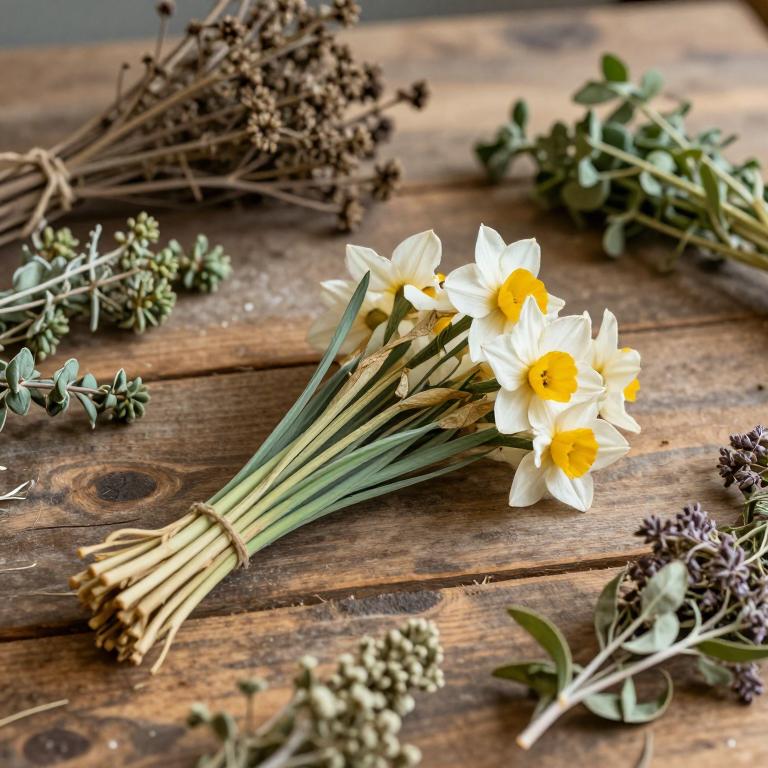
Narcissus tazetta
View all Antiproteinigenic herbs →

Antipseudomonic

Antipseudomonic activity refers to the ability of a substance to inhibit the growth or survival of Pseudomonas aeruginosa, a common and often multidrug-resistant opportunistic pathogen. Various medicinal herbs, such as Pimpinella aromatica, Cinnamomum aromaticum, and Apium graveolens, exhibit this biological activity through their bioactive compounds.

Associated herbs: 19

Occurs naturally in

Pimpinella aromatica

Cinnamomum aromaticum

Apium graveolens

View all Antipseudomonic herbs →

Antipsittacotic

Antipsychotic biological activity refers to the ability of certain medicinal herbs to alleviate symptoms of psychosis, such as hallucinations, delusions, or disorganized thinking, by modulating neurotransmitter systems in the brain. Examples of herbs that may exhibit these calming or neuroprotective effects include Thymus vulgaris, Cinnamomum aromaticum, and Peumus boldus.

Associated herbs: 47

Occurs naturally in

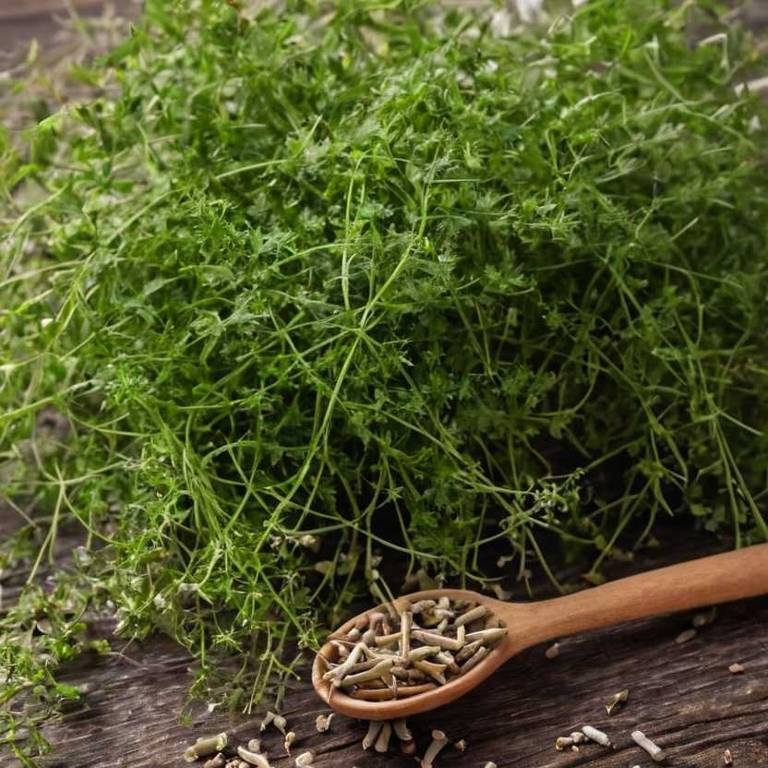
Thymus vulgaris

Cinnamomum aromaticum

Peumus boldus

View all Antipsittacotic herbs →

Antipsoriac

Antipsoriatic activity refers to the ability of certain medicinal herbs to alleviate the symptoms of psoriasis by reducing skin inflammation, slowing excessive cell turnover, and soothing irritated lesions. Examples of plants exhibiting this biological activity include Pimpinella aromatica, Erythrina fusca, and Thymus vulgaris.

Associated herbs: 581

Occurs naturally in

Pimpinella aromatica

Erythrina fusca

Thymus vulgaris

View all Antipsoriac herbs →

Antipulmonotic

Antipulmonic activity refers to the ability of a substance to relieve or prevent respiratory distress, such as coughing, bronchospasms, or inflammation within the lungs. This biological function is often exhibited by medicinal herbs like Thymus vulgaris, Mentha canadensis, and Scrophularia scorodonica, which help soothe the airways and facilitate easier breathing.

Associated herbs: 37

Occurs naturally in

Thymus vulgaris

Mentha canadensis

Scrophularia scorodonia

View all Antipulmonotic herbs →

Antipurpuric

Antipurpuric activity refers to the ability of a substance to reduce or prevent the appearance of purpura, which are purple spots on the skin caused by internal bleeding from broken capillaries. Medicinal herbs such as Pimpinella aromatica, Erythroxylum novogranatense, and Rheum officinale exhibit this property by helping to strengthen blood vessels and reduce subcutaneous hemorrhaging.

Associated herbs: 205

Occurs naturally in

Pimpinella aromatica

Erythroxylum novogranatense

Rheum officinale

View all Antipurpuric herbs →

Antipyorrheic

Antipyretic activity refers to the ability of a substance to reduce fever by lowering the body's elevated temperature to a normal level. Many medicinal plants possess this property, such as Azadirachta indica (Neem), which is frequently used to manage febrile conditions.
Associated herbs: 1

Occurs naturally in

Azadirachta indica

View all Antipyorrheic herbs →

Antipyruvetic

Antipyretic activity refers to the ability of a substance to reduce fever by acting on the body's temperature-regulating mechanisms in the hypothalamus. Several medicinal herbs exhibit this property, including Santalum album, Cinnamomum aromaticum, and Pinus sylvestris.

Associated herbs: 37

Occurs naturally in

Santalum album

Cinnamomum aromaticum

Pinus sylvestris

View all Antipyruvetic herbs →

Antirabies

Certain medicinal herbs possess anti-rabies properties, which refers to their ability to inhibit the replication of the rabies virus or mitigate the neurological damage caused by the infection. Examples of plants documented for this biological activity include Helianthus annuus, Ceiba pentandra, and Abelmoschus esculentus.

Associated herbs: 5

Occurs naturally in

Helianthus annuus

Ceiba pentandra

Abelmoschus esculentus

View all Antirabies herbs →

Antirachitic

Antirachitic activity refers to the ability of a substance to prevent or treat rickets, a condition caused by a deficiency in vitamin D or calcium that leads to soft and weak bones. Herbs such as Theobroma cacao exhibit this property by providing essential nutrients that support bone mineralization and skeletal health.

Associated herbs: 1

Occurs naturally in

Theobroma cacao

View all Antirachitic herbs →

Antiradicular

Antiradicular activity refers to the ability of a substance to inhibit or counteract the harmful effects of ionizing radiation on living cells. Herbs such as Cuscuta europaea, Pimpinella aromatica, and Sarracenia flava exhibit this biological property, potentially offering protective benefits against radiation-induced damage.

Associated herbs: 947

Occurs naturally in

Cuscuta europaea

Pimpinella aromatica

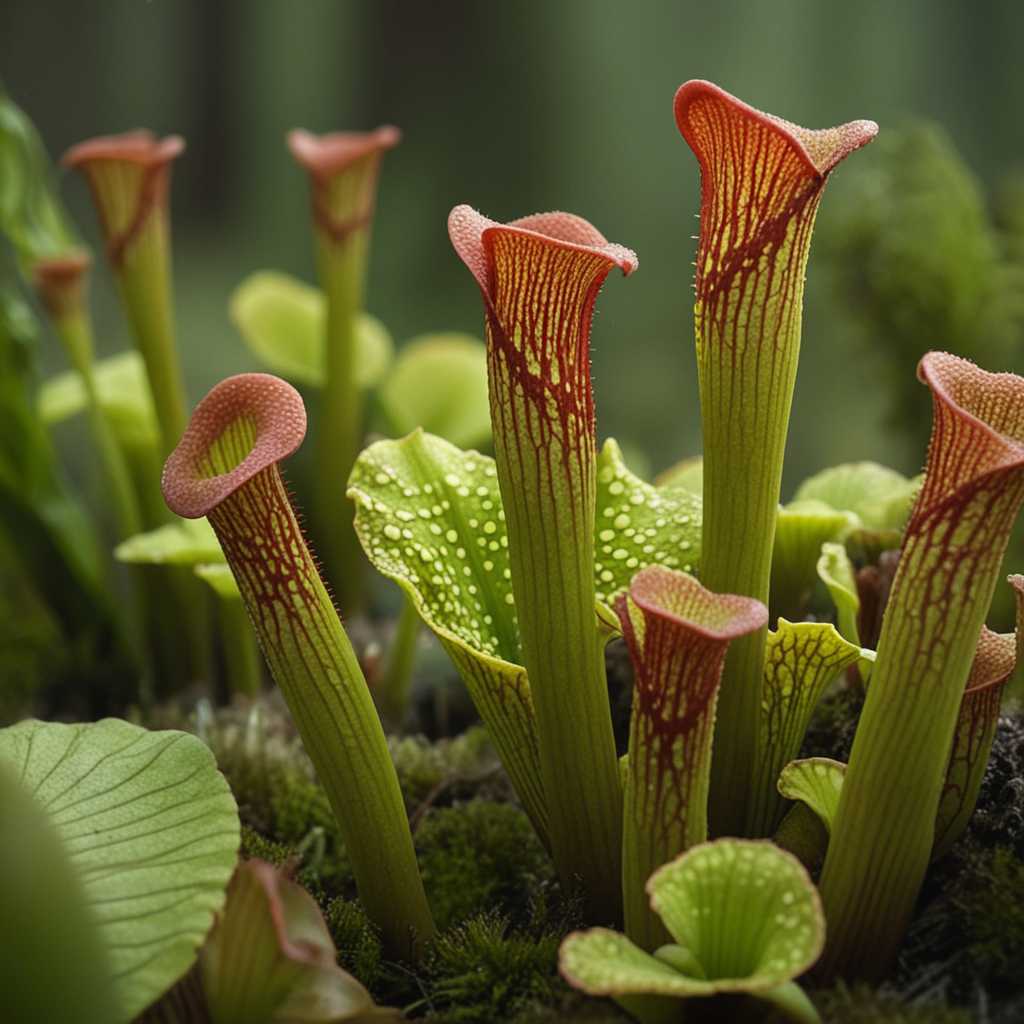
Sarracenia flava

View all Antiradicular herbs →

Antiraucedo

Antiraucedo refers to the biological activity of medicinal herbs used to suppress or relieve coughing. Examples of plants exhibiting this property include Panax quinquefolius and Aesculus hippocastanum.

Associated herbs: 2

Occurs naturally in

Panax quinquefolius

Aesculus hippocastanum

View all Antiraucedo herbs →

Antirenitic

An antiemetic is a substance that prevents, relieves, or reduces the sensation of nausea and vomiting. Herbs such as Cuscuta europaea, Rhus glabra, and Croton eluteria possess this biological activity and can be used to manage gastrointestinal distress.

Associated herbs: 317

Occurs naturally in

Cuscuta europaea

Rhus glabra

Croton eluteria

View all Antirenitic herbs →

Antireproductive

Antireproductive activity refers to the ability of certain herbal compounds to interfere with the reproductive system, often by inhibiting fertility, disrupting hormonal balance, or preventing conception. Examples of herbs demonstrating this biological activity include Foeniculum vulgare, Apium graveolens, and Sassafras albidum.

Associated herbs: 9

Occurs naturally in

Foeniculum vulgare

Apium graveolens

Sassafras albidum

View all Antireproductive herbs →

Antireserpine

Antireserpine activity refers to the ability of a substance to counteract the effects of reserpine, a compound that depletes monoamines like dopamine and serotonin in the central nervous system. Herbs exhibiting this biological activity can help restore neurotransmitter levels, providing potential therapeutic benefits for neurological or emotional regulation. Examples of plants possessing this property include Juglans nigra, Euphorbia latyris, and Urtica spicata.

Associated herbs: 13

Occurs naturally in

Juglans nigra

Euphorbia lathyris

Urtica spatulata

View all Antireserpine herbs →

Antirespirotic

Antirespiratory activity refers to the ability of a substance to inhibit or reduce excessive inflammatory responses and hypersensitivity within the respiratory tract. Herbs such as Brassica oleracea exhibit this property by helping to mitigate airway inflammation and alleviate symptoms associated with respiratory distress.

Associated herbs: 1

Occurs naturally in

Brassica oleracea

View all Antirespirotic herbs →

Antiretardation

Antiretardation refers to the biological ability of certain substances to prevent or slow down the inhibition of growth, development, or cellular processes. Herbs such as Allium ampeloprasum, Lepidium meyenii, and Melia azedarach exhibit this activity by promoting physiological progress and counteracting developmental delays.

Associated herbs: 160

Occurs naturally in

Allium ampeloprasum

Lepidium meyenii

Melia azedarach

View all Antiretardation herbs →

Antiretinitic Optometry

Antiretinic optometry refers to the biological ability of certain plant compounds to protect the retina from oxidative damage and prevent degenerative changes in visual function. Herbs such as Tagetes erecta, Oryza sativa, and Prunus persica exhibit this activity by providing essential antioxidants like lutein and zeaxanthin that safeguard ocular health.

Associated herbs: 61

Occurs naturally in

Tagetes erecta

Oryza sativa

Prunus persica

View all Antiretinitic Optometry herbs →

Antiretinopathic

Antiretinopathic activity refers to the ability of certain substances to protect the retina from damage caused by oxidative stress, inflammation, or degeneration. Herbs such as Pimpinella aromatica, Rhus glabra, and Thymus vulgaris exhibit this protective effect by preserving retinal integrity and supporting visual function.

Associated herbs: 407

Occurs naturally in

Pimpinella aromatica

Rhus glabra

Thymus vulgaris

View all Antiretinopathic herbs →

Antiretinopathic?

Antiretinopathic activity refers to the ability of a substance to protect the retina from damage caused by oxidative stress, aging, or degenerative diseases. Herbs such as Foeniculum vulgare, Helianthus annuus, and Medicago sativa exhibit this property by providing antioxidants that help maintain visual acuity and prevent retinal degeneration.

Associated herbs: 35

Occurs naturally in

Foeniculum vulgare

Helianthus annuus

Medicago sativa

View all Antiretinopathic? herbs →

Antiretinotic

Antiretiotic activity refers to the ability of a substance to inhibit the replication of retroviruses, which are a class of viruses that integrate their genetic material into the host cell's DNA. Medicinal herbs such as Pimpinella aromatica, Erythrina fusca, and Thymus vulgaris exhibit this property, potentially offering natural pathways for managing retroviral infections.

Associated herbs: 416

Occurs naturally in

Pimpinella aromatica

Erythrina fusca

Thymus vulgaris

View all Antiretinotic herbs →

Antirheumatalgic

Antirheumatalgic activity refers to the ability of a substance to reduce pain, inflammation, and stiffness associated with rheumatic conditions like arthritis. Various medicinal herbs, such as Micromeria varia, exhibit this property by helping to alleviate joint discomfort and improve mobility.

Associated herbs: 283

Occurs naturally in

Micromeria ericifolia

Elsholtzia pilosa

Eucalyptus siderophloia

View all Antirheumatalgic herbs →

Antirheumatitic?

An antirheumatic biological activity refers to the ability of a substance to reduce inflammation, alleviate pain, and prevent joint damage associated with rheumatic diseases. Various medicinal plants exhibit these properties, such as Annona muricata, Oryza sativa, and Prunus persica, which contain bioactive compounds that help manage joint swelling and stiffness.

Associated herbs: 101

Occurs naturally in

Annona muricata

Oryza sativa

Prunus persica

View all Antirheumatitic? herbs →

Antirhinitic

Antirrhinitic activity refers to the ability of a substance to reduce or prevent the inflammation of the nasal mucosa, thereby relieving symptoms like sneezing and nasal congestion. Various medicinal herbs exhibit this property, including species such as Elsholtzia ciliata, Pimpinella aromatica, and Elsholtzia pilosa.

Associated herbs: 610

Occurs naturally in

Elsholtzia ciliata

Pimpinella aromatica

Elsholtzia pilosa

View all Antirhinitic herbs →

Antirhinoviral

Antirhinoviral activity refers to the ability of certain substances to inhibit the replication or spread of rhinoviruses, which are the primary cause of the common cold. Medicinal herbs such as Pimpinella aromatica, Thymus vulgaris, and Teucrium kotschyanum exhibit this biological activity, helping to reduce the severity and duration of viral infections.

Associated herbs: 109

Occurs naturally in

Pimpinella aromatica

Thymus vulgaris

Teucrium kotschyanum

View all Antirhinoviral herbs →

Antiribosomal

Antiribosomal activity refers to the ability of a compound to inhibit protein synthesis by binding to and disrupting the function of ribosomes within a cell. This mechanism is often used to combat bacterial or viral infections, as seen in medicinal herbs like Dianthus caryophyllus.

Associated herbs: 1

Occurs naturally in

Dianthus caryophyllus

View all Antiribosomal herbs →

Antisalmonella

Antisalmonella activity refers to the ability of certain medicinal plants to inhibit the growth or survival of Salmonella bacteria, which are common causes of food poisoning and gastrointestinal infections. For instance, herbs such as Micromeria varia exhibit this biological activity by utilizing specific phytochemicals to disrupt the bacterial cells.

Associated herbs: 491

Occurs naturally in

Micromeria ericifolia

Pimpinella aromatica

Elsholtzia pilosa

View all Antisalmonella herbs →

Antisarcoidosic

Antisarcoidosic activity refers to the ability of a substance to inhibit or reduce the progression of sarcoidosis, a disease characterized by the formation of granulomas in various organs. Herbs such as Hydnocarpus kurzii exhibit this biological activity, potentially helping to mitigate the inflammatory response associated with the condition.

Associated herbs: 1

Occurs naturally in

Hydnocarpus kurzii

View all Antisarcoidosic herbs →

Antisarcoma

Antisarcoma activity refers to the ability of certain medicinal substances to inhibit the growth, proliferation, or spread of sarcomas, which are malignant tumors arising from connective tissues. Herbs such as Alpinia galanga exhibit this biological activity by utilizing bioactive compounds that can induce apoptosis or disrupt the cell cycle in cancer cells.

Associated herbs: 1

Occurs naturally in

Alpinia galanga

View all Antisarcoma herbs →

Antisarcomic

Antisarcomic activity refers to the ability of certain medicinal herbs to inhibit the growth, proliferation, or spread of sarcomas, which are malignant tumors arising from connective tissues. Herbs such as Thymus vulgaris, Allium ampeloprasum, and Simaba orinocensis have demonstrated these properties by interfering with the cellular mechanisms of cancerous growth.

Associated herbs: 140

Occurs naturally in

Thymus vulgaris

Allium ampeloprasum

Simaba orinocensis

View all Antisarcomic herbs →

Antiscabic

Antiscabic activity refers to the ability of a substance to treat or prevent scabies, a skin infestation caused by the microscopic mite Sarcoptes scabiei. Many medicinal herbs possess this property, such as Azadirachta indica (Neem), which contains bioactive compounds that kill the mites and soothe skin irritation.

Associated herbs: 1

Occurs naturally in

Azadirachta indica

View all Antiscabic herbs →

Antiscabies

Antiscabies activity refers to the ability of certain medicinal plants to eliminate or prevent Sarcoptes scabiei mites and reduce the skin inflammation they cause. Examples of herbs exhibiting this biological activity include Pachyrhizus erosus and several species of neem (Azadirachta indica).

Associated herbs: 1

Occurs naturally in

Pachyrhizus erosus

View all Antiscabies herbs →

Antischistosomiac

Antischistosomal activity refers to the ability of certain medicinal herbs to combat infection caused by Schistosoma parasites, which inhabit the blood vessels of their hosts. Examples of plants exhibiting this biological activity include Zingiber officinale (ginger) and Aframomum melegueta (alligator pepper).

Associated herbs: 2

Occurs naturally in

Zingiber officinale

Aframomum melegueta

View all Antischistosomiac herbs →

Antischizophrenic

Antipsychotic biological activity refers to the ability of certain medicinal herbs to modulate neurotransmitter systems, such as dopamine and serotonin, to alleviate the hallucinations and delusions associated with schizophrenia. Examples of plants exhibiting these potential therapeutic effects include Rauvolfia serpentina, Thymus vulgaris, and Allium ampeloprasum.

Associated herbs: 76

Occurs naturally in

Thymus vulgaris

Allium ampeloprasum

Rauvolfia serpentina

View all Antischizophrenic herbs →

Antisciatic

Antisciaitic activity refers to the ability of a substance to reduce or prevent the formation of sciatica, a condition characterized by sharp, radiating pain along the sciatic nerve. Herbs such as Cinchona officinalis and Melanopsiidium nigrum exhibit this biological activity by helping to alleviate the inflammation and nerve irritation associated with the disorder.

Associated herbs: 2

Occurs naturally in

Cinchona officinalis

Melanopsidium nigrum

View all Antisciatic herbs →

Antisclerodermic

Antisclerodermic activity refers to the ability of a substance to inhibit or reduce the progression of scleroderma, a condition characterized by the excessive hardening and thickening of the skin and connective tissues. Various medicinal herbs, such as Melia azedarach, Oryza sativa, and Trigonella foenum-graecum, are studied for their potential to mitigate these fibrotic processes.

Associated herbs: 54

Occurs naturally in

Melia azedarach

Oryza sativa

Trigonella foenum-graecum

View all Antisclerodermic herbs →

Antiscleromyxoedemic

Antiscleromyxoedeemic activity refers to the ability of a substance to inhibit or reduce the pathological accumulation of excess connective tissue and mucin in body tissues. Herbs such as Pimpinella aromatica, Foeniculum vulgare, and Chenopodium album are noted for possessing this biological property.

Associated herbs: 23

Occurs naturally in

Pimpinella aromatica

Foeniculum vulgare

Chenopodium album

View all Antiscleromyxoedemic herbs →

Antiscoliotic

Antiscoliotic activity refers to the ability of certain medicinal herbs to inhibit or kill Schistosoma parasites, which are responsible for causing schistosomiasis infections in humans. Herbs such as Thymus vulgaris, Allium ampeloprasum, and Annona muricata demonstrate this biological property by disrupting the life cycle or physiological functions of these trematode worms.

Associated herbs: 141

Occurs naturally in

Thymus vulgaris

Allium ampeloprasum

Annona muricata

View all Antiscoliotic herbs →

Antiscotomic

Antiscotomic activity refers to the ability of a substance to inhibit the development or spread of scotoma, which is a localized area of diminished vision or a "blind spot" in the visual field. Various medicinal herbs, such as Erythrina fusca, Thymus vulgaris, and Allium ampeloprasum, exhibit these properties, potentially aiding in the protection or restoration of visual function.

Associated herbs: 355

Occurs naturally in

Erythrina fusca

Thymus vulgaris

Allium ampeloprasum

View all Antiscotomic herbs →

Antiseborrheic

Antiborrheic activity refers to the ability of certain medicinal herbs to reduce or control excessive diarrhea by slowing intestinal motility or increasing stool consistency. Herbs such as Allium ampeloprasum, Annona muricata, and Lepidium meyenii exhibit these properties, helping to restore normal digestive function.

Associated herbs: 279

Occurs naturally in

Allium ampeloprasum

Annona muricata

Lepidium meyenii

View all Antiseborrheic herbs →

Antisenility

Antisenility refers to the biological capacity of certain substances to delay or mitigate the progressive decline of cognitive and physiological functions associated with aging. Herbs such as Foeniculum vulgare, Helianthus annuus, and Medicago sativa exhibit this activity by helping to protect neural pathways and reduce age-related cellular damage.

Associated herbs: 35

Occurs naturally in

Foeniculum vulgare

Helianthus annuus

Medicago sativa

View all Antisenility herbs →

Antiseratogenic

Antiseratogenic activity refers to the ability of a substance to inhibit the formation of chylomicrons, thereby reducing the transport of dietary lipids from the intestines to the bloodstream. Herbs such as Zingiber officinale (ginger) exhibit this property, helping to prevent postprandial hyperlipidemia and manage cholesterol levels.

Associated herbs: 1

Occurs naturally in

Zingiber officinale

View all Antiseratogenic herbs →

Antiserotonergic

Antiserotonergic activity refers to the biological process where a substance inhibits the synthesis, release, or binding of serotonin, thereby modulating mood and neurological signaling. Herbs such as Ilex paraguariensis, Firmiana simplex, and Coffea arabica exhibit this activity, potentially helping to regulate emotional states and sleep patterns.

Associated herbs: 13

Occurs naturally in

Ilex paraguariensis

Firmiana simplex

Coffea arabica

View all Antiserotonergic herbs →

Antiserotonic

Antiserotonergic activity refers to the ability of a substance to inhibit the synthesis, release, or binding of serotonin, thereby modulating mood and neurological signaling. Herbs such as Scutellaria baicalensis, Perilla frutescens, and Daucus carota exhibit these properties, which may help in managing conditions like anxiety or sleep disorders.

Associated herbs: 19

Occurs naturally in

Daucus carota

Scutellaria baicalensis

Perilla frutescens

View all Antiserotonic herbs →

Antiserotonin

Antiserotonin activity refers to the biological ability of certain compounds to inhibit the synthesis, release, or binding of serotonin, thereby modulating mood, pain perception, and gastrointestinal motility. Medicinal herbs such as Thymus vulgaris, Allium ampeloprasum, and Rheum officinale exhibit these properties through bioactive constituents that interact with the serotonergic system.

Associated herbs: 276

Occurs naturally in

Thymus vulgaris

Allium ampeloprasum

Rheum officinale

View all Antiserotonin herbs →

Antiserotoninergic

Antiserotonergic activity refers to the ability of a substance to inhibit or reduce the effects of serotonin, a neurotransmitter that regulates mood, sleep, and appetite. Herbs possessing this property, such as Nardostachys jatamansi, are often studied for their potential to treat anxiety and sleep disorders by modulating serotonergic signaling in the brain.

Associated herbs: 1

Occurs naturally in

Nardostachys jatamansi

View all Antiserotoninergic herbs →

Antiserotoninic

Antiserotonergic activity refers to the ability of a substance to inhibit or reduce the effects of serotonin, thereby modulating mood, anxiety, or gastrointestinal motility. Herbs such as Hibiscus syriacus, Trigonella foenum-graecum, and Crataegus monogyna exhibit this biological activity, potentially acting as natural regulators of the serotonergic system.

Associated herbs: 27

Occurs naturally in

Hibiscus syriacus

Trigonella foenum-graecum

Crataegus monogyna

View all Antiserotoninic herbs →

Antishigellic

Antishigellic activity refers to the ability of certain medicinal herbs to inhibit the growth or pathogenicity of Shigella, the bacteria responsible for causing bacillary dysentery. Herbs such as Berberis aquifolium, Podophyllum peltatum, and Trigonella foenum-graecum exhibit this property, making them effective natural agents in managing intestinal infections.

Associated herbs: 46

Occurs naturally in

Berberis aquifolium

Podophyllum peltatum

Trigonella foenum-graecum

View all Antishigellic herbs →