Explore herbs biological activities

  • 11249 Plants
  • |
  • 30137 Compounds
  • |
  • 1951 Activities
  • |
  • 132161 Studies

Explore Herbs


Alphabet


Biological Activity

View all →

Bioactive Compounds

View all →

List of herbs biological activities

Showing 1009-1056 out of 1951 results

Antipapillomic

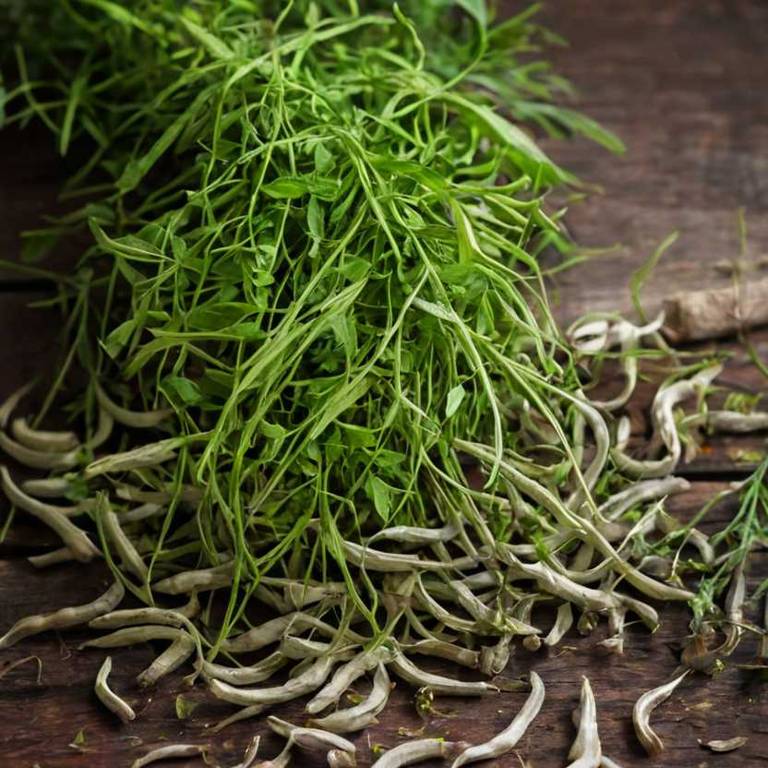
Antipapilloma activity refers to the ability of certain substances to inhibit the growth, proliferation, or survival of papilloma viruses and the abnormal cellular growths they induce. Herbs such as Erythrina fusca, Thymus vulgaris, and Allium ampeloprasum exhibit this biological property, demonstrating potential in preventing or managing viral-induced lesions.

Associated herbs: 373

Occurs naturally in
Erythrina fusca
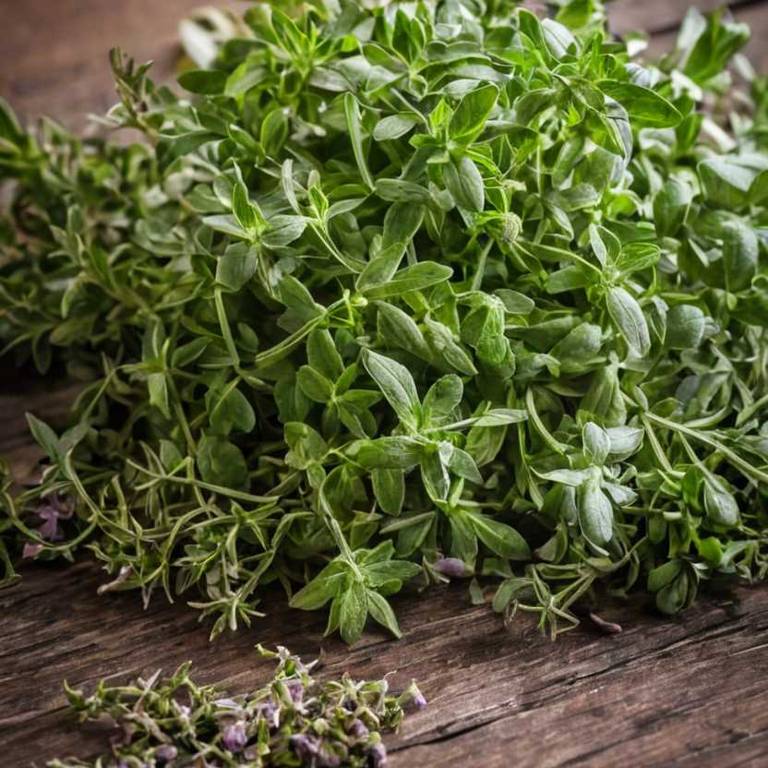
Thymus vulgaris
Allium ampeloprasum
View all Antipapillomic herbs →

Antiparaesthesic

Antiparesthesia refers to the biological ability of a substance to alleviate abnormal sensations such as tingling, numbness, or "pins and needles" caused by nerve dysfunction. Medicinal herbs such as Rauvolfia serpentina, Catharanthus lanceus, and Aspidosperma quebracho-blanco exhibit this activity by helping to stabilize nerve signaling and reduce sensory disturbances.

Associated herbs: 7

Occurs naturally in

Rauvolfia serpentina

Catharanthus lanceus

Aspidosperma quebracho-blanco

View all Antiparaesthesic herbs →

Antiparotitic

Antiparoititic activity refers to the ability of a substance to inhibit or reduce the hypersecretion of saliva from the parotid glands. Certain medicinal herbs, such as Pimpinella aromatica, Erythrina fusca, and Thymus vulgaris, exhibit this biological property and can be used to manage excessive salivation.

Associated herbs: 399

Occurs naturally in

Pimpinella aromatica

Erythrina fusca

Thymus vulgaris

View all Antiparotitic herbs →

Antiparylytic

Antipyretic activity refers to the ability of a substance to reduce fever by lowering the body's elevated temperature to a normal range. Many medicinal herbs exhibit this effect, such as Phyllanthus amarus, which can help mitigate fever through its bioactive compounds.

Associated herbs: 1

Occurs naturally in

Phyllanthus amarus

View all Antiparylytic herbs →

Antipellagric

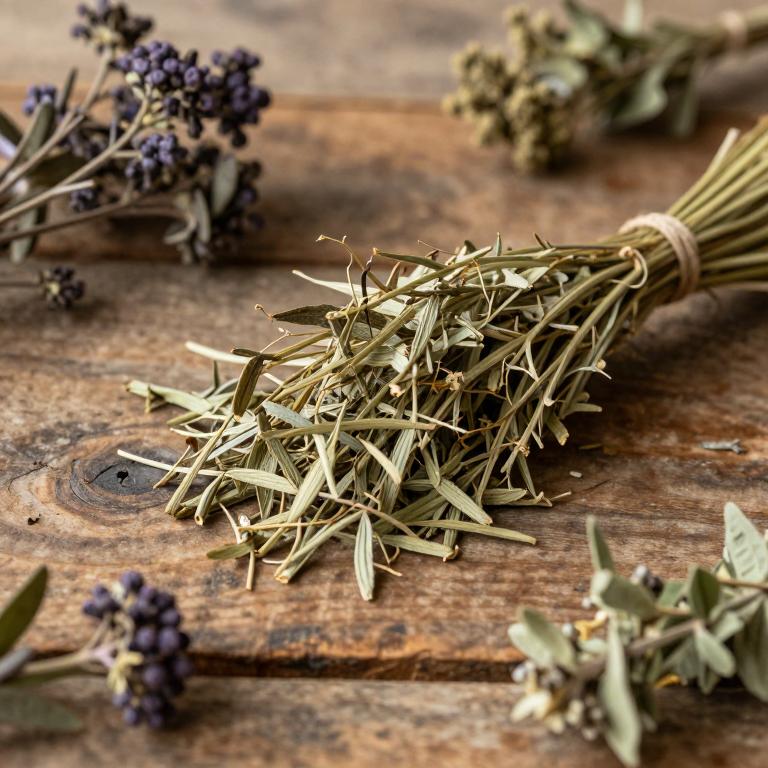
Antipellagric activity refers to the ability of certain medicinal herbs to help prevent or treat pellagra, a disease caused by a deficiency of niacin (vitamin B3). Herbs such as Erythrina fusca, Thymus vulgaris, and Allium ampeloprasum exhibit this biological activity by providing essential nutrients or metabolic support that aids in maintaining healthy niacin levels.

Associated herbs: 388

Occurs naturally in

Erythrina fusca

Thymus vulgaris

Allium ampeloprasum
View all Antipellagric herbs →

Antipelvitic

Antipelvitic activity refers to the ability of certain medicinal substances to reduce inflammation, congestion, or pathological processes occurring within the pelvic region. Herbs such as Scutellaria baicalensis, Scutellaria galericulata, and Andrographis paniculata exhibit these properties, helping to alleviate pelvic discomfort or infections.

Associated herbs: 4

Occurs naturally in

Scutellaria baicalensis

Scutellaria galericulata

Andrographis paniculata

View all Antipelvitic herbs →

Antipeptic

Antipeptic activity refers to the ability of medicinal herbs to inhibit or regulate the excessive secretion of gastric acid and protect the stomach lining from ulceration. Herbs such as Eucalyptus siderophloia, Ferula gummosa, and Cinnamomum aromaticum exhibit this property by helping to balance digestive juices and alleviate symptoms of gastritis or peptic ulcers.

Associated herbs: 192

Occurs naturally in

Eucalyptus siderophloia

Ferula gummosa

Cinnamomum aromaticum

View all Antipeptic herbs →

Antipericarditis

Antipericarditis refers to the biological activity of reducing inflammation of the pericardium, which is the protective sac surrounding the heart. Herbs such as Colchicum autumnale and Gloriosa superba exhibit this effect by utilizing active alkaloids to inhibit the inflammatory processes associated with pericardial disease.

Associated herbs: 2

Occurs naturally in

Colchicum autumnale

Gloriosa superba

View all Antipericarditis herbs →

Antiperiodontal

Antiperiodontal activity refers to the ability of certain substances to inhibit the progression of periodontal disease by reducing inflammation and combating the bacteria responsible for gum tissue destruction. Herbs such as Pimpinella aromatica, Magnolia denudata, and Acacia melanoxylon exhibit this property, helping to protect the supporting structures of the teeth.

Associated herbs: 285

Occurs naturally in

Pimpinella aromatica

Magnolia denudata

Acacia melanoxylon

View all Antiperiodontal herbs →

Antiperiodontic

Antiperiodontic activity refers to the ability of a substance to inhibit the inflammation, bacterial growth, and tissue destruction associated with periodontal disease. Medicinal herbs such as Pimpinella aromatica, Elsholtzia pilosa, and Thymus vulgaris exhibit this property by helping to protect the gums and prevent the breakdown of supporting bone and tissues.

Associated herbs: 371

Occurs naturally in

Pimpinella aromatica

Elsholtzia pilosa

Thymus vulgaris

View all Antiperiodontic herbs →

Antiperiodontitic

Antiperiodontitic activity refers to the ability of a substance to combat periodontitis by reducing inflammation, inhibiting bacterial growth, and preventing the destruction of the tissues supporting the teeth. Various medicinal herbs, such as Pimpinella aromatica, Erythrina fusca, and Rhus glabra, exhibit this property, making them potential natural agents for maintaining gum health.

Associated herbs: 644

Occurs naturally in

Pimpinella aromatica

Erythrina fusca

Rhus glabra

View all Antiperiodontitic herbs →

Antiperistaltic

Antiperistaltic activity refers to the ability of certain substances to slow down or reduce the rhythmic contractions of the intestinal muscles, thereby decreasing intestinal motility. This effect is often used therapeutically to relieve symptoms of diarrhea and hyperactive bowel movements. Examples of herbs possessing this biological activity include Pimpinella aromaticum, Thymus vulgaris, and Berberis aquifolium.

Associated herbs: 336

Occurs naturally in

Pimpinella aromatica

Thymus vulgaris

Berberis aquifolium

View all Antiperistaltic herbs →

Antipermeability

Antipermeability refers to the biological ability of certain compounds to inhibit or reduce the movement of substances across cellular or biological membranes. This activity is demonstrated by medicinal herbs such as Pimpinella aromatica, Magnolia denudata, and Melia azedarach, which contain bioactive constituents capable of modulating membrane permeability.

Associated herbs: 260

Occurs naturally in

Pimpinella aromatica

Magnolia denudata

Melia azedarach

View all Antipermeability herbs →

Antiperoxynitrite

Antiperoxynitrite activity refers to the ability of certain medicinal herbs to inhibit or neutralize peroxynitrite, a highly reactive and damaging molecule formed by the reaction of superoxide and nitric oxide. By scavenging this oxidant, these herbs help prevent oxidative stress and cellular damage, as seen in species such as Allium ampeloprasum, Foeniculum vulgare, and Helianthus annuus.

Associated herbs: 53

Occurs naturally in

Allium ampeloprasum

Foeniculum vulgare

Helianthus annuus

View all Antiperoxynitrite herbs →

Antipertussic

An antipertussic agent is a substance used to suppress or relieve a persistent, spasmodic cough. Several medicinal herbs exhibit this activity, including Solanum dulcamara, Mandragora officinarum, and Duboisia myoroides.

Associated herbs: 12

Occurs naturally in

Solanum dulcamara

Mandragora officinarum

Duboisia myoporoides

View all Antipertussic herbs →

Antipertussive

An antipertussive biological activity refers to the ability of a substance to suppress or relieve the urge to cough, particularly in cases of spasmodic or dry coughing. Medicinal herbs such as Pimpinella aromatica, Arbutus unedo, and Origanum majorana exhibit this property by soothing irritated airways or reducing cough reflexes.

Associated herbs: 13

Occurs naturally in

Pimpinella aromatica

Arbutus unedo

Origanum majorana

View all Antipertussive herbs →

Antiphagocytotic

Antiphagocytotic activity refers to the ability of a substance to inhibit phagocytosis, which is the process by which specialized immune cells engulf and destroy foreign particles or pathogens. Herbs such as Sinopeum acutum, Cissampelos pareira, and Botryдисchia tetrandra exhibit this activity, potentially helping to modulate inflammatory responses by regulating the cellular uptake of foreign materials.

Associated herbs: 4

Occurs naturally in

Sinomenium acutum

Cissampelos pareira

Botryodiscia tetrandra

View all Antiphagocytotic herbs →

Antipharyngitic

Antipharyngitic activity refers to the ability of a substance to reduce inflammation, irritation, and pain within the pharynx or throat area. Herbs such as Elsholtzia ciliata, Pimpinella aromatica, and Elsholtzia pilosa exhibit this property, helping to soothe throat infections and alleviate discomfort.

Associated herbs: 493

Occurs naturally in

Elsholtzia ciliata

Pimpinella aromatica

Elsholtzia pilosa

View all Antipharyngitic herbs →

Antiphenylketonuric

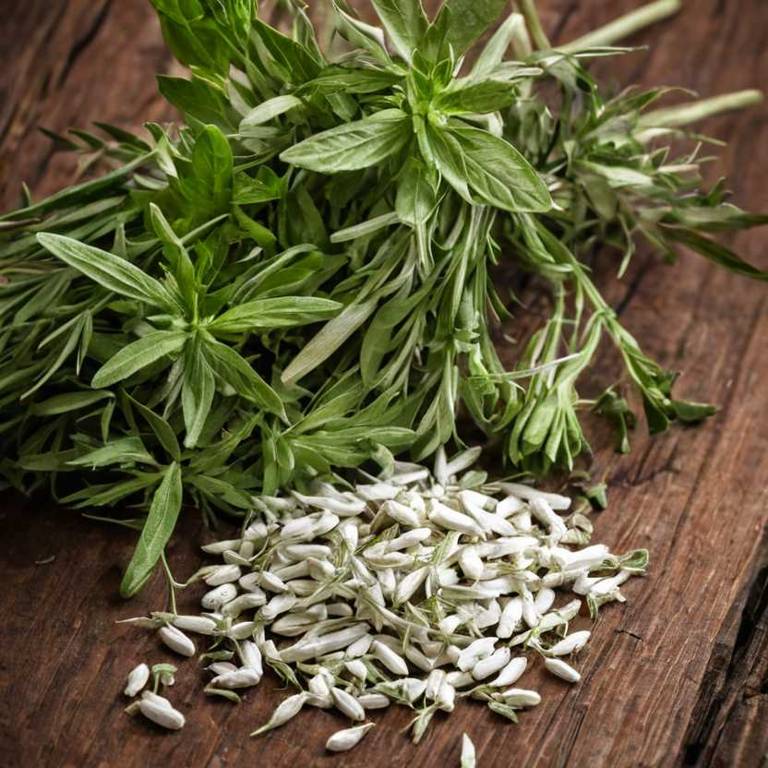
Antiphenylketonuric activity refers to the ability of certain substances to inhibit or counteract the harmful effects of phenylketonuria, a condition characterized by the body's inability to metabolize the amino acid phenylalanine. Herbs such as Thymus vulgaris, Allium ampeloprasum, and Annona muricata have been studied for their potential to modulate metabolic pathways associated with this disorder.

Associated herbs: 169

Occurs naturally in

Thymus vulgaris

Allium ampeloprasum
Annona muricata

View all Antiphenylketonuric herbs →

Antiphlebitic

Antiphlebitic activity refers to the ability of a substance to prevent or reduce the inflammation of a vein, which helps in preventing the formation of blood clots. Herbs such as Aesculus hippocastanum (Horse Chestnut) and Panax quinquefolius (American Ginseng) exhibit these properties by improving vascular tone and reducing venous congestion.

Associated herbs: 2

Occurs naturally in

Panax quinquefolius

Aesculus hippocastanum

View all Antiphlebitic herbs →

Antiphosphorylation

Antiphosphorylation refers to the biological process of inhibiting the addition of phosphate groups to proteins, thereby preventing the activation of specific signaling pathways and enzymes within a cell. This activity is often utilized to regulate cellular functions such as inflammation and cell proliferation, and it can be observed in medicinal herbs like Albizia lebbeck.

Associated herbs: 1

Occurs naturally in

Albizia lebbeck

View all Antiphosphorylation herbs →

Antiphotooxidative

Antiphotoxidative activity refers to the ability of a substance to prevent or minimize cellular damage caused by light-induced oxidative stress and the subsequent formation of free radicals. Herbs such as Berberis aquifolium, Podophyllum peltatum, and Berberis sheridiana exhibit this property, helping to protect biological tissues from light-triggered oxidation.

Associated herbs: 31

Occurs naturally in

Berberis aquifolium

Podophyllum peltatum

Berberis sheridaniana

View all Antiphotooxidative herbs →

Antiphotophobic

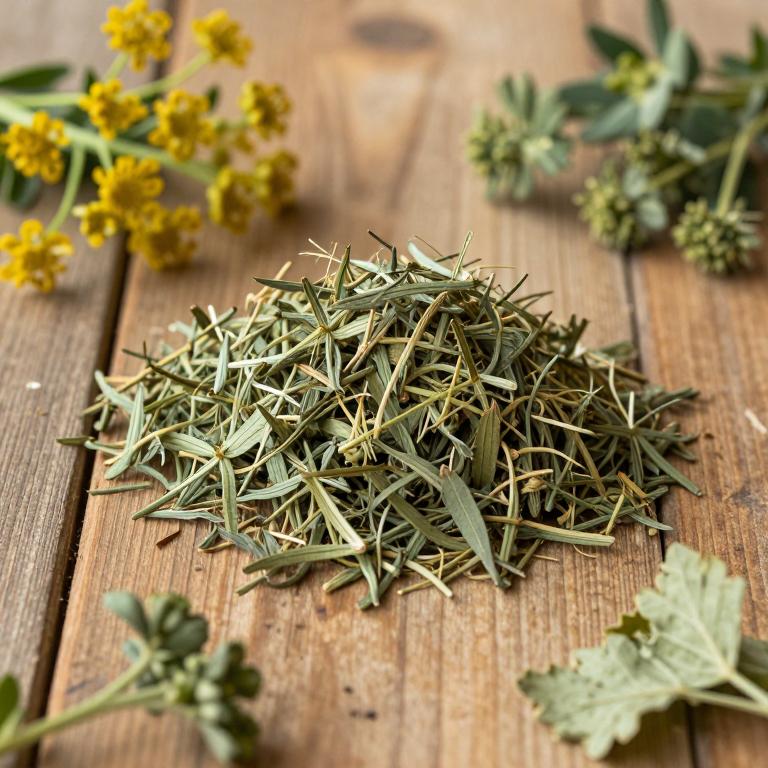
Antiphotophobic activity refers to the ability of certain medicinal substances to inhibit or reduce an abnormal sensitivity to light. Herbs such as Erythrina fusca, Thymus vulgaris, and Allium ampeloprasum exhibit this biological property, potentially aiding in the management of light-induced discomfort.

Associated herbs: 400

Occurs naturally in

Erythrina fusca

Thymus vulgaris

Allium ampeloprasum
View all Antiphotophobic herbs →

Antipityriasic

Antipityriasic activity refers to the ability of a substance to reduce or prevent the formation of scales and flakes on the scalp, effectively treating dandruff. Various medicinal herbs, such as Pimpinella aromatica, Erythrina fusca, and Thymus vulgaris, exhibit this property by helping to regulate skin cell turnover and soothe scalp irritation.

Associated herbs: 383

Occurs naturally in

Pimpinella aromatica

Erythrina fusca

Thymus vulgaris

View all Antipityriasic herbs →

Antiplantar

Antiplantar activity refers to the biological capacity of certain substances to inhibit the growth or proliferation of unwanted plant cells, often used to control vegetation or manage botanical development. Medicinal herbs such as Podophyllum peltatum, Humulus lupulus, and Apium graveolens exhibit these properties through specific phytochemical compounds that act as natural growth inhibitors.

Associated herbs: 12

Occurs naturally in

Podophyllum peltatum

Humulus lupulus

Apium graveolens

View all Antiplantar herbs →

Antiplaque?

Antiplaque activity refers to the ability of certain medicinal herbs to inhibit the formation and accumulation of bacterial biofilm on tooth surfaces, thereby preventing dental plaque buildup. Herbs such as Carica papaya, Daucus carota, and Spinacia oleracea exhibit this property by utilizing bioactive compounds to disrupt bacterial adhesion and reduce oral pathogens.

Associated herbs: 5

Occurs naturally in

Carica papaya

Daucus carota

Spinacia oleracea

View all Antiplaque? herbs →

Antipleuritic

Antipleuritic herbs possess the biological property of relieving or preventing pleurisy, which is the inflammation of the membranes surrounding the lungs. These medicinal plants are used to reduce chest pain and respiratory discomfort associated with such inflammatory conditions. Examples of herbs with this activity include Panax quinquefolius (American Ginseng) and Aesculus hippocastanum (Horse Chestnut).

Associated herbs: 2

Occurs naturally in

Panax quinquefolius

Aesculus hippocastanum

View all Antipleuritic herbs →

Antipodagric

Antipyrretic activity refers to the ability of a substance to reduce fever by lowering the body's elevated temperature set point in the hypothalamus. Various medicinal herbs exhibit this property, including species such as Cinnamomum aromaticum, Clea ternifolia, and Polygonum aviculare.

Associated herbs: 67

Occurs naturally in

Cinnamomum aromaticum

Calea ternifolia

Polygonum aviculare

View all Antipodagric herbs →

Antipodriac

Antipodriaic activity refers to the ability of certain medicinal herbs to alleviate or prevent the symptoms of podagra, which is a painful form of inflammatory arthritis often caused by high uric acid levels. Herbs such as Pimpinella aromatica, Erythrina fusca, and Thymus vulgaris exhibit these properties by helping to reduce inflammation and manage the discomfort associated with gout attacks.

Associated herbs: 524

Occurs naturally in

Pimpinella aromatica

Erythrina fusca

Thymus vulgaris

View all Antipodriac herbs →

Antipolio

Antipolio refers to the biological activity of medicinal herbs that help prevent or treat intestinal infections caused by amoebic protozoa. Common examples of herbs exhibiting this property include Pimpinella aromatica, Croton eluteria, and Thymus vulgaris.

Associated herbs: 452

Occurs naturally in

Pimpinella aromatica

Croton eluteria

Thymus vulgaris

View all Antipolio herbs →

Antipoliomyelitic

Antipolio-myelitic activity refers to the ability of certain medicinal herbs to inhibit or combat the poliovirus, which targets the central nervous system. Herbs such as Pimpinella aromatica, Erythrina fusca, and Thymus vulgaris have demonstrated this biological potential in various pharmacological studies.

Associated herbs: 425

Occurs naturally in

Pimpinella aromatica

Erythrina fusca

Thymus vulgaris

View all Antipoliomyelitic herbs →

Antipolyneuritic

Antipolyneuritic activity refers to the ability of certain medicinal herbs to protect, repair, or soothe damaged peripheral nerves and alleviate symptoms of polyneuritis. Herbs such as Prunus persica, Helianthus annuus, and Carum carvi are recognized for exhibiting these neuroprotective properties.

Associated herbs: 77

Occurs naturally in

Prunus persica

Helianthus annuus

Carum carvi

View all Antipolyneuritic herbs →

Antipolyp

Antipolyp activity refers to the ability of certain medicinal herbs to inhibit the growth, formation, or proliferation of polyps within various mucosal tissues. Herbs such as Trigonella foenum-graecum, Medicago sativa, and Aloe succotrina exhibit this biological activity, helping to prevent or reduce the development of these benign growths.

Associated herbs: 22

Occurs naturally in

Trigonella foenum-graecum

Medicago sativa

Aloe succotrina

View all Antipolyp herbs →

Antipolyserositic

Antipolyseroitic activity refers to the ability of a substance to inhibit or reduce the formation of serous effusions, which are the abnormal accumulations of fluid in body cavities like the pleura or peritoneum. Herbs such as Colchicum autumnale and Gloriosa superba exhibit this biological activity by helping to manage the inflammatory processes that lead to such fluid buildup.

Associated herbs: 2

Occurs naturally in

Colchicum autumnale

Gloriosa superba

View all Antipolyserositic herbs →

Antiporphyric

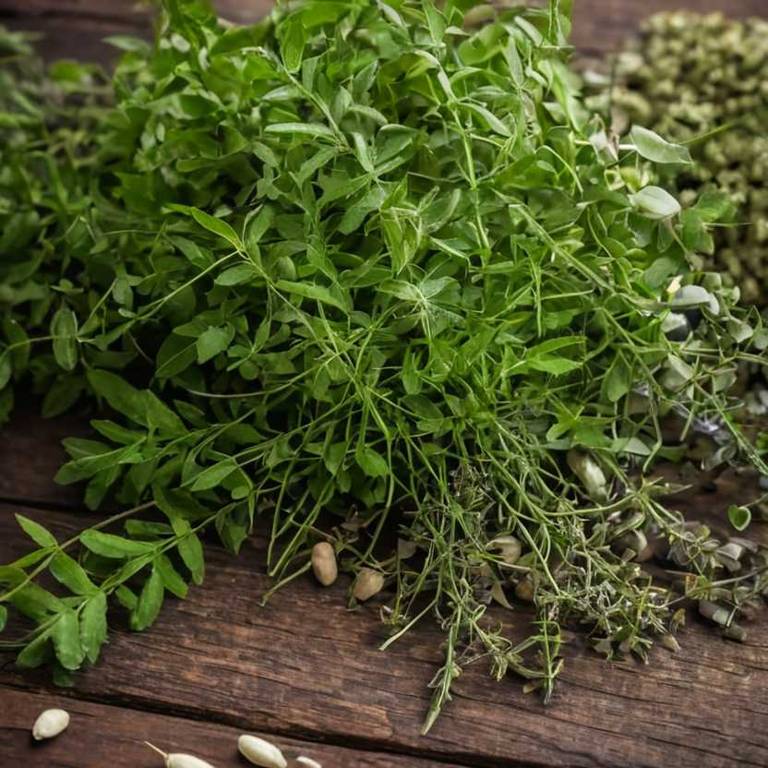
Antiporphyric activity refers to the ability of certain substances to inhibit the excessive production of porphyrins, thereby preventing or managing porphyria, a group of metabolic disorders. Medicinal herbs such as Erythrina fusca, Thymus vulgaris, and Allium ampeloprasum exhibit this biological activity by helping to regulate heme biosynthesis.

Associated herbs: 371

Occurs naturally in

Erythrina fusca

Thymus vulgaris

Allium ampeloprasum
View all Antiporphyric herbs →

Antipredatory

Antipredatory activity refers to the ability of medicinal herbs to produce secondary metabolites that deter or repel herbivores through toxicity, unpleasant taste, or physical barriers. For example, plants such as Juglans nigra, Juglans regia, and Urtica dioica employ these chemical or physical defenses to protect themselves from being eaten by animals.

Associated herbs: 10

Occurs naturally in

Juglans nigra

Urtica spatulata

Juglans regia

View all Antipredatory herbs →

Antiproctalgic

Antiprocatalgic activity refers to the ability of a substance to relieve or reduce physical pain. Several medicinal herbs possess this property, including Annona muricata, Populus balsamifera, and Achillea erba-rotta subsp. moschatata.

Associated herbs: 11

Occurs naturally in

Annona muricata

Populus balsamifera

Achillea erba-rotta subsp. moschata

View all Antiproctalgic herbs →

Antiprogestational

Antiprogestational activity refers to the ability of a substance to inhibit or antagonize the effects of the hormone progesterone within the body. Herbs such as Pimpinella aromatica, Sarracenia flava, and Thymus vulgaris exhibit this biological activity by interfering with progesterone receptor binding or signaling.

Associated herbs: 376

Occurs naturally in

Pimpinella aromatica

Sarracenia flava

Thymus vulgaris

View all Antiprogestational herbs →

Antiprogesterone

Antiprogestational activity refers to the ability of a substance to inhibit or antagonize the effects of the hormone progesterone in the body. Certain medicinal herbs, such as Helianthus annuus, Ceiba pentandra, and Abelmoschus esculentus, exhibit this biological activity, which can potentially influence reproductive processes.

Associated herbs: 5

Occurs naturally in

Helianthus annuus

Ceiba pentandra

Abelmoschus esculentus

View all Antiprogesterone herbs →

Antiprolactin

Antiprolactin activity refers to the ability of certain medicinal herbs to inhibit the secretion or physiological effects of the hormone prolactin. Examples of plants that exhibit this biological activity include Pimpinella aromatica, Rhus glabra, and Thymus vulgaris.

Associated herbs: 394

Occurs naturally in

Pimpinella aromatica

Rhus glabra

Thymus vulgaris

View all Antiprolactin herbs →

Antiproliferant

Antiproliferative activity refers to the ability of a substance to inhibit or slow down the rapid multiplication of cells, particularly cancerous or abnormal cells. Many medicinal herbs, such as Micromeria varia, exhibit this property by interfering with the cell cycle to prevent uncontrolled growth.

Associated herbs: 850

Occurs naturally in

Micromeria ericifolia

Elsholtzia ciliata

Pimpinella aromatica

View all Antiproliferant herbs →

Antiproliferant (colon)

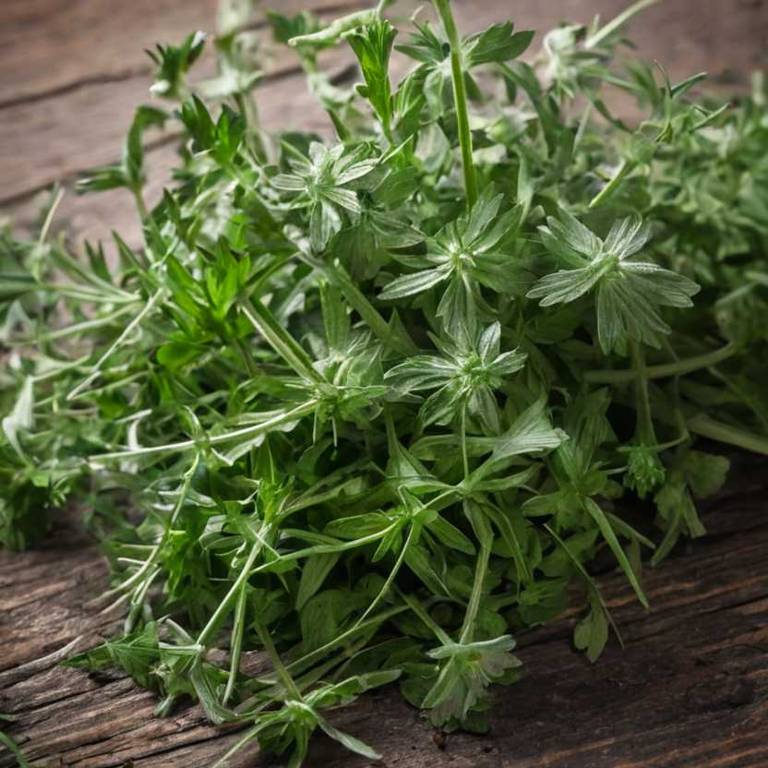
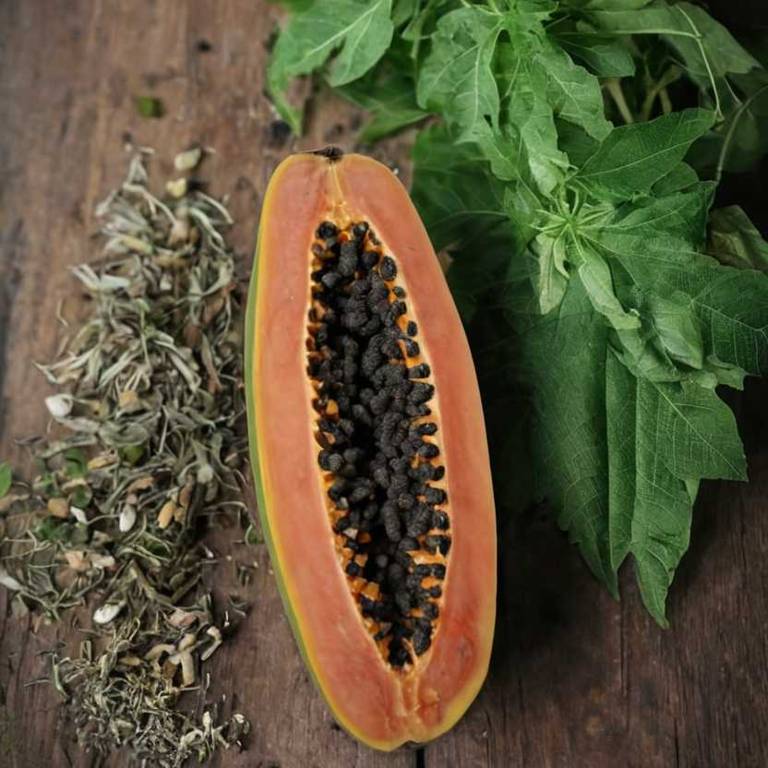
Antiproliferative activity in the colon refers to the ability of certain medicinal herbs to inhibit the rapid and uncontrolled division of cancer cells within the large intestine. Herbs such as Populus balsamifera, Daucus carota, and Eriodictyon californicum exhibit this property by disrupting the cell cycle or inducing programmed cell death in colon cancer cell lines.
Associated herbs: 10

Occurs naturally in

Populus balsamifera

Daucus carota

Eriodictyon californicum
View all Antiproliferant (colon) herbs →

Antipromoter

An antipromoter possesses the ability to inhibit the biological processes that signal cells to undergo uncontrolled proliferation and division. By interfering with these signaling pathways, such as those driven by transcription factors, these substances can help prevent the progression of cancerous growths. A well-known example of a herb with this activity is Curcuma longa (turmeric), which contains curcumin.

Associated herbs: 1

Occurs naturally in

Curcuma longa

View all Antipromoter herbs →

Antiprostanoid

Antiprostanoi d activity refers to the ability of certain plant compounds to inhibit or counteract the biological effects of prostanoic acids, such as prostaglandins, which are mediators of inflammation and pain. Herbs such as Pimpinella aromatica, Magnolia denudata, and Melia azedarach exhibit this activity, potentially serving as natural agents to regulate inflammatory responses.

Associated herbs: 260

Occurs naturally in

Pimpinella aromatica

Magnolia denudata

Melia azedarach

View all Antiprostanoid herbs →

Antiprostatadenomic

Antiprostataodemonic activity refers to the ability of certain medicinal substances to inhibit the uncontrolled growth or pathological enlargement of prostate tissue. Various botanical species exhibit this biological effect, including herbs such as Pimpinella aromatica, Sarracenia flava, and Strongylodon macrobotrys.

Associated herbs: 495

Occurs naturally in

Pimpinella aromatica

Sarracenia flava

Strongylodon macrobotrys

View all Antiprostatadenomic herbs →

Antiprostatitic

Antiprostatiic activity refers to the ability of certain medicinal substances to alleviate symptoms or reduce inflammation associated with prostate disorders, such as benign prostatic hyperplasia. Herbs including Pimpinella aromatica, Sarracenia flava, and Rhus glabra are recognized for exhibiting these beneficial effects on prostate health.

Associated herbs: 813

Occurs naturally in

Pimpinella aromatica

Sarracenia flava

Rhus glabra

View all Antiprostatitic herbs →

Antiprostatotic

Antiprostatotic activity refers to the ability of certain herbal compounds to inhibit the proliferation of prostate cells or reduce the symptoms associated with conditions like benign prostatic hyperplasia (BPH). Examples of medicinal herbs exhibiting this biological activity include Thymus vulgaris, Lepidium meyenii, and Rheum officinale.

Associated herbs: 138

Occurs naturally in

Thymus vulgaris

Lepidium meyenii

Rheum officinale

View all Antiprostatotic herbs →

Antiprotease

Antiprotease activity refers to the ability of certain compounds to inhibit proteases, which are enzymes responsible for breaking down proteins in the body. By blocking these enzymes, medicinal herbs can help reduce excessive tissue damage and inflammation associated with various inflammatory diseases. A notable example of a plant exhibiting this biological activity is Salvia officinalis (sage).

Associated herbs: 1

Occurs naturally in

Salvia officinalis

View all Antiprotease herbs →