Explore herbs biological activities

  • 11249 Plants
  • |
  • 30137 Compounds
  • |
  • 1951 Activities
  • |
  • 132161 Studies

Explore Herbs


Alphabet


Biological Activity

View all →

Bioactive Compounds

View all →

List of herbs biological activities

Showing 961-1008 out of 1951 results

Antimyocontractant

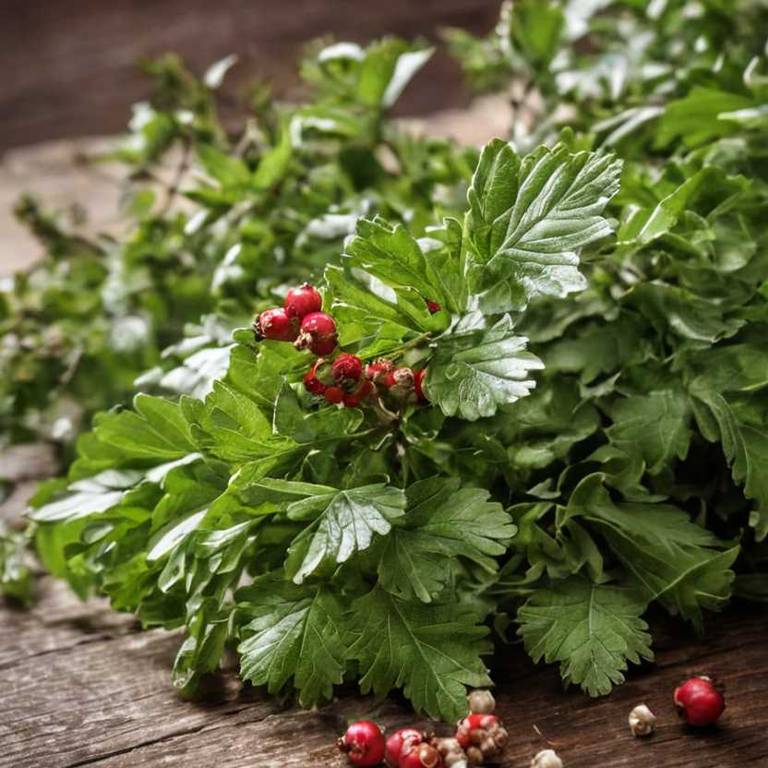
An antimyocontractant is a substance that inhibits or reduces the contraction of muscle tissues, particularly smooth muscles found in the gastrointestinal or cardiovascular systems. This biological activity is useful in treating spasms and regulating muscle tension, and it can be found in medicinal herbs such as Stachytarpheta jamaicensis, Annona mucosa, and Crataegus rhipidophylla.

Associated herbs: 10

Occurs naturally in

Stachytarpheta jamaicensis
Annona mucosa
Crataegus rhipidophylla

View all Antimyocontractant herbs →

Antimyopic

Antimyoic activity refers to the ability of a substance to inhibit or reduce muscle spasms and contractions. Herbs such as Dianthus caryophyllus, Kalanchoe gaston-bonnieri, and Sauvagesia erecta exhibit this biological property, making them potentially useful in treating muscular tension or spasms.

Associated herbs: 23

Occurs naturally in

Dianthus caryophyllus

Kalanchoe gastonis-bonnieri

Sauvagesia erecta

View all Antimyopic herbs →

Antimyotoxic

Antimyotoxic activity refers to the ability of a substance to protect cardiac muscle cells from damage caused by toxins, oxidative stress, or chemical agents. Herbs such as Eclipta prostrata exhibit this property by helping to preserve myocardial integrity and prevent heart muscle cell death.

Associated herbs: 1

Occurs naturally in

Eclipta prostrata

View all Antimyotoxic herbs →

Antinarcoleptic

An antinarcoleptic biological activity refers to the ability of a substance to counteract excessive daytime sleepiness and sudden bouts of sleep by stimulating the central nervous system. Herbs such as Cephalanus harringtonia, Sida rhombifolia, and Ephedra sinica exhibit this property, helping to enhance alertness and maintain wakefulness.

Associated herbs: 7

Occurs naturally in

Cephalotaxus harringtonia

Sida rhombifolia

Ephedra sinica

View all Antinarcoleptic herbs →

Antinarcotic

An antiNarcotic activity refers to the ability of a substance to counteract the effects of narcotics or to prevent the onset of narcotic-induced stupor and sleepiness. Herbs such as Ilex paraguariensis, Firmiana simplex, and Coffea arabica exhibit this property by providing stimulating effects that help maintain alertness and mental clarity.

Associated herbs: 17

Occurs naturally in

Ilex paraguariensis

Firmiana simplex

Coffea arabica

View all Antinarcotic herbs →

Antinauseant

Antinauseant activity refers to the ability of certain medicinal herbs to alleviate or prevent the sensation of nausea and vomiting. Herbs such as Allium ampeloprasum, Annona muricata, and Solanum nigrum exhibit these properties by helping to soothe the gastrointestinal tract and stabilize digestive functions.

Associated herbs: 121

Occurs naturally in

Allium ampeloprasum

Annona muricata

Solanum nigrum

View all Antinauseant herbs →

Antinephrolytic

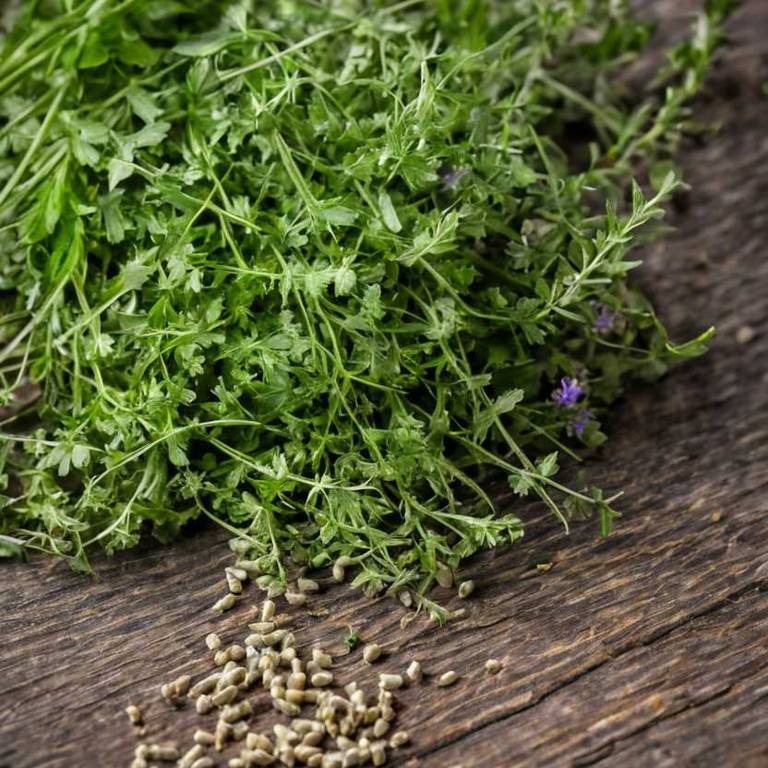
An antinephrolytic activity refers to the ability of a substance to prevent or slow the degradation of kidney tissue and protect against renal damage. Herbs such as Pimpinella aromatica, Rhus glabra, and Thymus vulgaris exhibit this property by helping to preserve kidney function and mitigate injury.

Associated herbs: 394

Occurs naturally in

Pimpinella aromatica

Rhus glabra

Thymus vulgaris

View all Antinephrolytic herbs →

Antinesidioblastosic

Antinesidioblastotic activity refers to the ability of a substance to inhibit the growth or proliferation of Schizosaccharomyces pombe, a fission yeast commonly used as a model organism in cell cycle research. Certain medicinal herbs, such as Pimpinella aromatica, Rheum officinale, and Lolium multiflorum, exhibit this biological activity, suggesting they contain compounds capable of disrupting specific cellular division processes.

Associated herbs: 162

Occurs naturally in

Pimpinella aromatica

Rheum officinale

Lolium multiflorum

View all Antinesidioblastosic herbs →

Antineuramidase

Antineuramidase activity refers to the ability of a substance to inhibit the enzyme neuraminidase, which is crucial for processes like viral release and cellular signaling. Herbs such as Pimpinella aromatica, Erythrina fusca, and Thymus vulgaris exhibit this biological activity, potentially offering therapeutic benefits in treating viral infections.

Associated herbs: 399

Occurs naturally in

Pimpinella aromatica

Erythrina fusca

Thymus vulgaris

View all Antineuramidase herbs →

Antineurasthenic

Anti-neurasthenic activity refers to the ability of a substance to alleviate neurasthenia, a condition characterized by mental fatigue, irritability, and chronic exhaustion. Herbs such as Erythrina fusca, Thymus vulgaris, and Allium ampeloprasum possess this property by helping to restore nervous system stability and improve psychological resilience.

Associated herbs: 348

Occurs naturally in

Erythrina fusca

Thymus vulgaris

Allium ampeloprasum

View all Antineurasthenic herbs →

Antineuritic

Antineuritic activity refers to the ability of a substance to relieve or prevent symptoms of nerve inflammation and neurological dysfunction. Herbs such as Pimpinella aromatica, Elsholtzia pilosa, and Erythrina fusca exhibit these properties by helping to soothe irritated nerve tissues and restore neural stability.

Associated herbs: 434

Occurs naturally in

Pimpinella aromatica

Elsholtzia pilosa

Erythrina fusca

View all Antineuritic herbs →

Antineuroblastomic

Antineuroblastomic activity refers to the ability of certain medicinal substances to inhibit the growth, proliferation, or survival of neuroblastoma cells, which are a type of cancer originating in the nerve cells. Herbs such as Strongylodon macrobotrys, Calopogonium caeruleum, and Phaseolus coccineus have demonstrated potential in research for their ability to combat these malignant cells.

Associated herbs: 133

Occurs naturally in

Strongylodon macrobotrys

Calopogonium caeruleum

Phaseolus coccineus

View all Antineuroblastomic herbs →

Antineurogenic

Antineurogenic activity refers to the ability of a substance to inhibit or prevent the development and dysfunction of nerve cells or neurodegenerative processes. Herbs such as Stachytarpheta jamaicensis, Annona mucosa, and Crataegus rhipidophylla exhibit this biological activity, potentially offering protective effects against neurological damage.

Associated herbs: 9

Occurs naturally in

Stachytarpheta jamaicensis

Annona mucosa

Crataegus rhipidophylla
View all Antineurogenic herbs →

Antineuroleptic

Antineuroleptic activity refers to the ability of a substance to counteract or mitigate the side effects and neurological symptoms associated with antipsychotic medications. Certain medicinal herbs, such as Euphorbia latyris, Vicia faba, and Cytisus scoparius, exhibit these properties by modulating neurotransmitter pathways in the brain.

Associated herbs: 3

Occurs naturally in

Euphorbia lathyris

Vicia faba

Cytisus scoparius

View all Antineuroleptic herbs →

Antineuromuscular

Antineuromuscular activity refers to the ability of a substance to inhibit or reduce the transmission of nerve impulses to the muscles, thereby decreasing muscle contraction or tension. Herbs such as Berberis aquifolium, Glaucium flavum, and Coptis chinensis exhibit this biological activity, potentially serving as natural agents for managing neuromuscular excitability.

Associated herbs: 24

Occurs naturally in

Berberis aquifolium

Glaucium flavum

Coptis chinensis

View all Antineuromuscular herbs →

Antineuropathic

Antineuropathic activity refers to the ability of a substance to relieve or prevent pain caused by damage or dysfunction to the nervous system. Various medicinal herbs, such as Pimpinella aromatica, Erythrina fusca, and Rhus glabra, exhibit this property by modulating nerve signaling to alleviate neuropathic discomfort.

Associated herbs: 529

Occurs naturally in

Pimpinella aromatica
Erythrina fusca

Rhus glabra

View all Antineuropathic herbs →

Antineuropathic?

Antineuropathic activity refers to the ability of a substance to relieve or prevent pain and dysfunction caused by damage or disease to the peripheral or central nervous systems. Herbs such as Lonicera macrantha, Medicago sativa, and Thuja occidentalis exhibit this property by helping to mitigate neuropathic symptoms through neuroprotective or analgesic mechanisms.

Associated herbs: 41

Occurs naturally in

Lonicera macrantha

Medicago sativa

Thuja occidentalis

View all Antineuropathic? herbs →

Antineurotic

Antineurotic activity refers to the ability of a substance to alleviate or prevent symptoms of neurosis, such as anxiety, irrational fears, or emotional instability, by stabilizing the nervous system. Various medicinal herbs exhibit this effect, including Pimpinella aromatica, Rhus glabra, and Thymus vulgaris.

Associated herbs: 400

Occurs naturally in

Pimpinella aromatica

Rhus glabra

Thymus vulgaris

View all Antineurotic herbs →

Antinicotinic

Anti-nicotinic activity refers to the ability of certain botanical compounds to inhibit the effects of nicotine by acting as antagonists at nicotinic acetylcholine receptors in the nervous system. This biological mechanism is often explored for its potential to reduce nicotine dependence and mitigate the withdrawal symptoms associated with smoking. Examples of medicinal herbs exhibiting this activity include Glehnia littoralis, Angelica archangelica, and Ammi majus.

Associated herbs: 6

Occurs naturally in

Glehnia littoralis

Angelica archangelica

Ammi majus

View all Antinicotinic herbs →

Antinitrosaminic

Antinitrosaminic activity refers to the ability of certain compounds to inhibit the formation of N-nitroso compounds, which are potent carcinogens produced in the body. By preventing these chemical transformations, these herbs help reduce the risk of developing various types of cancer. An example of a plant exhibiting this biological activity is Micromeria varia.

Associated herbs: 688

Occurs naturally in

Micromeria ericifolia

Elsholtzia ciliata

Pimpinella aromatica

View all Antinitrosaminic herbs →

Antinitrosating

Anti-nitrosating activity refers to the ability of certain compounds to inhibit the chemical reaction between nitrites and secondary amines, which prevents the formation of potentially carcinogenic N-nitroso compounds. Herbs such as Pimpinella aromatica, Croton eluteria, and Thymus vulgaris exhibit this protective biological activity, helping to reduce the risk of nitrosation in the body.

Associated herbs: 122

Occurs naturally in

Pimpinella aromatica

Croton eluteria

Thymus vulgaris

View all Antinitrosating herbs →

Antinitrosic

Anti-nitroso activity refers to the ability of certain compounds to inhibit the formation of nitroso compounds, which are highly reactive and potentially harmful intermediates in biological processes. Herbs such as Pimpinella aromatica, Erythrina fusca, and Thymus vulgaris exhibit this property, helping to protect cells from oxidative and nitrosative damage.

Associated herbs: 399

Occurs naturally in

Pimpinella aromatica

Erythrina fusca

Thymus vulgaris

View all Antinitrosic herbs →

Antinutrient

Anti-nutrients are bioactive compounds found in certain plants that interfere with the absorption or utilization of essential nutrients, such as minerals and vitamins, within the body. Common examples of herbs containing these substances include Castañospermum australe and Medicago sativa, which may contain compounds that affect digestive efficiency.

Associated herbs: 2

Occurs naturally in

Castanospermum australe

Medicago sativa

View all Antinutrient herbs →

Antinyctalopic

Antnycotalpic activity refers to the ability of certain medicinal herbs to suppress or prevent bouts of coughing. Herbs such as Pimpinella aromatica, Rhus glabra, and Thymus vulgaris exhibit this biological property, making them effective in soothing respiratory irritation.

Associated herbs: 400

Occurs naturally in

Pimpinella aromatica

Rhus glabra

Thymus vulgaris

View all Antinyctalopic herbs →

Antiobesity?

Antiobesity biological activity refers to the ability of medicinal herbs to help manage weight by inhibiting fat absorption, regulating lipid metabolism, or suppressing appetite. Herbs such as Thymus vulgaris, Sambucus nigra, and Prunus persica exhibit these properties by modulating metabolic pathways to prevent excessive weight gain.

Associated herbs: 123

Occurs naturally in

Thymus vulgaris

Sambucus nigra

Prunus persica

View all Antiobesity? herbs →

Antiodontalgic

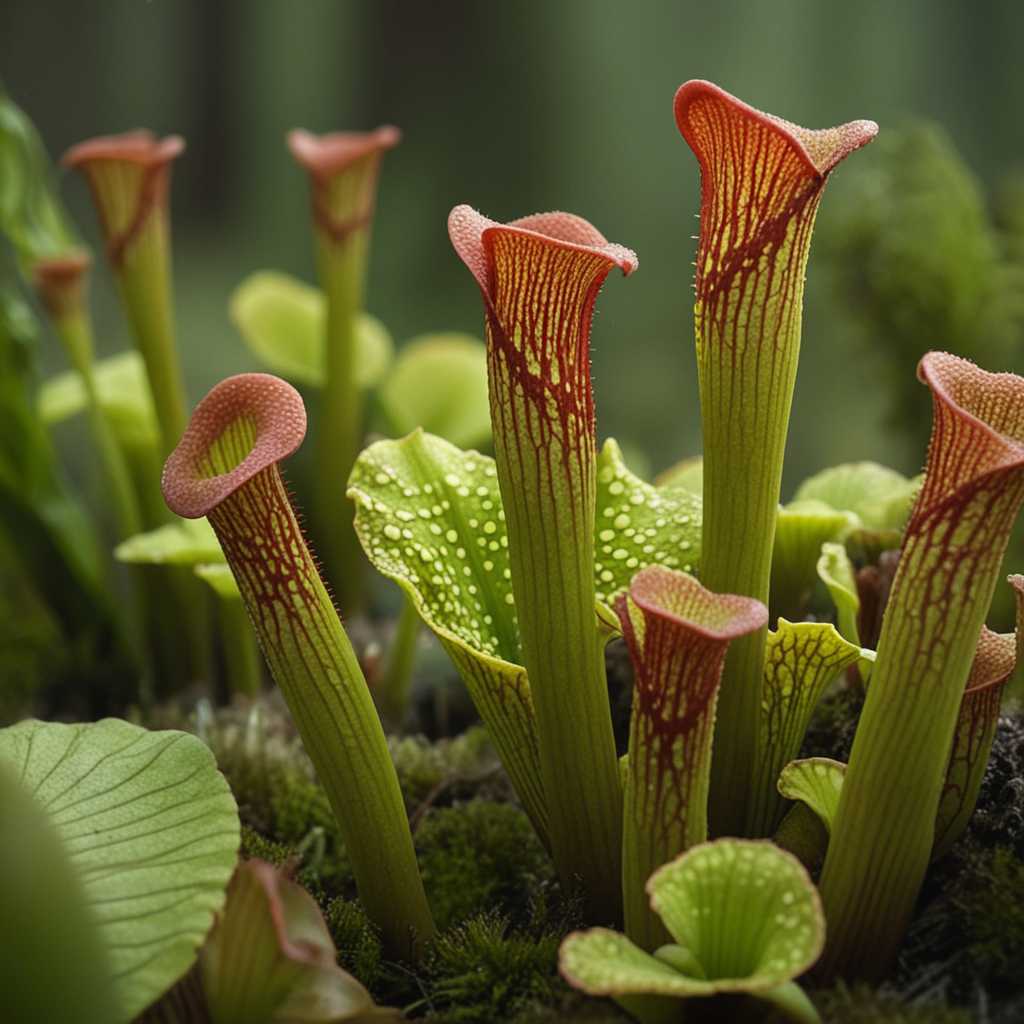
Antiodontalgic activity refers to the ability of a substance to relieve or prevent pain specifically within the teeth and gums. Herbs such as Sarracenia flava, Lonicera macrantha, and Sambucus nigra exhibit this property, making them useful in managing dental discomfort.

Associated herbs: 99

Occurs naturally in

Sarracenia flava

Lonicera macrantha

Sambucus nigra

View all Antiodontalgic herbs →

Antioncychomycotic

Antiochomycotic activity refers to the ability of certain substances to inhibit the growth of or destroy pathogenic fungi. Many medicinal herbs, such as Cinnamomum aromaticum, Clea ternifolia, and Polygonum aviculare, exhibit this property through the production of bioactive compounds that disrupt fungal cell membranes or metabolic processes.

Associated herbs: 65

Occurs naturally in

Cinnamomum aromaticum

Calea ternifolia

Polygonum aviculare

View all Antioncychomycotic herbs →

Antionychogryphotic

Antionychogrphythic activity refers to the ability of a substance to inhibit the growth or prevent the development of hookworms (Ancylostoma duodenale and Necator americanus) within the host. Herbs such as Santalum album, Cinnamomum aromaticum, and Pinus sylvestris exhibit this biological property, helping to combat these intestinal parasites.

Associated herbs: 37

Occurs naturally in

Santalum album

Cinnamomum aromaticum

Pinus sylvestris

View all Antionychogryphotic herbs →

Antionychyotic

Antionychotic activity refers to the ability of certain biological compounds to inhibit the formation or growth of fungal organisms, thereby preventing infections. Medicinal herbs such as Elsholtzia ciliata, Sarracenia flava, and Elsholtzia pilosa exhibit this property through their unique phytochemical profiles.

Associated herbs: 256

Occurs naturally in

Elsholtzia ciliata

Sarracenia flava

Elsholtzia pilosa

View all Antionychyotic herbs →

Antiophthalmic

Antiophthalmotic activity refers to the ability of certain medicinal substances to prevent or treat eye diseases, such as inflammation, infections, or degenerative conditions. Herbs like Allium ampeloprasum, Annona muricata, and Santalum album exhibit these properties and are often utilized for their protective effects on ocular health.

Associated herbs: 174

Occurs naturally in

Allium ampeloprasum

Annona muricata

Santalum album

View all Antiophthalmic herbs →

Antiorchitic

Antiorchitic activity refers to the biological ability of a substance to inhibit or prevent the development of testicular tumors. Herbs such as Pimpinella aromatica, Erythrina fusca, and Thymus vulgaris exhibit this property, demonstrating potential in cancer research and treatment.

Associated herbs: 399

Occurs naturally in

Pimpinella aromatica

Erythrina fusca

Thymus vulgaris

View all Antiorchitic herbs →

Antiosteoarthritic

Antiosteoarthritic activity refers to the ability of a substance to reduce joint inflammation, prevent the degradation of cartilage, and alleviate the pain associated with osteoarthritis. Medicinal herbs such as Pimpinella aromatica, Erythrina fusca, and Rhus glabra exhibit this biological activity by targeting the inflammatory pathways that drive joint degeneration.

Associated herbs: 454

Occurs naturally in

Pimpinella aromatica

Erythrina fusca

Rhus glabra

View all Antiosteoarthritic herbs →

Antiosteomyelitic

Antioosteomyelitic activity refers to the ability of a substance to prevent or treat inflammation and infection within the bone marrow. Herbs such as Salvia miltiorrhiza (Red Sage) exhibit this property by helping to protect bone tissue and modulate the inflammatory response in the medullary cavity.

Associated herbs: 1

Occurs naturally in

Salvia miltiorrhiza

View all Antiosteomyelitic herbs →

Antiosteoporotic?

Antiosteoporotic activity refers to the ability of a substance to prevent or reduce the loss of bone density, thereby protecting against conditions like osteoporosis. Herbs such as Annona muricata, Medicago sativa, and Petasites japonicus exhibit this biological activity by helping to maintain bone mineral density and promote skeletal health.

Associated herbs: 41

Occurs naturally in

Annona muricata

Medicago sativa

Petasites japonicus

View all Antiosteoporotic? herbs →

Antiosteosclerotic

Antiosteosclerotic activity refers to the ability of a substance to prevent or reduce the abnormal hardening and thickening of bone tissue. Herbs such as Houttuynia cordata, Punica granatum, and Scutellaria baicalensis exhibit this property, helping to inhibit the pathological processes that lead to excessive bone mineralization.

Associated herbs: 18

Occurs naturally in

Houttuynia cordata

Punica granatum

Scutellaria baicalensis

View all Antiosteosclerotic herbs →

Antiosteotic

Antioesteotic activity refers to the ability of a substance to inhibit the formation of osteophytes, which are abnormal bony outgrowths that typically develop around joints due to inflammation or osteoarthritis. Various medicinal herbs possess this property, including Melia azedarach, Polygonum aviculare, and Frangula alnus, which may help prevent bone overgrowth and mitigate joint degradation.

Associated herbs: 23

Occurs naturally in

Melia azedarach

Polygonum aviculare

Frangula alnus

View all Antiosteotic herbs →

Antiotalgic

Antioalgic refers to the biological activity of a substance that possesses the ability to relieve or alleviate pain. This effect is achieved by interfering with pain signaling pathways in the nervous system, as seen in medicinal herbs such as Aloe succotrina.

Associated herbs: 1

Occurs naturally in

Aloe succotrina

View all Antiotalgic herbs →

Antiotitic

Antibiotic activity refers to the ability of certain medicinal herbs to inhibit the growth of or destroy pathogenic microorganisms, such as bacteria. Examples of plants exhibiting this biological property include Micromeria varia and garlic (Allium sativum).

Associated herbs: 311

Occurs naturally in

Micromeria ericifolia

Eucalyptus siderophloia

Croton eluteria

View all Antiotitic herbs →

Antiototic

Antibiotic activity refers to the ability of certain medicinal herbs to inhibit the growth of or destroy pathogenic microorganisms such as bacteria. Examples of plants that exhibit this biological activity include Pimpinella aromatica, Rhus glabra, and Thymus vulgaris.

Associated herbs: 367

Occurs naturally in

Pimpinella aromatica

Rhus glabra

Thymus vulgaris

View all Antiototic herbs →

Antiovulatory

Antiovulvular activity refers to the ability of certain medicinal herbs to reduce inflammation, swelling, and irritation within the vulvar region. Herbs such as Annona squamosa exhibit these properties, helping to soothe discomfort and promote healing of the delicate mucosal tissues.

Associated herbs: 1

Occurs naturally in

Annona squamosa

View all Antiovulatory herbs →

Antioxalate

Antioxlalate activity refers to the biological capacity of certain compounds to inhibit the formation or absorption of oxalates, thereby preventing the development of kidney stones and other oxalate-related issues. Herbs such as Sarracenia flava, Vitellaria paradoxa, and Sambucus nigra exhibit this property, helping to maintain mineral balance within the body.

Associated herbs: 82

Occurs naturally in

Sarracenia flava

Vitellaria paradoxa

Sambucus nigra

View all Antioxalate herbs →

Antioxaluric

Antioxyguric activity refers to the ability of certain substances to lower the concentration of uric acid in the blood by promoting its excretion through the kidneys or inhibiting its production. Herbs such as Oryza sativa, Trigonella foenum-graecum, and Medicago sativa exhibit this biological activity, making them potentially useful in managing conditions like gout and hyperuricemia.

Associated herbs: 17

Occurs naturally in

Oryza sativa

Trigonella foenum-graecum

Medicago sativa

View all Antioxaluric herbs →

Antioxidant (LDL)

Antioxidant herbs protect the body by neutralizing free radicals that cause oxidative stress, specifically preventing the oxidation of low-density lipoprotein (LDL) cholesterol. By inhibiting the oxidation of LDL, these plants help reduce the formation of arterial plaques and support overall cardiovascular health. Examples of herbs exhibiting this biological activity include Pimpinella aromatica, Sarracenia flava, and Elsholtzia pilosa.

Associated herbs: 144

Occurs naturally in

Pimpinella aromatica

Sarracenia flava

Elsholtzia pilosa

View all Antioxidant (LDL) herbs →

Antioxidant Synergist

An antioxidant synergist refers to a biological activity where multiple compounds within a medicinal herb work together to enhance and prolong the effectiveness of primary antioxidants. This cooperative mechanism helps neutralize free radicals more efficiently than any single constituent could perform alone. Examples of herbs exhibiting this complex synergistic activity include Rhus glabra, Annona muricata, and Lepidium meyenii.

Associated herbs: 178

Occurs naturally in

Rhus glabra

Annona muricata

Lepidium meyenii

View all Antioxidant Synergist herbs →

Antioxidant?

Antioxidant activity refers to the ability of medicinal herbs to neutralize harmful free radicals, thereby preventing oxidative stress and cellular damage within the body. Many plants exhibit this property, including Thymus vulgaris, Allium ampeloprasum, and Lepidium meyenii.

Associated herbs: 172

Occurs naturally in

Thymus vulgaris

Allium ampeloprasum

Lepidium meyenii

View all Antioxidant? herbs →

Antiozenic

Antiozenic activity refers to the ability of certain medicinal herbs to inhibit the growth of or destroy pathogenic microorganisms, such as bacteria, viruses, and fungi. Examples of plants exhibiting this biological property include Erythrina fusca, Thymus vulgaris, and Allium ampeloprasum.

Associated herbs: 371

Occurs naturally in

Erythrina fusca

Thymus vulgaris

Allium ampeloprasum

View all Antiozenic herbs →

Antipancreatitic

Antipancreatitis refers to the biological ability of certain substances to reduce inflammation and protect the pancreatic tissue from damage or enzymatic autodigestion. Herbs such as Pimpinella aromatica, Magnolia denudata, and Melia azedarach exhibit this activity, helping to mitigate the severity of pancreatic injury.

Associated herbs: 260

Occurs naturally in

Pimpinella aromatica

Magnolia denudata

Melia azedarach

View all Antipancreatitic herbs →

Antipanniculopathic

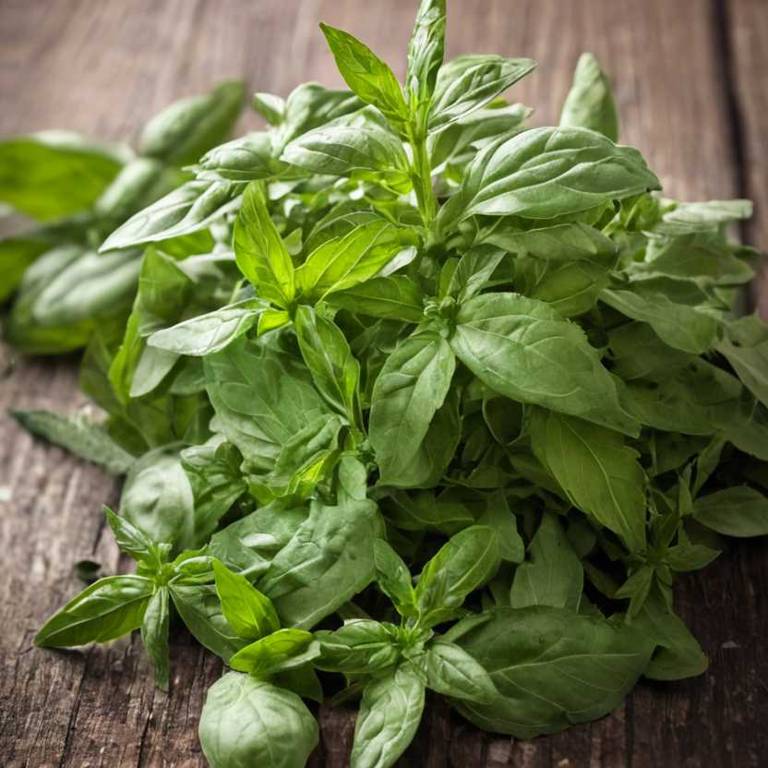
Antipanniculopathic activity refers to the ability of a substance to prevent or treat panniculitis, which is the inflammation of the subcutaneous fat layer beneath the skin. Medicinal herbs such as Crataegus monogyna, Ocimum basilicum, and Fraxinus ornus exhibit this biological activity by helping to reduce inflammation within these fatty tissues.

Associated herbs: 14

Occurs naturally in

Crataegus monogyna

Ocimum basilicum

Fraxinus ornus

View all Antipanniculopathic herbs →