Explore herbs biological activities

  • 11249 Plants
  • |
  • 30137 Compounds
  • |
  • 1951 Activities
  • |
  • 132161 Studies

Explore Herbs


Alphabet


Biological Activity

View all →

Bioactive Compounds

View all →

List of herbs biological activities

Showing 913-960 out of 1951 results

Antileukotriene-B4

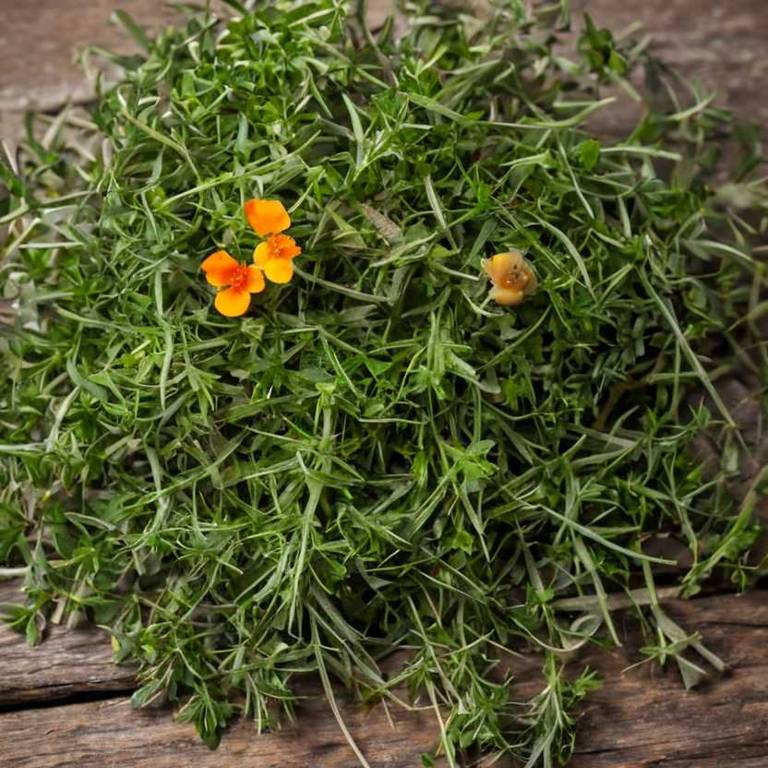
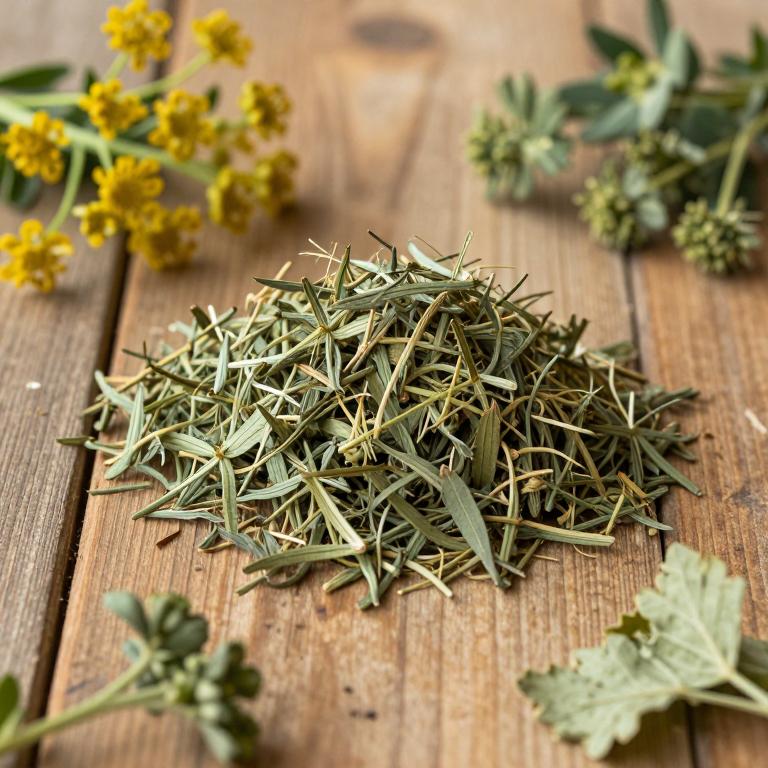
Anti-leukotriene B4 activity refers to the ability of certain medicinal herbs to inhibit the production or action of leukotriene B4, a potent inflammatory mediator that recruits white blood cells to sites of infection or injury. By suppressing this pathway, these herbs help reduce excessive inflammation and allergic responses, a property observed in plants such as Aloe succotrina, Daucus carota, and Portulaca oleracea.

Associated herbs: 12

Occurs naturally in
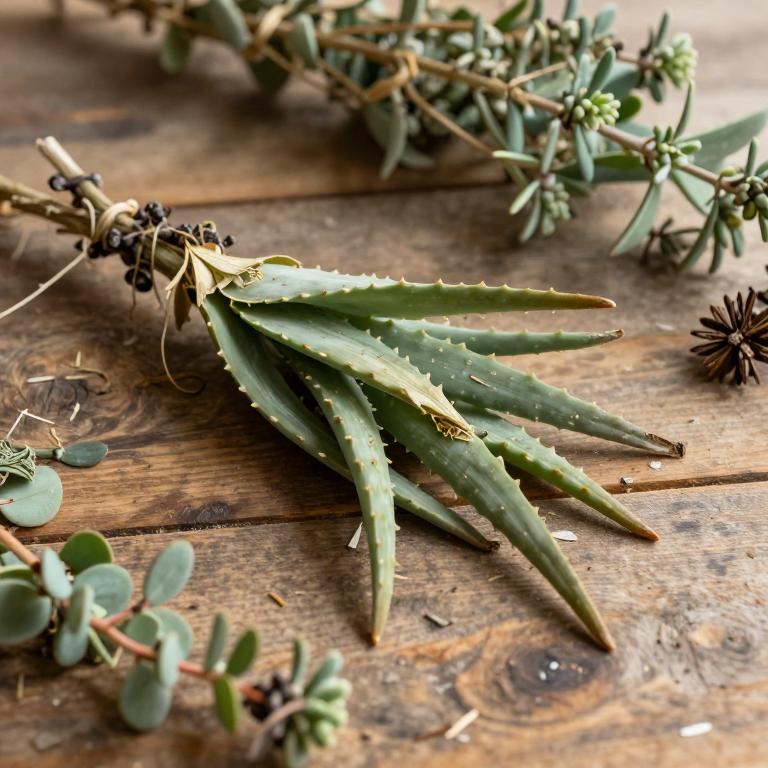
Aloe succotrina
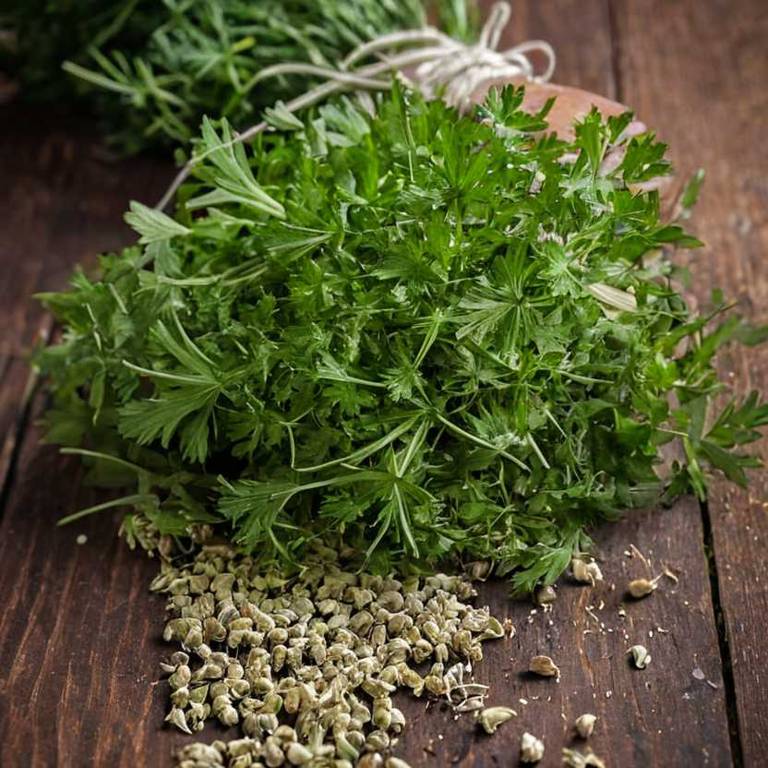
Daucus carota
Portulaca oleracea
View all Antileukotriene-B4 herbs →

Antileukotriene-D4

Anti-leukotriene D4 activity refers to the ability of certain medicinal compounds to inhibit the production or action of leukotriene D4, a potent inflammatory mediator responsible for smooth muscle contraction and allergic responses. Herbs such as Pimpinella aromatica, Thymus vulgaris, and Allium ampeloprasum exhibit this biological activity, offering potential therapeutic benefits for managing inflammatory and asthmatic conditions.

Associated herbs: 345

Occurs naturally in

Pimpinella aromatica

Thymus vulgaris

Allium ampeloprasum

View all Antileukotriene-D4 herbs →

Antileukotrienogenic

Antileukotrienogenic activity refers to the ability of a substance to inhibit the synthesis or action of leukotrienes, which are potent inflammatory mediators responsible for bronchoconstriction and allergic responses. Medicinal herbs such as Pimpinella aromatica, Allium ampeloprasum, and Simaba orinocensis exhibit this biological activity, making them potential natural agents for managing inflammatory conditions like asthma.

Associated herbs: 77

Occurs naturally in

Pimpinella aromatica

Allium ampeloprasum

Simaba orinocensis

View all Antileukotrienogenic herbs →

Antilipedemic

Antilipemic activity refers to the ability of a substance to reduce the levels of lipids, such as cholesterol and triglycerides, in the blood to prevent cardiovascular issues. Various medicinal herbs, including Medicago sativa, Cullen corylifolium, and Punica granatum, exhibit this biological activity by helping to regulate lipid metabolism.

Associated herbs: 15

Occurs naturally in

Medicago sativa

Cullen corylifolium

Punica granatum

View all Antilipedemic herbs →

Antilisteria

Anti-listerial activity refers to the ability of medicinal herbs to inhibit the growth of or eliminate Listeria monocytogenes, a common foodborne pathogen. Herbs such as Croton eluateria, Thymus vulgaris, and Pycnanthemum pycnanthemoides exhibit this biological activity, making them potential natural agents for controlling bacterial infections.

Associated herbs: 112

Occurs naturally in

Croton eluteria

Thymus vulgaris

Pycnanthemum pycnanthemoides

View all Antilisteria herbs →

Antilithic?

Antilithic activity refers to the ability of a substance to prevent the formation of stones or to help dissolve existing calculi within the urinary tract. Herbs exhibiting this property, such as Micromeria varia, work by inhibiting crystal aggregation or promoting the excretion of minerals to reduce the risk of kidney or bladder stones.

Associated herbs: 226

Occurs naturally in

Micromeria ericifolia

Elsholtzia ciliata

Pimpinella aromatica

View all Antilithic? herbs →

Antilumbagic

Antilumbagic herbs possess biological properties that help alleviate pain and inflammation specifically localized in the lower back or lumbar region. Common examples of plants exhibiting this activity include Cinchona officinalis and Melanopsiidium nigrum.

Associated herbs: 2

Occurs naturally in

Cinchona officinalis

Melanopsidium nigrum

View all Antilumbagic herbs →

Antilupus

Anti-lupus activity refers to the ability of certain medicinal herbs to modulate the immune system and reduce the chronic inflammation characteristic of systemic lupus erythematosus. Examples of plants demonstrating this biological activity include Erythrina fusca, Thymus vulgaris, and Allium ampeloprasum.

Associated herbs: 383

Occurs naturally in

Erythrina fusca

Thymus vulgaris

Allium ampeloprasum

View all Antilupus herbs →

Antilymphedemic

Antilymphedeic activity refers to the ability of a substance to reduce swelling and improve the drainage of lymphatic fluid within bodily tissues. Herbs such as Thymus vulgaris, Cinnamomum aromaticum, and Peumus boldus exhibit this biological property by helping to alleviate congestion and support the efficient movement of lymph.

Associated herbs: 47

Occurs naturally in

Thymus vulgaris

Cinnamomum aromaticum

Peumus boldus

View all Antilymphedemic herbs →

Antilymphocytic

Antilymphocytic activity refers to the ability of a substance to inhibit the proliferation or function of lymphocytes, which are key white blood cells in the immune system. This property is often utilized to modulate immune responses or treat inflammatory conditions, as seen in herbs such as Thymus vulgaris, Magnolia denudata, and Uncaria guianensis.

Associated herbs: 186

Occurs naturally in

Thymus vulgaris

Magnolia denudata

Uncaria guianensis

View all Antilymphocytic herbs →

Antilymphomic

Antilymphomic activity refers to the ability of certain medicinal substances to inhibit the uncontrolled proliferation of lymphocytes, which are white blood cells involved in the development of various types of lymphoma. Herbs such as Micromeria varia exhibit this biological activity by potentially disrupting the survival and growth mechanisms of malignant lymphoid cells.

Associated herbs: 922

Occurs naturally in

Micromeria ericifolia

Pimpinella aromatica

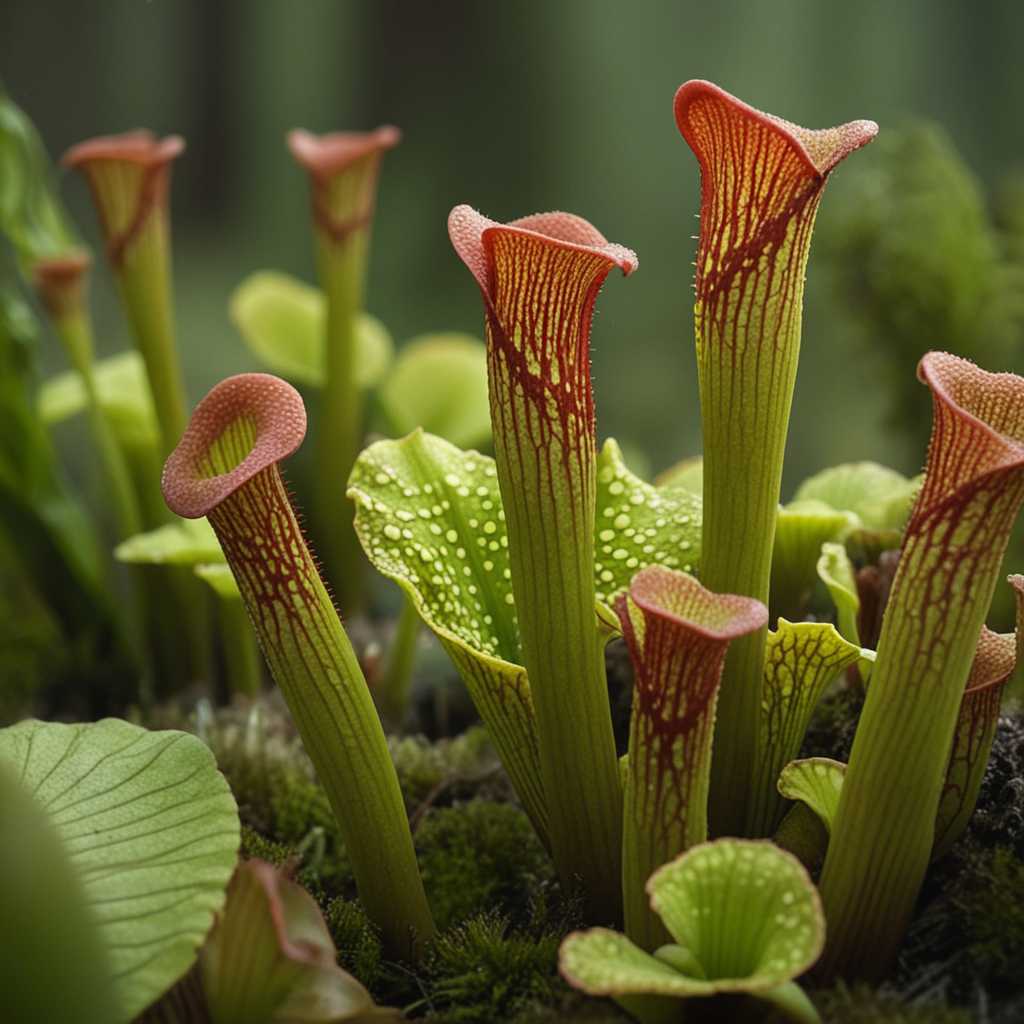
Sarracenia flava

View all Antilymphomic herbs →

Antilymphosarcomic

Antilymphosarcomic activity refers to the ability of certain medicinal herbs to inhibit the growth, proliferation, or spread of lymphosarcoma, a type of cancer affecting the lymphatic system. Herbs such as Tecoma stans, Handroanthus heptaphyllus, and Handroanthus impetiginosus have demonstrated this biological potential in various studies.

Associated herbs: 3

Occurs naturally in

Tecoma stans

Handroanthus heptaphyllus

Handroanthus impetiginosus

View all Antilymphosarcomic herbs →

Antimaculitic

Antimaculitic activity refers to the ability of a substance to prevent or reduce the formation and spread of skin blemishes, spots, or discolorations. Various medicinal herbs, such as Pimpinella aromatica, Erythrina fusca, and Rhus glabra, exhibit this property by helping to clear the skin and even out its tone.

Associated herbs: 584

Occurs naturally in

Pimpinella aromatica

Erythrina fusca

Rhus glabra

View all Antimaculitic herbs →

Antimange

Antimange refers to the biological activity of substances used to treat or prevent mange, a skin disease caused by parasitic mites. Herbs such as Pimpinella aromatica, Eucalyptus siderophloia, and Thymus vulgaris exhibit these properties by helping to eliminate the mites and soothe the affected skin.

Associated herbs: 133

Occurs naturally in

Pimpinella aromatica

Eucalyptus siderophloia

Thymus vulgaris

View all Antimange herbs →

Antimanic

Antimanic activity refers to the ability of certain botanical compounds to reduce or prevent episodes of mania, a state of abnormally elevated energy and irritability often associated with bipolar disorder. Herbs such as Pimpinella aromatica, Thymus vulgaris, and Allium ampeloprasum are studied for their potential to exert these stabilizing effects on the central nervous system.

Associated herbs: 266

Occurs naturally in

Pimpinella aromatica

Thymus vulgaris

Allium ampeloprasum

View all Antimanic herbs →

Antimastalgic

Antimastalgic refers to the biological ability of a substance to relieve or prevent pain by interfering with pain signaling in the body. Several medicinal herbs exhibit this property, including Pimpinella aromatica, Rhus glabra, and Thymus vulgaris.

Associated herbs: 403

Occurs naturally in

Pimpinella aromatica

Rhus glabra

Thymus vulgaris

View all Antimastalgic herbs →

Antimasticotic

Antimasticotic activity refers to the ability of certain substances to inhibit the growth of or destroy Masticomonas protozoa, which are parasites responsible for various infections. Examples of medicinal herbs or botanical extracts that exhibit this biological activity include Ginkgo biloba and certain species of Artemisia.

Associated herbs: 1

Occurs naturally in

Ginkgo biloba

View all Antimasticotic herbs →

Antimastitic

Antimasticatory activity refers to the ability of certain plant compounds to inhibit the growth of or destroy pathogenic microbes, particularly those responsible for oral infections and inflammation. Medicinal herbs such as Erythrina fusca, Thymus vulgaris, and Allium ampeloprasum exhibit this property due to their potent bioactive constituents.

Associated herbs: 371

Occurs naturally in

Erythrina fusca

Thymus vulgaris

Allium ampeloprasum

View all Antimastitic herbs →

Antimeasles

Antimeasles activity refers to the ability of certain medicinal herbs to inhibit the replication of the measles virus or alleviate its clinical symptoms through antiviral and immune-boosting properties. Plants such as Pimpinella aromatica, Erythrina fusca, and Thymus vulgaris exhibit this biological activity, helping to combat the infection and support the body's natural defenses.

Associated herbs: 417

Occurs naturally in

Pimpinella aromatica

Erythrina fusca

Thymus vulgaris

View all Antimeasles herbs →

Antimelanomic

Antimelanomic activity refers to the ability of certain substances to inhibit the production or proliferation of melanocytes, the cells responsible for melanin pigment. This biological property is highly valued in pharmacology for its potential to treat hyperpigmentation disorders and prevent the development of melanoma. Examples of herbs exhibiting this activity include Cassia longifolia, Pimpinella aromatica, and Anoa oblongifolia.

Associated herbs: 1013

Occurs naturally in

Cassinia longifolia

Pimpinella aromatica

Amanoa oblongifolia

View all Antimelanomic herbs →

Antimelasmic

Antimelasmic activity refers to the ability of certain substances to prevent, treat, or reduce the appearance of melasma, a condition characterized by dark skin patches caused by hyperpigmentation. Herbs such as Pimpinella aromatica, Arbutus unedo, and Origanum majorana exhibit this property by inhibiting melanin production or lightening existing pigment.

Associated herbs: 17

Occurs naturally in

Pimpinella aromatica

Arbutus unedo

Origanum majorana

View all Antimelasmic herbs →

Antimeningiomic

Antimeningioemic activity refers to the ability of a substance to reduce inflammation and swelling of the meninges, which are the protective membranes surrounding the brain and spinal cord. Herbs such as Boswellia serrata exhibit this property, making them potentially useful in managing neurological conditions involving meningeal irritation.

Associated herbs: 1

Occurs naturally in

Boswellia serrata

View all Antimeningiomic herbs →

Antimeningitic

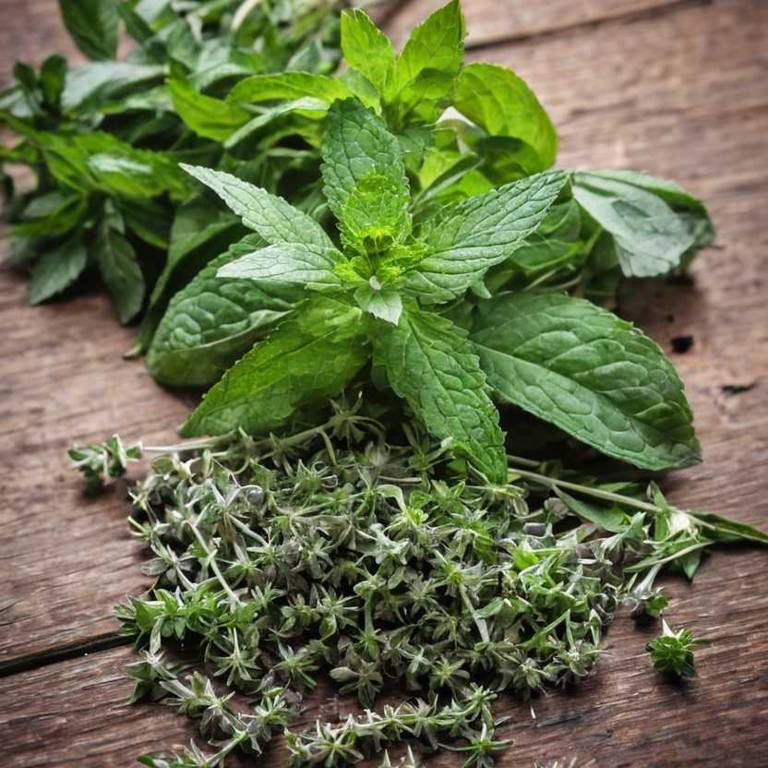
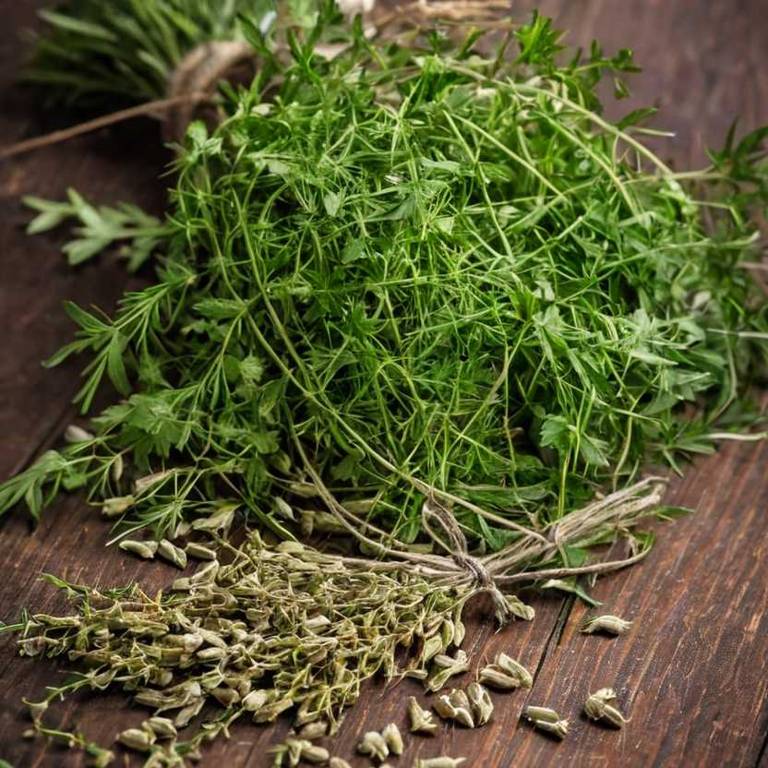
Antimeningitic biological activity refers to the ability of certain medicinal substances to combat or prevent inflammation and infection of the meninges, the protective membranes surrounding the brain and spinal cord. Herbs such as Trigonella foenum-graecum, Gentiana lutea, and Menyanthes trifoliata are studied for their potential therapeutic roles in addressing such neurological inflammatory conditions.

Associated herbs: 11

Occurs naturally in

Trigonella foenum-graecum

Gentiana lutea
Menyanthes trifoliata
View all Antimeningitic herbs →

Antimenopausal

Antimeno-pausal activity refers to the biological capacity of certain medicinal herbs to alleviate or prevent symptoms associated with painful or irregular menstrual cycles. Herbs such as Pimpinella aromatica, Erythrina fusca, and Rhus glabra are noted for possessing these properties to help regulate menstruation.

Associated herbs: 599

Occurs naturally in

Pimpinella aromatica

Erythrina fusca

Rhus glabra

View all Antimenopausal herbs →

Antimenorrhagic

Antimenorrhagic activity refers to the biological ability of certain medicinal herbs to reduce or stop excessive or irregular menstrual bleeding. Herbs such as Pimpinella aromatica, Erythrina fusca, and Thymus vulgaris possess these properties and can be used to help regulate heavy uterine discharge.

Associated herbs: 620

Occurs naturally in

Pimpinella aromatica

Erythrina fusca

Thymus vulgaris

View all Antimenorrhagic herbs →

Antimetabolic

Antimetabolic activity refers to the ability of a substance to interfere with or inhibit specific metabolic processes within a cell, thereby altering the normal chemical reactions required for growth or survival. Certain medicinal herbs, such as Medicago sativa, Astragalus mongholicus, and Robinia pseudoacacia, exhibit these properties by regulating enzymatic pathways or nutrient utilization.

Associated herbs: 5

Occurs naturally in

Medicago sativa

Astragalus mongholicus

Robinia pseudoacacia

View all Antimetabolic herbs →

Antimetabolite

Antimetabolites are substances that interfere with normal cellular metabolism by mimicking essential nutrients, thereby inhibiting vital processes such as DNA synthesis or enzyme functions. This biological activity is often leveraged to arrest cell growth, a property found in medicinal herbs like Linum usitatissimum (flaxseed), which contains lignans that can influence metabolic pathways.

Associated herbs: 1

Occurs naturally in

Linum usitatissimum

View all Antimetabolite herbs →

Antimetaplastic

Antimetaplastic activity refers to the ability of a substance to prevent or reverse metaplasia, a process where one mature cell type is replaced by another distinct cell type due to chronic irritation. Herbs such as Trigonella foenum-graecum, Medicago sativa, and Aloe succotrina exhibit this activity by helping to maintain normal cellular identity and preventing abnormal tissue transformations.

Associated herbs: 22

Occurs naturally in

Trigonella foenum-graecum

Medicago sativa

Aloe succotrina

View all Antimetaplastic herbs →

Antimetastatic (Stomach)

Antimetastatic activity in the stomach refers to the ability of certain compounds to inhibit the spread of cancer cells from a primary gastric tumor to distant organs or surrounding tissues. Medicinal herbs such as Micromeria varia exhibit this property by interfering with the cellular mechanisms that allow malignant cells to migrate and colonize new sites.

Associated herbs: 317

Occurs naturally in

Micromeria ericifolia

Pimpinella aromatica

Eucalyptus siderophloia

View all Antimetastatic (Stomach) herbs →

Antimetrorrhagic

An antimetrorrhagic agent is a substance used to prevent or reduce excessive uterine bleeding, specifically targeting metrorrhagia. Common medicinal herbs that exhibit this biological activity include Capsella bursa-pastoris, Mentha spicata, and Conium maculatum.

Associated herbs: 13

Occurs naturally in

Conium maculatum

Mentha spicata

Capsella bursa-pastoris

View all Antimetrorrhagic herbs →

Antimite

Antimite activity refers to the biological ability of certain plant extracts to kill, repel, or inhibit the reproduction of mites and other microscopic arachnids. Medicinal herbs such as Pimpinella aromatica, Eucalyptus siderophloia, and Ferula gummosa exhibit this property, making them potential natural alternatives for pest control.

Associated herbs: 152

Occurs naturally in

Pimpinella aromatica

Eucalyptus siderophloia

Ferula gummosa

View all Antimite herbs →

Antimitochondrial

Antimitochondrial activity refers to the ability of certain compounds to disrupt mitochondrial function, often by inhibiting oxidative phosphorylation or inducing mitochondrial membrane permeability to trigger cell death. This biological mechanism is frequently studied for its potential to target cancer cells, and it is exhibited by herbs such as Glycyrrhiza ura로ensis, Camellia sinensis, and Glycyrrhiza glabra.

Associated herbs: 4

Occurs naturally in

Glycyrrhiza uralensis

Camellia sinensis

Glycyrrhiza glabra

View all Antimitochondrial herbs →

Antimitotis

Antimitotic activity refers to the ability of a substance to inhibit cell division by interfering with the formation or function of the mitotic spindle during mitosis. This biological property is highly valued in cancer research, as it prevents the uncontrolled proliferation of malignant cells, a mechanism demonstrated by herbs such as Narcissus tazetta.

Associated herbs: 1

Occurs naturally in

Narcissus tazetta

View all Antimitotis herbs →

Antimitral-valve-prolapse

Antimitral valve prolapse refers to the biological activity of medicinal herbs that helps stabilize the mitral valve structure or regulate the cardiac rhythm to prevent the leaflets from bulging into the left atrium. Herbs such as Pimpinella aromatica, Rhus glabra, and Thymus vulgaris are studied for their potential roles in supporting cardiovascular health and managing valvular integrity.

Associated herbs: 394

Occurs naturally in

Pimpinella aromatica

Rhus glabra

Thymus vulgaris

View all Antimitral-valve-prolapse herbs →

Antimononuccleotic

Antimonomonucleotic activity refers to the ability of a substance to inhibit the growth or reproduction of mononuclear cells, such as certain types of white blood cells or specific pathogens that target them. This biological property is found in various medicinal herbs, including Thymus vulgaris, Cinnamomum aromaticum, and Peumus boldus.

Associated herbs: 47

Occurs naturally in

Thymus vulgaris

Cinnamomum aromaticum

Peumus boldus

View all Antimononuccleotic herbs →

Antimorphinic

Antimorphinic activity refers to the ability of certain plant compounds to counteract or inhibit the physiological effects of morphine and related opioid alkaloids. Herbs such as Allium ampeloprasum, Lepidium meyenii, and Foeniculum vulgare are studied for their potential to modulate these pathways and mitigate opioid-induced effects.

Associated herbs: 155

Occurs naturally in

Allium ampeloprasum

Lepidium meyenii

Foeniculum vulgare

View all Antimorphinic herbs →

Antimorphinistic

Antimorphinistic activity refers to the biological capacity of certain substances to counteract or inhibit the physiological effects of morphine and other opioid alkaloids. Herbs such as Oryza sativa (rice), Trigonella foenum-graecum (fenugreek), and Helianthus annuus (sunflower) contain bioactive compounds that may help modulate or mitigate opioid-induced responses.

Associated herbs: 32

Occurs naturally in

Oryza sativa

Trigonella foenum-graecum

Helianthus annuus

View all Antimorphinistic herbs →

Antimutilation

Antimutilation refers to the biological ability of certain plants to protect their tissues from physical damage or degradation caused by pathogens and environmental stressors. Herbs such as Juglans nigra, Urtica spicata, and Carica papaya exhibit this activity through the production of protective compounds that safeguard their cellular integrity.

Associated herbs: 13

Occurs naturally in

Juglans nigra

Urtica spatulata

Carica papaya

View all Antimutilation herbs →

Antimyalgic

Antimyalgic activity refers to the ability of a substance to relieve or prevent muscle pain and spasms by reducing inflammation or modulating pain signals. Medicinal herbs such as Rhus glabrum, Thymus vulgaris, and Berberis aquifolium exhibit this biological activity, making them useful in managing musculoskeletal discomfort.

Associated herbs: 184

Occurs naturally in

Rhus glabra

Thymus vulgaris

Berberis aquifolium

View all Antimyalgic herbs →

Antimyasthenic

Antimyasthenic activity refers to the ability of a substance to improve neuromuscular transmission by enhancing the availability or sensitivity of acetylcholine at the neuromuscular junction. This biological activity is particularly useful in managing symptoms of Myasthenia Gravis, and it can be observed in herbs such as Oryza sativa, Narcissus tazetta, and Eriobotrya japonica.

Associated herbs: 24

Occurs naturally in

Oryza sativa

Narcissus tazetta

Eriobotrya japonica

View all Antimyasthenic herbs →

Antimycoplasmotic

Antimycoplasmotic activity refers to the ability of a substance to inhibit the growth of or destroy mycoplasmas, which are unique bacteria lacking a rigid cell wall. Herbs such as Thymus vulgaris (thyme), Cinnamomum aromaticum (cinnamon), and Peumus boldus (boldo) exhibit this biological activity, making them effective in combating these specialized microbial pathogens.

Associated herbs: 47

Occurs naturally in

Thymus vulgaris

Cinnamomum aromaticum

Peumus boldus

View all Antimycoplasmotic herbs →

Antimyelotoxic

Antimyelotoxic activity refers to the ability of a substance to protect bone marrow from damage and prevent the suppression of myelopoiesis, which is the production of white blood cells. Certain medicinal herbs, such as Allium ampeloprasum, Annona muricata, and Prunus persica, exhibit this protective effect by helping to maintain healthy blood cell counts against toxic insults.

Associated herbs: 78

Occurs naturally in

Allium ampeloprasum

Annona muricata

Prunus persica

View all Antimyelotoxic herbs →

Antimyoatrophic

Antimyoatrophic activity refers to the ability of a substance to prevent or reverse the wasting away of muscle tissue caused by disuse, nerve damage, or disease. Herbs such as Croton tiglium, Chenopodium album, and Ferula moschata exhibit this property by helping to preserve muscle mass and strength.

Associated herbs: 41

Occurs naturally in

Croton eluteria

Chenopodium album

Ferula moschata

View all Antimyoatrophic herbs →

Antimyocarditic

Antimyoerodic activity refers to the ability of a substance to protect the heart muscle from damage, such as that caused by ischemia or oxidative stress, thereby preventing myocardial injury. Several medicinal herbs exhibit this protective effect, including Pimpinella aromatica, Erythrina fusca, and Thymus vulgaris.

Associated herbs: 498

Occurs naturally in

Pimpinella aromatica

Erythrina fusca

Thymus vulgaris

View all Antimyocarditic herbs →

Antimyocarditis

Antimyocarditis refers to the biological capacity of certain substances to prevent or reduce inflammation of the heart muscle, thereby protecting cardiac function from damage. Herbs such as Pueraria montana var. lobata (commonly known as Kudzu) exhibit this activity through their antioxidant and anti-inflammatory properties that help mitigate myocardial injury.

Associated herbs: 2

Occurs naturally in

Pueraria montana var. lobata

Pueraria montana

View all Antimyocarditis herbs →

Antimyocardotic

Antimyoardotic activity refers to the ability of a substance to protect the heart muscle from damage caused by factors such as ischemia, oxidative stress, or inflammation. Herbs such as Salvia miltiorrhiza (Danshen) exhibit this property by improving blood flow and stabilizing cardiac cell membranes to prevent myocardial injury.

Associated herbs: 1

Occurs naturally in

Salvia miltiorrhiza

View all Antimyocardotic herbs →

Antimyocarodtic

Antimyoerodic activity refers to the ability of a substance to prevent or reduce damage to the heart muscle, such as protecting against ischemia or myocardial infarction. Herbs such as Panax quinquefolius, Panax notoginseng, and Panax ginseng exhibit this biological activity by helping to stabilize cardiac function and mitigate cellular injury.

Associated herbs: 3

Occurs naturally in

Panax quinquefolius

Panax notoginseng

Panax ginseng

View all Antimyocarodtic herbs →

Antimyoclonic

Antimyooclonic activity refers to the ability of a substance to suppress or reduce involuntary, sudden muscle contractions known as myoclonic jerks. Herbs such as Foeniculum vulgare (fennel), Helianthus annuus (sunflower), and Medicago sativa (alfalfa) exhibit this biological effect, potentially aiding in the management of neuromuscular instability.

Associated herbs: 35

Occurs naturally in

Foeniculum vulgare

Helianthus annuus

Medicago sativa

View all Antimyoclonic herbs →