Explore herbs biological activities

  • 11249 Plants
  • |
  • 30137 Compounds
  • |
  • 1951 Activities
  • |
  • 132161 Studies

Explore Herbs


Alphabet


Biological Activity

View all →

Bioactive Compounds

View all →

List of herbs biological activities

Showing 865-912 out of 1951 results

Antihyperlipoproteinaemic

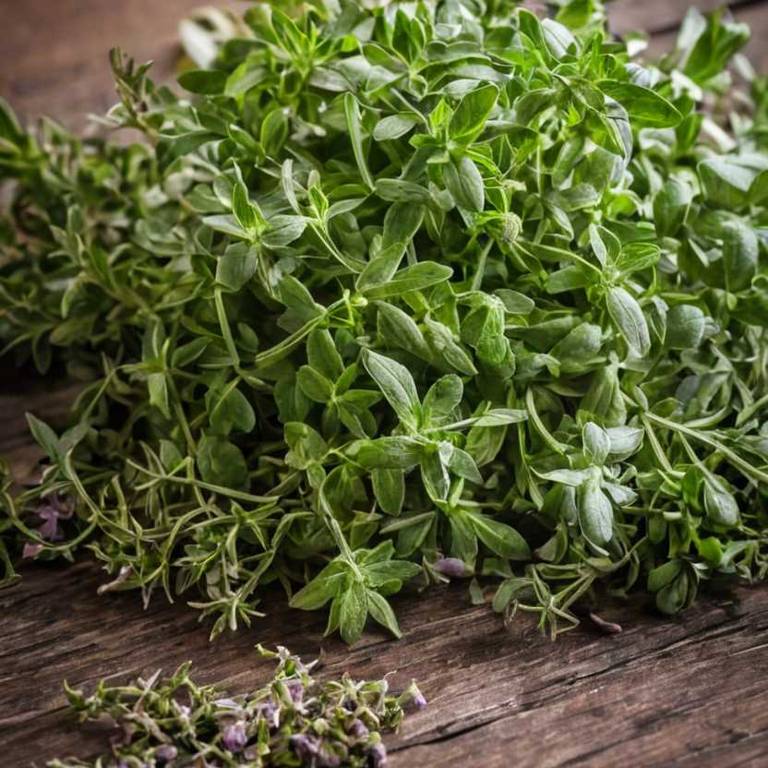
Antihyperlipoproteinemic activity refers to the ability of a substance to reduce elevated levels of lipoproteins, such as cholesterol and triglycerides, in the blood. Herbs such as Pimpinella aromatica, Sarracenia flava, and Thymus vulgaris exhibit this biological activity, helping to prevent cardiovascular complications.

Associated herbs: 376

Occurs naturally in
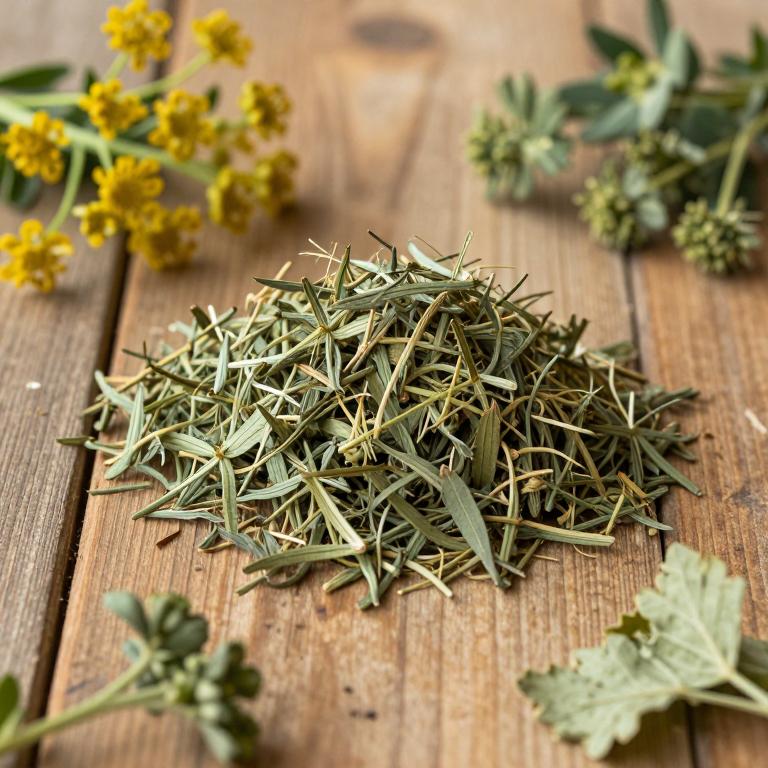
Pimpinella aromatica
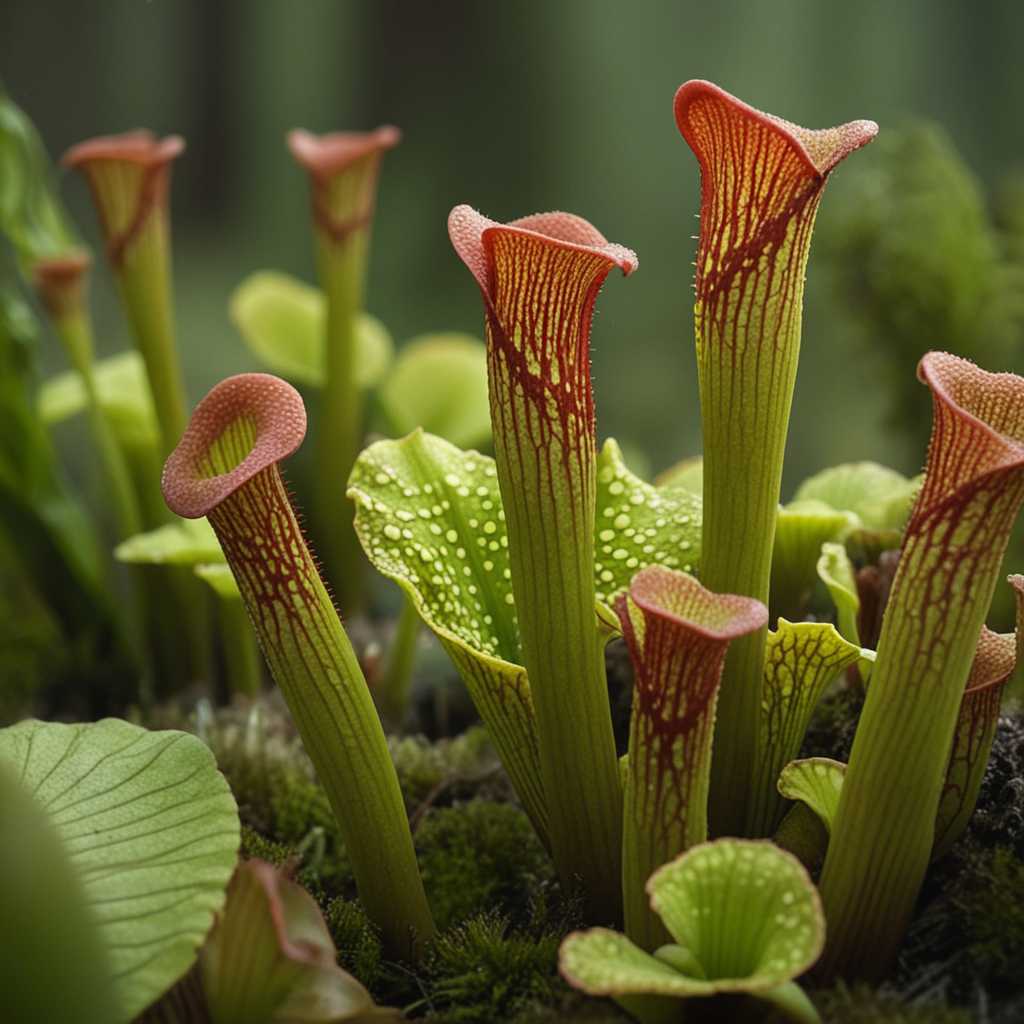
Sarracenia flava
Thymus vulgaris
View all Antihyperlipoproteinaemic herbs →

Antihyperparathyroidic

Antihyperparathyroidic activity refers to the ability of a substance to inhibit the excessive secretion of parathyroid hormone (PTH), thereby helping to regulate calcium and phosphate levels in the blood. Herbs such as Prunus armeniaca exhibit this biological activity by potentially modulating the endocrine functions associated with calcium homeostasis.

Associated herbs: 1

Occurs naturally in

Prunus armeniaca

View all Antihyperparathyroidic herbs →

Antihyperpigmentative

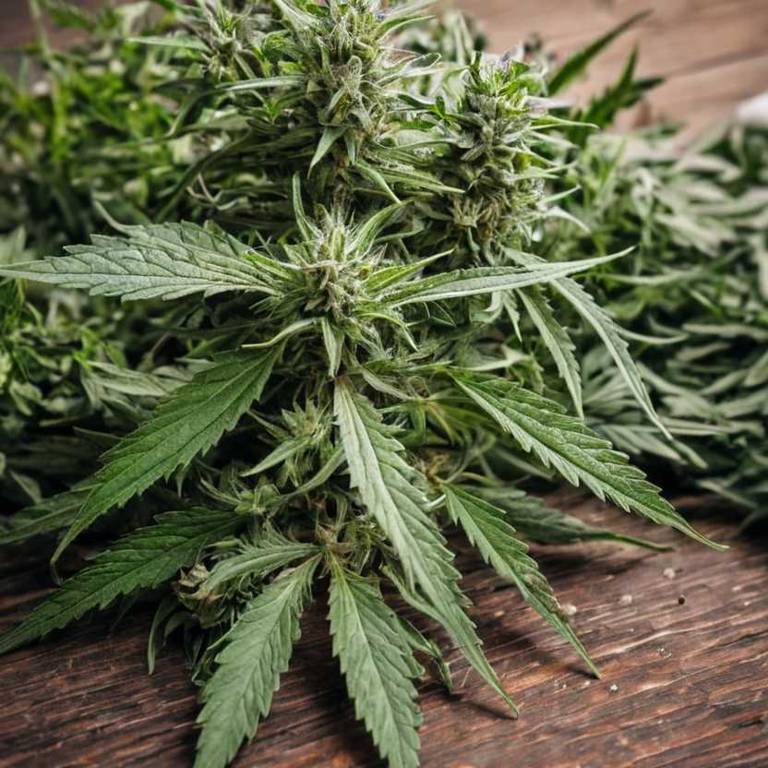
Antihyperpigmentative activity refers to the ability of a substance to inhibit the excessive production of melanin, thereby reducing dark spots and evening out skin tone. Herbs such as Lycopodium clavatum, Cannabis sativa, and Phaseolus vulgaris exhibit this biological activity by interfering with the enzymatic processes responsible for skin discoloration.

Associated herbs: 4

Occurs naturally in

Lycopodium clavatum

Cannabis sativa

Phaseolus vulgaris

View all Antihyperpigmentative herbs →

Antihyperthyroid

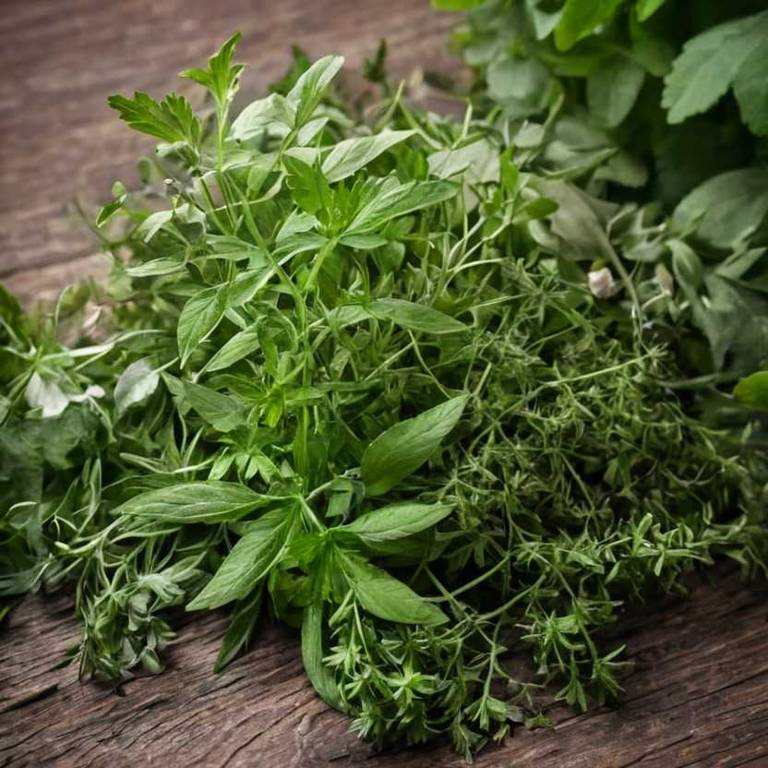
Antihyperthyroid activity refers to the ability of certain medicinal herbs to help reduce excessive thyroid hormone production, thereby managing symptoms of hyperthyroidism. Examples of plants that exhibit this biological activity include Pimpinella aromatica, Thymus vulgaris, and Allium ampeloprasum.

Associated herbs: 314

Occurs naturally in

Pimpinella aromatica

Thymus vulgaris
Allium ampeloprasum

View all Antihyperthyroid herbs →

Antihypertonic

Antihypertonic activity refers to the ability of a substance to reduce excessive muscle tone or tension, particularly within the vascular system, thereby helping to lower blood pressure. Herbs such as Rauvolfia serpentina, Rauvolfia tetraphyllon, and Rauvolfia vomitoria exhibit this biological activity through their alkaloid content, which helps relax smooth muscles and decrease peripheral resistance.

Associated herbs: 4

Occurs naturally in

Rauvolfia serpentina

Rauvolfia tetraphylla

Rauvolfia vomitoria

View all Antihypertonic herbs →

Antihyperventilation

Antihyperventilation refers to the biological ability of certain medicinal herbs to reduce or prevent excessive, rapid breathing by calming the respiratory center or stabilizing gas exchange. Herbs such as Oryza sativa, Trigonella foenum-graecum, and Medicago sativa exhibit this activity, helping to restore normal breathing patterns during respiratory distress.

Associated herbs: 17

Occurs naturally in

Oryza sativa

Trigonella foenum-graecum

Medicago sativa

View all Antihyperventilation herbs →

Antihypnotic

An antihypnotic agent is a substance that acts to counteract sleep-inducing effects, thereby increasing alertness and wakefulness. While many medicinal herbs are used as sedatives, certain plants may exhibit antihypnotic properties by stimulating the central nervous system, similar to how some compounds in Panax ginseng can enhance mental clarity and vigor.

Associated herbs: 1

Occurs naturally in

Salix alba

View all Antihypnotic herbs →

Antihypoglycemic

Antihypoglycemic activity refers to the ability of a substance to lower excessive blood glucose levels, helping to maintain healthy sugar homeostasis in the body. Various medicinal herbs exhibit this property, such as Pimpinella aromatica, Rhus glabra, and Thymus vulgaris.

Associated herbs: 395

Occurs naturally in

Pimpinella aromatica

Rhus glabra

Thymus vulgaris
View all Antihypoglycemic herbs →

Antihypogonadic

Antihypogonadic activity refers to the ability of certain substances to suppress or reduce the function of the gonads, thereby lowering the production of sex hormones like estrogen or testosterone. Herbs such as Pinus sylvestris, Punica granatum, and Vitex agnus-castus exhibit this activity by modulating the endocrine system to regulate reproductive hormonal levels.

Associated herbs: 3

Occurs naturally in

Pinus sylvestris

Punica granatum

Vitex agnus-castus

View all Antihypogonadic herbs →

Antihypotensive

Antihypotensive activity refers to the biological ability of a substance to lower or stabilize abnormally high blood pressure. Herbs such as Berberis aquifolium, Trigonella foenum-graecum, and Ilex paraguariensis exhibit this effect by helping to regulate cardiovascular tension.

Associated herbs: 16

Occurs naturally in

Berberis aquifolium

Trigonella foenum-graecum

Ilex paraguariensis

View all Antihypotensive herbs →

Antihysteric

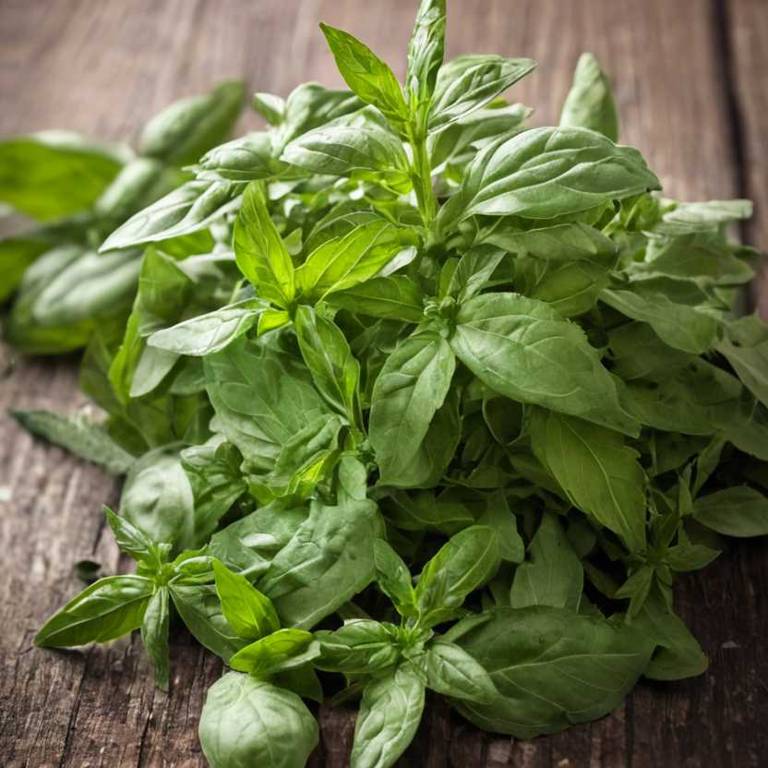
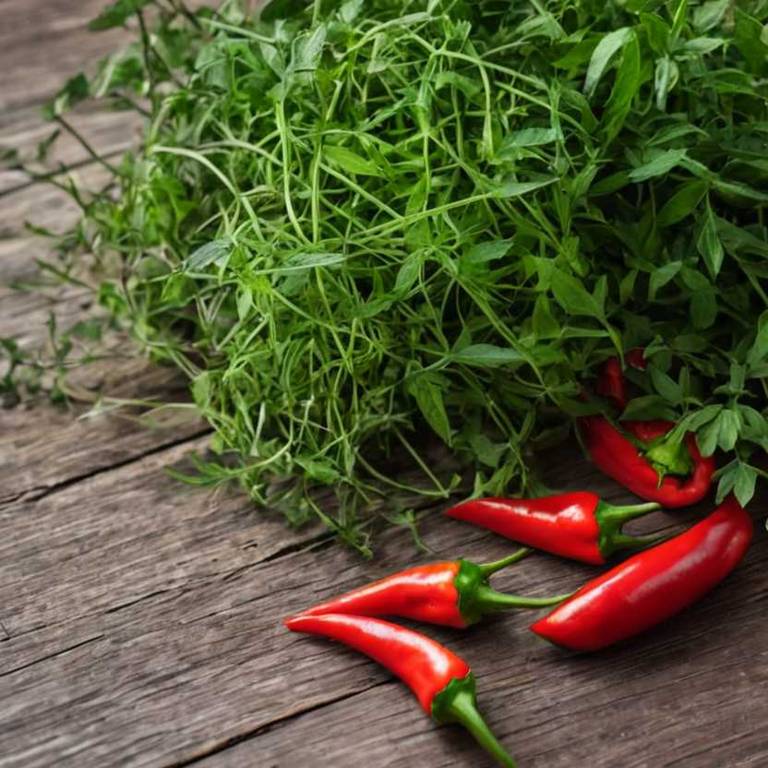
Antihysteric activity refers to the ability of a substance to alleviate or prevent hysterical symptoms, such as extreme emotional distress, anxiety, or convulsive states. Herbs such as Ocimum basilicum, Pinus sylvestris, and Capsicum frutescens are often studied for their potential to calm the nervous system and stabilize emotional responses.

Associated herbs: 19

Occurs naturally in

Ocimum basilicum

Pinus sylvestris

Capsicum frutescens

View all Antihysteric herbs →

Antiichthyosic

Anti-ichthyotic activity refers to the ability of a substance to prevent or treat ichthyosis, a condition characterized by abnormally dry, thickened, and scaly skin. Herbs such as Cinnamomum aromaticum, Clea ternifolia, and Polygonum aviculare exhibit this biological activity by helping to normalize skin texture and exfoliate excess keratin.

Associated herbs: 65

Occurs naturally in

Cinnamomum aromaticum

Calea ternifolia

Polygonum aviculare

View all Antiichthyosic herbs →

Antiichythyotic

Antiichthyotic activity refers to the ability of a substance to inhibit the growth or survival of ichthyopathogens, which are organisms that cause diseases in fish. Various medicinal herbs, such as Erythrina fusca, Thymus vulgaris, and Allium ampeloprasum, exhibit this property and can be used as natural alternatives to synthetic treatments in aquaculture.

Associated herbs: 371

Occurs naturally in

Erythrina fusca

Thymus vulgaris
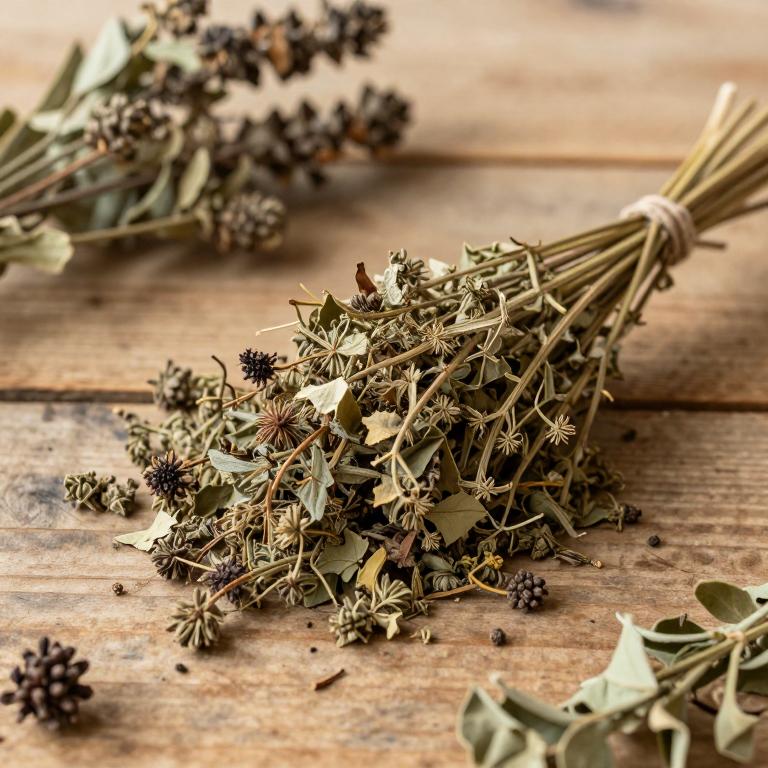
Allium ampeloprasum

View all Antiichythyotic herbs →

Antiielus?

It appears there may be a typo in your term; however, based on the biological context of the herbs provided, it is likely you are referring to anti-helminthic activity (the ability to expel parasitic worms). Here are two sentences explaining this activity: Anti-helminthic activity refers to the capacity of medicinal herbs to inhibit or eliminate parasitic worms within a host organism. For instance, extracts from plants such as Annona muricata, Oryza sativa, and Prunus persica have demonstrated potential in combating various intestinal helminths.

Associated herbs: 101

Occurs naturally in

Annona muricata

Oryza sativa

Prunus persica

View all Antiielus? herbs →

Antiileus

Antiileus refers to the biological activity of stimulating intestinal motility to prevent or treat paralytic ileus, a condition where the normal movement of the gastrointestinal tract is halted. Herbs such as Pimpinella aromatica, Foeniculum vulgare, and Trigonella foenum-graecum exhibit this property by promoting peristalsis and aiding in the restoration of regular bowel function.

Associated herbs: 24

Occurs naturally in

Pimpinella aromatica

Foeniculum vulgare

Trigonella foenum-graecum

View all Antiileus herbs →

Antiimpotence

Antiimpotence refers to the biological ability of certain medicinal herbs to enhance sexual function and treat erectile dysfunction by improving blood circulation or regulating hormonal balance. Examples of plants exhibiting this activity include Pimpinella aromatica, Rhus glabra, and Thymus vulgaris.

Associated herbs: 413

Occurs naturally in

Pimpinella aromatica

Rhus glabra

Thymus vulgaris

View all Antiimpotence herbs →

Antiincontinence

Anti-incontinence refers to the biological ability of certain medicinal herbs to strengthen pelvic floor muscles or regulate the nervous system to improve bladder control. Herbs such as Santalum album, Cinnamomum aromaticum, and Pinus sylvestris are studied for their potential roles in supporting these physiological functions.

Associated herbs: 37

Occurs naturally in

Santalum album

Cinnamomum aromaticum

Pinus sylvestris

View all Antiincontinence herbs →

Antiinfarctal

Anti-infarctal activity refers to the ability of a substance to prevent or minimize damage to heart muscle tissue caused by a lack of blood flow, such as during a myocardial infarction. Herbs like Pimpinella aromatica, Allium ampeloprasum, and Berberis aquifolium exhibit this activity by protecting cardiac cells and improving blood circulation to reduce the risk of heart tissue death.

Associated herbs: 92

Occurs naturally in

Pimpinella aromatica

Allium ampeloprasum

Berberis aquifolium

View all Antiinfarctal herbs →

Antiinfertility

Antinfertility refers to the biological activity of certain substances that interfere with the reproductive process, potentially reducing fertility or preventing conception. Herbs such as Pimpinella aromatica, Erythrina fusca, and Rhus glabra exhibit this activity by affecting hormonal balance or reproductive organ function.

Associated herbs: 575

Occurs naturally in

Pimpinella aromatica

Erythrina fusca

Rhus glabra

View all Antiinfertility herbs →

Antiinflammatory?

Anti-inflammatory activity refers to the ability of a substance to reduce swelling, pain, and redness by inhibiting the production of inflammatory mediators in the body. Various medicinal plants exhibit this property, including species such as Melia azedarach, Medicago sativa, and Cymbopogon flexuosus.

Associated herbs: 12

Occurs naturally in

Melia azedarach

Medicago sativa

Cymbopogon flexuosus

View all Antiinflammatory? herbs →

Antiinsomniac

Anti-insomniac biological activity refers to the ability of certain medicinal herbs to promote sleep induction and improve overall sleep quality by modulating the central nervous system. Examples of plants exhibiting this sedative effect include Pimpinella aromatica, Erythrina fusca, and Rhus glabra.

Associated herbs: 587

Occurs naturally in

Pimpinella aromatica

Erythrina fusca

Rhus glabra

View all Antiinsomniac herbs →

Antiinsomniac?

Anti-insomniac biological activity refers to the ability of medicinal herbs to promote relaxation and improve sleep quality by modulating the central nervous system. Examples of plants that exhibit these calming properties include Annona muricata, Oryza sativa, and Prunus persica.

Associated herbs: 101

Occurs naturally in

Annona muricata

Oryza sativa

Prunus persica

View all Antiinsomniac? herbs →

Antiinsomnic

Antiinsomnic biological activity refers to the ability of certain medicinal herbs to promote relaxation and improve sleep quality by modulating the central nervous system. Examples of plants exhibiting this effect include Erythrina fusca, Thymus vulgaris, and Allium ampeloprasum.

Associated herbs: 356

Occurs naturally in

Erythrina fusca

Thymus vulgaris
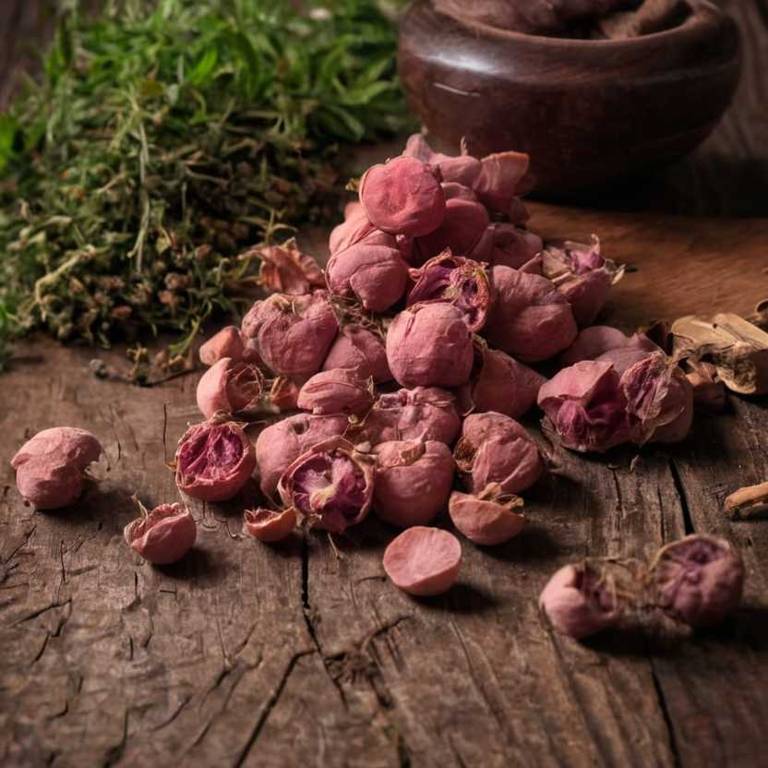
Allium ampeloprasum

View all Antiinsomnic herbs →

Antiinsulinogenic

Antiinsulinogenic activity refers to the ability of certain substances to inhibit or reduce the secretion of insulin from the pancreatic beta cells. Herbs such as Diospyros virginiana, Juglans nigra, and Panax quinquefolius exhibit this biological activity, which can play a role in managing glucose metabolism.

Associated herbs: 33

Occurs naturally in

Diospyros virginiana

Juglans nigra

Panax quinquefolius

View all Antiinsulinogenic herbs →

Antiintegrase

Antiintegrase activity refers to the ability of specific compounds to inhibit the integrase enzyme, which is essential for a virus to integrate its genetic material into the host cell's DNA. Medicinal herbs such as Thymus vulgaris, Mentha canadensis, and Scrophularia scorodonica contain bioactive phytochemicals that can disrupt this critical step in the viral life cycle.

Associated herbs: 43

Occurs naturally in

Thymus vulgaris
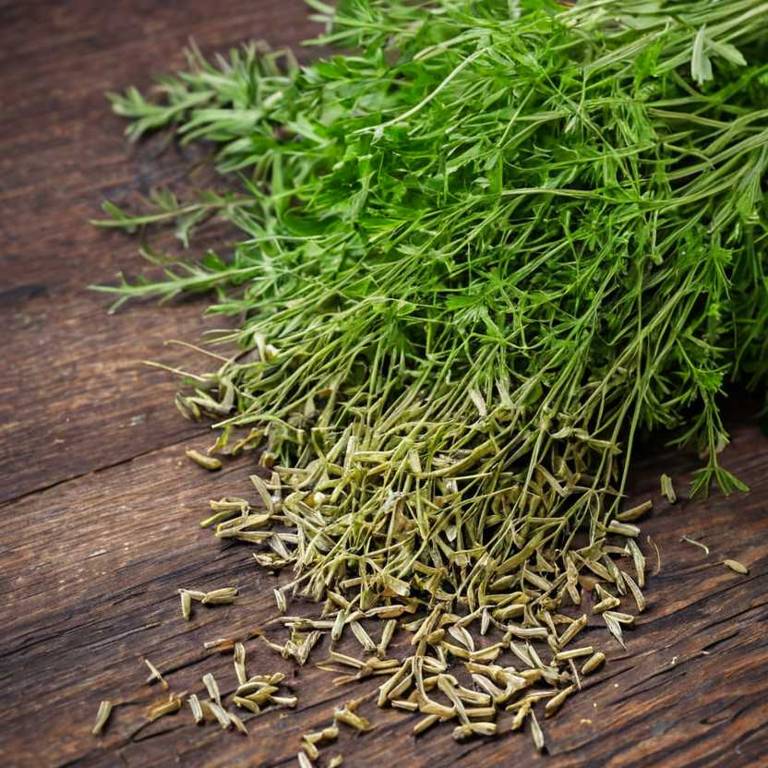
Mentha canadensis

Scrophularia scorodonia

View all Antiintegrase herbs →

Antiiritic

Antiiritic biological activity refers to the ability of a substance to relieve or prevent "iritis," which is the inflammation of the iris within the eye. Herbs exhibiting this property, such as Solanum dulcamara, Mandragora officiinarum, and Duboisia myoporoides, are traditionally utilized for their capacity to reduce ocular redness and swelling.

Associated herbs: 12

Occurs naturally in

Solanum dulcamara

Mandragora officinarum

Duboisia myoporoides

View all Antiiritic herbs →

Antiischaemic

Antiischemic activity refers to the ability of a substance to prevent or reduce ischemia, which is the restriction of blood supply to tissues, thereby preventing cell death caused by oxygen deprivation. Herbs such as Medicago sativa, Capparis spinosa, and Glycine max exhibit this property by improving blood flow and protecting cardiac or neural tissues from ischemic damage.

Associated herbs: 5

Occurs naturally in

Medicago sativa

Capparis spinosa

Glycine max

View all Antiischaemic herbs →

Antijet-lag

Anti-jet lag activity refers to the ability of certain herbs to help regulate the body's circadian rhythm and stabilize the sleep-wake cycle following significant time zone shifts. Botanical examples that exhibit this restorative biological activity include Pimpinella aromatica, Foeniculum vulgare, and Apium graveolens.

Associated herbs: 22

Occurs naturally in

Pimpinella aromatica

Foeniculum vulgare

Apium graveolens

View all Antijet-lag herbs →

Antikeloid

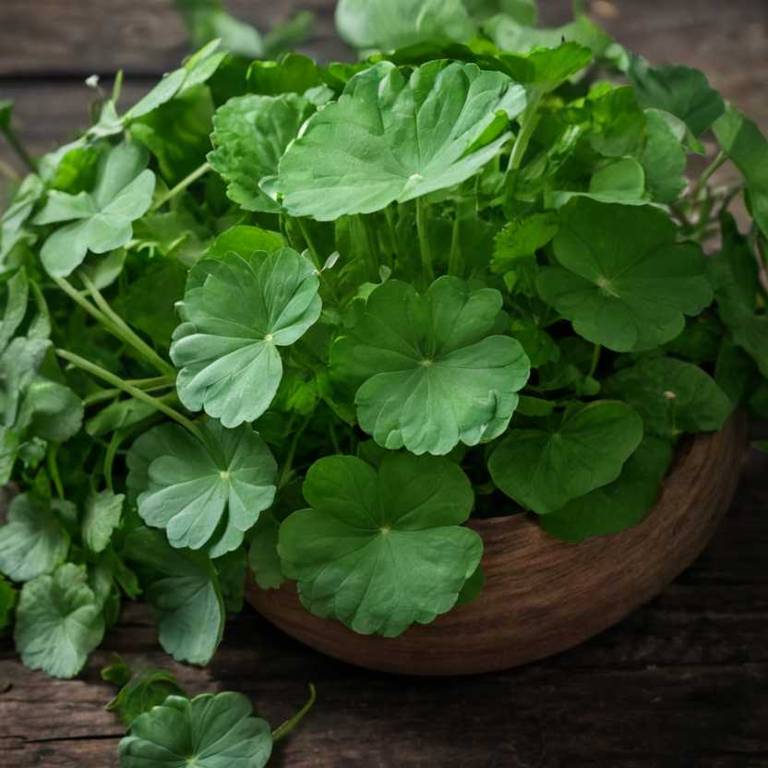
Antikealoid activity refers to the ability of a substance to prevent or reduce the formation of excessive, thick scar tissue caused by an overgrowth of collagen during the wound healing process. Herbs such as Centella asiatica exhibit this property by regulating collagen synthesis and promoting more organized tissue repair.

Associated herbs: 1

Occurs naturally in

Centella asiatica

View all Antikeloid herbs →

Antikeratitic

Antikeratolytic activity refers to the ability of a substance to soften and loosen the keratinized layer of the skin, aiding in the removal of dead skin cells. Herbs such as Erythrina fusca, Thymus vulgaris, and Allium ampeloprasum exhibit this biological activity, making them useful in treating skin conditions characterized by scaling or buildup.

Associated herbs: 364

Occurs naturally in

Erythrina fusca

Thymus vulgaris
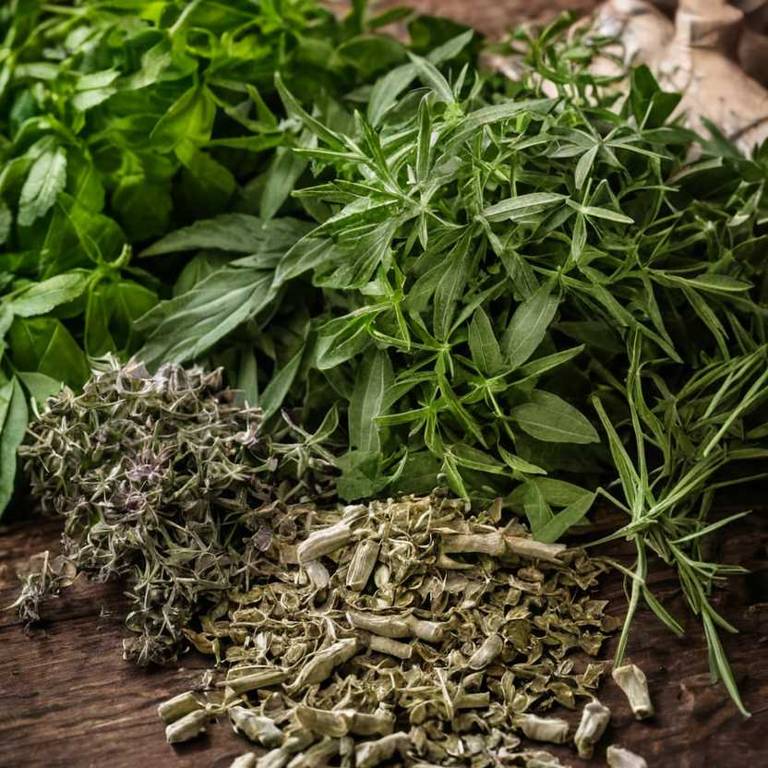
Allium ampeloprasum

View all Antikeratitic herbs →

Antikeratotic

An anti-keratotic biological activity refers to the ability of a substance to reduce the excessive buildup of keratin, thereby thinning or softening the outer layer of the skin. This action helps to smooth rough patches and facilitate the shedding of dead skin cells, as seen in medicinal herbs such as Pimpinella aromatica, Croton eluteria, and Thymus vulgaris.

Associated herbs: 137

Occurs naturally in

Pimpinella aromatica

Croton eluteria

Thymus vulgaris
View all Antikeratotic herbs →

Antikeshan

Antikeshan activity refers to the biological capacity of certain plant compounds to inhibit the growth or proliferation of specific cellular structures or microorganisms. This property is observed in various medicinal herbs, such as Rhus glabra, Thymus vulgaris, and Rumex trisetifer.

Associated herbs: 155

Occurs naturally in

Rhus glabra

Thymus vulgaris
Rumex trisetifer

View all Antikeshan herbs →

Antiketaminic

Antiketaminic activity refers to the ability of certain substances to counteract or inhibit the physiological and psychological effects induced by ketamine, a dissociative anesthetic. Medicinal herbs such as Rauvolfia serpentina, Catharanthus lanceus, and Aspidosperma quebracho-branco contain alkaloids that may demonstrate this capacity by modulating neurotransmitter systems in the brain.

Associated herbs: 7

Occurs naturally in

Rauvolfia serpentina

Catharanthus lanceus

Aspidosperma quebracho-blanco

View all Antiketaminic herbs →

Antiketotic

Antiketotic activity refers to the ability of a substance to prevent or reduce the formation of ketone bodies in the body, often by regulating glucose metabolism or inhibiting ketogenesis. Herbs such as Cuscuta europaea, Allium ampellascum, and Annona muricata exhibit this biological activity, helping to maintain metabolic balance.

Associated herbs: 220

Occurs naturally in

Cuscuta europaea

Allium ampeloprasum

Annona muricata

View all Antiketotic herbs →

Antiklebsiellic

Antiklebsiella activity refers to the ability of a substance to inhibit the growth or destroy the bacteria belonging to the genus Klebsiella, which are common opportunistic pathogens in humans. Several medicinal herbs exhibit this biological activity, including Pimpinella aromatica, Cinnamomum aromaticum, and Apium graveolens.

Associated herbs: 19

Occurs naturally in

Pimpinella aromatica

Cinnamomum aromaticum

Apium graveolens

View all Antiklebsiellic herbs →

Antilactagogue

Antilactagogue activity refers to the ability of certain substances to inhibit the secretion of prolactin, thereby suppressing the production and release of breast milk. Examples of medicinal herbs exhibiting this biological activity include Stachytarpheta jamaicensis, Annona mucosa, and Crataegus rhidiphylla.

Associated herbs: 9

Occurs naturally in

Stachytarpheta jamaicensis

Annona mucosa

Crataegus rhipidophylla

View all Antilactagogue herbs →

Antilactobacillic

Antilactobacillic activity refers to the ability of certain substances to inhibit the growth or metabolic processes of Lactobacillus bacteria. Herbs such as Croton tiglium, Melia azedarach, and Foeniculum vulgare exhibit this biological property, making them potentially useful in managing bacterial imbalances.

Associated herbs: 48

Occurs naturally in

Croton eluteria

Melia azedarach

Foeniculum vulgare

View all Antilactobacillic herbs →

Antilaryngitic

Antilaryngitic activity refers to the ability of certain medicinal herbs to reduce inflammation and soothe irritation within the larynx, helping to alleviate symptoms such as hoarseness or difficulty swallowing. Examples of plants exhibiting this biological activity include Elsholtzia ciliata, Elsholtzia pilosa, and Eucalyptus siderophloia.

Associated herbs: 222

Occurs naturally in

Elsholtzia ciliata

Elsholtzia pilosa

Eucalyptus siderophloia

View all Antilaryngitic herbs →

Antileishmanic

Antileishmanic activity refers to the ability of certain medicinal substances to inhibit or destroy Leishmania parasites, which are the causative agents of leishmaniasis. Various botanical species exhibit this property, including herbs such as Elsholtzia ciliata, Pimpinella aromatica, and Sarracenia flava.

Associated herbs: 545

Occurs naturally in

Elsholtzia ciliata

Pimpinella aromatica

Sarracenia flava

View all Antileishmanic herbs →

Antilepric

Anti-leprecy refers to the biological ability of certain medicinal herbs to inhibit the growth of Mycobacterium leprae, the bacterium responsible for causing leprosy. Herbs such as Pimpinella aromatica, Elsholtzia pilosa, and Erythrina fusca exhibit this activity, offering potential therapeutic properties against the infection.

Associated herbs: 616

Occurs naturally in

Pimpinella aromatica

Elsholtzia pilosa

Erythrina fusca

View all Antilepric herbs →

Antilethargic

Anti-lethargic activity refers to the ability of certain medicinal herbs to reduce drowsiness and combat feelings of fatigue, thereby enhancing mental alertness and physical vigor. Herbs such as Annona muricata, Trigonella foenum-graecum, and Urtica spicata exhibit these properties by helping to revitalize the body and improve overall energy levels.

Associated herbs: 45

Occurs naturally in

Annona muricata

Trigonella foenum-graecum

Urtica spatulata

View all Antilethargic herbs →

Antileucodermic

Antileucomodemic activity refers to the ability of a substance to inhibit or reduce the proliferation and activity of white blood cells, such as leukocytes, in the body. This biological action is often utilized to manage inflammatory responses or autoimmune conditions, and can be found in herbs such as Pimpinella aromatica, Foeniculum vulgare, and Chenopodium album.

Associated herbs: 23

Occurs naturally in

Pimpinella aromatica

Foeniculum vulgare

Chenopodium album

View all Antileucodermic herbs →

Antileukodermic

Anti-leukodermic activity refers to the ability of certain medicinal herbs to inhibit the abnormal loss of skin pigment or to promote the repigmentation of skin areas affected by leukoderma (vitiligo). Herbs such as Pimpinella aromatica, Foeniculum vulgare, and Chenopodium album exhibit these properties by helping to restore melanocyte function or protect skin cells from oxidative damage.

Associated herbs: 32

Occurs naturally in

Pimpinella aromatica

Foeniculum vulgare

Chenopodium album

View all Antileukodermic herbs →

Antileukonychic

Antileukonychic activity refers to the ability of certain substances to prevent or treat leukonychia, a condition characterized by white spots or streaks on the fingernails. Herbs such as Pimpinella aromatica, Rhus glabra, and Thymus vulgaris exhibit this biological property, potentially helping to restore nail health.
Associated herbs: 374

Occurs naturally in

Pimpinella aromatica

Rhus glabra

Thymus vulgaris
View all Antileukonychic herbs →

Antileukopenic

Anti-leukopenic activity refers to the ability of a substance to increase the total number of white blood cells (leukocytes) in the blood, thereby strengthening the body's immune response. Medicinal herbs such as Berberis aquifolium, Berberis vulgaris, and Curcuma longa exhibit this activity by stimulating the production and proliferation of these essential immune cells.

Associated herbs: 4

Occurs naturally in

Berberis aquifolium

Berberis vulgaris
Curcuma longa

View all Antileukopenic herbs →

Antileukoplakic

Antileuclopoietic activity refers to the ability of certain substances to inhibit the production or proliferation of white blood cells, such as leukocytes, in the bone marrow. This biological property is observed in various medicinal herbs, including Erythrina fusca, Thymus vulgaris, and Allium ampeloprasum.

Associated herbs: 371

Occurs naturally in

Erythrina fusca

Thymus vulgaris

Allium ampeloprasum

View all Antileukoplakic herbs →

Antileukorrheic

Antileukorrheic activity refers to the ability of a substance to reduce or prevent leukorrhea, which is the excessive, abnormal white vaginal discharge. Herbs such as Sambucus nigra, Helianthus annuus, and Solanum tuberosum possess these properties, helping to restore vaginal health and balance.
Associated herbs: 25

Occurs naturally in

Sambucus nigra

Helianthus annuus

Solanum tuberosum

View all Antileukorrheic herbs →

Antileukotriene

Anti-leukotriene activity refers to the ability of certain medicinal herbs to inhibit the production or action of leukotrienes, which are potent inflammatory mediators responsible for bronchoconstriction and allergic responses. Herbs such as Pimpinella aromatica, Rhus glabra, and Strongylodon macrobotrys exhibit this biological activity, making them potential natural agents for managing inflammatory conditions like asthma.

Associated herbs: 618

Occurs naturally in

Pimpinella aromatica

Rhus glabra

Strongylodon macrobotrys

View all Antileukotriene herbs →